Yes, a Tanzania safari can absolutely be customized around children’s meal times and rest breaks. The key is proactive planning and clear communication with your chosen tour operator, such as Climb 4 Africa. By discussing your family’s specific needs regarding feeding schedules, nap times, and general fatigue levels, itineraries can be adapted to include more frequent stops, shorter game drives, and suitable accommodation, ensuring a comfortable and enjoyable experience for everyone, especially younger travelers.
Planning a Tanzania Safari with Young Children: Understanding the Possibilities
Embarking on a Tanzania safari with children is a dream for many families, offering a chance to witness incredible wildlife and create lasting memories. However, the logistics of traveling with kids, particularly concerning their routines for meals and rest, can raise questions. The good news is that Tanzania’s safari industry is well-equipped to handle family travel, and customization is not only possible but often expected when families communicate their needs. A safari doesn’t have to be a rigid, all-day affair. Instead, it can be a thoughtfully arranged series of experiences that respect the energy levels and schedules of your youngest adventurers.
When you envision a safari, you might picture long hours in a vehicle, constantly on the move. While this can be part of the experience, it’s not the only way. For families with young children, the focus shifts to making the safari accessible and enjoyable for them. This means understanding that a five-year-old’s stamina differs significantly from an adult’s, and their need for regular snacks, meals, and downtime is paramount. Fortunately, operators like Climb 4 Africa specialize in creating bespoke itineraries that factor in these essential elements.
The flexibility of a private safari, as opposed to a group tour, offers the most scope for customization. In a private safari, your vehicle and guide are exclusively yours, allowing you to dictate the pace, the duration of game drives, and the timing of stops. This control is invaluable when managing children’s needs. You can decide to head back to the lodge for lunch and a nap, or take an extended break at a scenic spot if a child is getting restless.
Even within group departures, there can be some degree of flexibility. However, for true customization around specific meal and rest schedules, a private safari is the recommended route. This allows for detailed itinerary planning in advance, ensuring that the lodges chosen have suitable facilities and that the daily schedule aligns with your family’s rhythm. For instance, some lodges offer early children’s dinner times, or can prepare packed lunches to be enjoyed during a midday break in a picturesque location, rather than rushing back to a dining room.
The success of such a customized safari hinges on open and detailed communication with your tour operator. Providing them with the ages of your children and any specific requirements well in advance of your 2026 or 2027 trip is crucial. This allows them to select appropriate accommodations, suggest suitable parks and activities, and brief your guides effectively. Ultimately, a well-planned safari that accommodates children’s meal times and rest breaks will lead to a more relaxed and rewarding experience for the entire family.
The Core Components of a Family-Friendly Safari Itinerary
Designing a Tanzania safari that caters to children’s needs involves a strategic approach to several key elements. It’s not just about driving through the bush; it’s about creating a comfortable and engaging experience that respects the unique requirements of young travelers. The primary considerations revolve around the pace of activities, the selection of accommodation, and the flexibility built into the daily schedule.
Pace and Duration of Game Drives
Children often have shorter attention spans and lower stamina than adults. Therefore, excessively long game drives can lead to boredom, restlessness, and meltdowns, negating the purpose of the safari. The customization around children’s meal times and rest breaks begins with adjusting the typical game drive structure.
Instead of a full-day game drive, consider opting for shorter, more frequent excursions. For example, a morning drive from 6:30 AM to 10:00 AM, followed by breakfast and rest time, and then perhaps a shorter afternoon drive from 3:00 PM to 5:30 PM. This pattern allows for ample time for meals, naps, and relaxation at the lodge or camp in between drives. It also aligns with the natural activity patterns of many animals, which are often most active during the cooler parts of the day.
The flexibility to cut a game drive short if a child becomes tired or hungry is essential. This is where a private safari vehicle shines. You are not bound by the schedule or desires of other travelers. If your child is fascinated by a particular herd of elephants and wants to watch them for an hour, you can. Conversely, if they’ve had enough and want to return to the lodge, you can do so without negotiation.
When planning for 2026 or 2027, discuss this pace with your tour operator. They can advise on which parks offer the best viewing opportunities within shorter drive times. For instance, areas within the Serengeti or Tarangire known for high concentrations of wildlife might be ideal, as you’re likely to see a lot without extensive travel.
Accommodation Choices for Families
The accommodation you choose plays a pivotal role in a family safari’s success. Lodges and tented camps vary significantly in their amenities, suitability for children, and proximity to game viewing areas. When customizing around children’s meal times and rest breaks, selecting the right lodging is paramount.
Key features to look for in family-friendly accommodation include:
- Family Rooms or Interconnecting Rooms: These provide more space and privacy for families. Interconnecting rooms allow parents to have their own space while remaining close to their children.
- Swimming Pools: A pool can be a lifesaver for children, offering a fun way to burn energy and cool off during the hottest parts of the day, especially when a midday rest is scheduled.
- Kid-Friendly Menus or Flexible Dining: Enquire if the lodge can cater to children’s specific dietary needs and preferences. Can they offer earlier dining times for children? Can they prepare simple meals like pasta or grilled chicken?
- Proximity to Wildlife Viewing Areas: Lodges located within or very close to prime game viewing areas can reduce travel time to and from drives, maximizing sighting opportunities without exhausting the children.
- Safe Play Areas: Some lodges offer secure areas where children can play under supervision while parents relax.
- Babysitting Services: While not always available, this can be a valuable option for parents who might want a quiet evening.
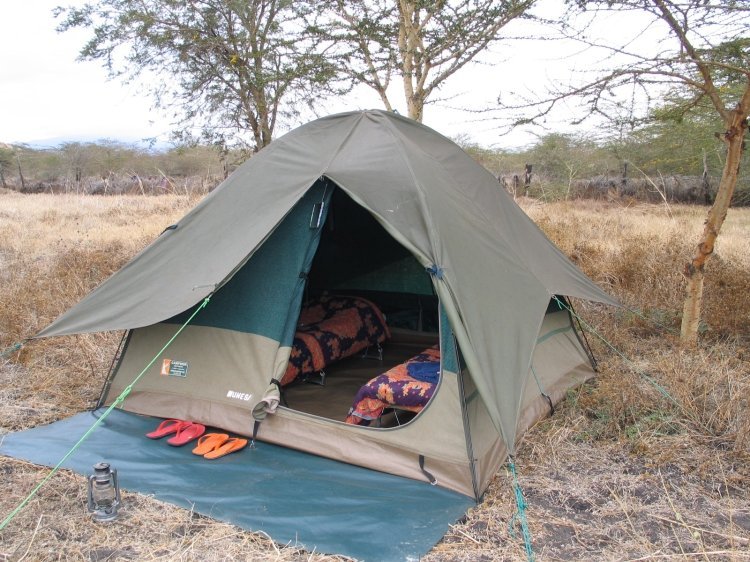
When discussing your safari plans for 2026 or 2027 with Climb 4 Africa, be specific about your accommodation needs. They can recommend lodges that are known for their family-friendly atmosphere and facilities. For example, some lodges in the Central Serengeti or Manyara offer excellent family options. Consider tented camps that are more rustic but can offer a unique experience; ensure they are secure and have amenities suitable for children.
Flexible Daily Schedules and Meal Planning
The daily rhythm of a safari needs to be adapted to accommodate children’s biological needs. This means building in flexibility for meals, naps, and downtime. The concept of customizing around children’s meal times and rest breaks is fundamentally about creating a manageable schedule.
Typical adaptations include:
- Early Breakfasts: Children often wake early, so an early breakfast (e.g., 7:00 AM) can be accommodated, allowing for an early start to the morning game drive.
- Midday Breaks: This is crucial. Instead of continuous driving, plan for a significant break back at the lodge or camp for lunch, rest, and perhaps a nap. This period is vital for recharging.
- Flexible Lunch Options: If a full return to the lodge isn’t feasible or desired, packed lunches can be arranged. These can be enjoyed at a picnic site or a designated rest stop. The guide can find a comfortable, shaded spot.
- Early Dinners: Children often eat earlier than adults. Discuss with your lodge or camp about arranging an earlier dinner service for the children, perhaps around 6:00 PM, followed by an earlier bedtime.
- Snack Availability: Ensure that your vehicle is always stocked with snacks and drinks for the children. Your guide and tour operator can help you plan for this.
Communicating these preferences in advance is key. For example, when booking your 2026 or 2027 safari, state that you require lodges that can offer early meal services and packed lunches if needed. Your tour operator will then select accommodations and plan routes accordingly. The guide will also be briefed to ensure these timings are adhered to, making adjustments on the ground as necessary.
Choosing the Right Parks and Activities for Families
Not all national parks and safari activities in Tanzania are equally suited for families with young children. The choice of destination and the types of activities offered can significantly impact the overall experience, especially when the itinerary needs to be customized around children’s meal times and rest breaks.
Tanzania’s National Parks: Family Suitability
Some parks offer more concentrated wildlife viewing and shorter driving distances between sightings, which are ideal for children. Others might involve longer drives or more challenging terrain.
- Tarangire National Park: Known for its large elephant herds and baobab trees, Tarangire is often a hit with children. The landscape is varied, and wildlife is frequently seen close to the roads. It’s also relatively accessible from Arusha. Shorter game drives here can be very rewarding.
- Lake Manyara National Park: This park is compact and offers diverse habitats, including woodlands, grasslands, and a lake. It’s famous for its tree-climbing lions and large troops of baboons, which children often find fascinating. The scenic beauty and abundance of birdlife also add to its appeal. Because of its size, game drives here can be shorter but still yield excellent sightings.
- Serengeti National Park: While vast, the Serengeti can be tailored for families. The Central Serengeti (Seronera area) typically has high wildlife densities year-round, meaning sightings are frequent, reducing the need for long drives. If visiting during the Great Migration, the experience can be spectacular, but planning is key to avoid excessive travel to follow the herds, especially with very young children. Consider basing yourselves in one area for a few days.
- Ngorongoro Conservation Area: The Ngorongoro Crater offers an incredible concentration of wildlife within a relatively small, contained environment. Game drives within the crater are typically shorter due to the nature of the terrain and the abundance of animals. However, access to the crater floor involves a descent and ascent, which might be a consideration for very young children.
- Ruaha National Park and Selous Game Reserve (Nyerere National Park): These southern parks offer a wilder, more remote experience. While spectacular, they often involve longer travel times between lodges and game viewing areas, and potentially longer drives. They might be better suited for families with slightly older children who have more patience.
When discussing your family safari for 2026 or 2027, express your priorities. If you have very young children, focusing on parks like Lake Manyara, Tarangire, and the Central Serengeti will likely offer the best balance of wildlife viewing and manageable travel times, aligning perfectly with the need to customize around children’s meal times and rest breaks.
Activities Beyond Traditional Game Drives
A safari doesn’t have to be solely about sitting in a vehicle. Incorporating other activities can break up the routine and keep children engaged. These activities must also be timed considering their needs.
- Nature Walks (with caution): In certain areas and with armed rangers, guided nature walks can be a wonderful way to experience the bush up close. However, these are usually only suitable for children over a certain age (often 12 or older) and require careful planning to fit around meal and rest times. For younger children, short, guided walks around the lodge premises might be an option.
- Cultural Visits: Visiting a Maasai village or a local community can be a valuable educational experience. These visits are typically short and can be scheduled during midday breaks or on travel days between parks, ensuring they don’t disrupt the core safari schedule.
- Sundowners and Bush Meals: While often associated with adults, these can be adapted for families. A relaxed ‘bush breakfast’ or an early evening ‘sundowner’ picnic can be a special experience, provided it aligns with the children’s meal times and doesn’t extend too late into the evening.
- Canoe Safaris (in specific locations): In areas like Lake Manyara or parts of the Rufiji River (Nyerere NP), canoe safaris offer a different perspective. These are usually low-key and can be timed to fit into a flexible schedule, though they might be more suitable for older children.
When planning for 2026 or 2027, talk to your operator about these additional activities. They can help you choose those that are age-appropriate and can be integrated into the customized safari schedule. For instance, a visit to a Maasai village near the Ngorongoro Conservation Area could be scheduled on the day you travel between parks, fitting naturally into the day’s logistics without requiring a dedicated detour that interrupts rest periods.
Logistical Considerations for Children on Safari
Beyond the itinerary structure, several practical considerations are vital for ensuring a smooth and enjoyable safari experience for children. These often involve the vehicle, safety, and health.
Vehicle Choice and Comfort
The vehicle used for your safari is your child’s home away from home for significant parts of the day. Comfort and suitability are paramount when customizing around children’s meal times and rest breaks.
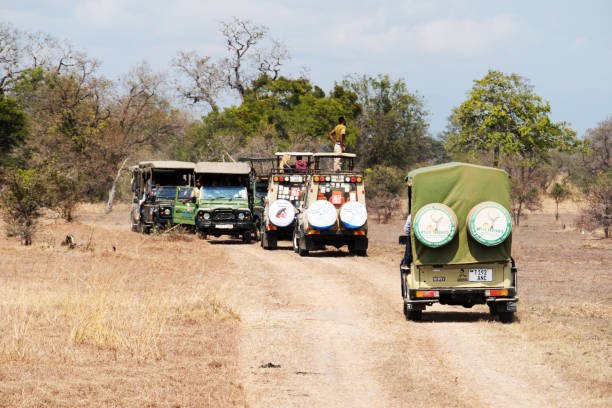
- Private 4×4 Safari Vehicle: For families, a private 4×4 safari vehicle is almost always the best choice. This provides ample space for children to move around (safely, when stationary), store their belongings, and have their own window for viewing. A pop-up roof is standard and allows for excellent viewing and photography.
- Space for Strollers/Car Seats: If you are traveling with infants or very young toddlers, inquire about space for a stroller or if car seats can be accommodated. While not common in Tanzania, some operators can make arrangements.
- Windows and Viewing: Ensure the vehicle has large windows that allow children to see out easily. The pop-up roof is excellent for standing and looking out.
- Air Conditioning/Ventilation: While open vehicles are common, some vehicles have air conditioning, which can be a blessing during hotter periods. Good ventilation is essential to prevent carsickness and ensure comfort.
When booking your 2026 or 2027 safari, specify your family size and the ages of your children. This helps Climb 4 Africa select the most appropriate vehicle and ensure it is equipped for your family’s comfort. Discuss any specific needs, such as the need for extra legroom or a preference for a vehicle with better climate control.
Safety and Health Precautions
Safety and health are non-negotiable when traveling with children, especially in a wildlife environment. These considerations must be integrated into any customized safari plan.
- Guide’s Role in Safety: Your guide is trained in wildlife behavior and safety protocols. They will ensure the vehicle is parked at a safe distance from animals and will advise on when it is safe to open windows or doors. They are your primary resource for managing safety on the ground.
- First-Aid Kit: Ensure your safari vehicle is equipped with a comprehensive first-aid kit. It’s also advisable for families to carry a personal kit with children’s specific medications, insect repellent (child-safe), sunscreen, and any necessary prescriptions.
- Malaria Prevention: Consult your doctor or a travel clinic about malaria precautions for children well in advance of your trip. This typically involves medication and insect repellent.
- Hydration and Sun Protection: Children are more susceptible to dehydration and sunburn. Ensure they drink plenty of water throughout the day and wear hats, sunglasses, and high-SPF sunscreen. Your vehicle should always carry ample water.
- Food Safety: Stick to bottled water and avoid ice unless you are certain it’s made from purified water. Eat at reputable lodges and camps. Your tour operator can advise on food safety practices.
- Wildlife Etiquette: Teach children not to feed animals, not to shout or make sudden movements when animals are near, and to stay within the vehicle unless instructed otherwise by the guide.
For your 2026 or 2027 safari, discuss health and safety with Climb 4 Africa. They can provide specific advice on vaccinations, malaria, and general health practices relevant to Tanzania. They will also ensure your guides are well-briefed on handling children safely in wildlife areas.
Packing Essentials for Children
Packing smart can make a significant difference in a child’s comfort on safari, especially when managing their needs around meal times and rest breaks.
- Clothing: Lightweight, neutral-colored clothing is best. Layers are essential, as temperatures can vary. Include long sleeves and trousers for sun and insect protection in the evenings.
- Comfortable Shoes: Closed-toe shoes are recommended for any walking, and comfortable sandals for around the lodge.
- Hats and Sunglasses: Essential for sun protection. Wide-brimmed hats are ideal.
- Sunscreen: High SPF, waterproof sunscreen.
- Insect Repellent: Child-safe options.
- Personal First-Aid Kit: Including any prescription medications, children’s pain relievers, antihistamines, and motion sickness remedies if needed.
- Snacks: While your operator will provide some, bringing a few familiar snacks from home can be a comfort for picky eaters or for times when specific meal requests can’t be met immediately.
- Entertainment: Books, drawing pads, travel games, or binoculars can help keep children occupied during downtime or shorter drives.
- Comfort Items: A favorite blanket, stuffed animal, or small toy can provide comfort.
- Reusable Water Bottles: To stay hydrated.
When planning your 2026 or 2027 trip, ask Climb 4 Africa for a detailed packing list tailored for families. They can offer guidance on what is essential and what can be left at home, ensuring you are well-prepared for all eventualities, including managing children’s needs throughout the day.
How Tour Operators Facilitate Customization
The ability to customize a Tanzania safari around children’s meal times and rest breaks relies heavily on the expertise and willingness of the tour operator. Reputable companies understand that family travel has unique requirements and are equipped to handle them.
The Role of Communication with Climb 4 Africa
Your primary point of contact for customizing your safari is your tour operator. Clear and detailed communication is the foundation of a successful family safari.
- Initial Consultation: When you first inquire about a safari, be upfront about traveling with children. Provide their ages and any specific needs or concerns you have regarding their routines. For example, “My child needs to eat by 6:00 PM” or “We require a midday break for naps from 1:00 PM to 3:00 PM.”
- Itinerary Design: Based on your input, the operator will design an itinerary that incorporates these requirements. This might involve selecting lodges with family facilities, choosing parks with shorter travel times, and scheduling game drives accordingly.
- Pre-Trip Briefing: Before your departure, you should receive a detailed itinerary and a briefing document. This should outline the daily schedule, accommodation details, and confirm how your family’s needs have been addressed.
- On-the-Ground Support: Your safari guide is the key person executing the plan. They will be fully briefed on your family’s needs and will work with you to ensure the schedule is followed, making necessary adjustments based on the children’s energy levels and moods.
When you contact Climb 4 Africa for your 2026 or 2027 safari, don’t hesitate to share all your requirements. Their team is experienced in crafting family adventures and can translate your needs into a practical, enjoyable safari plan. For example, mentioning that you’re looking for a 7-day family safari in the Northern Circuit, with a focus on accommodating a 4-year-old’s nap schedule, will allow them to propose the most suitable options.
Tailoring Itineraries: The Climb 4 Africa Approach
Climb 4 Africa prides itself on offering tailor-made African travel experiences. This means they are adept at modifying standard itineraries to suit individual client needs, including those of families with young children.
- Flexibility in Itinerary Planning: They understand that a rigid schedule is not conducive to family travel. They build in buffer times and options for flexibility, ensuring that if a child needs an extended rest or an earlier return to the lodge, it can be accommodated.
- Lodge and Camp Selection: Their knowledge of various accommodations across Tanzania allows them to recommend properties that are genuinely family-friendly, offering amenities and services that cater to children. This includes everything from room configurations to dining options.
- Guide Training and Briefing: Climb 4 Africa ensures their guides are not only expert trackers and naturalists but also understand the nuances of traveling with children. Guides are briefed on family-specific requirements before each safari.
- Proactive Problem-Solving: Should any issues arise, such as a child feeling unwell or a change in mood, the guide and the support team at Climb 4 Africa are prepared to find solutions, whether it’s returning to the lodge, adjusting the day’s activities, or seeking medical advice.
For your planned safari in 2026 or 2027, reach out to Climb 4 Africa. They can work with you to design an itinerary that specifically addresses how to customize your Tanzania safari around children’s meal times and rest breaks, ensuring a memorable and stress-free journey. For example, if you’re considering a 10-day Northern Circuit safari, they can propose a route that includes Tarangire, Lake Manyara, and the Serengeti, with specific lodge recommendations and daily timings adjusted for young travelers.
Cost Implications of Customization
While customization is highly recommended for families, it’s important to understand potential cost implications. Generally, customization for children’s needs doesn’t drastically increase costs, but some factors can influence the overall price.
- Private Safari Vehicle: Opting for a private safari vehicle, which offers the most flexibility, is typically more expensive than joining a shared group departure. However, for families, the benefits in terms of comfort and customization often outweigh the cost difference.
- Accommodation Choices: Family rooms or suites might sometimes be priced higher than standard double rooms. Similarly, luxury lodges often come with a higher price tag than more budget-friendly tented camps.
- Number of Days/Parks: A longer safari or one that covers multiple parks might increase costs due to additional accommodation, park fees, and vehicle/guide expenses. However, for families, shorter, more focused days in fewer locations can be more effective.
- Specific Requests: While standard meal adjustments are usually included, highly specific or elaborate requests might incur additional charges (though this is rare for basic meal/rest times).
Climb 4 Africa provides transparent pricing. When you request a quote for your 2026 or 2027 safari, they will break down the costs, including accommodation, park fees, vehicle hire, and guide services. They can also advise on how different choices might affect the overall budget. For instance, a 5-day safari focusing on Tarangire and Lake Manyara with family-friendly lodges might be more cost-effective and manageable for younger children than a 10-day itinerary covering more ground.
Making the Most of Your Family Safari
A successful family safari is about more than just seeing animals; it’s about creating a positive and enriching experience for every member of the family. By carefully planning and working with experienced operators, you can ensure that your Tanzania safari is perfectly customized around your children’s needs.
Managing Expectations
It’s important for parents to set realistic expectations for a safari with young children. While wildlife sightings are a highlight, they are not guaranteed on every drive. Focus on the overall experience:
- Enjoy the Journey: The drives themselves, the changing landscapes, and the time spent together as a family are as valuable as spotting a lion.
- Flexibility is Key: Be prepared for plans to change. A child’s mood or energy level might dictate a different course of action, and that’s perfectly fine. The customization around children’s meal times and rest breaks is designed to accommodate this.
- Focus on Engagement: Encourage children to observe, ask questions, and participate. Bring binoculars suitable for children, and consider a simple wildlife checklist or drawing book.
- Patience is a Virtue: Wildlife viewing often requires patience. Teach children to be quiet and observant.
For your 2026 or 2027 safari, discussing these expectations with your family before you depart can help ensure everyone is on the same page and ready to embrace the adventure.
The Guide as Your Ally
Your safari guide is your most valuable resource on the ground. They are not just drivers but experienced professionals who are adept at managing safari logistics, including those related to children.
- Communication with Your Guide: Feel comfortable talking to your guide about your children’s needs. If your child is getting tired, hungry, or needs a break, let them know. They can suggest the best course of action, whether it’s finding a suitable spot for a snack, heading back to the lodge, or altering the planned route.
- Wildlife Interpretation: Guides are excellent at making the safari engaging for children. They can explain animal behavior in simple terms, point out interesting facts, and make the experience educational and fun.
- Safety First: They are trained to ensure everyone’s safety around wildlife and will always prioritize this.
When you book your safari with Climb 4 Africa for 2026 or 2027, you’ll be assigned a dedicated guide. Trust their expertise and communicate openly with them. They are there to ensure your safari is as enjoyable and comfortable as possible, especially when you need to customize around children’s meal times and rest breaks.
Booking Your Family Safari
Securing your family safari is the final step in bringing your dream African adventure to life. The process should be straightforward and reassuring, especially when dealing with specialized needs.
When you are ready to plan your 2026 or 2027 family safari, reach out to Climb 4 Africa. Their team is ready to assist you in crafting a bespoke itinerary that perfectly balances adventure with the comfort and needs of your children. Whether you have specific dietary requirements, require earlier meal times, or need to schedule in midday rest breaks, they have the expertise and flexibility to make it happen.
To get started, you can contact Climb 4 Africa via:
- WhatsApp: +255 747 477 898
- Email: climb4africa@gmail.com
Be sure to provide details such as the number of travelers, the ages of any children, your preferred travel dates for 2026 or 2027, the duration of your safari, and any specific parks or wildlife you are most keen to see. The more information you provide, the better they can tailor your Tanzania safari around children’s meal times and rest breaks, ensuring a truly unforgettable family experience.
Frequently Asked Questions About Family Safaris in Tanzania
Can toddlers and infants go on safari?
Yes, toddlers and infants can go on safari, but it requires careful planning and a highly customized itinerary. Shorter game drives, frequent breaks, and family-friendly accommodation are essential. Some lodges offer babysitting services. It’s crucial to discuss specific needs with your tour operator, like ensuring access to baby supplies or arranging for early meals. Parks like Lake Manyara and Tarangire are often better suited due to concentrated wildlife and shorter driving distances.
What is the best age for a child to go on safari?
There isn’t a single ‘best’ age, as children develop differently. However, many families find safaris enjoyable for children from around 5-6 years old, as they can better appreciate the wildlife and endure slightly longer game drives. For younger children, the focus must be on very short excursions, ample downtime, and lodges with good amenities like pools. The key is to tailor the safari to the child’s individual temperament and stamina, regardless of age.
How do we manage meal times for children on safari?
Managing meal times is a core part of customizing a safari for children. Communicate your children’s typical eating schedule to your tour operator and lodges in advance. Most lodges can arrange for earlier children’s dinners or pack lunches to be enjoyed during midday breaks. Your safari guide will also be briefed and can help find suitable spots for snacks or meals on the go. Ensuring the vehicle is stocked with familiar snacks from home is also a good strategy.
What are the safety considerations for children on safari?
Safety is paramount. Always follow your guide’s instructions. Children should remain in the vehicle during game drives unless the guide explicitly states it is safe to exit (e.g., at a designated picnic site). Teach children not to feed animals, not to shout, and to respect wildlife from a distance. Ensure they are protected from the sun and stay hydrated. Malaria prevention and a well-stocked first-aid kit are also vital. Your tour operator will guide you on all necessary precautions.
Can a Tanzania safari be customized for specific dietary needs of children?
Absolutely. Tour operators and lodges in Tanzania are generally very accommodating of dietary needs. When booking your 2026 or 2027 safari, inform your operator about any allergies, intolerances, or specific dietary preferences your children have. They will relay this information to the lodges, who will do their best to cater to these requirements, whether it’s for gluten-free, vegetarian, or other specific diets.
What is the best time of year for a family safari in Tanzania with young children?
The dry seasons (June to October and December to February) are often considered best for family safaris as wildlife is concentrated around water sources, and there’s less rain, making travel easier. However, it’s also peak season. The shoulder months or even the green season (March to May, but avoiding the heaviest rains) can offer fewer crowds and lower prices, and wildlife viewing is still excellent. The decision depends on balancing weather, crowds, and specific animal movements like the Great Migration.
“,
“faq_schema”: [
{
“question”: “Can toddlers and infants go on safari?”,
“answer”: “Yes, toddlers and infants can go on safari, but it requires careful planning and a highly customized itinerary. Shorter game drives, frequent breaks, and family-friendly accommodation are essential. Some lodges offer babysitting services. It’s crucial to discuss specific needs with your tour operator, like ensuring access to baby supplies or arranging for early meals. Parks like Lake Manyara and Tarangire are often better suited due to concentrated wildlife and shorter driving distances.”
},
{
“question”: “What is the best age for a child to go on safari?”,
“answer”: “There isn’t a single ‘best’ age, as children develop differently. However, many families find safaris enjoyable for children from around 5-6 years old, as they can better appreciate the wildlife and endure slightly longer game drives. For younger children, the focus must be on very short excursions, ample downtime, and lodges with good amenities like pools. The key is to tailor the safari to the child’s individual temperament and stamina, regardless of age.”
},
{
“question”: “How do we manage meal times for children on safari?”,
“answer”: “Managing meal times is a core part of customizing a safari for children. Communicate your children’s typical eating schedule to your tour operator and lodges in advance. Most lodges can arrange for earlier children’s dinners or pack lunches to be enjoyed during midday breaks. Your safari guide will also be briefed and can help find suitable spots for snacks or meals on the go. Ensuring the vehicle is stocked with familiar snacks from home is also a good strategy.”
},
{
“question”: “What are the safety considerations for children on safari?”,
“answer”: “Safety is paramount. Always follow your guide’s instructions. Children should remain in the vehicle during game drives unless the guide explicitly states it is safe to exit (e.g., at a designated picnic site). Teach children not to feed animals, not to shout, and to respect wildlife from a distance. Ensure they are protected from the sun and stay hydrated. Malaria prevention and a well-stocked first-aid kit are also vital. Your tour operator will guide you on all necessary precautions.”
},
{
“question”: “Can a Tanzania safari be customized for specific dietary needs of children?”,
“answer”: “Absolutely. Tour operators and lodges in Tanzania are generally very accommodating of dietary needs. When booking your 2026 or 2027 safari, inform your operator about any allergies, intolerances, or specific dietary preferences your children have. They will relay this information to the lodges, who will do their best to cater to these requirements, whether it’s for gluten-free, vegetarian, or other specific diets.”
},
{
“question”: “What is the best time of year for a family safari in Tanzania with young children?”,
“answer”: “The dry seasons (June to October and December to February) are often considered best for family safaris as wildlife is concentrated around water sources, and there’s less rain, making travel easier. However, it’s also peak season. The shoulder months or even the green season (March to May, but avoiding the heaviest rains) can offer fewer crowds and lower prices, and wildlife viewing is still excellent. The decision depends on balancing weather, crowds, and specific animal movements like the Great Migration.”
}
]
}
“`
Check Availability for Can A Tanzania Safari Be Customized Around Childrens Meal Times And Rest
Ready to compare dates, prices, and the best option for your group? Send the package name and travel month so the team can reply with a clear quote, availability, and what is included.
AFCON 2027 Safari Packages from Tanzania
Hitaji la safari ya kundoka ili kufurahia AFCON 2027? Chagua kutoka kwa mikakati ya safari nchini Tanzania inayoambatana na wildlife, mbuga maarufu, na uwekaji wa huduma ya kimataifa ya...
View package details
AFCON 2027 Mid Range Safari Packages Tanzania
Mwongozo wa safari ya kati ya AFCON 2027 Tanzania kutoka Climb 4 Africa: mipango ya njia, maeneo ya msitu wa serikali, na usalama wa wasafiri. Onyesha jinsi ya kuchagua kilima cha kati...
View package details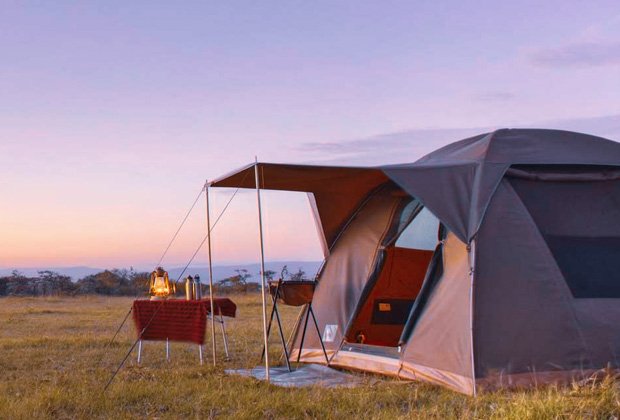
Best Tanzania Safari Before Afcon Final
Best Tanzania Safari Before AFCON 2027 Final.
View package detailsBest Tanzania Safari After Afcon Match
Best Tanzania Safari After AFCON 2027 Match.
View package details
Five Day Tanzania Safari And Afcon Package
Five Day Tanzania Safari and AFCON Package.
View package details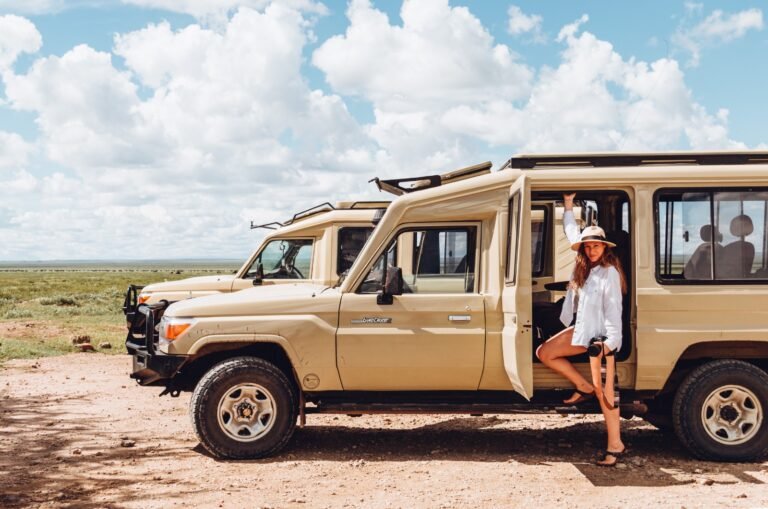
Afcon Northern Tanzania Safari Packages
AFCON 2027 Northern Tanzania Safari Packages.
View package detailsAfcon Tanzania Football Kilimanjaro And Safari Tour
AFCON 2027 Tanzania Football Kilimanjaro and Safari Tour.
View package details
Tanzania Safari Packages from Dar es Salaam During AFCON 2027
Mwongozo wa kina wa safari za Tanzania kuanzia Dar es Salaam wakati AFCON 2027: rasilimali, mipango ya siku, na hatua za uhakika za ziara za wanyama na mbuga maarufu.
View package detailsTanzania Safari Tours for AFCON 2027 Fans
Muhtasari wa safari za Tanzania kwa mashabiki wa AFCON 2027: maeneo ya hifadhi, mizunguko ya wildlife, usalama wa safari, na jinsi ya kupanga na kuhudumiwa na Climb 4 Africa.
View package details
Dec 20, – 10 Day Complete Tanzania Group Joining Safari
Dec 20, 2026 – 10 Day Complete Tanzania Group Joining Safari.
View package detailsHow Early Should I Book A Nov Or Dec Tanzania Group Safari?
How Early Should I Book a Nov or Dec Tanzania Group Safari?
View package detailsNo related package matches those filters. Clear one or more filters to see the other topic-matched options.