Yes, you can often save money by staying outside Tanzania’s national parks for your safari or Kilimanjaro trip, but the savings are usually marginal and come with significant trade-offs in terms of convenience, access, and wildlife viewing opportunities. For safaris, staying outside means longer travel times to park gates and potentially missing early morning or late evening wildlife viewing. For Kilimanjaro climbs, the primary accommodation is at base camps, which are dictated by the park, making external stays less relevant for the climb itself but potentially an option for pre- and post-climb lodging. Carefully weigh the cost savings against the loss of in-depth experience and convenience when planning your 2026-2027 travel.

Understanding Accommodation Choices: Inside vs. Outside National Parks
When planning a trip to Tanzania, particularly for wildlife safaris or a Kilimanjaro trek, a key decision point revolves around where you choose to stay. The landscape of accommodation options is broadly divided into two categories: lodges, tented camps, and campsites situated directly within or on the boundaries of national parks and game reserves, and those located in nearby towns, villages, or on private land outside these protected areas. Each choice carries distinct implications, not just for your daily itinerary but crucially for your budget, the overall travel experience, and the practicalities of your adventure. Understanding these differences is fundamental to making an informed decision that aligns with your priorities for your 2026 or 2027 journey.
Accommodation inside national parks offers unparalleled proximity to wildlife. Imagine waking up to the sounds of the bush, with animals potentially visible from your doorstep. This immersion is often what draws travelers to Tanzania. However, this prime location typically commands a premium price. These lodges and camps are often more exclusive, with fewer units, higher operating costs due to logistics and conservation contributions, and a direct appeal to those seeking the most authentic and uninterrupted wildlife experience. They are designed to maximize your time on game drives, minimizing transit to and from park gates.
Conversely, accommodation outside the parks—whether in gateway towns like Arusha or Moshi, or smaller settlements closer to park entrances—can present a more budget-friendly alternative. These options range from guesthouses and hotels to budget lodges. The primary appeal here is cost reduction. However, this saving often comes at the expense of convenience. Daily excursions will require driving to the park gates, adding travel time to your itinerary. This means less time spent on actual game drives and potentially missing out on the crucial dawn and dusk hours when wildlife is most active. For a Kilimanjaro climb, the situation is slightly different; the climb itself occurs within Kilimanjaro National Park, and accommodation is primarily at designated mountain huts or campsites. However, the towns of Moshi and Arusha serve as the base for pre- and post-climb preparations and rest, and here, choosing between local guesthouses and more upscale lodges in town can offer cost variations.
The decision isn’t simply about a few dollars saved per night. It’s about the kind of experience you want. Are you prioritizing maximum wildlife encounters and convenience, or are you willing to trade some of that for lower accommodation costs, perhaps to allocate more funds to longer safaris, better vehicles, or higher-quality guides? This guide will explore these considerations, helping you determine if staying outside the national parks truly offers the savings you seek for your 2026-2027 Tanzanian adventure.
Cost Breakdown: Accommodation Fees and Park Entry
The financial aspect of choosing between staying inside or outside national parks is often the most significant driver for travelers seeking to save money. This isn’t a simple matter of comparing nightly room rates; it involves understanding the layered costs associated with park access, conservation fees, and the operational expenses of lodges located within protected areas.
Accommodation within National Parks: Lodges and tented camps situated inside national parks or game reserves are generally more expensive for several reasons. Firstly, their location provides exclusive access and proximity to wildlife, a premium service. Secondly, operating within these sensitive ecosystems often incurs higher logistical costs for supplies, staff, and infrastructure maintenance, which are passed on to the consumer. Furthermore, a portion of the accommodation fees may directly contribute to conservation efforts within that specific park. For example, a luxury tented camp inside the Serengeti might charge anywhere from $400 to $1000+ per person per night, often on a full-board basis, sometimes including select activities. These rates reflect not just the room but the entire experience and location.
Accommodation outside National Parks: Options outside the parks typically have lower overheads. Hotels, guesthouses, and lodges in towns like Arusha, Moshi, or Karatu generally offer more competitive pricing. A comfortable mid-range hotel in Arusha might cost $70-$150 per night for a double room, while a basic guesthouse could be as low as $30-$50. These prices usually cover just the room and breakfast, with other meals and activities costing extra. While the nightly rate appears significantly lower, it’s crucial to factor in additional expenses that arise from this choice.
Park Entry Fees: This is where the cost comparison can become complex. For safaris, visitors are charged a daily park entrance fee per person, which is separate from accommodation. For instance, the Serengeti National Park fee is currently around $70 per person per day, and Ngorongoro Conservation Area fee is $70 per person per day, plus a vehicle fee. These fees are levied for every 24-hour period a visitor spends inside the park. If you are staying outside, you will incur these fees on every day you enter the park for a game drive. If you stay inside a park, the fee is typically covered by the lodge’s rate or a park concession fee, but you are still subject to daily entry charges unless the lodge has specific arrangements. The crucial difference is that staying outside means you might be paying for park access on days where you are primarily traveling to and from the park, thus spending less actual time for game viewing within the paid period.
Vehicle and Guide Costs: Safari costs are heavily influenced by the safari vehicle and guide. Whether you stay inside or outside the park, you will need a 4×4 safari vehicle and a qualified guide. If you stay outside, you’ll need to factor in the cost of driving to the park gate each day. This means your vehicle and guide might be on the road for longer durations, potentially increasing the daily vehicle hire cost, which is often calculated per day or per kilometer. A typical safari vehicle hire with a guide can range from $250 to $400+ per day, depending on the vehicle type, inclusions, and the operator. Staying inside the park minimizes this daily travel, allowing the vehicle and guide to focus on game drives within the park’s vastness.
Kilimanjaro Specifics: For Kilimanjaro climbs, the cost structure is different. Park fees for Kilimanjaro are substantial (around $70 per person per day, plus other fees like camping/hut fees) and are mandatory for anyone climbing the mountain. These fees are typically included in the overall tour package price. Accommodation outside the park, in towns like Moshi or Arusha, applies only to the nights before and after your trek. Here, the cost difference between a budget guesthouse (e.g., $40-$60 per night) and a mid-range hotel (e.g., $80-$150 per night) is a direct saving on your pre- and post-climb stay. However, this saving is on a small portion of the total trip cost, and the main expenses—the climb itself—remain largely unaffected by your town accommodation choice. For 2026-2027, these park fees are expected to remain substantial, reinforcing the importance of understanding them in your budget.
Hidden Costs: Staying outside might lead to unexpected costs. For instance, the time spent traveling to and from parks could mean needing to pay for additional meals outside your lodge or increased fuel consumption if you’re self-driving (though most safaris are guided). For longer safaris, the cumulative cost of daily park entry fees for multiple days can add up significantly, potentially offsetting initial accommodation savings.
In summary, while nightly rates for accommodation outside national parks are often lower, the overall cost savings for a safari are not always substantial once park entry fees, longer driving times, and potentially higher daily vehicle/guide expenses are factored in. For Kilimanjaro, the savings are primarily on pre- and post-trek nights, which represent a smaller fraction of the total expedition cost.
Key Cost Considerations for 2026-2027
When budgeting for your 2026 or 2027 Tanzanian adventure, remember that park entry fees are a significant and often unavoidable cost for safaris and Kilimanjaro climbs. While external accommodation might seem cheaper per night, ensure you factor in the daily park fees and increased transit times that can eat into your safari time and potentially increase daily tour operator costs.
Impact on Safari Experience: Wildlife Viewing and Logistics
The decision to stay inside or outside a national park has a profound impact on the safari experience itself. Beyond the financial implications, the logistical realities and the quality of wildlife encounters are directly influenced by your choice of accommodation location. For many, the core purpose of a safari is to witness wildlife in its natural habitat, and proximity to prime viewing areas is paramount.
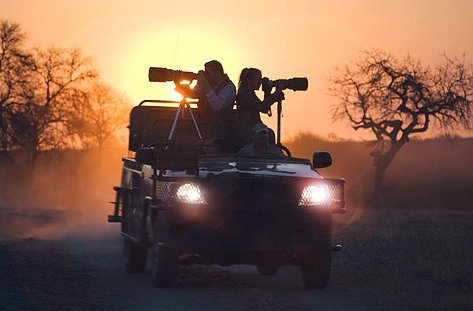
Proximity to Wildlife and Game Drives: Lodges and tented camps located within national parks offer the distinct advantage of being situated in or very near prime wildlife areas. This means game drives can commence shortly after sunrise, often catching predators during their most active hunting hours, or as they settle down for the day. The iconic Serengeti, for example, is vast, and traversing from an external town to its interior can take several hours. If you are staying in Arusha or Karatu, reaching the Serengeti gates can be a significant drive. This transit time eats into your precious safari day. A lodge inside the Serengeti might allow you to be on a game drive within 15-30 minutes of leaving your accommodation, maximizing your chances of spotting a wide array of animals and experiencing the park’s diverse ecosystems.
Timing is Everything: Early morning and late evening game drives are often considered the most rewarding. Animals tend to be more active during these cooler parts of the day. If your lodge is outside the park, you might have to forgo these crucial periods. For example, exiting the park gates by 6 PM or 7 PM is often a strict rule, meaning you’d need to start your drive back towards the gate well before that, cutting short your evening viewing. Staying inside allows you to maximize these golden hours, potentially encountering leopards, lions, or elephants at their most dynamic.
Logistical Convenience: Staying inside the park simplifies logistics. Your safari vehicle and guide are already on-site, ready to depart. There’s no need to coordinate pick-ups from distant towns, saving time and potential communication issues. This smooth transition contributes to a more relaxed and focused safari experience. Conversely, staying outside requires daily travel to the park gate, adding an element of routine commute to your adventure. This can be particularly tiring if the drive is long, impacting your energy levels for the actual game viewing.
Exclusive Access and Remote Areas: Some lodges located within or on the very fringes of parks, particularly private concessions or conservancies bordering national parks, offer access to areas that may be less frequented by public safari vehicles. These areas often provide a more exclusive and intimate wildlife viewing experience. While these types of accommodations can be at the higher end of the price spectrum, they represent a different tier of safari immersion that is difficult to achieve from external bases.
Potential Downsides of External Stays: Beyond the reduced game drive time, staying outside can also mean less flexibility. If a remarkable wildlife sighting occurs deep within the park, returning to your external accommodation might mean cutting the experience short. Furthermore, the journey itself can be dusty and tiring, especially on unpaved roads. While towns like Arusha and Moshi offer comfortable amenities, they are removed from the direct wilderness experience that many travelers seek on a safari.
For Kilimanjaro Trekkers: It’s important to clarify that for Kilimanjaro climbs, the park fees and mandatory park accommodation (huts or campsites) are part of the climb itself. The choice of staying in Moshi or Arusha before and after the trek offers a cost-saving opportunity, as discussed earlier. However, it does not directly impact the daily logistics or wildlife viewing opportunities *on the mountain* during the climb. The mountain environment is distinct from the safari parks.
In essence, while staying outside national parks might offer some cost savings, it often comes at the expense of maximizing your safari experience. The reduced time for game drives, missing out on prime wildlife activity hours, and the added travel time are significant factors to consider. For travelers whose primary goal is an in-depth and extensive wildlife encounter in 2026 or 2027, accommodation inside or very close to the park boundaries generally provides a superior experience.
Maximize Your Safari: Proximity Matters
For an unforgettable safari in 2026-2027, prioritizing accommodation close to or inside national parks is key to maximizing wildlife viewing opportunities and minimizing transit. While external options exist, they often mean sacrificing precious time in the bush.
Kilimanjaro Climb: Pre- and Post-Trek Accommodation Choices
When the focus shifts to climbing Kilimanjaro, the question of staying outside national parks takes on a different context. Unlike safaris where accommodation is directly tied to game viewing areas, the Kilimanjaro climb itself is an expedition within Kilimanjaro National Park. The crucial decision regarding external accommodation applies primarily to the nights spent in the gateway towns of Moshi or Arusha before and after the trek.
The Climb Itself: During the ascent and descent of Kilimanjaro, trekkers stay in designated mountain huts (on routes like Marangu) or camping sites (on routes like Machame, Lemosho, or Rongai). These are dictated by the park’s regulations and the chosen route. There is no option to stay in a hotel or lodge outside the park boundaries while you are actively climbing the mountain. The park fees and mandatory accommodation arrangements on the mountain are a significant component of any Kilimanjaro tour package and are non-negotiable in terms of location.
Gateway Town Stays: The real choice for external accommodation arises in the days leading up to your trek and immediately after you descend. Moshi, located at the foot of Kilimanjaro, and Arusha, a larger city and transport hub, offer a wide spectrum of lodging options. These range from basic, budget-friendly guesthouses and hostels to comfortable mid-range hotels and more luxurious lodges or boutique accommodations.
Cost Savings in Gateway Towns: This is where staying “outside the park” (meaning outside the mountain’s direct climbing path) can lead to tangible savings. A budget-conscious traveler might opt for a guesthouse in Moshi for $40-$60 per night, whereas a more comfortable hotel could cost $80-$150 per night. For a typical 2-3 night stay before and after the climb, this difference can add up. If a trekker plans for 5 nights total in the gateway towns (e.g., 2 nights pre-climb, 3 nights post-climb), choosing a budget option over a mid-range one could save anywhere from $100 to $300 or more per person, depending on the specific hotels and the length of stay.
What External Stays Offer:
- Affordability: Generally lower nightly rates compared to lodges near safari parks.
- Variety: A wider selection of accommodation types to suit different budgets and preferences.
- Amenities: Access to town facilities like restaurants, shops, and internet cafes.
- Pre-Trek Logistics: Convenient bases for gear checks, briefings, and meeting your climbing team.
Trade-offs of External Stays:
- Transit Time: You’ll need to travel from your town accommodation to the park gate on the day of your climb departure. This is usually a short drive (30-60 minutes from Moshi or Arusha), but it’s still a logistical step.
- Less “Wilderness” Feel: While convenient, town stays don’t offer the immediate immersion in the mountain environment that some might desire.
Climb Operator Support: It’s worth noting that reputable Kilimanjaro tour operators, like Climb 4 Africa, often include airport transfers and may offer discounted rates or package deals for pre- and post-climb accommodation at partner hotels. This can sometimes reduce the perceived cost difference between booking independently and through your operator. When booking your 2026-2027 climb, always clarify what is included regarding pre- and post-climb accommodation and transfers.
For the 2026-2027 Climbing Season: The fundamental costs of climbing Kilimanjaro—park fees, crew wages, food, and equipment—remain consistent regardless of where you stay in Moshi or Arusha. Therefore, savings are primarily realized on these supplementary nights. If budget is a primary concern for your 2026 or 2027 Kilimanjaro expedition, choosing more economical accommodation in the gateway towns is a straightforward way to reduce your overall trip expenses. However, ensure that the chosen accommodation is clean, safe, and well-located for easy access to your tour operator’s meeting points.
In conclusion, for Kilimanjaro, staying outside the national park boundaries refers to your base in towns like Moshi or Arusha. This is a practical and common way to save money on your pre- and post-trek accommodation, as these town hotels and guesthouses are typically more affordable than safari lodges. The savings are direct and measurable on these specific nights, without compromising the actual climb experience on the mountain.
Considering Trade-offs: Convenience, Experience, and Time
The decision to stay outside national parks versus inside is rarely solely about the bottom line. It involves a careful evaluation of convenience, the overall quality of the experience, and how you allocate your valuable travel time. These factors often outweigh the potential monetary savings for many travelers, especially those on a special trip to Tanzania.
Convenience Factor: Staying inside a national park or directly on its boundary offers unparalleled convenience for safari-goers. Imagine waking up to the sounds of the African bush, stepping out of your lodge, and immediately being immersed in the environment. Game drives can start at dawn, maximizing wildlife viewing opportunities without long drives to the park gate. For Kilimanjaro climbers, while the climb itself dictates mountain accommodation, staying in towns like Moshi or Arusha provides convenient access to gear shops, tour operator offices for briefings, and a range of dining and social options before and after the trek. However, staying *too* far from the park gates or your tour operator’s meeting point can introduce its own inconveniences, such as longer transfers on your departure and arrival days.
Quality of Experience: This is perhaps the most subjective but critical trade-off. Staying inside a park offers a truly in-depth wilderness experience. You are surrounded by nature, and wildlife encounters can happen at any moment, even from the comfort of your lodge or camp. This constant connection to the natural world is often what travelers seek. Accommodation outside the parks, while potentially comfortable, removes you from this immediate environment. You are in a town or village, separate from the wild. For a safari, this means less spontaneous wildlife viewing and a more scheduled experience. For Kilimanjaro, the experience is on the mountain itself, but the pre- and post-trek town stays offer a different kind of comfort and interaction with local culture and amenities.
Time Allocation: Time is a precious commodity on any vacation. Staying outside national parks for safaris means dedicating significant portions of your day to travel. If your lodge is two hours away from the park entrance, that’s four hours of driving each day just to get in and out. This time could otherwise be spent on game drives, bird watching, or simply relaxing and absorbing the atmosphere. For a Kilimanjaro trek, the time spent in gateway towns is generally limited to a few days, making the choice of accommodation there less impactful on the overall expedition timeline but still relevant for comfort and budget.
Logistical Simplicity vs. Complexity: Lodges inside parks often handle all park logistics, including entry permits and daily park fees, streamlining the process for guests. When staying outside, you or your tour operator must manage these daily entries, which can add a layer of complexity, especially if you are arranging your own transport. For organized tours, this is less of an issue, as the operator will manage it, but the cost might be reflected in their pricing.
Potential for Disappointment: For travelers who have dreamt of a Tanzanian safari, the risk of missing out on prime wildlife viewing due to extended travel times can lead to disappointment. Waking up early and driving for hours only to have a limited amount of time for game drives before needing to head back can be frustrating. Staying inside ensures that every moment counts.
When External Stays Make Sense:
- Budget is the Absolute Priority: If saving money is the paramount concern and you are willing to compromise on immersion and time.
- Short, Focused Trips: For very short safaris where the park is close to the external accommodation and transit times are minimal.
- Pre/Post Kilimanjaro: As discussed, for Kilimanjaro climbs, town stays in Moshi or Arusha are standard and offer cost savings.
- Specific Interests: If your focus is less on constant wildlife spotting and more on cultural experiences in the gateway towns or specific activities outside the park.
Ultimately, the decision hinges on your personal travel style and priorities for your 2026-2027 trip. If you seek maximum immersion, convenience, and wildlife encounters, staying inside or very close to national parks is generally the superior choice. If budget is the primary driver and you’re willing to accept the trade-offs in time and convenience, then external options can be viable, particularly for Kilimanjaro base stays.
Choosing Your Accommodation Wisely: Practical Tips and Booking Advice
Making the right accommodation choice for your Tanzanian adventure in 2026 or 2027 requires more than just looking at nightly rates. It involves understanding your priorities, researching options thoroughly, and seeking expert advice. Here’s a practical guide to help you navigate this decision:
1. Define Your Priorities: Before you start comparing prices, ask yourself what is most important for your trip:
- Budget: How much are you willing to spend on accommodation?
- Experience: Do you prioritize immersion in nature and maximum wildlife viewing, or are you comfortable with a more detached experience?
- Convenience: How important is it to minimize travel time to parks and activities?
- Time: How much time do you have for your safari or trek?
2. Research Specific Locations: Not all towns outside parks are equal. Some are closer to park gates than others. For example, Karatu is relatively close to the Ngorongoro Conservation Area and Lake Manyara, making it a more viable option for visiting these areas than staying in Arusha. Similarly, villages bordering conservancies might offer a better compromise than a town center further away.
3. Understand Inclusions: When comparing prices, always check what is included in the nightly rate. Lodges inside national parks are often all-inclusive or full-board, meaning meals and sometimes even drinks are covered. External hotels might only include breakfast. Factor in the cost of additional meals, drinks, and snacks if you choose an external option.
4. Factor in Transportation Costs: If you opt for external accommodation, calculate the daily transportation costs. This includes fuel, vehicle hire, and guide fees for the extra driving time. For organized safaris, the tour operator will build this into their package, but it’s good to understand how it affects the overall price.
5. Consider the Type of Trip:
- Safari: For a true safari experience focused on wildlife, accommodation inside or very near the parks is highly recommended for maximizing game drive time and immersion.
- Kilimanjaro Climb: For the trek itself, the accommodation is on the mountain. For pre- and post-climb stays in Moshi or Arusha, external town hotels/guesthouses are standard and offer cost savings.
6. Read Reviews Carefully: Look for reviews that specifically mention the location of the accommodation in relation to the parks or Kilimanjaro access points. Pay attention to comments about noise, accessibility, and the overall atmosphere.
7. Consult with Experts: This is where working with an experienced tour operator like Climb 4 Africa becomes invaluable. They have local knowledge and can advise on the best options based on your specific itinerary, budget, and preferences for 2026-2027. They understand the trade-offs involved and can help you find the perfect balance.
Booking Advice for 2026-2027:
- Book in Advance: Popular lodges inside national parks, especially during peak seasons (June-October, December-February), get booked up months, sometimes even a year, in advance. Booking early for 2026 or 2027 is crucial.
- Clarify All Costs: Ensure your quote clearly itemizes accommodation, park fees, vehicle hire, guide fees, meals, and any other potential charges.
- Ask About Location: When discussing accommodation options, always ask about the proximity to park gates, conservation areas, or Kilimanjaro’s starting points.
- Consider Package Deals: Tour operators often have established relationships with lodges and hotels and can sometimes offer better rates as part of a larger package.
When to Contact Climb 4 Africa:
If you’re planning a safari or a Kilimanjaro climb for 2026 or 2027 and are weighing the pros and cons of staying inside versus outside national parks, reaching out to Climb 4 Africa is a smart step. They can provide tailored recommendations based on your budget and travel style. You can contact them via WhatsApp at +255 747 477 898 or email at climb4africa@gmail.com. Discussing your plans with their experts will help you make an informed decision that ensures you get the most out of your Tanzanian adventure, whether you prioritize savings or an in-depth experience.
Your Expert Partner for Tanzanian Adventures
For personalized advice on accommodation choices and to ensure you save money effectively without compromising your 2026-2027 safari or Kilimanjaro experience, contact Climb 4 Africa. Their local expertise is key to navigating these decisions.
Frequently Asked Questions: Can I Save Money by Staying Outside the National Parks?
Here are some common questions travelers have regarding accommodation choices and potential cost savings in Tanzania.
Can I really save a significant amount of money by staying outside national parks for a safari?
You can save on the nightly accommodation rate itself, as hotels and guesthouses in towns like Arusha or Karatu are typically cheaper than lodges within premium park locations. However, the overall savings for a safari are often less significant than they initially appear. This is because you must factor in the daily park entry fees (around $70 per person per day for Serengeti/Ngorongoro), the increased cost of vehicle/guide time for longer transfers to and from the park gates, and the potential loss of valuable game viewing hours. For a comprehensive safari experience, the convenience and immersion offered by staying inside the parks often justify the higher accommodation cost, making the net savings from staying outside marginal.
Does staying outside the park impact my ability to see wildlife?
Yes, it can significantly impact your wildlife viewing. Lodges inside parks allow for early morning and late evening game drives, which are the most active times for many animals, including predators. If you stay outside, you’ll have to dedicate substantial time to driving to and from the park gates, reducing the hours available for actual game drives. This means you might miss out on crucial wildlife activity and potentially fewer sightings.
What are the main costs associated with staying inside a national park that I avoid by staying outside?
When you stay outside a national park, you primarily avoid the higher operational costs and premium pricing that lodges within the parks charge due to their prime location and exclusive access. However, you will still incur the mandatory daily park entry fees, vehicle entrance fees, and potentially higher daily rates for your safari vehicle and guide due to increased driving distances. The savings are mainly on the nightly room rate, not on the park access itself.
Is it cheaper to stay in Moshi or Arusha before and after a Kilimanjaro climb?
Yes, generally, accommodation in towns like Moshi and Arusha is more affordable than safari lodges located inside national parks. These towns offer a wide range of options from budget guesthouses to mid-range hotels, providing cost-effective bases for your pre- and post-climb preparations and rest. The savings are directly on the nights spent in town, which are separate from the mandatory accommodation costs on the mountain itself.
Are there any hidden costs when staying outside national parks?
Potential hidden costs include: increased fuel and vehicle wear-and-tear due to longer drives, the cost of additional meals and drinks if your external accommodation only includes breakfast, and the potential for missing out on wildlife sightings which, for some, could be considered a hidden cost in terms of experience value. If you’re on a tightly scheduled safari, the time lost in transit could also mean having to cut short activities or miss opportunities.
When would you recommend staying outside the national parks?
Staying outside national parks is advisable primarily for the pre- and post-climb accommodation for Kilimanjaro treks, where it offers direct cost savings. For safaris, it might be considered if budget is the absolute top priority and the traveler is willing to accept reduced game drive time and convenience. It can also be an option if the external accommodation is very close to a specific park gate, minimizing transit time, or if the traveler plans to spend significant time exploring the local towns and culture rather than focusing solely on maximizing wildlife viewing.
How far in advance should I book accommodation inside national parks for 2026-2027?
For popular lodges and tented camps inside national parks, especially during peak safari seasons (June-October and December-February), it is highly recommended to book at least 6-12 months in advance for 2026 and 2027. These prime locations have limited availability and are in high demand.
Can Climb 4 Africa help me decide where to stay?
Absolutely. Climb 4 Africa specializes in Tanzanian travel and has extensive local knowledge. They can provide tailored advice on accommodation choices for both safaris and Kilimanjaro climbs, considering your budget, itinerary, and priorities for 2026-2027. They can help you understand the specific trade-offs and ensure you make the best decision for your trip. Feel free to reach out to them via WhatsApp at +255 747 477 898 or email at climb4africa@gmail.com.
“,
“faq_schema”: [
{
“question”: “Can I really save a significant amount of money by staying outside national parks for a safari?”,
“answer”: “You can save on the nightly accommodation rate itself, as hotels and guesthouses in towns like Arusha or Karatu are typically cheaper than lodges within premium park locations. However, the overall savings for a safari are often less significant than they initially appear. This is because you must factor in the daily park entry fees (around $70 per person per day for Serengeti/Ngorongoro), the increased cost of vehicle/guide time for longer transfers to and from the park gates, and the potential loss of valuable game viewing hours. For a comprehensive safari experience, the convenience and immersion offered by staying inside the parks often justify the higher accommodation cost, making the net savings from staying outside marginal.”
},
{
“question”: “Does staying outside the park impact my ability to see wildlife?”,
“answer”: “Yes, it can significantly impact your wildlife viewing. Lodges inside parks allow for early morning and late evening game drives, which are the most active times for many animals, including predators. If you stay outside, you’ll have to dedicate substantial time to driving to and from the park gates, reducing the hours available for actual game drives. This means you might miss out on crucial wildlife activity and potentially fewer sightings.”
},
{
“question”: “What are the main costs associated with staying inside a national park that I avoid by staying outside?”,
“answer”: “When you stay outside a national park, you primarily avoid the higher operational costs and premium pricing that lodges within the parks charge due to their prime location and exclusive access. However, you will still incur the mandatory daily park entry fees, vehicle entrance fees, and potentially higher daily rates for your safari vehicle and guide due to increased driving distances. The savings are mainly on the nightly room rate, not on the park access itself.”
},
{
“question”: “Is it cheaper to stay in Moshi or Arusha before and after a Kilimanjaro climb?”,
“answer”: “Yes, generally, accommodation in towns like Moshi and Arusha is more affordable than safari lodges located inside national parks. These towns offer a wide range of options from budget guesthouses to mid-range hotels, providing cost-effective bases for your pre- and post-climb preparations and rest. The savings are directly on the nights spent in town, which are separate from the mandatory accommodation costs on the mountain itself.”
},
{
“question”: “Are there any hidden costs when staying outside national parks?”,
“answer”: “Potential hidden costs include: increased fuel and vehicle wear-and-tear due to longer drives, the cost of additional meals and drinks if your external accommodation only includes breakfast, and the potential for missing out on wildlife sightings which, for some, could be considered a hidden cost in terms of experience value. If you’re on a tightly scheduled safari, the time lost in transit could also mean having to cut short activities or miss opportunities.”
},
{
“question”: “When would you recommend staying outside the national parks?”,
“answer”: “Staying outside national parks is advisable primarily for the pre- and post-climb accommodation for Kilimanjaro treks, where it offers direct cost savings. For safaris, it might be considered if budget is the absolute top priority and the traveler is willing to accept reduced game drive time and convenience. It can also be an option if the external accommodation is very close to a specific park gate, minimizing transit time, or if the traveler plans to spend significant time exploring the local towns and culture rather than focusing solely on maximizing wildlife viewing.”
},
{
“question”: “How far in advance should I book accommodation inside national parks for 2026-2027?”,
“answer”: “For popular lodges and tented camps inside national parks, especially during peak safari seasons (June-October and December-February), it is highly recommended to book at least 6-12 months in advance for 2026 and 2027. These prime locations have limited availability and are in high demand.”
},
{
“question”: “Can Climb 4 Africa help me decide where to stay?”,
“answer”: “Absolutely. Climb 4 Africa specializes in Tanzanian travel and has extensive local knowledge. They can provide tailored advice on accommodation choices for both safaris and Kilimanjaro climbs, considering your budget, itinerary, and priorities for 2026-2027. They can help you understand the specific trade-offs and ensure you make the best decision for your trip. Feel free to reach out to them via WhatsApp at +255 747 477 898 or email at climb4africa@gmail.com.”
}
]
}
“`
Check Availability for Can I Save Money By Staying Outside The National Parks? 2026-2027
Ready to compare dates, prices, and the best option for your group? Send the package name and travel month so the team can reply with a clear quote, availability, and what is included.