
To make your Tanzania safari cheaper, you can remove or adjust elements like private vehicle usage for more shared options, luxury accommodations for mid-range or even camping, shorter safari durations, fewer national park entry days, and optional activities or add-ons that aren’t core to the wildlife viewing experience. Focusing on essential park fees, reliable transport, and comfortable but not extravagant lodging are key to reducing costs for your 2026-2027 adventure.
Understanding Safari Cost Drivers in Tanzania
Embarking on a Tanzania safari is a dream for many, offering unparalleled wildlife encounters in iconic locations like the Serengeti and Ngorongoro Crater. However, the allure of these destinations often comes with a significant price tag. When planning your trip for 2026 or 2027, understanding what drives the cost is the first step to making it more affordable. The total price of a Tanzania safari is a complex equation, built from several core components. Identifying these components allows you to strategically make choices that reduce your overall expenditure without necessarily sacrificing the essence of the experience.
At its heart, a safari cost is determined by a few major factors:
- Park Fees: These are non-negotiable daily fees charged by the Tanzanian government for entry into national parks and conservation areas. They are a significant portion of any safari budget and vary by park.
- Accommodation: The type and standard of lodging, from luxury lodges and tented camps to budget-friendly guesthouses and camping, have a massive impact on daily rates.
- Vehicle and Guide: Whether you opt for a private safari vehicle with a dedicated guide or join a shared group, the cost of transportation and expert guiding is a major expense.
- Duration: The longer your safari, the higher the cumulative costs of park fees, accommodation, and daily expenses will be.
- Time of Year: Peak seasons (like the Great Migration period) command higher prices due to demand, while shoulder or low seasons can offer savings.
- Inclusions/Exclusions: What is included in your package – meals, drinks, park transfers, laundry, special activities – directly affects the price.
When asking “What can I remove from my Tanzania safari to make it cheaper?”, you are essentially asking how to optimize these cost drivers. It’s not about removing the wildlife or the stunning landscapes, but about making smart choices regarding the services and amenities that support your journey. For travellers looking ahead to 2026-2027, understanding these elements allows for proactive planning and informed decision-making.
Accommodation Choices: The Biggest Lever for Cost Reduction
The most substantial portion of your safari’s daily cost often comes down to where you sleep each night. Tanzania offers a spectrum of accommodation options, each catering to different budgets and travel styles. Making deliberate choices here is paramount to reducing the overall expense of your 2026-2027 safari.
Luxury Lodges and Camps: The Premium Experience
These are typically high-end, often exclusive properties offering exquisite comfort, fine dining, personalized service, and stunning locations. Think infinity pools overlooking the plains, gourmet meals, spacious en-suite bathrooms, and often a butler service. While they provide an unforgettable luxury experience, they come with the highest daily rates, often ranging from $500 to $1500+ per person per night. If budget is a primary concern for your 2026-2027 trip, these are the first category to consider reducing or eliminating.
Mid-Range Lodges and Tented Camps: Comfort and Value
This category offers a comfortable and authentic safari experience without the extravagant price tag of luxury options. You’ll find well-appointed rooms or tents, often with en-suite facilities, good quality meals, and excellent service. These properties are usually situated within or near prime wildlife areas, providing convenient access. Daily rates for mid-range options typically fall between $250 and $600 per person per night. This is often the sweet spot for many travellers looking to balance comfort with cost-effectiveness for their 2026-2027 safari.
Budget Camps and Guesthouses: Essential Comfort
For the most budget-conscious traveller, options include basic tented camps (often with shared bathroom facilities), simple lodges, or even local guesthouses outside park boundaries. While amenities are more basic, they still provide a safe and clean place to rest. Meals might be simpler, and the overall atmosphere more rustic. Rates can range from $100 to $250 per person per night. This option significantly cuts down on costs but requires a willingness to forgo some comforts.
Camping: The Ultimate Budget Saver
For the truly adventurous and budget-minded traveller planning for 2026-2027, camping is the most economical choice. This typically involves pitching tents in designated campsites within or near national parks. Some campsites have basic facilities like toilets and showers, while others are more rudimentary. Meals are usually prepared by your safari cook. This option drastically reduces accommodation costs, often bringing the per-person nightly rate down to $50 – $150, including food and a cook. It offers a very close-to-nature experience but requires a higher tolerance for basic amenities and the elements.
Decision Point: If you’re looking to make your Tanzania safari cheaper, consider swapping a few nights in luxury lodges for mid-range options, or replace lodge stays entirely with comfortable tented camps or even public campsite camping for the majority of your 2026-2027 trip. Even reducing luxury accommodation by just 2-3 nights can yield significant savings.
Vehicle and Guide Options: Private vs. Shared Safaris
The vehicle you travel in and the guide who accompanies you are central to your safari experience. They dictate your comfort, your ability to get close to wildlife, and the quality of your insights into the ecosystem. Choosing between a private safari and a shared safari is another major cost-saving decision.
Private Safari: Exclusivity and Flexibility
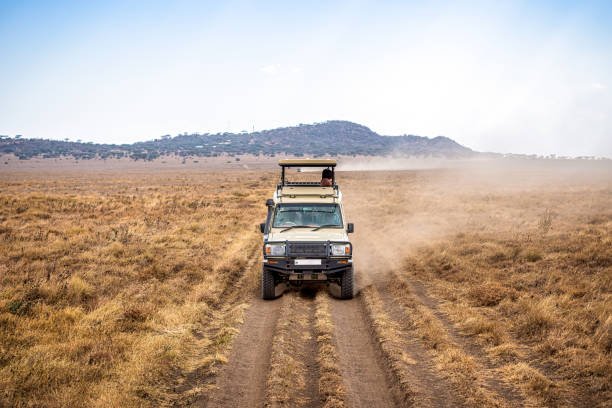
A private safari means you have a dedicated 4×4 safari vehicle and a professional guide exclusively for your group. This offers unparalleled flexibility – you can set your own pace, decide how long to spend at sightings, and choose your own routes within park regulations. The vehicle is usually a pop-top Land Cruiser or Land Rover, designed for optimal game viewing. The cost for a private safari is typically higher per person, especially for smaller groups, as the vehicle and guide costs are spread among fewer individuals. For a 2026-2027 trip, expect private safaris to add $100 – $300+ per person per day compared to a shared option, depending on group size and vehicle type.
Shared Safari: Cost-Effectiveness and Social Experience
Shared safaris involve joining a small group of other travellers in a safari vehicle. This significantly reduces the per-person cost because the expenses of the vehicle, guide, and fuel are divided among everyone. The trade-off is less flexibility; you’ll travel on a set itinerary and may need to compromise on viewing times or routes to accommodate the group’s interests. Shared safaris are an excellent way to make a Tanzania safari cheaper, particularly for solo travellers or couples looking to reduce their budget for 2026-2027. Many operators offer fixed departure dates for shared tours, which can be a good starting point.
Considerations for Shared Safaris:
- Group Size: Typically 4-7 people per vehicle.
- Itinerary: Usually follows a set route and schedule.
- Booking: Often booked on specific departure dates.
- Availability: Popular shared tours, especially for peak 2026-2027 seasons, can book up quickly.
Decision Point: If your primary goal is to make your Tanzania safari cheaper, opting for a shared safari is one of the most effective ways to do so. If you have your heart set on a private experience but still want to save, consider travelling with a larger group (e.g., 4-6 people) to spread the private vehicle cost more evenly. For 2026-2027 planning, compare the per-person cost of private vs. shared options carefully based on your group size.
Duration and Itinerary: Less is Often More
The length of your safari directly correlates with its cost. Every extra day adds park fees, accommodation expenses, guide and vehicle costs, and meals. Therefore, strategically shortening your safari duration or optimizing your itinerary can lead to significant savings for your 2026-2027 trip.
Shorter Safari Durations
A typical Tanzania safari might range from 5 to 10 days or even longer. By reducing this by just a day or two, you can make a noticeable difference to the total cost. For instance, a 5-day safari will be considerably cheaper than a 7-day safari, not just because of the two fewer days of service, but also because it means fewer park entry fees and fewer nights of accommodation. For 2026-2027, consider what is achievable in a shorter timeframe.
Example: A 5-day Northern Circuit safari (Tarangire, Ngorongoro, Serengeti) is a popular and fulfilling experience. Extending it to 7 days allows for more in-depth exploration of the Serengeti, but at a higher cost. If budget is tight, a well-planned 5-day trip can still offer incredible wildlife sightings.
Optimizing Itinerary: Focusing on Key Parks
Tanzania boasts numerous national parks and conservation areas, each with its unique appeal. While visiting them all is tempting, it can also inflate costs. Focusing on a few key parks that offer the highest chance of diverse wildlife sightings can be more cost-effective. The classic Northern Circuit often includes Tarangire National Park, the Ngorongoro Conservation Area, and the Serengeti National Park. These three offer an incredible cross-section of Tanzanian wildlife and landscapes.
Parks and their cost implications:
- Serengeti National Park: Generally has higher daily park fees and is more remote, increasing transport costs. However, it’s the pinnacle for wildlife viewing, especially during the Great Migration.
- Ngorongoro Conservation Area: The Crater fee is substantial, but it offers a high density of wildlife in a compact area, often making it efficient for sightings.
- Tarangire National Park: Known for its large elephant herds and baobab trees, it offers excellent game viewing and is often included at the start or end of a circuit.
- Lake Manyara National Park: Famous for its tree-climbing lions and birdlife, it’s a smaller park, often visited as a day trip or a single overnight stay.
Decision Point: To make your Tanzania safari cheaper, consider a slightly shorter itinerary (e.g., 5-6 days instead of 7-8) and focus on the most iconic parks of the Northern Circuit. For 2026-2027 planning, identify your ‘must-see’ animals and landscapes, and tailor your itinerary to maximize those experiences within a shorter, more economical timeframe. You might skip a park that requires significant travel time and cost if its offerings are sufficiently covered elsewhere.
Park Fees and Related Costs: Understanding the Essentials
Park fees are a fixed component of any Tanzanian safari and cannot be ‘removed’ in the sense of being eliminated. However, understanding them is crucial for budgeting and can influence itinerary choices that indirectly reduce overall costs. These fees are set by the Tanzania National Parks Authority (TANAPA) and the Ngorongoro Conservation Area Authority (NCAA) and are subject to change, so checking current rates for 2026-2027 is advisable.
Daily Park Entry Fees
Most national parks in Tanzania charge a per-person, per-day entry fee. These fees are paid for each day you are inside the park boundaries. For example, Serengeti National Park fees can be around $70-$80 per person per day, while Tarangire and Lake Manyara might be slightly less, around $50-$60 per person per day. The Ngorongoro Crater has a separate, higher conservation fee per vehicle and per person, often around $300 per vehicle and $70 per person for a single entry.
Conservation Fees
Some areas, like the Ngorongoro Conservation Area, also levy additional conservation fees. These are vital for funding wildlife protection and community development initiatives. These fees are generally fixed per entry or per day and are a significant part of the safari budget.
Camping Fees
If you opt for camping, there are also fees for using the designated campsites. These vary significantly depending on whether it’s a public campsite (more basic, cheaper) or a special campsite (more exclusive, more expensive). Public campsite fees can range from $30-$50 per person per night, while special campsites can be much higher.
Other Potential Fees
Depending on your itinerary, you might encounter other fees such as:
- Cultural Tourism Program Fees
- Special Use Permits for specific activities.
How to reduce costs related to park fees:
- Strategic Itinerary Planning: As mentioned, shorter durations mean fewer park days, hence fewer fees. Focusing on parks with slightly lower fees if their wildlife offerings are comparable can also help.
- Avoid unnecessary park entries: Ensure your itinerary doesn’t include entering and exiting parks multiple times on the same day unless strategically necessary.
- Understand transit days: Some operators might charge park fees for days spent driving through parks to reach your next destination. Clarify this with your operator for 2026-2027 bookings.
Decision Point: While park fees are fixed, their cumulative impact can be substantial. By shortening your safari and carefully selecting the parks you visit, you can directly reduce the total amount spent on park fees for your 2026-2027 trip. Always ask for a detailed breakdown of fees from your tour operator.
Food and Drink: Managing Daily Expenses
While often bundled into safari packages, the cost of food and beverages can add up, especially if you’re opting for higher-end accommodation or ordering à la carte.
All-Inclusive vs. Self-Catering vs. À La Carte
- All-Inclusive Packages: Many mid-range and luxury lodges offer all-inclusive rates that cover all meals and selected drinks. This simplifies budgeting but might mean you’re paying for drinks you don’t consume.
- Full Board: Covers breakfast, lunch, and dinner. Drinks are usually extra.
- Self-Catering/Picnic Lunches: Common with camping or budget options. Your cook or lodge will prepare packed lunches for your game drives, which is usually more economical than stopping at park restaurants.
- À La Carte: Ordering individual items. This is common in lodges with a restaurant setting and can quickly become expensive, especially for drinks like imported beers, wines, and spirits.
What to Consider Removing/Adjusting:
- Alcoholic Beverages: This is often the biggest add-on cost. If you enjoy a sundowner, factor in the cost, but be aware that imported wines and spirits can be very expensive in Tanzania. Opting for local beers or house wine can be cheaper. For maximum savings on your 2026-2027 safari, consider limiting alcoholic drinks or abstaining altogether.
- Bottled Water: While essential for hydration, the cost of bottled water can add up. Many lodges and safari vehicles provide purified or filtered water. Bringing a reusable water bottle and refilling it is a good way to save money and be eco-friendly.
- Specialty Foods: If you have specific dietary requests that require imported or specialty ingredients, these can incur extra charges.
Decision Point: For a cheaper Tanzania safari in 2026-2027, clarify exactly what is included in your meal plan. If drinks are not included, be mindful of your consumption, particularly of alcohol. Opting for full board with included non-alcoholic beverages and packed lunches for game drives is usually the most cost-effective approach.
Optional Activities and Add-Ons
Many safari itineraries include opportunities for optional activities. While these can enhance your experience, they also add to the overall cost. Removing them is a straightforward way to make your Tanzania safari cheaper.
Common Optional Activities:
- Hot Air Balloon Safari in the Serengeti: This is a spectacular experience, offering a bird’s-eye view of the plains, especially during the Great Migration. However, it is a significant extra cost, typically ranging from $500 to $600+ per person.
- Walking Safaris: Offered in certain areas (like Tarangire or the Ngorongoro Conservation Area’s outer edges), these provide a different perspective on the bush. Costs can range from $50 to $150+ per person.
- Cultural Visits: While often valuable, visits to Maasai villages or local communities may come with a fee or a request for donations/purchases.
- Night Game Drives: Not permitted in most national parks but available in some private concessions. These have an additional cost.
Decision Point: If budget is a primary concern for your 2026-2027 safari, critically assess whether these optional activities are essential for your trip. The hot air balloon safari, while incredible, is a major expense. Removing it alone can save hundreds of dollars per person. Similarly, if your focus is purely on classic game drives, you might forgo walking safaris or night drives.
Timing Your Safari: Seasonality and Savings
The time of year you choose for your Tanzania safari can significantly influence prices. Demand fluctuates, and operators adjust their rates accordingly.
Peak Season (June – October, December – February)
This period, especially the dry season (June-October), coincides with the Great Migration river crossings in the Serengeti and generally pleasant weather. Demand is high, leading to higher prices for accommodation and often for safari packages. Booking well in advance for 2026-2027 peak seasons is crucial, and prices will reflect the demand.
Shoulder Season (March – May, November)
These months often fall between peak seasons. March to May is the ‘long rains’ season, which can mean lush landscapes and fewer crowds, but also potential travel disruptions due to muddy roads. November can be a transitional month. Prices are typically lower during these periods, offering a good opportunity to make your safari cheaper.
Low Season (April – May)
The heart of the long rainy season. While wildlife is still abundant, some lodges might close or offer significant discounts. This is the best time to find deals if you are flexible with your travel dates and prepared for potential rain. For 2026-2027, targeting the low season is a strategic way to reduce costs.
Decision Point: To make your Tanzania safari cheaper, consider travelling during the shoulder or low seasons. While you might encounter some rain, you’ll benefit from lower prices and fewer tourists. The wildlife viewing remains excellent year-round, and the Serengeti’s migration is a continuous event, just in different locations.
Choosing Your Operator and Package Type
The tour operator you choose and the type of package they offer also play a role in the final cost.
Operator Reputation and Pricing
High-end, globally recognized operators may charge a premium for their brand and perceived service levels. Local operators, especially those with strong reputations for service and reliability like Climb 4 Africa, can often offer more competitive pricing for comparable quality. It’s essential to compare quotes and understand what is included in each. For 2026-2027 bookings, look for operators who are transparent about their pricing structure.
Group vs. Private Tours (Revisited)
As discussed, shared group tours are inherently cheaper than private tours. If you’re a solo traveller or a couple on a tight budget for 2026-2027, prioritizing shared departures is key.
Custom vs. Fixed Itinerary Packages
While custom itineraries offer personalization, they can sometimes be more expensive than pre-set packages, especially if you’re not experienced in optimizing routes. Fixed itineraries, particularly shared group departures, are often priced more competitively because the logistics are streamlined.
Decision Point: Research and compare quotes from several reputable operators. Consider local operators like Climb 4 Africa who have on-the-ground expertise and can often provide better value. For 2026-2027, look for operators who offer clear pricing and are willing to customize itineraries to meet your budget needs.
Practical Tips for Further Savings
Beyond the major cost drivers, a few practical tips can help trim down the expenses for your 2026-2027 safari.
- Tipping: While not an expense to be ‘removed’, understanding tipping guidelines can prevent overspending or underspending. Tips are customary for guides, cooks, and lodge staff. Factor these into your budget, but ensure you’re tipping appropriately, not excessively.
- Souvenirs: While tempting, souvenirs can add up. Set a strict budget for any purchases or focus on enjoying the memories rather than accumulating material goods.
- Travel Insurance: This is a crucial expense that should not be removed. Ensure you have comprehensive travel insurance covering medical emergencies, trip cancellations, and lost belongings. The cost is minimal compared to the potential financial disaster of not having it.
- Gear: While you’ll need specific safari clothing, avoid buying expensive new gear if you can borrow or use suitable existing items. Focus on practical, neutral-coloured clothing rather than specialized, costly items unless essential for specific activities.
Making the Most of Your Budget Safari
Reducing costs doesn’t mean compromising on the core safari experience. The thrill of spotting a lion, witnessing the Great Migration, or hearing the sounds of the African bush at night are all accessible on a budget.
Focus on the Essentials:
Your safari is about the wildlife and the landscapes. Prioritize good game viewing opportunities, knowledgeable guides, and safe, reliable transport. Comfortable, clean accommodation is important, but it doesn’t need to be five-star luxury if you’re on a budget.
Be Flexible:
Flexibility with travel dates (choosing shoulder/low season) and accommodation types can find significant savings for your 2026-2027 trip.
Communicate Your Budget:
Be upfront with your tour operator about your budget constraints. A good operator, like Climb 4 Africa, will work with you to design an itinerary that meets your needs and financial plan, suggesting the best ways to make your Tanzania safari cheaper without sacrificing quality where it matters most.
For planning your 2026-2027 safari and exploring cost-effective options, don’t hesitate to reach out. You can contact us via WhatsApp at +255 747 477 898 or email us at climb4africa@gmail.com. We specialise in creating tailor-made Tanzanian travel experiences that offer excellent value and unforgettable adventures.
Frequently Asked Questions about Cheaper Tanzania Safaris
Can I do a Tanzania safari without visiting the Serengeti?
Yes, absolutely. While the Serengeti is iconic, you can have an incredible safari experience focusing on other parks like Tarangire, Lake Manyara, and the Ngorongoro Crater. This can sometimes reduce travel time and associated costs, making your 2026-2027 safari cheaper if you’re willing to skip the Serengeti.
Is camping on safari safe?
Camping on safari in Tanzania is generally safe when done through reputable tour operators who use designated campsites and employ experienced guides and cooks. These professionals are trained to manage wildlife encounters and ensure your security. It’s a fantastic way to save money for your 2026-2027 trip.
Are there group departures that make Tanzania safaris cheaper?
Yes, many tour operators offer scheduled group departures. Joining one of these fixed-date tours is a primary way to reduce the per-person cost of a Tanzania safari, as the expenses are shared among more travellers. This is a popular option for budget-conscious explorers planning for 2026-2027.
What is the single most effective way to reduce safari costs?
The single most effective way to make your Tanzania safari cheaper is by choosing budget accommodation (camping or basic tented camps) and opting for a shared safari vehicle rather than a private one. Combining these two decisions will yield the most significant savings for your 2026-2027 travel plans.
Can I negotiate safari prices?
While direct negotiation isn’t common with established tour operators who have set pricing structures, you can often achieve a lower price by being flexible with your travel dates (e.g., opting for the low season), choosing simpler accommodation, and opting for group tours. For 2026-2027 bookings, discussing your budget openly with operators like Climb 4 Africa can help them tailor the best possible value for you.
When planning your 2026-2027 Tanzania safari and looking for the best ways to make it more affordable, remember that thoughtful choices about accommodation, vehicle sharing, and itinerary duration are key. By strategically adjusting these elements, you can craft a dream safari experience that fits your budget. For personalized advice and to explore tailored options that align with your financial goals, please feel free to contact us. Reach out via WhatsApp at +255 747 477 898 or send an email to climb4africa@gmail.com. Let us help you design your perfect, cost-effective Tanzanian adventure.
”
}
“`
Check Availability for What Can I Remove From My Tanzania Safari To Make It Cheaper? 2026-2027
Ready to compare dates, prices, and the best option for your group? Send the package name and travel month so the team can reply with a clear quote, availability, and what is included.

What Is Included In An African Safari Package? A Complete Guide For 2026-2027
Demystifying African safari packages. This guide details what you can expect to be included, from essential logistics like accommodation and transport to crucial elements like park fees and...
View package details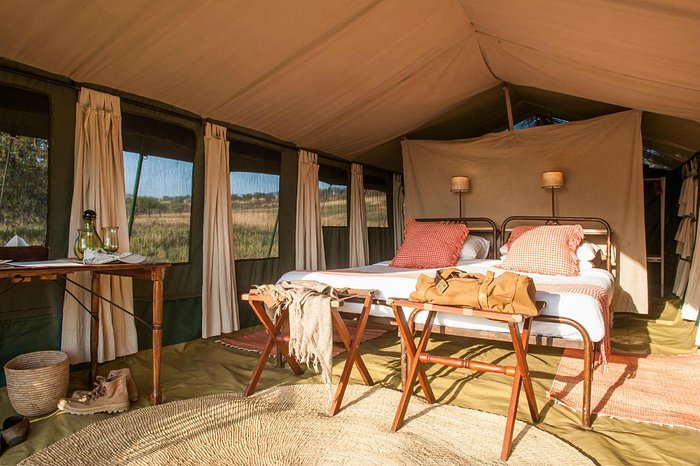
Affordable African Safari Packages: Your Guide To Budget-Friendly Tanzania
Discover how to plan and book affordable African safari packages for 2026-2027. This guide provides practical advice on choosing budget-friendly Tanzania tours, understanding costs, and...
View package details
Kenya And Tanzania Combined Safari Packages: Ultimate Guide 2026-2027
Discover the unparalleled adventure of combining Kenya and Tanzania for a comprehensive East African safari. This guide details everything you need to know for planning your 2026-2027...
View package details
3-Day Serengeti And Ngorongoro Safari: Your Ultimate Tanzania Wildlife
start a concise yet unforgettable 3-day Serengeti and Ngorongoro safari, designed to maximize wildlife encounters in Tanzania's most celebrated parks. This compact adventure offers a taste...
View package details
Serengeti Safari And Zanzibar Beach Holiday: The Ultimate Tanzania
Combine the thrill of a Serengeti safari with the relaxation of a Zanzibar beach holiday. This guide covers everything you need to know for an unforgettable Tanzania adventure in 2026-2027...
View package detailsTanzania Safari And Zanzibar All-Inclusive Packages Guide
Combine the thrill of a Tanzanian wildlife safari with the serene beauty of Zanzibar on an all-inclusive package. This comprehensive guide covers everything you need to know for planning...
View package details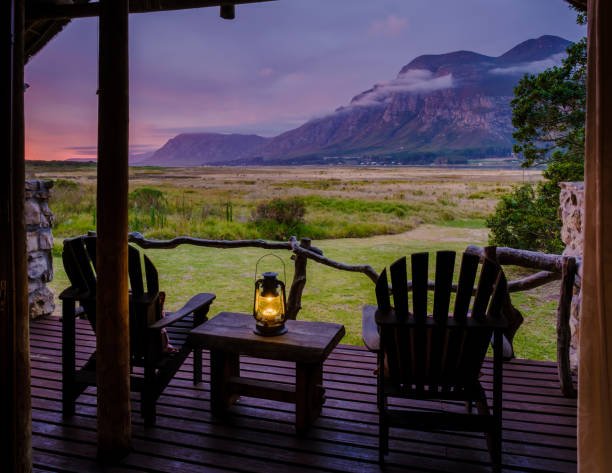
Are African Safari Prices Per Person Or Vehicle? Understanding Tanzania Costs
African safari costs can be confusing. This guide clarifies whether prices are quoted per person or per vehicle, detailing factors that influence your 2026-2027 safari budget in Tanzania.
View package details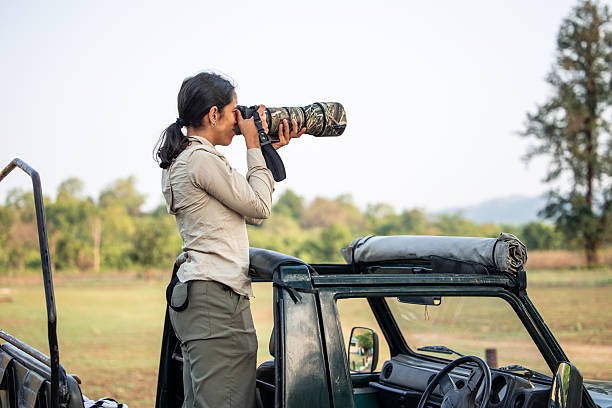
What Animals Can You See On An African Safari? Your Ultimate Wildlife Guide
Planning an African safari and wondering which animals you'll encounter? This comprehensive guide details the wildlife you can expect to see, from iconic mammals to elusive birds, across...
View package details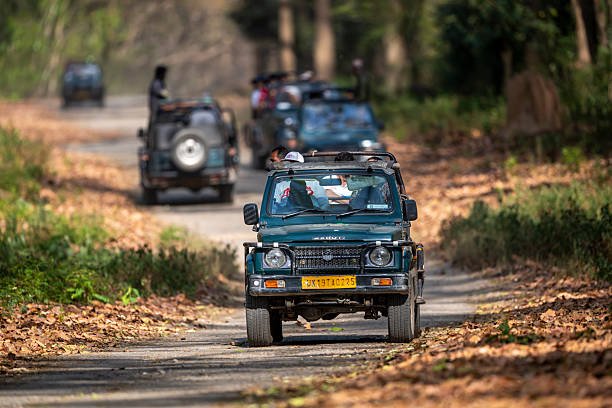
What Is The Cheapest African Country For Safari? 2026-2027
What Is the Cheapest African Country for Safari? is explained with current 2026-2027 planning, price, itinerary and booking information.
View package details
Is Tanzania Or Kenya Better For Safari? A Detailed Comparison 2026-2027
Comparing Tanzania and Kenya for your next safari? This in-depth guide breaks down wildlife viewing, landscapes, costs, and optimal travel times to help you choose the perfect East African...
View package detailsLuxury African Safari Packages: The Ultimate Tanzania Experience In 2026-2027
Explore the pinnacle of African adventure with luxury safari packages in Tanzania. This guide details exclusive lodges, tailor-made itineraries, and the best wildlife experiences for your...
View package details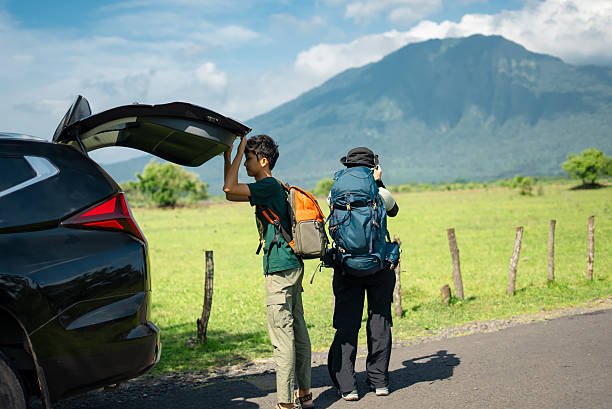
Tanzania Safari Tours & Packages /: Your Ultimate Wildlife Adventure 2026-2027
Discover the magic of Tanzania with expertly crafted safari tours and packages for 2026 and 2027. From the vast plains of the Serengeti to the depths of the Ngorongoro Crater, find your...
View package detailsNo related package matches those filters. Clear one or more filters to see the other topic-matched options.



