
Booking four nights near the Mara River significantly enhances your chances of witnessing exceptional wildlife activity, particularly during the Great Migration season. This duration allows for deeper exploration of different river crossings and habitats, providing more opportunities to see iconic species and dramatic events, making it a highly recommended strategy for serious wildlife enthusiasts planning a 2026 or 2027 safari.
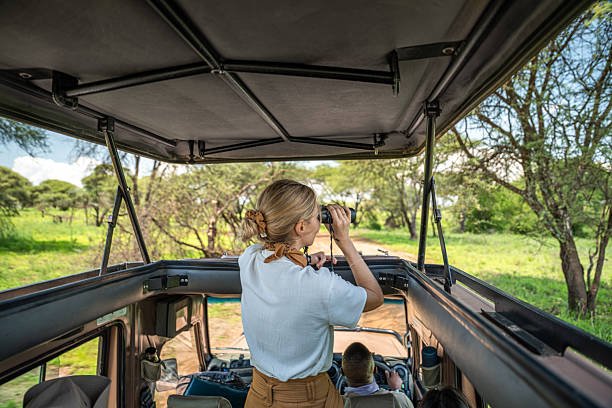
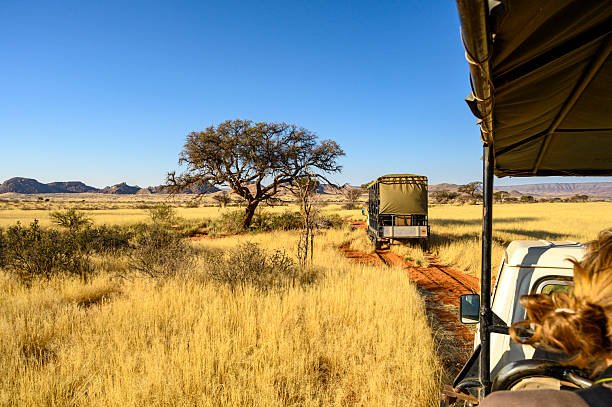
Understanding the Allure of the Mara River for Wildlife Viewing
The Mara River, a central artery flowing through the Serengeti National Park in Tanzania and the Masai Mara National Reserve in Kenya, is synonymous with one of the planet’s most spectacular natural phenomena: the Great Migration. Millions of wildebeest, zebras, and gazelles traverse these plains, their journey dictated by the ancient rhythm of rainfall and fresh grazing. The river itself becomes a focal point, a formidable barrier that these herds must cross, often with predators like lions, leopards, and cheetahs lurking on the banks, and immense Nile crocodiles waiting in the murky depths. This dramatic spectacle is a primary draw for many visitors, and the decision of should I book four nights near the Mara River to improve my chances hinges on understanding what this concentrated wildlife activity offers.
For travelers aiming to witness these incredible scenes, the question of duration is paramount. A brief visit might miss crucial moments, while an extended stay can yield unparalleled photographic opportunities and a deeper appreciation for the ecosystem’s intricate dynamics. The density of wildlife, especially during the migration’s peak periods, is astonishing, but also fleeting. Therefore, strategizing your safari length and location is key to a successful and memorable experience. Understanding the seasonality, the specific areas along the river that offer the best vantage points, and the logistics of accessing these prime spots are all part of informed planning for a 2026 or 2027 safari.
The Mara River ecosystem isn’t just about the migration, however. Even outside the peak migration months, the river and its surrounding floodplains are permanent homes to a rich diversity of wildlife. Hippos congregate in pods, crocodiles bask on the banks, and elephants, giraffes, and numerous antelope species are drawn to the water source. Birdlife is also prolific, with kingfishers, herons, and various raptors dominating the skies. So, while the migration is a major draw, a four-night stay allows for a comprehensive appreciation of the area’s year-round wildlife abundance.
When considering should I book four nights near the Mara River, it’s important to differentiate between the Tanzanian side (Northern Serengeti) and the Kenyan side (Masai Mara). While both share the same river and migration dynamics, accessibility, lodging options, and specific wildlife concentrations can vary. For those on a Tanzania-focused safari, the northern Serengeti offers direct access to key crossing points during specific times of the year. Understanding these nuances is vital for tailoring your trip to your exact wildlife viewing goals.
The decision to allocate four nights is a strategic one, aiming to balance the desire for seeing the migration’s most dramatic moments with the practicalities of travel and the overall safari experience. It moves beyond a ‘hit or miss’ approach to one that allows for patience, observation, and the serendipity that often accompanies wildlife encounters. For many, the investment in extra nights in this prime location is repaid many times over in unforgettable sightings.
The Strategic Advantage of Four Nights: Maximizing Sightings
Why specifically four nights? This duration strikes a balance between providing sufficient time to witness the Mara River’s spectacles without unnecessarily extending a safari to the point of diminishing returns or logistical complexity for some travelers. It acknowledges that wildlife, particularly during the migration, is not static. River crossings, while often concentrated, can occur at different points along the river and at various times of day. A shorter stay might mean arriving just before or after a significant crossing, or only witnessing smaller, less dramatic events.
With four nights, you gain the flexibility to position yourself strategically. You can dedicate time to observing different sections of the river, understanding the herds’ patterns, and patiently waiting for the opportune moment. This extended period allows guides to track animal movements more effectively, increasing the likelihood of being present for a major river crossing. For those asking should I book four nights near the Mara River to improve my chances, the answer is a resounding yes, because it allows for this crucial element of patience and strategic positioning.
Furthermore, a four-night stay permits exploration of the surrounding areas. While the river is the main attraction, the northern Serengeti plains are also teeming with wildlife. This duration allows for game drives away from the immediate riverbanks, offering opportunities to see predators on the hunt, large prides of lions, leopards in trees, and the diverse array of plains game that constitute the ecosystem. It provides a more holistic view of the Serengeti’s northern reaches.
Consider the logistics: often, reaching prime Mara River viewing areas involves significant travel time within the park. A two or three-night stay might see a substantial portion of your time consumed by transit to and from your lodge or camp, and then to the river. Four nights ensure that you have at least two to three full days dedicated to game drives in the most productive zones, maximizing your time in the field. This is particularly relevant for planning a 2026 or 2027 safari, where early booking for these sought-after locations is advisable.
The psychological benefit is also significant. Knowing you have ample time reduces the pressure to ‘see everything’ on a single drive. It allows for a more relaxed pace, encouraging observation of animal behavior, photography, and simply soaking in the atmosphere. This deeper engagement is often what separates a good safari from an extraordinary one. For photographers, this extended period is invaluable for capturing the drama, the scale, and the intimate moments of the African wilderness.
Moreover, a four-night stay often aligns well with lodge or camp booking policies. Many properties offer packages or recommend durations that allow guests to fully experience their location. It also provides a buffer for unexpected events, such as weather delays or changes in animal movements, ensuring that a slight disruption doesn’t derail the entire wildlife viewing objective.
In essence, four nights near the Mara River is not just about quantity of time; it’s about the quality of experience it enables. It transforms a potentially rushed visit into a focused, strategic immersion into one of Africa’s most dynamic wildlife theaters. This is why, when considering should I book four nights near the Mara River, this duration emerges as a sweet spot for many discerning travelers.
When is the Best Time to Book Four Nights Near the Mara River?
The optimal time to book four nights near the Mara River is directly linked to the Great Migration’s movement and the associated river crossings. While the Serengeti ecosystem is a year-round wildlife destination, the dramatic crossings of the Mara River are seasonal. Generally, the wildebeest herds are found in the northern Serengeti, making the Mara River a focal point, from approximately June through October. This period is considered high season for this specific region.
Within this window, certain months often offer higher probabilities of witnessing significant crossings. July and August are frequently cited as peak months, as the herds converge in large numbers, driven by the need to cross the river to reach fresh grazing on the other side. However, this also means these are the busiest and often most expensive times to travel. For those planning a 2026 or 2027 safari, booking well in advance for these months is essential.
September and October can also offer excellent crossing opportunities, sometimes with fewer crowds than the mid-migration months. The herds may be moving southwards again, or still congregating in the north. The exact timing is unpredictable, influenced by rainfall patterns and grass availability, which is why having a longer duration like four nights becomes so valuable – it increases your chances regardless of the precise day the migration chooses to cross.
It’s important to note that even outside these peak migration months, the northern Serengeti and the Mara River area remain rich in wildlife. Permanent resident populations of crocodiles, hippos, elephants, lions, leopards, and numerous other species ensure that game viewing is excellent year-round. If your primary goal is not necessarily witnessing a dramatic river crossing but experiencing the abundant wildlife of the northern Serengeti, then any time of year can be rewarding. However, if the question should I book four nights near the Mara River to improve my chances is specifically about the migration spectacle, then targeting the June-October window is advisable.
For travelers looking to potentially avoid the peak crowds or secure better rates for 2026 or 2027, considering the shoulder months within this period – early June, late October – can be a good strategy. Availability for prime lodges and camps near the Mara River is highly competitive during peak season, so booking 9-12 months in advance is often recommended, especially for popular properties.
The decision also depends on what other experiences you wish to combine with your safari. For instance, if you are combining a safari with a Kilimanjaro climb, the best trekking seasons might influence your overall travel dates. However, for a dedicated wildlife safari focused on the Mara River, the June-October window remains the primary consideration. Always consult with your tour operator regarding the most recent wildlife movements and seasonal patterns, as these can shift slightly year to year.
Ultimately, the ‘best’ time depends on your priorities. If the river crossing is paramount, target June-October. If you seek a broader northern Serengeti experience with good chances of seeing the migration in smaller numbers or other resident wildlife, other times can also be excellent. Regardless, the strategic advantage of four nights remains consistent for maximizing your overall viewing opportunities.
Factors Influencing Wildlife Activity at the Mara River
Understanding the forces at play along the Mara River is crucial for appreciating why a longer stay is beneficial. Wildlife activity, especially the dramatic river crossings, is not a scheduled event; it’s a natural response to environmental cues. Several factors influence when and where the herds decide to brave the torrent:
- Rainfall and Grazing Patterns: The primary driver for the Great Migration is the search for fresh grass. The herds follow the rains, moving from the southern plains of the Serengeti towards the north and west in search of greener pastures. When the grazing on the northern banks becomes less lush, or when rains trigger new growth, the herds will be compelled to cross the Mara River. This makes rainfall the ultimate unpredictable element.
- Predator Pressure: While the desire for food is key, herds can also be pushed towards the river by predator activity on the plains. A concentrated hunting effort by lions or hyenas might cause the wildebeest and zebras to panic and seek refuge by attempting to cross the river, even if it’s not their primary intention at that moment.
- Herd Dynamics and Instinct: The sheer size of the migrating herds creates its own momentum. Once a significant portion of the herd decides to cross, the pressure from behind often forces others to follow, creating a stampede effect. This herd instinct can lead to crossings even when conditions might seem suboptimal.
- River Conditions: The state of the river itself plays a role. While crocodiles and hippos are always present, exceptionally high water levels or strong currents after heavy rains might deter crossings for a period. Conversely, a slightly lower, more manageable flow might encourage more frequent attempts.
- Time of Day: Crossings can occur at any time, but they are often more frequent in the early morning or late afternoon, coinciding with cooler temperatures and potentially reduced predator activity during the hottest parts of the day.
Because these factors are so variable, a short visit might simply miss the confluence of conditions that trigger a major crossing. You might arrive to find the herds grazing on one side, only to move on before they commit to the water. Or you might see a small group cross, but miss the epic, thousands-strong spectacle. This unpredictability is precisely why the question should I book four nights near the Mara River to improve my chances is so relevant. Four nights provide the necessary buffer to wait out unfavorable conditions, observe the herds’ behavior, and be present when the natural triggers align.
For your 2026 or 2027 safari planning, understanding these dynamics helps set realistic expectations. You are not booking a ticket to a show, but positioning yourself to witness a raw, natural event. The patience afforded by a four-night stay is instrumental in appreciating this.
Furthermore, the specific location along the Mara River matters. The river is long, and crossings can occur at different points. Lodges and camps are strategically located to access known crossing areas. However, animals don’t always adhere to convenient schedules or locations. Having multiple days allows your guide to scout different areas and follow potential herd movements, maximizing exposure to potential crossing sites.
The commitment to four nights is an investment in preparedness. It acknowledges the wild nature of wildlife viewing and aims to mitigate the risk of disappointment by allowing more time for serendipity and strategic observation. This is a crucial consideration for anyone prioritizing the Mara River experience on their Tanzanian adventure.
Choosing Your Accommodation: Lodges and Camps Near the Mara River
Selecting the right accommodation is integral to your experience, especially when you’re aiming to maximize sightings near the Mara River. The northern Serengeti offers a range of options, from luxurious lodges to more intimate tented camps. Your choice will impact your proximity to the river, the exclusivity of your experience, and the overall ambiance.
Tented Camps: These often provide a more in-depth experience, placing you closer to the sounds and sights of the wilderness. Many permanent or semi-permanent tented camps are situated strategically along the Mara River or its tributaries. Staying in a tented camp allows you to feel truly connected to the environment. For instance, some camps are positioned to offer excellent morning and evening game drives that can quickly take you to areas of high wildlife concentration. The advantage of a tented camp for a four-night stay is the constant proximity to the wild, enhancing the feeling of being in the heart of the action.
Lodges: Permanent lodges offer more amenities, often including swimming pools, fine dining, and robust infrastructure. Some lodges are also situated with excellent river access or offer stunning views of the plains. While perhaps less ‘wild’ feeling than a tented camp, lodges can provide a comfortable and convenient base for extensive game driving. If you prefer comfort and a full-service experience, a well-located lodge is an excellent choice.
Location, Location, Location: When deciding should I book four nights near the Mara River, the specific location of your accommodation is paramount. You want to minimize travel time to prime wildlife areas. Lodges and camps situated directly on the banks of the Mara River or within a short drive (e.g., 30-60 minutes) of known crossing points are ideal. This proximity is crucial for early morning or late evening game drives, which are often the most productive times for wildlife viewing, especially for predators and during migration events.
Exclusivity and Access: Some accommodations are located in private concessions or areas that allow for off-road driving or night drives, which are restricted in the main national park areas. These exclusive-use areas can offer a more private and flexible safari experience. For those seeking the ultimate in wildlife viewing and a less crowded experience, consider accommodations that offer access to such areas, especially if planning for 2026 or 2027 when demand for unique experiences is high.
Booking Considerations for 2026-2027: Popular properties in the northern Serengeti, especially those with prime riverfront locations, book up very quickly. For peak migration season (June-October) in 2026 and 2027, booking 9-12 months in advance is strongly recommended. This ensures you secure your preferred lodge or camp and the best available dates. Working with a local operator like Climb 4 Africa can help navigate the availability and booking process for these sought-after properties.
When evaluating your options, consider the typical itinerary offered by the lodge or camp. Do they focus on game drives in the Mara River area? What is their approach to tracking the migration? Do they offer bush breakfasts or sundowners in scenic locations? These details can significantly enhance your four-night stay.
Ultimately, the choice of accommodation should align with your safari style and priorities. Whether you opt for the rustic charm of a tented camp or the comfort of a lodge, ensuring it is strategically located for Mara River access will be key to fulfilling your wildlife viewing goals during your four-night adventure.
Planning Your 2026-2027 Safari: Logistics and Practicalities
Successfully executing a four-night safari near the Mara River requires careful logistical planning. Beyond choosing the right time and accommodation, several practical aspects need consideration to ensure a smooth and rewarding experience for your 2026 or 2027 trip.
Getting There: Access to the northern Serengeti, where the Mara River is a central feature, is typically via light aircraft. Most safaris to this region start with a flight from Arusha (ARK) or Kilimanjaro International Airport (JRO) to a local airstrip within the northern Serengeti, such as Kogatende or Lamai. This flight is scenic but also a significant cost factor. Your tour operator will arrange these internal flights as part of your safari package.
Safari Itinerary Flow: A common approach is to fly directly into the northern Serengeti for your four-night stay, focusing entirely on the Mara River and surrounding plains. Alternatively, you might combine this with other regions of the Serengeti (central or southern) or other Tanzanian parks like the Ngorongoro Crater or Tarangire. If combining, consider the travel time and logistics. For example, flying from Arusha to the north, spending four nights, and then flying back to Arusha or to another park is a logical flow. A longer safari might involve driving between regions, but for a focused Mara River experience, flying is often more efficient.
Park Fees and Concession Fees: Be aware of the various fees involved. National park entry fees, vehicle fees, and accommodation fees are standard. If staying in a private concession adjacent to the park, there may be additional concession fees. These are typically included in a reputable tour operator’s package, but it’s wise to clarify what is covered. For 2026-2027, expect these fees to be subject to annual review and potential increases.
What to Pack: Packing for a safari in this region requires versatile clothing. Lightweight, neutral-colored clothing is best. Layers are important, as mornings and evenings can be cool, while midday can be warm. Essential items include binoculars, a good camera with a zoom lens, sun protection (hat, sunscreen, sunglasses), insect repellent, comfortable walking shoes, and a lightweight jacket or fleece. A small backpack for day trips is also useful.
Health Precautions: Consult your doctor about necessary vaccinations and malaria prophylaxis well in advance of your trip. It’s advisable to take precautions against mosquito bites, especially during dawn and dusk. Carry a basic first-aid kit.
Booking Window for 2026-2027: As mentioned, prime time for Mara River crossings (June-October) sees high demand. For popular lodges and camps, booking 9-12 months ahead is recommended. For other times of the year, 6-8 months might suffice, but early booking is always a good strategy to secure your preferred dates and accommodation. This is especially true if you have specific requirements or are traveling in a group.
Travel Insurance: Comprehensive travel insurance is essential. Ensure it covers medical emergencies, trip cancellations, and lost luggage. This provides peace of mind for your 2026 or 2027 adventure.
Working with a Local Operator: Engaging a local expert like Climb 4 Africa simplifies these logistics immensely. They have on-the-ground knowledge, established relationships with lodges and airlines, and can advise on the best itineraries tailored to your interests. They can also help navigate potential changes in park regulations or seasonal wildlife movements. When you inquire about should I book four nights near the Mara River, they can provide specific lodge recommendations, flight details, and an accurate cost estimate for your 2026-2027 safari.
Thorough planning ensures that once you arrive, your focus can be entirely on the incredible wildlife experiences the Mara River offers, rather than worrying about logistical details.
Comparing Durations: Is Four Nights Always the Best Choice?
While four nights near the Mara River offers a significant advantage for witnessing migration spectacles, it’s worth considering if it’s universally the best choice for every traveler. The ideal safari duration is subjective and depends on individual priorities, budget, and overall travel plans.
Three Nights: A Glimpse of the Spectacle
- Pros: Offers a solid introduction to the Mara River and its wildlife, potentially catching a river crossing. It’s a good option for those with limited time or budget, or who are combining it with other Tanzanian destinations. It might be sufficient if you are less focused on witnessing a dramatic crossing and more interested in the general wildlife of the northern Serengeti.
- Cons: Higher risk of missing a major crossing due to the shorter timeframe. Less flexibility to wait for conditions to align. Might feel rushed, especially considering travel time to the remote northern Serengeti.
- Who it suits: Travelers on a tighter schedule, those combining multiple regions in Tanzania, or those prioritizing seeing the Mara River area but not solely focused on the migration crossings.
Four Nights: The Strategic Sweet Spot
- Pros: Significantly increases the probability of witnessing a major river crossing. Allows for patience, observation of animal behavior, and exploration of different river sections. Provides a more relaxed and in-depth experience of the northern Serengeti. Ideal for photographers seeking quality sightings.
- Cons: Higher cost than a shorter stay. Requires more time commitment.
- Who it suits: Wildlife enthusiasts, photographers, those prioritizing the Great Migration, and travelers who want a comprehensive experience of the Mara River ecosystem. This is the recommended duration if your primary goal is witnessing the migration crossings.
Five or More Nights: Deep Immersion
- Pros: Maximum flexibility and opportunity to witness multiple crossings or observe the herds for extended periods. Allows for deeper exploration of the northern Serengeti’s diverse habitats and wildlife beyond the river. Ideal for those who want to fully disconnect and experience themselves in the wilderness.
- Cons: Highest cost and time commitment. May lead to diminishing returns for some travelers if the migration is not particularly active during their specific dates.
- Who it suits: Dedicated wildlife photographers, researchers, travelers with ample time and budget, or those seeking a truly in-depth and unhurried safari experience in one of Africa’s most dynamic landscapes.
The Verdict for Improving Chances: When the core question is should I book four nights near the Mara River to improve my chances of seeing the migration’s most iconic moments, the answer leans heavily towards yes. While three nights can be sufficient for a general safari, four nights offers that critical buffer against unpredictability. Five or more nights provide even greater assurance but come with increased costs and time investment. For most travelers focused on the migration spectacle, four nights represents the optimal balance between maximizing sighting opportunities and practical travel considerations for their 2026 or 2027 safari.
Ultimately, the decision rests on your personal safari goals. If witnessing a dramatic Mara River crossing is a top priority, investing in four nights is a wise strategy. If your safari is broader, encompassing multiple regions or a more general wildlife experience, a shorter stay might be more appropriate.
Potential Risks and How to Mitigate Them
Even with strategic planning, wildlife viewing always involves an element of unpredictability. Understanding potential risks and how to mitigate them will help manage expectations for your safari, especially when focusing on the Mara River during 2026 or 2027.
- Missing the Migration Crossings: This is the most significant risk if the migration timing doesn’t perfectly align with your visit or if herds are hesitant to cross.
Mitigation: As discussed, booking four nights significantly increases your chances. Also, choose a lodge with excellent guides who are skilled at tracking animal movements and know the best vantage points. Even without a crossing, the northern Serengeti offers abundant resident wildlife. - Weather Disruptions: Heavy rains can make roads impassable, affecting game drives, or cause the river to swell, deterring crossings. Conversely, extreme dry spells can alter animal movements.
Mitigation: Be flexible. Lodges and guides are experienced in navigating weather challenges. They may adjust game drive times or locations. Ensure your travel insurance covers trip disruptions. - Overcrowding: During peak season (July-August), popular crossing points can become crowded with safari vehicles.
Mitigation: Opt for lodges in private concessions or areas that allow for more exclusive experiences. Discuss with your guide the possibility of visiting less-trafficked crossing points or exploring different areas of the northern Serengeti. Traveling in the shoulder months (June, September, October) can also help. - Unpredictable Animal Behavior: Animals don’t always behave as expected. A herd might graze peacefully on the riverbank for days, or a crossing might be over in minutes.
Mitigation: Patience is key. A four-night stay allows for this. Focus on the entire ecosystem – the predators, the birds, the landscape – not just the crossing itself. Enjoy the journey of observation. - Logistical Issues: Flight delays, vehicle breakdowns, or accommodation issues can occur.
Mitigation: Book with a reputable tour operator like Climb 4 Africa. They have contingency plans and on-the-ground support to resolve issues quickly. Ensure you have adequate time between connections if flying internally.
By understanding these potential challenges and employing the mitigation strategies, you can approach your safari with a realistic perspective. The decision of should I book four nights near the Mara River is also about investing in the *probability* of success, rather than a guarantee. The magic of safari often lies in its unpredictability and the profound connection it fosters with the natural world, even when things don’t go exactly as planned.
For your 2026 or 2027 safari, early planning and open communication with your tour operator are your best tools for a smooth experience. They can provide the most up-to-date information on park conditions, lodge availability, and migration forecasts.
Making Your Booking Decision for 2026-2027
Deciding whether to book four nights near the Mara River is a significant step in planning a memorable Tanzanian safari. Based on the insights into wildlife behavior, migration patterns, and logistical considerations, the strategic advantage of this duration is clear, particularly for those seeking to witness the dramatic river crossings.
If your primary goal is to maximize your chances of seeing the wildebeest and zebra herds brave the Mara River, then yes, you should book four nights near the Mara River to improve your chances. This duration offers a robust window to account for the unpredictable nature of wildlife and weather, providing flexibility and depth to your experience. It transforms a potentially fleeting glimpse into a more in-depth encounter with one of Africa’s greatest wildlife spectacles.
For travelers planning their adventure in 2026 or 2027, the advice remains the same, with an added emphasis on early booking. The most sought-after lodges and camps in the northern Serengeti, especially those with prime river access, are highly competitive. Securing your preferred accommodation and dates, particularly during the migration season (June-October), requires booking 9-12 months in advance.
Consider these final points when making your decision:
- Your Priorities: Is the Mara River crossing the absolute highlight of your safari dreams? If so, four nights is a wise investment.
- Your Budget and Time: Four nights will naturally be more expensive and require more time than a shorter stay. Balance this against the value of the experience you are seeking.
- Your Tolerance for Risk: While four nights significantly improves chances, no safari can guarantee specific sightings. Be prepared for the wild’s inherent unpredictability.
- Your Overall Itinerary: Does four nights fit logically with other destinations or activities you wish to include in your 2026-2027 Tanzanian journey?
Ready to Plan Your Mara River Safari?
Climb 4 Africa specializes in crafting tailor-made safari experiences across Tanzania, including expert-guided tours of the northern Serengeti and the Mara River region. Our local knowledge allows us to recommend the best lodges, optimize itineraries, and navigate the complexities of booking for 2026 and 2027. We understand the nuances of wildlife viewing and can help you create a safari that aligns with your expectations.
To discuss your specific interests, get personalized recommendations for accommodation and timing, and receive a detailed quote for a four-night stay (or any duration) near the Mara River, please reach out to us:
Contact Climb 4 Africa:
- WhatsApp: +255 747 477 898
- Email: climb4africa@gmail.com
- Website: climb-4-africa.com
Let us help you plan an unforgettable safari adventure, maximizing your chances for incredible wildlife encounters in the heart of the Serengeti.
Check Availability for Should I Book Four Nights Near The Mara River To Improve My Chances?…
Ready to compare dates, prices, and the best option for your group? Send the package name and travel month so the team can reply with a clear quote, availability, and what is included.
How Many Nights For Wildebeest Crossings In September? 2026-2027
Witnessing the Great Wildebeest Migration river crossings in September is a bucket-list safari experience. This guide helps you determine the optimal number of nights needed to maximize…
No related package matches those filters. Clear one or more filters to see the other topic-matched options.



