For a Serengeti safari in October, the Northern Serengeti is generally the stronger choice if your primary goal is to witness the Great Migration river crossings, as the herds are typically heading south across the Mara River. However, Central Serengeti offers excellent resident wildlife viewing year-round and can be a more convenient and potentially less crowded option, especially if the migration has already moved further south by late October. Your decision hinges on prioritizing migration spectacle versus consistent game viewing and accessibility for your 2026-2027 safari plans.

Navigating Serengeti in October: North or Central? The Core Decision
October in the Serengeti is a fascinating month, sitting right on the cusp of major seasonal shifts. It’s a period where the vast plains are transitioning, and understanding where the wildlife congregates is key to an unforgettable safari experience. The perennial question for travelers planning a trip during this time is: should I focus my safari on the Northern Serengeti or Central Serengeti? This isn’t a simple one-size-fits-all answer; it requires looking at the nuances of wildlife movements, typical weather patterns, and the kind of safari experience you’re hoping for in 2026 or 2027.
As a local Tanzanian tour operator, Climb 4 Africa sees many travelers grapple with this choice. We understand that while both regions offer incredible wildlife, their appeal in October can differ significantly. The Northern Serengeti, particularly the Kogatende area, is famed for the dramatic Mara River crossings of the Great Migration. Central Serengeti, with its iconic Seronera Valley, is a hub for resident wildlife, offering excellent game viewing regardless of the migration’s precise location. This guide will help you weigh the factors, understand the trade-offs, and make the best decision for your October Serengeti adventure.
Understanding the Serengeti Ecosystem and October’s Dynamics
The Serengeti ecosystem is a vast, dynamic entity, and the Great Migration is its beating heart. This colossal movement of over 1.5 million wildebeest, zebras, and gazelles is driven by the search for fresh grazing and water. Their journey dictates where the highest concentrations of predators will be found, and therefore, where safari-goers often aim their binoculars.
In October, the Serengeti is in a transitional phase. The short rains (Vuli) often begin to fall, particularly in the northern and eastern parts of the ecosystem. This can bring a welcome green flush to the vegetation, influencing where the herds decide to graze and move.
The Great Migration’s Location in October: A Key Factor
Historically and generally speaking:
- Northern Serengeti (Kogatende/Lamai Wedge): By October, the bulk of the wildebeest herd is typically in the northern sector, often spread across the plains north of the Mara River, or beginning to cross back into Kenya’s Masai Mara. The dramatic river crossings of the Mara River are a major draw here. However, by late October, some herds may have already moved south.
- Central Serengeti (Seronera Valley): This area is known for its high density of resident wildlife, including big cats, elephants, giraffes, and buffalo, year-round. While it doesn’t see the same massive herds as the migration’s core areas during peak months, it offers consistent and thrilling game viewing. In October, as the short rains begin, the Seronera area can become incredibly lush, attracting resident wildlife and sometimes smaller splinter groups of migrating animals.
It’s crucial to remember that wildlife movements are never entirely predictable. Factors like rainfall patterns, predator pressure, and the availability of grass can influence the exact timing and location of the herds. This is where the expertise of local guides and operators becomes invaluable for your 2026-2027 safari.
The Case for the Northern Serengeti in October
The Northern Serengeti, particularly the Kogatende and Lamai Wedge areas, is often synonymous with one of the most thrilling wildlife spectacles on Earth: the Great Migration river crossings of the Mara River. If witnessing these dramatic events is at the top of your safari wish list for October 2026 or 2027, then the North is likely where you’ll want to be.
Pros of Northern Serengeti in October:
- Mara River Crossings: This is the main draw. October is one of the prime months to potentially witness large numbers of wildebeest and zebras bravely crossing the Mara River, either heading north into the Masai Mara or south back into Tanzania. These crossings are inherently unpredictable, but the northern region provides the best chance. The sheer volume of animals attempting to navigate the crocodile-infested waters is impressive.
- High Predator Activity: Where there are large herds, there are predators. Lions, hyenas, cheetahs, and leopards are highly active in the North, capitalizing on the abundant prey. You can expect exceptional opportunities to see these cats in action, often with kills in the vicinity of the migrating herds.
- Vast, Open Plains: The landscape here is characterized by sweeping plains and the winding Mara River. This offers excellent visibility for spotting wildlife across large distances, though it can also mean animals are sometimes far off.
- Exclusive Feel (Potentially): While popular, the Northern Serengeti is less accessible than the Central region, meaning fewer vehicles can sometimes be found, especially away from the main crossing points. This can lend a more exclusive feel to your safari.
Cons of Northern Serengeti in October:
- Migration Unpredictability: While October is a prime crossing month, the exact timing can vary. By late October, many herds may have already crossed or be on their way south. If you visit earlier in the month, your chances are generally higher. A safari focused solely on the North might miss the crossings if the herds haven’t arrived or have already departed.
- Accessibility and Logistics: Reaching the Northern Serengeti typically involves a longer drive from Arusha or a domestic flight to Kogatende airstrip. This adds to travel time and cost. The road conditions can also be challenging, especially if the rains have started early.
- Fewer Resident Wildlife Species: While predator sightings are excellent due to the migration, the sheer diversity and density of resident herbivores might be lower compared to the Central Serengeti, which is a permanent wildlife haven.
- Weather Variability: October can bring the onset of the short rains. While these rains can be brief and localized, they can also lead to muddy conditions, potentially impacting game drives and making river crossings more dramatic (and sometimes more dangerous for the animals).
Who is Northern Serengeti best for in October?
The Northern Serengeti in October is ideal for travelers whose absolute priority is to witness the dramatic Mara River crossings of the Great Migration. It’s for the photographer or wildlife enthusiast who dreams of capturing those iconic images of wildebeest leaping into the water. It’s also suited for those who appreciate the thrill of predator-prey interactions in a landscape that feels truly wild and expansive. If you are planning a 2026-2027 safari and these are your main goals, and you’re prepared for the logistical considerations, the North is a compelling choice.
The Case for the Central Serengeti in October
Central Serengeti, anchored by the Seronera Valley, is often considered the ‘classic’ Serengeti experience. It’s a region that offers exceptional wildlife viewing throughout the year, making it a reliable choice for any safari itinerary, including those in October.
Pros of Central Serengeti in October:
- Year-Round Resident Wildlife: Seronera boasts a high concentration of resident wildlife, including lions, leopards, cheetahs, elephants, giraffes, buffalo, and a vast array of plains game. This means you are almost guaranteed fantastic game viewing, irrespective of the migration’s exact location. The presence of permanent water sources in the Seronera River ensures animals remain in the area.
- Excellent Leopard Habitat: The kopjes (rocky outcrops) and acacia woodlands in Central Serengeti are prime leopard territory. This makes it one of the best places in the Serengeti to spot these elusive big cats.
- Accessibility and Convenience: Central Serengeti is generally easier to access. It’s often visited via a domestic flight to Seronera airstrip, which is centrally located, or it can be reached by road from other popular safari destinations. This makes it a more practical choice for shorter itineraries or for those seeking less travel time.
- Lush Scenery with Early Rains: As the short rains often begin in October, Central Serengeti can become incredibly green and vibrant. This lushness attracts resident herbivores and can lead to beautiful photographic opportunities.
- Lower Vehicle Density (Potentially): While Seronera can get busy, especially around known sightings, it often feels less congested than peak migration crossing points in the North or South.
Cons of Central Serengeti in October:
- Fewer Migration River Crossings: If witnessing dramatic river crossings is your sole focus, Central Serengeti is not the place to be in October. While splinter herds of the migration may pass through, the massive crossings of the Mara River occur far to the north.
- Less ‘Wilderness’ Feel for Some: Due to its accessibility and year-round appeal, Central Serengeti can sometimes feel busier with safari vehicles, particularly around popular sighting areas.
- Can Be Hot and Dry: While rains can start, October can also still be quite dry and hot in the lead-up to the heavier rains, especially earlier in the month.
Who is Central Serengeti best for in October?
Central Serengeti in October is an excellent choice for travelers who prioritize consistent and diverse game viewing, particularly of big cats like lions and leopards. It’s ideal for those who want a reliable safari experience without the gamble of timing river crossings. It suits families, first-time visitors to the Serengeti, or anyone looking for a more convenient logistical arrangement for their 2026-2027 trip. If you appreciate seeing a wide variety of resident animals in a beautiful, classic African landscape, Central Serengeti is a strong contender.
Comparing North and Central Serengeti for October: A Deeper Dive
To make the best decision for your October safari, let’s break down the key comparative aspects between the Northern and Central Serengeti.
Wildlife Viewing Focus:
- North: Migration spectacle, river crossings, predator-prey action, large herds.
- Central: Resident wildlife, big cats (especially leopards), diverse herbivore populations, beautiful scenery.
Migration Presence:
- North: Highest chance of seeing the main migration and river crossings in early to mid-October. By late October, herds may be moving south.
- Central: Less likely to see the main migration herds or river crossings. However, it hosts a rich population of resident animals and may see smaller, transient herds.
Landscape:
- North: Open plains, acacia woodlands, the Mara River and its tributaries. Offers wide-open vistas.
- Central: Iconic Seronera Valley, rolling grasslands, kopjes, acacia trees. Offers varied terrain and excellent hiding spots for predators.
Accessibility & Logistics:
- North: Requires longer drives from Arusha or flights to Kogatende airstrip. Roads can be challenging if wet.
- Central: Easier to reach via Seronera airstrip or road connections from other parks. Generally more straightforward logistics.
Vehicle Density:
- North: Can be busy around known crossing points during peak migration, but generally less crowded than Central away from these spots.
- Central: Can experience higher vehicle density, especially around prime leopard or lion sighting areas in Seronera.
Accommodation Styles:
Both regions offer a range of accommodation options, from luxury lodges and tented camps to more budget-friendly options. However, the types might slightly differ:
- Northern Serengeti: Tends to have more mobile tented camps that follow the migration, alongside permanent luxury lodges and camps. The focus is often on proximity to the migration.
- Central Serengeti: Features a wider array of permanent lodges and tented camps, catering to different budgets and preferences, given its year-round appeal.
When planning your 2026-2027 safari, consider how much time you have and what your absolute must-sees are. A shorter trip might benefit from the reliability of Central, while a longer trip could potentially combine both regions for a comprehensive experience.
Considering a Combination for Your 2026-2027 Safari?
For travelers with 7 days or more in the Serengeti during October, combining both the Northern and Central regions can offer the best of both worlds. You could spend a few days in the North hoping for migration crossings and then move to the Central region for guaranteed resident wildlife viewing. This approach mitigates the risk of missing the migration spectacle while ensuring a rich safari experience overall. Logistics for such a combination are easily managed by experienced operators like Climb 4 Africa.
Weather and Conditions in October
Understanding the weather in October is crucial for packing and expectations. October is a transitional month, often marking the beginning of the short rains (Vuli).
Typical October Weather:
- Temperatures: Daytime temperatures are generally warm to hot, often ranging from 25°C to 30°C (77°F to 86°F). Nights are cooler and pleasant.
- Rainfall: October can be unpredictable. Some years, the short rains begin in earnest, bringing afternoon showers that can be brief but intense. Other years, it might remain drier for longer. The northern and eastern parts of the ecosystem often see the rains first.
- Vegetation: The onset of rains brings a refreshing green flush to the landscape, especially noticeable in areas that receive early rainfall. This can make the scenery incredibly beautiful.
- Road Conditions: If rains are heavy, roads, particularly in the more remote Northern Serengeti, can become muddy and challenging to navigate. This is something your safari operator will monitor closely. Central Serengeti roads are generally more robust.
Impact on Wildlife Viewing:
- Rainfall: While rain can sometimes scatter animals or make driving difficult, it also brings life. Fresh grass attracts herbivores, and the presence of water can concentrate wildlife. For predators, rain can mean opportunities as prey seek shelter or are forced into more confined areas.
- River Crossings: Increased water flow in rivers can make crossings more perilous for the wildebeest, potentially leading to more dramatic scenes, but also higher risks.
Packing for October should include layers, light rain gear, and sun protection. Your tour operator will provide a detailed packing list tailored to the season and your itinerary.
Logistics and Travel Considerations for October Safaris
When planning your Serengeti safari for October 2026 or 2027, the logistics can significantly influence your choice between North and Central.
Getting There:
- Arusha: Most international flights arrive at Kilimanjaro International Airport (JRO), near Arusha. This is the primary gateway to the Serengeti.
- To Serengeti:
- Flights: Domestic flights from Arusha Airport (ARK) to Seronera Airstrip (Central) or Kogatende Airstrip (North) are the quickest and most convenient way to reach either region. This is highly recommended for optimizing your time, especially for shorter trips or when combining regions.
- Road Transfers: Driving from Arusha to the Serengeti is a full-day journey, often involving passing through other parks like Tarangire or Lake Manyara. The drive to Central Serengeti is generally more straightforward than the drive to the far North, which can be very long and rough, particularly if it’s been raining.
Duration of Stay:
- Short Trips (3-4 days in Serengeti): Focusing on Central Serengeti might be more practical to maximize game viewing time and minimize travel.
- Longer Trips (5+ days in Serengeti): Allows for a more relaxed pace and the possibility of combining North and Central, or spending more time in one region to increase chances of witnessing specific events.
Vehicle and Guide Choice:
Regardless of whether you choose North or Central, the quality of your safari vehicle and guide is paramount. For October, with potential for rain and varied terrain, a well-maintained 4×4 safari vehicle is essential. Experienced guides understand animal behavior, the ecosystem, and the best locations for sightings. They can also adapt plans based on real-time wildlife movements and weather conditions.
Operators like Climb 4 Africa work with highly trained guides who are intimately familiar with the Serengeti’s intricacies. They can advise on the best strategy for your specific October dates in 2026 or 2027, whether that means positioning you for potential river crossings in the North or tracking leopards in the Central.
Cost Considerations:
Generally, the Northern Serengeti can be more expensive due to the logistical challenges, longer travel distances, and often more exclusive (and thus pricier) camps. Flights to Kogatende airstrip also add to the overall cost compared to flights to Seronera. Central Serengeti, with its better accessibility and wider range of accommodation, can offer more budget-friendly options. However, the overall cost of a Serengeti safari is influenced more by accommodation level, vehicle type (private vs. shared), and duration than by North vs. Central alone.
Making Your Decision: North vs. Central for October 2026-2027
To summarize, the choice between the Northern and Central Serengeti for your October safari hinges on your priorities and expectations for your 2026-2027 trip.
Choose the Northern Serengeti if:
- Witnessing the dramatic Great Migration river crossings is your absolute top priority.
- You are fascinated by predator-prey dynamics and the sheer scale of the migration.
- You are prepared for potentially longer travel times and potentially rougher road conditions.
- You are visiting earlier in October for the best chance of peak crossing activity.
- You are looking for a more remote and potentially exclusive wilderness experience.
Choose the Central Serengeti if:
- Consistent, high-quality game viewing of resident wildlife is your main goal.
- You particularly want to see big cats, especially leopards.
- Logistical ease, shorter travel times, and greater accessibility are important.
- You prefer a reliable safari experience with guaranteed excellent sightings.
- You are looking for a wider range of accommodation options and potentially more budget-friendly choices.
Consider combining both regions if:
- You have a safari of 7 days or longer in the Serengeti.
- You want to maximize your chances of seeing both the migration spectacle and abundant resident wildlife.
- You are comfortable with the added logistics and cost of moving between regions.
For the most personalized advice tailored to your specific travel dates in October 2026 or 2027, and to discuss the latest wildlife reports and optimal itinerary planning, speaking with an expert safari operator is invaluable. Climb 4 Africa has extensive experience crafting Serengeti itineraries and can help you navigate these choices based on current conditions and your unique interests.
Planning Your Serengeti Safari with Climb 4 Africa
Deciding between the Northern and Central Serengeti for your October safari is a crucial step in planning an unforgettable African adventure. At Climb 4 Africa, we specialize in creating tailor-made safari experiences that align with your interests, budget, and desired timing. Whether you’re drawn to the dramatic Mara River crossings in the North or the consistent wildlife viewing in the Central Serengeti, we can help you craft the perfect itinerary for 2026 or 2027.
Our team of local experts understands the Serengeti’s complex ecosystem and can provide up-to-date insights on wildlife movements, weather patterns, and the best areas to visit during October. We handle all the logistics, from arranging domestic flights and comfortable road transfers to selecting the ideal accommodation and ensuring you have a knowledgeable, experienced guide.
To start planning your Serengeti safari, or if you have any further questions about choosing between the North and Central regions for your October 2026-2027 trip, please reach out to us. We are here to help you create a smooth and extraordinary journey.
You can contact Climb 4 Africa via:
- WhatsApp: +255 747 477 898
- Email: climb4africa@gmail.com
Let us help you make your dream Serengeti safari a reality. We look forward to assisting you with your 2026-2027 travel plans!
Check Availability for Serengeti In October: North Vs. Central – Your Definitive Safari Guide
Ready to compare dates, prices, and the best option for your group? Send the package name and travel month so the team can reply with a clear quote, availability, and what is included.
Oct 27, – 3 Day Serengeti And Ngorongoro Group Safari 2026
Planning for a short, high-impact wildlife adventure? Our October 27, 2026, group safari offers a direct route through the Serengeti and Ngorongoro Crater, perfect for travelers with...
View package details
Oct 31, – 6 Day Serengeti, Ngorongoro, Tarangire And Manyara Group Safari 2026
A detailed look at the 6-day Northern Circuit group safari departing October 31, 2026, covering Tarangire, Manyara, Serengeti, and Ngorongoro Crater.
View package detailsOct 29, – 4 Day Tarangire, Serengeti And Ngorongoro Group Safari 2026
Plan your October 2026 Tanzania adventure. This 4-day group safari covers Tarangire, Serengeti, and Ngorongoro Crater with reliable local support.
View package detailsAfcon Private Serengeti Safari With Lodges
AFCON 2027 Private Serengeti Safari with Lodges.
View package detailsAfcon Luxury Serengeti Safari Packages
AFCON 2027 Luxury Serengeti Safari Packages.
View package details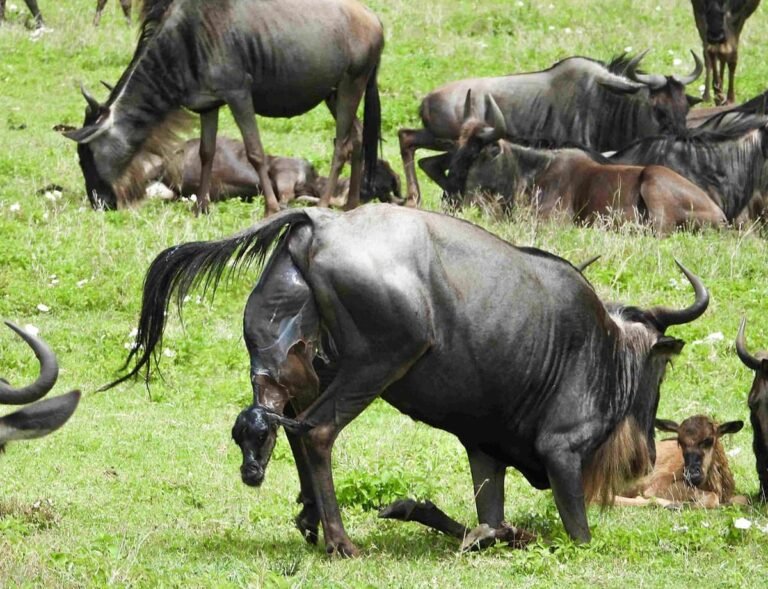
Serengeti Great Migration Safari During AFCON 2027
Mwongozo wa kina kwa safari ya Serengeti Great Migration wakati wa AFCON 2027, ukilenga kuelewa maeneo, kipindi cha mwendo wa mnyama, na mapendekezo ya mipango ya kiutendaji.
View package details
Four Day Serengeti na Ngorongoro Safari During AFCON 2027
Mwongozo wa safari ya siku 4 kwenye Serengeti na Ngorongoro wakati AFCON 2027; jinsi ya kupanga, nini cha kujali, na jinsi ya kuandaa,”
View package detailsThree Day Serengeti Safari During AFCON 2027
Mwongozo wa kiutendaji kwa safari ya siku tatu ya Serengeti wakati AFCON 2027, ukijumuisha mwelekeo wa maeneo, ratiba ya siku, na ushauri wa ubashiri wa kupanga pamoja na jinsi ya...
View package details
Afcon Mount Kilimanjaro And Serengeti Package
AFCON 2027 Mount Kilimanjaro and Serengeti Package.
View package details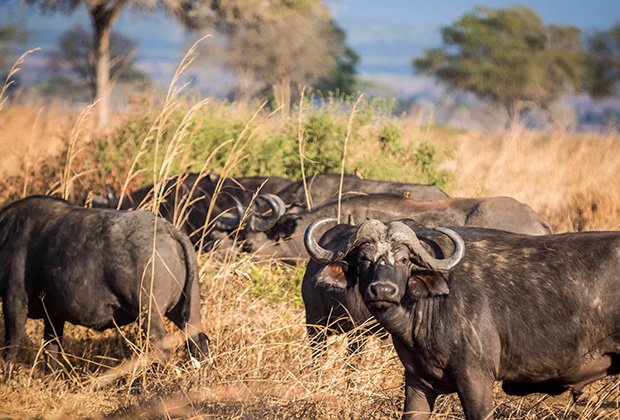
Dec 24, – 3 Day Christmas Serengeti And Ngorongoro Group Safari
Dec 24, 2026 – 3 Day Christmas Serengeti and Ngorongoro Group Safari.
View package details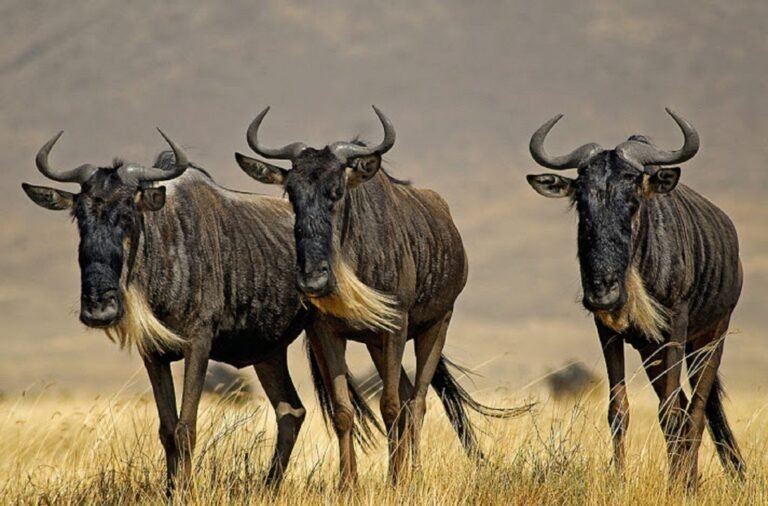
Nov 23, – 3 Day Serengeti And Ngorongoro Safari From Zanzibar
Nov 23, 2026 – 3 Day Serengeti and Ngorongoro Safari from Zanzibar.
View package detailsDec 31, : New Year’s Eve Serengeti Group Safari Planning Guide
This guide provides essential planning details for a group safari trip to the Serengeti for New Year's Eve 2026, covering logistics, seasonal highlights, and what to expect.
View package detailsNo related package matches those filters. Clear one or more filters to see the other topic-matched options.