Serengeti Searches are best planned by understanding the Great Migration’s movements and choosing a safari style that matches your interests, whether that’s following the herds, focusing on predators, or experiencing the vastness of the plains. For 2026-2027, early booking is recommended for prime accommodations and specific migration viewing spots, with typical safari durations ranging from 3 to 7 days within the Serengeti, often combined with other parks like Ngorongoro Crater and Tarangire. Prices vary widely based on accommodation level, private vs. shared tours, and season, but expect a mid-range safari to cost approximately $300-$600 per person per day, excluding international flights.

Understanding Serengeti Searches: More Than Just Wildlife Viewing
The term “Serengeti Searches” evokes images of vast, golden plains dotted with acacia trees, teeming with wildlife. But beyond the iconic visuals, a Serengeti search is a deeply in-depth experience. It’s about the thrill of spotting a lion pride on the hunt, the awe of witnessing thousands of wildebeest and zebras on their annual migration, and the quiet contemplation of Africa’s raw, untamed beauty. When you start a Serengeti search, you’re not just a tourist; you become part of an ancient rhythm, a participant in one of the planet’s most spectacular natural dramas.
For many travelers, the primary goal of a Serengeti search is to witness the Great Migration, a year-round movement of over 1.5 million wildebeest, zebras, and gazelles. This colossal event dictates the best times and locations for your search. However, the Serengeti is a wildlife haven year-round, boasting an incredible density of predators like cheetahs, leopards, and hyenas, as well as resident herbivores. Understanding these nuances is key to planning a successful search.
In 2026 and 2027, planning will be more crucial than ever. As travel rebounds and interest in unique, nature-focused experiences grows, popular lodges and prime safari slots will fill up quickly. This guide is designed to equip you with the knowledge needed to make informed decisions, ensuring your Serengeti search is everything you’ve dreamed of and more. We’ll cover the best times to go, the different areas within the park, the types of safaris available, and essential planning tips.
The Great Migration: A Year-Round Quest
The Great Migration is the heartbeat of the Serengeti, a relentless cycle driven by the search for fresh grazing lands and water. While often thought of as a single event, it’s a continuous loop. Understanding its phases is fundamental to planning your Serengeti searches for 2026-2027.
January-March: Calving Season in the South
This period is characterized by the calving season in the southern Serengeti and the adjacent Ngorongoro Conservation Area. Thousands of wildebeest calves are born, making the plains a nursery. This abundance of young, vulnerable prey attracts predators, leading to exceptional viewing opportunities for lion, cheetah, and hyena activity. The herds are concentrated in the south, offering dramatic scenes of life and death.
April-May: The Breakaway and the Move North
As the southern grasslands become depleted, the herds begin to break away and move northwest. This is often considered the ‘low season’ for tourism, as heavy rains can make some roads impassable, and the herds are more dispersed. However, for photographers and those seeking fewer crowds, it can still offer rewarding experiences, particularly in the central and western corridors.
June-July: Crossing the Grumeti River
By June and July, the migration heads towards the western corridor, where they face a significant challenge: crossing the Grumeti River. This river is known for its large, hungry crocodiles. These river crossings are among the most dramatic and sought-after events for safari-goers. Lodges and camps in the western Serengeti are popular during this time.
July-October: Crossing the Mara River
The pinnacle of the migration often occurs between July and October, as the herds reach the northern Serengeti and face the Mara River. This river is wider and faster-flowing than the Grumeti, and the crossings are incredibly tense and spectacular. Witnessing hundreds, sometimes thousands, of wildebeest and zebras making this perilous journey is an unforgettable sight. The northern Serengeti becomes the epicenter of migration activity.
November-December: Return to the South
Following the short rains, the herds begin their journey back south, moving towards the fresh grazing lands of the southern Serengeti and Ngorongoro. This period can offer excellent game viewing as the animals are on the move and predators are often found along their routes. The landscape turns lush green after the rains.
Timing Your Serengeti Search for 2026-2027
When planning your Serengeti searches for 2026 or 2027, consider what you most want to see. If river crossings are your priority, aim for July to October and focus on the northern and western Serengeti. If you want to witness the calving season and predator action, January to March is ideal for the southern plains. For a balance of good weather and migration activity, June and November can be excellent choices, often with slightly fewer crowds than the peak migration months.
Serengeti National Park Regions and Your Search
The Serengeti is vast, covering over 14,750 square kilometers. Different regions offer distinct experiences and are best visited at different times of the year, influencing where your “Serengeti Searches” will take you.
Seronera (Central Serengeti)
Seronera is the park’s most popular and accessible region, known for its year-round resident wildlife. It’s a fantastic base for those who want consistent game viewing, especially predators like leopards and lions, which are often found near the Seronera River. The central region is part of the migration’s path throughout the year, though the density of the herds varies.
Pros: Excellent predator sightings year-round, good infrastructure, accessible.
Cons: Can be crowded, especially during peak seasons.
North Serengeti (Kogatende and Lamai)
This area is famous for the dramatic Mara River crossings, typically occurring from July to October. The landscape is characterized by rolling hills and the wide Mara River. It’s a prime location for witnessing the migration’s most intense moments.
Pros: Best place for Mara River crossings.
Cons: Seasonal access (best July-October), can be more expensive due to remote lodges.
West Serengeti (Grumeti River)
The western corridor is known for the Grumeti River and its large crocodiles, which often feature in the migration’s river crossings, typically from June to July. This region is less visited than Seronera or the north, offering a more exclusive experience. The landscape is dominated by riverine forests and grasslands.
Pros: Grumeti River crossings, fewer crowds, good resident wildlife.
Cons: Seasonal access (best June-July for crossings), can be more challenging to reach.
South Serengeti (Ndutu and Sale Plains)
From December to March, the southern plains, including the Ndutu area (technically just outside the national park in the Ngorongoro Conservation Area), become the focal point of the migration, hosting the calving season. This area offers stunning landscapes and exceptional predator action.
Pros: Calving season, abundant predators, beautiful scenery.
Cons: Best for specific months (Dec-Mar), can be hot and dry outside of rainy periods.
East Serengeti (Kleins and Lobo)
The eastern Serengeti offers a more remote and rugged experience, with kopjes (rocky outcrops) and acacia woodlands. It’s less frequented by the main migration herds but provides excellent opportunities to see resident wildlife, including leopards, cheetahs, and various antelopes.
Pros: Remote, fewer crowds, good for leopards and cheetahs.
Cons: Can be drier, less predictable migration presence.
Planning Your Serengeti Safari Experience for 2026-2027
Your “Serengeti Searches” can take various forms, from classic game drives to walking safaris and hot air balloon expeditions. The type of safari you choose will significantly impact your experience and budget.
Classic Game Drive Safaris
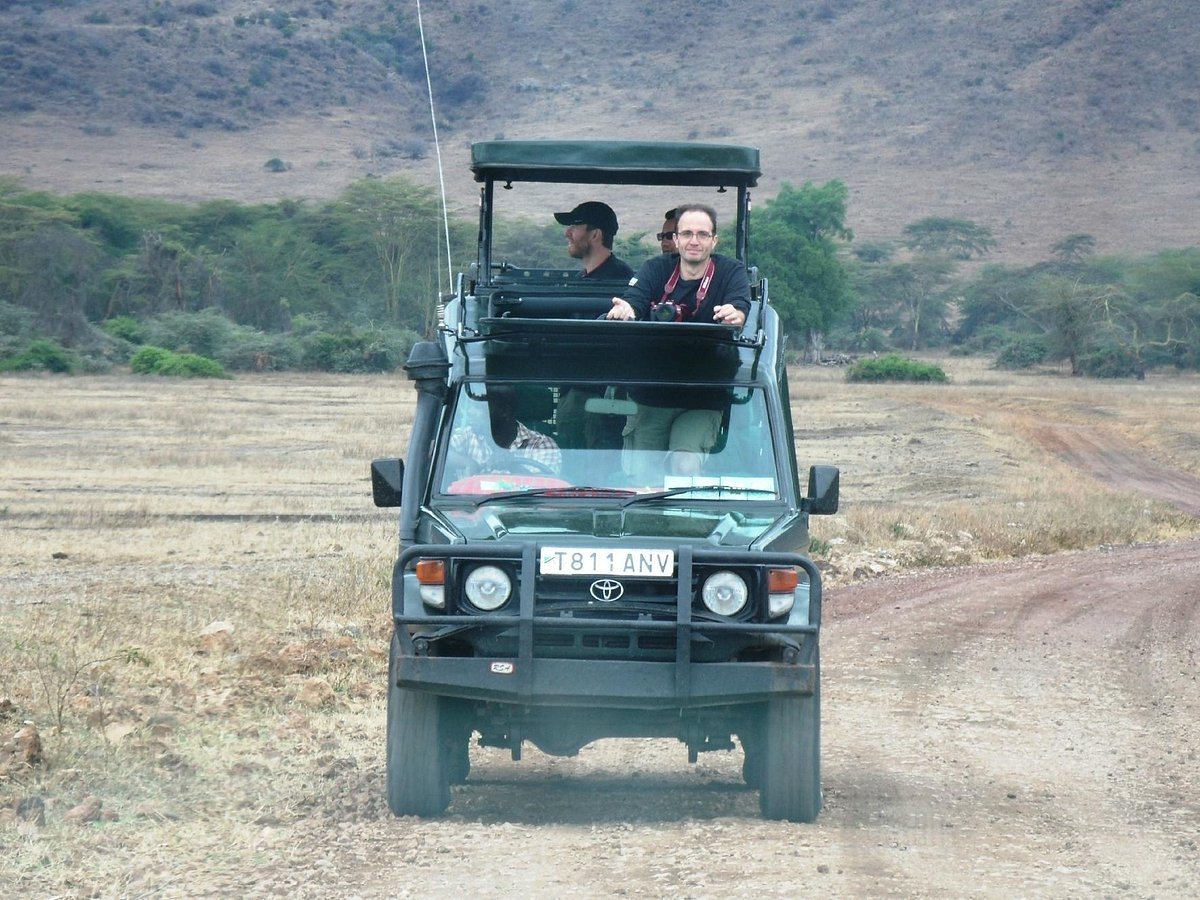
This is the most common type of safari. You’ll explore the park in a custom-built 4×4 safari vehicle, usually with a pop-up roof for optimal game viewing and photography. Game drive safaris are offered in all regions of the Serengeti and can be tailored to focus on specific wildlife interests.
Duration: Typically 3-7 days within the Serengeti, often as part of a longer northern circuit safari.
Vehicle: 4×4 Land Cruiser or Land Rover.
Best for: All travelers, families, those wanting to cover large distances.
Walking Safaris
For a more intimate connection with the bush, walking safaris offer a unique perspective. Led by experienced armed rangers, these safaris allow you to appreciate the smaller details of the ecosystem – the plants, insects, and tracks – that are often missed from a vehicle. Walking safaris are typically offered in specific areas outside the main national park boundaries or in designated zones.
Duration: Usually 1-3 days, often as an add-on.
Focus: Experiencing the bush on foot, learning about tracking and smaller flora/fauna.
Best for: Adventurous travelers, those seeking a deeper connection with nature.
Hot-Air Balloon Safaris
A Serengeti balloon safari is a truly magical experience, offering impressive aerial views of the plains at sunrise. As you drift silently above the landscape, you can witness herds moving below, often spotting wildlife before the day’s activities begin. This is usually a premium add-on to a standard safari package.
Duration: Approximately 1 hour flight, plus pre-flight briefing and post-flight champagne breakfast.
View: Panoramic sunrise views, aerial perspective of wildlife.
Best for: Special occasions, photographers, those seeking a unique perspective.
Mobile Camping vs. Permanent Lodges and Tented Camps
Your accommodation choice significantly impacts your safari experience and budget. For Serengeti searches, you’ll encounter:
- Mobile Camps: These camps move with the migration, offering prime locations that change seasonally. They provide a rustic yet comfortable bush experience.
- Permanent Tented Camps: Offer more amenities than mobile camps, with en-suite bathrooms and comfortable furnishings. They are fixed in location.
- Lodges: Offer the highest level of comfort and luxury, with swimming pools, fine dining, and extensive facilities.
Choosing a mobile camp can put you closer to the migration action during specific times of the year, while a permanent lodge offers consistent comfort and amenities. For 2026-2027, booking these well in advance is essential, especially for mobile camps that cater to specific migration phases.
Crafting Your Serengeti Search Itinerary (2026-2027)
A well-crafted itinerary is the backbone of any successful “Serengeti Search.” Here are sample itinerary structures, keeping in mind the 2026-2027 travel period.
Sample Itinerary: 5-Day Serengeti Migration Focus (July-October)
- Day 1: Arrival in Kilimanjaro & Transfer to Arusha. Meet your guide, brief on your safari.
- Day 2: Fly to Northern Serengeti (Kogatende). Game drive en route to your camp/lodge. Afternoon game drive focusing on potential Mara River crossings.
- Day 3: Full Day Serengeti Exploration. Focus on migration herds and predators along the Mara River.
- Day 4: Serengeti Exploration & Fly to Central. Morning game drive, then fly to Seronera (Central Serengeti) for an afternoon game drive.
- Day 5: Central Serengeti & Transfer to Airport. Morning game drive in Central Serengeti before flying back to Arusha for your onward journey.
Note: This itinerary prioritizes the Mara River crossings. For 2026-2027, booking flights and northern camps is critical.
Sample Itinerary: 4-Day Southern Serengeti & Ngorongoro (January-March)
- Day 1: Arrival in Arusha & Transfer to Karatu. Overnight near Ngorongoro.
- Day 2: Ngorongoro Crater Tour. Full day game drive inside the unique Ngorongoro Crater, famous for its dense wildlife population.
- Day 3: Transfer to Southern Serengeti (Ndutu). Game drive en route to Ndutu, focusing on the calving season herds and predator activity.
- Day 4: Southern Serengeti & Departure. Morning game drive in Ndutu before transferring to the nearest airstrip for your flight back to Arusha.
Note: This focuses on the calving season. For 2026-2027, ensure your lodge is in or very near Ndutu for the best experience.
Customizing Your Serengeti Search
These are just examples. Your ideal Serengeti search for 2026-2027 can be customized based on:
- Duration: Extend your stay to explore more regions or add other parks.
- Interests: Focus on birdwatching, photography, or specific animal behaviors.
- Pace: Choose a more relaxed pace with fewer transfers or a fast-paced itinerary covering more ground.
- Budget: Select accommodation and vehicle types that align with your financial plan.
When you contact Climb 4 Africa, we’ll work with you to design an itinerary that perfectly matches your desires for your 2026-2027 Serengeti searches.
Practical Considerations for Your Serengeti Search
Beyond the wildlife and landscapes, several practical aspects are crucial for a smooth and enjoyable Serengeti search.
Best Time to Visit in 2026-2027
As detailed earlier, the best time depends on your “Serengeti Searches” objective:
- Migration River Crossings: July to October (North & West Serengeti).
- Calving Season & Predators: January to March (South Serengeti/Ndutu).
- Good All-Round Game Viewing: June, November, December (Central Serengeti).
For 2026-2027, booking at least 9-12 months in advance is highly recommended for peak seasons (July-October, December-March) to secure preferred lodges and camps.
Travel Documentation and Visas
Ensure your passport is valid for at least six months beyond your intended stay and has sufficient blank pages. Most nationalities can obtain a Tanzanian visa upon arrival or apply online in advance. Check the latest requirements for your country well before your 2026-2027 travel dates.
Health and Vaccinations
Consult your doctor or a travel clinic 4-6 weeks before your trip regarding recommended vaccinations (e.g., Yellow Fever, Hepatitis A, Typhoid) and malaria prophylaxis. The Serengeti is a malaria-risk area, so mosquito bite prevention is crucial.
Packing Essentials
Pack light, neutral-colored clothing (khaki, beige, olive green). Avoid bright colors and dark blue/black. Essential items include:
- Lightweight long-sleeved shirts and trousers.
- Warm fleece or jacket for cool mornings and evenings.
- Comfortable walking shoes.
- Sun hat, sunglasses, and high-SPF sunscreen.
- Insect repellent with DEET.
- Camera with extra batteries and memory cards.
- Binoculars for enhanced wildlife viewing.
- Personal first-aid kit.
- Adapter for electrical devices (Tanzania uses Type D sockets).
Most lodges and camps provide laundry services, which can be a lifesaver on longer safaris.
What to Expect from Your Guide and Vehicle
Your safari guide is your window into the Serengeti. A good guide is knowledgeable, experienced, and passionate about wildlife and conservation. They will share insights into animal behavior, track animals, and ensure your safety. The standard safari vehicle is a 4×4 Land Cruiser or Land Rover, equipped with:
- Pop-up roof for game viewing.
- Comfortable seating.
- Cooler box for drinks.
- Binoculars and field guides (often provided).
For 2026-2027, ensure your tour operator specifies the type of vehicle and the experience level of their guides.
Choosing the Right Safari Operator for Your Serengeti Searches
Selecting a reputable safari operator is paramount for a successful “Serengeti Search.” Climb 4 Africa specializes in creating unforgettable Tanzanian adventures, with a deep understanding of the Serengeti and its migratory patterns. When evaluating operators for your 2026-2027 trip, consider these factors:
Expertise in Serengeti and Migration
Does the operator have a proven track record of organizing safaris in the Serengeti? Do they understand the nuances of the Great Migration and how to position clients for the best viewing opportunities throughout the year?
Customization Options
Can they tailor an itinerary to your specific interests, budget, and desired pace? A truly bespoke experience is more rewarding than a one-size-fits-all package.
Accommodation Quality
What types of lodges and camps do they partner with? Do they offer a range of options from mid-range to luxury? For 2026-2027, ensuring availability at desirable properties is key.
Guide Experience
What are the qualifications and experience levels of their guides? Experienced guides are crucial for maximizing wildlife sightings and ensuring a safe, informative safari.
Value for Money
While not always the cheapest, a good operator offers excellent value. Consider what is included in the price (e.g., park fees, meals, activities, vehicle type) and compare it to other reputable operators.
Climb 4 Africa prides itself on offering personalized service, expert local knowledge, and a commitment to responsible tourism. We help you navigate the complexities of planning your Serengeti searches, ensuring you get the most out of your 2026 or 2027 adventure. Whether you’re dreaming of witnessing the Great Migration crossings or exploring the predator-rich Seronera Valley, we can craft the perfect itinerary.
Budgeting for Your Serengeti Search (2026-2027)
The cost of a Serengeti safari can vary significantly. Understanding the factors that influence pricing is essential for budgeting your 2026-2027 trip.
Key Cost Factors:
- Accommodation: Luxury lodges are significantly more expensive than mid-range tented camps or budget mobile camps.
- Safari Style: Private safaris are more costly per person than shared group safaris.
- Season: Peak season (July-October, December-March) commands higher prices due to demand.
- Duration: Longer safaris naturally incur higher costs.
- Park Fees: Serengeti National Park fees are substantial and usually included in tour packages.
- Activities: Hot air balloon safaris are an additional, significant expense.
Typical Cost Ranges (per person, per day, excluding international flights):
- Budget: $250 – $400 (basic mobile camps, shared vehicles).
- Mid-Range: $350 – $600 (comfortable tented camps, lodges, shared or private vehicles).
- Luxury: $600 – $1000+ (high-end lodges and tented camps, exclusive services).
Note: These are estimates for 2026-2027. Prices are subject to change. For a precise quote tailored to your needs, contact Climb 4 Africa.
Booking Early for 2026-2027
Given the popularity of the Serengeti, especially during prime migration viewing periods, early booking for 2026 and 2027 is not just recommended, it’s essential. Popular lodges and camps, particularly those located in prime migration viewing areas like Kogatende (north) or Ndutu (south), can be fully booked 12-18 months in advance. Securing your preferred accommodation and ensuring availability of private vehicles and guides is crucial for a smooth “Serengeti Search.” Early booking also allows for better planning and potentially securing better rates before seasonal price increases.
Combining Serengeti with Other Tanzanian Destinations
While the Serengeti is a world-class destination on its own, combining it with other Tanzanian highlights can create an even more comprehensive African experience.
Ngorongoro Conservation Area
Often visited alongside the Serengeti, the Ngorongoro Crater offers a unique ecosystem within its caldera. It’s renowned for its high density of wildlife, including the Big Five (lion, leopard, elephant, rhino, buffalo), and is a key area for the wildebeest calving season. A day trip into the crater is a common addition to Serengeti itineraries.
Tarangire National Park
Known for its large elephant herds and iconic baobab trees, Tarangire is particularly spectacular during the dry season (July to October) when animals congregate around the Tarangire River. It’s a great stop on the way to or from the Serengeti.
Lake Manyara National Park
Famous for its tree-climbing lions and large troops of baboons, Lake Manyara offers a different landscape, including a soda lake that attracts flamingos. It’s a smaller park, making it ideal for a half-day or full-day visit.
Zanzibar
For a complete contrast, many travelers combine their safari with a relaxing beach holiday in Zanzibar. This exotic island offers pristine beaches, rich history in Stone Town, and opportunities for snorkeling, diving, and spice tours. It’s the perfect way to unwind after an exhilarating safari.
When planning your 2026-2027 “Serengeti Searches,” consider how these other destinations can complement your adventure. Climb 4 Africa can help you design a multi-destination itinerary that flows seamlessly.
Responsible Tourism in the Serengeti
As you plan your “Serengeti Searches,” embracing responsible tourism practices is vital to help preserve this incredible ecosystem for future generations. This includes:
- Respecting Wildlife: Maintain a safe distance from animals, never feed them, and avoid disturbing their natural behaviors.
- Choosing Eco-Friendly Operators: Support companies like Climb 4 Africa that prioritize sustainable practices, waste reduction, and community engagement.
- Minimizing Your Footprint: Stick to designated roads, avoid littering, and conserve water and energy at your accommodations.
- Supporting Local Communities: Purchase locally made crafts and engage respectfully with local cultures.
By traveling responsibly, your Serengeti search contributes positively to conservation efforts and the well-being of the communities living alongside these magnificent wildlife areas.
Making Your Serengeti Search a Reality in 2026-2027
Planning a safari to the Serengeti can seem complex, but with the right guidance, it’s an achievable dream. Your “Serengeti Searches” for 2026-2027 will be most rewarding when you partner with experts who understand the intricacies of Tanzanian travel. Climb 4 Africa is dedicated to providing exceptional safari experiences, from the initial planning stages to your departure.
We encourage you to reach out to us to discuss your specific interests and requirements. Whether you’re set on witnessing the dramatic river crossings, experiencing the calving season, or simply exploring the vast plains and its incredible wildlife, we can help tailor the perfect itinerary. Our team is ready to answer your questions, provide detailed quotes, and guide you through the booking process for your 2026 or 2027 adventure.
To begin planning your unforgettable Serengeti search, don’t hesitate to contact us. You can reach us via WhatsApp at +255 747 477 898 or send an email to climb4africa@gmail.com. Let us help you craft a safari that exceeds your expectations and creates memories to last a lifetime.
Check Availability for Serengeti Searches: Planning Your Ultimate Tanzania Safari Adventure…
Ready to compare dates, prices, and the best option for your group? Send the package name and travel month so the team can reply with a clear quote, availability, and what is included.
Dec 27, – 4 Day Serengeti Migration Group Safari: Plan Your Trip
A deep look at planning your 4-day Serengeti migration group safari departing December 27, 2026, including itinerary logistics, group benefits, and seasonal expectations.
View package details3 Day Serengeti And Ngorongoro Group Safari: Planning For December 4,
A detailed guide on planning a 3-day group safari to the Serengeti and Ngorongoro Crater for December 4, 2026, covering route expectations, group logistics, and essential planning steps.
View package detailsWe Are Two Travellers—Can We Join A Serengeti Safari In Dec ?
A guide for two travellers looking to join a Serengeti group safari in December 2026, covering logistics, cost-efficiency, and what to expect during the short rains.
View package detailsWhere Can I Join An Affordable Serengeti Safari In Dec ? A Practical Planning
A practical guide for budget-conscious travelers looking to join a Serengeti safari in December 2026, focusing on group-joining logistics and cost-effective planning.
View package detailsWhich Tanzania Group Safari Includes Serengeti And Ngorongoro?
Which Tanzania Group Safari Includes Serengeti and Ngorongoro?
View package detailsHow Much Is A 3 Day Serengeti Group Safari In Nov ? Cost Breakdown
Get a clear breakdown of the factors influencing the cost of a 3-day Serengeti group safari in November 2026, including park fees, vehicle logistics, and group dynamics.
View package detailsCan A Solo Traveller Join A Serengeti Safari In Dec ?
Planning a solo safari in December 2026? Discover the logistics of joining group departures, why December is a prime time for the migration, and how to manage costs effectively.
View package details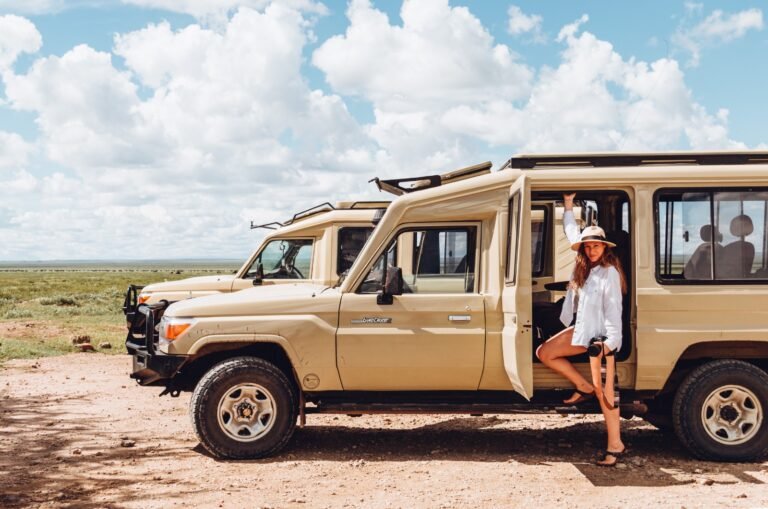
Afcon Private Serengeti Safari With Lodges
AFCON 2027 Private Serengeti Safari with Lodges.
View package detailsAfcon Luxury Serengeti Safari Packages
AFCON 2027 Luxury Serengeti Safari Packages.
View package details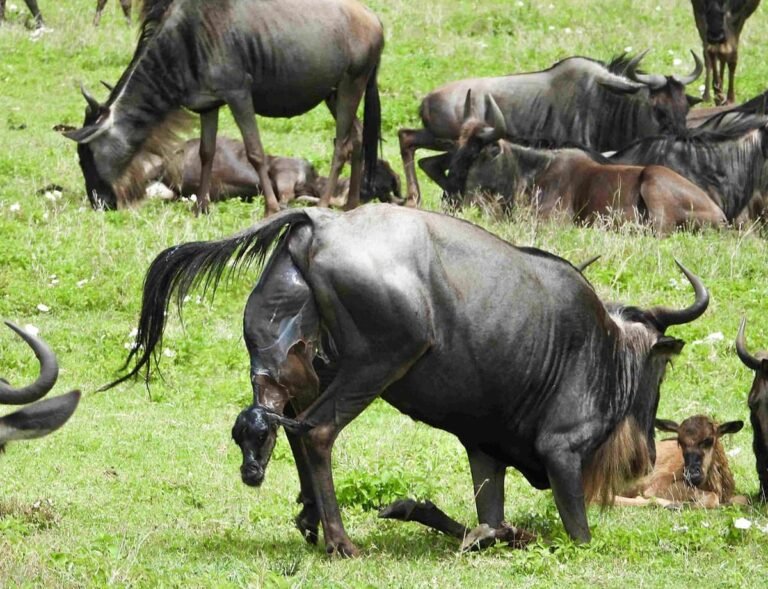
Serengeti Great Migration Safari During AFCON 2027
Mwongozo wa kina kwa safari ya Serengeti Great Migration wakati wa AFCON 2027, ukilenga kuelewa maeneo, kipindi cha mwendo wa mnyama, na mapendekezo ya mipango ya kiutendaji.
View package details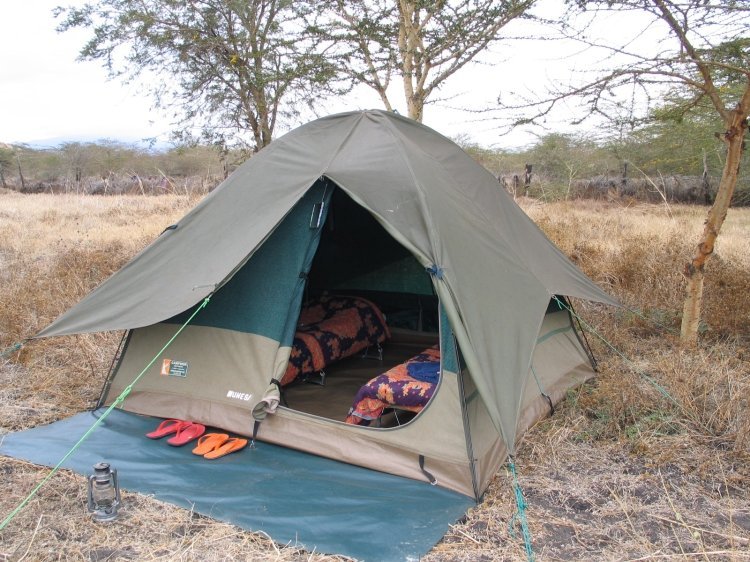
Four Day Serengeti na Ngorongoro Safari During AFCON 2027
Mwongozo wa safari ya siku 4 kwenye Serengeti na Ngorongoro wakati AFCON 2027; jinsi ya kupanga, nini cha kujali, na jinsi ya kuandaa,”
View package detailsThree Day Serengeti Safari During AFCON 2027
Mwongozo wa kiutendaji kwa safari ya siku tatu ya Serengeti wakati AFCON 2027, ukijumuisha mwelekeo wa maeneo, ratiba ya siku, na ushauri wa ubashiri wa kupanga pamoja na jinsi ya...
View package detailsNo related package matches those filters. Clear one or more filters to see the other topic-matched options.