For a group of 9 travellers on a Tanzania safari, the most practical and comfortable arrangement is usually two safari vehicles. This allows for a maximum of 4-5 passengers per vehicle, ensuring everyone has excellent visibility, ample space for photography, and a more personal safari experience. Trying to fit 9 people into a single, even a larger, safari vehicle would compromise comfort and viewing opportunities significantly, making two vehicles the standard recommendation for groups of this size for 2026-2027 tours.
Understanding Safari Vehicle Options for Your Group of 9
When planning a safari in Tanzania for a group of nine, the choice of vehicle arrangement isn’t just about fitting everyone in; it’s about maximizing your experience. The vastness of the landscapes, the need for clear views of wildlife, and the sheer comfort over potentially long driving days all play a crucial role. At Climb 4 Africa, we’ve guided countless groups, and for nine people, the consensus is clear: splitting into two vehicles is the way to go. Let’s break down why this is the case and what types of vehicles you’ll encounter.
The Standard Safari Vehicle: Land Cruisers and Land Rovers
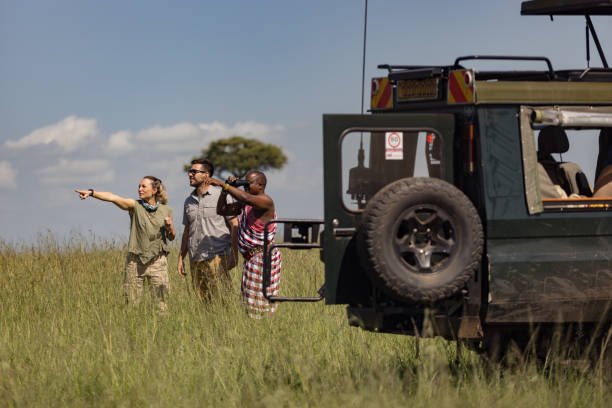
The backbone of Tanzanian safaris is typically the 4×4 Land Cruiser or Land Rover. These vehicles are built for the rugged terrain of national parks and are equipped with pop-top roofs, which are essential for game viewing. They offer excellent ground clearance and robust suspension, making them ideal for traversing dusty tracks and muddy paths.
When we talk about capacity, it’s important to differentiate between the vehicle’s absolute maximum occupancy and its comfortable safari occupancy. A standard Land Cruiser might technically seat seven or eight people, but for a safari, this is rarely ideal.
- Seating Configuration: Most safari vehicles have two rows of seats behind the driver, facing each other. This means passengers are often seated in pairs or triples.
- Luggage Space: Safari vehicles have limited luggage space, usually a rack on the roof for larger bags and space within the cabin for day packs. This is a critical factor when considering how many people are travelling.
- Game Viewing: The pop-top roof is your window to the wildlife. If you’re packed in too tightly, people will be jostling for position, and those seated in the middle or at the back might miss crucial sightings.
For a group of 9 travellers, the calculation becomes straightforward:
* Option 1: One Large Vehicle (Not Recommended)
* A single vehicle, even if it could technically seat 9, would be extremely cramped. Imagine 9 adults plus a driver and guide. Luggage would be a major issue, and the experience for passengers in the middle seats would be significantly diminished.
* Visibility for everyone would be poor, leading to frustration and missed photo opportunities.
* This option is generally not offered by reputable operators for comfort and safety reasons.
* Option 2: Two Standard Safari Vehicles (Recommended)
* This is the standard and best practice for a group of 9. You would have two 4×4 safari vehicles, each carrying 4 or 5 passengers plus a dedicated driver-guide for each vehicle. This configuration ensures:
* Comfort: Ample legroom and space to move around within the vehicle.
* Visibility: Every passenger gets a window seat and good access to the pop-top roof for unobstructed views.
* Photography: More space for camera gear and less chance of bumping elbows while trying to capture that perfect shot.
* Logistics: Easier to manage luggage, snacks, and the general flow of the group.
* Flexibility: If one vehicle spots something unique, the other can easily follow. It also allows for slightly different pacing if needed.
This arrangement is the most common for groups of 5 or more, and for 9 travellers, it’s the definitive solution for a comfortable and rewarding 2026-2027 safari.
Vehicle Types: Land Cruiser vs. Land Rover
While both Land Cruisers and Land Rovers are workhorses, there are subtle differences that might influence your choice, though for a group of 9, the critical factor remains having two vehicles.
* Toyota Land Cruiser:
* Often considered the more robust and reliable option for the challenging Tanzanian terrain. They are known for their durability and ease of repair in remote areas.
* Typically offer slightly more legroom and a smoother ride.
* Most safari operators favour Land Cruisers for their ability to handle the demands of constant use in parks like the Serengeti and Ngorongoro.
* Land Rover Defender:
* Iconic and capable, Land Rovers are also very popular. They offer excellent off-road performance.
* Some models might feel a bit more utilitarian, though modern versions are comfortable.
* Parts availability and repair expertise can sometimes be a consideration in more remote regions compared to Toyota.
For your group of 9, whether you are in two Land Cruisers or two Land Rovers, the experience will be excellent, provided the vehicles are well-maintained and driven by experienced guides. The key is the number of vehicles, not necessarily the specific make for this group size.
Why Two Vehicles Are Essential for 9 Travellers
Let’s explore deeper into the practicalities that make two vehicles non-negotiable for a group of nine. It’s not just about comfort; it’s about the quality of the safari experience itself.
1. Optimal Game Viewing and Photography
Imagine being on safari. You’ve just spotted a pride of lions lounging under an acacia tree, or perhaps a leopard perched high in a Marula tree. In a vehicle packed with 9 people, the scramble for the best view begins. Those at the back might only see the tops of the lions’ heads, and photographers will struggle to get a clear shot without a head or car door in the frame.
With two vehicles, you can split your group of 9 into two smaller units of 4 or 5. This means:
* Unobstructed Views: Everyone gets a window seat. With the pop-top roof up, you can stand and have a 360-degree view. Even when seated, the higher seating position provides a great vantage point.
* Photography Freedom: Photographers will appreciate the space to set up their gear, maneuver their cameras, and capture stunning shots without being crowded. You won’t have to worry about someone’s backpack blocking your lens.
* Shared Sightings: When one vehicle spots something, the other can quickly follow. This means less chance of missing out on fleeting moments, like a cheetah making a kill or a herd of elephants crossing the plains.
* Reduced Vehicle Disturbance: Smaller groups in separate vehicles can sometimes approach wildlife more discreetly, minimizing disturbance to the animals. This aligns with responsible tourism practices.
For a 2026 or 2027 safari, where you’re likely investing significant time and money, ensuring the best possible wildlife viewing is paramount. Two vehicles guarantee this for your group of 9.
2. Enhanced Comfort and Personal Space
Long days on safari can be tiring. You’ll be driving between game viewing areas, sometimes for several hours. In a single, crowded vehicle, this can become uncomfortable quickly. Consider:
* Legroom: Even in a standard safari vehicle, legroom is at a premium. Cramming 9 people means less space to stretch out, especially on longer drives.
* Personal Space: Having your own space contributes to a more relaxed and enjoyable journey. You can listen to your guide, chat with your travel companions, or simply enjoy the scenery without feeling confined.
*
Luggage Management: Safari vehicles have specific luggage limits. While a Land Cruiser can accommodate decent-sized duffels, fitting luggage for 9 people into one vehicle, in addition to the passengers, would be a logistical nightmare. Two vehicles mean luggage can be split, ensuring everyone’s gear fits comfortably and safely on the roof racks or within the vehicle’s designated storage.
*
Driver/Guide Interaction: Each vehicle will have its own driver-guide. This allows for more personalized interaction, better answering of questions, and a guide who can focus on the specific interests of the 4-5 passengers in their vehicle.
This division of space and attention significantly enhances the overall comfort and enjoyment of your safari for all 9 travellers.
3. Logistical Simplicity and Flexibility
While it might seem counterintuitive, managing two vehicles for 9 people is often simpler logistically than trying to manage one overloaded vehicle.
* Communication: If the vehicles are equipped with radios or you have mobile phones, communication between the two guides is easy. This is useful for coordinating sightings or planning lunch stops.
* Pacing: Different people have different energy levels and interests. With two vehicles, one group might want to spend more time watching birds, while another is focused on big cats. This flexibility is invaluable.
* Entry/Exit: Getting 9 people in and out of a single vehicle at picnic spots or lodges can take time. Two vehicles streamline this process.
* Vehicle Maintenance: Although breakdowns are rare with well-maintained vehicles, having a spare vehicle ensures the safari can continue with minimal disruption if an unforeseen issue arises with one. This is a crucial consideration for longer itineraries in 2026 or 2027.
When booking your 2026-2027 safari with an operator like Climb 4 Africa, confirming the number of vehicles for your group size is a key question to ask. For 9 travellers, the answer should always point towards two vehicles.
Calculating Vehicle Needs: How Operators Determine This
Safari operators have a standard approach to determining vehicle arrangements based on group size. This is based on years of experience and understanding the practicalities of operating in national parks.
Standard Capacity vs. Comfortable Safari Capacity
As mentioned, a Land Cruiser might have seats for 7 passengers plus the driver. However, a safari is not like a city bus transfer. The operational capacity for a comfortable and enjoyable safari is generally considered to be:
* Maximum 4 passengers per vehicle for optimal comfort and game viewing, especially if photography is a priority.
* Maximum 5 passengers per vehicle is acceptable for shorter trips or if the group is very comfortable with each other and doesn’t have extensive camera gear. This is often the most common compromise for groups where budget is a consideration.
Therefore, for 9 travellers:
* If using a maximum of 4 passengers per vehicle: 9 passengers / 4 passengers/vehicle = 2.25 vehicles. This means you would need three vehicles to ensure no vehicle has more than 4 passengers. This offers the ultimate comfort and space.
* If using a maximum of 5 passengers per vehicle: 9 passengers / 5 passengers/vehicle = 1.8 vehicles. This means you would need two vehicles. One vehicle would carry 5 passengers, and the other would carry 4 passengers.
Most reputable operators, including Climb 4 Africa, will aim for the 4-5 passenger per vehicle rule. For 9 travellers, this most commonly translates to two vehicles, with one carrying 5 and the other 4. This is the standard recommendation for 2026-2027 bookings.
Factors Influencing Vehicle Allocation
Beyond just the passenger count, other factors can influence the ideal vehicle setup:
* Luggage: If your group has a lot of oversized luggage (e.g., large camera bags, extra hiking gear for Kilimanjaro climbs), this might push you towards more vehicles or a vehicle with superior luggage capacity.
* Itinerary Length: For longer safaris (e.g., 10-14 days), comfort becomes even more critical. You’ll want to ensure everyone remains comfortable throughout the journey.
* Park Regulations: While less common, some specific areas or lodges might have vehicle limitations, though this is rarely an issue for standard park entry.
* Budget: While comfort is key, a group of 9 might opt for the 5-passenger-per-vehicle arrangement in two vehicles to manage costs, as hiring three vehicles would increase the overall price.
When you discuss your safari plans for 2026 or 2027 with Climb 4 Africa, we will ask about your group size and any specific needs to ensure the vehicle arrangement is perfect.
What to Expect in Your Safari Vehicles
Understanding the typical features of safari vehicles will help you prepare for your 2026-2027 adventure.
Essential Features
* Pop-Top Roof: This is non-negotiable. It allows you to stand up and get unobstructed views of wildlife. It’s operated by the driver-guide.
* 4×4 Capability: Essential for navigating rough terrain, mud, and sand, especially in parks like the Serengeti during the rainy seasons or crossing rivers.
* Comfortable Seating: While not luxurious, seats are designed for the purpose, with some cushioning. Reclining seats are less common in standard safari vehicles.
*
Window Access: Every passenger should have access to a window, which can be opened for better photos and sounds.
*
Power Outlets/USB Ports: Some newer vehicles may have these, but don’t rely on them. It’s best to bring a portable power bank for your devices.
*
Cooler Box: Most operators provide a cooler box with water for your daily game drives.
*
Binoculars: Your driver-guide will likely have a pair, but it’s always good to bring your own if you have them.
What to Bring for the Vehicle
* Camera and Lenses: Essential for capturing memories. A zoom lens is highly recommended.
* Binoculars: Even if the guide has some, having your own allows for personal exploration.
* Sun Protection: Hats, sunglasses, and high SPF sunscreen are vital. The sun can be intense, even with the roof up.
*
Comfortable Clothing: Layers are key. Neutral colours are best to avoid startling wildlife.
*
Snacks: While water is provided, you might want to bring some of your favourite energy bars or snacks for longer drives.
*
Notebook and Pen: To jot down sightings, locations, or thoughts.
Considerations for 2026-2027 Bookings
As you plan for 2026 or 2027, be aware that demand for safari vehicles, especially for groups, can be high during peak seasons. Booking well in advance is crucial to secure the best vehicles and guides. Operators like Climb 4 Africa maintain a fleet of well-serviced vehicles, ensuring reliability for your group of 9.
Vehicle Arrangements for Specific Tanzanian Parks
While the general rule of two vehicles for 9 travellers holds true, the specific parks you visit might have slight nuances, though usually not in the vehicle count itself.
Serengeti National Park
The Serengeti is vast, and you’ll spend a lot of time driving. Having two vehicles ensures that if one group is watching cheetahs on the plains, the other can explore a different area with potential leopard sightings in the kopjes. The pop-top roof is indispensable here for spotting wildlife across the open grasslands.
Ngorongoro Conservation Area
Vehicle access to the Ngorongoro Crater floor is strictly controlled. There’s a limit on the number of vehicles allowed on the crater floor at any one time, and also a time limit. Having two vehicles means your group of 9 can be split, potentially allowing for slightly more flexibility if one vehicle needs to exit and re-enter due to time limits (though usually the guide manages this perfectly). More importantly, it ensures that your group isn’t taking up too much space for viewing in a limited area.
Tarangire National Park
Known for its large elephant herds and baobab trees, Tarangire can have dense vegetation in places. Good visibility from your vehicle is key to spotting animals. Two vehicles ensure everyone has a good vantage point.
Lake Manyara National Park
Famous for its tree-climbing lions and diverse birdlife. The park is smaller, and game drives can be more intimate. Two vehicles allow your group of 9 to spread out and enjoy the different habitats without feeling crowded.
Regardless of the park, the principle remains: two vehicles provide the best experience for 9 travellers. This is a consistent recommendation for 2026 and 2027 itineraries.
Cost Implications of Vehicle Arrangements
When budgeting for your safari for 2026-2027, the vehicle arrangement is a significant cost factor. Hiring two safari vehicles will, naturally, be more expensive than hiring one.
Understanding Safari Pricing
Safari pricing is typically structured per person per day, and this daily rate often includes:
* The use of a 4×4 safari vehicle.
* A professional driver-guide.
* Fuel.
* Park entrance fees (these are separate and often substantial).
* Accommodation (lodges or tented camps).
* Meals.
When you book for 9 travellers, the operator will quote based on the number of vehicles required. For 9 people, this means the daily rate will be multiplied by two vehicles.
* Single Vehicle Cost (Hypothetical): Let’s say a safari costs $500 per person per day for a vehicle carrying up to 5 people. For 9 people, this would be 5 people x $500 = $2500 per day for one vehicle.
* Two Vehicle Cost (Actual for 9): With two vehicles, you’d likely have one carrying 5 and one carrying 4. So, (5 people x $500) + (4 people x $500) = $2500 + $2000 = $4500 per day. Or, more commonly, the operator quotes a per-vehicle rate. If a vehicle with a guide costs $700 per day, then two vehicles for your group of 9 would be $1400 per day, plus the per-person costs for park fees, accommodation, meals, etc.
It’s crucial to get a clear breakdown from your tour operator. At Climb 4 Africa, we provide transparent quotes that detail the cost per vehicle and per person.
Factors Affecting Vehicle Costs
* Vehicle Type: While most operators use Land Cruisers, some might offer slightly different models or luxury options which can affect the price.
* Guide Experience: Highly experienced and specialized guides might command a higher daily rate.
* Season: Peak season (June-October, December-February) often sees higher rates for vehicles and accommodation.
* Duration: Longer safaris can sometimes have a slightly lower per-day rate due to economies of scale.
Budgeting for 2026-2027
When comparing quotes for your 2026 or 2027 safari, ensure that the number of vehicles for your group of 9 is clearly stated. A quote that seems significantly lower might be trying to fit 9 people into a single vehicle, which, as we’ve discussed, is not ideal. Always prioritize comfort and viewing quality. A difference of a few hundred dollars might seem significant, but it’s a small price to pay for a vastly superior safari experience.
Booking Your Safari: What to Confirm with Climb 4 Africa
When you’re ready to book your Tanzania safari for 9 travellers, particularly for the 2026-2027 season, here’s what you should confirm with us at Climb 4 Africa.
Key Questions to Ask
1. **Number of Vehicles:** Explicitly confirm that for a group of 9, you will have two safari vehicles. Ask about the intended passenger capacity per vehicle (aim for 4-5 maximum).
2. **Vehicle Type:** Inquire about the make and model of the vehicles (e.g., Toyota Land Cruiser, Land Rover Defender) and ensure they are 4×4 with pop-top roofs.
3. **Guide Allocation:** Confirm that each vehicle will have its own dedicated, experienced driver-guide.
4. **Inclusions/Exclusions:** Understand what is covered in the safari package. This typically includes vehicle hire, guide fees, fuel, park entrance fees, accommodation, meals, and bottled water. Exclusions might be tips, personal drinks, visas, and international flights.
5. **Luggage Allowance:** Clarify the size and weight limits for luggage per person and per vehicle. This is crucial for packing.
6. **Itinerary Customization:** Discuss how the itinerary can be tailored to your group’s interests, pace, and any specific wildlife you hope to see in 2026 or 2027.
Our Commitment at Climb 4 Africa
We pride ourselves on providing exceptional safari experiences. For a group of 9 travellers, our standard arrangement is two well-maintained 4×4 safari vehicles, each with a pop-top roof and driven by a professional, knowledgeable guide. We believe this is the only way to ensure comfort, optimal game viewing, and a truly memorable adventure across Tanzania’s incredible landscapes.
We understand the importance of every detail when planning a trip of a lifetime. Whether you’re combining a safari with a Kilimanjaro climb or a Zanzibar beach holiday, we ensure your safari vehicle arrangements are perfect for your group of 9.
Next Steps for Booking
To get a personalized quote and discuss your 2026-2027 safari plans, please reach out to us. We’ll need:
* Your preferred travel dates (flexible or fixed).
* Your approximate itinerary or the parks you wish to visit.
* Your accommodation preferences (budget, mid-range, luxury).
* Any specific interests (e.g., birdwatching, photography, Great Migration).
Contact Climb 4 Africa via WhatsApp at +255 747 477 898 or email us at climb4africa@gmail.com. We’re here to help you plan the perfect safari for your group of 9.
Common Misconceptions About Safari Vehicles for Groups
Even with the best intentions, travellers can sometimes have misunderstandings about safari vehicle arrangements. Addressing these upfront can save confusion and ensure expectations are aligned for your 2026-2027 trip.
Misconception 1: “One large vehicle is fine for 9 people.”
As detailed extensively, this is rarely the case. While a large van might seat 9, safari vehicles are specialized. The need for pop-top roofs for viewing, the rugged terrain, and the desire for comfortable game viewing mean that a single vehicle for 9 is highly impractical and uncomfortable. It leads to poor visibility, limited photography opportunities, and a generally less enjoyable experience. Reputable operators will strongly advise against this.
Misconception 2: “Any 4×4 vehicle will do.”
Safari vehicles are not just any 4×4. They are specifically modified for safari use. This includes reinforced suspension for rough roads, extended chassis for better stability, and crucially, the pop-top roof. Standard SUVs or regular 4x4s might not offer the same level of game viewing capability or comfort over long distances.
Misconception 3: “More people in a vehicle means a cheaper safari.”
While it’s true that spreading fixed costs like vehicle hire over more people can reduce the *per-person* cost, this is only true up to a point. Trying to ‘save money’ by cramming 9 people into one vehicle that’s designed for 5-6 often results in a significantly degraded experience that isn’t worth the perceived saving. For a group of 9, the cost of two vehicles is a necessary investment for a quality safari.
Misconception 4: “The driver doesn’t count towards the passenger limit.”
This is generally true. The stated capacity of a safari vehicle usually refers to passengers, not including the driver. However, when calculating comfort, it’s the passenger count that matters most. For a group of 9, you’ll need a driver for each of the two vehicles, plus the 9 passengers, meaning 11 people in total will be on safari across the two vehicles.
Understanding these points helps ensure you book the right safari arrangement for your group of 9, especially when planning for 2026 or 2027.
Alternatives and Special Considerations
While two standard safari vehicles are the norm, there are a few other scenarios or considerations for a group of 9.
Vehicle with a Trailer
Some operators might use a larger vehicle, like a safari bus or a custom-built safari truck, that can accommodate more people. These might occasionally tow a trailer for luggage. However, these vehicles are less common for standard private safaris and are more often used for overland tours or very large group packages. For a typical wildlife safari experience focused on flexibility and access to different areas, two open-top 4x4s are superior.
Luxury Safari Vehicles
If your budget allows for a more luxurious experience in 2026 or 2027, you might find operators offering premium safari vehicles. These could be larger Land Cruisers with more legroom, reclining seats, or even dedicated photography vehicles. For a group of 9, you would still likely require two of these luxury vehicles to maintain comfort and optimal viewing.
Combining Safari with Kilimanjaro Climb
If your group of 9 is also planning to climb Kilimanjaro before or after their safari, this adds another layer of planning. Luggage for a climb is extensive. You’ll need to discuss with your tour operator how luggage will be managed during the safari portion. Often, excess luggage can be stored securely at the hotel in Moshi or Arusha. For the safari itself, ensure your two vehicles have adequate roof rack space for duffel bags and daypacks.
Travel Style and Pace
Consider the pace your group prefers. If you enjoy a more relaxed pace with plenty of time at each sighting, two vehicles allow for this. If you’re keen on covering vast distances quickly, the two-vehicle setup is still ideal for efficiency. The key is that the vehicles are designed for the terrain and the purpose of wildlife viewing.
Making the Final Decision for Your 2026-2027 Safari
Choosing the right safari vehicle arrangement is a fundamental part of planning a successful trip. For your group of 9 travellers heading to Tanzania in 2026 or 2027, the decision is clear:
The definitive arrangement for 9 travellers is two 4×4 safari vehicles, each equipped with a pop-top roof. This ensures comfort, excellent game viewing, ample photography space, and logistical ease throughout your safari.
This setup allows for a maximum of 4 or 5 passengers per vehicle, providing everyone with a window seat and good access to the roof for unobstructed wildlife observation. It balances cost-effectiveness with the essential elements of a quality safari experience.
When you book with Climb 4 Africa, we handle all these details for you. Our priority is to ensure your safari is not just an adventure, but a comfortable and unforgettable journey. We manage the logistics of providing two suitable vehicles, experienced guides, and ensuring all necessary park fees and permits are in order for your 2026-2027 travels.
Don’t hesitate to reach out to our team to discuss your specific needs and to receive a tailored itinerary and quote. Your dream Tanzanian safari for 9 awaits!
For inquiries or to begin planning your 2026-2027 safari adventure, contact Climb 4 Africa:
WhatsApp: +255 747 477 898
Email: climb4africa@gmail.com
Check Availability for 9 Travellers Safari Vehicle: What Arrangement Do You Need In Tanzania?
Ready to compare dates, prices, and the best option for your group? Send the package name and travel month so the team can reply with a clear quote, availability, and what is included.
Can I Join A Safari That Has Already Confirmed Travellers?
Can I Join a Safari That Has Already Confirmed Travellers?
View package details
I Am On A Budget—What Is The Cheapest Serengeti Group Safari?
I Am on a Budget—What Is the Cheapest Serengeti Group Safari?
View package details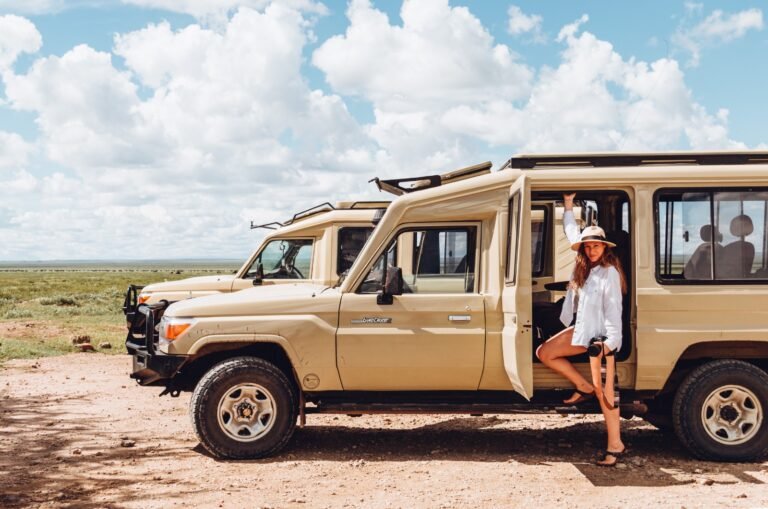
Afcon Private Serengeti Safari With Lodges
AFCON 2027 Private Serengeti Safari with Lodges.
View package details
Afcon Arusha Safari And Football Packages
AFCON 2027 Arusha Safari and Football Packages.
View package detailsAFCON 2027 Dar es Salaam Airport Transfer and Safari
Mwongozo wa kina kwa wageni wanaotaka usafiri wa kiwanja cha ndege hadi safari katika Dar es Salaam wakati AFCON 2027, pamoja na mapendekezo ya ratiba, mipango ya usafiri na marekebisho ya...
View package details
Afcon Pamoja Safari And Travel Packages
AFCON PAMOJA 2027 Safari and Travel Packages.
View package details
AFCON 2027 Safari Packages from Tanzania
Hitaji la safari ya kundoka ili kufurahia AFCON 2027? Chagua kutoka kwa mikakati ya safari nchini Tanzania inayoambatana na wildlife, mbuga maarufu, na uwekaji wa huduma ya kimataifa ya...
View package details
Affordable AFCON 2027 Safari Packages
Mwongozo wa kina kwa safari za AFCON 2027 kwa bajeti, ikiwa ni pamoja na mipango ya kiutawala, maeneo ya wanyama, na chaguzi za malazi.
View package detailsAfcon Safari Packages With Airport Transfers
AFCON 2027 Safari Packages with Airport Transfers.
View package detailsAfcon Luxury Serengeti Safari Packages
AFCON 2027 Luxury Serengeti Safari Packages.
View package details
AFCON 2027 Mid Range Safari Packages Tanzania
Mwongozo wa safari ya kati ya AFCON 2027 Tanzania kutoka Climb 4 Africa: mipango ya njia, maeneo ya msitu wa serikali, na usalama wa wasafiri. Onyesha jinsi ya kuchagua kilima cha kati...
View package detailsNo related package matches those filters. Clear one or more filters to see the other topic-matched options.