To book the cheapest safari that still includes the Serengeti for 2026-2027, focus on shared group tours, consider shorter durations (e.g., 5-7 days), opt for camping accommodations, and travel during the low season (typically March-May). Prioritize itineraries that group the Northern Circuit parks (Tarangire, Lake Manyara, Serengeti, Ngorongoro) efficiently to minimize travel time and costs, often starting and ending in Arusha. Look for operators offering comprehensive packages that include park fees, accommodation, meals, and a knowledgeable guide, as these provide the best value for a truly memorable Serengeti experience without overspending.

Understanding Budget Safaris in Tanzania
When the goal is the cheapest safari that still includes Serengeti, it’s crucial to understand what “budget” means in the context of Tanzanian wildlife tourism. Tanzania is home to some of the most iconic and vast wildlife reserves in Africa, including the Serengeti, Ngorongoro Crater, Tarangire National Park, and Lake Manyara National Park. These parks command significant entrance fees, which are a substantial portion of any safari cost. Therefore, a truly budget safari here isn’t about cutting corners on safety or the core wildlife viewing experience, but rather about optimizing the operational costs and choosing the right travel style for 2026-2027.
Think of it as finding the most efficient way to access the incredible wildlife without unnecessary frills. This often means compromising on luxury accommodation or private transport in favour of shared experiences and more rustic, yet comfortable, camping. The emphasis shifts from plush lodges and exclusive game drives to maximizing wildlife encounters through smart planning and by leveraging the expertise of local operators who understand how to deliver value. For travelers in 2026 and 2027 looking for affordability, understanding these trade-offs is the first step to a successful and budget-friendly Serengeti adventure.
### The Value Proposition of Budget Safaris
Budget safaris aren’t necessarily “cheap” in an absolute sense, but they offer exceptional value. The primary cost drivers for any safari in Tanzania are: park entrance fees (which are non-negotiable and set by the government), vehicle and fuel costs, guide salaries, and accommodation. A budget safari strategy aims to reduce the latter three significantly while ensuring you still get the full Serengeti experience. This means that while you might not be staying in a five-star lodge, you will still witness the Great Migration (if timed correctly), see the Big Five, and experience the raw beauty of the African bush. The value comes from the quality of the wildlife viewing and the overall adventure, not from opulent amenities. For 2026-2027, as travel costs globally continue to fluctuate, smart budgeting is more important than ever.
### Why Serengeti is Often a Premium Component
Serengeti National Park is the jewel in Tanzania’s safari crown. Its sheer size, the annual Great Migration, and its reputation for abundant predators make it a must-visit for most travelers. However, its popularity and the vast distances involved in traversing it mean it inherently carries a higher cost than smaller, more accessible parks. Park fees for Serengeti are substantial, and the time required to explore it properly necessitates longer tour durations or more extensive driving, which increases fuel and vehicle wear. Therefore, any safari aiming to include the Serengeti will have a baseline cost that is higher than a safari focused solely on, for example, Tarangire or Lake Manyara. The challenge for budget travelers is to find a way to include this premium component without letting it inflate the entire trip’s cost beyond reach.
Key Elements of a Cheap Serengeti Safari
When aiming for the cheapest safari that still includes Serengeti, several key factors come into play. These are the levers you can pull to reduce costs without compromising the core safari experience. Understanding these elements will empower you to make informed decisions for your 2026 or 2027 trip.
Accommodation Choices: Camping vs. Lodges
This is arguably the biggest differentiator in safari costs.
* Camping Safaris: These are the backbone of budget-friendly safaris in Tanzania. They typically involve staying in public campsites within or near national parks. While “camping” might conjure images of roughing it, in Tanzania, it often means sturdy canvas tents, comfortable sleeping mats or cots, shared ablution blocks (toilets and showers), and communal dining areas. Some operators offer “luxury camping” or “glamping” options with en-suite bathrooms and more comfortable bedding, but for the absolute cheapest experience, standard public campsites are the way to go. Meals are usually prepared by a dedicated camp cook, offering hearty and delicious fare. The advantage is a significantly lower nightly cost compared to lodges, and it offers a more in-depth, closer-to-nature experience.
* Mid-Range Lodges/Tented Camps: These offer more comfort than public campsites, often featuring en-suite bathrooms, more permanent structures, and better amenities. The cost increase is noticeable, and for travelers prioritizing the lowest possible price, these are usually out of reach. However, some lodges offer more basic, rustic options that might be slightly more affordable than luxury counterparts.
* Luxury Lodges/Tented Camps: These are the most expensive options, featuring high-end amenities, private facilities, gourmet dining, and often exclusive locations. They are generally not part of a budget safari strategy.
For the cheapest safari, camping is the clear choice. It drastically cuts down accommodation expenses, allowing more of your budget to be allocated to park fees and essential services, ensuring you can still afford to visit the Serengeti. For 2026-2027 trips, booking camping tours well in advance is wise as popular campsites can fill up, especially during peak seasons.
### Itinerary Duration and Route Optimization
How long your safari is and the route it takes directly impacts the cost.
* Duration: Shorter safaris are inherently cheaper. A 3-day safari will cost less than a 7-day one. However, to include the Serengeti justice, you need sufficient time. A common budget itinerary that includes the Serengeti is a 5-day Northern Circuit tour. This typically covers Lake Manyara, Serengeti, and Ngorongoro Crater. Extending this to 7 days allows for more in-depth exploration of the Serengeti or the inclusion of Tarangire National Park, offering a richer experience for a slightly higher cost. For the absolute cheapest option, aim for the shortest duration that still allows meaningful time in the Serengeti.
* Route: Tanzania’s Northern Circuit is the most popular and logistically efficient for hitting multiple parks, including the Serengeti. The standard route is Arusha -> Tarangire -> Serengeti -> Ngorongoro -> Arusha. Some budget itineraries might omit Tarangire or Lake Manyara to save on park fees and driving time, focusing solely on Serengeti and Ngorongoro within a shorter timeframe. However, many operators design efficient 5-day routes that include all three major parks (Tarangire, Serengeti, Ngorongoro) to maximize value. The key is an operator who plans the route to minimize backtracking and long driving days, which saves on fuel and time.
**Recommendation for cheapest Serengeti safari:** Opt for a 5-day Northern Circuit camping safari. This typically provides at least 1-2 full days in the Serengeti, which is often sufficient for a first-time visitor. For 2026-2027, booking this shorter duration will be your best bet for cost savings.
### Group Tours vs. Private Safaris
This is another major cost factor.
* Group Safaris: These are tours where you share a safari vehicle and guide with other travelers. They are significantly cheaper because the costs of the vehicle, fuel, and guide are divided among multiple people. This is the primary method for achieving the cheapest safari that still includes Serengeti. You’ll typically join a pre-scheduled group departure. The main trade-off is less flexibility in terms of game drive timing and route, as you need to accommodate the preferences of the group.
* Private Safaris: You have exclusive use of the vehicle and guide. This offers maximum flexibility and customization but comes at a much higher price, as you bear all the vehicle and guide costs yourself.
**For budget travelers, group tours are essential.** Look for operators who guarantee departures for their group tours even with a minimum number of participants (e.g., 2 or 4 people). This ensures you can book your 2026-2027 trip with confidence, knowing it will run.
### Travel Season Impact on Cost
The time of year you travel has a significant impact on safari prices.
* High Season (June-October, December-February): This is when the weather is generally dry and pleasant, and it coincides with peak wildlife viewing (especially the Great Migration river crossings in the Western Serengeti). Demand is highest, so prices are at their peak.
* Shoulder Season (March-May, November): Prices start to decrease, and crowds thin out. The long rains occur from March to May, which can make some roads muddy and challenging, and wildlife may be more dispersed. However, it’s also a fantastic time for birdwatching and seeing baby animals. November can be a good month with fewer crowds and decent wildlife viewing.
* Low Season (April-May): This is generally the cheapest time to travel. While it’s the rainy season, the rain often comes in short, intense bursts, usually in the afternoon, leaving mornings clear for game drives. The landscape is lush and green, and the lack of tourists means a more intimate experience. The Serengeti is still teeming with wildlife, and you can often find excellent deals.
For the cheapest Serengeti safari, target the low season (April-May) or the shoulder season (November). While the rains might be a consideration, they rarely disrupt game drives significantly and offer unique advantages. For 2026-2027 planning, consider these off-peak months for substantial savings.
### Inclusions and Exclusions: What to Watch For
When comparing prices for the cheapest safari that still includes Serengeti, it’s vital to understand what is included and what is not. A seemingly low price might be a result of excluding essential items.
* Typically Included in Budget Safaris:
* Park entrance fees (Serengeti, Ngorongoro, Tarangire, etc.)
* Accommodation (camping or basic lodges/tented camps)
* All meals during the safari (breakfast, lunch, dinner)
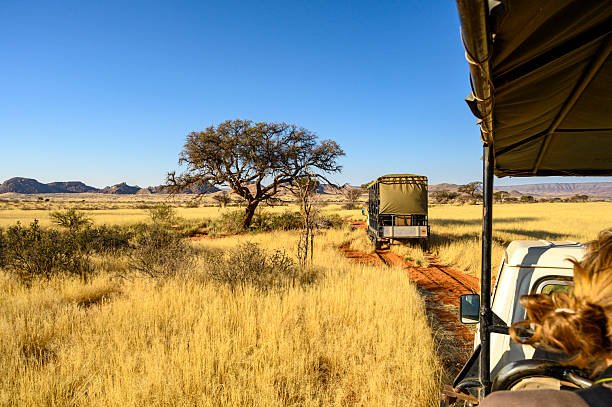
* 4×4 safari vehicle with a pop-up roof
* Professional English-speaking guide
* Water during game drives
* Crater service fee (for Ngorongoro)
* Airport transfers (often)
* **Often Excluded (and can add significant cost):**
* International flights to Tanzania
* Visa fees
* Travel insurance (essential!)
* Tips for guide and cook
* Alcoholic and soft drinks
* Personal items (toiletries, sleeping bags if not provided)
* Optional activities (e.g., hot air balloon safari in Serengeti, Maasai village visit)
* Gratuities
Always get a detailed itinerary and inclusions list. A reputable operator will be transparent about what’s covered. For the cheapest options, expect camping, all meals, park fees, and the vehicle/guide to be included. Anything beyond that is usually an extra cost.
Budget Serengeti Safari Itinerary Examples (2026-2027)
To illustrate how the cheapest safari including Serengeti can be structured, here are a couple of sample itineraries for 2026-2027. These are designed for budget-conscious travelers, typically using camping accommodations and shared vehicles.
Option 1: Classic Northern Circuit (5 Days / 4 Nights) – Focus on Value
This is a very popular and efficient itinerary for those seeking the cheapest safari that still includes Serengeti, balancing time in key parks with cost-effectiveness.
- Day 1: Arusha to Tarangire National Park. Morning pick-up from Arusha. Drive to Tarangire, known for its large elephant herds and baobab trees. Full day game drive. Overnight camping at a public campsite near or in the park.
- Day 2: Tarangire to Serengeti National Park. Morning drive into the Serengeti, stopping at the Maasai village en route (optional, usually an extra fee). Arrive in the Serengeti for an afternoon game drive. Overnight camping in the central Serengeti area.
- Day 3: Full Day Serengeti National Park. Full day dedicated to exploring the vast plains of the Serengeti, searching for predators and the Great Migration (depending on the season). Enjoy morning and afternoon game drives. Overnight camping in the Serengeti.
- Day 4: Serengeti to Ngorongoro Crater. Morning game drive in the Serengeti as you exit the park. Drive towards the Ngorongoro Conservation Area. Descend into the Ngorongoro Crater for an afternoon game drive. The crater is a caldera with a high concentration of wildlife. Overnight camping at a campsite on the crater rim or nearby.
- Day 5: Ngorongoro to Arusha. Morning drive out of the Ngorongoro Conservation Area. Depending on flight schedules, you might stop at Mto wa Mbu for souvenir shopping. Transfer back to Arusha.
Cost Considerations for 2026-2027: This 5-day itinerary is ideal for budget travelers. It includes the essential parks and maximizes time in the Serengeti and Ngorongoro. Expect costs to be in the range of $1000 – $1500 per person for a group of 5-7 people on a camping safari, depending heavily on the operator and season. Prices for 2026-2027 may see slight increases due to inflation, so booking early is advisable.
Option 2: Extended Northern Circuit (7 Days / 6 Nights) – Deeper Exploration
For those who can stretch their budget slightly and time, a 7-day itinerary offers more relaxed pacing and deeper immersion, still focusing on value.
- Day 1: Arusha to Lake Manyara National Park. Pick up from Arusha. Drive to Lake Manyara, famous for its tree-climbing lions and diverse birdlife. Afternoon game drive. Overnight camping near Lake Manyara.
- Day 2: Lake Manyara to Serengeti National Park. Drive to the Serengeti, entering via the Naabi Hill Gate. Afternoon game drive as you head towards your campsite in the central Serengeti.
- Day 3: Full Day Serengeti National Park. Full day of game drives in the Serengeti, focusing on predator sightings and the Great Migration. Overnight camping in the Serengeti.
- Day 4: Serengeti National Park. Another full day exploring a different region of the Serengeti, perhaps heading towards the Grumeti River or the Moru Kopjes for varied landscapes and wildlife. Overnight camping in the Serengeti.
- Day 5: Serengeti to Ngorongoro Crater. Morning game drive in the Serengeti. Depart for the Ngorongoro Conservation Area, descending into the crater for an afternoon game drive. Overnight camping on the crater rim.
- Day 6: Ngorongoro Conservation Area / Tarangire National Park. Morning exploring the Ngorongoro Conservation Area (perhaps visiting a Maasai village if not done earlier, or a short walk). Drive to Tarangire National Park for an afternoon game drive. Overnight camping in or near Tarangire.
- Day 7: Tarangire to Arusha. Morning game drive in Tarangire. Drive back to Arusha, arriving in the afternoon.
Cost Considerations for 2026-2027: This 7-day itinerary offers more time in each park. Expect costs to range from $1300 – $1900 per person for a group of 5-7 on a camping safari. The extra day significantly enhances the experience without doubling the cost, making it a great value for 2026-2027 if your budget allows.
Customizing Your Budget Trip
Even on a budget, some customization is possible:
* Park Selection: If you need the absolute cheapest option and the Serengeti is a must-have, you might have to sacrifice other parks like Tarangire or Lake Manyara to shorten the trip or reduce driving. However, most operators find a 5-day circuit including these parks offers the best overall value.
* Accommodation Upgrade: If you’re on a tight budget but want one night of comfort, you might be able to upgrade one night to a mid-range lodge or tented camp, paying a supplement. This is usually feasible on private tours but harder to arrange on guaranteed group departures.
* Vehicle Type: While most budget safaris use standard 4×4 land cruisers, ensure the vehicle is well-maintained and comfortable for the duration. Some very low-cost operators might use slightly older vehicles, so check reviews.
* Guide Experience: While all guides are licensed, some have more experience and specific wildlife knowledge. On budget group tours, you typically get a competent guide assigned to the group. If you want a highly specialized guide, that usually means a private tour and higher cost.
For 2026-2027, discuss your specific priorities with your chosen operator. Even small adjustments can tailor the trip to your budget and interests.
Choosing the Right Operator for Budget Travel
When your priority is the cheapest safari that still includes Serengeti, selecting the right tour operator is paramount. A good budget operator balances cost-effectiveness with safety, quality guiding, and a genuine wildlife experience. A less reputable one might cut corners that impact your trip negatively.
What to Look For in an Operator
* **Local, Tanzania-Based:** Operators based in Tanzania (like Climb 4 Africa) often have lower overheads than international agents and a better understanding of local logistics, park regulations, and costs. This can translate to better prices and more authentic experiences for 2026-2027.
* **Transparency:** They should clearly list all inclusions and exclusions. Ask for a detailed itinerary and a breakdown of costs if necessary. They should be upfront about what is and isn’t covered.
* **Positive Reviews (especially for budget tours):** Look for reviews specifically mentioning budget or camping safaris. Check platforms like TripAdvisor, Google Reviews, and safari forums. While luxury tours might have glowing reviews, ensure the operator has a track record of delivering good value on more affordable options.
* **Clear Communication:** They should respond promptly and thoroughly to your inquiries, demonstrating professionalism and knowledge. This is crucial for planning your 2026-2027 trip.
* **Guaranteed Group Departures:** For the cheapest rates, you need to join a group. Ensure the operator offers guaranteed departures for their scheduled group tours, even if only 2 or 4 people are booked. This avoids last-minute cancellations.
* **Safety Standards:** Inquire about vehicle maintenance, guide training, and emergency protocols. Even on a budget, safety should never be compromised.
Red Flags to Avoid
* **Unrealistically Low Prices:** If a price seems too good to be true compared to others, it often is. This might mean hidden costs, very poor quality vehicles/guides, or skipping essential park fees.
* **Vague Itineraries/Inclusions:** If they can’t provide a clear list of what’s included or a detailed day-by-day plan, be cautious.
* **Poor Communication:** Slow or unhelpful responses to questions are a bad sign.
* **Lack of Online Presence/Reviews:** While not always a deal-breaker for small local operators, a complete absence of verifiable information or reviews can be concerning.
* **Pressure Tactics:** Avoid operators who use high-pressure sales tactics or demand full payment upfront without clear terms.
Why Climb 4 Africa for Budget Safaris?
Climb 4 Africa specializes in offering authentic Tanzanian travel experiences, including safaris, at competitive prices. As a locally-based operator, we understand the intricacies of managing costs while ensuring a high-quality safari. For those seeking the cheapest safari that still includes Serengeti, we focus on providing excellent value through:
* Optimized Itineraries: We design routes that minimize driving time and fuel consumption, maximizing your wildlife viewing opportunities.
* Quality Camping: We use reliable camping equipment and experienced cooks to ensure comfortable and enjoyable nights under the stars. Our camping tours offer a genuine connection to the wilderness.
* Group Tour Expertise: We run regular group departures for our popular Northern Circuit itineraries, making it easier and more affordable for solo travelers or couples to join a safari in 2026-2027.
* Local Knowledge: Our guides are from the region, possess extensive knowledge of wildlife behavior, and are committed to providing an unforgettable experience.
* Transparency: We provide clear, detailed itineraries and lists of inclusions and exclusions so you know exactly what your safari entails.
We believe that experiencing the magic of the Serengeti shouldn’t be out of reach. We work hard to make it accessible for budget-conscious travelers planning for 2026 and 2027.
Planning Your 2026-2027 Budget Safari
Once you’ve decided on a budget safari approach and chosen an operator, meticulous planning is key to a smooth and enjoyable trip. For 2026-2027 travel, starting early is always a good strategy.
Booking Windows and Availability
* **Low Season (April-May):** You can often book these safaris with less advance notice, perhaps 2-4 months ahead. However, for the absolute best deals and to secure your spot on a specific group departure, booking 6-9 months in advance is still recommended.
* **Shoulder Season (November, March):** Aim to book 4-6 months in advance.
* **High Season (June-October, December-February): For these peak times, even if you’re on a budget and aiming for group tours, booking 9-12 months in advance is highly advisable. Popular group departures fill up quickly.
For 2026-2027, especially with the ongoing recovery and increased demand in the travel sector, booking even for the low season is becoming more competitive. Secure your spot early, particularly if you have specific dates in mind.
### What to Pack for a Budget Safari
Packing smartly can save you money and ensure comfort on a camping safari:
* Clothing: Lightweight, neutral-colored clothing (khaki, beige, green) is best. Pack layers, as mornings and evenings can be cool. Include long-sleeved shirts and trousers for sun and insect protection.
* Footwear: Comfortable walking shoes or hiking boots, plus sandals or flip-flops for camp. Avoid white, as it gets dirty quickly.
* Sun Protection: High SPF sunscreen, a wide-brimmed hat, and sunglasses are essential.
* Insect Repellent: With DEET or Picaridin.
* Personal Items: Toiletries, any personal medications, a small backpack for day trips.
* Camera and Binoculars: Essential for wildlife viewing!
* Headlamp or Torch: Crucial for navigating campsites at night.
* Sleeping Bag: If not provided by the operator (check this!). A lightweight, comfortable bag is recommended.
* Adapter: For charging electronics (most safari vehicles have USB ports or 12V sockets).
* Small First-Aid Kit: For minor ailments.
* Water Bottle: Reusable ones are great for reducing plastic waste.
**Budget Tip:** Pack essentials you might otherwise buy at inflated tourist prices in Arusha.
### Managing Expectations
For the cheapest safari that still includes Serengeti, it’s vital to manage your expectations regarding luxury.
* Accommodation: Camping means shared facilities and less privacy than a lodge. Tents can be basic, and noise from wildlife or other campers is possible.
* **Food:** While good, meals are hearty and functional rather than gourmet. Expect stews, rice, pasta, grilled meats, and fresh fruit/vegetables.
* **Vehicle Comfort:** Group vehicles are functional and designed for game viewing. While comfortable, they won’t have the plush seating or climate control of a luxury vehicle.
* **Flexibility:** Group tours mean compromise. You might not spend as long at a sighting as you’d like if others want to move on.
* **Wildlife Sightings:** While the Serengeti offers incredible wildlife density, sightings are never guaranteed. You might not see every animal on your wish list, or you might have quiet periods. Patience and a good guide are key.
By understanding and accepting these aspects of budget travel, you can fully appreciate the incredible value and authentic experience offered by a well-planned, affordable safari for 2026-2027.
Frequently Asked Questions About Budget Serengeti Safaris
What is the absolute cheapest way to see the Serengeti?
The absolute cheapest way is to join a camping-based group safari during the low season (April-May), ideally for a shorter duration like 5 days covering the Northern Circuit. This minimizes accommodation and vehicle costs by sharing with others and traveling off-peak.
Are there hidden costs in cheap Serengeti safaris for 2026-2027?
Potentially, yes. Always verify what’s included. Common exclusions that add significant cost are tips, drinks (soda, alcohol), and sometimes optional activities. Ensure park fees, meals, accommodation, and the vehicle/guide are covered in the quoted price for your 2026-2027 trip.
How many days are needed for a budget Serengeti safari?
For a budget safari that includes the Serengeti, a minimum of 3 days dedicated to the Serengeti and Ngorongoro is recommended. A 5-day Northern Circuit tour typically offers 1-2 days in the Serengeti, which is a good balance for cost and experience for 2026-2027 travelers.
Is it safe to go on a budget camping safari in Tanzania?
Yes, budget camping safaris with reputable operators are generally safe. Operators adhere to park rules, use experienced guides, and maintain vehicles. Campsites are usually designated areas, and guides are trained to manage wildlife encounters. Safety is a priority even for budget tours.
Can I see the Great Migration on a budget Serengeti safari?
Yes, you can. The Great Migration is a year-round phenomenon spread across the Serengeti ecosystem. While specific events like river crossings (usually June-October in the west/north) might require being in the right place at the right time, general wildlife viewing, including large herds, is excellent throughout the year, even on a budget safari in 2026 or 2027.
What’s the difference between a budget safari and a mid-range safari?
The primary differences lie in accommodation (camping vs. basic lodges/tented camps), vehicle comfort (standard vs. slightly more amenities), and sometimes meal quality. Mid-range safaris offer more comfort and privacy but at a higher price point. Budget safaris prioritize core wildlife viewing and essential services over luxury amenities.
Next Steps to Booking Your Safari
Finding the cheapest safari that still includes Serengeti for your 2026-2027 adventure is achievable with careful planning and the right partner. You’ve learned about the key cost factors, itinerary options, and how to choose a reputable operator. Now it’s time to take action.
When you’re ready to discuss specific itineraries, group departure dates for 2026-2027, or how to customize a budget-friendly trip, reaching out to a local expert is the best next step. Climb 4 Africa is here to help you craft an unforgettable safari experience without breaking the bank. We understand the nuances of budget travel in Tanzania and are committed to delivering exceptional value.
To get started, consider sending us a message outlining your:
* Desired travel dates or preferred month for 2026-2027.
* Number of travelers.
* Your approximate budget range per person.
* Any specific interests (e.g., birdwatching, photography, particular animals).
We can then provide tailored recommendations and quotes for our most cost-effective Serengeti safaris.
Don’t hesitate to contact us directly. You can reach us via:
* WhatsApp: +255 747 477 898
* Email: climb4africa@gmail.com
Let us help you plan your dream budget safari to the Serengeti. We look forward to assisting you with your 2026-2027 travel plans!
“,
“faq_schema”: [
{
“question”: “What is the absolute cheapest way to see the Serengeti?”,
“answer”: “The absolute cheapest way is to join a camping-based group safari during the low season (April-May), ideally for a shorter duration like 5 days covering the Northern Circuit. This minimizes accommodation and vehicle costs by sharing with others and traveling off-peak.”
},
{
“question”: “Are there hidden costs in cheap Serengeti safaris for 2026-2027?”,
“answer”: “Potentially, yes. Always verify what’s included. Common exclusions that add significant cost are tips, drinks (soda, alcohol), and sometimes optional activities. Ensure park fees, meals, accommodation, and the vehicle/guide are covered in the quoted price for your 2026-2027 trip.”
},
{
“question”: “How many days are needed for a budget Serengeti safari?”,
“answer”: “For a budget safari that includes the Serengeti, a minimum of 3 days dedicated to the Serengeti and Ngorongoro is recommended. A 5-day Northern Circuit tour typically offers 1-2 days in the Serengeti, which is a good balance for cost and experience for 2026-2027 travelers.”
},
{
“question”: “Is it safe to go on a budget camping safari in Tanzania?”,
“answer”: “Yes, budget camping safaris with reputable operators are generally safe. Operators adhere to park rules, use experienced guides, and maintain vehicles. Campsites are usually designated areas, and guides are trained to manage wildlife encounters. Safety is a priority even for budget tours.”
},
{
“question”: “Can I see the Great Migration on a budget Serengeti safari?”,
“answer”: “Yes, you can. The Great Migration is a year-round phenomenon spread across the Serengeti ecosystem. While specific events like river crossings (usually June-October in the west/north) might require being in the right place at the right time, general wildlife viewing, including large herds, is excellent throughout the year, even on a budget safari in 2026 or 2027.”
},
{
“question”: “What’s the difference between a budget safari and a mid-range safari?”,
“answer”: “The primary differences lie in accommodation (camping vs. basic lodges/tented camps), vehicle comfort (standard vs. slightly more amenities), and sometimes meal quality. Mid-range safaris offer more comfort and privacy but at a higher price point. Budget safaris prioritize core wildlife viewing and essential services over luxury amenities.”
}
]
}
“`
Check Availability for I Want The Cheapest Safari That Still Includes Serengeti, What Should I…
Ready to compare dates, prices, and the best option for your group? Send the package name and travel month so the team can reply with a clear quote, availability, and what is included.
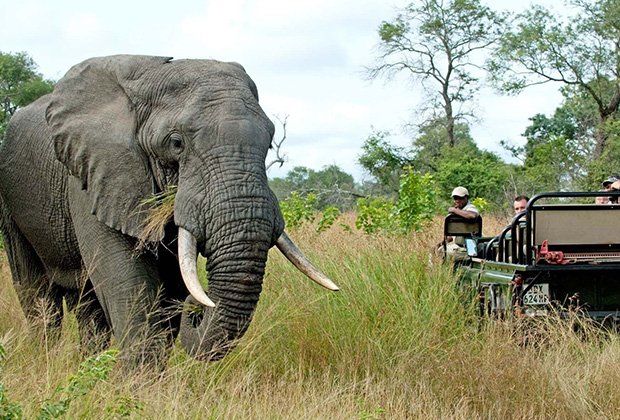
I Am On A Budget—What Is The Cheapest Serengeti Group Safari?
I Am on a Budget—What Is the Cheapest Serengeti Group Safari?
View package details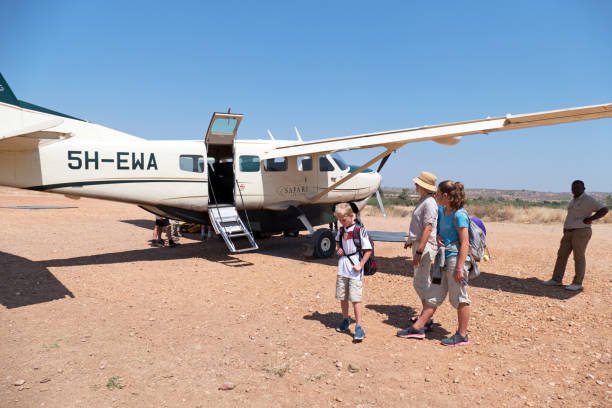
2-Day Serengeti Safari From Zanzibar By Flight: Price & Booking Guide
A practical guide to booking a 2-day Serengeti safari from Zanzibar by flight, covering itinerary logistics, cost considerations, and how to maximize your short time in the bush.
View package details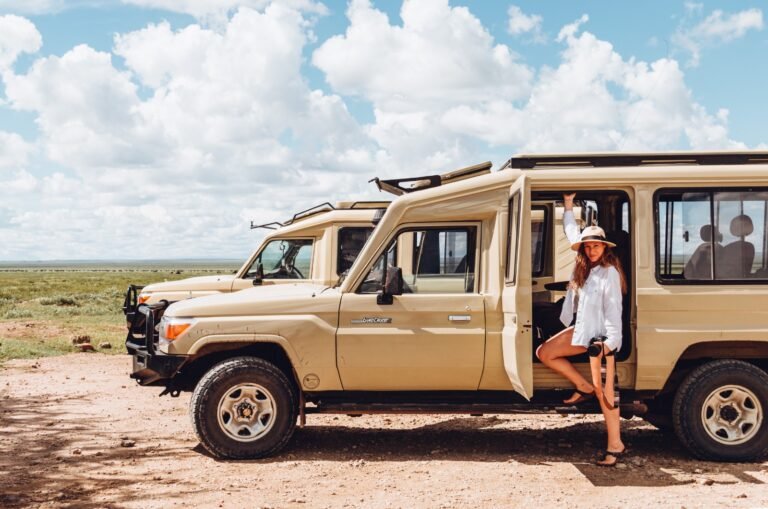
Afcon Private Serengeti Safari With Lodges
AFCON 2027 Private Serengeti Safari with Lodges.
View package detailsAfcon Luxury Serengeti Safari Packages
AFCON 2027 Luxury Serengeti Safari Packages.
View package details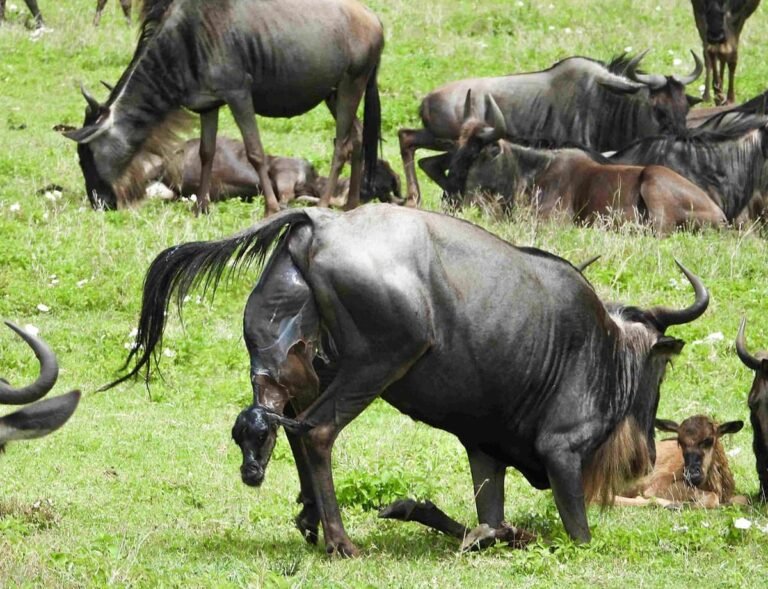
Serengeti Great Migration Safari During AFCON 2027
Mwongozo wa kina kwa safari ya Serengeti Great Migration wakati wa AFCON 2027, ukilenga kuelewa maeneo, kipindi cha mwendo wa mnyama, na mapendekezo ya mipango ya kiutendaji.
View package details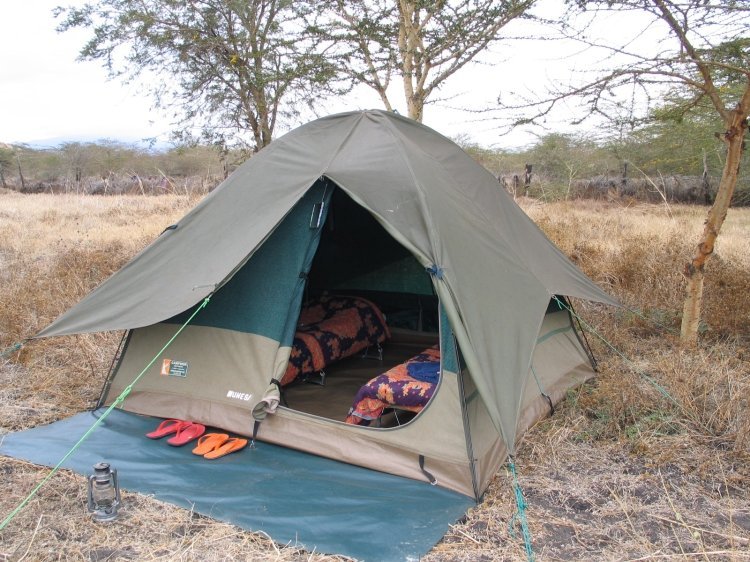
Four Day Serengeti na Ngorongoro Safari During AFCON 2027
Mwongozo wa safari ya siku 4 kwenye Serengeti na Ngorongoro wakati AFCON 2027; jinsi ya kupanga, nini cha kujali, na jinsi ya kuandaa,”
View package detailsThree Day Serengeti Safari During AFCON 2027
Mwongozo wa kiutendaji kwa safari ya siku tatu ya Serengeti wakati AFCON 2027, ukijumuisha mwelekeo wa maeneo, ratiba ya siku, na ushauri wa ubashiri wa kupanga pamoja na jinsi ya...
View package details
Dec 24, – 3 Day Christmas Serengeti And Ngorongoro Group Safari
Dec 24, 2026 – 3 Day Christmas Serengeti and Ngorongoro Group Safari.
View package details
Nov 23, – 3 Day Serengeti And Ngorongoro Safari From Zanzibar
Nov 23, 2026 – 3 Day Serengeti and Ngorongoro Safari from Zanzibar.
View package details
Dec 31, : New Year’s Eve Serengeti Group Safari Planning Guide
This guide provides essential planning details for a group safari trip to the Serengeti for New Year's Eve 2026, covering logistics, seasonal highlights, and what to expect.
View package details
Dec 29, – 6 Day Ndutu, Serengeti And Ngorongoro Group Safari 2026
A detailed guide to our 6-day group safari departure on December 29, 2026, focusing on the Ndutu plains, the Serengeti, and the Ngorongoro Crater.
View package details8 Day Serengeti And Ngorongoro Group Safari – December 16, 2026
Planning your December 2026 Tanzanian adventure? Our 8-day group safari offers a deep, unhurried exploration of the Serengeti and Ngorongoro Crater.
View package detailsNo related package matches those filters. Clear one or more filters to see the other topic-matched options.