
For a safari focused on elephants in Tanzania, Tarangire National Park is the undisputed top choice, especially during the dry season (June to October). However, for a more comprehensive elephant experience that includes witnessing their migration patterns and diverse habitats, the Serengeti National Park and Ruaha National Park are also exceptional options, each offering unique advantages for elephant viewing throughout 2026 and 2027.

Planning Your Elephant-Focused Tanzania Safari
When your primary goal is to see elephants, the planning process shifts. Instead of a general wildlife checklist, you’re looking for specific ecosystems and seasonal movements that concentrate these magnificent creatures. Tanzania, with its vast and varied landscapes, offers unparalleled opportunities for an elephant safari. This guide will break down which parks deliver the most consistent and impressive elephant encounters, helping you make informed decisions for your 2026 or 2027 adventure.
We’ll explore the distinct advantages of each park, considering factors like herd size, viewing opportunities, seasonality, and the overall safari experience. Understanding these nuances is key to crafting an itinerary that maximizes your chances of unforgettable elephant sightings.
Tarangire National Park: The Elephant Capital
If you’re asking about Tanzania parks best for elephants, Tarangire National Park immediately comes to mind. This park is renowned for its huge elephant populations, particularly during the dry season. During this period, the Tarangire River becomes one of the few reliable water sources in the region, drawing enormous herds of elephants from miles around.
Why Tarangire Excels for Elephant Sightings
The sheer density of elephants in Tarangire during the dry months is astonishing. You can often see herds numbering in the hundreds, sometimes even thousands, moving across the plains, drinking from the river, or browsing under the iconic baobab trees. The landscape, characterized by rolling hills, acacia woodlands, and the life-giving Tarangire River, provides a stunning backdrop for these sightings.
Key highlights of Tarangire for elephant safaris:
- Massive Herds: Expect to see large, cohesive family groups and expansive herds.
- Dry Season Concentration: The period from June to October is peak season for elephant viewing here, as other water sources dry up.
- Iconic Landscape: The ancient baobab trees offer a unique and photogenic setting for elephant encounters.
- Accessibility: Tarangire is part of the northern safari circuit, making it easily combinable with other popular parks like the Serengeti and Ngorongoro Crater.
When to Visit Tarangire for Elephants
While elephants are present year-round, your chances of witnessing the largest congregations are significantly higher during the dry season. If your 2026 or 2027 safari is planned for July, August, September, or October, Tarangire will likely offer the most dramatic elephant spectacles. During the wet season (roughly November to May), elephants disperse into the wider ecosystem, and while still present, sightings might not be as concentrated.
Elephant Behavior and Viewing in Tarangire
In Tarangire, you’ll often see elephants of all ages, from tiny calves to wise old matriarchs. They engage in a variety of behaviors: dust bathing, mud wallowing, playing in the water, and foraging. The open nature of some areas within the park allows for excellent photographic opportunities. Game drives typically follow established tracks, but guides are skilled at locating active elephant areas. You might encounter them crossing the road, grazing peacefully near your vehicle, or interacting with other wildlife.
Choosing Your Accommodation in Tarangire
Accommodation options in Tarangire range from luxury lodges to more rustic tented camps. Staying within or near the park maximizes your time for game viewing. For an elephant-focused trip, consider camps that are known for their excellent location for wildlife viewing, perhaps with waterholes visible from the lodge or situated along game-drive routes frequented by elephants.
Tarangire vs. Other Parks for Elephants
While Tarangire boasts concentrated herds, it’s important to note that other parks offer different elephant experiences. Serengeti offers elephants within a broader migratory context, and Ruaha presents a more wild, less crowded encounter with a different subspecies. For a pure, high-density elephant experience, Tarangire, especially in the dry season, is unmatched.
Serengeti National Park: Elephants in the Great Migration
The Serengeti is, of course, famous for the Great Migration of wildebeest and zebras, but it also hosts a significant and thriving elephant population. While you might not see the same sheer density of elephants as in Tarangire during its dry season peak, the Serengeti offers a different, equally compelling, elephant safari experience.
Elephant Herds Across the Serengeti
Elephants in the Serengeti are found in various regions, including the central Seronera area, the northern Grumeti River region, and the western corridor. Their movements are influenced by rainfall and the availability of grazing and water. Unlike Tarangire’s dry-season concentration, Serengeti elephants tend to be more dispersed throughout the year, though they can still be seen in respectable numbers, often in family groups.
Why the Serengeti is great for elephants:
- Diverse Habitats: Elephants here navigate acacia woodlands, open plains, and riverine forests, offering varied viewing environments.
- Family Groups: You’ll often observe elephants in smaller, intimate family units, showcasing social dynamics.
- Integration with Migration: Witnessing elephants alongside the vast herds of the Great Migration is a truly iconic African scene.
- Vastness: The sheer scale of the Serengeti means you can have incredible sightings without feeling crowded, even in peak season.
Best Times for Elephants in the Serengeti
Elephants are present in the Serengeti throughout the year. However, viewing can be enhanced by understanding the migration patterns and rainfall. The central Serengeti (Seronera) offers good elephant sightings year-round due to its permanent water sources and resident populations. The western and northern Serengeti can be particularly rewarding during the dry months (June to October) when elephants may congregate near permanent rivers like the Grumeti and Mara.
For a 2026 or 2027 trip, consider the following:
- June – October: Dry season. Elephants can be found near permanent water sources in the west and north, and in central areas.
- November – May: Wet season. Elephants are more dispersed as rains fill pans and encourage grass growth across the plains. This can offer beautiful, lush scenery.
Unique Elephant Encounters in the Serengeti
Serengeti elephants are known for their intelligence and adaptability. You might see them interacting with other large mammals, using their trunks to strip bark from trees, or protecting their young from predators. The experience of seeing a matriarch lead her family across the endless plains, with the Great Migration in the distance, is profoundly moving.
Serengeti Accommodation and Elephant Viewing
The Serengeti offers a wide range of lodges and tented camps, from permanent luxury structures to mobile camps that follow the migration. For an elephant focus, areas like Seronera are excellent. If you are interested in combining elephant sightings with the migration spectacle, consider locations in the north or west, depending on the time of year for your 2026-2027 safari.
Balancing Elephants with Other Wildlife
A safari in the Serengeti is never just about one species. While focusing on elephants, you will inevitably encounter lions, leopards, cheetahs, giraffes, and countless other animals. The park’s diverse ecosystems ensure a rich and varied wildlife experience, with elephants being a significant and rewarding component.
Ruaha National Park: The Wild Frontier for Elephants
For those seeking a truly wild and less-trodden path, Ruaha National Park offers one of the most authentic and rewarding elephant safari experiences in Tanzania. As the country’s largest national park, Ruaha is home to a substantial elephant population, estimated to be one of the largest in East Africa. It’s a destination for the more adventurous traveler looking for fewer crowds and raw, untamed wilderness.
The Allure of Ruaha’s Elephants
Ruaha’s elephants are particularly impressive due to the park’s remote location and minimal human interference. They are often seen in large family groups, and the park is known for its large, old bulls. The landscape is dramatic, with rugged hills, vast plains, and the Great Ruaha River, which is a crucial water source during the dry season.
Why Ruaha is exceptional for elephant safaris:
- Vast Elephant Population: Ruaha hosts a significant percentage of Tanzania’s elephants, with numbers often exceeding 10,000.
- Untamed Wilderness: Experience elephants in a less managed, more natural environment with fewer vehicles.
- Large Bulls: The park is renowned for its impressive male elephants, often seen in bachelor herds.
- Dramatic Scenery: The rugged terrain provides a spectacular backdrop for elephant encounters.
Best Times to Visit Ruaha for Elephants
The dry season, from June to December, is generally the best time to visit Ruaha for concentrated wildlife viewing, including elephants. During this period, animals congregate around the dwindling water sources, especially along the Great Ruaha River. The park’s vegetation also thins out, making spotting easier.
For your 2026 or 2027 trip:
- June – October: Dry season, excellent for elephant sightings as they gather at rivers.
- November – December: Transition to wet season, still good for viewing as water sources are drying up.
- January – May: Wet season, the park is lush and green, but wildlife disperses, and access can be challenging due to rain.
Unique Aspects of Ruaha’s Elephant Safari
Ruaha offers a different kind of elephant interaction. The sense of space and solitude is profound. You might spend considerable time observing a single herd without interruption, witnessing their intricate social behaviors and their adaptation to this wild environment. The presence of large, old bulls, sometimes seen alone or in bachelor groups, adds another dimension to the elephant viewing experience.
Accommodation in Ruaha
Accommodation in Ruaha is generally more exclusive and remote than in the northern circuit parks. Options include luxury tented camps and lodges, often situated in prime wildlife areas. Choosing a camp near the Great Ruaha River or in areas known for elephant activity will enhance your safari experience for 2026-2027.
Ruaha’s Commitment to Conservation
Ruaha is a crucial area for elephant conservation. The park’s size and remoteness help protect its large elephant population from poaching, though challenges remain. Visiting Ruaha contributes directly to the conservation efforts in this vital ecosystem.
Comparing Tanzania’s Elephant Parks: Tarangire, Serengeti, and Ruaha
Deciding which park is ‘best’ for your elephant safari depends on your priorities. Each of these three parks offers outstanding opportunities, but with distinct characteristics.
| Feature | Tarangire National Park | Serengeti National Park | Ruaha National Park |
|---|---|---|---|
| Elephant Density (Dry Season) | Very High (hundreds to thousands) | Moderate to High (dispersed but good numbers) | High (large, stable populations) |
| Best Viewing Season | June – October (Dry Season) | Year-round, with concentrations in west/north June-Oct | June – December (Dry Season) |
| Herd Size/Composition | Massive herds, mixed ages | Family groups, often alongside migration | Large family groups, significant number of large bulls |
| Landscape | Baobab-studded plains, woodlands, river | Vast plains, acacia woodlands, riverine forests | Rugged hills, vast plains, Great Ruaha River |
| Crowds | Can be busy during peak dry season | Varies by area and season, can be busy | Very few vehicles, exclusive feel |
| Overall Experience | High-impact, concentrated elephant viewing | Elephants within the grand spectacle of migration and vastness | Wild, remote, authentic encounter with large elephant populations |
| Combination Potential | Northern Circuit (Serengeti, Ngorongoro, Manyara) | Northern Circuit, but also southern parks | Often combined with Selous (Nyerere NP) or other southern parks |
Making Your Choice for 2026-2027
If your absolute priority is seeing the largest possible numbers of elephants in one place, Tarangire during the dry season is your top pick. If you want to see elephants as part of a grander, iconic safari experience, including the Great Migration, then the Serengeti is the logical choice. For those who value solitude, raw wilderness, and a sense of discovery, Ruaha offers an unparalleled elephant safari.
Many travelers choose to combine Tarangire and Serengeti for a comprehensive northern circuit experience that includes excellent elephant viewing in both parks, albeit different kinds. For a truly off-the-beaten-path adventure with incredible elephant sightings, Ruaha is ideal, though it requires a bit more logistical planning and often a longer trip duration.
Other Tanzania Parks with Elephant Populations
While Tarangire, Serengeti, and Ruaha are the premier destinations for elephant safaris, other parks in Tanzania also host elephant populations. These might be included in a broader safari itinerary or visited for specific reasons.
Lake Manyara National Park
Located near Tarangire and often visited as a day trip or a short stay, Lake Manyara is known for its diverse birdlife and tree-climbing lions. It also has a healthy population of elephants, which are often seen browsing in the park’s woodlands and near the lake. While you won’t find the concentrated herds of Tarangire, Manyara offers pleasant elephant sightings in a compact and beautiful setting.
Nyerere National Park (formerly Selous Game Reserve)
In southern Tanzania, Nyerere National Park is one of Africa’s largest wildlife reserves and boasts a significant elephant population. The park is famous for its boat safaris on the Rufiji River, where you can often see elephants coming to drink or bathe. While Ruaha is generally preferred for dedicated elephant sightings due to its density and wildness, Nyerere offers a different kind of experience, often combined with walking safaris and boat trips, which can provide unique perspectives on elephants and other wildlife.
Mahale Mountains and Gombe Stream National Parks
These western Tanzanian parks are primarily famous for chimpanzee trekking. While they do have elephant populations, they are not considered prime elephant viewing destinations compared to the northern and southern parks. Sightings here are less frequent and opportunistic.
Planning Your Elephant Safari Itinerary for 2026-2027
Crafting an itinerary that maximizes elephant sightings requires careful consideration of timing, park selection, and duration. Here are some sample approaches:
Option 1: The Northern Circuit Elephant Focus (7-10 Days)
This is the most popular circuit and offers excellent elephant viewing opportunities.
- Days 1-3: Tarangire National Park. Focus on dry season viewing (June-Oct). Spend ample time on game drives, particularly in the southern and western parts of the park.
- Days 4-5: Ngorongoro Conservation Area. While the Crater floor is a highlight for many animals, you can also see elephants on the crater rim and in the surrounding areas.
- Days 6-8/9: Serengeti National Park. Explore central Serengeti (Seronera) for resident elephants, or head north/west during the dry season to potentially catch migrations and larger elephant groups.
- Day 10: Departure. Fly out from Kilimanjaro International Airport (JRO) or Arusha Airport (ARK).
Best for: Travelers who want a classic Tanzania safari experience with guaranteed excellent elephant sightings and the chance to see the Big Five and migration (depending on season).
Note for 2026-2027 bookings:
Book early, especially for peak dry season travel (June-October) and for 2026-2027. Popular lodges and camps fill up quickly. Consider a private safari for maximum flexibility in tracking elephants.
Option 2: The Southern Circuit Wilderness Elephant Adventure (10-14 Days)
This option provides a more off-the-beaten-path experience with incredible elephant encounters in a wilder setting.
- Days 1-4: Ruaha National Park. experience the wilderness. Focus on game drives along the river and explore different sectors of the park. Best during the dry season (June-Dec).
- Days 5-7: Nyerere National Park (Selous). Experience boat safaris on the Rufiji River, offering unique elephant viewing. Explore different game drive areas.
- Days 8-10/12: Optional extension to Zanzibar or a short northern circuit park like Tarangire. This adds variety but requires more travel time.
- Day 10/14: Departure. Fly out from Julius Nyerere International Airport (DAR) in Dar es Salaam.
Best for: Adventurous travelers seeking solitude, vast landscapes, and a genuine wild safari experience with large elephant populations. This is ideal if you want to avoid crowds and have more intimate wildlife encounters.
Travel Considerations for 2026-2027:
Southern circuit parks require more travel time, often involving domestic flights between parks. This can increase the overall cost but offers a unique reward. Ensure your itinerary accounts for travel days.
Option 3: The Ultimate Elephant Safari (14+ Days)
Combine the best of both worlds for an in-depth exploration.
- Days 1-4: Tarangire National Park. Peak dry season elephant viewing.
- Days 5-8: Serengeti National Park. Focus on central or northern/western areas depending on migration timing.
- Days 9-12: Ruaha National Park. Experience the wild southern circuit and its elephant herds.
- Days 13-14: Departure. Fly from Ruaha to Dar es Salaam and then international departure, or fly back to Arusha for departure.
Best for: Dedicated wildlife enthusiasts who want to see elephants in multiple, diverse environments and experience both the popular northern circuit and the wilder south.
Practical Tips for Your Elephant Safari
Maximizing your elephant viewing experience goes beyond just choosing the right park. Here are some practical tips to enhance your safari for 2026-2027:
- Timing is Crucial: As detailed, the dry season generally offers the best concentration of elephants in Tarangire and Ruaha.
- Choose the Right Guide: An experienced guide is invaluable. They know the parks intimately, understand animal behavior, and can track elephants effectively. A guide who specializes in elephant behavior can offer deeper insights.
- Vehicle Choice: For an elephant-focused safari, a comfortable 4×4 safari vehicle with pop-up roof is essential for optimal viewing and photography. Private vehicles offer the most flexibility to spend extra time with elephant sightings.
- Early Mornings and Late Afternoons: Elephants, like most wildlife, are most active during the cooler parts of the day. Early morning and late afternoon game drives will yield the best opportunities.
- Patience and Observation: Sometimes, the most rewarding sightings come from simply waiting and observing. Elephants are highly social, and watching their interactions is fascinating.
- Binoculars and Camera Gear: Bring good quality binoculars for detailed observation and a camera with a good zoom lens to capture their majesty.
- Respect Wildlife: Always maintain a safe and respectful distance from elephants. Never feed them or try to provoke a reaction. Listen to your guide’s instructions at all times.
Elephant Conservation in Tanzania
Tanzania is a vital stronghold for African elephants, but they face numerous threats, including poaching for ivory, habitat loss, and human-wildlife conflict. Parks like Tarangire, Serengeti, and Ruaha play critical roles in protecting these populations.
Your safari tourism contributes directly to conservation efforts. Revenue generated from park fees and tourism supports anti-poaching patrols, habitat management, and community engagement programs. By choosing responsible tour operators like Climb 4 Africa, you ensure your safari has a positive impact.
Your Role in Elephant Conservation
By visiting Tanzania’s national parks and supporting conservation initiatives, you become an active participant in protecting these iconic animals for future generations. For your 2026-2027 safari, consider operators who demonstrate a strong commitment to sustainable tourism and conservation partnerships.
Booking Your Tanzania Elephant Safari
Planning a safari focused on elephants requires expert knowledge to ensure you visit the right parks at the right time. Whether you are drawn to the sheer numbers in Tarangire, the vast plains of the Serengeti, or the wild beauty of Ruaha, the right itinerary is key.
At Climb 4 Africa, we specialize in crafting tailor-made Tanzania safari experiences. We understand the nuances of wildlife viewing, seasonal patterns, and the best locations for specific animal encounters, including elephants. Our local expertise ensures you get the most out of your 2026 or 2027 safari.
To begin planning your dream elephant safari, get in touch with our team. We can help you design an itinerary that perfectly matches your interests, budget, and travel dates. Whether you envision a private safari tailored to your pace or wish to join a group departure, we are here to assist.
Contact us today to start planning your unforgettable Tanzania elephant safari:
- WhatsApp: +255 747 477 898
- Email: climb4africa@gmail.com
Let us help you create a safari that brings you face-to-face with Tanzania’s magnificent elephant herds in 2026 or 2027.
Check Availability for Best Tanzania Parks For Elephant Safaris: Your Essential Guide 2026-2027
Ready to compare dates, prices, and the best option for your group? Send the package name and travel month so the team can reply with a clear quote, availability, and what is included.
Safari From Zanzibar: Best Packages, Prices & Parks For 2026-2027
Combining a Zanzibar beach holiday with a Tanzania safari is a dream for many travelers. This guide details the best safari packages from Zanzibar, covering essential planning, park...
View package detailsAffordable African Safari Packages: Your Guide To Budget-Friendly Tanzania
Discover how to plan and book affordable African safari packages for 2026-2027. This guide provides practical advice on choosing budget-friendly Tanzania tours, understanding costs, and...
View package details
Kenya And Tanzania Combined Safari Packages: Ultimate Guide 2026-2027
Discover the unparalleled adventure of combining Kenya and Tanzania for a comprehensive East African safari. This guide details everything you need to know for planning your 2026-2027...
View package details
3-Day Serengeti And Ngorongoro Safari: Your Ultimate Tanzania Wildlife
start a concise yet unforgettable 3-day Serengeti and Ngorongoro safari, designed to maximize wildlife encounters in Tanzania's most celebrated parks. This compact adventure offers a taste...
View package details
Serengeti Safari And Zanzibar Beach Holiday: The Ultimate Tanzania
Combine the thrill of a Serengeti safari with the relaxation of a Zanzibar beach holiday. This guide covers everything you need to know for an unforgettable Tanzania adventure in 2026-2027...
View package details
Tanzania Safari And Zanzibar All-Inclusive Packages Guide
Combine the thrill of a Tanzanian wildlife safari with the serene beauty of Zanzibar on an all-inclusive package. This comprehensive guide covers everything you need to know for planning...
View package details
Are African Safari Prices Per Person Or Vehicle? Understanding Tanzania Costs
African safari costs can be confusing. This guide clarifies whether prices are quoted per person or per vehicle, detailing factors that influence your 2026-2027 safari budget in Tanzania.
View package details
Is Tanzania Or Kenya Better For Safari? A Detailed Comparison 2026-2027
Comparing Tanzania and Kenya for your next safari? This in-depth guide breaks down wildlife viewing, landscapes, costs, and optimal travel times to help you choose the perfect East African...
View package details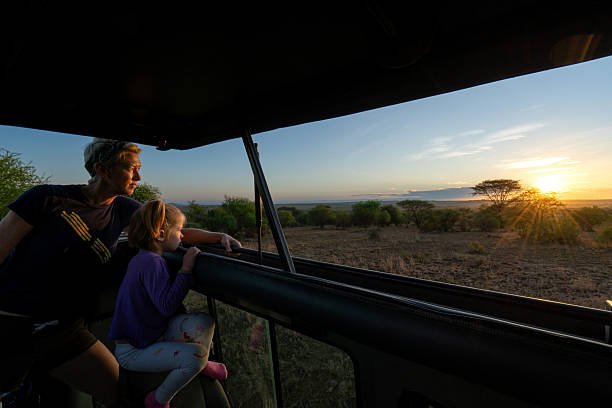
Which African Country Is Best For Safari? 2026-2027
Which African Country Is Best for Safari? is explained with current 2026-2027 planning, price, itinerary and booking information.
View package details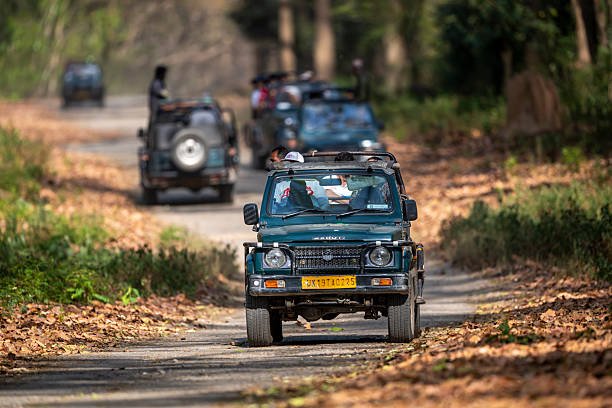
Luxury African Safari Packages: The Ultimate Tanzania Experience In 2026-2027
Explore the pinnacle of African adventure with luxury safari packages in Tanzania. This guide details exclusive lodges, tailor-made itineraries, and the best wildlife experiences for your...
View package details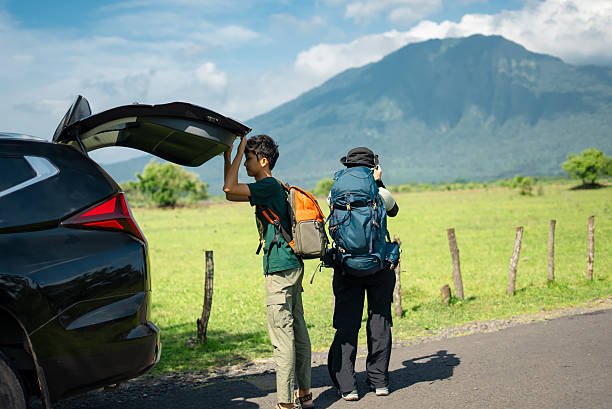
Tanzania Safari Tours & Packages /: Your Ultimate Wildlife Adventure 2026-2027
Discover the magic of Tanzania with expertly crafted safari tours and packages for 2026 and 2027. From the vast plains of the Serengeti to the depths of the Ngorongoro Crater, find your...
View package detailsBest African Safari Tours & Vacation Packages /: Your Ultimate Tanzania
start an unforgettable African safari adventure in 2026/2027 with expertly curated tours and vacation packages in Tanzania's most iconic wildlife destinations. From the Serengeti to the...
View package detailsNo related package matches those filters. Clear one or more filters to see the other topic-matched options.



