
Yes, a group joining safari in Tanzania can absolutely be worth it, particularly for solo travelers or those on a tighter budget looking to experience the incredible wildlife of destinations like the Serengeti and Ngorongoro Crater. By sharing costs for vehicles, guides, and accommodation, these shared safaris significantly reduce the per-person price, making a Tanzanian adventure more accessible for 2026-2027 trips. However, it’s crucial to understand the trade-offs, such as less flexibility and potentially different travel paces compared to a private safari, to ensure it aligns with your expectations.
Understanding Group Joining Safaris in Tanzania
When you’re planning an African safari, especially to a world-renowned destination like Tanzania, the options can seem vast. One of the most popular choices for budget-conscious travelers, or those going solo, is the group joining safari. This model, often referred to as a shared safari or budget safari, involves multiple independent travelers or small groups pooling resources to form a larger safari group. The primary appeal is the significant reduction in cost compared to a private safari, allowing more people to experience the magic of Tanzania’s national parks.
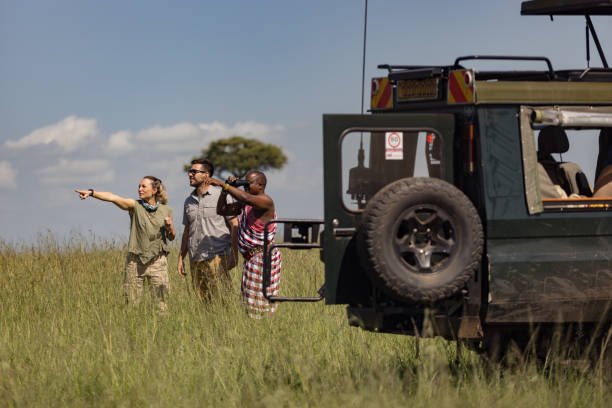
The core concept of a group joining safari is straightforward: a tour operator organizes set departure dates with pre-determined itineraries. Travelers book onto these specific dates, and their costs are combined to fill a safari vehicle, typically seating between 4 and 7 passengers, plus a guide. This shared expense model is what makes it economically viable. Instead of one person or group bearing the full cost of a 4×4 safari vehicle, fuel, guide’s fees, park entry permits, and accommodation for several days, these costs are distributed among all participants. For many, especially those planning trips for 2026 or 2027, this is the key factor that makes Tanzania an achievable dream destination.
The destinations commonly covered on these group safaris are Tanzania’s Northern Circuit highlights: the Serengeti National Park, Ngorongoro Conservation Area, Tarangire National Park, and Lake Manyara National Park. These parks are iconic for their dense wildlife populations and stunning landscapes, offering a classic safari experience. The duration typically ranges from 3 days to 10 days, depending on the itinerary chosen. Shorter trips might focus on one or two parks, while longer ones cover the circuit more comprehensively.
It’s important to differentiate a group joining safari from a private safari. In a private safari, you charter the entire vehicle and have a dedicated guide, allowing for complete flexibility in terms of itinerary, game drive times, and pace. This offers a highly personalized experience but comes at a premium price. A group joining safari, by its nature, involves a compromise on this exclusivity and flexibility. While you still get expert guiding and access to prime wildlife areas, the group’s needs and pace dictate the schedule. Understanding this fundamental difference is the first step in determining if a group joining safari in Tanzania is truly worth it for your specific travel goals and expectations for 2026-2027.
The Economic Advantages: Why Group Safaris Make Sense
The most compelling reason for considering a group joining safari in Tanzania is undoubtedly the financial aspect. For many travelers, especially those planning their adventures for 2026 and 2027, the cost of a private safari to Tanzania can be prohibitive. Group joining safaris offer a practical and accessible solution, democratizing the experience of seeing the ‘Big Five’ and witnessing the Great Migration.
Cost Sharing is Key: The fundamental economic principle at play is cost-sharing. A significant portion of a safari’s expense is tied to the safari vehicle and the guide. These are essential elements, regardless of whether one person or seven people are in the vehicle. By dividing the cost of the vehicle hire, fuel, guide’s salary, and park fees among a group, the per-person cost plummets. For instance, a 7-day Northern Circuit private safari might cost upwards of $3,000-$5,000 per person, whereas a group joining safari for a similar itinerary could range from $1,500 to $2,500 per person. This makes a huge difference for travelers on a budget.
Inclusions and Value: While the price is lower, group joining safaris are typically well-inclusive. They usually cover:
- Safari Vehicle: A specially adapted 4×4 safari vehicle with pop-up roof for game viewing.
- Professional Guide: An experienced, English-speaking safari guide.
- Park Entrance Fees: All necessary fees for the national parks and conservation areas on the itinerary.
- Accommodation: Usually a mix of mid-range lodges and tented camps, or sometimes basic campsites, for the duration of the safari.
- Meals: Typically all meals (breakfast, lunch, dinner) are provided during the safari portion.
- Water: Bottled water in the vehicle.
When comparing prices for 2026-2027 trips, it’s essential to look at what’s included. Some operators might offer more comprehensive inclusions than others, even within the group joining model. For example, some might include bottled water, while others expect you to carry your own. Some might include all park fees, while others might have a small supplement for specific areas. Understanding these details ensures you’re comparing apples to apples.
Economies of Scale for Operators: Tour operators benefit from group departures as well. They can more efficiently manage logistics, book accommodations, and utilize their guides and vehicles when they have a full group. This operational efficiency is passed on to the consumer in the form of lower prices. For operators like Climb 4 Africa, offering group departures for 2026 and 2027 safaris is a way to provide high-quality experiences to a broader range of travelers.
Making Tanzania Accessible: For many, a Tanzanian safari represents a special trip. The economic advantage of group joining safaris means that this dream becomes a tangible reality for individuals, couples, and friends who might otherwise be priced out. It opens up the possibility of exploring iconic landscapes and encountering incredible wildlife without needing to save for years or compromise on the quality of the core safari experience itself.
Planning for 2026-2027: As you look ahead to planning your 2026 or 2027 safari, consider the value proposition. If your primary goal is to see Tanzania’s wildlife and landscapes and you are comfortable sharing with others, the cost savings are substantial. The economic argument for a group joining safari is strong, making it a very worthwhile option for many.
Who is a Group Joining Safari Best Suited For?
While the cost savings are a major draw, a group joining safari isn’t for everyone. Its suitability hinges on your travel style, priorities, and expectations for your Tanzanian adventure in 2026-2027. Understanding who benefits most from this shared travel model is key to a successful trip.
Solo Travelers: This is perhaps the demographic that benefits most. Traveling solo on a private safari can be incredibly expensive, as you’re essentially paying for a full vehicle and guide yourself. A group joining safari allows solo travelers to split these costs, making their Tanzanian dream a reality without a hefty single supplement or an exorbitant private tour price. It also offers built-in companionship, which can be a welcome aspect for those traveling alone.
Budget-Conscious Travelers: If maximizing your wildlife viewing experience while minimizing expenses is your priority, a group safari is an excellent choice. You get to visit the same incredible parks and see much of the same wildlife as on a private tour, but at a fraction of the cost. This allows you to allocate your budget to other aspects of your trip, or simply make the safari itself more affordable.
Travelers Prioritizing Wildlife Over Luxury/Exclusivity: For many, the thrill of spotting a leopard, witnessing a herd of elephants, or seeing the vast plains of the Serengeti is the main event. If your focus is squarely on the wildlife and the natural environment, and you’re less concerned about having a vehicle entirely to yourself or dictating the exact minute-by-minute schedule, a group safari delivers. The quality of the guiding and the wildlife viewing opportunities remain high.
Those Seeking Companionship: While not the primary reason, traveling with a group can offer a social dimension. You’ll meet people from different backgrounds, share experiences, and potentially forge new friendships. This can enhance the trip for those who enjoy a social travel dynamic.
Travelers with Fixed Dates: Group joining safaris operate on set departure dates. If your travel dates are flexible or you can align them with these scheduled departures, this model works well. It’s ideal for those who have specific windows for their 2026-2027 travel plans and can fit into an existing schedule.
Younger Travelers or Backpackers: Students or younger travelers on a gap year often look for the most economical ways to explore. Group safaris align perfectly with this need, providing an adventure of a lifetime without breaking the bank.
Travelers Open to Compromise: Fundamentally, this model is for people who understand and accept the inherent compromises. You’ll share a vehicle, game drives might stop for other group members, and you won’t have the complete freedom to spend an extra hour watching a particular animal if the group’s schedule dictates otherwise. If you are adaptable and your main goal is the safari experience itself, you’ll likely find it very worthwhile.
Potential Downsides and Trade-offs to Consider
While the cost savings are significant, it’s essential to approach group joining safaris with realistic expectations. Understanding the potential downsides and trade-offs will help you decide if this is the right fit for your 2026-2027 Tanzanian safari.
Limited Flexibility: This is the most significant trade-off. You are part of a group, and the itinerary, timings, and pace are set for the group as a whole. This means:
- Game Drive Times: You won’t be able to dictate when to start or end game drives. Early risers might have to wait for slower members, and those wanting to stay out late might be constrained by the group’s accommodation schedule.
- Pace of Travel: If one person in the group wants to stop for every single bird, or if another is constantly lagging behind, it can affect the overall pace.
- Spontaneity: While you’ll still have incredible wildlife encounters, the ability to linger for an extended period at a sighting you’re particularly interested in is limited by the group’s schedule. You can’t ask the guide to spend an extra hour watching lions if others want to move on.
Shared Vehicle Experience: You will be sharing a vehicle with strangers. This means:
- Compromises on Comfort: While vehicles are designed for viewing, you might not have the window seat all the time, or you might have to share armrests.
- Differing Interests: Some group members might be more interested in photography, while others are keen birdwatchers, or just want to see the ‘Big Five’. The guide must balance everyone’s interests, which can sometimes lead to less focused game viewing for individuals.
- Noise Levels: Some travelers might be quieter and more observant, while others are more vocal. This can impact the atmosphere in the vehicle.
Fixed Itineraries: Group joining safaris usually follow a set route and schedule. While these are generally well-designed to cover the highlights, you won’t have the option to detour to a specific area that might be of personal interest or to spend an extra day in a park you particularly love, unless the entire group agrees (which is unlikely). This can be a drawback if you have niche interests or wish to explore less-visited areas.
Potential for Group Dynamics: As with any group travel, you might encounter personality clashes or differing expectations within the group. While most travelers on safari are like-minded and respectful, it’s a possibility to be aware of.
Accommodation Standards: While generally good, the accommodation on group joining safaris is often a mix of mid-range lodges and tented camps or basic campsites. If you are seeking high-end luxury lodges or exclusive tented camps, a group safari might not meet those specific standards. However, for 2026-2027, many operators offer excellent mid-range options that provide comfort and a great safari atmosphere.
Limited Customization: If you have specific requests, such as dietary needs beyond the standard vegetarian/vegan options, or specific photography requirements, it can be harder to accommodate these within a group setting. While operators will do their best, private safaris offer far greater scope for customization.
Weighing these points against the economic benefits is crucial for making an informed decision for your 2026-2027 Tanzania trip. If flexibility and exclusivity are paramount, a private safari might be a better investment. If budget and experiencing Tanzania’s wonders are the priority, and you’re adaptable, a group safari can still be incredibly rewarding.
What to Expect on a Typical Group Joining Safari Itinerary
A typical group joining safari in Tanzania focuses on the renowned Northern Circuit, offering a concentrated dose of wildlife and stunning landscapes. While specific itineraries vary in length and exact stops, most follow a logical progression designed to maximize wildlife viewing opportunities within a set timeframe and budget. For 2026-2027 planning, understanding these common structures helps in choosing the right tour.
Common Starting Point: Arusha
Most group safaris begin in Arusha, the safari capital of Tanzania. This is where you’ll typically meet your guide and fellow group members, often for a pre-safari briefing. Arusha is easily accessible via Kilimanjaro International Airport (JRO).
Day 1: Arusha to Tarangire National Park
The safari usually kicks off with a drive to Tarangire National Park, famous for its large elephant herds and iconic baobab trees. Game drives here focus on spotting elephants, giraffes, zebras, and various antelope species. Accommodation is typically in a lodge or tented camp just outside the park or within its boundaries.
Day 2: Tarangire to Lake Manyara National Park (or directly to Ngorongoro area)
Some itineraries include a morning game drive in Tarangire before heading to Lake Manyara. This park, though smaller, is known for its tree-climbing lions (though sightings are not guaranteed), large troops of baboons, and diverse birdlife. Alternatively, some tours skip Manyara to spend more time in the Serengeti or Ngorongoro, driving directly towards the Karatu highlands or Ngorongoro Conservation Area.
Day 3-4: Ngorongoro Crater Tour
A highlight for many, the Ngorongoro Crater is a UNESCO World Heritage Site and a natural amphitheater teeming with wildlife. Descending into the crater floor offers exceptional chances to see lions, rhinos (including the rare black rhino), hippos, elephants, and a vast array of other animals in a relatively compact area. Typically, a full day is spent on the crater floor, with accommodation in lodges or camps on the crater rim or in nearby Karatu.
Day 5-7 (or longer): Serengeti National Park
The Serengeti is the crown jewel, renowned for its endless plains and the Great Migration. Depending on the time of year, the migration herds of wildebeest and zebras will be in different parts of the park. Game drives here are extensive, covering vast distances to find predators like lions, cheetahs, and leopards, as well as giraffes, elephants, and countless other species. Accommodation in the Serengeti is usually in permanent tented camps or lodges, strategically located to offer good wildlife viewing and access to different sectors of the park.
Return Journey: Serengeti to Arusha
The safari concludes with a drive back to Arusha. Depending on flight schedules, this might involve a final morning game drive in the Serengeti, followed by a drive to a local airstrip for a scenic flight back to Arusha, or a full day’s drive back to the city. The flight option is more expensive but saves considerable travel time.
Variations for 2026-2027:
- Shorter Safaris (3-4 days): These might focus on just the Ngorongoro Crater and Lake Manyara, or a combination of Tarangire and Ngorongoro.
- Longer Safaris (8-10 days): These often include more time in the Serengeti, potentially exploring different regions like the Western Corridor or Northern Serengeti, and might add other parks like Mkomazi or even extend to Kenya’s Masai Mara (though typically this is done as separate trips).
- Great Migration Focus: If your 2026-2027 trip is timed for the Great Migration, itineraries will be specifically designed to position you in the best areas for river crossings (June-August) or calving seasons (January-March).
Understanding these typical structures helps in choosing a group joining safari that aligns with your interests and the time you have available. For example, if seeing the Great Migration is paramount, ensure your chosen 2026-2027 itinerary covers the Serengeti during the relevant months.
Choosing the Right Operator for Your Group Safari
The quality of your group joining safari in Tanzania can vary significantly based on the tour operator you choose. While the price point might be similar across many budget-friendly options for 2026-2027, the experience, safety, and overall satisfaction levels can differ greatly. Selecting a reputable operator is paramount.
Reputation and Reviews: Look for operators with a strong track record and positive reviews on independent platforms like TripAdvisor. While every operator will have a few less-than-stellar reviews, a consistent pattern of positive feedback regarding guides, vehicle condition, organization, and value for money is a good sign. For example, Climb 4 Africa has a solid reputation built over years of operation.
Guide Quality: The safari guide is the linchpin of your experience. A good guide is not only knowledgeable about wildlife, animal behavior, and the parks but also a skilled driver, a keen spotter, and a pleasant companion. Inquire about the experience and training of their guides. Many operators pride themselves on employing local guides who have deep knowledge of the ecosystems.
Vehicle Condition and Maintenance: The safari vehicle is your primary tool for wildlife viewing. Ensure the operator uses well-maintained 4×4 Land Cruisers or Land Rovers with pop-up roofs. Regular servicing is crucial, especially in remote areas. A breakdown can significantly disrupt a group safari and is a common issue with poorly maintained vehicles.
Group Size: While it’s a group safari, the size of the group matters. Most operators aim for vehicles that seat between 4 to 7 passengers. This ensures everyone has a decent view and isn’t too cramped. Be wary of operators who try to pack too many people into one vehicle, as this diminishes the experience.
Itinerary Design: A well-designed itinerary balances travel time with game viewing opportunities. It should offer sufficient time in the key parks like the Serengeti and Ngorongoro. Look at how many days are allocated to each park and consider if it feels rushed or adequate for your interests.
Inclusions and Exclusions: As mentioned earlier, carefully review what is included in the price. Are park fees, meals, accommodation, and water all covered? Are there any hidden costs or mandatory tips? Transparency is key. For 2026-2027 bookings, operators should be clear about what you are paying for.
Communication and Support: How responsive is the operator to your inquiries? Do they provide clear information and answer your questions promptly? Good pre-trip communication is often indicative of good on-the-ground support. For example, reaching out via WhatsApp +255 747 477 898 or email climb4africa@gmail.com to Climb 4 Africa allows for direct conversation about your safari needs.
Sustainability Practices: Increasingly, travelers are looking for operators who are mindful of their environmental and social impact. Inquire about their policies on waste management, supporting local communities, and ethical wildlife viewing.
Booking and Payment Terms: Understand the deposit requirements, payment schedule, and cancellation policy. For 2026-2027 bookings, it’s wise to book well in advance, especially for peak seasons. Reputable operators will have clear and fair terms.
Local Expertise: Operators based in Tanzania, like Climb 4 Africa, often have a deeper understanding of local conditions, logistics, and cultural nuances, which can translate into a smoother and more authentic experience.
Choosing the right operator is an investment in the quality and enjoyment of your safari. It’s worth spending time on this research to ensure your 2026-2027 group joining safari is a success.
Maximizing Your Group Joining Safari Experience
Even though you’re part of a group and have less control over the schedule, there are many ways to ensure your group joining safari in Tanzania for 2026-2027 is as rewarding as possible. Proactive engagement and a positive attitude go a long way.
Communicate Your Expectations (Gently): Before the safari, or on the first day, have a polite conversation with your guide about your interests. If you’re passionate about birdwatching or photography, let them know. While the guide must cater to the whole group, they can often subtly adjust timings or focus on certain aspects if they know what individuals are keen on, without disrupting the overall flow.
Be Punctual and Considerate: The easiest way to be a good group member is to be on time for all departures and meals. This respects everyone else’s time and ensures the schedule runs smoothly. Avoid being the person who holds up the group, as this can create friction and detract from everyone’s enjoyment.
Engage with Your Guide: Your guide is a wealth of knowledge. Ask questions about the wildlife, the ecosystems, local culture, and Tanzanian life. They are often eager to share their expertise, and this interaction significantly enhances the learning experience. This is particularly true for guides recommended by operators like Climb 4 Africa, who often have extensive training.
Embrace the Group Dynamic: Try to connect with your fellow travelers. Sharing stories and observations during game drives or in the evenings can be a highlight of group travel. You might learn new things from others’ perspectives or simply enjoy the camaraderie.
Bring Binoculars and a Good Camera: While your guide will have excellent spotting skills, a good pair of binoculars will help you see distant animals more clearly. For photographers, a camera with a good zoom lens is essential. While you can’t control the sightings, you can be prepared to capture them.
Pack Appropriately: Layered clothing in neutral colors, a wide-brimmed hat, sunscreen, insect repellent, and comfortable walking shoes are essentials. Check your operator’s packing list. For cooler mornings or evenings, especially in the Ngorongoro Crater or during certain seasons in 2026-2027, a warm fleece or jacket is advisable.
Stay Hydrated and Healthy: Drink plenty of bottled water provided by your operator. Be mindful of food hygiene, although meals provided by reputable operators are generally safe. If you have specific health concerns, consult your doctor before traveling.
Manage Expectations: Understand that seeing every single animal you hope for is not guaranteed. Wildlife sightings are unpredictable. Focus on the overall experience – the landscapes, the sounds of the bush, the incredible diversity of life, and the joy of being in one of Africa’s most spectacular natural environments.
Be Flexible and Adaptable: Things can change. A road might be closed, an animal sighting might draw the attention of multiple vehicles, or the group might have slightly different energy levels. Approaching your safari with a flexible and adaptable mindset will help you navigate any minor challenges and ensure you enjoy the journey.
Confirm Inclusions: Double-check what’s included. If you know you’ll want extra snacks or specific beverages not provided, bring them along. For longer 2026-2027 safaris, understanding meal arrangements and water availability is key.
By being an engaged, considerate, and prepared traveler, you can significantly enhance your own experience and contribute positively to the group’s enjoyment, making your group joining safari in Tanzania a truly memorable adventure.
Group Joining vs. Private Safari: A Direct Comparison for 2026-2027
The decision between a group joining safari and a private safari often comes down to balancing budget with flexibility and exclusivity. For travelers planning their Tanzanian adventure in 2026 or 2027, understanding these key differences will guide your choice.
| Feature | Group Joining Safari | Private Safari |
|---|---|---|
| Cost | Significantly lower per person due to cost sharing. Ideal for budget travelers and solo adventurers. | Considerably higher per person as you bear the full cost of the vehicle and guide. Best for those with a larger budget or specific luxury requirements. |
| Flexibility | Limited. Itinerary and timings are set for the group. Less ability to linger at sightings or change plans. | High. Complete control over itinerary, game drive times, and pace. Ability to spend as long as you wish at sightings. |
| Group Size | Shared vehicle with 4-7 other travelers. | Exclusive use of the vehicle, typically for your own group (couple, family, friends). |
| Pace | Determined by the group’s collective needs and schedule. Can sometimes feel slower or faster than desired. | Set entirely by your group. You dictate the pace. |
| Customization | Minimal. Standard itineraries are followed. Dietary or specific interest requests may be difficult to accommodate. | Extensive. Can be tailored to specific interests, dietary needs, photography requirements, and accommodation preferences. |
| Companionship | Opportunity to meet and travel with new people from diverse backgrounds. | Travel exclusively with your pre-selected companions. |
| Itinerary Focus | Generally covers the most popular Northern Circuit highlights (Serengeti, Ngorongoro, Tarangire, Manyara) with set durations. | Can be customized to include less-visited parks, specific migration viewing points, or longer stays in preferred areas. |
| Accommodation | Typically mid-range lodges, tented camps, or campsites. | Can range from mid-range to ultra-luxury lodges and exclusive tented camps, based on your budget. |
| Best For | Solo travelers, budget-conscious individuals, couples, or small groups prioritizing wildlife experience over exclusivity and flexibility. Ideal for first-time visitors to Tanzania on a budget. | Families, couples seeking romance, photographers needing specific light, travelers with very specific interests, those valuing privacy and complete control, or those on extended luxury trips. |
When to Choose Group Joining for 2026-2027:
- Your primary goal is to see Tanzania’s wildlife and landscapes without overspending.
- You are traveling solo and want to share costs.
- You are comfortable sharing a vehicle and potentially interacting with other travelers.
- Your travel dates are flexible and can align with set departure dates.
- You are adaptable and don’t require absolute control over every aspect of the itinerary.
When to Choose Private for 2026-2027:
- Budget is not a primary concern, and you prioritize privacy and comfort.
- You have specific interests (e.g., photography, birdwatching) that require dedicated time and focus.
- You are traveling with a family or group of friends and want a tailor-made experience.
- You desire maximum flexibility to change plans or linger at sightings.
- You are seeking a luxury or highly personalized safari experience.
Ultimately, the ‘worth’ of a group joining safari depends on your personal travel priorities. For many, the savings make the compromises entirely acceptable, leading to an unforgettable Tanzanian adventure.
Planning Your 2026-2027 Group Safari: Key Considerations
Booking a group joining safari for 2026 or 2027 requires careful planning to ensure you get the best experience for your money. Beyond just selecting a tour, several factors can significantly impact your trip.
Best Time to Travel: While Tanzania offers incredible wildlife viewing year-round, certain periods are better for specific experiences. For the Great Migration, timing is crucial. The dry season (June to October) is generally considered peak season, offering excellent game viewing as animals congregate around water sources. However, it’s also the most expensive and crowded. The shoulder seasons (January-March, and November-December) can offer a good balance of wildlife, fewer crowds, and potentially better prices, even on group safaris. For 2026-2027, researching the migration patterns for your intended travel month is highly recommended.
Duration of Safari: How much time do you have? A 3-day safari might be too short to truly appreciate the vastness of the Serengeti. A 5-7 day safari is a common and good starting point for the Northern Circuit. Longer safaris (8-10 days) allow for a more relaxed pace and deeper exploration. Consider what you want to see and how much time you can realistically allocate.
Accommodation Style: Group joining safaris typically offer a range of accommodation, from basic campsites to mid-range lodges and tented camps. Campsites are the most budget-friendly and offer a truly in-depth experience, but require you to be comfortable with shared facilities. Mid-range lodges and tented camps offer more comfort, private bathrooms, and amenities. When booking for 2026-2027, clarify the exact accommodation included in your chosen tour package.
Dietary Requirements: If you have specific dietary needs (vegetarian, vegan, gluten-free, allergies), inform your tour operator well in advance. Reputable operators can usually cater to most common requirements, but it’s essential to confirm this during the booking process.
Visa and Vaccinations: Research visa requirements for Tanzania for your nationality. Consult your doctor or a travel clinic about recommended vaccinations and malaria precautions well before your 2026-2027 trip. Yellow fever vaccination is often required if arriving from or transiting through a country with a risk of yellow fever.
Travel Insurance: Comprehensive travel insurance is non-negotiable. Ensure it covers medical emergencies, trip cancellations, and lost luggage. It’s a vital safety net for any international travel, especially an adventure safari.
Booking Window: For popular travel periods in 2026 and 2027, especially during the dry season or migration season, it’s advisable to book at least 6-12 months in advance. Group departures can fill up quickly.
What to Pack: Pack light, practical clothing in neutral colors. Essentials include binoculars, a camera with extra batteries and memory cards, sunscreen, insect repellent, a hat, sunglasses, a reusable water bottle, and a small backpack for daily excursions. A headlamp is useful for camping or moving around at night.
Currency and Tips: The local currency is the Tanzanian Shilling (TZS), but US Dollars are widely accepted for park fees and larger payments. Credit cards may be accepted at some lodges but not generally for smaller expenses or in remote areas. Tipping is customary for guides and lodge staff. Your operator should provide guidance on appropriate tipping amounts, which are usually calculated per person per day. For 2026-2027, ensure you have enough local currency or USD for tips and any personal expenses.
By carefully considering these planning aspects, you can ensure your group joining safari in Tanzania is well-organized, enjoyable, and meets your expectations for your 2026-2027 adventure.
Is a Group Joining Safari in Tanzania Worth It for You? The Decision Framework
Ultimately, the question of whether a group joining safari in Tanzania is “worth it” is deeply personal and depends on aligning the realities of this travel style with your individual priorities for your 2026-2027 trip. It’s not a simple yes or no, but rather a question of suitability.
Consider this framework:
Self-Assessment Questions:
- Budget: Is cost a major factor in your travel planning? If yes, group joining is highly advantageous.
- Flexibility: How important is it for you to dictate the exact timing and pace of your safari? If absolute flexibility is key, a private safari is better. If you’re adaptable, group joining can work.
- Companionship: Do you enjoy meeting new people and sharing experiences, or do you prefer to travel exclusively with your own party?
- Travel Style: Are you comfortable with a set itinerary and schedule, or do you need spontaneity and customization?
- Comfort Level: Are you okay with sharing a vehicle and potentially basic accommodation (like campsites) to save costs?
- Goals: Is your primary goal to witness Tanzania’s incredible wildlife and landscapes affordably? Or is the luxury and exclusivity of a private experience paramount?
The Verdict for 2026-2027:
For the vast majority of solo travelers and budget-conscious individuals or couples looking to experience the magic of Tanzania’s national parks, a group joining safari represents excellent value. It makes an otherwise expensive destination accessible, offering a genuine and exciting wildlife adventure. The savings achieved by sharing costs can be reinvested into longer trips, better accommodation on other parts of your journey, or simply make the trip financially feasible in the first place.
However, if your definition of a dream safari includes complete control over your schedule, private game drives at dawn and dusk, luxurious accommodations, and a pace dictated solely by your whims, then the compromises of a group safari might detract from your ideal experience. In such cases, investing in a private safari, while more expensive, will likely provide greater satisfaction.
Making the Final Decision:
When planning for 2026 or 2027, weigh the pros and cons based on your personal answers to the self-assessment questions. If the economic benefits and the opportunity to experience Tanzania outweigh the need for absolute flexibility and exclusivity, then a group joining safari is very likely worth it. It’s a pragmatic choice that opens up the wonders of East Africa to more adventurers.
To explore specific group departure dates and itineraries for 2026-2027, or to discuss how a group joining safari might fit your needs, contacting experienced local operators is the best next step. Companies like Climb 4 Africa specialize in offering well-organized group safaris that balance cost-effectiveness with quality guiding and memorable experiences. You can reach them via WhatsApp +255 747 477 898 or email climb4africa@gmail.com to get personalized advice and tailor-made options.
“,
“faq_schema”: [
{
“question”: “What is a group joining safari in Tanzania?”,
“answer”: “A group joining safari in Tanzania, also known as a shared or budget safari, involves multiple independent travelers pooling resources to form a larger safari group. Costs for the vehicle, guide, park fees, and accommodation are shared among participants, significantly reducing the per-person price compared to a private safari. These safaris typically follow set itineraries and departure dates.”
},
{
“question”: “How much does a group joining safari in Tanzania typically cost for 2026-2027?”,
“answer”: “The cost for a group joining safari in Tanzania for 2026-2027 can range from approximately $1,500 to $2,500 per person for a 5-7 day Northern Circuit itinerary. This is considerably less than a private safari, which might cost $3,000-$5,000+ per person for a similar duration. Prices vary based on the length of the safari, accommodation standards, and specific inclusions.”
},
{
“question”: “What are the main advantages of a group joining safari?”,
“answer”: “The primary advantage is the significant cost savings, making Tanzania’s wildlife accessible to more travelers, especially solo adventurers and those on a budget. Other benefits include built-in companionship and the opportunity to meet fellow travelers, while still experiencing high-quality guiding and access to prime wildlife areas.”
},
{
“question”: “What are the disadvantages of a group joining safari?”,
“answer”: “The main trade-off is limited flexibility. You’ll share a vehicle, follow a set itinerary and schedule, and have less control over game drive times or the pace of travel. You may also need to compromise on certain preferences to accommodate the group’s needs.”
},
{
“question”: “Who is a group joining safari best suited for?”,
“answer”: “Group joining safaris are ideal for solo travelers seeking to share costs, budget-conscious individuals, younger travelers, and those who prioritize wildlife viewing and experiencing Tanzania over exclusivity and complete control. They are also suitable for travelers with fixed dates that align with set departures.”
},
{
“question”: “When is the best time to go on a group safari in Tanzania for 2026-2027?”,
“answer”: “The best time depends on your priorities. For the Great Migration, timing is key (e.g., June-August for river crossings). The dry season (June-October) offers excellent game viewing but is peak season. Shoulder seasons (January-March, November-December) can offer a good balance of wildlife, fewer crowds, and potentially better prices for group safaris in 2026-2027.”
},
{
“question”: “How do I choose a reputable operator for a group safari?”,
“answer”: “Look for operators with strong online reviews, a good track record, well-maintained vehicles, experienced guides, and clear communication. Operators based locally in Tanzania, like Climb 4 Africa, often provide excellent value and insider knowledge. Always clarify what is included and excluded in the tour package.”
}
]
}
“`
Check Availability for Is A Group Joining Safari In Tanzania Worth It? 2026-2027
Ready to compare dates, prices, and the best option for your group? Send the package name and travel month so the team can reply with a clear quote, availability, and what is included.

Small-Group African Safari Tours Guide
Explore the best of Tanzania on a small-group safari. This guide covers everything you need to know for an incredible wildlife adventure in 2026-2027, from choosing the right tour to...
View package details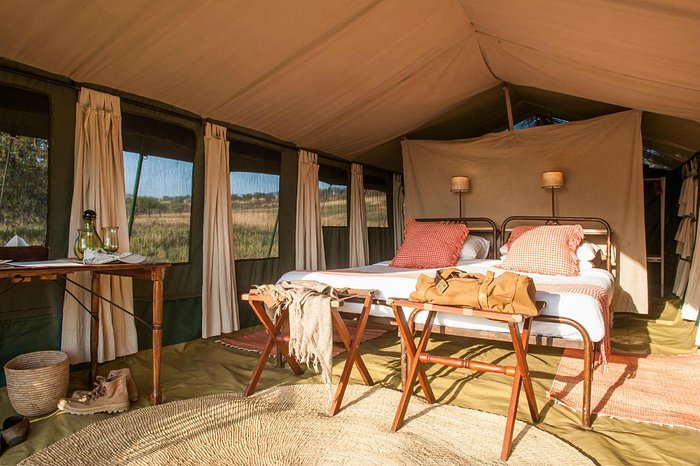
Affordable African Safari Packages: Your Guide To Budget-Friendly Tanzania
Discover how to plan and book affordable African safari packages for 2026-2027. This guide provides practical advice on choosing budget-friendly Tanzania tours, understanding costs, and...
View package details
Kenya And Tanzania Combined Safari Packages: Ultimate Guide 2026-2027
Discover the unparalleled adventure of combining Kenya and Tanzania for a comprehensive East African safari. This guide details everything you need to know for planning your 2026-2027...
View package details3-Day Serengeti And Ngorongoro Safari: Your Ultimate Tanzania Wildlife
start a concise yet unforgettable 3-day Serengeti and Ngorongoro safari, designed to maximize wildlife encounters in Tanzania's most celebrated parks. This compact adventure offers a taste...
View package details
Serengeti Safari And Zanzibar Beach Holiday: The Ultimate Tanzania
Combine the thrill of a Serengeti safari with the relaxation of a Zanzibar beach holiday. This guide covers everything you need to know for an unforgettable Tanzania adventure in 2026-2027...
View package details
Tanzania Safari And Zanzibar All-Inclusive Packages Guide
Combine the thrill of a Tanzanian wildlife safari with the serene beauty of Zanzibar on an all-inclusive package. This comprehensive guide covers everything you need to know for planning...
View package details
Are African Safari Prices Per Person Or Vehicle? Understanding Tanzania Costs
African safari costs can be confusing. This guide clarifies whether prices are quoted per person or per vehicle, detailing factors that influence your 2026-2027 safari budget in Tanzania.
View package details
Is Tanzania Or Kenya Better For Safari? A Detailed Comparison 2026-2027
Comparing Tanzania and Kenya for your next safari? This in-depth guide breaks down wildlife viewing, landscapes, costs, and optimal travel times to help you choose the perfect East African...
View package details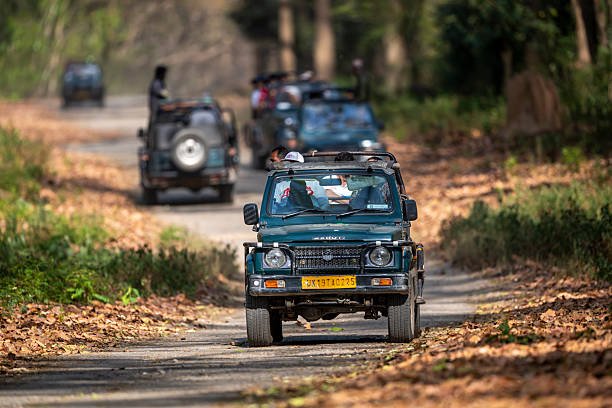
Luxury African Safari Packages: The Ultimate Tanzania Experience In 2026-2027
Explore the pinnacle of African adventure with luxury safari packages in Tanzania. This guide details exclusive lodges, tailor-made itineraries, and the best wildlife experiences for your...
View package details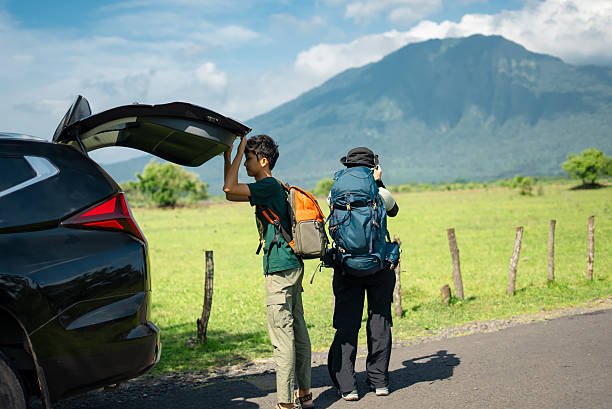
Tanzania Safari Tours & Packages /: Your Ultimate Wildlife Adventure 2026-2027
Discover the magic of Tanzania with expertly crafted safari tours and packages for 2026 and 2027. From the vast plains of the Serengeti to the depths of the Ngorongoro Crater, find your...
View package detailsBest African Safari Tours & Vacation Packages /: Your Ultimate Tanzania
start an unforgettable African safari adventure in 2026/2027 with expertly curated tours and vacation packages in Tanzania's most iconic wildlife destinations. From the Serengeti to the...
View package details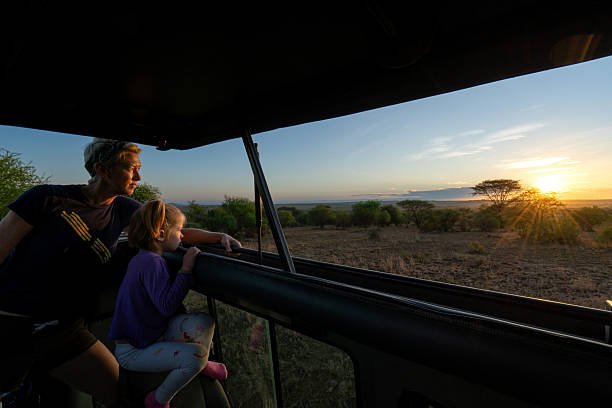
Private Tanzania Safari Packages: Your Ultimate Guide For 2026-2027
Discover the unparalleled freedom and personalized experience of a private Tanzania safari package. This comprehensive guide for 2026-2027 explores custom itineraries, key destinations like...
View package detailsNo related package matches those filters. Clear one or more filters to see the other topic-matched options.



