To see the Great Migration in Tanzania, you should book a safari that strategically positions you in the Serengeti National Park or Maasai Mara National Reserve according to the animals’ predictable movements, which vary significantly by month; for 2026 and 2027, understanding these cycles is key to choosing between Northern Serengeti for river crossings or Central/Southern Serengeti for calving and general herds.

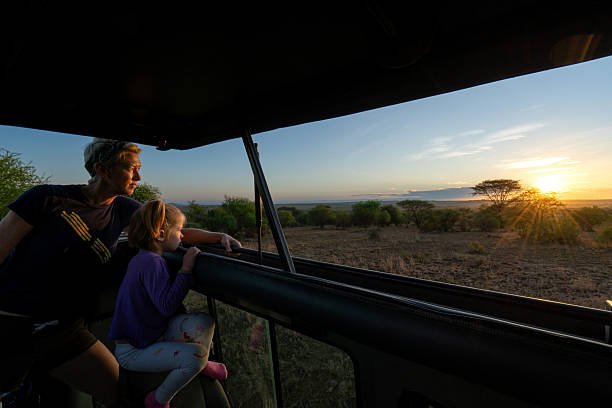
Understanding the Great Migration: A Year-Round Phenomenon
The Great Migration is often romanticized as a single, dramatic event, but it’s actually a continuous, circular journey undertaken by millions of wildebeest, zebras, and gazelles across the Serengeti ecosystem. This epic movement is dictated by the availability of fresh grazing and the rains. Knowing where the herds are at any given time of year is crucial for planning a successful safari. For travelers aiming for 2026 or 2027, a deep understanding of this cycle will make the difference between witnessing spectacular wildlife encounters and missing the main action.
The Serengeti, meaning ‘endless plains’ in the Maasai language, is the primary stage for this natural wonder. However, the migration doesn’t stay in one place. It’s a dynamic, fluid event that sweeps across vast distances, making the timing of your safari the single most important factor in your decision. While general patterns hold true year after year, minor variations due to rainfall can shift herd locations by a few weeks. This is where local expertise, like that offered by Climb 4 Africa, becomes invaluable for tailoring your 2026-2027 safari plans.
Many visitors dream of seeing the dramatic river crossings, where wildebeest brave crocodile-infested waters. Others might prefer the birthing season, when thousands of calves are born, creating an abundance of prey for predators. Each phase offers a unique and unforgettable wildlife spectacle. Deciding which part of the migration you want to witness will directly influence which Tanzanian safari you should book and, critically, when to book it.
Timing Your Safari for 2026-2027: The Monthly Breakdown
The Great Migration is a continuous cycle, and knowing where the herds are throughout the year is paramount for planning your 2026 or 2027 safari. Here’s a month-by-month guide to help you pinpoint the best time to visit:
January – March: Southern Serengeti (Ndutu Area)
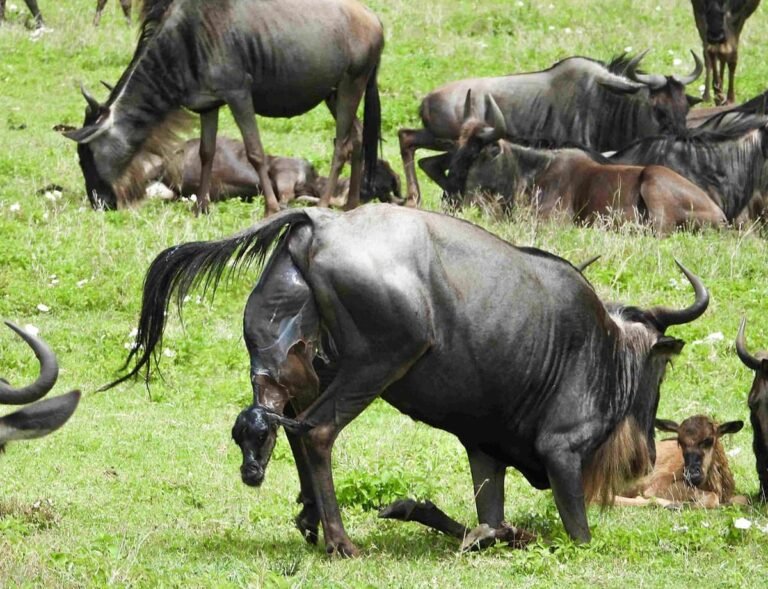
This is the calving season. Millions of wildebeest, zebras, and gazelles are concentrated in the short-grass plains of the Southern Serengeti and the adjacent Ngorongoro Conservation Area (specifically the Ndutu region). The landscape is dotted with newborn calves, making it a prime time for predator sightings as lions, cheetahs, and hyenas take advantage of the easy prey. The grass is lush and green, offering a stunning backdrop. For those interested in the birthing spectacle, this period is ideal for your 2026-2027 Tanzania safari.
Trade-offs: While excellent for predators and newborns, river crossings are absent during this period. The vegetation is dense, which can sometimes make spotting distant animals more challenging, though the sheer concentration of wildlife often compensates.
April – May: Moving North (Central Serengeti)
As the rains begin to subside in the south, the herds start their northward journey. They move through the central Serengeti, often along the Seronera River valley. This is a transitional period. While the bulk of the migration is on the move, there are still significant numbers of animals in the central region, offering good game viewing. However, April and May are also the peak of the long rainy season, which can mean fewer tourists and lower prices, but also potentially difficult driving conditions and less predictable wildlife movements.
Trade-offs: This is typically the wettest period, which can impact road accessibility and game viewing visibility. River crossings are unlikely. If you’re looking for the most dramatic migration events, this might not be the best time, but it can be a good option for budget-conscious travelers in 2026 or 2027 seeking fewer crowds.
June – July: Western Corridor & Northern Serengeti
By June, the herds are typically in the western corridor of the Serengeti, moving towards the Grumeti River. If the rains have been late or inconsistent, they might linger longer in the central areas. As July approaches, the migration begins its push north towards the Mara River, which forms the border with Kenya’s Maasai Mara. This is often the time for the first major river crossings, though these are generally less dramatic than those in the north later in the year. The landscape starts to dry out, concentrating animals around water sources.
Trade-offs: River crossings in the western corridor can be unpredictable and less numerous than in the north. The weather is generally pleasant, with less rain. This is a popular time, so booking well in advance for 2026 or 2027 is crucial.
August – October: Northern Serengeti (Mara River)
This is the peak season for witnessing the iconic Mara River crossings. The herds are concentrated in the northern Serengeti, waiting for opportune moments to cross the crocodile-infested Mara River. This is arguably the most dramatic phase of the Great Migration and a major draw for many visitors planning their Great Migration safari. Predator activity is high as they anticipate the crossings. The weather is typically dry and cool, making for excellent game viewing conditions.
Trade-offs: This is peak tourist season, meaning higher prices and more vehicles around sightings. River crossings are spectacular but can be unpredictable; you might witness several crossings in a day, or none. Booking for 2026-2027 in this period needs to be done at least 9-12 months in advance.
November – December: East/Central Serengeti & Return South
As the short rains begin in November, the herds start to move southwards from Kenya and the northern Serengeti. They typically head towards the eastern and central Serengeti plains, following the fresh grass. This period offers a chance to see the migration on the move again, often in large columns. The landscape is beginning to turn green again, and the weather is usually warm with scattered showers.
Trade-offs: River crossings are generally not occurring. The exact path can vary depending on the start of the rains. It’s a less crowded time than the peak dry season, offering a good balance for a Tanzania safari in late 2026 or 2027.
Serengeti Regions for Migration Viewing
The Serengeti National Park is vast, and its different regions offer distinct experiences, especially when tracking the Great Migration. Understanding these areas is fundamental to booking the right safari. For your Great Migration safari in 2026 or 2027, consider these key zones:
Southern Serengeti & Ndutu Area (Ngorongoro Conservation Area)
Best for: January to March. This area is renowned for the calving season. The short-grass plains here are incredibly fertile, attracting millions of wildebeest and zebras with their young. It’s a predator paradise, with lions, cheetahs, and hyenas actively hunting the vulnerable newborns. The landscape is vast and open, offering incredible photographic opportunities of the sheer numbers of animals.
Why book here? If your primary goal is to witness the abundance of young life and the resulting predator action, the Southern Serengeti and Ndutu are unparalleled. The open plains mean you can often see herds from a distance, and the density of animals is staggering.
Central Serengeti (Seronera Valley)
Best for: Year-round, but particularly April to May and November to December. The Seronera Valley is the heart of the Serengeti and is famous for its resident wildlife populations, including big cats. During the migration’s transit periods (April-May moving north, Nov-Dec moving south), large numbers of wildebeest and zebras pass through. This area offers a good chance to see the migration even if you miss the peak river crossings or calving.
Why book here? Seronera offers a reliable wildlife experience throughout the year. It’s a good option if your travel dates are flexible or if you want to combine migration viewing with seeing resident predators. Road conditions are generally good year-round.
Western Corridor (Grumeti River)
Best for: June to July. This section of the Serengeti is characterized by the Grumeti River and its dense woodlands and riverine forests. As the migration moves north, wildebeest and zebras often cross the Grumeti River. While these crossings are less famous than the Mara River crossings, they can still be spectacular, especially with the added challenge of the larger Grumeti crocodiles. The area is also known for its large troops of colobus monkeys and baboons.
Why book here? For those traveling in June or July, the Western Corridor offers a chance to see migration crossings and a different type of landscape compared to the open plains. It’s often less crowded than the Northern Serengeti during peak season.
Northern Serengeti (Mara River)
Best for: August to October. This is the prime location for witnessing the dramatic Mara River crossings. The Mara River is a significant natural barrier, and the wildebeest must brave its currents and crocodiles to reach fresh pastures on the other side. The sheer spectacle of thousands of animals plunging into the river, the chaos, and the predator response is unforgettable. The landscape here is more hilly and dramatic than the southern plains.
Why book here? If seeing the iconic river crossings is your ultimate goal for your Great Migration safari, the Northern Serengeti is where you need to be between August and October. This is a bucket-list experience for many, making it a highly sought-after destination for 2026-2027 trips.
Safari Styles for Migration Viewing
The way you experience the Great Migration can vary significantly based on the type of safari you choose. Each style offers different advantages and levels of immersion. When planning your Tanzania safari for 2026 or 2027, consider these options:
Shared Group Safaris
Description: These safaris involve joining a small group of other travelers in a custom-built safari vehicle, typically seating 6-8 guests. The itinerary is usually fixed, and departure dates are set. This is often the most budget-friendly option.
Pros: Cost-effective, great for solo travelers or couples looking to save money, opportunities to meet other like-minded travelers. Companies like Climb 4 Africa offer excellent group departures for the Great Migration, providing access to prime locations and experienced guides.
Cons: Less flexibility in terms of itinerary and pace, you share the vehicle and decision-making with others, limited opportunities for private sightings if other vehicles are present.
Best for: Budget-conscious travelers, solo adventurers, those prioritizing cost savings over exclusivity for their Great Migration safari.
Example: Check available group safari dates and itineraries on Climb 4 Africa for 2026-2027.
Private Safaris
Description: A private safari is tailored specifically to your group (family, friends, or couple). You have a dedicated safari vehicle and guide, and the itinerary can be customized to your interests and pace. This offers the highest level of flexibility and exclusivity.
Pros: Maximum flexibility in terms of timing, routes, and stops; exclusive use of the vehicle; ability to spend more time at sightings you find compelling; personalized experience; often includes a private chef for lodge stays or dedicated camp setup.
Cons: Higher cost compared to group safaris, requires more decision-making and planning if fully customized.
Best for: Families, groups of friends, honeymooners, photographers, or anyone seeking a highly personalized and exclusive wildlife experience for their Great Migration safari in 2026 or 2027.
Fly-in Safaris
Description: These safaris involve flying between different locations using small bush planes, dramatically reducing travel time on dusty roads. You typically stay at luxury lodges or tented camps that are accessible by air. The ground portion usually involves game drives in a shared or private vehicle operated by the camp.
Pros: Saves significant travel time, allowing more time for game viewing; access to remote areas; often associated with higher-end lodges and comfort; minimizes driving on rough tracks.
Cons: Most expensive option, strict luggage weight limits on flights, less control over the specific game drives unless a private vehicle is arranged at the camp.
Best for: Travelers with limited time, those seeking a luxury experience, or individuals who want to maximize their time observing wildlife during their Great Migration safari.
Walking Safaris
Description: While not typically the primary method for following the massive herds across the Serengeti plains (due to safety and scale), walking safaris are often offered in specific areas or as part of a multi-activity itinerary. They provide a unique, ground-level perspective of the bush, focusing on smaller details, tracks, and signs of wildlife.
Pros: Intimate connection with the environment, deeper understanding of the ecosystem, different perspective than from a vehicle.
Cons: Limited in scope and duration, not suitable for viewing large herds or dangerous game at close range, usually requires experienced guides and specific permitted areas.
Best for: Adventurous travelers looking for a different dimension to their safari, often combined with vehicle-based game drives for a comprehensive experience of the migration.
Choosing Your Accommodation Near the Migration
Your accommodation choice is critical for a successful Great Migration safari, especially for 2026-2027 trips. Location is paramount, as you want to be as close as possible to the herds’ current position. Accommodation types range from mobile camps that follow the migration to permanent lodges and tented camps.
Mobile Tented Camps
Description: These are temporary camps that are set up and dismantled to follow the migration. They offer a sense of adventure and proximity to the action, often located in prime migration corridors. They typically provide comfortable canvas tents with en-suite bathrooms and basic amenities.
Pros: Unbeatable location right in the heart of the migration, offering early morning and late evening game drives when wildlife activity is often highest; a more intimate, “in the bush” experience.
Cons: Can be more basic in terms of luxury and amenities compared to permanent camps; availability is highly seasonal and booking needs to be done far in advance, especially for 2026-2027 peak periods.
Best for: Travelers prioritizing proximity to the migration above all else, seeking an authentic safari experience.
Permanent Tented Camps
Description: These camps are permanently established in strategic locations within or near the Serengeti. They offer more comfortable, often luxurious, tented accommodation with solid floors, proper beds, and en-suite facilities, sometimes even private plunge pools.
Pros: Combine the feel of camping with the comfort of a lodge; often situated in excellent wildlife areas; offer a good balance between comfort and proximity to the migration, depending on the camp’s location relative to the herds.
Cons: While excellent, they are fixed in location, meaning you might need to drive a bit further for sightings depending on the migration’s exact movements; can be more expensive than mobile camps.
Best for: Those who want a comfortable and stylish safari experience while still being close to prime wildlife areas.
Lodges
Description: Lodges are the most permanent and often most luxurious form of accommodation. They are typically built with brick or stone and offer hotel-like amenities, including restaurants, bars, swimming pools, and well-appointed rooms or suites.
Pros: Highest level of comfort and amenities; often have stunning views and excellent facilities; reliable and unaffected by weather conditions for access.
Cons: Generally the furthest from the migration’s immediate path compared to mobile camps; can feel less “in the bush” than tented options; usually the most expensive option.
Best for: Travelers seeking maximum comfort, luxury, and a full range of amenities, who don’t mind a slightly longer drive to reach the migration herds.
When booking your Great Migration safari for 2026 or 2027, it’s essential to discuss the exact location of your accommodation with your tour operator. For instance, staying in the Northern Serengeti in August requires a camp or lodge positioned to maximize opportunities for Mara River crossings, while a January trip would benefit from accommodation near Ndutu.
Planning Your Great Migration Safari Logistics
A successful Great Migration safari requires meticulous planning, especially for a phenomenon as vast and dynamic as this. Beyond choosing the right time and location, consider these logistical aspects for your 2026 or 2027 trip:
Travel Dates and Durations
Recommendation: For a comprehensive Great Migration experience, a minimum of 3-4 full days in the Serengeti is recommended. However, to truly appreciate the scale and different phases, consider a 7-10 day safari that might include multiple regions of the Serengeti or combine it with other parks like Tarangire or the Ngorongoro Crater. For 2026-2027, booking well in advance is key, especially for peak migration seasons (August-October and January-March).
Getting There
Most international travelers arrive at Kilimanjaro International Airport (JRO). From there, your safari operator will typically arrange:
- Road Transfer: A drive to Arusha (the safari hub) or directly to your first park. This can be a long journey, especially to the Serengeti.
- Internal Flights: For faster access, especially to remote parts of the Serengeti, small aircraft fly from Arusha Airport (ARK) to various airstrips within the park (e.g., Seronera, Kogatende, Ndutu). This is highly recommended for fly-in safaris and saves considerable travel time.
Vehicle Type
4×4 Safari Vehicles: The standard for Tanzanian safaris. These are typically open-sided or pop-top Land Cruisers or Land Rovers, designed for comfort and excellent game viewing. Ensure your vehicle has a pop-up roof for unobstructed photography and viewing. For private safaris, you’ll have your dedicated vehicle.
Guides
A knowledgeable guide is indispensable. They understand animal behavior, migration patterns, and the best locations for sightings. For a Great Migration safari, look for operators who employ experienced guides with a deep understanding of the Serengeti ecosystem. Climb 4 Africa prides itself on its local, experienced guides who can adapt your itinerary on the fly based on real-time wildlife movements.
Park Fees and Permits
Park fees are a significant part of the safari cost. For the Serengeti, these are typically charged per person per 24-hour period. Your tour operator will handle these, but it’s good to be aware of them. For specific activities like walking safaris, additional permits might be required.
What to Pack
Pack light, neutral-colored clothing (khaki, beige, olive green). Essential items include:
- Lightweight, breathable long-sleeved shirts and trousers (for sun protection and insect repellent).
- A warm fleece or jacket for cool mornings and evenings.
- Comfortable walking shoes.
- Sunscreen, hat, sunglasses.
- Insect repellent (DEET-based is effective).
- Binoculars (essential for wildlife viewing).
- Camera with extra batteries and memory cards.
- A small backpack for daily essentials.
Booking Your Great Migration Safari 2026-2027
Securing your Great Migration safari for 2026 or 2027 requires advance planning, especially if you’re targeting peak seasons or specific events like river crossings. Here’s how to approach the booking process:
Choose the Right Operator
Selecting a reputable and experienced tour operator is the most critical step. Look for companies that:
- Specialize in Tanzania safaris.
- Have a deep understanding of the Great Migration’s timing and movements.
- Offer flexible itineraries and tailor-made options.
- Provide experienced, local guides.
- Have excellent reviews and a strong track record.
Climb 4 Africa is a Tanzania-based company with extensive local knowledge, specializing in crafting unforgettable safari experiences. They can help you navigate the complexities of timing, locations, and accommodation to ensure you book the Great Migration safari that best suits your interests for 2026-2027.
When to Book
For the most popular times, such as August-October (Northern Serengeti for river crossings) and January-March (Southern Serengeti for calving), it is advisable to book 9-12 months in advance for 2026 and 2027. Even for shoulder seasons, booking 6-8 months ahead is recommended to secure preferred lodges and vehicles.
What to Confirm Before Booking
Before committing to a booking, ensure you have clarity on:
- Exact Itinerary: Detailed daily plan, including locations, activities, and driving times.
- Accommodation Details: Specific camps/lodges booked, including room types and inclusions (meals, drinks).
- Inclusions: What is covered (park fees, meals, accommodation, game drives, park transfers, guide fees, vehicle costs)? What is excluded (international flights, visas, tips, personal insurance, drinks)?
- Vehicle Type and Guide: Confirm you will have a pop-top 4×4 safari vehicle and an experienced, English-speaking guide.
- Payment Schedule: Deposit required and final payment due date.
- Cancellation Policy: Understand the terms and conditions for cancellations or changes.
Budget Considerations
Safari costs vary significantly based on the style of safari (group vs. private), accommodation level (budget, mid-range, luxury), duration, and time of year. A Great Migration safari in peak season, especially a private one with luxury lodges, can be a significant investment. Expect costs to range from approximately $300-$500+ per person per day for shared safaris and $600-$1000+ per person per day for private luxury safaris, excluding international flights and park fees which are often added on top.
For the most accurate and personalized quote for your Great Migration safari in 2026 or 2027, it’s best to contact an expert like Climb 4 Africa. They can tailor a package to your budget and preferences.
Ready to Witness the Great Migration?
Planning a trip to see the Great Migration is an exciting endeavor. To ensure you book the perfect Tanzania safari for 2026 or 2027, consider partnering with local experts who understand the nuances of the migration and the Tanzanian wilderness. Climb 4 Africa offers tailor-made safari experiences, group departures, and personalized advice to help you create an unforgettable journey. Whether you dream of witnessing the drama of the Mara River crossings or the abundance of life during calving season, they can guide you.
Contact Climb 4 Africa today to start planning your adventure:
- WhatsApp: +255 747 477 898
- Email: climb4africa@gmail.com
Let them help you craft a Great Migration safari that meets your expectations and budget for 2026-2027.
Beyond the Migration: Other Tanzania Wildlife Experiences
While the Great Migration is a primary draw, Tanzania offers a wealth of other incredible wildlife experiences that can complement your safari. For 2026-2027 travelers, combining a migration focus with other highlights can create a truly comprehensive Tanzanian adventure.
Ngorongoro Crater
Often referred to as the ‘Eighth Wonder of the World,’ the Ngorongoro Crater is a UNESCO World Heritage Site. This intact volcanic caldera boasts an astonishing concentration of wildlife, including the rare black rhino, large prides of lions, cheetahs, elephants, and hippos. It’s an excellent place to see a diverse array of animals in a compact, stunning setting. Many itineraries combine the Serengeti migration with a visit to the Ngorongoro Crater.
Tarangire National Park
Known for its large elephant herds and iconic baobab trees, Tarangire National Park is particularly spectacular during the dry season (June-October) when animals congregate around the Tarangire River. It offers a different landscape and a chance to see species that might be less common in the Serengeti, such as fringe-eared oryx and gerenuk. It’s often included at the beginning or end of a Northern Circuit safari.
Lake Manyara National Park
Famous for its tree-climbing lions (though sightings are not guaranteed), vibrant birdlife, and large troops of baboons, Lake Manyara is a smaller park that can be visited as a day trip or an overnight stay. Its diverse habitats, including groundwater forests and the alkaline lake, support a rich variety of wildlife.
Zanzibar
For a perfect blend of wildlife adventure and relaxation, consider adding a few days in Zanzibar. This tropical island offers pristine beaches, turquoise waters, and rich history. You can enjoy snorkeling, diving, exploring Stone Town, or visiting spice farms. It’s an ideal way to unwind after an exhilarating Great Migration safari.
When planning your Tanzania safari for 2026 or 2027, discuss with your operator how to best integrate these experiences with your migration viewing goals. A well-rounded itinerary will offer a deeper appreciation of Tanzania’s incredible biodiversity.
“,
“faq_schema”: [
{
“question”: “When is the best time to see the Great Migration in Tanzania?”,
“answer”: “The best time depends on what you want to see. For calving season and predators, January-March in Southern Serengeti/Ndutu. For river crossings, August-October in Northern Serengeti. For herds on the move, April-May (Central) and November-December (East/Central).”
},
{
“question”: “Which part of the Serengeti is best for the Great Migration?”,
“answer”: “For river crossings, the Northern Serengeti (Mara River) is best from August to October. For calving, the Southern Serengeti and Ndutu area are ideal from January to March. Central Serengeti is good for transit periods.”
},
{
“question”: “How long should a Great Migration safari be?”,
“answer”: “A minimum of 3-4 full days in the Serengeti is recommended. For a more comprehensive experience, including travel time and potentially other parks, a 7-10 day safari is ideal for 2026-2027 bookings.”
},
{
“question”: “What is the difference between a group and a private Great Migration safari?”,
“answer”: “Group safaris are more budget-friendly, with set itineraries and shared vehicles. Private safaris offer flexibility, a dedicated vehicle and guide, and a personalized experience, but at a higher cost.”
},
{
“question”: “How far in advance should I book a Great Migration safari for 2026 or 2027?”,
“answer”: “For peak seasons (August-October and January-March), book 9-12 months in advance. For shoulder seasons, 6-8 months is generally sufficient, but early booking is always recommended to secure preferred lodges and vehicles.”
},
{
“question”: “What are the costs associated with a Great Migration safari?”,
“answer”: “Costs vary widely. Expect roughly $300-$500+ per person per day for shared safaris and $600-$1000+ per person per day for private luxury safaris, not including park fees, international flights, visas, or tips. Prices can be higher during peak migration seasons for 2026-2027.”
}
]
}
“`
Check Availability for I Want To See The Great Migration, Which Tanzania Safari Should I Book?
Ready to compare dates, prices, and the best option for your group? Send the package name and travel month so the team can reply with a clear quote, availability, and what is included.
Serengeti Great Migration Safari During AFCON 2027
Mwongozo wa kina kwa safari ya Serengeti Great Migration wakati wa AFCON 2027, ukilenga kuelewa maeneo, kipindi cha mwendo wa mnyama, na mapendekezo ya mipango ya kiutendaji.
View package details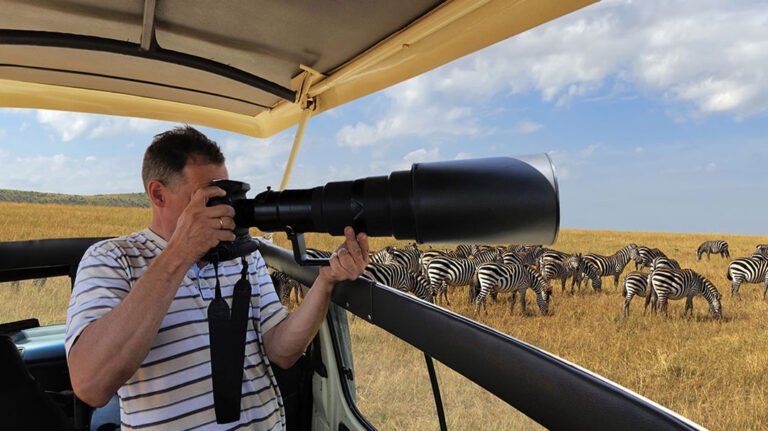
How Early Should I Book A Nov Or Dec Tanzania Group Safari?
How Early Should I Book a Nov or Dec Tanzania Group Safari?
View package detailsAFCON 2027 Safari to See the Wildebeest Migration
Mpangilio wa safari wa AFCON 2027 unakuja na mwendo wa Wildebeest Migration; onyesha mipango ya kipekee, maeneo ya kuchagua, na mikakati ya kuteka uhalisia wa wanyamapori bila kulazimisha...
View package details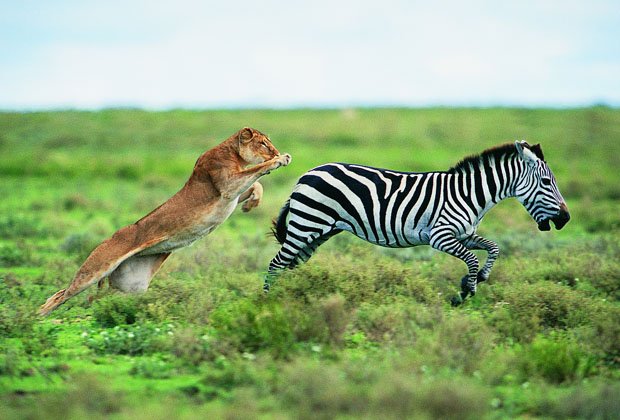
Dec 28, – 5 Day Ndutu Migration And Ngorongoro Group Safari 2026
Join a small group for a 5-day safari departing December 28, 2026, targeting the Ndutu region for the start of the calving season and the Ngorongoro Crater.
View package details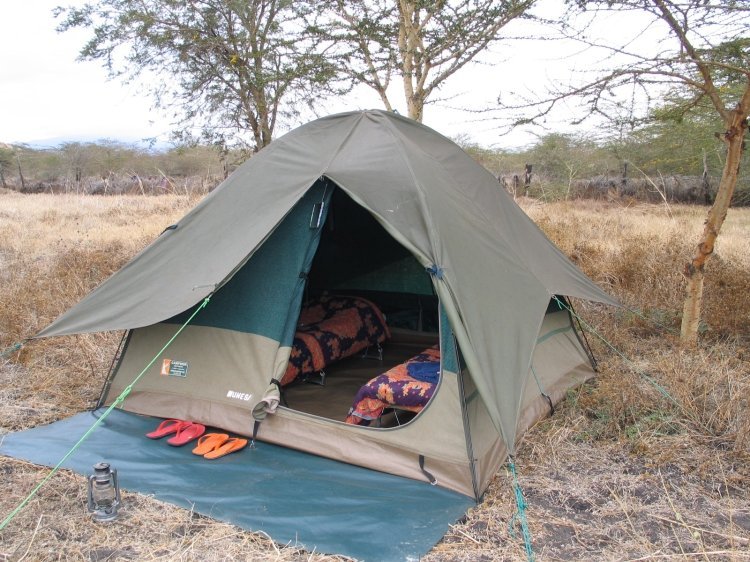
AFCON 2027 Safari Packages from Tanzania
Hitaji la safari ya kundoka ili kufurahia AFCON 2027? Chagua kutoka kwa mikakati ya safari nchini Tanzania inayoambatana na wildlife, mbuga maarufu, na uwekaji wa huduma ya kimataifa ya...
View package detailsAFCON 2027 Mid Range Safari Packages Tanzania
Mwongozo wa safari ya kati ya AFCON 2027 Tanzania kutoka Climb 4 Africa: mipango ya njia, maeneo ya msitu wa serikali, na usalama wa wasafiri. Onyesha jinsi ya kuchagua kilima cha kati...
View package details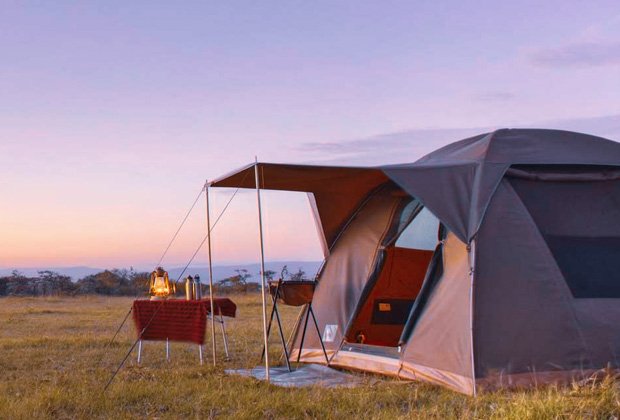
Best Tanzania Safari Before Afcon Final
Best Tanzania Safari Before AFCON 2027 Final.
View package detailsBest Tanzania Safari After Afcon Match
Best Tanzania Safari After AFCON 2027 Match.
View package detailsFive Day Tanzania Safari And Afcon Package
Five Day Tanzania Safari and AFCON Package.
View package details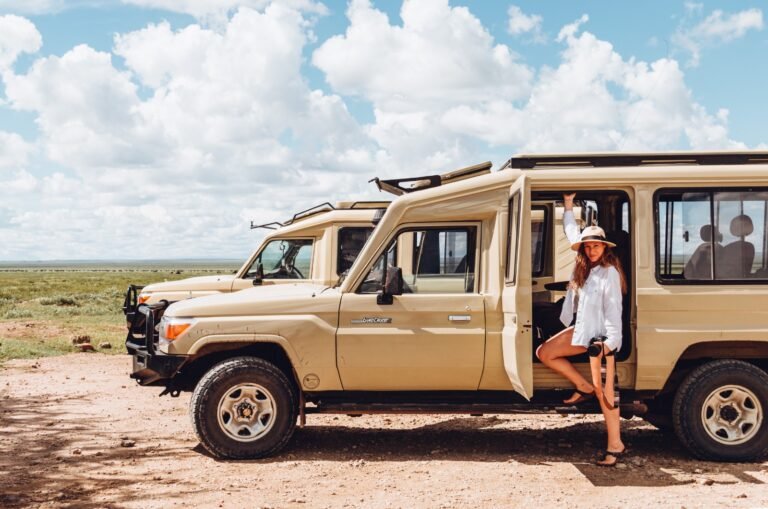
Afcon Northern Tanzania Safari Packages
AFCON 2027 Northern Tanzania Safari Packages.
View package detailsAfcon Tanzania Football Kilimanjaro And Safari Tour
AFCON 2027 Tanzania Football Kilimanjaro and Safari Tour.
View package detailsNo related package matches those filters. Clear one or more filters to see the other topic-matched options.