For a three-day safari in Tanzania, your most practical and rewarding options are to focus intensely on either Tarangire National Park or Lake Manyara National Park, or a combination of both if logistics allow for minimal travel between them. These parks are renowned for their dense wildlife populations and accessibility, making them perfect for maximizing sightings within a short 72-hour window, especially when planning for trips in 2026 or 2027.
Why Short Safaris Work in Tanzania
Tanzania is vast, and many visitors dream of multi-week expeditions covering the Serengeti, Ngorongoro Crater, and beyond. However, the country’s premier wildlife destinations are surprisingly accessible for shorter durations, especially when you understand how to optimize your time. The key to a successful three-day safari in Tanzania is strategic planning and focusing on areas known for concentrated wildlife activity and efficient park access. Instead of trying to tick off multiple distant parks, which would involve significant travel time and expense, dedicating your three days to one or two well-chosen locations ensures you spend more time observing animals and less time in transit.
The northern safari circuit, which includes parks like Tarangire, Lake Manyara, the Ngorongoro Conservation Area, and the Serengeti, is particularly well-suited for shorter trips. These parks are relatively close to each other and to major transport hubs like Arusha. This proximity means that travel between locations is manageable, allowing for a more relaxed and in-depth experience even within a compressed timeframe. For a three-day itinerary, focusing on one park allows for deep exploration, while a two-park combination, if planned carefully, can offer variety without feeling rushed.
When considering a short safari for 2026 or 2027, it’s important to remember that Tanzania’s wildlife is not confined to specific areas. While parks are designated zones, animals are mobile. However, certain parks consistently offer higher densities of specific species or are known for reliable sightings year-round. For instance, Tarangire is famous for its large elephant herds, especially during the dry season, and its iconic baobab trees. Lake Manyara offers a unique mosaic of habitats, from groundwater forests to open grasslands and its famous tree-climbing lions, all within a compact area. The decision of where to go for your three days in Tanzania safari will ultimately depend on your primary wildlife interests and the desired pace of your adventure.
Option 1: Tarangire National Park – The Elephant Haven
Tarangire National Park stands out as a prime candidate for a three-day safari in Tanzania, particularly if your dream is to witness large elephant herds in their natural habitat. Located south of Lake Manyara, Tarangire is most famous for its colossal elephant populations. During the dry season, from roughly June to October, the Tarangire River becomes a vital water source, attracting hundreds, sometimes thousands, of elephants. It’s not uncommon to see multiple herds moving across the plains, a truly spectacular sight that is a highlight for many visitors.
Beyond elephants, Tarangire boasts an incredible diversity of wildlife. The park is home to 550 bird species, making it a birdwatcher’s paradise. You’ll find lions, leopards, cheetahs, giraffes, zebras, wildebeest, buffalo, and various antelopes, including the greater kudu and fringe-eared oryx, which are less common in other northern circuit parks. The park’s landscape is equally striking, dominated by ancient baobab trees, some of which are over a thousand years old. These majestic trees, with their distinctive silhouettes, create a dramatic backdrop for your wildlife encounters.
Why Tarangire for a 3-Day Safari:
- Exceptional Elephant Sightings: If seeing large elephant families is a priority, Tarangire is unparalleled, especially during the dry season.
- Diverse Habitats: From swamps and grasslands to acacia woodlands and the iconic baobab-dotted plains, the varied environments support a wide array of animals and birds.
- Accessibility: It’s relatively easy to reach from Arusha, typically a 2-3 hour drive, minimizing travel time on your first day.
- Less Crowded Than Serengeti (Often): While popular, it can offer a more intimate safari experience compared to the peak season crowds in some other parks.
- Photography Opportunities: The baobab trees and the golden light of dawn and dusk create stunning photographic backdrops.
A three-day itinerary in Tarangire would involve arriving from Arusha on day one, enjoying an afternoon game drive, followed by a full day of exploration on day two, and a final morning game drive on day three before heading back to Arusha or your next destination. This allows for approximately two full days of game viewing, which is ample time to cover a significant portion of the park and encounter its most famous residents. For 2026 and 2027 trips, booking accommodation and safari vehicles in advance is recommended, especially for the peak dry season months.
Option 2: Lake Manyara National Park – A Diverse Ecosystem
Lake Manyara National Park, though one of Tanzania’s smallest parks, packs an incredible punch in terms of biodiversity and unique wildlife experiences, making it another excellent choice for a three-day safari. located at the base of the Great Rift Valley escarpment, its compact size means you can cover a lot of ground and see a remarkable variety of animals within a short period. The park’s varied landscapes include groundwater forests, acacia woodlands, open grassy plains, and the vast, shallow alkaline lake that gives the park its name.
Lake Manyara is particularly famous for its elusive tree-climbing lions, a behavior not commonly observed elsewhere. While sightings are never guaranteed, the park is renowned for them. The lake itself attracts a spectacular array of birdlife, including thousands of flamingos (though their numbers can fluctuate), pelicans, storks, and many other water birds. You’ll also find large troops of baboons, herds of elephants often seen bathing or browsing in the woodlands, giraffes, zebras, wildebeest, buffalo, and various species of monkeys and antelopes.
Why Lake Manyara for a 3-Day Safari:
- High Wildlife Density: Despite its size, the park supports a rich concentration of animals.
- Tree-Climbing Lions: A unique phenomenon that draws many visitors.
- Birdwatching Paradise: Excellent for bird enthusiasts with a stunning variety of species.
- Scenic Beauty: The backdrop of the Rift Valley escarpment and the shimmering lake create a picturesque setting.
- Compact and Accessible: Easy to explore thoroughly within a day or two, and very close to Arusha (about a 1.5-2 hour drive).
A three-day trip could involve arriving on day one, having an afternoon game drive, spending a full day exploring on day two, and perhaps a final morning drive before departing. For those seeking a bit more variety, Lake Manyara can be combined with a visit to the nearby Mto wa Mbu cultural tourism village for a taste of local life. For planning your 2026-2027 safari, Lake Manyara is a reliable option that consistently delivers memorable wildlife encounters.
Combining Tarangire and Lake Manyara for a 3-Day Trip
For those who want a taste of two distinct ecosystems and wildlife experiences within their three-day window, combining Tarangire and Lake Manyara is a popular and feasible option. While it requires more moving between locations, the parks’ proximity makes it manageable. This combination offers a fantastic overview of the northern safari circuit’s diversity.
A Possible 3-Day Itinerary:
- Day 1: Arrival & Tarangire National Park. Arrive in Arusha, meet your guide, and drive directly to Tarangire National Park (approx. 2-3 hours). Enjoy an afternoon game drive, searching for elephants and baobabs. Overnight near Tarangire.
- Day 2: Tarangire Morning & Lake Manyara Afternoon. After a morning game drive in Tarangire, drive to Lake Manyara National Park (approx. 1-1.5 hours). Enjoy an afternoon game drive in Lake Manyara, looking for tree-climbing lions and flamingos. Overnight near Lake Manyara or Karatu.
- Day 3: Lake Manyara Morning & Departure. A final morning game drive in Lake Manyara, or perhaps a visit to a local community, before driving back to Arusha (approx. 1.5-2 hours) for your onward travel or departure.
Pros of this combination:
- Variety: Experience two different park landscapes and key wildlife attractions.
- Efficiency: Both parks are relatively close to Arusha and each other.
- High Chances of Sightings: You maximize your chances of seeing iconic species like elephants (Tarangire) and potentially tree-climbing lions (Manyara).
Cons of this combination:
- Less Relaxation: More time spent driving between parks and checking into/out of lodges means slightly less time for pure game viewing compared to focusing on one park.
- Logistical Considerations: Requires careful coordination of accommodation and transfers.
This itinerary is perfect for travelers who want to see as much as possible in a short time and appreciate the distinct characteristics of different safari environments. When planning for 2026 or 2027, this dual-park approach is a well-trodden path and offers a superb introduction to Tanzanian wildlife.
What to Expect on a 3-Day Tanzania Safari
A three-day safari in Tanzania, while brief, can be incredibly rewarding. The experience is typically characterized by intense wildlife viewing, scenic landscapes, and comfortable accommodation. Here’s a breakdown of what you can generally expect:
Wildlife Encounters:
- Concentrated Sightings: Parks like Tarangire and Lake Manyara are known for their high wildlife densities, meaning you’re likely to see a good number of animals each day. Expect to see elephants, giraffes, zebras, wildebeest, various antelopes, and numerous bird species.
- Predator Sightings: While not guaranteed on every game drive, the chances of spotting lions, leopards, or cheetahs are good, especially in Tarangire. Lake Manyara is famous for its tree-climbing lions.
- Iconic Species: You’ll likely tick off many of Africa’s iconic safari animals.
Daily Schedule:
- Early Mornings: Safaris often start early, with morning game drives beginning around sunrise (approx. 6:00 AM). This is when animals are most active and the light is best for photography.
- Midday Rest: After a few hours of driving, you’ll typically return to your lodge or camp for lunch and a break during the hottest part of the day.
- Afternoon/Evening Drives: Game drives resume in the late afternoon, continuing until sunset (around 6:30 PM).
- Travel Time: On arrival and departure days, the schedule will incorporate transfers from Arusha or Kilimanjaro International Airport (JRO).
Accommodation:
- Variety: Options range from comfortable mid-range lodges and tented camps to more luxurious options. For a short trip, staying within or very close to the park is ideal to maximize game viewing time.
- Amenities: Most lodges offer en-suite bathrooms, comfortable beds, and dining facilities. Some have swimming pools, bars, and lounges.
Logistics and Support:
- Private Vehicle: For a three-day safari, a private vehicle with a dedicated guide is highly recommended. This allows you to set your own pace, linger at sightings, and customize your itinerary.
- Experienced Guides: A knowledgeable guide is crucial for spotting wildlife, understanding animal behavior, and navigating the park.
- Meals: Typically, full board is included, meaning breakfast, lunch, and dinner at your lodge or camp. Packed lunches are often provided for full-day game drives.
What to Pack: Light, neutral-colored clothing, a good camera, binoculars, sunscreen, insect repellent, and a hat are essential. Layers are recommended as mornings and evenings can be cool.
When planning for 2026 or 2027, consider that the dry season (June-October) offers the best conditions for wildlife viewing in Tarangire due to animal concentrations around the river. However, the green season (November-May) can offer lush landscapes, fewer crowds, and excellent birdwatching. Your choice of timing will influence the overall experience.
Planning Your 3-Day Safari in 2026-2027
Organizing a short safari requires efficiency and a clear understanding of your priorities. For trips in 2026 and 2027, here are key planning considerations:
1. Define Your Priorities:
- Wildlife Focus: Are you most interested in elephants, big cats, birds, or a general variety? Tarangire excels for elephants; Lake Manyara for variety and potential tree-climbing lions.
- Pace: Do you prefer a more relaxed pace focusing on one park, or a slightly faster pace to see two parks?
- Budget: Short safaris can be more cost-effective per day than longer ones, but the cost per person might still be significant due to park fees and private vehicle hire.
2. Choose Your Parks:
- Tarangire Only: Ideal for deep immersion in elephant country and diverse landscapes.
- Lake Manyara Only: Great for a compact experience with varied habitats and unique sightings.
- Tarangire & Lake Manyara Combo: Offers the best of both worlds for variety within a short timeframe.
3. Select Your Travel Dates (2026-2027):
- Dry Season (June-October): Best for concentrated wildlife viewing, especially elephants in Tarangire. Expect higher prices and more visitors.
- Green Season (November-May): Lower prices, fewer crowds, lush scenery, and excellent birdwatching. Some roads might be less accessible, and wildlife can be more dispersed. However, Tarangire remains excellent for elephants year-round.
4. Accommodation Style:
- Tented Camps: Offer a closer-to-nature experience, often with comfortable amenities.
- Lodges: Provide more traditional hotel-style comfort, often with more facilities.
- Budget vs. Luxury: For a short trip, even mid-range options can provide excellent value and comfort. Consider staying inside or very near the park boundaries to maximize safari time.
5. Transportation:
- 4×4 Safari Vehicle: Essential for comfortable and effective game viewing. Ensure it has a pop-up roof for optimal photography and viewing.
- Private vs. Shared: For a three-day trip, a private vehicle offers the best flexibility and personalized experience. Shared vehicles are more budget-friendly but have fixed schedules.
6. Booking Window:
- For peak season travel in 2026 and 2027 (June-October), it’s advisable to book at least 6-9 months in advance, especially for popular lodges or specific dates. For the shoulder or green seasons, 3-4 months might suffice, but booking earlier is always safer.
7. Essential Inclusions to Confirm:
- Park entrance fees (these are significant costs)
- Accommodation with meals
- Safari vehicle and experienced driver-guide
- Airport transfers
- Bottled water during game drives
Understanding these factors will help you make informed decisions for your 2026 or 2027 three-day Tanzania safari, ensuring you get the most out of your limited time.
Booking Your Short Safari with Climb 4 Africa
Choosing the right operator for a short but impactful safari is crucial. Climb 4 Africa specializes in crafting tailored Tanzanian experiences, including efficient and rewarding short safaris. We understand that even three days require meticulous planning to maximize wildlife sightings and minimize travel stress. Our local expertise ensures that we can advise you on the best parks, optimal timing for 2026-2027, and suitable accommodations that fit your interests and budget.
Why Choose Climb 4 Africa for Your 3-Day Safari:
- Local Knowledge: As a Tanzania-based company, we have up-to-date information on park conditions, wildlife movements, and the best routes for short trips.
- Customization: We tailor every itinerary, whether it’s a single-park focus or a combination like Tarangire and Lake Manyara, to your specific preferences.
- Experienced Guides: Our guides are passionate, knowledgeable, and dedicated to providing an exceptional safari experience.
- Reliable Logistics: We handle all the details, from park fees and accommodation to comfortable, well-maintained 4×4 safari vehicles, ensuring a smooth trip.
- Value for Money: We aim to provide competitive pricing without compromising on the quality of your safari.
Ready to Plan Your 3-Day Tanzania Safari?
To begin planning your unforgettable three-day safari for 2026 or 2027, reach out to our team. We recommend providing us with your preferred travel dates, your interests (e.g., specific animals, photography), your accommodation style preference, and your approximate budget. This will help us craft the perfect short safari itinerary for you.
You can contact us directly via:
- WhatsApp: +255 747 477 898
- Email: climb4africa@gmail.com
Let Climb 4 Africa help you make the most of your limited time in Tanzania. We’re committed to creating a safari experience that exceeds your expectations, even within a three-day timeframe.
Check Availability for Three Days In Tanzania Safari: Where To Go For An Unforgettable Wildlife
Ready to compare dates, prices, and the best option for your group? Send the package name and travel month so the team can reply with a clear quote, availability, and what is included.
How Early Should I Book A Nov Or Dec Tanzania Group Safari?
How Early Should I Book a Nov or Dec Tanzania Group Safari?
View package details
AFCON 2027 Safari Packages from Tanzania
Hitaji la safari ya kundoka ili kufurahia AFCON 2027? Chagua kutoka kwa mikakati ya safari nchini Tanzania inayoambatana na wildlife, mbuga maarufu, na uwekaji wa huduma ya kimataifa ya...
View package detailsAFCON 2027 Mid Range Safari Packages Tanzania
Mwongozo wa safari ya kati ya AFCON 2027 Tanzania kutoka Climb 4 Africa: mipango ya njia, maeneo ya msitu wa serikali, na usalama wa wasafiri. Onyesha jinsi ya kuchagua kilima cha kati...
View package details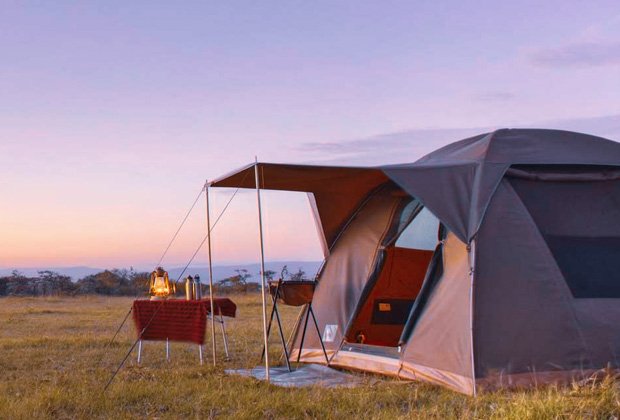
Best Tanzania Safari Before Afcon Final
Best Tanzania Safari Before AFCON 2027 Final.
View package detailsBest Tanzania Safari After Afcon Match
Best Tanzania Safari After AFCON 2027 Match.
View package details
Five Day Tanzania Safari And Afcon Package
Five Day Tanzania Safari and AFCON Package.
View package detailsThree Day Serengeti Safari During AFCON 2027
Mwongozo wa kiutendaji kwa safari ya siku tatu ya Serengeti wakati AFCON 2027, ukijumuisha mwelekeo wa maeneo, ratiba ya siku, na ushauri wa ubashiri wa kupanga pamoja na jinsi ya...
View package details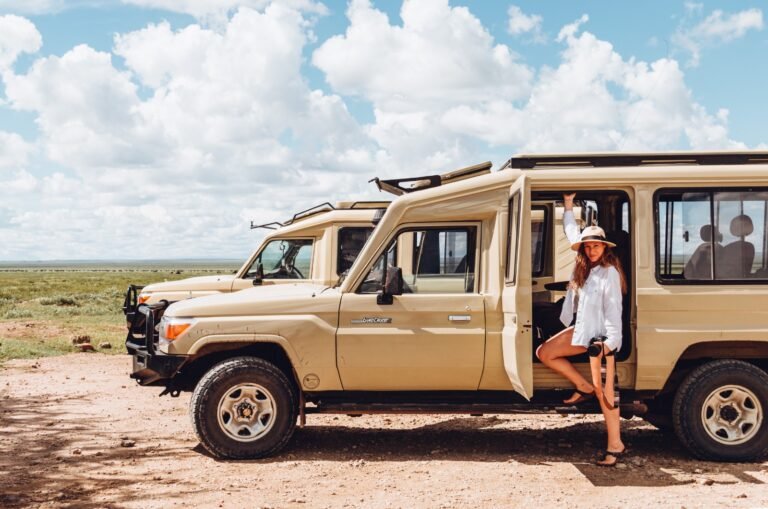
Afcon Northern Tanzania Safari Packages
AFCON 2027 Northern Tanzania Safari Packages.
View package detailsAfcon Tanzania Football Kilimanjaro And Safari Tour
AFCON 2027 Tanzania Football Kilimanjaro and Safari Tour.
View package detailsThree Day Safari from Dar es Salaam During AFCON 2027
Maelezo ya kina juu ya safari ya siku tatu inaanzia Dar es Salaam wakati wa AFCON 2027, ikijikita katika mipango, maeneo ya hifadhi, usafiri, na chaguo za malazi na usalama wa safari yako.
View package details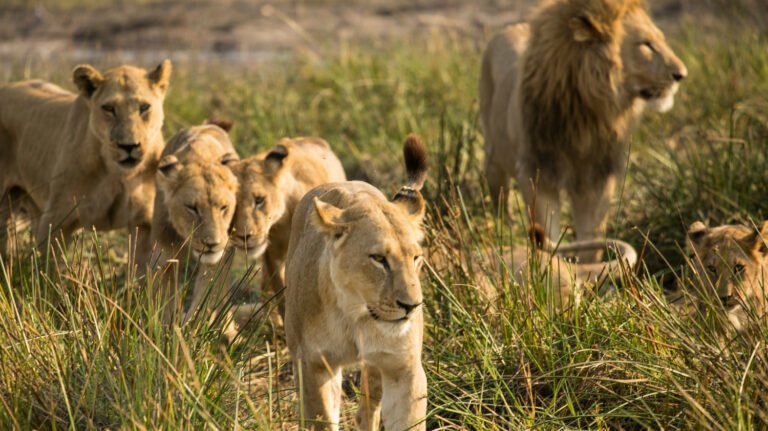
Tanzania Safari Packages from Dar es Salaam During AFCON 2027
Mwongozo wa kina wa safari za Tanzania kuanzia Dar es Salaam wakati AFCON 2027: rasilimali, mipango ya siku, na hatua za uhakika za ziara za wanyama na mbuga maarufu.
View package detailsNo related package matches those filters. Clear one or more filters to see the other topic-matched options.