The 8 Days Kilimanjaro Lemosho Group Departure from July 10-17, 2027, offers a balanced approach to summiting Kilimanjaro via the scenic Lemosho route, emphasizing acclimatization and success rates. This specific departure date targets a prime time for climbing in Tanzania, balancing good weather windows with available group spots, and provides a well-structured itinerary designed for trekkers aiming for a rewarding experience on Africa’s highest peak.
Why Choose the Lemosho Route for Your 8-Day Climb?
When planning your ascent of Kilimanjaro, route selection is paramount, and the Lemosho route consistently emerges as a top choice for many trekkers, especially for an 8-day expedition. Its popularity stems from a blend of factors that significantly enhance the overall climbing experience and, crucially, increase the likelihood of reaching Uhuru Peak. For the 8 Days Kilimanjaro Lemosho Group Departure 10-17 July 2027, understanding the route’s advantages is key to making an informed decision.
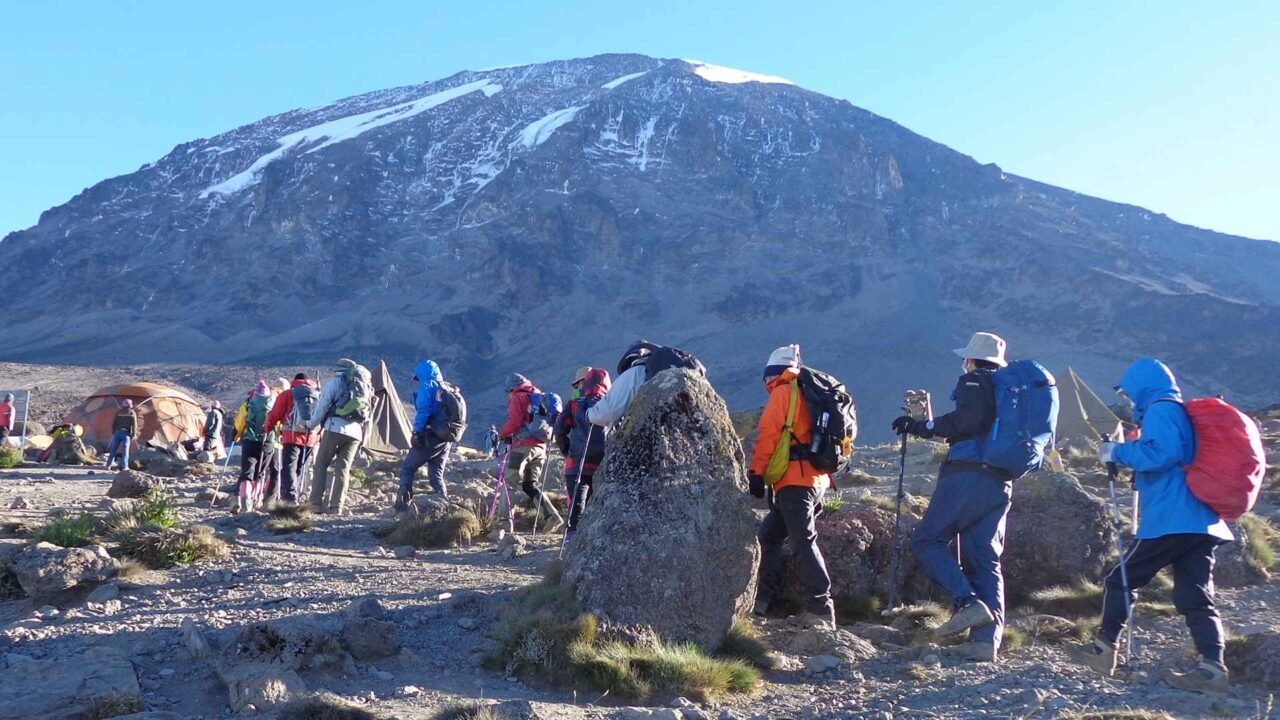
The Lemosho route is celebrated for its scenic beauty and superior acclimatization profile. It begins on the western side of Kilimanjaro, offering a gradual ascent through diverse landscapes, including lush rainforests, moorlands, and alpine deserts, before joining the more established routes higher up. This extended acclimatization period is one of its most significant benefits. Unlike shorter routes that rush climbers to higher altitudes, the Lemosho route allows the body more time to adapt to the decreasing oxygen levels. This is particularly important for an 8-day trek, which provides sufficient time for a slower, more controlled ascent. Generally, the longer a route, the higher the success rate, and an 8-day Lemosho trek is often cited as having success rates well above 85%, sometimes even reaching 90% or more for well-prepared individuals.
Another compelling reason for choosing Lemosho is its relative remoteness in the initial days. The western approach means fewer trekkers are on the trail during the first few days, offering a more tranquil and in-depth wilderness experience. This solitude allows for a deeper connection with the mountain’s environment, free from the congestion that can sometimes occur on more heavily trafficked routes. As you progress, the route converges with the Machame route, providing access to well-established campsites and support infrastructure. This combination of initial solitude and later familiarity makes for a well-rounded adventure.
For the 8 Days Kilimanjaro Lemosho Group Departure 10-17 July 2027, the 8-day duration specifically is a sweet spot. It’s long enough to allow for excellent acclimatization and a steady pace, avoiding the rush that can lead to altitude sickness. Yet, it’s not so long as to become prohibitively expensive or require an excessive amount of time off work or away from other commitments. This duration is often considered optimal for balancing success rates, enjoyment, and logistical feasibility. The Lemosho route, when trekked over 8 days, typically includes a wider range of camping sites compared to the 7-day version, further enhancing acclimatization and the overall trekking experience. This means more time spent at progressively higher altitudes before the final summit push, which is critical for physiological adaptation.
When considering a group departure, the Lemosho route’s popularity means that finding a well-organized group trek, like the one scheduled for July 2027, is feasible. This route’s reputation for safety, scenery, and success makes it a logical choice for tour operators to offer as a group departure, attracting like-minded adventurers. The 8 Days Kilimanjaro Lemosho Group Departure 10-17 July 2027 is designed to leverage all these benefits, providing a structured and supportive environment for your Kilimanjaro ascent.
Understanding the July 10-17, 2027 Group Departure
Selecting a specific date for your Kilimanjaro climb is a crucial planning step, and the 8 Days Kilimanjaro Lemosho Group Departure 10-17 July 2027 represents a carefully chosen window. July falls within Kilimanjaro’s dry season, which generally spans from June to October. This period is highly favored by trekkers due to the increased likelihood of clear skies, lower rainfall, and more stable weather conditions, which are vital for both safety and enjoyment on the mountain.
The dry season offers the best visibility for the stunning panoramic views Kilimanjaro is famous for, and it significantly reduces the challenges associated with muddy trails, slippery descents, and limited visibility due to fog or clouds. While no mountain weather is guaranteed, July typically provides a much more predictable and pleasant trekking environment compared to the rainy seasons. Temperatures during the day can be mild to warm, especially at lower altitudes, while nights and summit temperatures will be cold, often dropping well below freezing. This means packing appropriate gear is essential regardless of the season, but the dry conditions of July make the trek more accessible for a wider range of fitness levels.
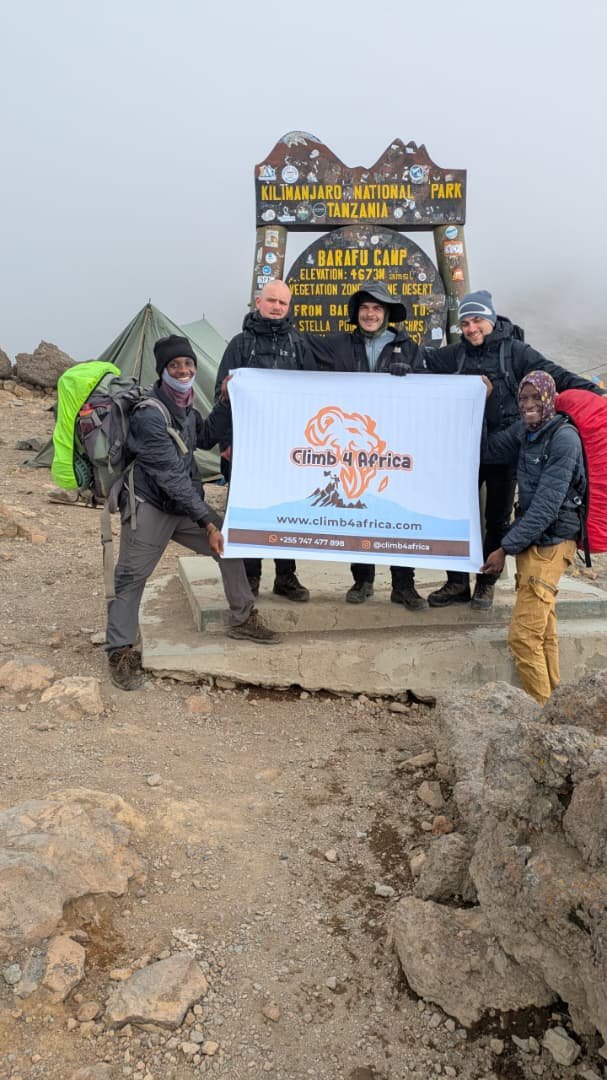
Opting for a group departure on these specific dates, July 10-17, 2027, means you’ll be joining a cohort of fellow adventurers, all embarking on the same journey. Group treks are often more cost-effective than private expeditions, as costs for guides, porters, cooks, park fees, and logistics are shared among participants. This also fosters a sense of camaraderie, shared experience, and mutual support, which can be invaluable during challenging moments on the mountain. The 8 Days Kilimanjaro Lemosho Group Departure is specifically designed to cater to this shared experience, ensuring that group logistics are handled efficiently by experienced operators like Climb 4 Africa.
The 8-day duration for the Lemosho route, specifically for the July 2027 departure, is ideal. It provides the necessary time for acclimatization, which is a primary factor in summit success. This length allows for a more gradual ascent, minimizing the risks associated with acute mountain sickness (AMS). The itinerary is structured to include rest days and slower hiking days at higher altitudes, allowing your body to adapt to the thinner air. The dates 10-17 July 2027 ensure you are part of a planned expedition that has secured permits and logistical arrangements well in advance, a critical aspect of planning for Kilimanjaro climbs, especially during peak seasons like July.
Choosing a group departure for July 2027 also means you are joining a trek that has been scheduled to take advantage of optimal conditions. Tour operators plan these dates based on historical weather patterns, availability of resources, and demand. For Climb 4 Africa, offering a specific group departure like the 8 Days Kilimanjaro Lemosho Group Departure 10-17 July 2027 signifies a commitment to providing a well-managed, safe, and enjoyable expedition for trekkers looking to climb Kilimanjaro in a specific timeframe. It’s an opportunity to share the adventure with others, benefit from group efficiencies, and climb during one of the best months of the year.
Detailed 8-Day Lemosho Itinerary: July 10-17, 2027
The 8-day Lemosho route itinerary is widely regarded as one of the best ways to tackle Kilimanjaro, offering a superb balance of acclimatization, scenery, and success rates. For the 8 Days Kilimanjaro Lemosho Group Departure 10-17 July 2027, this structured approach ensures a memorable and achievable climb. Here’s a day-by-day breakdown, typical for this departure:
Day 1: July 10, 2027 – Arrival and Preparation
Arrive at Kilimanjaro International Airport (JRO). You will be met by a Climb 4 Africa representative and transferred to your hotel in Moshi or Arusha. This is a crucial day for rest, final gear checks, and a pre-climb briefing with your lead guide. You’ll receive detailed information about the trek, discuss any last-minute questions, and have the opportunity to rent any necessary equipment. Your guide will also ensure all documentation is in order. The 8 Days Kilimanjaro Lemosho Group Departure officially begins here, with your team starting to form.
Day 2: July 11, 2027 – Lemosho Gate to Mti Mkubwa Camp
After breakfast, you’ll be driven to the Lemosho Gate (approx. 2,100m / 6,890ft). After park formalities, you’ll begin your trek through the lush rainforest. The trail is well-defined and relatively gentle, winding through dense vegetation. Your first day’s hike is approximately 3-4 hours, covering about 6-8 km (4-5 miles). The goal is to reach Mti Mkubwa Camp (approx. 2,820m / 9,250ft). This initial walk is important for getting accustomed to walking with your pack and the general rhythm of the trek. Keep an eye out for colobus monkeys and diverse birdlife in the forest.
Day 3: July 12, 2027 – Mti Mkubwa Camp to Shira 1 Camp
Today, you’ll leave the rainforest behind and ascend into the heath and moorland zone. The trail becomes steeper in places as you climb towards the Shira Plateau. This day’s hike takes around 5-7 hours, covering approximately 8-10 km (5-6 miles). You will reach Shira 1 Camp (approx. 3,500m / 11,480ft). The views begin to open up as you gain altitude, offering glimpses of Kibo and Mawenzi peaks on clear days. This is a significant altitude gain, and you’ll start to feel the effects of the altitude more noticeably.
Day 4: July 13, 2027 – Shira 1 Camp to Barranco Camp
This is a longer and more challenging day, but it’s vital for acclimatization. You will traverse the Shira Plateau, heading east towards the Lava Tower. The terrain is rocky and exposed. After lunch at the Lava Tower (approx. 4,600m / 15,090ft), you’ll descend into the Barranco Valley. This descent helps with acclimatization by allowing your body to experience lower altitude after reaching a high point. The total trek time is about 7-8 hours, covering around 10-12 km (6-7 miles). You will camp at Barranco Camp (approx. 3,950m / 12,960ft), a stunning location at the base of the famous Barranco Wall.
Day 5: July 14, 2027 – Barranco Camp to Karanga Camp
The highlight of today is climbing the Barranco Wall. This is a memorable scramble, not a technical climb, but it requires agility and courage. You’ll ascend approximately 270 meters (885ft) over a steep, rocky outcrop. After cresting the wall, the path becomes more undulating, crossing ravines and ridges. You’ll continue towards Karanga Camp, situated at approximately 4,000m (13,120ft). The hike typically takes 4-5 hours, covering about 5-7 km (3-4 miles). The scenery is dramatic, with incredible views of Kilimanjaro’s southern ice fields.
Day 6: July 15, 2027 – Karanga Camp to Barafu Camp
Today’s trek is a steady climb towards the alpine desert zone, heading towards the base camp for the summit push. You will ascend to Barafu Camp (approx. 4,650m / 15,250ft). The landscape becomes increasingly barren and rocky. The hike takes approximately 3-4 hours, covering about 4-5 km (3 miles). You will arrive at Barafu Camp in the early afternoon, giving you ample time to rest, hydrate, and prepare for the summit attempt. Dinner is served early, and you’ll be advised to get as much sleep as possible before the midnight start for the summit.
Day 7: July 16, 2027 – Summit Day: Barafu Camp to Uhuru Peak and Descent to Mweka Camp
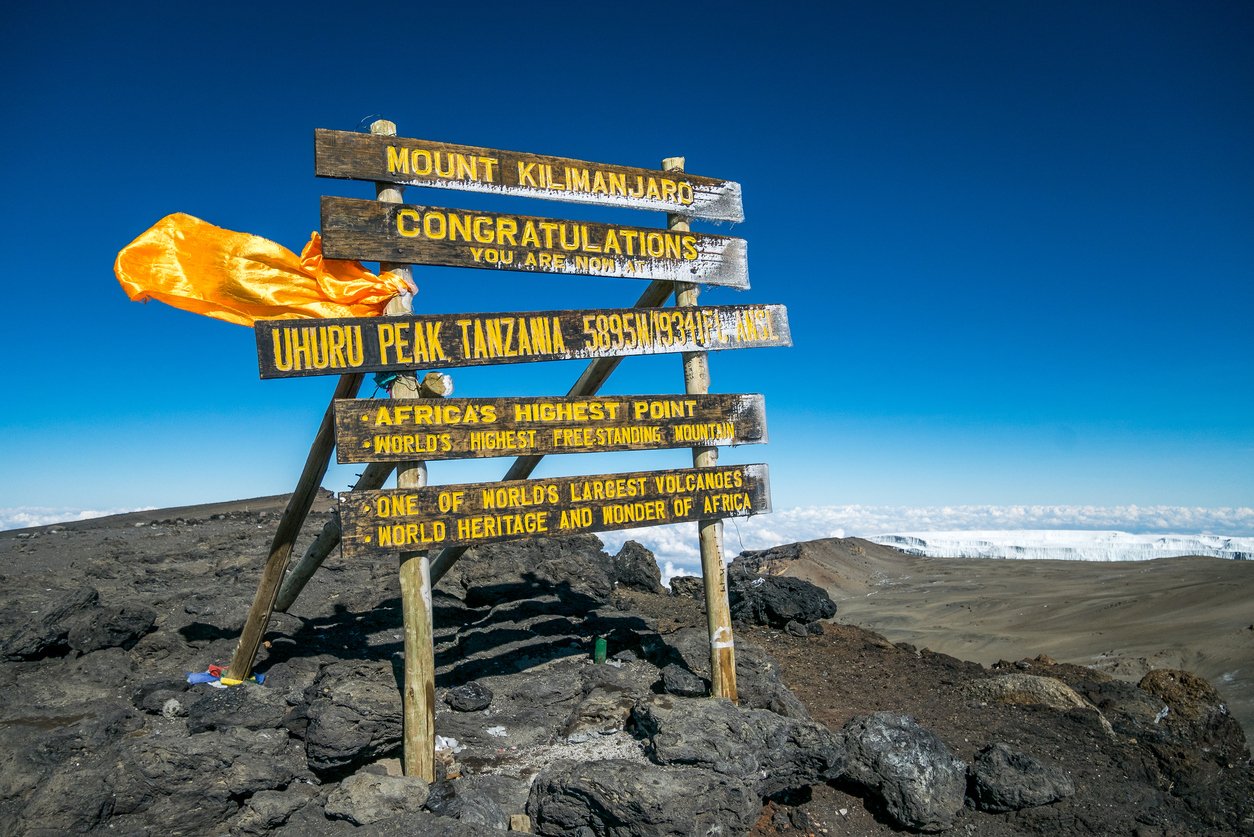
This is the most demanding day. You will wake up around midnight and begin your ascent towards Uhuru Peak (5,895m / 19,341ft). The climb is steep and challenging, undertaken in the dark with headlamps. You’ll pass Stella Point (5,739m / 18,830ft) on the crater rim before continuing to Uhuru Peak, the true summit. The journey from Barafu to Uhuru takes 5-7 hours. After celebrating your achievement, you will begin the long descent, passing Barafu Camp and continuing down to Mweka Camp (approx. 3,100m / 10,170ft). This descent is tough on the knees but offers spectacular views. Total trekking time today is 10-12 hours or more.
Day 8: July 17, 2027 – Mweka Camp to Moshi/Arusha and Departure
After a final breakfast at Mweka Camp, you will descend through the rainforest to Mweka Gate (approx. 1,650m / 5,410ft). This final hike takes about 3-4 hours, covering 8-10 km (5-6 miles). At the gate, you will be met by your driver and transferred back to your hotel in Moshi or Arusha. Celebrations, debriefing, and time to relax await. Depending on your flight schedule, you may depart today or the following day. This marks the conclusion of the 8 Days Kilimanjaro Lemosho Group Departure 10-17 July 2027.
Essential Preparation for Your July 2027 Kilimanjaro Climb
Embarking on an 8 Days Kilimanjaro Lemosho Group Departure 10-17 July 2027 requires thorough preparation, encompassing physical fitness, gear selection, and mental readiness. Climb 4 Africa stresses the importance of a comprehensive preparation strategy to ensure your safety, comfort, and ultimately, your success in reaching Uhuru Peak.
Physical Fitness: Building Endurance and Strength
- Cardiovascular Training: This is the most critical component. Aim for at least 3-4 cardio sessions per week for 3-6 months prior to your climb. Activities like hiking (especially with a backpack on inclines), running, cycling, and swimming build essential stamina. Focus on long, sustained efforts rather than short bursts.
- Hiking Practice: Undertake regular hikes, ideally on hilly or mountainous terrain, carrying a backpack similar to what you’ll use on Kilimanjaro (around 8-10 kg / 18-22 lbs). Practice with the boots you intend to wear to break them in and identify any potential issues.
- Strength Training: Focus on lower body strength (squats, lunges) and core strength exercises. Strong legs will help with ascents and descents, while a strong core supports your back and improves balance, especially when carrying a pack.
- Altitude Simulation: While not always accessible, if you live at altitude, use it to your advantage. If not, focus on building a robust aerobic base.
Gear and Equipment: Essential Items for Kilimanjaro
The Lemosho route, particularly in July, requires a comprehensive gear list to manage varying temperatures and conditions. Your gear is your primary defense against the elements. Climb 4 Africa provides a detailed gear list, but here are the essentials:
- Layering System: This is crucial. You’ll need base layers (moisture-wicking), mid-layers (fleece or insulated jackets), and an outer layer (waterproof and windproof jacket and trousers).
- Footwear: Well-worn, waterproof hiking boots are non-negotiable. Bring comfortable hiking socks (wool or synthetic) and camp shoes or sandals for evenings.
- Headwear and Handwear: A warm hat, balaclava or neck gaiter, and waterproof/insulated gloves are essential for summit night and cold mornings. Sun hat and lighter gloves for lower altitudes.
- Sleeping Bag: A 4-season sleeping bag rated to at least -15°C (0°F) is recommended, especially for July nights.
- Backpack: A comfortable daypack (25-35 liters) for essentials and a larger duffel bag (80-100 liters) for porters to carry.
- Trekking Poles: Highly recommended for stability, reducing knee strain on descents, and aiding ascents.
- Headlamp: With extra batteries, essential for summit night and camp.
- Sun Protection: High SPF sunscreen, sunglasses, and lip balm. The sun is intense at altitude.
- Hydration: Water bottles or a hydration reservoir (at least 3 liters capacity). Consider an insulated sleeve for your reservoir to prevent freezing.
- Personal First-Aid Kit: Including personal medications, blister treatment, pain relievers, and any items recommended by your doctor.
Note: Many items can be rented in Moshi from operators like Climb 4 Africa, including sleeping bags, trekking poles, and warm jackets. Confirm availability when booking your 8 Days Kilimanjaro Lemosho Group Departure 10-17 July 2027.
Health and Acclimatization: Understanding the Risks
- Consult Your Doctor: Discuss your travel plans and altitude exposure with your physician. They can advise on necessary vaccinations and provide prescriptions for altitude sickness medication like Diamox (Acetazolamide), if deemed appropriate.
- Hydration: Drink plenty of water (3-4 liters per day) before, during, and after your trek. This is crucial for acclimatization. Avoid alcohol and caffeine, which can dehydrate you.
- Pace Yourself: The mantra is “pole pole” (slowly, slowly). Hike at a pace that allows you to hold a conversation. Your guides will enforce this.
- Monitor Symptoms: Be aware of the symptoms of Acute Mountain Sickness (AMS): headache, nausea, dizziness, fatigue, and loss of appetite. Report any symptoms to your guide immediately. Do not ascend if symptoms are severe.
Mental Preparation: The Psychological Aspect
- Set Realistic Expectations: Kilimanjaro is a challenging trek, not a walk in the park. Understand that there will be difficult moments, especially on summit night.
- Positive Mindset: A positive attitude is a powerful tool. Focus on the incredible scenery, the camaraderie of your group, and your personal goal.
- Flexibility: Be prepared for the unexpected. Weather can change rapidly, and sometimes itinerary adjustments are necessary for safety.
Effective preparation is key to a successful and enjoyable 8 Days Kilimanjaro Lemosho Group Departure 10-17 July 2027. By focusing on fitness, packing correctly, managing health, and maintaining a positive mindset, you’ll be well-equipped to face the challenges and rewards of climbing Kilimanjaro.
The Advantages of an 8-Day Lemosho Group Departure
Choosing a group departure for your Kilimanjaro climb, especially the 8 Days Kilimanjaro Lemosho Group Departure 10-17 July 2027, offers distinct benefits that can significantly enhance your trekking experience. While private climbs have their appeal, group treks are often the preferred choice for many adventurers for solid logistical, financial, and social reasons.
Cost-Effectiveness and Value
One of the most immediate advantages of a group departure is its affordability. The fixed costs associated with a Kilimanjaro climb – park fees, rescue fees, guide and porter salaries, food, and campsite charges – are spread across a larger number of participants. This means the per-person cost for the 8 Days Kilimanjaro Lemosho Group Departure is generally lower than for a private trek. For trekkers on a budget or those looking to maximize value without compromising on safety or quality of service, a group trek is an excellent option. Climb 4 Africa ensures that even on a group departure, the quality of guides, equipment, and support remains high, providing excellent value.
Shared Experience and Camaraderie
Trekking Kilimanjaro is an intense and often profound experience. Sharing this journey with a group of like-minded individuals can amplify the enjoyment and provide invaluable emotional support. You’ll meet people from diverse backgrounds, all united by the common goal of reaching the summit. The shared challenges, the moments of triumph, and the stunning vistas create strong bonds. The July 2027 group departure will bring together individuals ready to support each other, share stories around the campfire, and celebrate successes together. This camaraderie can be a significant morale booster during the tougher phases of the climb, particularly during the long summit night.
Logistical Efficiency and Expertise
Tour operators like Climb 4 Africa have extensive experience in organizing Kilimanjaro expeditions. For a group departure, they handle all the complex logistics: securing permits, arranging transportation, coordinating with porters and cooks, managing food supplies, and ensuring all park regulations are met. This allows you to focus entirely on your climb and acclimatization without worrying about the intricate details. The 8 Days Kilimanjaro Lemosho Group Departure is a testament to this logistical expertise, with every element meticulously planned for the 10-17 July 2027 timeframe.
Safety and Support Systems
Group treks usually have a higher guide-to-client ratio than private treks, especially when considering the entire support crew (guides, assistant guides, porters, cooks). This ensures that everyone in the group receives adequate attention. In the event of a medical emergency or any other issue, the group benefits from a more robust support system. Your guides are trained in wilderness first aid and are equipped to handle various situations. The presence of a group also means more eyes looking out for each other, contributing to a safer overall environment. The 8 Days Kilimanjaro Lemosho route is already known for its safety features, and this is further enhanced by the structured support of a group departure.
Fixed Departure Dates and Planning Certainty
The 8 Days Kilimanjaro Lemosho Group Departure 10-17 July 2027 offers a concrete date, which simplifies planning for many individuals. Knowing your exact departure date allows you to book flights, arrange time off work, and coordinate travel plans with greater certainty. It removes the often-complex task of coordinating schedules for a private group. This fixed date provides a clear target to work towards in your training and preparation, making the entire process more manageable.
In summary, the 8 Days Kilimanjaro Lemosho Group Departure is an excellent choice for trekkers seeking an organized, supportive, and cost-effective way to climb Kilimanjaro. The combination of the Lemosho route’s benefits, the optimal July 2027 timing, and the advantages of group travel makes this a compelling expedition.
Booking Your 8 Days Kilimanjaro Lemosho Group Departure
Securing your place on the 8 Days Kilimanjaro Lemosho Group Departure 10-17 July 2027 is a straightforward process designed to ensure you are well-prepared and your trip is confirmed well in advance. As an expert Kilimanjaro operator, Climb 4 Africa emphasizes a clear, transparent booking procedure to give you peace of mind as you plan your adventure.
What to Expect When Booking
When you decide to book the 8 Days Kilimanjaro Lemosho Group Departure 10-17 July 2027, the first step is to contact Climb 4 Africa. You can do this via their website, email, or WhatsApp. You’ll need to provide your full name, passport details, and confirm your interest in this specific departure date. The team will then guide you through the booking form and explain the payment schedule.
Key Booking Details to Confirm:
- Departure Date: Explicitly confirm the July 10-17, 2027 dates.
- Inclusions and Exclusions: Understand what is covered in the package price. Typically, this includes park fees, guide and porter services, meals on the mountain, camping equipment, accommodation before and after the climb (often specified), and transfers. Exclusions usually involve international flights, visa fees, travel insurance, tips for the crew, personal gear, and drinks/snacks.
- Payment Schedule: A deposit is usually required to secure your spot and allow the operator to begin booking permits and logistics. The balance is typically due a certain number of weeks or months before the departure date. For a July 2027 climb, booking in 2026 or early 2027 is advisable.
- Terms and Conditions: Familiarize yourself with the operator’s cancellation policy, refund terms, and other important conditions.
Why Book with Climb 4 Africa for the 8 Days Kilimanjaro Lemosho Group Departure
Climb 4 Africa is dedicated to providing a safe, ethical, and memorable Kilimanjaro climbing experience. Choosing them for your 8 Days Kilimanjaro Lemosho Group Departure 10-17 July 2027 means you benefit from:
- Local Expertise: As a Tanzania-based company, they have intimate knowledge of Kilimanjaro, its routes, and local conditions.
- Experienced Guides: Their guides are certified, highly experienced, and trained in first aid and altitude management.
- Ethical Porter Treatment: Climb 4 Africa adheres to fair porter treatment policies, ensuring the well-being of their mountain crew.
- Comprehensive Support: From your initial inquiry to your return from the mountain, you receive dedicated support.
- Quality Equipment: They provide high-quality tents, cooking equipment, and ensure porters are well-equipped.
To book your spot on the 8 Days Kilimanjaro Lemosho Group Departure 10-17 July 2027, or to inquire about any other Kilimanjaro climbs or Tanzanian adventures in 2026 or 2027, please reach out to Climb 4 Africa. Their team is ready to assist you with all aspects of planning. You can contact them directly:
WhatsApp: +255 747 477 898
Email: climb4africa@gmail.com
Booking early for the July 2027 departure is highly recommended, as popular dates and group departures fill up quickly. This ensures you secure your preferred spot and allows ample time for preparation. start your Kilimanjaro journey with confidence, knowing you’re in expert hands.
“,
“faq_schema”: [
{
“question”: “What is the best time of year for an 8-day Kilimanjaro Lemosho climb?”,
“answer”: “The dry seasons, from June to October and December to February, are generally considered the best times for climbing Kilimanjaro. The 8 Days Kilimanjaro Lemosho Group Departure from July 10-17, 2027, falls within the June-October dry season, offering favorable weather conditions with less rain and clearer skies, increasing your chances of a successful and enjoyable trek.”
},
{
“question”: “How difficult is the 8-day Lemosho route compared to other Kilimanjaro routes?”,
“answer”: “The 8-day Lemosho route is considered one of the more moderate routes in terms of difficulty, primarily due to its excellent acclimatization profile. It offers a gradual ascent over 8 days, which significantly aids the body’s adaptation to altitude. While challenging, it generally has higher success rates than shorter routes. The 8 Days Kilimanjaro Lemosho Group Departure 10-17 July 2027 is designed for trekkers with good general fitness.”
},
{
“question”: “What is the typical success rate for the 8-day Lemosho route?”,
“answer”: “The 8-day Lemosho route typically boasts success rates of over 85%, and often higher, for trekkers who are well-prepared physically and prioritize acclimatization. The 8 Days Kilimanjaro Lemosho Group Departure 10-17 July 2027 is structured to maximize these chances, with experienced guides focusing on proper pacing and acclimatization strategies.”
},
{
“question”: “What should I pack for an 8-day Kilimanjaro climb in July 2027?”,
“answer”: “Essential packing includes layers of clothing (base, mid, and waterproof outer layers), sturdy broken-in hiking boots, warm sleeping bag (rated to -15°C/0°F), trekking poles, headlamp, sun protection, and a personal first-aid kit. Given the July 2027 departure, expect cold temperatures, especially at higher altitudes and on summit night, along with potential for dry, dusty conditions during the day. A detailed gear list will be provided upon booking the 8 Days Kilimanjaro Lemosho Group Departure.”
},
{
“question”: “How much should I tip the Kilimanjaro crew in 2027?”,
“answer”: “Tipping is customary and highly appreciated by the Kilimanjaro guides, porters, and cooks. While amounts can vary, a general guideline for 2027 is around $250-$350 per trekker for an 8-day climb, distributed among the crew. Your tour operator, like Climb 4 Africa, will provide specific recommendations for tipping the crew on your 8 Days Kilimanjaro Lemosho Group Departure 10-17 July 2027.”
},
{
“question”: “Is travel insurance mandatory for the 8 Days Kilimanjaro Lemosho Group Departure 10-17 July 2027?”,
“answer”: “Yes, comprehensive travel insurance is mandatory for all Kilimanjaro climbs, including the 8 Days Kilimanjaro Lemosho Group Departure. Your insurance must cover emergency medical evacuation from high altitudes, trip cancellation, and medical expenses. It’s crucial to ensure your policy specifically covers high-altitude trekking up to 6,000 meters.”
},
{
“question”: “Can I book the 8 Days Kilimanjaro Lemosho Group Departure 10-17 July 2027 now?”,
“answer”: “Yes, you can book the 8 Days Kilimanjaro Lemosho Group Departure for July 10-17, 2027. Booking in advance is highly recommended, especially for fixed group departures during peak seasons, to secure your spot and allow ample time for preparation. Contact Climb 4 Africa via WhatsApp at +255 747 477 898 or email climb4africa@gmail.com to confirm availability and begin the booking process.”
}
]
}
“`
Check Availability for 8 Days Kilimanjaro Lemosho Group Departure 10-17 July 2026-2027
Ready to compare dates, prices, and the best option for your group? Send the package name and travel month so the team can reply with a clear quote, availability, and what is included.
Kilimanjaro Climb : Guided Group Tours & Planning Guide 2026-2027
A deep look at planning your 2027 Kilimanjaro expedition. Learn why guided group tours are the preferred choice for safety, logistics, and shared camaraderie on the roof of Africa.
View package details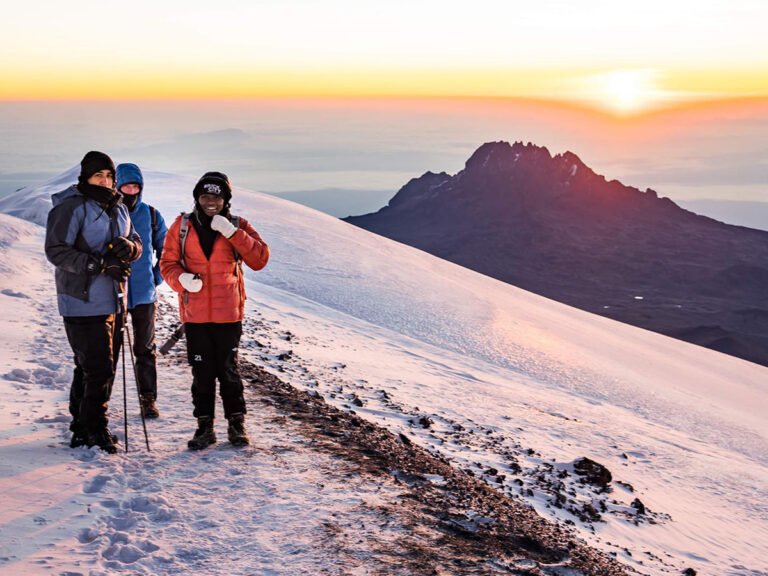
Kilimanjaro Machame Route 7 Days: A Practical Guide To Itinerary And Costs
A deep look at the 7-day Machame Route on Kilimanjaro. Understand the itinerary, why the extra day matters for your summit success, and how to plan your 2026-2027 expedition.
View package detailsKilimanjaro Climb August : Dates And Costs Planning Guide 2026-2027
Expert guide to planning a Kilimanjaro expedition in August 2027. We break down the logistics, cost factors, route choices, and seasonal weather patterns for your summit attempt.
View package details
Afcon Kilimanjaro Ngorongoro And Zanzibar Holiday
AFCON 2027 Kilimanjaro Ngorongoro and Zanzibar Holiday.
View package details
Afcon Mount Kilimanjaro And Serengeti Package
AFCON 2027 Mount Kilimanjaro and Serengeti Package.
View package details
Kilimanjaro Safari And Afcon Final Package
Kilimanjaro Safari and AFCON Final Package.
View package details
Kilimanjaro To Kampala Afcon Travel Package
Kilimanjaro to Kampala AFCON Travel Package.
View package detailsKilimanjaro to Nairobi AFCON Travel Package
Mpango wa safari wa Kilimanjaro hadi Nairobi kwa AFCON unaowezesha kushuhudia milima na miji miwili mikubwa ya Afrika pamoja na mechi za AFCON kwa njia salama na ya kipekee.
View package detailsKilimanjaro to Dar es Salaam AFCON Travel Package
Mpango wa kipekee wa Kilimanjaro hadi Dar es Salaam kwa AFCON 2027 unachanganya milima, bahari na mandhari za Tanzania, huku ukitoa ufafanuzi wa njia, upangaji na chaguo za utekelezaji.
View package details
Kilimanjaroo Airport to AFCON Host City Transfer
Katika ukurasa huu wa kina, tunakuletea mwongozo wa kina juu ya jinsi ya kuhamisha kutoka Uwanja wa Kilimanjaro kwenda mjini litakalohudhuria AFCON 2027, pamoja na mapendekezo ya usafiri...
View package details
Kilimanjaroo Climb After AFCON 2027
Mwongozo wa kina wa kupanda Kilimanjaro baada ya AFCON 2027: njia zinazofaa, ratiba inayoakisi acclimatization, na vidokezo vya kupanga pamoja na namna ya kuwasiliana na Climb 4 Africa kwa...
View package detailsNo related package matches those filters. Clear one or more filters to see the other topic-matched options.