
A Tanzania Rhino Conservation Safari, particularly through private wildlife packages for 2026-2027, centers on experiencing Tanzania’s protected rhino populations, primarily the critically endangered black rhino, within their natural habitats. These specialized safaris focus on areas like the Ngorongoro Conservation Area and specific reserves where conservation efforts are most active, offering a unique opportunity to contribute to and witness firsthand the success of these programs through guided, responsible wildlife viewing. Planning involves choosing operators committed to conservation, understanding the best viewing seasons, and selecting package durations that allow for in-depth exploration of these sensitive ecosystems.
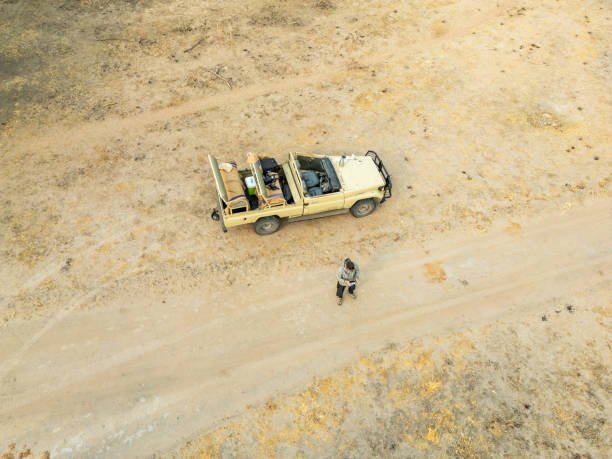
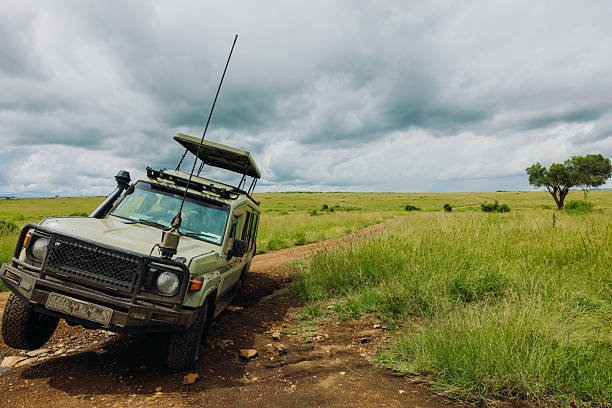
Understanding Tanzania’s Rhino Conservation Safari Landscape
When we talk about a Tanzania Rhino Conservation Safari, we’re not just referring to a standard wildlife viewing trip. This is a journey with a purpose, one that aims to showcase the remarkable efforts being made to protect some of Africa’s most vulnerable creatures – the rhinoceros. For travelers planning their adventures in 2026-2027, understanding the nuances of rhino conservation in Tanzania is key to selecting the right experience. These safaris are designed to offer exceptional viewing opportunities while ensuring minimal impact on the rhinos and their environment, often involving specialized guides and itineraries that prioritize safety and conservation ethics.
Tanzania is home to two of the world’s five rhino species: the black rhino (Diceros bicornis) and the southern white rhino (Ceratotherium simum simum). While white rhinos are more numerous globally, both species in Tanzania face significant threats, primarily from poaching. This has led to intensive conservation initiatives, making dedicated rhino safaris not only thrilling but also a meaningful way to support ongoing protection efforts. Your choice of a private wildlife package can significantly influence the quality of your experience and the direct impact you have on conservation through responsible tourism.
The Significance of Rhino Conservation in Tanzania
The story of rhino conservation in Tanzania is one of resilience and dedicated effort. Historically, rhinos roamed widely across the country. However, rampant poaching in the latter half of the 20th century decimated their populations. Today, thanks to concerted conservation strategies, including anti-poaching patrols, habitat management, and translocations to safer areas, numbers are slowly but steadily increasing in protected zones. These efforts are crucial for the long-term survival of rhinos in the wild. A Tanzania Rhino Conservation Safari directly supports these initiatives by funding conservation bodies and employing local guides and rangers who are at the forefront of protection work. By choosing a private wildlife package in 2026-2027, you are contributing to a sustainable model of tourism that values wildlife preservation.
The black rhino, in particular, is listed as critically endangered. Seeing one in the wild is a rare and profound privilege. Tanzania’s commitment to protecting these animals is evident in the resources allocated to national parks and conservation areas. Your safari journey can become a powerful testament to these conservation successes, offering a chance to witness these magnificent animals thrive in protected environments.
Why Choose a Private Wildlife Package for Rhino Viewing?
Opting for a private wildlife package for your Tanzania Rhino Conservation Safari offers distinct advantages, especially when rhino viewing is a priority. Private tours allow for greater flexibility in itinerary planning. This means your guide can spend more time in known rhino habitats, wait patiently for sightings, and adjust the schedule based on animal movements or your specific interests, all without the constraints of a group’s fixed agenda. This personalized approach significantly increases your chances of a successful and unhurried rhino encounter.
Furthermore, private safaris often mean smaller, more intimate groups (sometimes just your party), leading to a less intrusive experience for the wildlife. This is paramount when observing sensitive species like rhinos. You’ll have dedicated attention from your guide, who can provide in-depth information about rhino behavior, conservation challenges, and the specific reserve’s ecology. For travelers in 2026-2027 seeking a focused and impactful wildlife experience, a private package is often the most rewarding choice. It ensures that your safari is tailored to maximize your rhino viewing opportunities while adhering to the highest standards of ethical wildlife tourism.
Key Destinations for Rhino Conservation Safaris in Tanzania
When planning your Tanzania Rhino Conservation Safari, identifying the best locations is crucial. While rhinos can be elusive, certain areas are managed specifically for their protection and offer the highest probability of sightings. These destinations are often the result of intensive conservation programs that have successfully established safe havens for rhino populations.
Ngorongoro Conservation Area: A Rhino Sanctuary
The Ngorongoro Conservation Area (NCA) is arguably the most famous and reliable destination for spotting black rhinos in Tanzania. The caldera floor, a vast, collapsed volcanic crater, provides a unique and self-contained ecosystem that supports a high density of wildlife, including a healthy population of black rhinos. The conservation efforts here have been remarkably successful, making it a prime location for dedicated rhino viewing.
Within the NCA, rangers and researchers actively monitor rhino movements and health. Your private wildlife package can be tailored to spend significant time within the crater, with guides who are knowledgeable about rhino territories and habits. While sightings are not guaranteed (rhinos are still wild animals), the Ngorongoro Crater offers some of the best odds in the country. Planning your visit for the 2026-2027 season, particularly during the drier months (June to October, and December to February), can enhance your experience, as wildlife tends to congregate around water sources and the vegetation is less dense, improving visibility.
It’s important to note that the NCA is a multiple-use area, meaning Maasai communities also live within its boundaries. This adds a unique cultural dimension to your safari but also means that conservation and human activities are managed in parallel. When booking a Tanzania Rhino Conservation Safari here, ensure your operator emphasizes responsible tourism practices that respect both the wildlife and the local communities.
Other Protected Areas and Conservation Projects
Beyond the Ngorongoro Crater, other areas in Tanzania are vital for rhino conservation, though sightings might be less frequent or require more specialized expeditions. These include:
- Serengeti National Park: While more famous for its wildebeest migration and big cats, the Serengeti does host a population of black rhinos, particularly in the northern and western sectors. However, spotting them here is considered a significant bonus rather than a primary objective for most safaris. Dedicated rhino conservation tours might focus on specific, less-visited areas within the park where rhinos are known to range.
- Mkomazi National Park: This park is a critical stronghold for rhino conservation in Tanzania, hosting a significant population of both black rhinos and the endangered African wild dog. Mkomazi is managed by the George Adamson Wildlife Preservation Trust and the Tanzania National Parks Authority (TANAPA), with a strong focus on anti-poaching and habitat restoration. A safari here offers a deep look at conservation work. It’s a more remote destination, and visiting requires a commitment to its specific conservation goals.
- Saadani National Park: Located on the coast, Saadani is unique as it’s the only wildlife sanctuary in Tanzania that borders the Indian Ocean. While not historically a prime rhino territory, conservation efforts are underway to potentially reintroduce or support rhino populations in suitable areas within the park. Its main draw remains the blend of wildlife and coastal beauty, but it’s worth inquiring about current rhino conservation initiatives if you’re interested in supporting emerging programs.
For travelers planning a Tanzania Rhino Conservation Safari in 2026-2027, engaging with tour operators who have strong partnerships with conservation organizations in these areas is highly recommended. They can often arrange visits to conservation centers or introduce you to rangers involved in rhino protection, adding an educational and impactful layer to your private wildlife package.
Planning Your Tanzania Rhino Conservation Safari: Practicalities for 2026-2027
Successful planning for a Tanzania Rhino Conservation Safari involves more than just booking a flight. It requires careful consideration of timing, logistics, and selecting the right partners to ensure a meaningful and responsible experience. For trips planned for 2026-2027, early booking is advisable, especially for private packages, to secure preferred accommodations and guides.
Best Time to Travel for Rhino Sightings
Rhinos are generally present year-round in their protected habitats. However, certain periods offer better viewing conditions. The dry seasons in Tanzania, typically from June to October and again from December to February, are often considered optimal for wildlife viewing, including rhinos. During these months:
- Reduced Vegetation Density: The dry grass is shorter, making it easier to spot animals, including rhinos, which can otherwise blend into dense bush.
- Waterhole Concentration: As natural water sources diminish, wildlife, including rhinos, tends to congregate around remaining waterholes, increasing sighting opportunities.
- More Accessible Roads: Safari tracks are generally in better condition during the dry season, allowing for smoother travel and access to more remote areas within conservation zones.
The green season (November and March to May) offers lush landscapes and fewer crowds, which can be appealing. However, visibility might be reduced due to thicker vegetation, and some roads can become challenging to navigate. For a dedicated Tanzania Rhino Conservation Safari, especially with a private wildlife package, coordinating with your tour operator on the specific microclimates and animal movements within your chosen destinations for 2026-2027 will be beneficial.
Choosing the Right Safari Operator
The operator you choose for your Tanzania Rhino Conservation Safari is critical. Look for companies that:
- Demonstrate a Commitment to Conservation: Do they partner with local conservation organizations? Do they contribute a portion of their profits to rhino protection efforts? Do they adhere to strict ethical wildlife viewing guidelines?
- Specialize in Private Safaris: Ensure they have a strong track record in designing and executing customized private wildlife packages.
- Employ Experienced Guides: Guides knowledgeable about rhino behavior, tracking, and conservation issues are invaluable.
- Offer Transparency: Clear communication about what’s included, exclusion, and the itinerary is essential.
Climb 4 Africa is a Tanzania-based company with deep local knowledge and a commitment to responsible tourism. They specialize in crafting tailor-made safaris, including those focused on conservation. When planning your 2026-2027 safari, discussing your specific interest in rhino conservation with them can lead to a highly personalized and impactful itinerary. Contact them via WhatsApp +255 747 477 898 or Email climb4africa@gmail.com to explore options.
Itinerary Considerations for Rhino Safaris
A typical Tanzania Rhino Conservation Safari might range from 5 to 10 days, depending on how many locations you wish to visit and the depth of experience desired. For a private wildlife package focused on rhinos, consider:
- Dedicated time in Ngorongoro Crater: Allocate at least one full day, preferably two, for exploring the crater floor.
- Inclusion of Mkomazi National Park: If deep conservation engagement is a priority, Mkomazi offers a unique perspective and excellent chances for seeing rhinos in a dedicated sanctuary. This might require adding 2-3 extra days.
- Flexibility for Tracking: Private safaris allow guides to spend time tracking rhinos if initial sightings are fleeting, or to revisit areas where rhinos have recently been seen.
- Accommodation Choices: Options range from luxury lodges within or near conservation areas to comfortable tented camps, offering different levels of immersion and privacy.
When booking your 2026-2027 safari, work with your operator to design an itinerary that balances rhino viewing with experiencing the broader biodiversity of Tanzania, ensuring a well-rounded adventure.
Important Note on Rhino Sightings
While Ngorongoro Crater offers the best chances, rhinos are still wild and their movements are unpredictable. No safari can guarantee a sighting. A responsible Tanzania Rhino Conservation Safari prioritizes the animals’ welfare over a guaranteed sighting. Guides will use their expertise to maximize opportunities, but patience and respect for the animals’ space are paramount. Your private wildlife package should reflect this understanding.
Ethical Wildlife Viewing and Conservation Contributions
A core aspect of a meaningful Tanzania Rhino Conservation Safari is ensuring that your presence contributes positively to conservation efforts and that your viewing practices are ethical. This is particularly important for endangered species like rhinos, which are sensitive to human disturbance.
Responsible Rhino Viewing Guidelines
When on safari, adhering to specific guidelines helps protect rhinos and their habitat:
- Maintain Distance: Always follow your guide’s instructions regarding distance. Binoculars and zoom lenses are your best friends for getting close-up views without disturbing the animals.
- Minimize Noise: Keep conversations low and avoid sudden movements or loud noises that could startle rhinos.
- No Feeding or Littering: Never feed wildlife, and ensure no waste is left behind.
- Respect Protected Areas: Stay on designated tracks. Off-roading can damage fragile ecosystems and disturb wildlife.
- Listen to Your Guide: Experienced guides are trained to read animal behavior and will ensure sightings are conducted safely and ethically.
Your private wildlife package should include briefings on these ethical practices. Operators like Climb 4 Africa are committed to these principles, ensuring your safari is both incredible and responsible for your 2026-2027 travel plans.
How Your Safari Supports Conservation
Choosing a reputable operator for your Tanzania Rhino Conservation Safari is a direct way to support conservation. Here’s how:
- Park Fees: A significant portion of the fees paid for entering national parks and conservation areas goes directly towards park management, anti-poaching units, and habitat preservation.
- Employment: Your safari creates jobs for local guides, trackers, drivers, lodge staff, and rangers, giving communities a vested interest in protecting wildlife.
- Conservation Partnerships: Many responsible tour operators collaborate with or donate to conservation organizations working on the ground to protect rhinos and other endangered species.
- Awareness and Education: By undertaking such a safari, you become an advocate for conservation, sharing your experiences and the importance of protecting these animals.
When booking your private wildlife package for 2026-2027, ask potential operators about their specific conservation contributions. Understanding this link makes your travel experience far more impactful.
Structuring Your Private Rhino Conservation Safari Itinerary (Example for 2026-2027)
Designing the perfect Tanzania Rhino Conservation Safari involves balancing iconic wildlife viewing with the specific goal of rhino encounters, all within a comfortable and flexible private setting. Here’s a conceptual itinerary that highlights key elements for a private wildlife package, suitable for planning in 2026-2027.
7-Day Private Rhino Explorer: Ngorongoro & Mkomazi Focus
Day 1: Arrival in Arusha & Safari Briefing
- Arrive at Kilimanjaro International Airport (JRO).
- Met by your private guide and transferred to your lodge in Arusha.
- Safari briefing: Discuss the itinerary, safety protocols, and conservation focus of your Tanzania Rhino Conservation Safari.
- Overnight in Arusha.
Day 2: Transfer to Ngorongoro Conservation Area
- After breakfast, drive to the Ngorongoro Conservation Area.
- Check into your lodge or tented camp on the crater rim or nearby.
- Afternoon game drive within the NCA, potentially spotting early wildlife and enjoying scenic views.
- Overnight near Ngorongoro.
Day 3: Full Day Ngorongoro Crater Exploration
- Descend into the Ngorongoro Crater for a full day of game viewing.
- Focus on locating black rhinos in their preferred habitats within the crater.
- Observe the diverse wildlife – elephants, lions, buffaloes, hippos, and numerous bird species.
- Picnic lunch served on the crater floor.
- Ascend in the late afternoon.
- Overnight near Ngorongoro.
Day 4: Ngorongoro Highlands & Transfer to Mkomazi
- Morning visit to a Maasai village (optional, if desired and arranged ethically) or a final short game drive in the NCA.
- Begin the scenic drive towards Mkomazi National Park. This is a longer travel day, highlighting the vastness of Tanzania.
- Arrive at Mkomazi and check into your accommodation, likely a park-managed lodge or a comfortable tented camp.
- Overnight in Mkomazi.
Day 5: Mkomazi National Park – Rhino Sanctuary Focus
- Full day dedicated to exploring Mkomazi National Park.
- Concentrate on rhino viewing within the park’s protected zones. Mkomazi is a vital sanctuary for black rhinos.
- Learn about the park’s conservation initiatives, including anti-poaching efforts and habitat management, from your guide.
- Look for other key species like African wild dogs, gerenuk, and fringe-eared oryx.
- Overnight in Mkomazi.
Day 6: Mkomazi Conservation Insights & Return to Arusha
- Early morning game drive in Mkomazi, perhaps visiting a rhino research or monitoring station if arrangements can be made through your operator.
- Begin the journey back to Arusha.
- Farewell dinner in Arusha, reflecting on your rhino conservation safari experience.
- Overnight in Arusha.
Day 7: Departure
- Depending on your flight schedule, you may have time for souvenir shopping or a visit to Arusha town.
- Transfer to Kilimanjaro International Airport (JRO) for your departure.
This itinerary is a template for a Tanzania Rhino Conservation Safari. Climb 4 Africa can customize this significantly based on your interests, available time, and budget for 2026-2027. For example, you might extend your stay in Mkomazi for deeper conservation engagement or combine it with a few days in Tarangire National Park, known for its elephant herds and diverse birdlife, which can also occasionally host rhinos.
Booking Your Tanzania Rhino Conservation Safari in 2026-2027
Securing your Tanzania Rhino Conservation Safari, especially a private wildlife package, requires thoughtful planning and choosing the right partner. The year 2026-2027 presents an excellent opportunity to experience Tanzania’s commitment to rhino conservation firsthand.
What to Discuss with Your Tour Operator
When you connect with a tour operator like Climb 4 Africa to discuss your private wildlife package for a Tanzania Rhino Conservation Safari, be sure to cover:
- Specific Rhino Conservation Focus: Clearly state your primary interest in rhinos and inquire about which parks or reserves offer the best opportunities and how the itinerary prioritizes them.
- Conservation Contributions: Ask about their direct involvement or support for rhino conservation projects in Tanzania.
- Guide Expertise: Confirm your guide’s knowledge regarding rhino behavior, tracking, and conservation efforts.
- Itinerary Flexibility: Understand how much customization is possible to maximize your chances of seeing rhinos.
- Accommodation Standards: Discuss your preferences for lodges or camps, considering their location relative to rhino habitats and their environmental practices.
- Inclusions and Exclusions: Get a clear breakdown of what your package covers (park fees, accommodation, meals, guide services, vehicle, activities) and what is not included (visas, tips, personal insurance, drinks).
- Payment Schedule and Cancellation Policy: Understand the deposit requirements, final payment dates, and terms for cancellations, especially relevant for planning far in advance for 2026-2027.
Making Your Booking with Climb 4 Africa
To begin planning your bespoke Tanzania Rhino Conservation Safari, reaching out to Climb 4 Africa is a practical first step. Their local expertise ensures that your private wildlife package is not only logistically sound but also deeply aligned with conservation values. They can help you navigate the complexities of planning a safari focused on a sensitive species like the rhino.
Contact Climb 4 Africa today to start designing your unforgettable 2026-2027 rhino conservation adventure:
- WhatsApp: +255 747 477 898
- Email: climb4africa@gmail.com
By engaging with experienced local operators, you can ensure your Tanzania Rhino Conservation Safari is a responsible, enriching, and memorable journey that actively contributes to the protection of these magnificent creatures for generations to come.
Check Availability for Tanzania Rhino Conservation Safari – Private Wildlife Packages 2026-2027
Ready to compare dates, prices, and the best option for your group? Send the package name and travel month so the team can reply with a clear quote, availability, and what is included.
Kilimanjaro And Great Migration Safari July : Your Ultimate Tanzanian
Combining a Kilimanjaro climb with a Great Migration safari in July 2027 offers a spectacular Tanzanian adventure. This guide helps you plan your ideal itinerary, considering the best...
View package details
Kilimanjaro And Grumeti Migration Safari June : The Ultimate Tanzanian
Plan your unforgettable Kilimanjaro and Grumeti Migration safari for June 2027. This comprehensive guide details how to combine the challenge of summiting Africa's highest peak with the...
View package details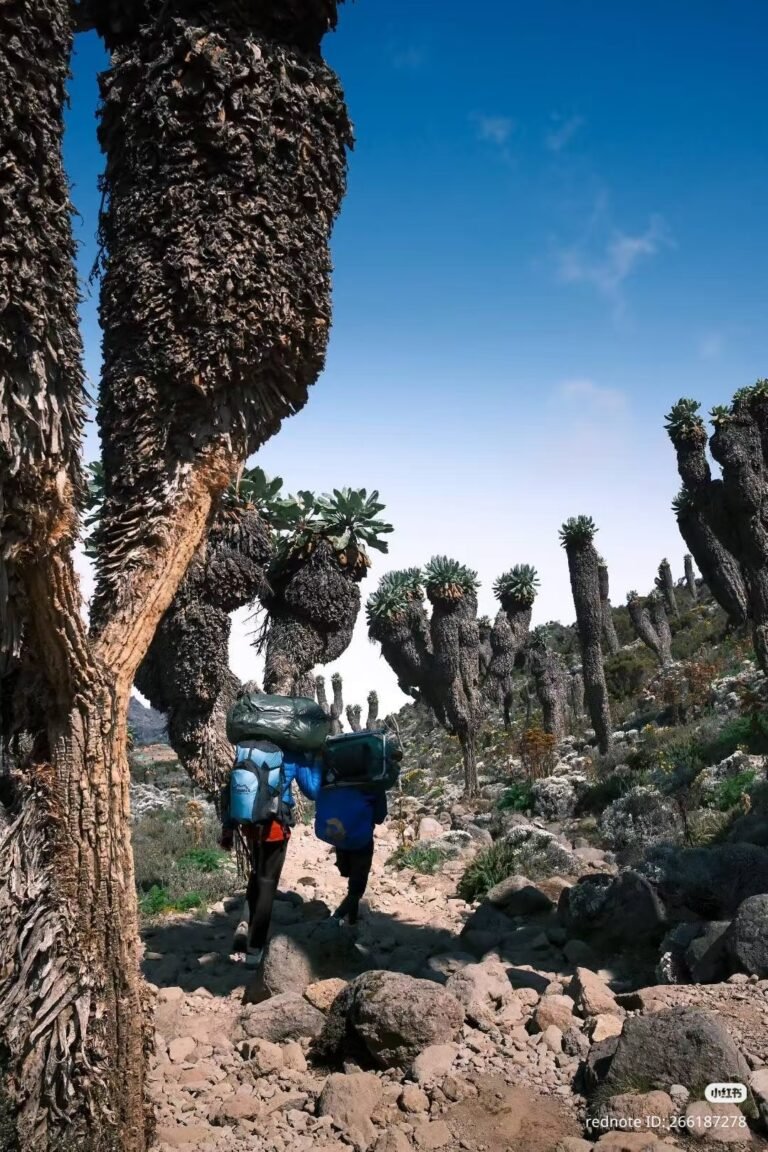
Kilimanjaro Christmas Climb And Tanzania Safari : Your Festive Adventure
Combine the magic of a Christmas ascent of Kilimanjaro with a thrilling Tanzania safari in 2026. Discover how to plan this dual adventure for a truly unique festive season.
View package detailsKilimanjaro And Mara River Crossing Safari August : Peak Season Adventure 2027
Combining the ultimate challenge of climbing Mount Kilimanjaro with the awe-inspiring spectacle of the Great Migration river crossing in the Maasai Mara offers an unparalleled African...
View package details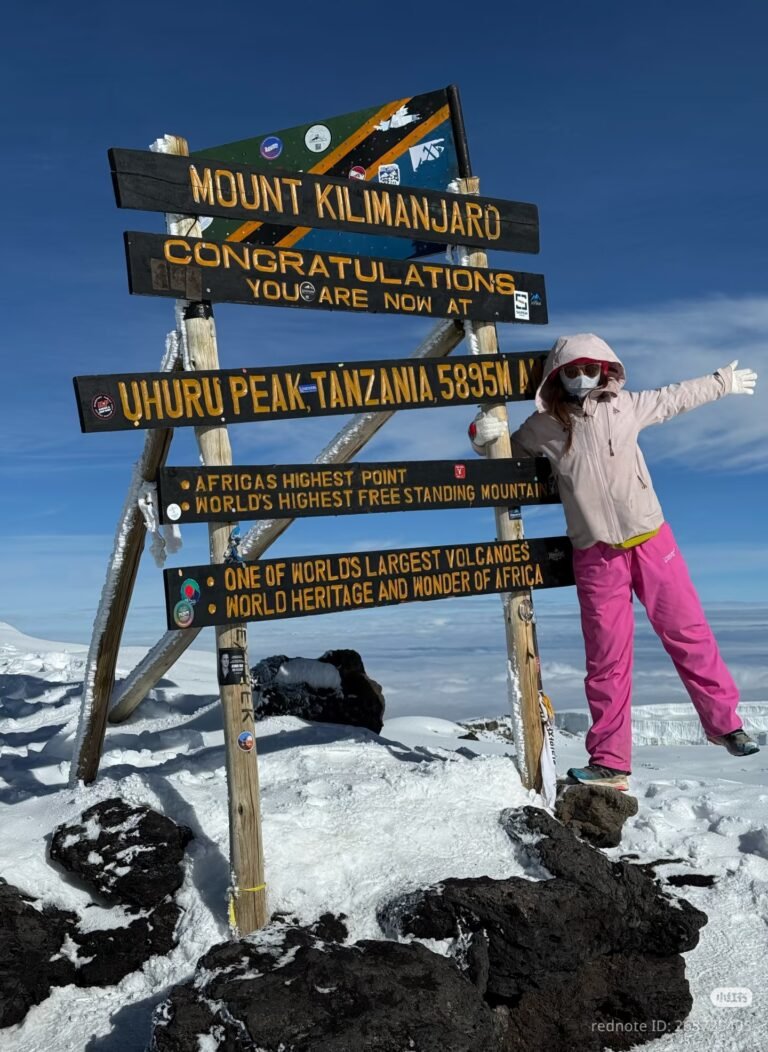
Kilimanjaro And Great Migration Safari August : Your Peak Season Adventure
Plan your ultimate Tanzanian adventure in August 2027, combining a Kilimanjaro climb with the spectacle of the Great Migration. This guide details the best timings, routes, and safari...
View package detailsKilimanjaro And Mara River Crossing Safari July 2027
Kilimanjaro and Mara River Crossing Safari July 2027 is explained with current 2027 planning, price, itinerary and booking information.
View package details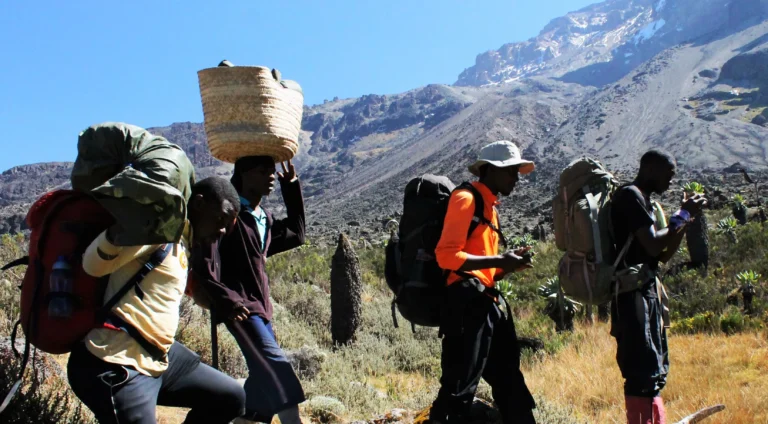
Best Kilimanjaro And Serengeti Calving Season Safari March 2027
Discover the magic of a March 2027 Kilimanjaro and Serengeti calving season safari. This guide explores the unique advantages and considerations for experiencing Tanzania's wildlife...
View package details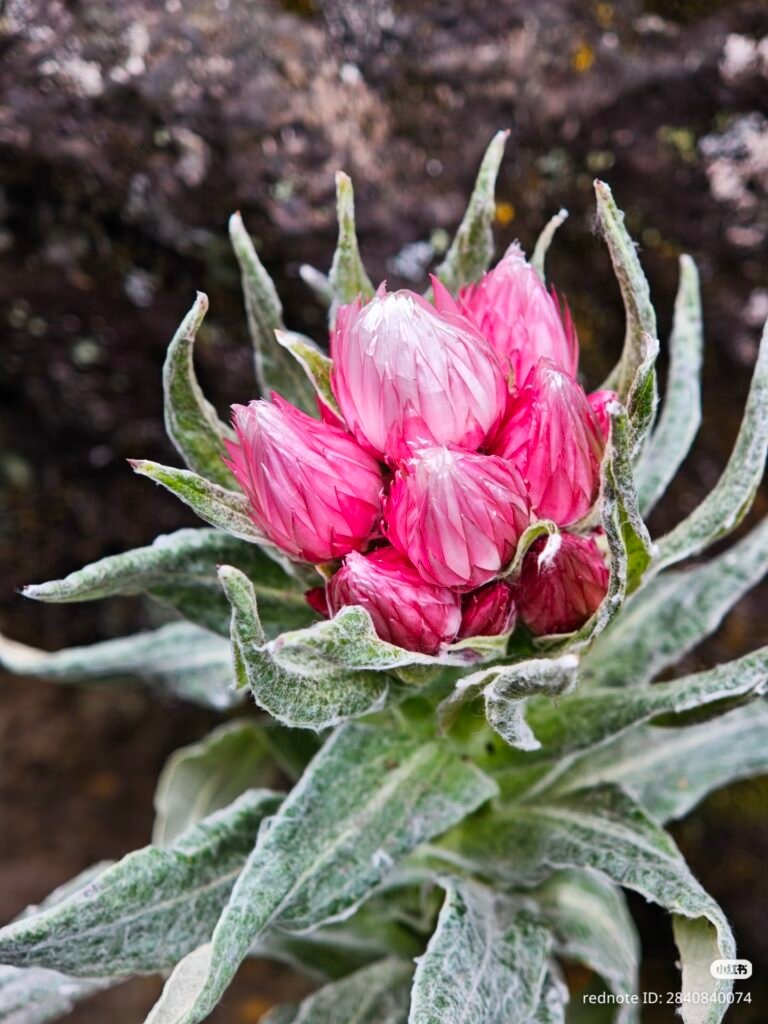
Kilimanjaro And Serengeti Calving Safari February : The Ultimate Planning
Combine the majesty of Mount Kilimanjaro with the impressive spectacle of the Serengeti's calving season in February 2027. This guide details how to plan this dual adventure, focusing on...
View package details
Kilimanjaro And Serengeti Calving Safari January 2026-2027
Kilimanjaro and Serengeti Calving Safari January 2027 is explained with current 2026-2027 planning, price, itinerary and booking information.
View package detailsNo related package matches those filters. Clear one or more filters to see the other topic-matched options.



