
Mahale chimpanzee trekking fees primarily consist of the national park entry fees, chimpanzee trekking permits, and the daily guiding fees. For 2026-2027, expect to pay approximately $100 per person per day for park entry and around $200 per person for a chimpanzee trekking permit, though these figures can fluctuate. The total safari cost to Mahale will depend heavily on your accommodation choices, safari duration, transportation method (flight vs. boat), and the overall itinerary, but a comprehensive safari package typically ranges from $400 to $1000+ per person per day, excluding international flights.
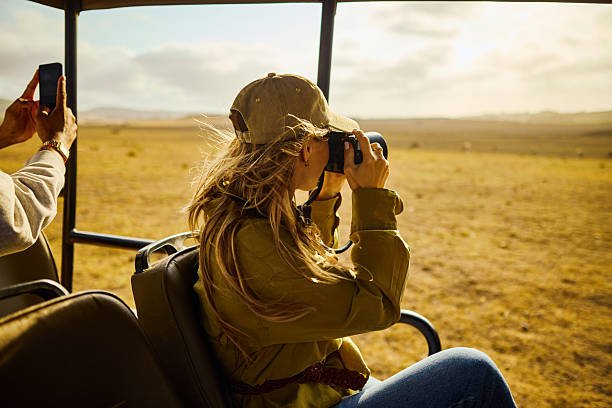

Mahale Chimpanzee Trekking & Safari Cost: Your Planning Guide
- Understanding the Core Mahale Fees
- Mahale National Park Entry & Chimpanzee Permits: The Essentials
- Accommodation Options and Their Impact on Your Budget
- Getting to Mahale: Flights vs. Boats and Associated Costs
- Calculating Your Total Mahale Safari Cost for 2026-2027
- Key Factors Influencing Your Mahale Safari Budget
- Booking Your Mahale Safari: What to Confirm
Understanding the Core Mahale Fees
When you’re planning a trip to see Tanzania’s incredible chimpanzees in Mahale Mountains National Park, the first thing that often comes to mind is the cost. It’s not a simple figure, as several components make up the overall expense. Unlike more accessible parks, Mahale is remote, and this remoteness directly influences its pricing structure. You’re not just paying for the privilege of seeing chimpanzees; you’re paying for the conservation of their habitat, the management of the park, and the logistical challenges of operating in such a pristine, wild area. For travelers looking at 2026 or 2027, understanding these fees is crucial for accurate budgeting and realistic expectations. The primary components are the daily park entry fees and the specific chimpanzee trekking permits. These are non-negotiable costs set by the Tanzanian government and park authorities. Beyond these, your total safari cost will expand significantly with accommodation, internal travel, and the services of your tour operator.
It’s important to distinguish between the ‘trekking fees’ and the ‘total safari cost’. The former refers to the direct charges for entering the park and participating in the chimpanzee tracking activity. The latter encompasses everything from your arrival in Tanzania to your departure, including all internal logistics, accommodation, meals, guides, and operator fees. Because Mahale is so exclusive and requires significant travel time, the ‘total safari cost’ often feels higher than for more common safari destinations. However, this exclusivity is also part of its immense appeal, offering an unparalleled, intimate wildlife experience.
Mahale National Park Entry & Chimpanzee Permits: The Essentials
Let’s break down the essential fees that form the bedrock of your Mahale Mountains National Park experience. These are the amounts you’ll directly pay or that will be paid on your behalf to access the park and its star inhabitants, the chimpanzees. These fees are subject to change, so always confirm the latest rates for your planned travel year, whether it’s 2026 or 2027.
Mahale Mountains National Park Entry Fees:
This is a daily fee charged per person for entering the park. It contributes to the overall maintenance, conservation efforts, and management of Mahale Mountains National Park. For international visitors, this fee has historically been around $100 per person, per day. This rate is standard for many of Tanzania’s premium national parks. If you plan a 3-day safari in Mahale, you will incur this fee for each of those three days. For longer stays, the cumulative cost can become significant. It’s vital to know exactly how many days your itinerary allocates within the park boundaries, as this will directly affect your budget. For 2026 and 2027, it’s wise to budget based on this figure, but always ask your tour operator for the most current official rates.
Chimpanzee Trekking Permits:
This is a separate, and often more substantial, fee specifically for the activity of trekking to find and observe the chimpanzees. These permits are limited and are crucial for managing the interaction between humans and the chimpanzee population, ensuring minimal disturbance. The cost for a Mahale chimpanzee trekking permit is typically around $200 per person. This permit usually allows for a set amount of time observing the chimps, often around one hour, under the strict guidance of park rangers and your local guide. The number of permits issued daily is capped to protect the chimpanzees and their environment, which is why booking well in advance, especially for peak seasons in 2026 or 2027, is essential. This permit cost is per person, regardless of age, and is a one-time fee per trek, though some itineraries might involve multiple treks if you are staying longer.
Park Ranger/Guide Fees:
While the park entry and chimpanzee permit are official government fees, you will also typically encounter fees associated with the local guides and rangers who accompany you on the trek. These fees are often bundled into your safari package by your tour operator, but it’s good to understand what they cover. These guides are indispensable; they are the experts who know the forest, the chimps’ habits, and ensure your safety. The cost might be integrated into the overall guiding services provided by your lodge or tour operator, or there might be a small daily stipend expected for the rangers. Clarify with your operator whether this is an additional outlay or included in your package price for 2026-2027.
Important Considerations for 2026-2027:
- Fee Fluctuations: Tanzanian park fees and permit costs can be adjusted annually or even more frequently by the Tanzania National Parks Authority (TANAPA). Always seek the most up-to-date figures from your chosen tour operator.
- Operator Inclusion: Most reputable tour operators will include these mandatory fees in their quoted safari packages. However, it’s critical to have this explicitly stated in your itinerary and booking confirmation to avoid surprises.
- Permit Availability: Due to the limited number of chimpanzee permits, booking your Mahale safari well in advance for 2026 and 2027 is highly recommended, especially if you are traveling during the dry seasons (June to October) which are popular for wildlife viewing.
Accommodation Options and Their Impact on Your Budget
The choice of accommodation in and around Mahale Mountains National Park is arguably the single biggest variable influencing your total safari cost. Mahale’s remote location means that lodging options are limited and, by necessity, tend to be on the higher end of the price spectrum. These lodges are often designed to blend with the environment, offering a unique and in-depth experience, but this comes at a price. Understanding the different tiers available will help you tailor your 2026-2027 safari budget effectively.
Luxury Lodges:
These are the premier options, offering unparalleled comfort, service, and exclusivity. Expect beautifully appointed bandas (cabins) or rooms, often with en-suite bathrooms, private verandas with stunning lake or forest views, and high-quality furnishings. Dining is typically a gourmet affair, with multi-course meals prepared using fresh, often local, ingredients. Services often include dedicated hosts, guided walks, and smooth transfers. Lodges in this category, such as Greystoke Mahale, are renowned for their exceptional standards. Prices for luxury lodges in Mahale can range from $700 to $1,500+ per person per night, and this usually includes all meals, drinks (often local alcoholic beverages too), park fees (sometimes, though check this carefully), and guided activities within the lodge’s concession or the park.
Mid-Range / Comfortable Lodges:
While ‘mid-range’ in Mahale is still a premium experience compared to other safari destinations, there are options that offer excellent comfort and service at a slightly more accessible price point. These lodges still provide comfortable accommodation, usually with en-suite facilities, good food, and experienced guiding. They might have fewer private amenities than the top-tier luxury lodges or a slightly less extensive menu. For 2026-2027, you might find options in the range of $400 to $700 per person per night. These rates typically include meals, park fees, and some activities. It’s crucial to clarify exactly what is included, as sometimes park fees might be separate.
Budget Considerations (Limited in Mahale):
True budget accommodation in Mahale is extremely rare, if it exists at all in a way that aligns with typical safari expectations. The remoteness and logistical challenges make it difficult to offer very low-cost options. Basic tented camps or very simple bandas might exist, but they are unlikely to significantly reduce the overall cost of a Mahale trip because the biggest expense remains getting there and the park fees. If you are seeking a more budget-friendly Tanzanian wildlife experience, other parks might be more suitable. However, for those committed to Mahale, focusing on package deals that might offer slightly better value or traveling in the shoulder seasons can help manage costs.
What’s Usually Included in Accommodation Rates:
- Accommodation: Your room or banda.
- Meals: Typically all meals (breakfast, lunch, dinner).
- Drinks: Often includes house wines, local beers, soft drinks, and water. Premium spirits might be extra.
- Park Fees: Some lodges include the daily park entry fees in their rates, while others list them separately. This is a critical point to confirm.
- Activities: Guided activities offered by the lodge, such as boat trips on Lake Tanganyika, guided walks (outside the core chimpanzee trek), and cultural visits.
- Transfers: Sometimes includes transfers to/from the nearest airstrip.
When budgeting for 2026 or 2027, ask your tour operator to provide a clear breakdown of what your chosen lodge’s nightly rate covers. This transparency is key to avoiding unexpected expenses.
Getting to Mahale: Flights vs. Boats and Associated Costs
Reaching Mahale Mountains National Park is an adventure in itself, and the method you choose will significantly impact both your travel time and your overall safari cost. Due to its remote location on the shores of Lake Tanganyika, there are no direct roads suitable for standard safari vehicles from major hubs like Arusha or Dar es Salaam. The primary ways to access Mahale are via small aircraft or a combination of boat and land transfer.
Scheduled Bush Flights:
This is the most common and convenient way for tourists to reach Mahale. Small charter or scheduled bush flights operate from major Tanzanian airports such as Dar es Salaam (DAR), Arusha (ARK), or Kilimanjaro International Airport (JRO), often with a stopover in Kigoma. These flights typically land at the airstrip near the park, from where you will be transferred to your lodge, often by boat across Lake Tanganyika. The flight duration can vary, but expect around 1.5 to 3 hours depending on the departure point and any intermediate stops. The cost of these flights is a substantial part of the Mahale safari budget. For 2026-2027, expect round-trip bush flights from Dar es Salaam or Arusha to Mahale to cost approximately $500 to $800 per person. These flights are usually booked by your tour operator as part of your package. The luggage allowance on these small aircraft is also strictly limited, typically to 15-20 kg per person in soft-sided bags.
Boat Travel:
For a more adventurous, and potentially slightly less expensive, but significantly more time-consuming option, you can travel to Mahale by boat. This typically involves flying to Kigoma (a larger town on the eastern shore of Lake Tanganyika) and then taking a boat to your lodge in Mahale. The boat journey from Kigoma to Mahale can take anywhere from 4 to 7 hours, depending on the type of boat and lake conditions. While this might save a bit on the flight cost compared to flying directly to Mahale’s airstrip, the time commitment is considerable. A private boat charter from Kigoma could cost upwards of $400-$600 for a one-way trip, which can be shared among a group. Public boat services might be cheaper but are less reliable and comfortable for tourists. This option is best suited for travelers who have ample time and want to experience the local life along the lake.
Land Transfers:
Within Mahale itself, especially for transfers between the airstrip and lodges located on the lake shore, boat transfers are the norm. If you fly into Kigoma and opt for a road transfer to the nearest point for a boat, you’ll be using 4×4 vehicles, which will add to the cost if not part of a pre-arranged package. However, for the primary access to the park itself, air and boat are the dominant methods.
Cost Breakdown Summary for Transportation:
- Scheduled Bush Flights (Round Trip): $500 – $800 per person (most common, recommended for time efficiency).
- Flight to Kigoma + Private Boat Transfer: Variable, but potentially a saving over direct flights if sharing costs. Boat can be $400-$600+ one way.
- Public Boat from Kigoma: Cheaper but less comfortable and time-consuming.
When planning your 2026 or 2027 safari, discuss these transportation options with your tour operator. They can advise on the best balance of cost, time, and comfort for your specific needs. Remember to factor in luggage restrictions for flights.
Calculating Your Total Mahale Safari Cost for 2026-2027
Now that we’ve examined the individual components, let’s put it all together to estimate the total cost of a Mahale chimpanzee safari for 2026-2027. It’s crucial to understand that Mahale is a premium destination, and its costs reflect its exclusivity, remoteness, and the conservation efforts required. A ‘budget’ Mahale safari is a relative term; it will still be more expensive than many other Tanzanian safari experiences.
Typical Cost Ranges Per Person (Excluding International Flights):
These figures are estimates for 2026-2027 and can vary based on the lodge chosen, the duration of your stay, and the specific inclusions of your tour package.
- Mid-Range Safari: For a 5-day/4-night safari, including comfortable accommodation, park fees, chimpanzee permits, internal flights, meals, and guiding, you might expect to budget between $2,500 and $4,500 per person. This breaks down to roughly $500 to $900 per person per day.
- Luxury Safari: For a similar duration but staying at a top-tier lodge with premium services, the cost can range from $4,000 to $7,000+ per person. This equates to approximately $800 to $1,400+ per person per day.
What’s Typically Included in a Total Safari Package:
A well-structured safari package from a reputable operator like Climb 4 Africa should cover most of your in-country expenses:
- Accommodation: All nights as per your itinerary.
- Meals: All meals (breakfast, lunch, dinner) and often drinks at the lodge.
- Park Fees: Daily Mahale Mountains National Park entry fees.
- Chimpanzee Permits: The necessary permits for trekking.
- Internal Flights: Round-trip bush flights to Mahale’s airstrip.
- Transfers: Airport transfers in Dar es Salaam/Arusha and boat transfers to/from the airstrip and lodge.
- Activities: Guided chimpanzee treks, guided walks, and boat excursions as offered by the lodge.
- Professional Guiding: Services of experienced local guides and park rangers.
- Emergency Support: Medical evacuation insurance (often included).
What’s Typically Excluded:
- International Flights: Flights to and from Tanzania.
- Visa Fees: For Tanzania.
- Travel Insurance: Comprehensive travel and medical insurance.
- Gratuities: For guides, lodge staff, and porters.
- Personal Expenses: Souvenirs, laundry, alcoholic beverages not specified as included, and any other personal items.
- Vaccinations and Medications: Costs associated with health preparations.
Example Itinerary Costing (Hypothetical 5 Days / 4 Nights):
Let’s illustrate with a mid-range estimate for 2026:
- Internal Flights (Round Trip): $650
- Accommodation (4 nights @ $600/night): $2,400
- Park Fees (4 days @ $100/day): $400
- Chimpanzee Permit: $200
- Lodge Activities & Transfers: Often included in lodge rate, but budget $100 for extras.
- Tour Operator’s Service Fee & Planning: This varies, but could add 15-25% to the direct costs. Let’s estimate $800.
- Total Estimated Cost Per Person: Approximately $4,550.
This example highlights how the costs quickly add up. It underscores the importance of booking a comprehensive package where these elements are managed efficiently. For 2027, expect potential minor increases due to inflation and currency exchange rates.
Key Factors Influencing Your Mahale Safari Budget
Beyond the core fees and accommodation choices, several other factors can significantly influence the total cost of your Mahale chimpanzee trekking safari for 2026-2027. Understanding these will help you make informed decisions and potentially optimize your budget.
Duration of Stay:
This is straightforward: the longer you stay, the more you pay. However, consider that Mahale requires significant travel time to reach. Rushing your trip might mean spending more per day on travel logistics than on the experience itself. A typical Mahale safari lasts between 3 to 5 days within the park itself. Adding days allows for more relaxed chimpanzee tracking, exploring the lake, and enjoying the lodge’s amenities. A 3-day trip might cost less overall but could feel rushed. A 5-day trip offers a more balanced experience but increases the total expenditure.
Time of Year (Seasonality):
While Mahale is a year-round destination, there are peak and shoulder seasons that can affect pricing and availability. The dry season (June to October) is generally considered the best time for chimpanzee viewing and general safari activities, as the chimps are more likely to descend to lower altitudes and the weather is pleasant. This period often sees higher demand, and some lodges might have slightly higher rates or require earlier bookings for 2026-2027. The wet season (November to May) can offer lower prices and fewer crowds, but the forest can be denser, making treks more challenging, and the lake can be choppier, affecting boat transfers.
Type of Tour (Private vs. Group):
While Mahale does not typically offer large group departures in the same way as Serengeti or Kilimanjaro treks, the distinction between a private safari and a shared experience (often with other lodge guests) is relevant. A fully private safari, where you have dedicated vehicles, guides, and potentially exclusive use of a lodge or section, will always be more expensive. Most Mahale packages are designed around lodge stays, where activities like treks and boat trips are shared with other guests staying at the same lodge. If you are traveling as a solo traveler or a couple, the cost per person for internal flights and permits will remain the same, but your accommodation rate might be based on double occupancy. Single supplements can apply and can increase the per-person cost significantly.
Inclusions in the Package:
As detailed earlier, the exact inclusions of your safari package are paramount. Does the quoted price include park fees? Drinks? Laundry? Tips? A comprehensive package managed by a tour operator like Climb 4 Africa often provides better value and peace of mind by bundling these costs. A package that looks cheaper might have significant exclusions, leading to a higher final bill.
Choice of Lodge:
This is the most significant cost driver. The difference between a luxury lodge like Greystoke Mahale and a more modest, though still comfortable, option can be hundreds of dollars per night. For 2026-2027, research different lodges and their offerings to find one that matches your comfort level and budget. Remember that even the ‘less expensive’ lodges in Mahale are generally high-end.
Transfer Method:
Opting for the longer boat journey from Kigoma instead of a direct flight to Mahale airstrip can reduce costs, but this trade-off involves a significant amount of travel time. For most travelers aiming for efficiency and comfort, the bush flight is the preferred, albeit more expensive, option.
Negotiating/Package Deals:
While direct negotiation on park fees and permits is impossible, working with a seasoned tour operator can help. They have established relationships with lodges and airlines, which can sometimes translate into better rates or value-added inclusions. Booking a multi-destination safari that includes Mahale along with other Tanzanian highlights might also offer better overall value than booking Mahale as a standalone trip.
Booking Your Mahale Safari: What to Confirm
Securing your Mahale chimpanzee trekking adventure for 2026 or 2027 requires careful planning and clear communication with your chosen tour operator. Given the specialized nature of Mahale and the limited availability of permits and prime accommodation, early booking is not just recommended – it’s essential. Here’s what you absolutely must confirm before finalizing your booking.
Confirm Exact Dates and Availability:
Mahale’s lodges have limited capacity, and chimpanzee permits are issued daily. Your desired travel dates for 2026 or 2027 must align with lodge availability and permit allocations. Work with your operator to identify specific dates and secure bookings as early as possible, ideally 6-12 months in advance for popular periods.
Detailed Itinerary Breakdown:
Request a day-by-day itinerary that clearly outlines:
- Accommodation: Specific lodge name and room/banda type.
- Meals: Which meals are included each day.
- Activities: What guided activities are planned (e.g., chimpanzee trek, boat trip).
- Transfers: All transfer details, including flight schedules and boat transfers.
- Park Fees and Permits: Explicit confirmation that these are included in the package price.
Inclusions and Exclusions List:
This is non-negotiable. A clear list detailing what is covered (e.g., park entry fees, chimpanzee permits, internal flights, meals, drinks, guided activities) and what is not (e.g., international flights, visa, insurance, tips, personal expenses) prevents misunderstandings and unexpected costs for your 2026-2027 trip.
Payment Schedule and Terms:
Understand the deposit requirements, payment deadlines, and cancellation policies. Reputable operators will have clear terms and conditions. Typically, a deposit of 20-50% is required at booking, with the balance due 60-90 days before departure.
Permit Confirmation Process:
Ask your operator how they secure your chimpanzee permits. Since these are limited, confirm that they have a system in place to obtain them for your specific dates well in advance. This is a critical part of booking a Mahale safari.
Insurance Requirements:
While not always a direct booking requirement, most operators will strongly recommend or require comprehensive travel insurance that covers medical emergencies, evacuation, trip cancellation, and lost luggage. Ensure your policy is adequate for remote travel.
What to Pack Guidance:
Your operator should provide a detailed packing list tailored for Mahale, considering the climate, activities (trekking, lake), and luggage restrictions for flights. This typically includes lightweight, breathable clothing, rain gear, good hiking boots, insect repellent, sunscreen, and binoculars.
Contacting Climb 4 Africa:
For a personalized and transparent Mahale chimpanzee trekking and safari experience in 2026 or 2027, contacting Climb 4 Africa is your next step. We specialize in crafting unique Tanzanian adventures and can provide detailed, all-inclusive quotes tailored to your preferences and budget. To start planning, please reach out to us with your preferred travel dates, the number of travelers, and any specific interests you have. We can then guide you through the best accommodation options, itinerary structures, and provide a clear breakdown of all associated Mahale chimpanzee trekking fees and total safari costs.
You can connect with our travel experts via WhatsApp at +255 747 477 898 or send an email to climb4africa@gmail.com. Let us help you organize an unforgettable journey to Mahale Mountains National Park.
Check Availability for Mahale Chimpanzee Trekking Fees & Total Safari Cost 2026-2027
Ready to compare dates, prices, and the best option for your group? Send the package name and travel month so the team can reply with a clear quote, availability, and what is included.
Kilimanjaro And Great Migration Safari August : Your Peak Season Adventure
Plan your ultimate Tanzanian adventure in August 2027, combining a Kilimanjaro climb with the spectacle of the Great Migration. This guide details the best timings, routes, and safari...
View package details
Kilimanjaro And Great Migration Safari July : Your Ultimate Tanzanian
Combining a Kilimanjaro climb with a Great Migration safari in July 2027 offers a spectacular Tanzanian adventure. This guide helps you plan your ideal itinerary, considering the best...
View package details
Kilimanjaro And Serengeti Calving Safari February : The Ultimate Planning
Combine the majesty of Mount Kilimanjaro with the impressive spectacle of the Serengeti's calving season in February 2027. This guide details how to plan this dual adventure, focusing on...
View package details
Kilimanjaro Christmas Climb And Tanzania Safari : Your Festive Adventure
Combine the magic of a Christmas ascent of Kilimanjaro with a thrilling Tanzania safari in 2026. Discover how to plan this dual adventure for a truly unique festive season.
View package detailsKilimanjaro And Mara River Crossing Safari August : Peak Season Adventure 2027
Combining the ultimate challenge of climbing Mount Kilimanjaro with the awe-inspiring spectacle of the Great Migration river crossing in the Maasai Mara offers an unparalleled African...
View package detailsKilimanjaro And Mara River Crossing Safari July 2027
Kilimanjaro and Mara River Crossing Safari July 2027 is explained with current 2027 planning, price, itinerary and booking information.
View package details
Kilimanjaro And Grumeti Migration Safari June : The Ultimate Tanzanian
Plan your unforgettable Kilimanjaro and Grumeti Migration safari for June 2027. This comprehensive guide details how to combine the challenge of summiting Africa's highest peak with the...
View package details
Best Kilimanjaro And Serengeti Calving Season Safari March 2027
Discover the magic of a March 2027 Kilimanjaro and Serengeti calving season safari. This guide explores the unique advantages and considerations for experiencing Tanzania's wildlife...
View package details
Kilimanjaro And Serengeti Calving Safari January 2026-2027
Kilimanjaro and Serengeti Calving Safari January 2027 is explained with current 2026-2027 planning, price, itinerary and booking information.
View package details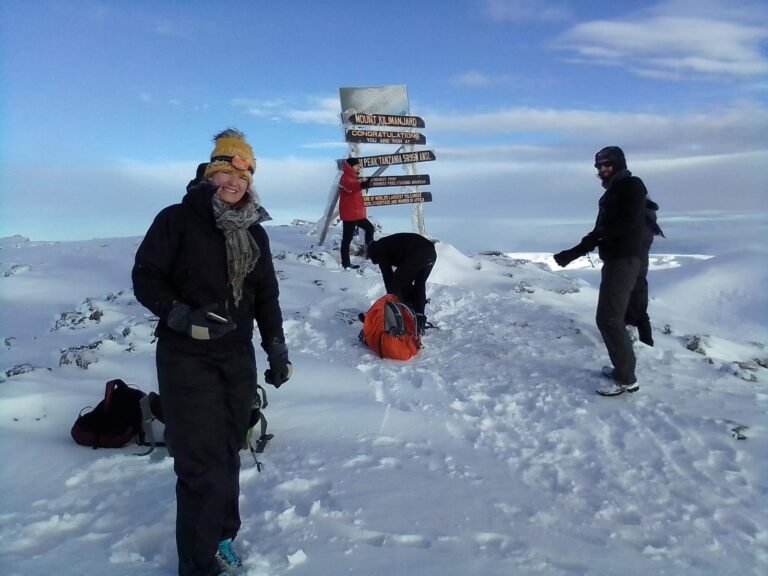
Climbing Kilimanjaro In May : Your Green Season Trekking Guide 2027
Discover the unique advantages and challenges of climbing Kilimanjaro in May 2027. This guide details everything you need to know for a successful trek during the shoulder season.
View package details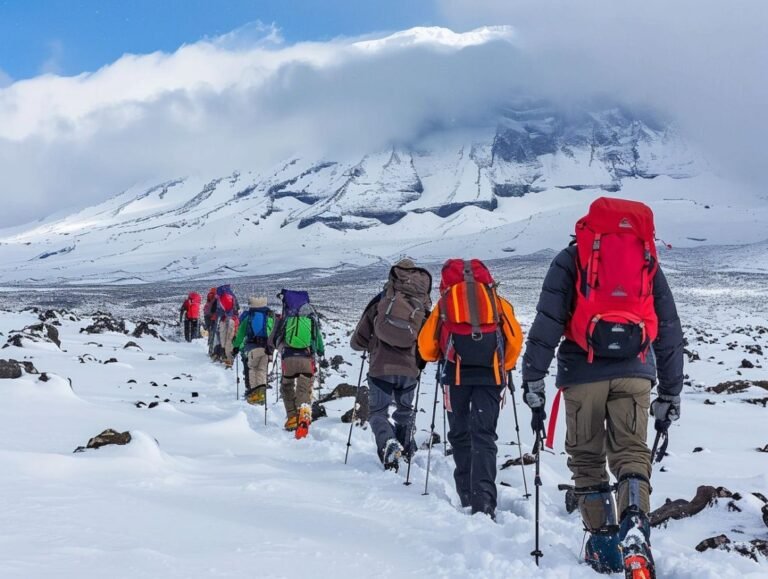
Private Kilimanjaro Climb April : Your Flexible Trekking Adventure 2027
start a personalized Kilimanjaro ascent in April 2027 with a private climb tailored for flexible travellers. Explore route options, understand the April weather, and learn how to book your...
View package detailsEaster Sunday Kilimanjaro Summit – 28 March Trekking Adventure 2027
start an extraordinary journey to the Roof of Africa by aiming for the summit of Kilimanjaro on Easter Sunday, March 28, 2027. This unique timing offers a blend of spiritual significance...
View package detailsNo related package matches those filters. Clear one or more filters to see the other topic-matched options.



