
Joining a group safari from Zanzibar to the Serengeti in 2026-2027 offers an excellent way to experience Tanzania’s legendary wildlife and diverse landscapes affordably. These shared departures typically combine the beach relaxation of Zanzibar with a classic Northern Circuit safari, hitting highlights like Tarangire, Ngorongoro Crater, and the vast Serengeti, often over 5-7 days, with costs typically ranging from $1,200 to $2,500 per person depending on accommodation style and inclusions for 2026-2027 departures.
Planning Your Group Joining Safari from Zanzibar to Serengeti for 2026-2027
The allure of Tanzania’s wildlife is undeniable, and for many, the journey begins or ends on the idyllic shores of Zanzibar. Connecting these two distinct experiences into a single, cohesive adventure is a popular choice. A group joining safari from Zanzibar to the Serengeti is designed for travelers who want to maximize their wildlife viewing while managing costs by sharing vehicle and guide expenses with other like-minded individuals. This approach makes the dream of seeing the Big Five and witnessing the Great Migration more accessible, especially when planning for the 2026-2027 travel seasons.
When considering a group joining safari from Zanzibar to Serengeti, the key lies in understanding what constitutes a ‘group joining’ trip and how it differs from private tours. Essentially, these are pre-scheduled departures where individual travelers or small parties book onto a larger itinerary, filling seats in a safari vehicle and sharing accommodation costs. This dramatically reduces the per-person price compared to chartering an entire vehicle and guide exclusively for your group.
The 2026-2027 timeframe is an excellent period to plan such a trip. Early planning allows for better availability, particularly for popular group departure dates, and can sometimes secure more favourable pricing. For those looking to witness the Great Migration, understanding the migratory patterns is crucial for selecting the best time within 2026 or 2027 to start your Serengeti adventure.
What to Expect from a Group Joining Safari from Zanzibar
A typical group joining safari from Zanzibar to the Serengeti will involve a multi-day itinerary that takes you from the coast inland to the heart of Tanzania’s premier wildlife destinations. The journey usually starts with a flight or ferry from Zanzibar to Arusha, the safari gateway town. From Arusha, you’ll typically head out to explore the Northern Circuit parks.
Key components of a group joining safari often include:
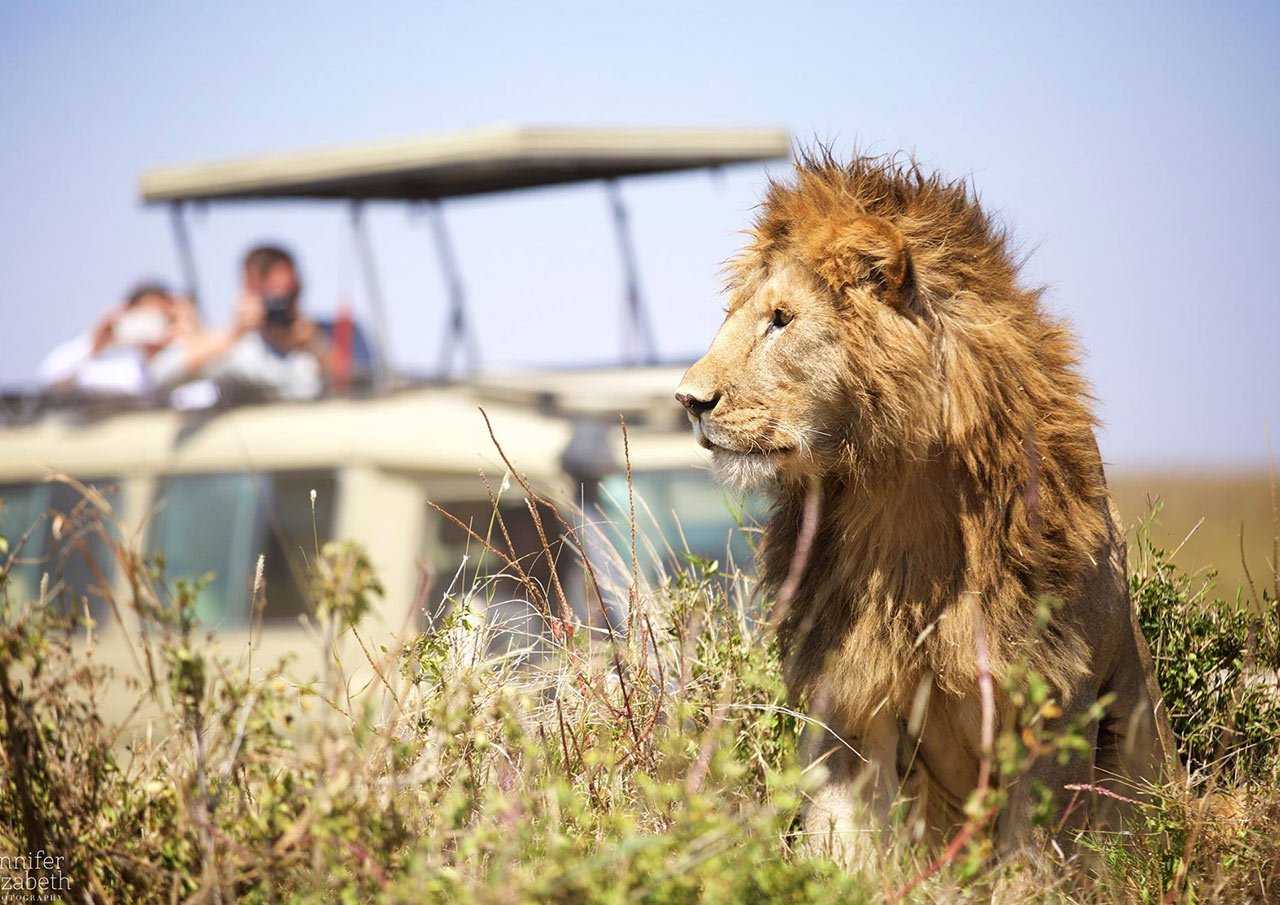
- Transportation: A 4×4 safari vehicle (usually a Land Cruiser or Land Rover) with a pop-up roof for optimal game viewing, shared among a small group of usually 4-7 passengers.
- Guide: A professional, English-speaking safari guide experienced in tracking wildlife and knowledgeable about the local ecosystems.
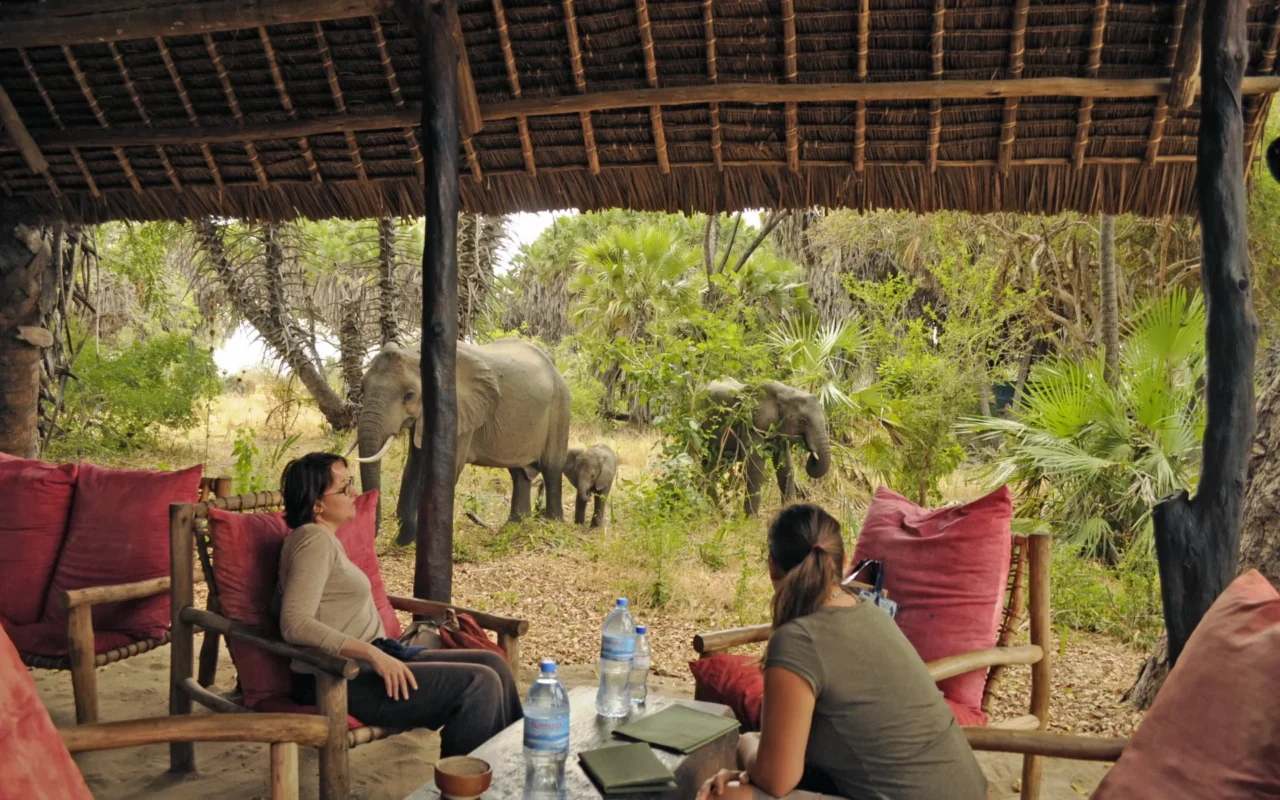
- Accommodation: A mix of lodges and tented camps, ranging from budget-friendly to mid-range or even luxury, depending on the specific package and your chosen level of comfort. Shared accommodation is common, though single supplements may apply.
- Meals: Typically includes all meals during the safari portion (breakfast, lunch, dinner), often starting with lunch on day one and ending with lunch on the final day. Drinks might be extra.
- Park Fees: Entrance fees for all national parks and conservation areas visited. These are a significant portion of the safari cost.
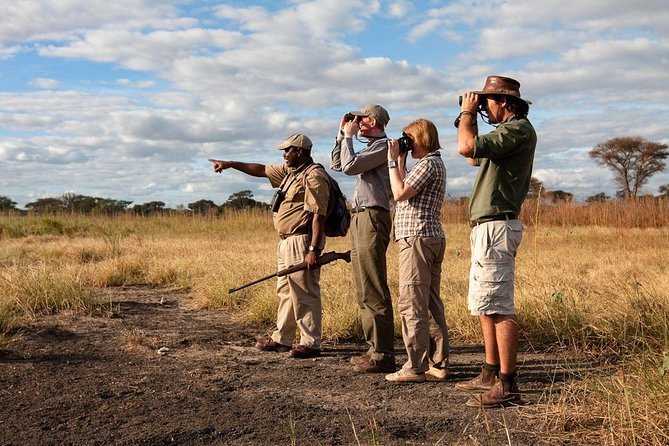
- Activities: Game drives within the parks are the primary activity. Some itineraries might include walking safaris or cultural visits, though these are less common on standard group joining trips.
The transition from Zanzibar’s serene beaches to the thrilling game drives of the Serengeti is a dramatic yet rewarding shift. Planning your group joining safari from Zanzibar to Serengeti in 2026-2027 requires careful consideration of the itinerary, the timing, and the provider. This guide aims to provide the depth of information needed to make informed decisions for your Tanzanian adventure.
Why Choose a Group Joining Safari from Zanzibar to Serengeti?
The decision to opt for a group joining safari over a private one is often driven by a combination of factors, primarily cost-effectiveness and the social aspect of sharing the experience. For travelers planning their trip for 2026 or 2027, understanding these benefits is key to choosing the right safari style.
Cost Savings for 2026-2027 Travelers
This is arguably the biggest advantage. By sharing the costs of a safari vehicle, guide, and sometimes even accommodation with other travelers, the per-person price for a group joining safari is significantly lower than that of a private safari. This makes the iconic Serengeti and other northern circuit parks accessible to a wider range of budgets. When budgeting for a 2026-2027 safari, expect group tours to be anywhere from 30-50% less expensive per person than equivalent private tours.
Social Experience and Meeting New People
For solo travelers or couples who enjoy meeting new people, a group safari provides a ready-made social environment. Sharing game drives, meals, and evening campfires with fellow adventurers from around the world can enrich the travel experience, leading to new friendships and shared memories. This aspect is particularly appealing for those venturing to Africa for the first time or traveling independently.
Fixed Itinerary and Scheduled Departures
Group joining safaris usually operate on fixed itineraries and scheduled departure dates. This simplifies the planning process for travelers. You choose a departure date that suits your schedule, and the tour operator handles the logistics. For 2026-2027 departures, having these set dates can help you coordinate flights and other travel arrangements more easily. However, it also means less flexibility in terms of route and pace compared to a private safari.
Access to Expert Guides and Vehicles
Even on a budget-friendly group tour, you still benefit from experienced local guides and well-equipped safari vehicles. Tour operators that specialize in group joining safaris invest in quality vehicles and train their guides to provide exceptional wildlife viewing opportunities and insightful commentary. This ensures that even with shared resources, the quality of the safari experience remains high.
Logistical Ease from Zanzibar
Many operators offer smooth packages that include transfers from Zanzibar (either by flight or ferry to Arusha), accommodation in Arusha before and after the safari, and the safari itself. This convenience is a major draw for those who want to combine beach relaxation with wildlife exploration without the hassle of arranging multiple separate bookings.
Navigating the Routes: Zanzibar to Serengeti via the Northern Circuit
The journey from Zanzibar to the Serengeti is not a direct road trip. It involves a transition from the island to the mainland, typically via Arusha, and then a circuit through Tanzania’s most famous national parks. Understanding this route is fundamental to planning your group joining safari from Zanzibar to Serengeti in 2026-2027.
From Zanzibar to Arusha: The Gateway
Most group joining safaris begin with your arrival in Arusha. You have two primary options to get there from Zanzibar:
- Flight: The quickest and most convenient option. Several daily flights operate between Zanzibar (ZNZ) and Arusha (ARK), taking about 1 hour. This is often included in higher-end group packages or can be booked separately.
- Ferry & Road Transfer: A more budget-friendly option. You take a ferry from Zanzibar to Dar es Salaam, then a transfer to Arusha’s airport or bus station for a bus to Arusha, or arrange a private road transfer directly from Dar es Salaam to Arusha. This journey can take 6-10 hours in total and is more time-consuming.
For most group joining safaris, especially those with limited time, the flight option is highly recommended to maximize safari time. If you are on a very tight budget for your 2026-2027 safari, consider the ferry and bus combination.
The Northern Circuit Itinerary: A Classic Path
Once in Arusha, the safari typically follows a well-trodden path through the Northern Circuit. While specific itineraries vary, a common sequence for a 5-7 day group joining safari from Zanzibar to Serengeti looks like this:
Typical 6-Day Group Safari Itinerary (Example)
- Day 1: Arusha to Tarangire National Park. After a briefing in Arusha, drive to Tarangire, known for its large elephant herds and baobab trees. Overnight in a lodge or tented camp near the park.
- Day 2: Tarangire to Lake Manyara National Park & Karatu. Morning game drive in Tarangire, then drive to Lake Manyara, famous for its tree-climbing lions and diverse birdlife. Continue to Karatu for overnight.
- Day 3: Ngorongoro Crater Tour & Serengeti. Descend into the Ngorongoro Crater for a full-day game drive. In the afternoon, drive to the Serengeti National Park, the ultimate wildlife destination. Overnight in the Serengeti.
- Day 4: Serengeti National Park. Full day exploring the vast plains of the Serengeti, searching for predators and prey, and potentially witnessing the Great Migration (depending on the season). Overnight in the Serengeti.
- Day 5: Serengeti to Karatu/Arusha. Morning game drive in the Serengeti, then drive back towards Karatu or directly to Arusha, depending on the tour operator’s logistics and your departure flight schedule.
- Day 6: Departure. Transfer to Arusha Airport for your flight back to Zanzibar or onward travel.
Note: This is a sample. Some safaris might be longer, incorporating more time in the Serengeti, or shorter, omitting Lake Manyara. The inclusion of the Ngorongoro Crater is a highlight for most group joining safaris from Zanzibar to Serengeti in 2026-2027.
Variations and Customizations (Limited in Group Tours)
While group joining safaris offer fixed itineraries, some operators may provide slight variations. For instance, you might be able to choose between different accommodation levels (budget camping, mid-range lodges, or more upscale tented camps). The duration can also vary, with 5-day, 7-day, and longer options available. For the 2026-2027 season, it’s worth inquiring about these options when you book.
The primary difference between group tours and private tours lies in flexibility. With a group tour, you follow the set schedule. Private tours allow for spontaneous stops, longer stays in areas of interest, and customized routes. However, the cost savings of group tours often outweigh the need for ultimate flexibility for many travelers.
Choosing the Best Time for Your 2026-2027 Serengeti Safari
The timing of your group joining safari from Zanzibar to Serengeti in 2026-2027 can significantly impact your wildlife viewing experience, especially if you aim to witness the Great Migration. Tanzania’s climate and wildlife movements dictate the best periods to visit.
The Great Migration: A Seasonal Spectacle
The Serengeti is famed for the Great Migration, a colossal movement of over 1.5 million wildebeest, zebras, and gazelles following the rains in search of fresh grazing land. This natural phenomenon occurs year-round, with different locations offering unique viewing opportunities:
- December – March: The herds are typically in the southern Serengeti and Ndutu area (technically part of the Ngorongoro Conservation Area), calving season. This is a fantastic time for seeing predators active with the vulnerable newborns.
- April – May: The ‘long rains’ season. The herds begin moving northwards. This is often considered the low season, with fewer tourists and potentially lower prices, but some roads can be challenging.
- June – July: The herds cross the Grumeti River in the western Serengeti. This can involve dramatic river crossings, though they are less predictable than the Mara River crossings.
- August – October: The herds are in the northern Serengeti, often congregating near the Mara River. This is another prime time for witnessing spectacular river crossings as they move into Kenya’s Masai Mara.
- November: The herds begin their southward journey, often in scattered groups, moving back towards the central and southern plains.
When booking your 2026-2027 group joining safari, discuss your interest in the Migration with your tour operator. They can advise on which part of the Serengeti your itinerary will cover and how that aligns with the likely location of the herds during your chosen travel dates.
Other Wildlife Viewing Opportunities
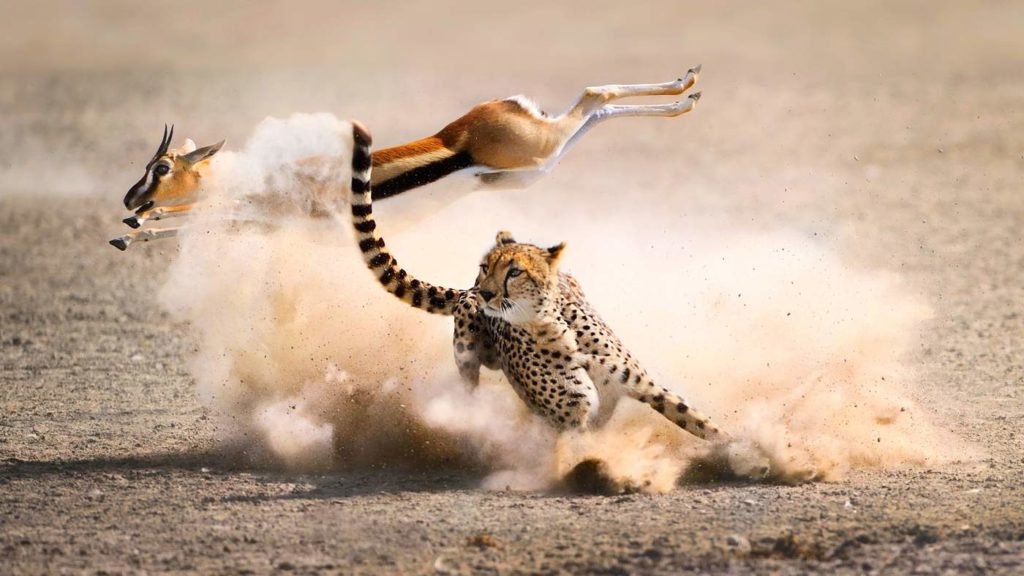
Even outside of Migration season, the Serengeti offers incredible wildlife viewing. Resident game is abundant year-round, with excellent chances of seeing lions, leopards, cheetahs, elephants, giraffes, buffaloes, and a myriad of other species. The Ngorongoro Crater, a UNESCO World Heritage Site, is a compact ecosystem with a very high density of wildlife, making it a reliable place to see the Big Five (lion, leopard, elephant, rhino, buffalo) on almost any group safari from Zanzibar, regardless of the season.
Weather Considerations for 2026-2027
Tanzania has two main seasons:
- Dry Season (June to October): Characterized by sunny days, cooler temperatures, and less humidity. Vegetation is less dense, making wildlife spotting easier. This is the peak tourist season, and prices for safaris, including group joining departures in 2026-2027, tend to be higher.
- Wet Season (November to May): Divided into the ‘short rains’ (November-December) and ‘long rains’ (March-May). Temperatures are warmer and more humid. While game viewing can be more challenging due to thicker vegetation and scattered animals, it’s also a quieter time with fewer crowds and often more affordable rates. The landscape is lush and green, offering beautiful photographic opportunities.
Choosing your 2026-2027 travel window:
- For Migration River Crossings: Aim for July to October (northern Serengeti).
- For Calving Season: Aim for January to March (southern Serengeti/Ndutu).
- For Budget Travelers & Fewer Crowds: Consider the shoulder months like November, March, or April/May, but be prepared for potential rain.
- For Best Overall Wildlife & Weather: June to October offers a good balance, though it’s peak season.
Your decision on when to book your group joining safari from Zanzibar to Serengeti will depend on your priorities: seeing the Migration, avoiding crowds, managing costs, or simply experiencing Tanzania’s unparalleled wildlife.
Accommodation Styles on Group Safaris
The type of accommodation significantly influences the overall safari experience and cost. For group joining safaris, you’ll typically find a range of options, from basic camping to comfortable lodges. Understanding these choices is vital for setting expectations and budgeting for your 2026-2027 trip.
Budget Camping (Tented Camps)
This is the most economical option. You’ll stay in well-equipped, permanent tented camps with proper beds, mosquito nets, and often en-suite bathrooms with hot showers and flush toilets. While ‘camping,’ these are far from roughing it and offer a fantastic way to be close to nature. They are common on budget group joining safaris and provide a great value for money for 2026-2027 travel.
Mid-Range Lodges and Tented Camps
These offer more comfort and amenities. Lodges are typically permanent structures with private rooms, en-suite bathrooms, restaurants, and sometimes swimming pools. Tented camps in this category might feature larger canvas tents with more elaborate furnishings, private decks, and more upscale en-suite facilities. This is a popular choice for many group tours, balancing comfort and cost effectively.
Luxury Tented Camps and Lodges
While less common on standard group joining safaris, some operators offer premium group departures that include stays in luxury accommodations. These offer spacious suites, high-end furnishings, gourmet dining, private plunge pools, and exceptional service. If you’re looking for a more comfortable group experience for 2026-2027, inquire about these higher-tier options.
Factors Affecting Accommodation Choice
- Budget: Camping is the cheapest, followed by mid-range, then luxury.
- Location: Campsites are often located within or very close to national parks, offering excellent proximity to wildlife. Lodges might be slightly further out but offer more facilities.
- Experience: Camping provides a more rustic, ‘in-the-wild’ feel, while lodges offer more comfort and privacy.
When reviewing itineraries for your group joining safari from Zanzibar to Serengeti, pay close attention to the accommodation category specified. This will be a major determinant of the overall price and your experience.
Understanding the Costs of a Group Joining Safari from Zanzibar to Serengeti (2026-2027)
Pricing for safaris can vary significantly. For group joining safaris from Zanzibar to Serengeti in 2026-2027, costs are generally structured on a per-person basis, reflecting the shared nature of the tour. Here’s a breakdown of what influences the price and what to expect.
Typical Price Ranges for 2026-2027
As a general guideline, for a 5-7 day group joining safari covering the Northern Circuit and Serengeti, you can expect prices to fall within these ranges:
- Budget/Camping Safaris: $1,200 – $1,800 per person. This typically includes basic tented accommodation, all meals, park fees, a 4×4 vehicle, and a guide.
- Mid-Range Safaris: $1,800 – $2,500 per person. This level usually offers more comfortable lodges or higher-end tented camps, potentially slightly better vehicles or smaller group sizes, and all standard inclusions.
- Luxury Safaris: $2,500+ per person. These will feature premium lodges, exclusive camps, and potentially more inclusions like drinks or specific activities.
Important Considerations for 2026-2027 pricing:
- These are estimates. Actual prices depend on the operator, specific itinerary length, accommodation choices, and the season.
- Single Supplement: If you are a solo traveler and do not wish to share a room/tent, you will usually have to pay a single supplement fee. This can add 20-50% to the per-person accommodation cost.
- Exclusions: Always check what is not included. Common exclusions are international flights, visa fees, travel insurance, tips for guides and staff, personal expenses (souvenirs, laundry), and drinks (unless specified).
What Drives the Cost?
- Park Fees: These are substantial and vary per park. For example, Serengeti fees can be around $70 per person per day, and Ngorongoro Crater fees are around $300 per vehicle plus $70 per person. These are non-negotiable and a large part of the safari budget.
- Vehicle and Fuel: Maintaining a robust 4×4 safari vehicle and covering fuel costs for long distances is expensive.
- Guide Fees: Experienced safari guides are highly skilled professionals, and their wages are a significant cost.
- Accommodation: The type and quality of lodges or camps chosen directly impact the price.
- Season: Peak season (dry months) generally sees higher prices than the low season (rainy months) for group joining safaris in 2026-2027.
Budgeting for Your 2026-2027 Trip
When budgeting for your group joining safari from Zanzibar to Serengeti, remember to factor in:
- The safari package cost.
- Flights from Zanzibar to Arusha (if not included).
- Tips for your guide and lodge staff (budget around $10-20 per day for the guide, and $5-10 per day for lodge staff per person).
- Travel insurance (essential!).
- Any personal expenses.
It’s wise to get quotes from several reputable operators for your 2026-2027 dates and compare them carefully, looking beyond just the price to understand what is included and the quality of service offered.
Booking Your Group Safari: Key Considerations and Steps
Securing your spot on a group joining safari from Zanzibar to Serengeti requires careful planning and choosing a reliable tour operator. For 2026-2027 departures, starting the booking process well in advance is recommended.
Choosing a Reputable Tour Operator
When selecting an operator for your group joining safari from Zanzibar to Serengeti, look for companies that:
- Have a strong online presence and positive reviews (check TripAdvisor, Google Reviews).
- Clearly detail their itineraries, inclusions, and exclusions.
- Offer transparent pricing.
- Specialize in Tanzanian safaris and have local knowledge.
- Have clear communication channels and respond promptly to inquiries.
- Offer fixed group departure dates for 2026-2027.
Climb 4 Africa, for instance, has extensive experience in organizing safaris across Tanzania, including group departures. They can provide guidance on the best routes, timing, and accommodation to suit your preferences for your 2026-2027 adventure.
What to Confirm Before Booking
Before you commit to a booking, ensure you have clarity on:
- Exact Itinerary: Which parks are visited, how many days are spent in each, and the total duration.
- Accommodation Details: Specific lodges/camps or the category of accommodation.
- Group Size: What is the maximum number of passengers per vehicle?
- Inclusions/Exclusions: A clear list of what is covered (park fees, meals, accommodation, guide, vehicle) and what is not (tips, drinks, visas, international flights).
- Departure Dates: Confirm the exact dates for your chosen 2026-2027 group joining safari.
- Payment Schedule: Typically, a deposit (e.g., 20-30%) is required at booking, with the balance due 30-60 days before departure.
- Cancellation Policy: Understand the terms and conditions for cancellations and amendments.
The Booking Process
The typical booking process for a group joining safari from Zanzibar to Serengeti:
- Inquiry: Contact your chosen operator with your desired dates for 2026 or 2027, number of travelers, and preferred safari style (budget, mid-range, etc.).
- Quotation: The operator will send you a detailed quote and itinerary.
- Confirmation: Review the quote and itinerary. If satisfied, confirm your booking and pay the required deposit.
- Pre-Departure Information: Once booked, you’ll receive detailed information about visa requirements, packing lists, health recommendations, and what to expect.
- Final Payment: Make the final payment by the due date.
- Pre-Safari Briefing: Upon arrival in Arusha, you’ll typically have a briefing with your tour operator.
Making the Most of Your Group Safari
To enhance your group joining safari experience from Zanzibar to Serengeti:
- Be Open-Minded: Embrace the shared experience, be patient with fellow travelers, and enjoy the camaraderie.
- Communicate with Your Guide: Let your guide know your interests. If you want to spend more time observing a particular animal, ask if it’s possible within the group’s schedule.
- Pack Appropriately: Neutral-coloured clothing, layers, sun protection, insect repellent, and a good camera are essential.
- Stay Flexible: Safari life can involve early mornings, long game drives, and unexpected wildlife sightings. Go with the flow!
By choosing a reputable operator like Climb 4 Africa and understanding these booking steps, you can ensure a smooth and memorable group joining safari from Zanzibar to Serengeti for your 2026-2027 adventure. For personalized advice and to discuss available group departures for 2026-2027, reach out to us via WhatsApp at +255 747 477 898 or email us at climb4africa@gmail.com.
Frequently Asked Questions About Group Safaris from Zanzibar
Can I combine a group safari with my Zanzibar stay?
Absolutely. This is a very common combination. Most group joining safaris are designed to start and end in Arusha, making it easy to fly or take a ferry from Zanzibar to Arusha for the safari, and then return to Zanzibar for further relaxation or fly out internationally from Kilimanjaro International Airport (JRO) near Arusha.
What if I’m a solo traveler? Is a group safari a good option?
Yes, solo travelers often find group safaris ideal. They offer safety in numbers, a social environment to meet others, and significant cost savings compared to a private solo safari. You’ll typically share a vehicle and accommodation (often with someone of the same gender, or pay a single supplement if you prefer your own room).
How much should I budget for tips on a group safari?
Tipping is customary and appreciated. For a typical 5-7 day safari, budget around $10-20 per person per day for your safari guide, and $5-10 per person per day for lodge/camp staff (shared among them). Your tour operator can provide more specific guidance.
What is the difference between a group joining safari and a shared safari?
These terms are often used interchangeably. Both refer to pre-scheduled departures where individual travelers or small parties join together in a safari vehicle and share costs. The key is that the departure is fixed, and you travel with others who have booked onto the same itinerary.
Are park fees included in group safari prices?
Reputable tour operators will always include national park and conservation area fees in their quotes for group joining safaris. These are a substantial part of the cost, so ensure they are clearly itemized in the inclusions list.
How far in advance should I book my 2026-2027 group safari?
For popular dates, especially during the dry season or Migration season, booking 6-12 months in advance is highly recommended for 2026-2027 departures to secure your preferred dates and accommodation.
Embarking on a group joining safari from Zanzibar to Serengeti in 2026-2027 presents a fantastic opportunity to witness Tanzania’s unparalleled wildlife spectacles without breaking the bank. By understanding the routes, the best times to travel, the accommodation options, and the pricing structures, you can make an informed decision that aligns with your travel dreams and budget. Whether you’re drawn by the drama of the Great Migration or the sheer abundance of wildlife in the Ngorongoro Crater, a shared safari offers an accessible and enriching way to experience it all. For personalized assistance in planning your unforgettable Tanzanian adventure, including exploring available group departure dates for 2026-2027, please do not hesitate to contact Climb 4 Africa. Reach us via WhatsApp at +255 747 477 898 or send an email to climb4africa@gmail.com.
Check Availability for Group Joining Safari From Zanzibar To Serengeti 2026-2027
Ready to compare dates, prices, and the best option for your group? Send the package name and travel month so the team can reply with a clear quote, availability, and what is included.
Best Kilimanjaro And Serengeti Calving Season Safari March 2027
Discover the magic of a March 2027 Kilimanjaro and Serengeti calving season safari. This guide explores the unique advantages and considerations for experiencing Tanzania's wildlife...
View package details
Kilimanjaro And Serengeti Calving Safari February : The Ultimate Planning
Combine the majesty of Mount Kilimanjaro with the impressive spectacle of the Serengeti's calving season in February 2027. This guide details how to plan this dual adventure, focusing on...
View package details
Kilimanjaro And Serengeti Calving Safari January 2026-2027
Kilimanjaro and Serengeti Calving Safari January 2027 is explained with current 2026-2027 planning, price, itinerary and booking information.
View package details
Kilimanjaro And Grumeti Migration Safari June : The Ultimate Tanzanian
Plan your unforgettable Kilimanjaro and Grumeti Migration safari for June 2027. This comprehensive guide details how to combine the challenge of summiting Africa's highest peak with the...
View package details
Christmas Kilimanjaro And Zanzibar Holiday : Your Ultimate Adventure 2026-2027
Experience an unforgettable Christmas combining the thrill of climbing Mount Kilimanjaro with the serene beauty of Zanzibar's beaches. This guide covers planning for your 2026-2027 festive...
View package details
Kilimanjaro And Mara River Crossing Safari August : Peak Season Adventure 2027
Combining the ultimate challenge of climbing Mount Kilimanjaro with the awe-inspiring spectacle of the Great Migration river crossing in the Maasai Mara offers an unparalleled African...
View package details
Kilimanjaro And Great Migration Safari August : Your Peak Season Adventure
Plan your ultimate Tanzanian adventure in August 2027, combining a Kilimanjaro climb with the spectacle of the Great Migration. This guide details the best timings, routes, and safari...
View package detailsKilimanjaro And Mara River Crossing Safari July 2027
Kilimanjaro and Mara River Crossing Safari July 2027 is explained with current 2027 planning, price, itinerary and booking information.
View package detailsKilimanjaro And Great Migration Safari July : Your Ultimate Tanzanian
Combining a Kilimanjaro climb with a Great Migration safari in July 2027 offers a spectacular Tanzanian adventure. This guide helps you plan your ideal itinerary, considering the best...
View package details
Kilimanjaro Christmas Climb And Tanzania Safari : Your Festive Adventure
Combine the magic of a Christmas ascent of Kilimanjaro with a thrilling Tanzania safari in 2026. Discover how to plan this dual adventure for a truly unique festive season.
View package detailsNo related package matches those filters. Clear one or more filters to see the other topic-matched options.



