
Embarking on a Kilimanjaro Three Volcanic Cones Expedition means understanding the unique geological formations of Shira, Mawenzi, and Kibo, the three main stratovolcanoes that form Mount Kilimanjaro. While Kibo is the highest and most frequently summited cone (home to Uhuru Peak), Shira and Mawenzi represent distinct peaks with their own challenging trekking opportunities and geological significance. Planning for a Kilimanjaro expedition that encompasses or acknowledges these three cones requires careful route selection, understanding of varying difficulty levels, and thorough preparation for high-altitude environments, especially when considering travel in 2026 or 2027.
Understanding Kilimanjaro’s Volcanic Trio: Shira, Mawenzi, and Kibo
Mount Kilimanjaro, often called the ‘Roof of Africa’, is not a single peak but a massive, dormant volcano composed of three distinct volcanic cones. Each cone tells a story of Kilimanjaro’s fiery past and offers unique perspectives on the mountain’s grandeur. For trekkers, understanding these three cones – Shira, Mawenzi, and Kibo – is fundamental to appreciating the scale and complexity of the mountain, and it directly influences the choice of trekking routes and the overall expedition experience. While most expeditions aim for Uhuru Peak on Kibo, the presence of Shira and Mawenzi shapes the landscape and offers potential for more specialized or extended explorations for those truly wanting to discover all facets of Kilimanjaro.
The Shira Cone is the oldest and westernmost of the three, characterized by its expansive, relatively flat plateau. Over millennia, erosion has significantly softened its features, creating a unique high-altitude desert environment. The Shira Plateau itself is a remarkable sight, offering stunning panoramic views. While the Shira Cone does not have a prominent summit accessible by standard trekking routes, its plateau is a key feature traversed by some of Kilimanjaro’s most scenic paths.
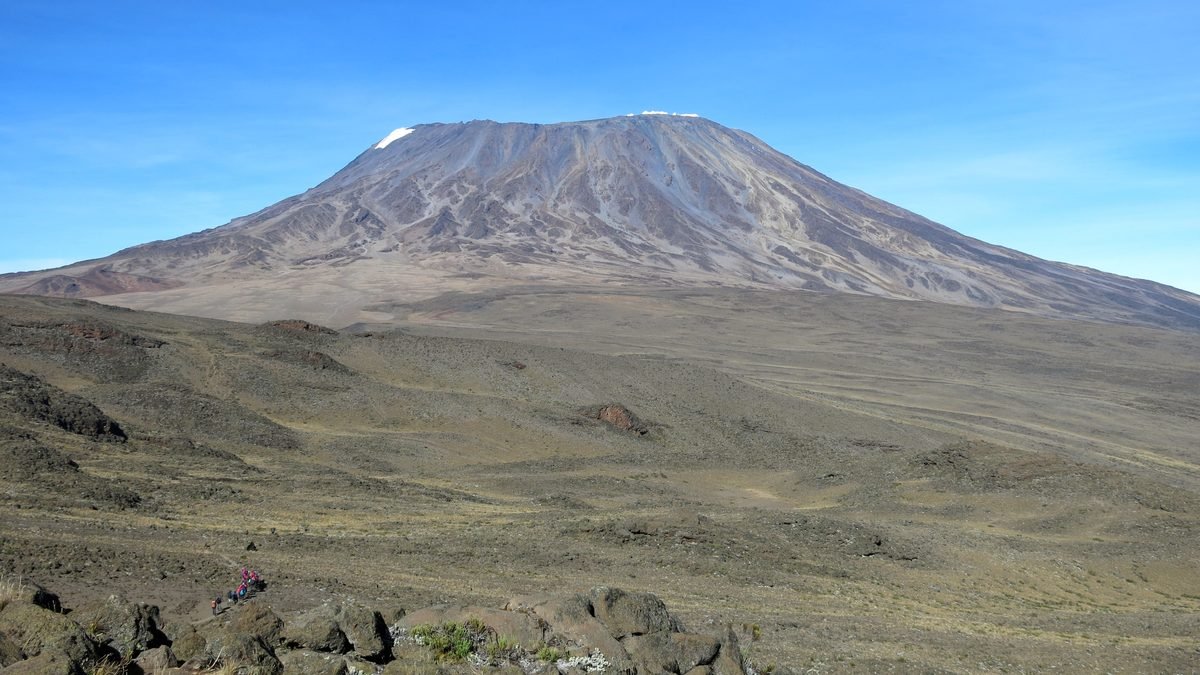
Mawenzi Cone, located to the east, is the second-highest peak on Kilimanjaro. It is a jagged, rocky massif, largely unglaciated and considerably more challenging to climb than Kibo. Mawenzi’s dramatic spires and sheer cliffs are a testament to its more recent volcanic activity and subsequent erosion. While direct ascents of Mawenzi are technical mountaineering feats, several standard Kilimanjaro routes offer impressive views of its imposing presence.
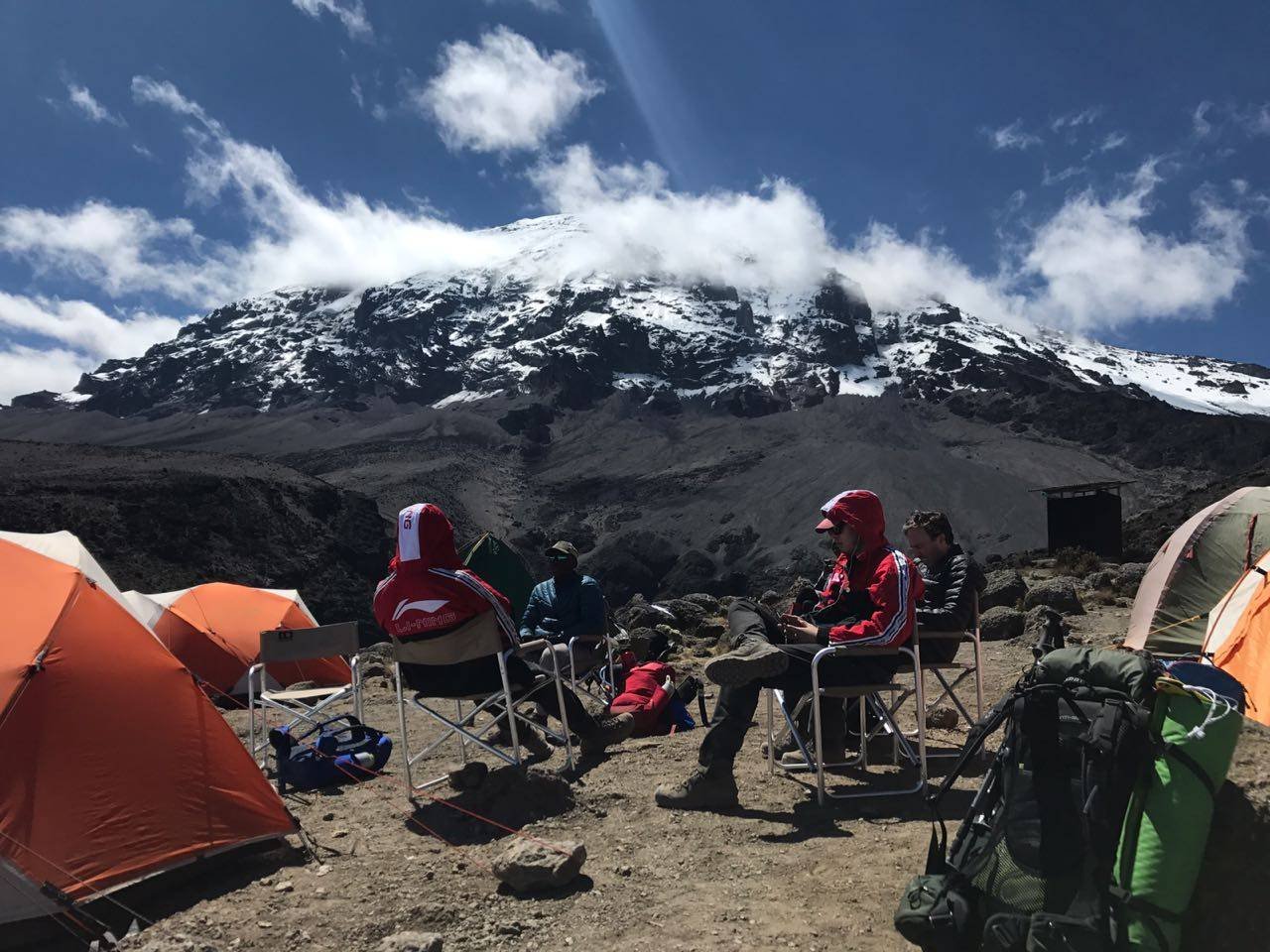
Kibo Cone is the youngest and highest of the three, culminating in Uhuru Peak at 5,895 meters (19,341 feet). Kibo is the cone most trekkers aspire to summit. It features a crater and the iconic glaciers that have become synonymous with Kilimanjaro. All popular trekking routes on Kilimanjaro lead to the rim of Kibo’s crater, typically at Stella Point or Gilman’s Point, before proceeding to Uhuru Peak.
An expedition focused on the “Kilimanjaro Three Volcanic Cones” is less about summiting all three (as Mawenzi and Shira are not standard trekking destinations in the same way Kibo is) and more about appreciating the mountain’s geological history and diverse landscapes shaped by these ancient volcanoes. It’s about choosing routes that offer the most comprehensive views and experiences of each cone’s character. For trekkers planning for 2026 or 2027, understanding this geological context is the first step in selecting the right expedition that aligns with their ambition and fitness.
The Shira Cone: An Ancient Plateau of Grandeur
The Shira Cone represents the earliest phase of Kilimanjaro’s volcanic life. Its formation predates Kibo and Mawenzi, and significant erosion has shaped its features into a vast, undulating plateau. Reaching elevations of around 3,600 to 3,900 meters (11,800 to 12,800 feet), the Shira Plateau is a striking, high-altitude desert, sparsely vegetated but rich in geological history and offering some of the most dramatic landscapes on the mountain. While the Shira Cone itself doesn’t feature a single, defined summit that trekkers typically aim for, its plateau is a crucial and visually stunning part of certain Kilimanjaro routes.
Routes like the Shira Route and the Lemosho Route traverse the Shira Plateau. The Shira Route, in particular, starts by ascending to this plateau, often on the first day, offering an immediate immersion into Kilimanjaro’s diverse ecosystems and geological past. This approach means trekkers are exposed to high altitudes quite early in their climb, which can be advantageous for acclimatization if managed correctly, but also presents an initial challenge.
Why is the Shira Cone significant for trekkers? Its expansive views are unparalleled. From the plateau, you can often see Mount Meru in the distance and a sweeping panorama of the surrounding plains. The geological formations, including ancient lava flows and the unique flora adapted to this harsh environment, provide a constant source of wonder. The relative flatness of the plateau, once ascended, can offer easier walking conditions compared to the steeper, more defined paths on other parts of the mountain, though the altitude remains a significant factor.
For those considering a Kilimanjaro Three Volcanic Cones Expedition, an expedition that utilizes the Shira Route or Lemosho Route ensures direct engagement with this ancient cone. These routes are often praised for their scenic beauty and higher success rates due to better acclimatization profiles, partly thanks to their gradual ascent through varied terrain, including the Shira Plateau. The Shira Route is typically a shorter climb, around 6-7 days, while Lemosho is longer, often 7-8 days, allowing for more thorough acclimatization and a more in-depth experience of the Shira Cone’s grandeur.
It’s important to note that climbing to the Shira Plateau early means a higher starting altitude on day one compared to routes like Marangu or Rongai. This is a trade-off: faster acclimatization potential versus an immediate altitude challenge. A well-guided expedition, like those offered by Climb 4 Africa, will manage this carefully, ensuring trekkers are comfortable and well-monitored from the moment they set foot on the Shira Plateau in 2026 or 2027.
Mawenzi Cone: The Rugged Eastern Frontier
Mawenzi Cone stands as Kilimanjaro’s second-highest peak, reaching an impressive 5,149 meters (16,893 feet). Unlike the more rounded and accessible Kibo, Mawenzi is a dramatic, rugged massif characterized by sharp pinnacles, sheer rock faces, and steep gullies. It represents a more geologically recent, albeit now dormant, volcanic structure that has been heavily sculpted by erosion, creating a formidable and visually striking landscape. Mawenzi is not a destination for standard trekking expeditions aiming for Uhuru Peak; its ascents are considered technical climbs requiring advanced mountaineering skills, specialized equipment, and experienced guides.
However, Mawenzi plays a crucial role in the overall Kilimanjaro experience for trekkers on certain routes. The Marangu Route and the Rongai Route, for example, offer views of Mawenzi from the eastern side of the mountain. Trekkers often find themselves gazing at its imposing silhouette, especially on the approach to Kibo’s crater rim. The stark contrast between the jagged, dark rock of Mawenzi and the glaciated slopes of Kibo is a powerful visual element of the Kilimanjaro panorama.
For the dedicated Kilimanjaro Three Volcanic Cones Expedition enthusiast, Mawenzi serves as a reminder of the mountain’s diverse geological history and its capacity for extreme challenges. While summiting Mawenzi is beyond the scope of most Kilimanjaro climbs, appreciating its presence and understanding its geological significance adds depth to the trekking journey. Some specialized expeditions might include a trek towards Mawenzi’s base or lower slopes for experienced climbers, but this is rare and distinctly different from standard summit attempts.
The eastern side of Kilimanjaro, where Mawenzi dominates, offers a different perspective. Routes that approach from the north or east, like Rongai, provide unique vantage points of Mawenzi. The sheer scale and wildness of Mawenzi are humbling, even from a distance. Its appearance is often described as stark and imposing, a sharp contrast to the more rounded, snow-capped dome of Kibo.
When planning your Kilimanjaro expedition for 2026 or 2027, if your interest lies in truly understanding the mountain’s volcanic components, consider routes that offer the best views of Mawenzi. While the primary goal remains Kibo’s summit, the visual encounter with Mawenzi adds a significant dimension to the expedition, highlighting the mountain’s multi-faceted nature. It underscores that Kilimanjaro is more than just a single summit; it’s a complex volcanic massif with distinct characters.
Kibo Cone: The Summit of Africa and Its Routes
Kibo Cone is the youngest and highest of Kilimanjaro’s three volcanic cones, boasting Uhuru Peak at an elevation of 5,895 meters (19,341 feet). This is the ultimate destination for the vast majority of Kilimanjaro trekkers. Kibo is characterized by its summit caldera and the shrinking but still majestic glaciers and ice fields that adorn its upper reaches. The climb to Kibo’s summit is a significant physical and mental challenge, requiring careful acclimatization and a well-planned itinerary. Several established trekking routes lead to Kibo’s crater rim, from which the final push to Uhuru Peak is made.
The routes to Kibo’s summit are diverse, each offering a different experience in terms of scenery, acclimatization profile, and difficulty. The most popular routes include:
* Machame Route: Known for its scenic beauty and excellent acclimatization profile (‘climb high, sleep low’), often considered a preferred route for its higher success rates. It typically takes 6-7 days.
* Lemosho Route: Similar to Machame in its scenic appeal and acclimatization, Lemosho is a longer route (7-8 days), offering a more in-depth experience and a slower ascent, which can be beneficial for acclimatization.
* Marangu Route: The ‘Coca-Cola’ route, it’s the oldest and most established. It’s the only route with hut accommodation and can be done in 5-6 days. It’s known for its less scenic but more direct ascent.
* Rongai Route: Approaches from the north, offering a drier trek and unique views of the mountain’s northern slopes. It’s often recommended for those climbing during the wetter seasons and typically takes 6-7 days.
* Northern Circuit: The longest route (9-10 days), offering the most comprehensive acclimatization and circumnavigation of the mountain, providing unparalleled views of all three cones from various angles.
* Umbwe Route: The shortest and steepest route, offering a direct and challenging ascent. It’s for experienced trekkers seeking a tough climb and typically takes 5-6 days.
All these routes converge near the crater rim, usually at Stella Point (5,756 meters / 18,881 feet) or Gilman’s Point (5,685 meters / 18,652 feet). From here, the final push to Uhuru Peak traverses the crater rim, offering incredible views of the volcanic landscape and the surrounding glaciers. The summit attempt is typically made overnight, starting around midnight, to reach the peak at sunrise. This demanding ascent requires significant endurance, mental fortitude, and proper acclimatization, which is why choosing the right route and duration is critical for any Kilimanjaro Three Volcanic Cones Expedition aiming for Kibo’s summit.
When planning for 2026 or 2027, selecting a route that balances scenery, acclimatization, and your personal fitness is paramount. The longer routes (Lemosho, Northern Circuit) generally offer better acclimatization and a higher chance of success, especially for those new to high-altitude trekking. The Kibo Cone is the ultimate objective, and the journey to its summit is a profound experience, offering a deep connection with the raw power of nature.
Comparing Kilimanjaro Routes Through the Lens of Three Cones
When planning a Kilimanjaro Three Volcanic Cones Expedition, it’s not about ticking off each cone as a separate summit, but rather selecting a route that best showcases the diverse geological formations and landscapes shaped by Shira, Mawenzi, and Kibo. Each route offers a unique perspective on these volcanic giants, and understanding these differences is key to making an informed decision for your 2026 or 2027 climb.
Let’s compare some popular routes based on how they engage with the mountain’s three cones:
* Shira Route: As the name suggests, this route directly traverses the ancient Shira Plateau. It offers an immediate and profound encounter with the Shira Cone’s vast, high-altitude landscape. While it doesn’t offer specific views of Mawenzi and approaches Kibo from the west, its initial days are dedicated to the Shira Cone’s unique environment, making it ideal for those interested in Kilimanjaro’s ancient volcanic history.
* Lemosho Route: This is arguably one of the most scenic routes, offering excellent views of all three cones at different stages. It starts on the western side, offering dramatic vistas of the Shira Plateau, and then traverses the mountain, providing opportunities to see Mawenzi from various angles before ascending Kibo. Its longer duration (7-8 days) allows for superior acclimatization and a more comprehensive appreciation of Kilimanjaro’s diverse topography, including its three volcanic origins.
* Machame Route: Often called the ‘Whiskey Route,’ Machame shares much of its path with Lemosho after the initial days. It also provides stunning views of the Shira Plateau and offers excellent perspectives of Mawenzi as the trek progresses eastward towards Kibo. Its ‘climb high, sleep low’ strategy is excellent for acclimatization to the Kibo cone.
* Northern Circuit: This is the longest route (9-10 days) and offers the most holistic experience of Kilimanjaro’s three cones. It circumnavigates the mountain, providing 360-degree views. Trekkers get exceptional perspectives of the Shira Plateau, ample opportunities to witness the grandeur of Mawenzi from multiple viewpoints, and a gradual, well-supported ascent to Kibo. If truly wanting to ‘discover’ the three volcanic cones, the Northern Circuit is perhaps the most comprehensive option.
* Marangu Route: While the most direct and often the shortest (5-6 days), Marangu offers less in terms of varied scenery and acclimatization compared to western routes. It provides good views of Mawenzi from the eastern side as you approach Kibo, but its direct ascent means less exposure to the Shira Plateau’s unique landscape. It’s a trade-off between speed and scenic immersion.
* Rongai Route: Approaching from the north, Rongai offers a different perspective. It provides clear views of Mawenzi from the northern side and leads to Kibo. While it doesn’t directly traverse the Shira Plateau, its drier conditions and unique approach make it a popular choice, especially during shoulder seasons. It still allows for an appreciation of Kibo’s summit and Mawenzi’s rugged beauty.
For a Kilimanjaro Three Volcanic Cones Expedition, prioritizing routes like the Northern Circuit, Lemosho, or Machame will offer the most comprehensive engagement with the mountain’s distinct geological features. These routes ensure you witness the ancient Shira Plateau, appreciate the dramatic form of Mawenzi, and undertake a well-prepared ascent of Kibo. When selecting your expedition for 2026 or 2027, consider how each route aligns with your desire to explore these three volcanic wonders.
Planning Your Kilimanjaro Three Volcanic Cones Expedition for 2026-2027
Planning a Kilimanjaro Three Volcanic Cones Expedition requires meticulous attention to detail, especially if you aim to fully appreciate the mountain’s geological diversity. For trekkers targeting 2026 or 2027, early planning is crucial to secure preferred dates, reliable operators, and adequate preparation time. Here’s a breakdown of key planning considerations:
1. Choosing the Right Expedition Duration:
While Kibo’s summit can be reached in as little as 5 days (e.g., Marangu or Umbwe), this is highly discouraged due to poor acclimatization and low success rates. For a Kilimanjaro Three Volcanic Cones Expedition that allows for proper appreciation of the landscapes and better acclimatization, longer routes are recommended.
* 6-7 Days: Suitable for routes like Machame, Rongai, or Shira. Offers a balance between time and acclimatization, but success rates might be slightly lower for less experienced trekkers.
* 8-10 Days: Ideal for routes like Lemosho or the Northern Circuit. These extended durations provide the best acclimatization profiles, significantly increasing your chances of reaching Uhuru Peak while allowing more time to soak in the views of Shira and Mawenzi.
For 2026-2027, booking an 8-day Lemosho or a 9-day Northern Circuit will offer the most rewarding experience for understanding the three volcanic cones.
2. Best Time to Climb:
Kilimanjaro can be climbed year-round, but certain periods offer better weather conditions, increasing comfort and safety. The driest and warmest months are:
* January to March: Generally clear skies, though it can be very cold at the summit.
* June to October: The longest dry season, characterized by clear skies and moderate temperatures. This is often considered the peak season.
While the ‘shoulder seasons’ (April-May and November-December) can be wetter, they often see fewer crowds and potentially lower prices for 2026 departures. However, for a Kilimanjaro Three Volcanic Cones Expedition where views are paramount, sticking to the dry seasons is advisable.
3. Route Selection:
As discussed, routes like Lemosho and the Northern Circuit provide the most comprehensive views of Shira and Mawenzi alongside the ascent of Kibo. The Shira Route offers direct engagement with the Shira Cone. Consider which aspect of the three cones interests you most when choosing your path.
4. Operator Selection:
Choosing a reputable tour operator is paramount. Look for companies with:
* Experienced Guides: Certified, knowledgeable guides who prioritize safety and acclimatization.
* Quality Equipment: Reliable tents, cooking gear, and safety equipment.
* Ethical Treatment of Porters: Fair wages and good working conditions for the mountain crew.
* Proven Success Rates: While not guaranteed, a good operator will have a history of successful climbs.
* Local Expertise: Operators like Climb 4 Africa, based locally, offer invaluable insights and support.
5. Physical and Mental Preparation:
Kilimanjaro is a serious undertaking. Start your training at least 3-6 months in advance. Focus on:
* Cardiovascular Fitness: Hiking, running, cycling.
* Strength Training: Legs, core, and back.
* Hiking with a Pack: Simulate mountain conditions.
* Mental Resilience: Prepare for challenging conditions, altitude sickness, and long days.
6. Health and Vaccinations:
Consult your doctor or a travel clinic about necessary vaccinations and malaria prophylaxis. Discuss altitude sickness medication (like Diamox) and ensure you have a comprehensive travel insurance policy that covers high-altitude trekking and emergency evacuation.
7. Budget and Inclusions:
Understand what is included in your tour package. Typically, this covers park fees, accommodation before/after the climb, meals on the mountain, guide and porter services, and camping equipment. Exclusions often include tips for the crew, personal gear, travel insurance, and flights.
For 2026-2027 expeditions, starting your research and booking process at least 6-12 months in advance is highly recommended to secure your preferred dates and operator.
Essential Gear and Physical Preparation
Successfully completing a Kilimanjaro Three Volcanic Cones Expedition hinges on two critical pillars: robust physical preparation and the right gear. Given the extreme altitude and varying conditions, from the lush rainforest at the base to the arctic conditions near Kibo’s summit, your equipment needs to be carefully selected. Similarly, your physical conditioning must prepare you for sustained effort at high altitudes.
Physical Preparation:
Your training regimen should focus on building endurance and strength, simulating the demands of a multi-day trek. Aim to start training at least 3 to 6 months before your expedition for 2026 or 2027.
* Cardiovascular Endurance: Engage in activities like hiking (ideally with elevation gain), running, cycling, or swimming several times a week. Focus on longer duration sessions to build stamina.
* Strength Training: Strengthen your legs, core, and back. Squats, lunges, step-ups, and core exercises will be beneficial. A strong core helps with balance and stability on uneven terrain.
* Hiking with Weight: Crucially, practice hiking on varied terrain (hills, stairs) while wearing a backpack similar to what you’ll carry on Kilimanjaro (around 8-10 kg). This prepares your body for the sustained effort and helps you test your gear.
* Acclimatization Practice (if possible): While difficult to simulate Kilimanjaro’s altitude, spending time at higher elevations if you live nearby can be helpful. More importantly, choose a route that prioritizes acclimatization.
* Mental Preparation: Understand that altitude sickness is a real risk and can affect anyone, regardless of fitness. Be prepared for challenging days, cold weather, and the mental fortitude required to keep moving forward, especially during the summit night.
Essential Gear Checklist:
Your gear should be layered to adapt to rapidly changing temperatures. Focus on quality and functionality.
* Layering System:
* Base Layers: Moisture-wicking thermal tops and bottoms (merino wool or synthetic).
* Mid Layers: Fleece jacket or down vest for insulation.
* Outer Layer: Waterproof and windproof jacket and trousers (Gore-Tex or similar).
* Headwear: Warm, insulated hat (covering ears), sun hat with a wide brim, balaclava or neck gaiter for cold.
* Handwear: Warm, waterproof gloves or mittens, liner gloves.
* Footwear:
* Hiking Boots: Well-broken-in, waterproof, mid-to-high ankle support boots.
* Camp Shoes/Sandals: For use around camp.
* Socks: Several pairs of warm, moisture-wicking hiking socks (wool or synthetic).
* Sleeping:
* Sleeping Bag: Rated to at least -10°C to -20°C (0°F to -4°F). Consider a four-season bag.
* Sleeping Bag Liner: For added warmth and hygiene.
* Trekking Poles: Essential for reducing strain on knees and improving balance on ascents and descents.
* Backpack:
* Daypack: 30-40 liters for essentials you need during the day.
* Duffel Bag: 80-100 liters, waterproof, for porters to carry your main gear.
* Hydration:
* Water Bottles/Bladder: At least 3 liters capacity. Insulated carriers are recommended in cold weather to prevent freezing.
* Headlamp: With extra batteries. Crucial for summit night.
* Sun Protection: High SPF sunscreen, lip balm with SPF, sunglasses.
* Personal Items:
* Toiletries: Biodegradable soap, toothbrush, toothpaste, wet wipes, hand sanitizer.
* First-Aid Kit: Personal medications, blister treatment, pain relievers, antiseptic wipes.
* Snacks: High-energy snacks (nuts, dried fruit, energy bars).
When booking your Kilimanjaro Three Volcanic Cones Expedition with Climb 4 Africa for 2026 or 2027, they can provide a detailed gear list tailored to the specific route and time of year. It’s always better to be slightly over-prepared than under-prepared when it comes to mountain gear.
Logistics, Safety, and Local Support for Your Climb
Successful and safe completion of your Kilimanjaro Three Volcanic Cones Expedition, especially for 2026-2027 departures, relies heavily on robust logistics, stringent safety protocols, and excellent local support. As a local Tanzanian company, Climb 4 Africa prides itself on offering unparalleled logistical management and on-the-ground expertise that directly benefits your trek.
Logistical Excellence:
* Permits and Park Fees: All necessary permits and national park entry fees are handled by the operator. This ensures smooth entry and compliance with Tanzanian National Parks (TANAPA) regulations.
* Transportation: From airport pick-up to transfers to and from the mountain’s base, all ground transportation is meticulously arranged.
* Accommodation: Pre- and post-climb accommodation in comfortable hotels or lodges in Moshi or Arusha is included, providing a necessary base for rest and preparation.
* Food and Water: On the mountain, experienced cooks prepare nutritious, high-energy meals designed to sustain you throughout the trek. Safe drinking water is provided daily, either by boiling or purification.
* Equipment Management: High-quality tents, sleeping mats, mess tents, and cooking equipment are provided and managed by the crew.
Safety Protocols:
Safety is paramount on Kilimanjaro. Reputable operators implement comprehensive safety measures:
* Experienced Guides: Your lead guides are certified in Wilderness First Aid and possess extensive knowledge of high-altitude physiology and emergency procedures. They are trained to recognize and manage symptoms of altitude sickness.
* Emergency Oxygen: Portable oxygen systems are carried by guides for emergency use in case of severe altitude sickness.
* Medical Kit: A comprehensive medical kit, including prescription medications and advanced first-aid supplies, is carried by the lead guide.
* Communication: Guides carry satellite phones or radios for communication in emergencies, especially in areas with no mobile signal.
* Daily Health Checks: Guides monitor trekkers’ vital signs (heart rate, oxygen saturation) and general well-being daily.
* Pace Management: Guides ensure a slow, steady pace (‘pole pole’) to aid acclimatization and conserve energy.
* Evacuation Plans: Operators have established emergency evacuation procedures, including coordinating with rescue teams and air ambulances if necessary.
The Climb 4 Africa Advantage: Local Support and Expertise
Operating directly from Tanzania, Climb 4 Africa offers distinct advantages:
* Local Knowledge: Our team understands Kilimanjaro intimately – its routes, weather patterns, crew dynamics, and the nuances of park operations. This translates to smoother logistics and better problem-solving.
* Dedicated Crew: We work with a loyal, well-trained team of guides, cooks, and porters who are treated ethically and paid fairly. This fosters a motivated and professional support team, crucial for your success and safety.
* Direct Communication: You communicate directly with us, eliminating layers of intermediaries and ensuring clear, efficient planning. Our WhatsApp line (+255 747 477 898) and email (climb4africa@gmail.com) are always available for your queries.
* Flexibility: As a local operator, we can often offer more flexibility in tailoring itineraries or accommodating specific needs.
* Cost-Effectiveness: By cutting out middlemen, we can offer competitive pricing for high-quality expeditions without compromising on safety or service. This is particularly beneficial when planning for 2026-2027.
When you choose Climb 4 Africa for your Kilimanjaro Three Volcanic Cones Expedition, you’re not just booking a trek; you’re gaining a reliable partner committed to providing a safe, memorable, and successful journey to the Roof of Africa.
Booking Your Kilimanjaro Three Volcanic Cones Expedition
Securing your Kilimanjaro Three Volcanic Cones Expedition for 2026 or 2027 is a significant step towards achieving a lifelong goal. The process should be approached with clarity, confidence, and the right information. At Climb 4 Africa, we aim to make this process as straightforward and transparent as possible, ensuring you feel well-prepared and excited for your adventure.
When to Book:
For peak seasons (June-October), it’s advisable to book 6-12 months in advance. For other periods or if you’re flexible with dates, 4-6 months might suffice. However, booking early for 2026-2027 is always recommended to ensure availability, especially for specific routes or private group departures. Early booking also allows ample time for physical training and gear acquisition.
What to Look For in a Booking:
* Comprehensive Inclusions: Ensure your package covers park fees, rescue fees, crew wages, meals, accommodation (pre/post-climb and on the mountain), purified water, and a quality support team. Understand what is excluded (e.g., tips, personal gear, insurance).
* Safety Standards: Verify the operator’s safety protocols, including the provision of emergency oxygen, medical kits, and trained guides.
* Route and Duration: Confirm the chosen route and its duration align with your goals for experiencing the three volcanic cones and your acclimatization needs.
* Group Size: Decide if you prefer a private climb or joining a group. Smaller groups often offer more personalized attention.
The Climb 4 Africa Booking Process:
1. Inquiry: Reach out to us with your desired travel dates, preferred route, and group size. You can contact us via WhatsApp at +255 747 477 898 or email at climb4africa@gmail.com.
2. Personalized Proposal: Based on your inquiry, we will provide a detailed itinerary, a clear breakdown of inclusions and exclusions, and a quote. We can discuss the best routes for appreciating Kilimanjaro’s Shira, Mawenzi, and Kibo cones.
3. Confirmation and Deposit: Once you are happy with the proposal, a deposit is required to confirm your booking for 2026 or 2027. This deposit secures your spot and allows us to begin the necessary arrangements.
4. Pre-Trip Information: After booking, you’ll receive comprehensive pre-trip information, including packing lists, training advice, and details about your expedition.
5. Final Payment: The remaining balance is typically due a few weeks before your expedition start date.
Why Choose Climb 4 Africa?
As a local operator, we offer competitive pricing for a premium experience. Our commitment to safety, ethical treatment of our crew, and deep understanding of Kilimanjaro ensures a reliable and unforgettable journey. We are passionate about sharing the magic of Kilimanjaro, from its ancient Shira Plateau to the challenging heights of Kibo, and the dramatic presence of Mawenzi. Let us help you plan your perfect Kilimanjaro Three Volcanic Cones Expedition for 2026 or 2027. Contact us today to start planning your adventure to the Roof of Africa!
Check Availability for Kilimanjaro Three Volcanic Cones Expedition: Shira, Mawenzi & Kibo Routes
Ready to compare dates, prices, and the best option for your group? Send the package name and travel month so the team can reply with a clear quote, availability, and what is included.
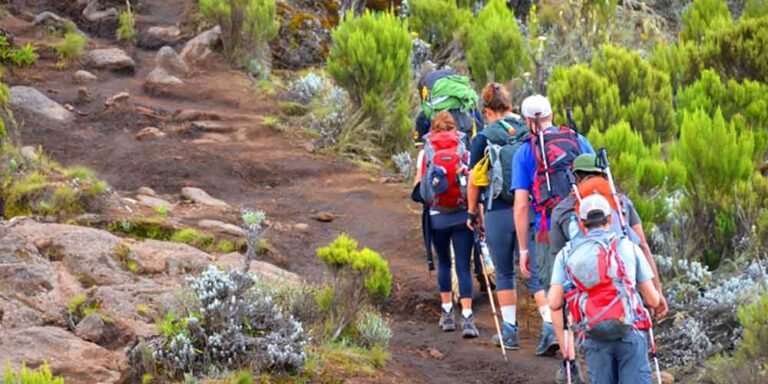
Northern Circuit – 10 July Dry-Season Expedition: Your Ultimate Kilimanjaro
Plan your Northern Circuit expedition for July 10, 2027. This dry-season adventure offers the most scenic and gradual ascent on Kilimanjaro, maximizing acclimatization and success rates.
View package detailsNorthern Circuit – 2 August Kilimanjaro Expedition: Your Ultimate Guide 2027
start the Northern Circuit route for your 2027 Kilimanjaro climb. This guide details the longest and most scenic path, ideal for acclimatization and success on August 2nd, 2027.
View package details
Rongai Route 30 December – Your New Year Kilimanjaro Expedition 2026-2027
start an unforgettable New Year's Eve Kilimanjaro climb via the Rongai Route, departing December 30, 2026. Discover why this route and timing offer a special experience, along with...
View package details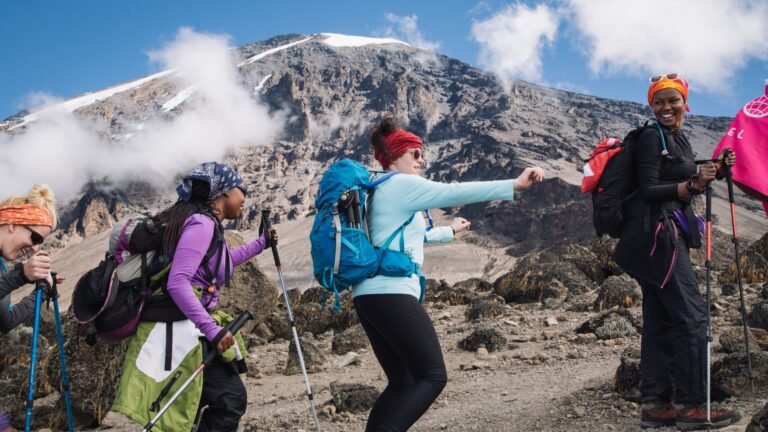
Last Minute Kilimanjaro August – Group Spaces And Availability 2027
Last Minute Kilimanjaro August 2027 – Group Spaces and Availability is explained with current 2027 planning, price, itinerary and booking information.
View package details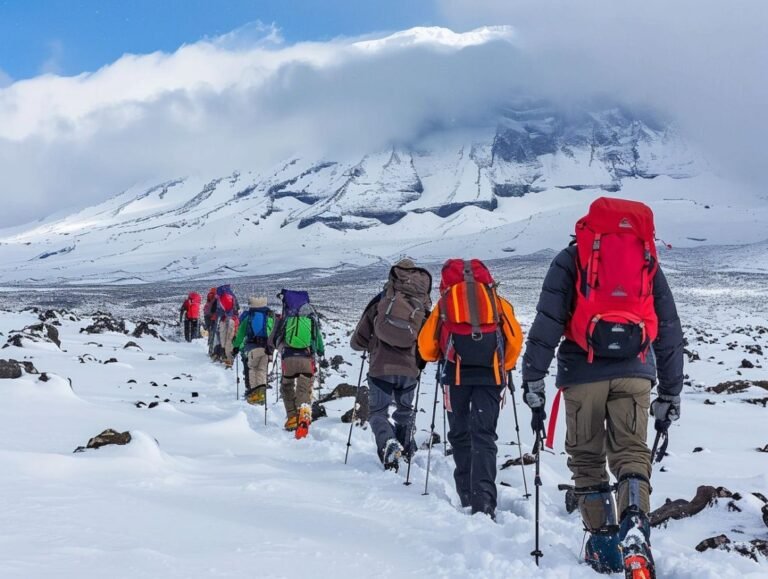
Kilimanjaro Climb July – Peak Dry-Season Group Departures 2027
Kilimanjaro Climb July 2027 – Peak Dry-Season Group Departures is explained with current 2027 planning, price, itinerary and booking information.
View package details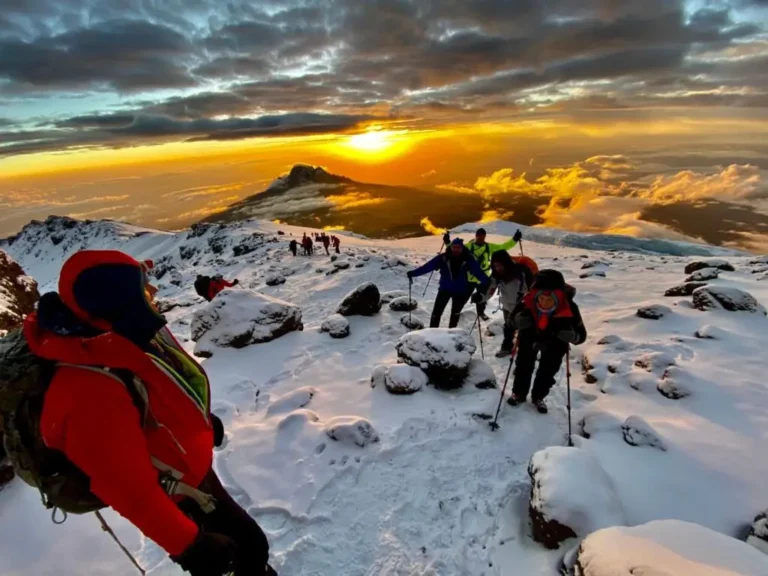
Marangu Route – 26 June Kilimanjaro Group Climb 2027
Marangu Route – 26 June 2027 Kilimanjaro Group Climb is explained with current 2027 planning, price, itinerary and booking information.
View package details7 Day Machame Route – 19 June Kilimanjaro Group Departure 2027
Planning to climb Kilimanjaro on the Machame Route in a group setting? This 7-day departure on June 19, 2027, offers a balanced approach to acclimatization and scenery. Learn what to...
View package detailsKilimanjaro 1 May : Your Day Mountain Adventure Awaits 2027
start an unforgettable Kilimanjaro 1 May 2027 adventure. This guide details everything you need to know for a successful May Day climb, from route selection to essential preparation.
View package details8 Day Lemosho Route – 20 February Kilimanjaro Departure With Climb 4 Africa
This article details the 8-day Lemosho Route Kilimanjaro climb scheduled for February 20, 2027, focusing on planning, itinerary, and what makes this departure a unique opportunity with...
View package details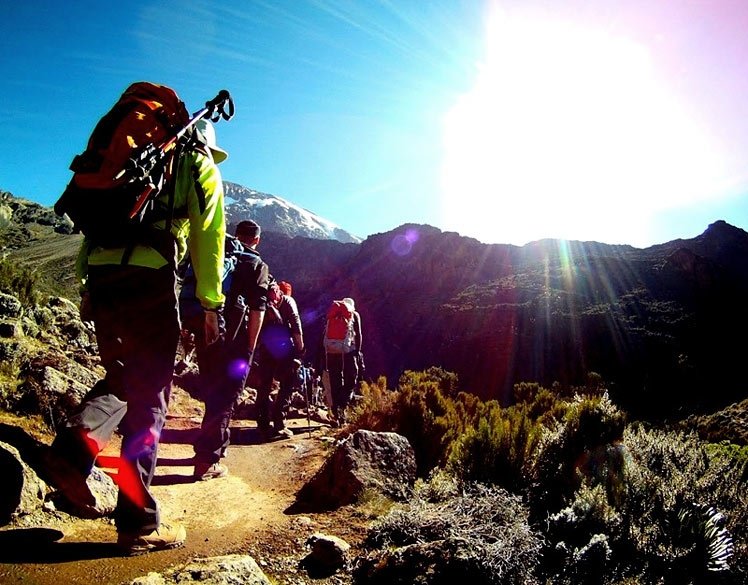
Kilimanjaro Climb February – Dry Season Groups And Availability 2027
Kilimanjaro Climb February 2027 – Dry Season Groups and Availability is explained with current 2027 planning, price, itinerary and booking information.
View package detailsLemosho Route – 7 August Summer Group Climb: Your Kilimanjaro Adventure 2027
start a memorable Lemosho Route – 7 August 2027 Summer Group Climb up Mount Kilimanjaro. This guide covers the itinerary, acclimatization, and preparation for your ascent.
View package detailsSolo Traveller Kilimanjaro August – Join A Peak-Season Group 2027
Solo Traveller Kilimanjaro August 2027 – Join a Peak-Season Group is explained with current 2027 planning, price, itinerary and booking information.
View package detailsNo related package matches those filters. Clear one or more filters to see the other topic-matched options.



