
A Kilimanjaro endemic flora and botanical trek focuses on appreciating the unique plant life found only on Africa’s highest peak, particularly the iconic giant groundsels (Senecio kilimanjari) and giant lobelias (Lobelia deckenii), alongside other specialized alpine and moorland species. Treks highlighting this flora often involve routes like the Lemosho or Machame, which traverse diverse vegetation zones, allowing for extensive observation of these remarkable plants in their natural habitat throughout the different ecological belts as you ascend towards the summit in 2026-2027.
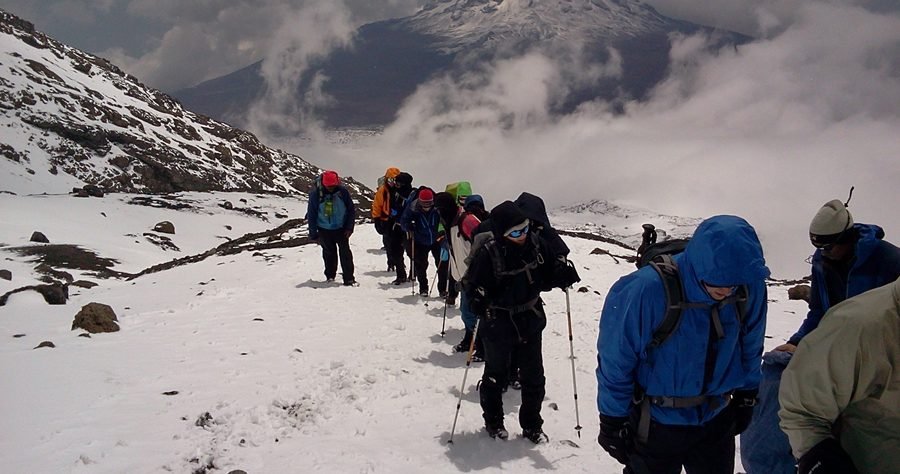

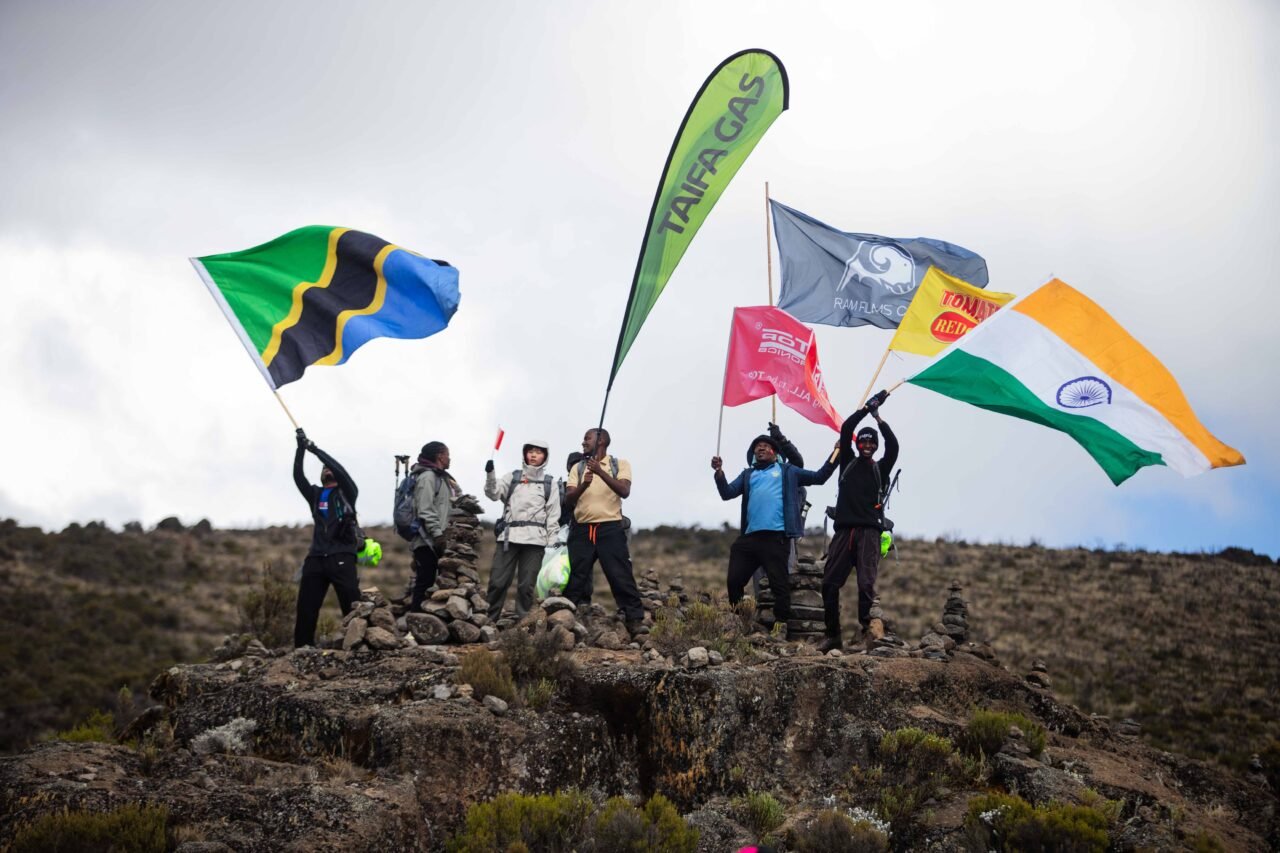
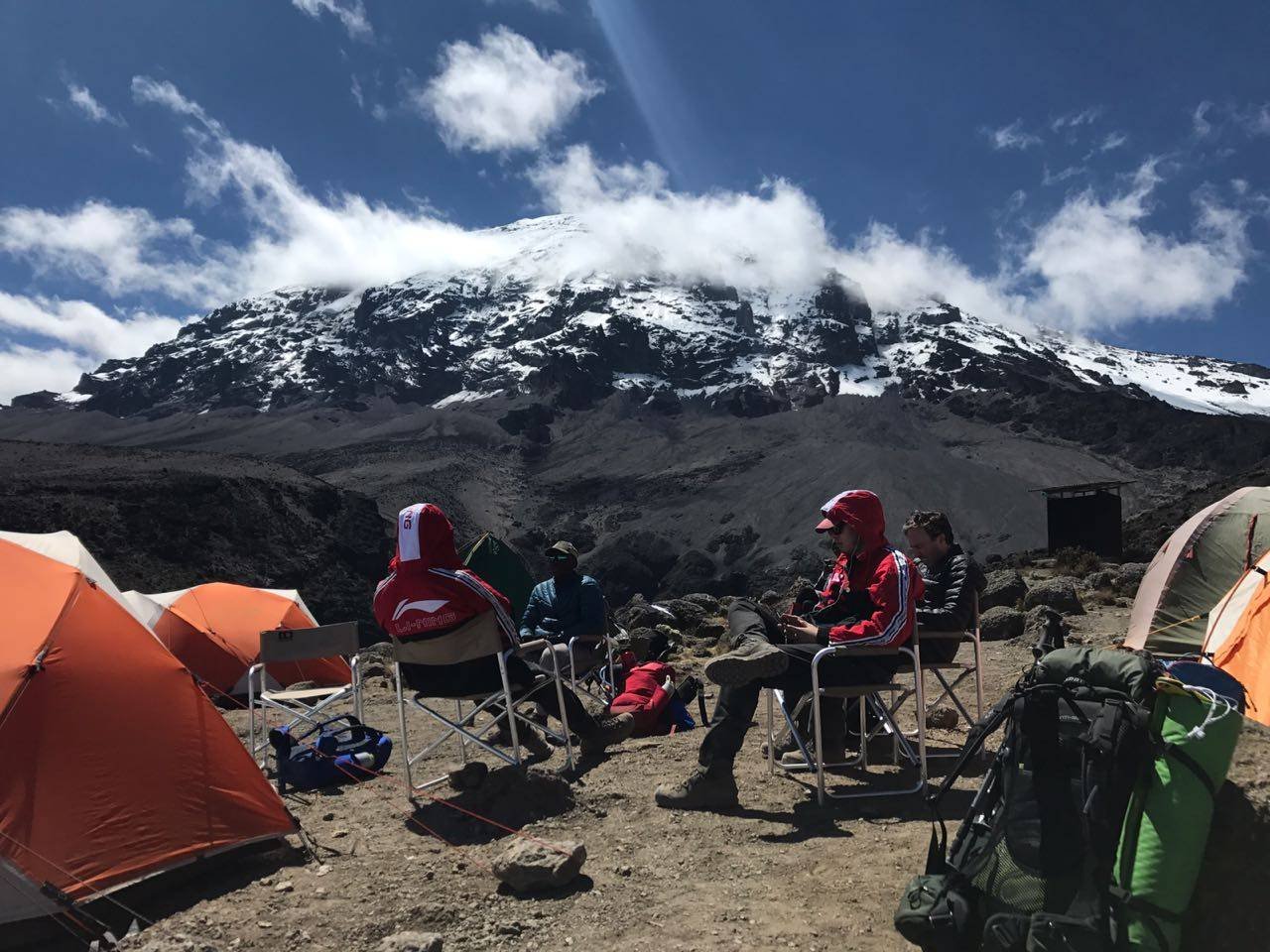
Mount Kilimanjaro is more than just a towering summit; it’s a living laboratory of unique botanical wonders. For the traveler with a keen interest in the natural world, a trek focused on Kilimanjaro’s endemic flora offers a profoundly different perspective than a standard climb. It’s about noticing the extraordinary adaptations of life in extreme environments, from the lush montane forests teeming with diverse plant forms to the stark, alien landscapes of the alpine desert and arctic zones. Understanding these plants – the giant groundsels, the towering lobelias, and the hardy alpine flowers – transforms a physical challenge into an ecological expedition. This guide is designed to experience you in the botanical marvels of Kilimanjaro, helping you plan a trek that maximizes your encounters with its endemic flora.
The sheer variety of plant life on Kilimanjaro is staggering, a direct result of its massive elevation gradient and varied microclimates. As you ascend, you’ll pass through distinct ecological zones, each hosting its own specialized community of plants. These zones are not just geographical markers; they are vibrant ecosystems, each with its signature flora. For those specifically seeking out the unique botanical aspects, choosing the right route and timing is crucial. We’ll explore which paths offer the best botanical viewing, what specific plants to look for, and how to prepare for a trek that prioritizes ecological discovery alongside the summit goal.
By the end of this guide, you’ll have a comprehensive understanding of Kilimanjaro’s endemic flora, how to best experience it on a trek, and practical advice for planning your botanical adventure for 2026 or 2027. Whether you’re a seasoned botanist or simply a curious nature lover, Kilimanjaro’s unique plant life promises an unforgettable journey.
Understanding Kilimanjaro’s Ecological Zones and Their Flora
Kilimanjaro’s slopes are a masterclass in altitudinal zonation, creating distinct ecological belts, each supporting a unique assemblage of plant species. Understanding these zones is fundamental to appreciating the endemic flora, as different plants thrive in specific conditions of temperature, rainfall, and soil. A botanical trek isn’t just about seeing a list of plants; it’s about understanding their habitat and how they’ve adapted to survive at extreme altitudes.
The Lower Slopes: Cultivation and Montane Forest
The journey typically begins on the lower slopes, often passing through agricultural land where coffee, bananas, and maize are cultivated. This area is a testament to human interaction with the mountain’s fertile lower reaches. As you gain altitude, you enter the montane forest zone, typically between 1,800 and 2,800 meters (5,900 to 9,200 feet). This is one of the most biodiverse regions, characterized by dense, humid forests.
Here, you’ll find a rich variety of trees, including Podocarpus, African Juniper, and various fig species. The forest floor is carpeted with ferns, mosses, and epiphytes like orchids and lichens clinging to tree trunks and branches. This zone is crucial for observing Kilimanjaro’s diverse forest-dwelling plants, many of which are endemic or have significant populations here. Keep an eye out for species of Impatiens and Begonia, which often flourish in the dappled light and damp conditions.
The Moorland Zone: Transition to Hardy Growth
Moving upwards, typically from 2,800 to 4,000 meters (9,200 to 13,100 feet), you enter the moorland or heath zone. This is where the dense forest begins to thin out, giving way to more open landscapes dominated by grasses, heathers, and the truly iconic Kilimanjaro flora. The temperature drops significantly, and the vegetation becomes more resilient to harsher conditions.
This zone is the primary habitat for the giant groundsels (Senecio kilimanjari) and giant lobelias (Lobelia deckenii). These plants are perhaps the most recognizable symbols of Kilimanjaro’s unique botanical heritage. The giant groundsels, with their thick, woolly stems and rosette of leaves, can grow several meters tall. The giant lobelias are equally striking, forming tall, spire-like structures topped with blue or purple flowers, their rosettes of leaves often protected by a dense covering of hairs to conserve moisture and insulate against cold.
You’ll also encounter various species of helichrysum, known for their papery, everlasting flowers, and hardy grasses that have adapted to the strong winds and fluctuating temperatures. The transition from the closed canopy of the forest to the open moorland is a visually dramatic shift, and the emergence of these giant plants is a highlight for any botanical enthusiast.
The Alpine Desert: A Stark and Beautiful Landscape
Between approximately 4,000 and 4,800 meters (13,100 to 15,750 feet) lies the alpine desert zone. This is a harsh environment characterized by low temperatures, strong UV radiation, and minimal rainfall. The vegetation becomes sparse, with only the most resilient plants surviving.
Despite the arid conditions, life persists. You’ll find small, hardy tussock grasses, cushion plants, and scattered wildflowers that bloom briefly after the rains. Species like the alpine rose (Haplocarpha rueppellii) and various species of rock-hyrax-grazed herbs can be found. The landscape here is often described as moon-like, with volcanic scree and rocks dominating. The plants that survive here have remarkable adaptations, such as small leaf sizes to reduce water loss, thick cuticles, and deep root systems to anchor them and reach scarce water.
The Arctic Zone: Life at the Limit
Above 4,800 meters (15,750 feet), the arctic zone is a near-barren landscape of ice, snow, and volcanic rock. Plant life is virtually non-existent here, with only a few highly specialized mosses and lichens clinging to sheltered spots. The extreme cold, lack of water, and low oxygen levels make it impossible for more complex plants to survive.
While this zone offers little in terms of botanical interest, it represents the extreme limit of life on Kilimanjaro, emphasizing the incredible tenacity of the flora found in the zones below. For a botanical trek, the focus will primarily be on the montane, moorland, and alpine desert zones, where the most spectacular and endemic species are found.
Key Endemic Plants to Discover on Your Kilimanjaro Botanical Trek
Kilimanjaro’s isolation and unique environmental conditions have led to the evolution of several plant species found nowhere else on Earth. Focusing on these endemic treasures makes a botanical trek particularly rewarding. Here are the stars of the show:
The Giant Groundsel (Senecio kilimanjari)
This is arguably the most iconic plant of Kilimanjaro. The giant groundsel is a member of the daisy family and is instantly recognizable by its thick, succulent stem, which can reach heights of up to 3 meters (10 feet), and its rosette of large, hairy leaves. The hairs help to insulate the plant, reduce water loss, and protect it from intense solar radiation.
Giant groundsels are typically found in the moorland and alpine zones, often in sheltered hollows or on slopes where moisture can accumulate. They have a slow growth rate and a unique life cycle. The rosette of leaves forms over several years, and only when the plant reaches a certain maturity does it send up a tall, flowering stalk, often adorned with clusters of yellow, daisy-like flowers. After flowering and setting seed, the plant dies. This makes observing mature, flowering specimens a special event.
Their presence is a defining feature of the Kilimanjaro landscape, especially when seen in large numbers, creating an almost otherworldly spectacle. For any botanical trek, spotting these giants is a primary objective.
The Giant Lobelia (Lobelia deckenii)
Another signature species of Kilimanjaro, the giant lobelia is a striking plant that can grow up to 6 meters (20 feet) tall. Unlike the groundsel, the lobelia has a slender stem that elongates significantly to produce its flower spike. The plant forms a basal rosette of long, strap-like leaves, often covered in fine hairs for protection. These rosettes can be quite large, sometimes up to a meter in diameter.
Giant lobelias are also prevalent in the moorland and alpine zones, often found in damp areas, gullies, or near streams where water is more reliably available. The plant’s strategy for survival involves storing water in its stem and leaves, which can freeze at night and thaw during the day. Its tall flower spike, often a vibrant blue or purple, emerges from the center of the rosette and is pollinated by birds and insects.
The sheer scale and dramatic form of the giant lobelia, especially against the backdrop of Kilimanjaro’s barren slopes, make it an unforgettable sight. It’s a testament to plant adaptation in challenging high-altitude environments.
Alpine Flowers and Cushion Plants
Beyond the giants, Kilimanjaro hosts a variety of smaller, yet equally fascinating, endemic and near-endemic alpine plants. These species have developed remarkable strategies to survive the freezing temperatures, high winds, and intense UV radiation of the alpine zones.
* Everlastings (Helichrysum spp.): These plants are common in the moorland and alpine desert zones. They are characterized by their papery, often silvery leaves and flower heads that retain their shape and color even after being dried. They are a vital food source for some insects and add a splash of color to the landscape.
* Alpine Roses (Haplocarpha rueppellii): Despite their name, these are not true roses but rather members of the daisy family. They produce bright yellow, daisy-like flowers and grow in low, spreading mats, often found in the alpine desert zone. Their compact growth habit helps them to stay low to the ground, avoiding the harshest winds.
* Cushion Plants: Many alpine plants form dense, cushion-like mats. This growth form is a highly effective adaptation to cold, windy environments. The dense structure traps heat and moisture, protects the inner parts of the plant from desiccation and frost, and presents a low profile to the wind. Examples might include species of *Alchemilla* or *Sibbaldia*.
* Specialized Grasses and Sedges: Hardy grasses and sedges are crucial components of the alpine flora, forming tussocks that provide shelter for smaller plants and retain moisture. These species are adapted to survive long periods of drought and cold.
Ferns and Mosses
In the more humid montane forest zone, you’ll find a rich diversity of ferns, mosses, and lichens. While not all are endemic, their abundance and variety contribute significantly to the botanical richness of Kilimanjaro. Some species of ferns, like the giant tree ferns, can be particularly impressive. Epiphytic ferns and mosses that grow on trees add a lush, verdant quality to the forest, indicating the high humidity and stable conditions of this ecosystem.
For the dedicated botanist, exploring these lower zones can be just as rewarding as encountering the giant plants higher up. The intricate details of moss structures, the delicate fronds of ferns, and the diverse forms of lichens all tell a story of adaptation and ecological interdependence.
Choosing the Right Route for a Botanical Trek
Not all Kilimanjaro routes offer the same opportunities for botanical observation. While every route passes through the major ecological zones, some are better suited for a focused botanical trek due to their length, varied terrain, and slower ascent profiles, which allow for more time to observe and appreciate the flora.
Lemosho Route: A Premier Choice
The Lemosho route is often considered one of the best for botanical enthusiasts. It’s a longer route (typically 7-8 days), which allows for a more gradual acclimatization and more time to explore the diverse vegetation zones. The route traverses the northern and western slopes, offering a slightly different perspective and potentially encountering plant communities that might be less disturbed.
Its longer duration means you spend more time in the montane forest and moorland zones, where the greatest diversity of endemic flora, including the giant groundsels and lobelias, is found. The gradual ascent also helps with acclimatization, allowing trekkers to feel more comfortable and have more energy to dedicate to observing their surroundings.
Machame Route: Popular and Productive
The Machame route, often called the “Whiskey Route,” is another excellent choice for botanical observation. It’s also a popular and scenic route, typically taking 6-7 days. It ascends through lush forests and offers spectacular views as it crosses the southern and western slopes.
Like Lemosho, Machame spends significant time in the lower forest and upper moorland zones. Its popularity means it’s well-trodden, but this also means trails are clear, and there’s a good chance of spotting the characteristic plants. The longer Machame itineraries (7 days) are particularly good for botanical focus.
Shira Route: High Altitude Exposure
The Shira route starts at a higher altitude than most other routes, meaning it quickly gets trekkers into the moorland and alpine desert zones. While this offers rapid exposure to the high-altitude flora, it can be challenging for acclimatization, potentially leaving less time and energy for detailed botanical observation if you’re struggling with altitude sickness.
However, for those who acclimatize well, the Shira route offers a direct path through landscapes dominated by giant groundsels and lobelias, especially on its longer itineraries. It’s a route that demands respect for the altitude but rewards with dramatic scenery and unique plant life.
Marangu Route: The “Coca-Cola” Route
While the Marangu route is the oldest and most popular, it’s generally considered less ideal for a dedicated botanical trek. Its primary drawback is the relatively rapid ascent and the fact that it uses the same path for ascent and descent. This means less time spent in the diverse ecological zones and less opportunity to see varied plant communities.
However, it does pass through the montane forest and moorland, so some botanical observation is certainly possible, especially on the longer 5-day or 6-day itineraries. It’s more of a “walk-up” than a trek, and its focus is less on the journey and more on reaching the summit efficiently.
Northern Circuit and Rongai Routes: Less Traveled Paths
The Northern Circuit is the longest route and offers the most gradual ascent, making it excellent for acclimatization and potentially for extended botanical observation. It circles the mountain, offering diverse views and passing through all ecological zones. The Rongai route approaches from the north and is known for its drier climate, which might mean slightly different plant communities compared to the southern and western routes.
For a truly focused botanical experience, longer routes like Lemosho, Machame, or the Northern Circuit are generally recommended. They provide more time in the key zones and a more relaxed pace that encourages observation.
Planning Your Kilimanjaro Botanical Trek: Practicalities for 2026-2027
Planning a successful botanical trek involves more than just choosing a route. It requires attention to timing, gear, and selecting the right tour operator who understands and can cater to your specific interests in endemic flora. Considering 2026 and 2027 for your trek means you have ample time for preparation.
Best Time to Trek for Flora Viewing
Kilimanjaro has two main dry seasons, which are generally the best times for trekking: January to March and June to October. These periods offer clearer skies, more stable weather, and less mud on the trails, making plant observation easier and more enjoyable.
* January to March: This period is typically warm and dry, with excellent visibility. Many plants may have started to flower after the short rains of November and December. The landscape is often a vibrant green.
* June to October: This is another dry and pleasant season, though it can be cooler, especially at higher altitudes. The plants are well-established, and the giant groundsels and lobelias are usually prominent. This is often considered peak season for Kilimanjaro climbs.
While the rainy seasons (April-May and November-December) are generally avoided by trekkers, they can be a fascinating time for botanists. The mountain comes alive with lush growth, and flowers might be more abundant. However, trails can be muddy and slippery, and visibility may be poor, making trekking more challenging and potentially hazardous. For a comfortable botanical trek, stick to the dry seasons.
Essential Gear for Botanical Observation
While standard Kilimanjaro trekking gear is essential, a botanical trek might benefit from a few additions:
* Binoculars: Useful for observing distant plants, birds, or other wildlife without disturbing them.
* Field Guide: A good identification guide for East African alpine flora can greatly enhance your understanding and appreciation of the plants you encounter. While specific Kilimanjaro guides might be rare, general guides to African mountain flora can be helpful.
* Camera with Macro Lens: To capture the intricate details of flowers, leaves, and plant structures.
* Notebook and Pencils: For sketching or taking notes on plant locations, characteristics, and observations.
* Appropriate Clothing: Layers are key, as you’ll experience a wide range of temperatures. Waterproof and windproof outer layers are essential. Comfortable hiking boots are non-negotiable.
* Sun Protection: High altitude means intense sun. A wide-brimmed hat, sunglasses, and high SPF sunscreen are vital.
Choosing a Tour Operator for Botanical Interests
When booking your Kilimanjaro trek, especially with a focus on endemic flora, selecting the right tour operator is paramount. Look for companies that:
* Offer longer itineraries: As discussed, longer routes provide more time for botanical exploration.
* Employ knowledgeable guides: A good guide can point out specific plants, explain their adaptations, and share local knowledge about the flora. Inquire about the training and experience of their guides in botany or natural history.
* Are flexible: A good operator will allow for stops to admire plants and take photos, rather than rushing the group along.
* Provide detailed itineraries: Ensure the itinerary clearly shows how much time is spent in each ecological zone.
Climb 4 Africa specializes in tailored Kilimanjaro experiences and understands the unique interests of travelers. We can help craft itineraries on routes like Lemosho or Machame that maximize your opportunities to witness Kilimanjaro’s endemic flora. Our guides are trained to appreciate and identify the diverse plant life, ensuring your botanical interests are well-catered for. Contact us to discuss your specific needs for a 2026 or 2027 botanical trek.
Acclimatization and Botanical Observation
Effective acclimatization is crucial not only for summit success but also for enjoying the trek and observing the flora. A slower ascent allows your body to adjust to the lower oxygen levels, reducing the risk of altitude sickness. This also means you have more energy to spend observing the surroundings.
Routes like Lemosho and the Northern Circuit, with their gradual ascents and longer durations, are inherently better for acclimatization. When you feel well, you’re more likely to pause, look around, and appreciate the botanical wonders. Remember the adage: “Pole pole” (slowly, slowly). This applies to both your physical ascent and your pace of observation.
The Trade-offs of a Botanical Focus
While a botanical trek on Kilimanjaro is incredibly rewarding, it’s important to understand the trade-offs compared to a standard climb focused solely on the summit.
Pace and Summit Focus
A dedicated botanical trek will naturally be slower-paced. You’ll want to stop frequently to examine plants, take photographs, and perhaps sketch or make notes. This means you might not reach campsites as quickly as groups focused purely on speed. If your primary goal is the summit and you have limited time, a purely botanical focus might not be feasible. However, most reputable operators can balance both objectives, especially on longer itineraries.
Guide Expertise
Not all Kilimanjaro guides have specialized botanical knowledge. While they are all trained in safety and mountain navigation, a guide with a strong background in botany or ecology will significantly enhance your experience. It’s worth inquiring about this specific expertise when booking. A good operator will match you with a guide who can meet your botanical interests.
Itinerary Customization
Standard itineraries are designed for general trekkers. If you have a specific botanical interest, you might need to work with your tour operator to customize your itinerary. This could involve requesting longer stops in certain areas or asking for guides who can provide in-depth information on the flora. This is where working with a specialist like Climb 4 Africa can be beneficial, as we can help tailor the trip to your exact requirements for 2026-2027.
Weather and Seasonality
While the dry seasons are best for general trekking, specific flowering periods or optimal conditions for observing certain plants might occur at other times. Understanding the microclimates and plant phenology of Kilimanjaro is key. However, prioritizing botanical observation often means accepting the trade-offs of trekking in the most favorable weather conditions for safety and comfort.
Booking Your Kilimanjaro Botanical Trek for 2026-2027
Securing your Kilimanjaro botanical trek for 2026 or 2027 requires careful planning and selecting the right partner. Given the specialized nature of a botanical focus, it’s essential to communicate your interests clearly from the outset.
What to Confirm with Your Operator
Before committing to a booking, ensure you have clarity on the following:
* Route suitability: Does the chosen route (e.g., Lemosho, Machame) offer ample time in the montane and moorland zones?
* Itinerary length: Are you opting for a 7-day or longer trek to allow for a slower pace and more observation time?
* Guide expertise: Can the operator provide guides with knowledge of Kilimanjaro’s flora?
* Inclusions: What is included in the package? Typically, this includes park fees, accommodation (camping or huts), meals, guides, porters, and rescue services. For a botanical trek, ensure there’s flexibility for photo stops and observation.
* Exclusions: Understand what is not covered, such as flights, visas, travel insurance, tips for the crew, and personal gear.
* Acclimatization strategy: Does the itinerary follow best practices for acclimatization?
* Support for botanical interests: Reiterate your interest in flora and ask how they accommodate this.
The Booking Process with Climb 4 Africa
When you’re ready to plan your Kilimanjaro botanical trek for 2026 or 2027, Climb 4 Africa is here to assist. We pride ourselves on creating personalized trekking experiences that go beyond the standard climb.
To start, reach out to us. You can detail your specific interest in Kilimanjaro’s endemic flora, the types of plants you’re most keen to see (giant groundsels, lobelias, alpine flowers), and your preferred trekking style and duration. We can then recommend the most suitable routes and itineraries, ensuring your guides are briefed on your botanical focus.
Our team can explain the different itinerary options, the inclusions and exclusions of our packages, and provide clear pricing based on your chosen route and group size. We aim to make the booking process transparent and straightforward, allowing you to focus on the excitement of your upcoming adventure. We can also provide advice on the best times to travel in 2026 and 2027 to maximize your botanical viewing opportunities.
Contact Climb 4 Africa today to begin planning your unique Kilimanjaro botanical trek. You can reach us via WhatsApp at +255 747 477 898 or email us at climb4africa@gmail.com. Let us help you discover the extraordinary plant life of Kilimanjaro.
Frequently Asked Questions about Kilimanjaro’s Endemic Flora
Q1: What are the most famous endemic plants on Kilimanjaro?
A1: The most famous are the giant groundsel (Senecio kilimanjari) and the giant lobelia (Lobelia deckenii). These are unique to the East African mountains, with Kilimanjaro hosting significant populations.
Q2: Can I see these plants on any Kilimanjaro route?
A2: Yes, all routes pass through the ecological zones where these plants are found (primarily the moorland and alpine zones). However, longer routes like Lemosho or Machame offer more time and a better pace for observation.
Q3: What is the best time of year to see Kilimanjaro’s endemic flora?
A3: The dry seasons (January-March and June-October) are best for trekking conditions. While specific flowering times can vary, these periods offer good visibility and accessibility to observe the plants in their typical habitats.
Q4: Do I need to be a botanist to appreciate the flora?
A4: Absolutely not. While a botanical background enhances the experience, anyone with an interest in nature will be captivated by the unique adaptations and striking forms of Kilimanjaro’s endemic plants. A knowledgeable guide can point out the highlights.
Q5: How can a tour operator help with a botanical focus?
A5: A specialized operator can help select longer routes, arrange for guides with botanical knowledge, and ensure the itinerary allows for stops and a slower pace for observation. They can tailor the trek to your specific interests.
Q6: Are giant groundsels and lobelias found at the summit?
A6: No, these iconic plants are found in the moorland and alpine desert zones, typically between 3,000 and 4,500 meters (9,800 to 14,700 feet). The summit area (arctic zone) is too harsh for complex plant life.
Q7: What are the main challenges when trekking with a botanical interest?
A7: The main trade-offs are a slower pace, potentially more stops, and the need for a guide with specific ecological knowledge. Acclimatization remains paramount, and a focus on flora should not compromise safety.
Q8: Can I arrange a private botanical trek for 2026 or 2027?
A8: Yes, many operators, including Climb 4 Africa, can arrange private treks. This offers the most flexibility for your botanical exploration and ensures the pace is entirely suited to your interests.
Q9: What kind of gear is useful for plant spotting?
A9: Beyond standard trekking gear, consider binoculars, a camera with a macro lens, a field guide to local flora, and a notebook for observations. Comfortable, layered clothing is essential for changing conditions.
Q10: How do I book a Kilimanjaro botanical trek with Climb 4 Africa?
A10: Contact Climb 4 Africa via WhatsApp at +255 747 477 898 or email climb4africa@gmail.com. Discuss your interest in endemic flora, and we will help design an itinerary and select guides suited to your botanical focus for your 2026-2027 trek.
“,
“faq_schema”: [
{
“question”: “What are the most famous endemic plants on Kilimanjaro?”,
“answer”: “The most famous are the giant groundsel (Senecio kilimanjari) and the giant lobelia (Lobelia deckenii). These are unique to the East African mountains, with Kilimanjaro hosting significant populations.”
},
{
“question”: “Can I see these plants on any Kilimanjaro route?”,
“answer”: “Yes, all routes pass through the ecological zones where these plants are found (primarily the moorland and alpine zones). However, longer routes like Lemosho or Machame offer more time and a better pace for observation.”
},
{
“question”: “What is the best time of year to see Kilimanjaro’s endemic flora?”,
“answer”: “The dry seasons (January-March and June-October) are best for trekking conditions. While specific flowering times can vary, these periods offer good visibility and accessibility to observe the plants in their typical habitats.”
},
{
“question”: “Do I need to be a botanist to appreciate the flora?”,
“answer”: “Absolutely not. While a botanical background enhances the experience, anyone with an interest in nature will be captivated by the unique adaptations and striking forms of Kilimanjaro’s endemic plants. A knowledgeable guide can point out the highlights.”
},
{
“question”: “How can a tour operator help with a botanical focus?”,
“answer”: “A specialized operator can help select longer routes, arrange for guides with botanical knowledge, and ensure the itinerary allows for stops and a slower pace for observation. They can tailor the trek to your specific interests.”
},
{
“question”: “Are giant groundsels and lobelias found at the summit?”,
“answer”: “No, these iconic plants are found in the moorland and alpine desert zones, typically between 3,000 and 4,500 meters (9,800 to 14,700 feet). The summit area (arctic zone) is too harsh for complex plant life.”
},
{
“question”: “What are the main challenges when trekking with a botanical interest?”,
“answer”: “The main trade-offs are a slower pace, potentially more stops, and the need for a guide with specific ecological knowledge. Acclimatization remains paramount, and a focus on flora should not compromise safety.”
},
{
“question”: “Can I arrange a private botanical trek for 2026 or 2027?”,
“answer”: “Yes, many operators, including Climb 4 Africa, can arrange private treks. This offers the most flexibility for your botanical exploration and ensures the pace is entirely suited to your interests.”
},
{
“question”: “What kind of gear is useful for plant spotting?”,
“answer”: “Beyond standard trekking gear, consider binoculars, a camera with a macro lens, a field guide to local flora, and a notebook for observations. Comfortable, layered clothing is essential for changing conditions.”
},
{
“question”: “How do I book a Kilimanjaro botanical trek with Climb 4 Africa?”,
“answer”: “Contact Climb 4 Africa via WhatsApp at +255 747 477 898 or email climb4africa@gmail.com. Discuss your interest in endemic flora, and we will help design an itinerary and select guides suited to your botanical focus for your 2026-2027 trek.”
}
]
}
“`
Check Availability for Kilimanjaro Endemic Flora & Botanical Trek – Giant Groundsels, Lobelias &
Ready to compare dates, prices, and the best option for your group? Send the package name and travel month so the team can reply with a clear quote, availability, and what is included.
Northern Circuit – 8 August Quiet Peak-Season Trek On Kilimanjaro 2027
Explore the Northern Circuit route for your Kilimanjaro climb on August 8, 2027. This detailed guide covers why it's a preferred choice for a quieter, more scenic, and high-success-rate...
View package detailsNorthern Circuit – 5 July Long Kilimanjaro Trek 2027
Northern Circuit – 5 July 2027 Long Kilimanjaro Trek is explained with current 2027 planning, price, itinerary and booking information.
View package details
July 4Th Kilimanjaro Climb – Your Us Independence Holiday Trek 2027
Climb Kilimanjaro over the US Independence Day holiday in 2027. This guide covers planning, routes, and what to expect for a memorable July 4th trek.
View package details
Northern Circuit Kilimanjaro – 2 June Group Trek With Climb 4 Africa 2027
Discover the Northern Circuit Kilimanjaro trek departing on June 2, 2027. This detailed guide covers the route, acclimatization, what to expect, and how to prepare for this unique group...
View package details
Memorial Day Kilimanjaro Climb – Your Us Holiday Trek Plan 2027
Dreaming of summiting Kilimanjaro on Memorial Day 2027? This guide details how to make your US holiday trek a reality, covering routes, timing, and essential planning with Climb 4 Africa.
View package details
Kilimanjaro 22 May : Your Late-Rainy-Season Group Trek 2027
Planning a Kilimanjaro trek for May 22, 2027? This late-rainy-season group departure offers a different perspective on Africa's highest peak, often with fewer crowds and lush landscapes...
View package details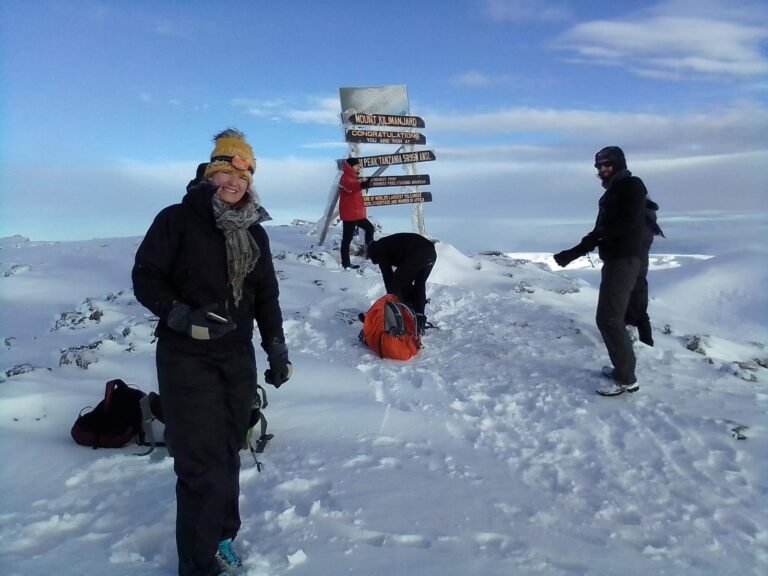
Kilimanjaro 8 May : Experience A Low-Crowd Group Trek 2027
Discover the unique advantages of joining a low-crowd group trek on Kilimanjaro on May 8, 2027. This departure offers a more intimate climbing experience, focusing on safety...
View package detailsClimbing Kilimanjaro In May : Your Green Season Trekking Guide 2027
Discover the unique advantages and challenges of climbing Kilimanjaro in May 2027. This guide details everything you need to know for a successful trek during the shoulder season.
View package details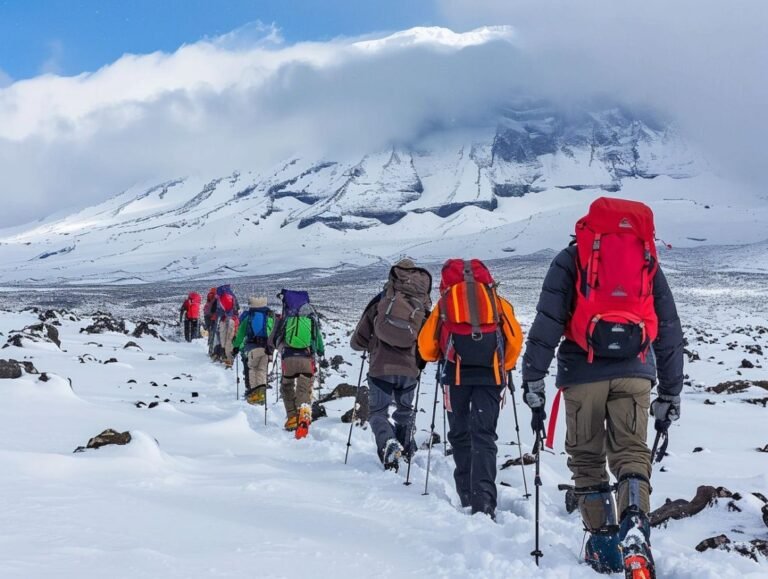
Private Kilimanjaro Climb April : Your Flexible Trekking Adventure 2027
start a personalized Kilimanjaro ascent in April 2027 with a private climb tailored for flexible travellers. Explore route options, understand the April weather, and learn how to book your...
View package detailsKilimanjaro 24 April : Late Trek & Weather Expectations 2027
Discover what to anticipate for a Kilimanjaro climb on April 24, 2027. This guide covers late April weather patterns, suitable routes, and essential preparation for your ascent.
View package details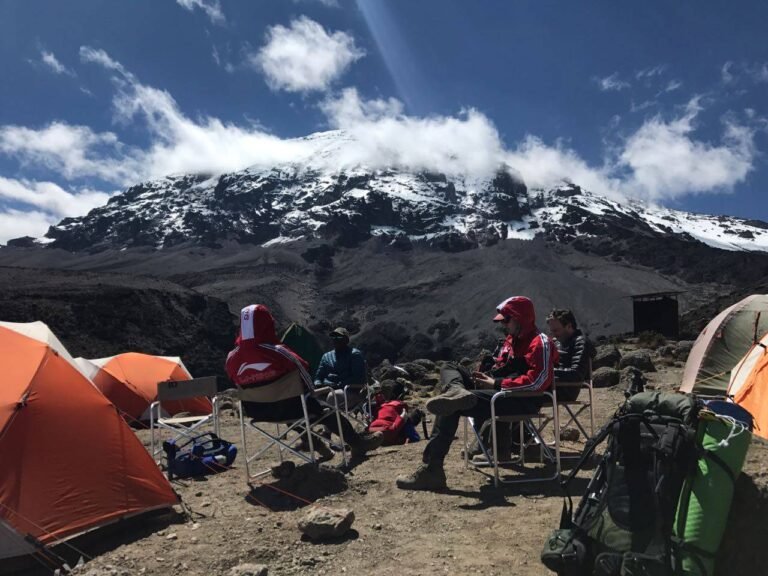
Rongai Route Kilimanjaro April : Your Northern-Side Rainy Season Trek 2027
start your Kilimanjaro adventure via the Rongai Route in April 2027. This guide details the northern-side experience during the shoulder rainy season, offering practical insights for...
View package detailsEaster Sunday Kilimanjaro Summit – 28 March Trekking Adventure 2027
start an extraordinary journey to the Roof of Africa by aiming for the summit of Kilimanjaro on Easter Sunday, March 28, 2027. This unique timing offers a blend of spiritual significance...
View package detailsNo related package matches those filters. Clear one or more filters to see the other topic-matched options.



