
A Kilimanjaro Photography Expedition focuses on capturing the mountain’s unique geological features, vast landscapes, celestial phenomena, and the dramatic summit moments, requiring specific gear, planning, and timing to maximize photographic opportunities. Success hinges on understanding light, altitude effects on equipment and your own stamina, and selecting the right climbing route and season for the best visual results, especially concerning its famed glaciers and star-filled nights during 2026-2027 expeditions.
Understanding the Kilimanjaro Photography Expedition: Beyond the Summit
Climbing Kilimanjaro is an achievement in itself, but for photographers, it’s a canvas of unparalleled beauty. A Kilimanjaro Photography Expedition is designed for those who want to document not just the journey to Africa’s highest peak, but the dramatic interplay of light, ice, rock, and sky that defines this iconic mountain. This isn’t just about reaching the summit; it’s about capturing the ethereal glow of sunrise over the clouds, the stark beauty of the shrinking glaciers, the incredible clarity of the Milky Way from high altitudes, and the raw, powerful landscapes that unfold with every step upwards. Planning for such an expedition in 2026 or 2027 means considering photographic priorities alongside the physical demands of the climb. It requires a different mindset – one that balances pace with patience, technical skill with environmental awareness, and the drive for the summit with the desire to freeze moments in time. We help you integrate your photographic vision into a successful climb, ensuring you have the best possible conditions and support to bring home truly remarkable images.
This expedition style elevates the standard Kilimanjaro climb. Instead of a race to the top, it’s a deliberate journey where every viewpoint, every geological formation, and every shift in light is an opportunity. Whether you’re drawn to the stark, ancient ice of the Kilimanjaro glaciers, the vibrant hues of dawn, or the immense, star-dusted canvas of the equatorial night sky, a photography expedition requires careful preparation. This guide will walk you through the essential elements, from choosing the right gear and routes to understanding the best times for your 2026-2027 adventure and how to manage the unique challenges of shooting at extreme altitudes.
The Allure of Kilimanjaro for Photographers
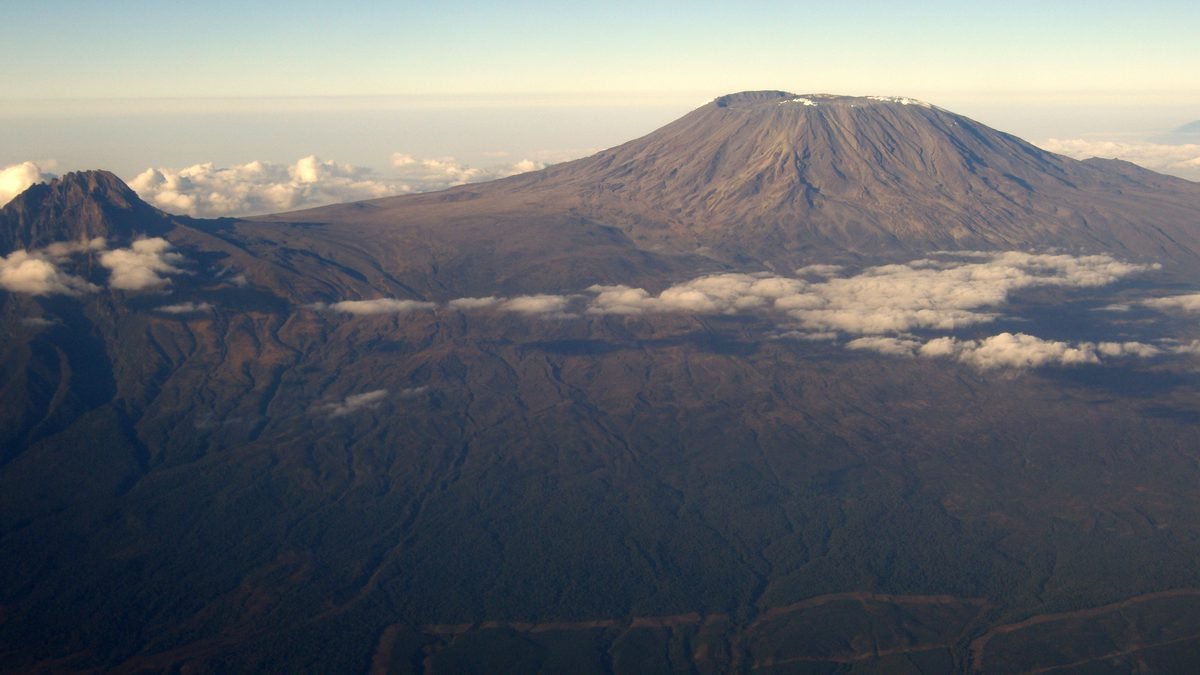
Kilimanjaro presents a unique photographic challenge and reward. Its diverse ecosystems, from lush rainforests at the base to the alpine desert and arctic summit zone, offer a stunning visual progression. The mountain’s sheer scale, its position near the equator, and its dramatic weather patterns create dynamic conditions perfect for photography.
Kilimanjaro’s Glaciers: A Vanishing Wonder
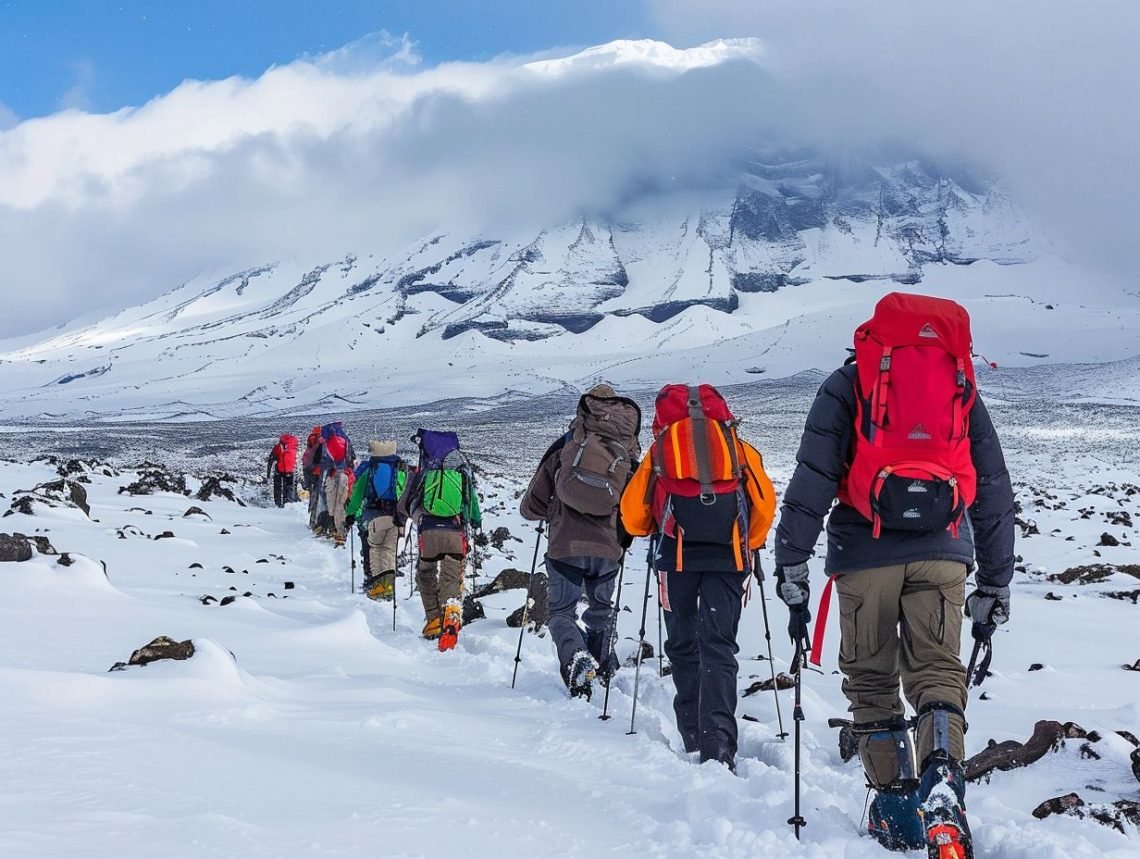
Perhaps the most poignant photographic subject on Kilimanjaro is its iconic glaciers. These ancient ice fields, particularly the Northern and Southern Ice Fields and the iconic Furtwängler Glacier, are shrinking rapidly due to climate change. Photographing them is not only visually compelling but also serves as a powerful documentation of a changing planet. The textures, the blues and whites of the ice, and the stark contrast against the volcanic rock are incredibly photogenic. Capturing these glaciers requires understanding the best light – often early morning or late afternoon – and the specific challenges of shooting in extreme cold, where camera batteries drain quickly and your own fingers can become numb. For expeditions in 2026 and 2027, photographing these glaciers offers a chance to capture a piece of natural history before it’s gone.
Celestial Spectacles: Stars and the Milky Way
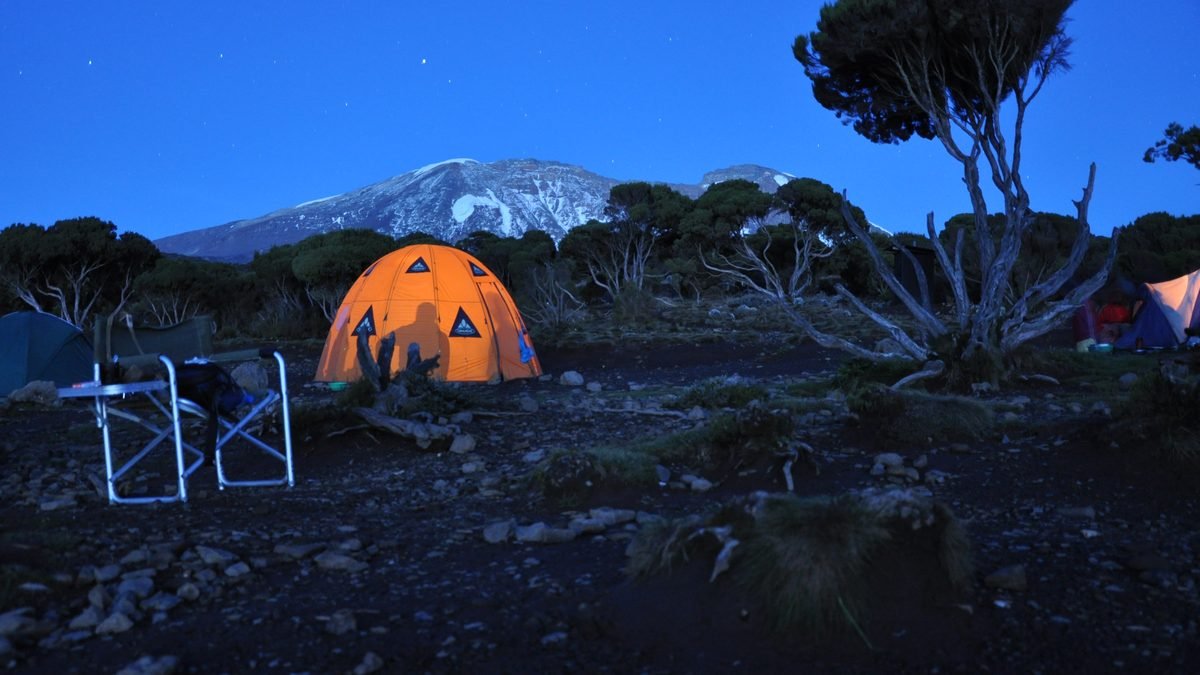
At altitudes above 4,000 meters, Kilimanjaro offers some of the most spectacular stargazing opportunities on Earth. Far from light pollution, the equatorial sky reveals the Milky Way in astonishing detail. For photographers, this means opportunities for astrophotography that are hard to match. Imagine capturing the silhouette of Kilimanjaro against a sky blazing with stars, or the ethereal glow of the Milky Way arching overhead. This requires specialized techniques, including long exposures, wide-angle lenses, and careful focusing in the dark. The cold temperatures and thin air at these altitudes also add complexity to the shooting process.
Sunrise and Sunset: A Symphony of Light
The summit of Kilimanjaro, Uhuru Peak, offers one of the most dramatic sunrise locations in the world. Witnessing the sun emerge over the vast plains of Africa from over 5,895 meters (19,341 feet) is a profound experience, and capturing it is a photographer’s dream. Similarly, sunsets can paint the sky with incredible colors. The challenge here is timing: summit night is typically dark, so sunrise photography happens immediately after reaching the peak, often in freezing temperatures and with limited energy. Planning your camera settings and having your gear ready is crucial. The changing light throughout the day also transforms the volcanic landscapes, from the soft pastels of dawn to the harsh midday sun and the warm, golden hues of late afternoon.
Summit Landscapes and Volcanic Formations
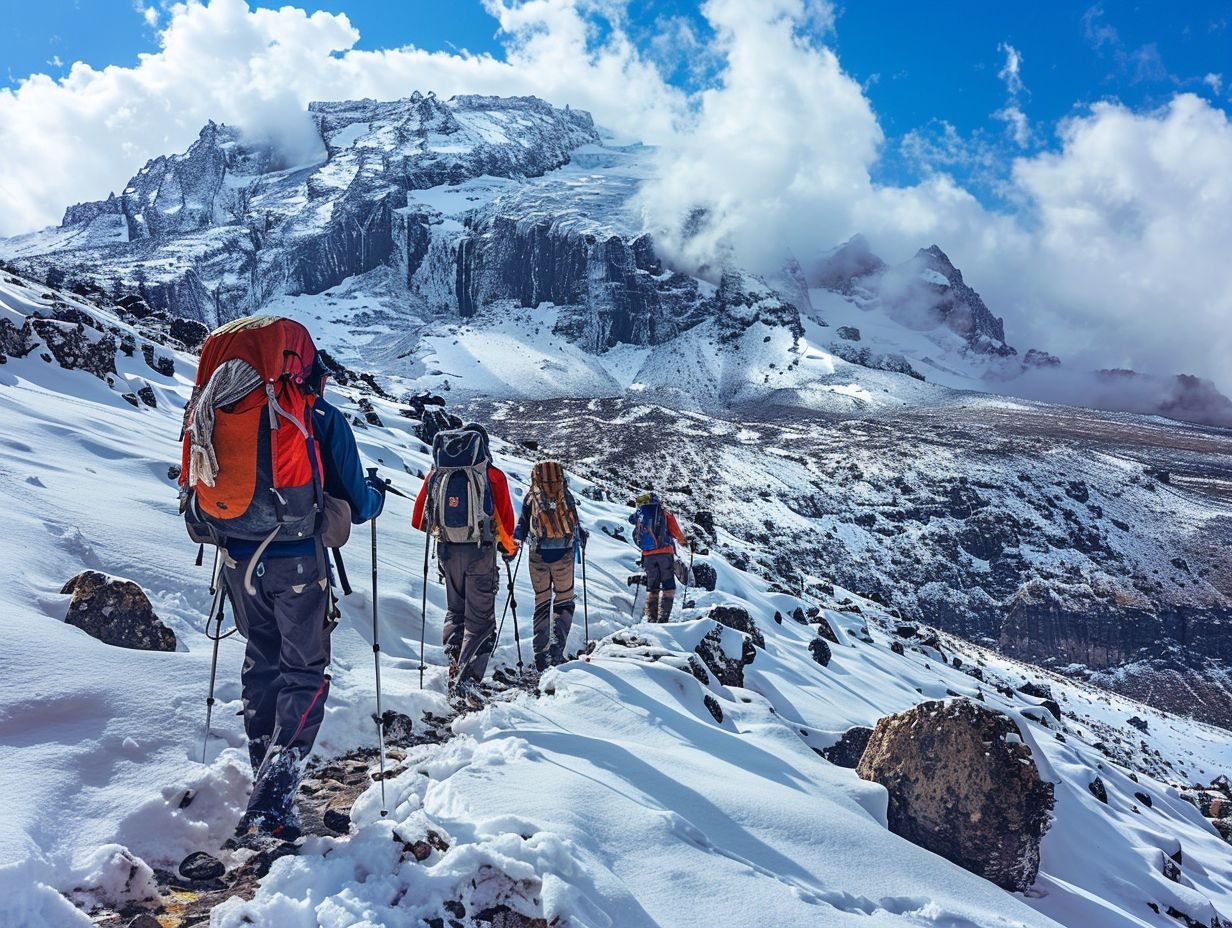
Beyond the glaciers and sky, Kilimanjaro’s summit plateau and crater rim present a stark, otherworldly landscape. The volcanic formations, the vast crater, and the surrounding plains visible from the top offer sweeping vistas. These landscapes are best captured with wide-angle lenses, but understanding how to use depth of field and composition to convey the immense scale is key. The barren, rocky terrain can be challenging to photograph compellingly, but with careful attention to foreground elements, leading lines, and the quality of light, you can create powerful images.
Choosing Your Kilimanjaro Photography Expedition Route
The route you choose significantly impacts your photographic opportunities. Some routes offer more scenic variety, better acclimatization profiles (which means you’ll feel better and have more energy for photography), and more opportunities to witness specific phenomena at optimal times. For a Kilimanjaro Photography Expedition, prioritizing acclimatization and scenic beauty is paramount.
Marangu Route: The “Coca-Cola” Route
While popular for its hut accommodation, the Marangu route is generally less recommended for photography expeditions. It’s the shortest and most direct route, meaning faster ascent and poorer acclimatization, which can leave you fatigued and less able to focus on photography. Its ascents and descents are along the same path, limiting the variety of photographic perspectives. The views are good, but not as expansive or diverse as on other routes.
Machame Route: The “Whiskey” Route
The Machame route is a highly popular choice and excellent for photography. It offers superb acclimatization due to its ‘trek high, sleep low’ profile, which is crucial for maintaining energy and well-being for shooting. It boasts incredible scenic diversity, passing through varied vegetation zones and offering stunning views of Kibo, Mawenzi, and Shira Plateau. The trek through the Shira Caldera and the approach to Lava Tower provide excellent photographic moments. Its circuitous path means you see different landscapes on the ascent and descent. Many trekkers find the Machame route offers some of the most dramatic vistas on Kilimanjaro, making it ideal for capturing the mountain’s grandeur. This is a strong contender for any 2026-2027 Kilimanjaro Photography Expedition.
Lemosho Route: The Photographer’s Favorite
Often considered the premier route for scenery and photography, the Lemosho route offers the most varied landscapes and excellent acclimatization. It starts in the lush rainforest, traverses the Shira Plateau, and offers long, slow ascents with plenty of ‘trek high, sleep low’ opportunities. The western approach provides impressive views of the mountain, and the route converges with the Machame route, sharing its scenic highlights. The additional days on Lemosho mean more time to adapt to the altitude and more opportunities to shoot the unique flora and fauna of the lower slopes, as well as the dramatic volcanic features higher up. Its longer duration makes it a top choice for serious photographers planning a 2026-2027 climb.
Shira Route: High-Altitude Plateau Exploration
Similar to Lemosho, the Shira route begins by crossing the Shira Plateau, offering immediate high-altitude exposure and stunning views. It’s a good option for acclimatization and photography, though it can be more challenging for those not accustomed to higher altitudes from the outset. It also offers excellent opportunities for capturing the vastness of the mountain and its surroundings.
Northern Circuit: The Longest and Most Scenic
The Northern Circuit is the longest route, offering the best acclimatization profile and the most comprehensive circuit around the mountain’s northern slopes. This extended duration provides ample time to photograph the diverse landscapes from unique vantage points, including the remote northern side. It offers stunning views of the summit and the glaciers from different angles, and allows for a more relaxed pace, which is beneficial for photographers who need time to set up shots. For a dedicated Kilimanjaro Photography Expedition in 2026 or 2027, the extended time and diverse perspectives make this route a compelling choice.
Rongai Route: The Eastern Approach
The Rongai route approaches Kilimanjaro from the north, offering a different perspective and a drier climate, which can be advantageous during the rainy seasons. It’s a less crowded route and provides a gradual ascent. While scenic, it’s often considered less visually dramatic than Lemosho or Machame, particularly in the initial stages. However, it still offers good photographic opportunities, especially as it joins the Marangu route higher up.
Decision Point: For a dedicated Kilimanjaro Photography Expedition, the Lemosho and Northern Circuit routes are generally the best choices due to their longer duration, superior acclimatization, and diverse, sweeping vistas. The Machame route is a strong runner-up, offering excellent scenery and acclimatization in a slightly shorter timeframe. Consider the number of days you have available and your comfort level with altitude when making your choice for 2026-2027.
Essential Photography Gear for Kilimanjaro
Photographing on Kilimanjaro means dealing with extreme conditions: altitude, cold, sun, wind, and dust. Your gear selection and preparation are critical for success and for protecting your equipment.
Camera Bodies and Lenses
DSLR or Mirrorless Camera: Choose a reliable camera that you are comfortable with. Full-frame cameras offer superior low-light performance, which is beneficial for astrophotography and sunrise shots, but mirrorless systems are often lighter. Ensure your camera is weather-sealed if possible.
Versatile Zoom Lens: A wide-angle zoom lens (e.g., 16-35mm or 24-70mm equivalent) is essential for capturing landscapes, glaciers, and the night sky. A mid-range zoom (e.g., 24-105mm) offers flexibility for various shots. For the summit sunrise, a lens that can capture the expansive view without distortion is ideal.
Prime Lens (Optional): A fast prime lens (e.g., 35mm f/1.8 or 50mm f/1.8) can be excellent for low-light conditions and astrophotography, offering sharper images and wider apertures than most zooms. However, the need to change lenses in the cold and wind can be a drawback.
Telephoto Lens (Optional): If you plan to photograph wildlife on the lower slopes or distant peaks, a telephoto lens might be useful, but it adds significant weight and bulk. For most Kilimanjaro Photography Expedition goals focused on landscapes and glaciers, it’s often omitted.
Tripod and Support
Sturdy, Lightweight Tripod: Essential for long exposures, astrophotography, and sharp landscape shots, especially in low light. Look for one made of carbon fiber for a good balance of strength and weight. Ensure it has a secure ball head that can handle cold temperatures.
Remote Shutter Release or Intervalometer: Minimizes camera shake during long exposures and allows you to trigger the shutter without touching the camera, especially useful when wearing gloves.
Power and Storage
Extra Batteries: Cold drains batteries rapidly. Bring at least 2-3 extra fully charged batteries. Keep spares warm in an inside pocket.
Power Bank: A high-capacity power bank can recharge batteries and your phone, but again, keep it warm.
Memory Cards: Bring plenty of high-capacity SD cards. Shooting at high resolutions and potentially in RAW format consumes significant space. Factor in storage for your 2026-2027 expedition.
Protection and Accessories
Camera Bag: A comfortable, durable backpack with good padding and easy access is crucial. Consider a bag that can be opened from the back for security or one with a good waist strap to transfer weight. A rain cover is a must.
Lens Cleaning Kit: Microfiber cloths, lens cleaning solution, and a blower brush are vital for removing dust and moisture. Condensation can be a major issue when moving between extreme temperature zones.
Glove System: Thin liner gloves are essential for operating camera controls, with warmer mittens over the top for when you’re not shooting. Touchscreen-compatible gloves can be useful but often lack dexterity.
Dry Bags: Use dry bags to protect your camera and lenses from moisture and dust inside your main backpack.
Filters: A polarizing filter can help reduce glare and enhance skies, while ND filters can be useful for long exposures in daylight. A UV filter can offer basic protection but can reduce image quality.
Headlamp: Essential for navigating in the dark, especially for summit night and astrophotography. Look for one with a red light option to preserve night vision.
Clothing and Personal Comfort
While not strictly photography gear, your personal comfort directly impacts your ability to shoot. Layers are key. Hand warmers can be a lifesaver for camera batteries and your fingers.
Gear Tip for 2026-2027 Expeditions:
Test everything before you go. Batteries, chargers, memory cards, and your camera’s functions, especially in cold temperatures. Understand how your gear behaves in extreme cold. Consider a camera backpack that allows you to swing it around to the front for quick access without taking it off.
Mastering Kilimanjaro Photography: Techniques and Timing
Capturing stunning images on Kilimanjaro requires more than just good gear; it demands an understanding of light, composition, and the unique conditions of high-altitude photography.
The Golden Hours: Sunrise and Sunset
The periods shortly after sunrise and before sunset offer the most flattering light, with warm, soft tones and long shadows that add depth and dimension to landscapes. For photographers on Kilimanjaro, this means planning shoots around these times. Sunrise is particularly critical on summit night, so having your camera ready to go as you reach Uhuru Peak is essential. Even on non-summit days, aiming to be at scenic viewpoints during these golden hours can yield spectacular results.
Capturing the Glaciers
Kilimanjaro’s glaciers are best photographed when the light is soft and diffused, or when the sun hits them at an angle that highlights their texture and blue hues. Early morning light can be fantastic, but be mindful of the extreme cold. The contrast between the ice and the dark volcanic rock is a key element. Look for interesting shapes and forms within the ice. Remember that these glaciers are receding, so documenting them is a significant aspect of any Kilimanjaro Photography Expedition.
Astrophotography: The Equatorial Night Sky
Kilimanjaro’s altitude and remote location provide incredible conditions for astrophotography. To capture the Milky Way, you’ll need a clear night, a dark sky (away from camp lights), a wide-angle lens with a fast aperture (f/2.8 or wider), and a sturdy tripod. Techniques involve:
- Manual Focus: Focus on a distant star using live view, zooming in as much as possible.
- High ISO: Use an ISO setting between 1600 and 6400, depending on your camera’s capabilities.
- Long Exposure: A shutter speed of 15-30 seconds is typical. Use the 500 rule (500 divided by your lens focal length) as a guide for maximum exposure time before star trails appear.
- Wide Aperture: Use your lens’s widest aperture (e.g., f/1.8, f/2.8) to let in as much light as possible.
Photographing the stars requires patience and practice, and doing so in the freezing cold at high altitude is a significant challenge. Consider practicing these techniques before your 2026-2027 expedition.
Sunrise from the Summit
Reaching Stella Point or Uhuru Peak at sunrise is the culmination of many Kilimanjaro climbs. The view as the sun rises over the clouds is unforgettable. To photograph it effectively:
- Be Prepared: Have your camera, a wide-angle lens, and a fully charged battery ready to go in your outer pocket.
- Anticipate the Light: The sky will transition through pre-dawn blues, soft oranges, and bright yellows. Be ready to capture each phase.
- Use the Landscape: Include the crater rim, the glaciers, or fellow climbers in your frame to add context and scale.
- Protect Your Gear: The temperature can be well below freezing, and condensation can form. Keep your camera as warm as possible.
This moment is fleeting, so efficiency is key. A Kilimanjaro Photography Expedition prioritizes having the time and mental clarity to capture this, but it’s still a race against the rapidly changing light and cold.
Composition and Storytelling
Beyond technical settings, focus on composition. Use leading lines (paths, ridges), foreground elements (rocks, ice formations), and framing to draw the viewer into the image. Think about the story you want to tell: the scale of the mountain, the resilience of life at altitude, the beauty of the changing light, or the personal challenge of the climb. Don’t just shoot the grand vistas; capture the details – the texture of the rock, the frost on a plant, the expressions of your fellow climbers.
Timing is Everything:
The best photographic light on Kilimanjaro is often during the golden hours (early morning and late afternoon) and the blue hour (just before sunrise and after sunset). For summit sunrise, you’ll be shooting during the blue hour and the first light. For astrophotography, aim for nights with a new moon for maximum darkness. For glaciers, a slightly overcast day can provide soft, even light that reveals their blue tones beautifully.
Best Time of Year for a Kilimanjaro Photography Expedition (2026-2027)
The timing of your expedition is crucial for photography, influencing weather, visibility, and the appearance of the landscape, particularly the glaciers and the clarity of the sky.
Dry Seasons: Optimal for Photography
The two primary dry seasons offer the best conditions for a Kilimanjaro Photography Expedition:
- January to March: This is a prime season. Skies are typically clear, offering excellent visibility for landscapes and astrophotography. The glaciers are usually well-formed, and temperatures are relatively mild. It’s a popular time, so expect company on the trails.
- June to October: This is the longest dry season and another excellent period. The skies are generally clear, and visibility is superb. Nights can be colder, especially in July and August, but this often means clearer skies for stargazing. The landscapes can appear drier, but the photographic conditions are often ideal.
Wet Seasons: Challenges and Opportunities
While generally less ideal, the wet seasons can offer unique photographic opportunities for the adventurous:
- April to May: This is the ‘long rains’ season. Expect frequent, heavy rainfall, fog, and cloud cover, especially at lower altitudes. However, the landscape is lush and green, and waterfalls can be impressive. If you can brave the conditions, the dramatic, moody skies and mist can create atmospheric shots. The glaciers will be less impacted by rain but visibility can be poor.
- November to December: This is the ‘short rains’ season. Rainfall is usually in the form of afternoon showers rather than all-day downpours. This can mean clearer mornings, which are good for photography, followed by potential rain later in the day. The landscape is still relatively green.
Considering the Glaciers and Stars
For photographing the glaciers, the dry seasons are best for clear views and good light. For astrophotography, the dry seasons are also paramount, as cloud cover during the wet seasons will obscure the stars. The colder, clearer nights of the June-October dry season are particularly good for stargazing. If your primary focus is capturing the stark beauty of the glaciers under optimal light, the January-March period is often preferred.
Planning for 2026-2027
When planning your 2026 or 2027 Kilimanjaro Photography Expedition, aim for the dry seasons. If you prefer slightly warmer conditions and are less concerned about extreme cold, January-March might be ideal. If you don’t mind cooler nights and want the longest window of dry weather, June-October is excellent. Booking well in advance is recommended, especially for popular departure dates in these peak seasons for 2026 and 2027.
Photographer’s Seasonal Choice:
Dry seasons (Jan-Mar, Jun-Oct) are best for clear skies, good visibility, and photographing glaciers. The June-October period often offers colder, clearer nights ideal for stargazing. If you are aiming for specific glacier shots, January-March might offer slightly better light conditions due to less extreme cold impacting your shooting time.
Altitude and Acclimatization for Photographers
Altitude sickness is a serious concern on Kilimanjaro, and it directly impacts your ability to photograph. Proper acclimatization is not just about safety; it’s about ensuring you have the energy, clarity, and physical well-being to operate your camera and enjoy the photographic process.
Why Acclimatization Matters for Photography
At high altitudes, your body struggles to get enough oxygen. Symptoms of altitude sickness (headache, nausea, dizziness, fatigue) can make focusing on complex camera settings, carrying gear, and staying out in the cold for extended periods extremely difficult. A well-acclimatized photographer is a more effective photographer.
Routes Prioritizing Acclimatization
As discussed earlier, routes like the Lemosho, Northern Circuit, and Machame are superior for acclimatization because they are longer and follow the ‘trek high, sleep low’ principle. This gradual ascent allows your body more time to adapt to decreasing oxygen levels. This is a critical factor for a Kilimanjaro Photography Expedition where you’ll want to feel your best.
Pacing Your Climb
Slow and steady wins the race, both for reaching the summit and for photography. Don’t rush your trek. Take breaks to appreciate the scenery and to set up shots. Your guide will encourage a slow pace, but as a photographer, you might be tempted to stop more often. Communicate your needs clearly with your guide.
Hydration and Nutrition
Staying well-hydrated (3-4 liters of water per day) and eating well are crucial for acclimatization and energy levels. This directly impacts your ability to focus on photography and endure the cold. High-carbohydrate meals are recommended.
Recognizing and Managing Altitude Sickness
Be aware of the symptoms. If you feel unwell, communicate it immediately to your guide. The most effective treatment is descent. For photographers, this can be devastating, but safety must always come first. Planning a longer route for your 2026-2027 expedition significantly reduces the risk.
Photographer’s Acclimatization Strategy:
Choose a longer route (8+ days) like Lemosho or Northern Circuit. Communicate your photography goals with your guide so they can help you manage pace and stops. Prioritize rest, hydration, and nutrition to maintain energy for both climbing and shooting.
Capturing the Summit: Uhuru Peak Photography Tips
The summit of Kilimanjaro is a photographer’s ultimate reward, but it’s also the most challenging environment. Success here requires meticulous preparation.
Summit Night: The Darkest Hours
Summit night is typically a pre-dawn start, often around midnight. You’ll be climbing in the dark, using headlamps. This is not ideal for photography, but it’s essential for reaching the summit before sunrise and descending safely. Your primary goal is to reach the top, not to shoot extensive photos during the ascent.
The Sunrise Moment
As you approach Stella Point or Uhuru Peak, the sky will begin to lighten. This is your window. Have your camera ready. The first light breaking over the horizon is magical. You’ll want a wide-angle lens to capture the expansive view.
Uhuru Peak: The Highest Point
Once at Uhuru Peak (5,895m / 19,341ft), take a moment to appreciate the view and capture iconic shots. The signpost, the vast crater, the glaciers (especially the Furtwängler Glacier), and the panoramic views of Africa below are all prime subjects. The light will be changing rapidly, so be efficient.
Photography in Extreme Cold
Temperatures at the summit can be -10°C to -20°C (14°F to -4°F) or colder, with wind chill. Your camera batteries will drain rapidly. Keep spares warm inside your clothing. Operating camera controls with thick gloves is difficult. Thin liner gloves are essential, but even these can feel numbingly cold.
Battery Management
Crucial for summit photography:
- Keep all batteries (camera, phone, headlamp) as close to your body heat as possible.
- Use a camera bag with good insulation or wrap your camera in a fleece when not in use.
- Consider using a camera with good battery life, though cold will significantly reduce it.
- Limit the time you have the camera out of its bag.
Protecting Your Gear
Condensation is a major enemy. When you come in from the extreme cold, immediately place your camera in a sealed plastic bag before it warms up. Allow it to slowly acclimate to the warmer temperature inside the bag to prevent moisture from forming on internal components.
Focusing on the Experience
While photography is a priority for a Kilimanjaro Photography Expedition, remember that summiting is a physical and mental challenge. Don’t let the pressure to get the perfect shot detract from the experience of reaching the roof of Africa. Take a few key shots, then put the camera away and soak it all in. You can always take more photos during the descent.
Summit Day Photography Checklist:
Pre-dawn: Camera stored warm, headlamp on, gloves ready.
First Light: Camera accessible, wide-angle lens attached, take shots of sunrise panorama. Use a tripod if time and conditions permit, but handheld is often faster.
Uhuru Peak: Capture the signpost, glaciers, crater views. Be efficient due to cold and fatigue.
Descent: Take more photos as the sun rises higher and illuminates the landscapes you climbed through in darkness.
Post-Climb: Editing and Sharing Your Kilimanjaro Photos
The expedition doesn’t end at the base of the mountain. Processing and sharing your images are the final, rewarding stages.
Editing for Impact
RAW files offer the most flexibility for editing. Use software like Adobe Lightroom or Capture One to adjust exposure, contrast, white balance, and colors. For astrophotography, noise reduction is key. For glacier shots, enhancing the blues and textures can be very effective. Remember to maintain a natural look; the mountain’s beauty is often striking enough without heavy manipulation.
Organizing Your Photos
With potentially hundreds or thousands of photos, organization is essential. Create folders by day or by subject matter. Use keywords and ratings to help you find your best shots later.
Sharing Your Journey
Consider sharing your photos on social media, a personal blog, or even creating a photo book. This is a fantastic way to relive your Kilimanjaro Photography Expedition and inspire others. When sharing images of the glaciers, consider adding a note about their receding state to raise awareness.
Backup Your Memories
Before you leave Tanzania, ensure you have backed up all your photos to at least two separate locations (e.g., external hard drive and cloud storage). Losing your precious expedition photos would be a tragedy.
Planning Your 2026-2027 Kilimanjaro Photography Expedition with Climb 4 Africa
Organizing a successful Kilimanjaro Photography Expedition requires expert local knowledge and logistical support. Climb 4 Africa specializes in tailoring Kilimanjaro adventures to meet specific traveler needs, including those with a strong focus on photography.
Why Choose Climb 4 Africa?
As a local Tanzanian company, we have an intimate understanding of Kilimanjaro, its routes, its weather patterns, and the best ways to ensure client safety and success. Our guides are experienced mountaineers and are trained to support photographers, understanding the need for extra stops and patience. We can advise on:
- Route Selection: Helping you choose the best route (like Lemosho or Northern Circuit) for photographic opportunities and acclimatization in 2026-2027.
- Timing: Recommending the optimal season for your photographic goals.
- Logistics: Arranging comfortable accommodations, reliable transport, and high-quality meals, ensuring you have the energy for your photography.
- Safety: Our paramount concern, with well-equipped teams and emergency protocols.
Tailoring Your Expedition
We understand that a photography expedition is different from a standard trek. We can discuss options for:
- Slower Pace: Building in flexibility for more frequent photo stops.
- Extended Days: Longer itineraries for better acclimatization and more shooting time.
- Specific Itinerary Adjustments: Focusing on particular viewpoints or times of day.
Booking Your 2026-2027 Photography Expedition
To start planning your dream Kilimanjaro Photography Expedition for 2026 or 2027, get in touch with our team. We will guide you through the process, answer all your questions, and help craft an itinerary that maximizes your chances of capturing the impressive beauty of Kilimanjaro.
Contact us via WhatsApp at +255 747 477 898 or email us at climb4africa@gmail.com. Let us help you plan an unforgettable photographic journey to the Roof of Africa.
What to Discuss with Us
When you contact us, be ready to discuss:
- Your preferred travel dates for 2026-2027.
- Your chosen route or your interest in our recommendations.
- Your photographic interests (glaciers, stars, landscapes, wildlife, etc.).
- Your fitness level and any concerns about altitude.
- The duration you are considering for your climb.
With this information, we can provide personalized advice and a quote tailored to your Kilimanjaro Photography Expedition.
Final Considerations for 2026-2027
Kilimanjaro is a challenging but incredibly rewarding destination for photographers. By planning carefully, choosing the right route and season, and equipping yourself appropriately, you can capture stunning images of its glaciers, stars, and summit landscapes. A dedicated Kilimanjaro Photography Expedition with Climb 4 Africa ensures you have the expert support needed to make your photographic dreams a reality on this magnificent mountain. We look forward to helping you plan your 2026 or 2027 adventure.
Check Availability for Kilimanjaro Photography Expedition: Glaciers, Stars, Summit Landscapes &…
Ready to compare dates, prices, and the best option for your group? Send the package name and travel month so the team can reply with a clear quote, availability, and what is included.
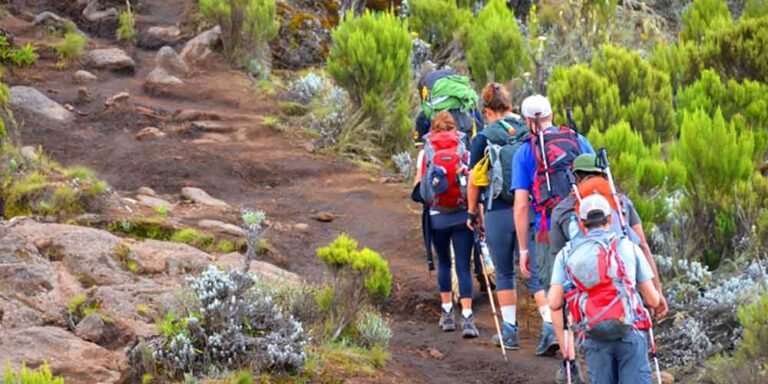
Northern Circuit – 10 July Dry-Season Expedition: Your Ultimate Kilimanjaro
Plan your Northern Circuit expedition for July 10, 2027. This dry-season adventure offers the most scenic and gradual ascent on Kilimanjaro, maximizing acclimatization and success rates.
View package details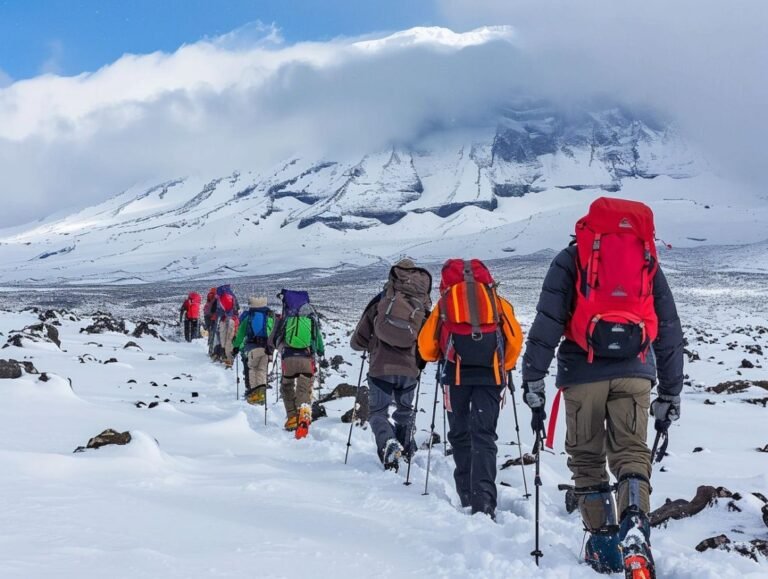
Kilimanjaro Full Moon Climb August – Summit Around 17 2027
start an unforgettable Kilimanjaro Full Moon Climb in August 2027, targeting a impressive summit on or around August 17th. This guide covers optimal routes, August conditions, and essential...
View package detailsNorthern Circuit – 2 August Kilimanjaro Expedition: Your Ultimate Guide 2027
start the Northern Circuit route for your 2027 Kilimanjaro climb. This guide details the longest and most scenic path, ideal for acclimatization and success on August 2nd, 2027.
View package details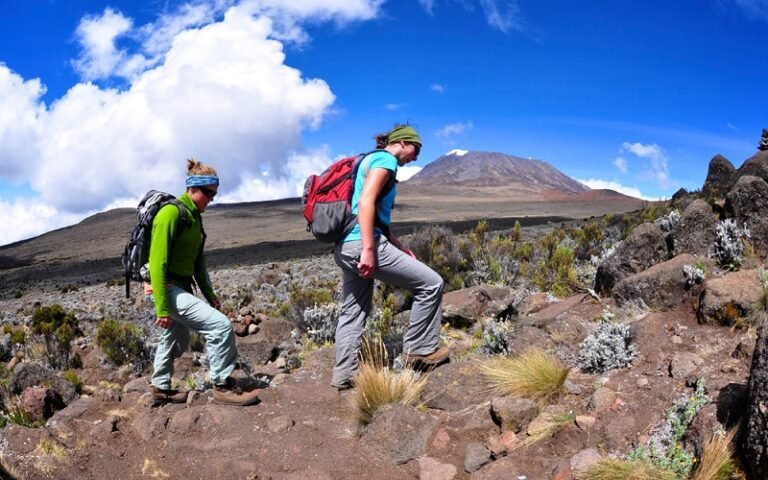
Kilimanjaro Full Moon Climb July – Summit Around 18 2027
start an unforgettable Kilimanjaro full moon climb in July 2027, targeting a summit on or around July 18th. This guide details the unique advantages of a full moon ascent, optimal routes...
View package details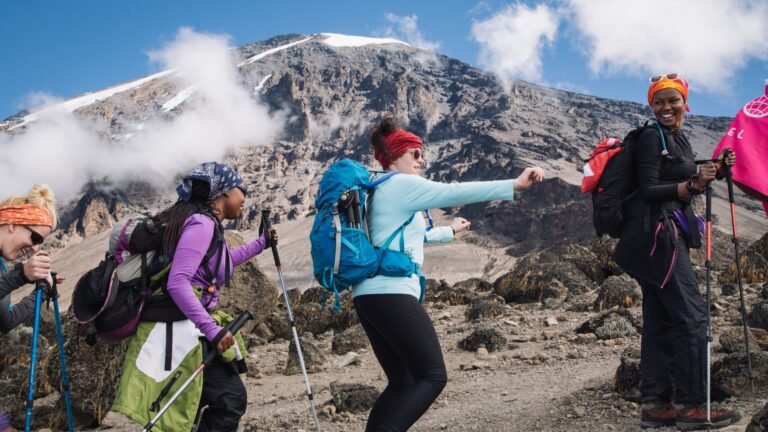
Kilimanjaro Full Moon Climb June : Summiting Under The Moonlight On 19Th 2027
start an unforgettable Kilimanjaro Full Moon Climb in June 2027, with the peak aiming for the night of June 19th. This guide explores the magic of summiting under the full moon, optimal...
View package detailsKilimanjaro Full Moon Climb May – Summit Around 20 2027
start a magical Kilimanjaro Full Moon Climb in May 2027, aiming for the summit around May 20th. This guide details the unique experience, optimal planning for the Green Season, and how...
View package details
Kilimanjaro Mid-May – Rain, Temperatures And Summit Conditions 2027
Kilimanjaro Mid-May 2027 – Rain, Temperatures and Summit Conditions is explained with current 2027 planning, price, itinerary and booking information.
View package detailsKilimanjaro Full Moon Climb April – Summit Around 20-21 2027
start an unforgettable Kilimanjaro Full Moon Climb in April 2027, aiming for the summit on April 20-21. Discover the magic of reaching Uhuru Peak under the glow of the full moon, and learn...
View package details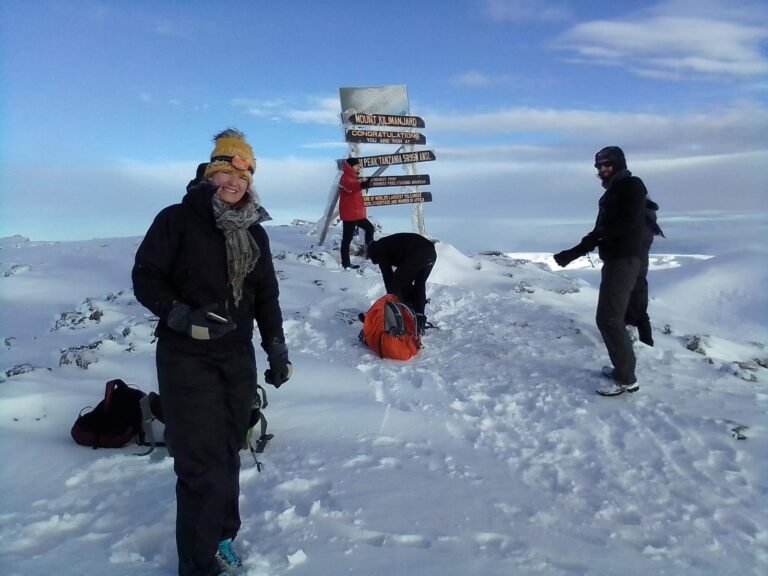
Easter Sunday Kilimanjaro Summit – 28 March Trekking Adventure 2027
start an extraordinary journey to the Roof of Africa by aiming for the summit of Kilimanjaro on Easter Sunday, March 28, 2027. This unique timing offers a blend of spiritual significance...
View package details
Kilimanjaro Full Moon Climb March – Summit Around 22 2027
Kilimanjaro Full Moon Climb March 2027 – Summit Around 22 March is explained with current 2027 planning, price, itinerary and booking information.
View package details
Kilimanjaro Full Moon Summit – 20-21 February : Your Guide To A Magical Ascent
Discover the magic of summiting Kilimanjaro under the glow of the full moon on February 20-21, 2027. This guide covers everything you need to know to prepare for an unforgettable ascent.
View package detailsKilimanjaro Full Moon Climb January – Summit Around 22 2026-2027
Kilimanjaro Full Moon Climb January 2027 – Summit Around 22 January is explained with current 2026-2027 planning, price, itinerary and booking information.
View package detailsNo related package matches those filters. Clear one or more filters to see the other topic-matched options.



