
A 2-day trip to Lake Natron and Ol Doinyo Lengai from Moshi is a focused adventure ideal for travelers seeking dramatic landscapes and a challenging volcanic hike. This itinerary typically involves a long drive from Moshi to the lake, exploring its unique alkaline waters and flamingos (seasonally), followed by an overnight ascent of Ol Doinyo Lengai, returning to Moshi the following afternoon. It’s a physically demanding trip, especially the volcano climb, and requires careful planning for 2026-2027, considering road conditions, accommodation, and guide services.
Understanding Your 2-Day Lake Natron and Ol Doinyo Lengai Adventure
Embarking on a 2-day excursion from Moshi to Lake Natron and the iconic Ol Doinyo Lengai volcano is a journey into some of Tanzania’s most striking and geologically active regions. This isn’t a typical safari; it’s an exploration of raw, untamed landscapes that offer a stark contrast to the verdant slopes of Kilimanjaro or the rolling savannas of the Serengeti. For travelers planning a trip in 2026 or 2027, understanding the logistics, physical demands, and unique aspects of this specific itinerary is crucial for a rewarding experience.
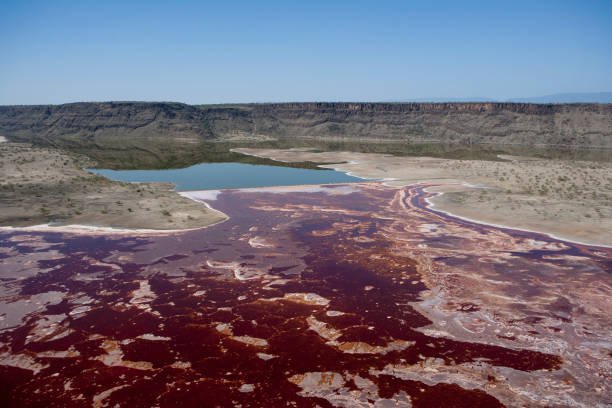
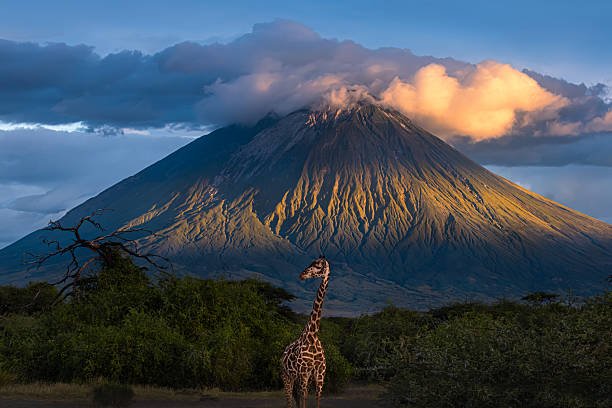
The primary draw is twofold: Lake Natron, a shallow alkaline lake renowned for its vibrant red hues (due to algae and bacteria), its dramatic salt crusts, and its role as a vital breeding ground for Lesser Flamingos; and Ol Doinyo Lengai, meaning “Mountain of God” in the Maasai language, an active stratovolcano that is the only volcano in the world erupting natrocarbonatite lava. The challenge of climbing it, often at night, adds an element of extreme adventure.
This 2-day format is ambitious. It requires early starts, long drives, and significant physical exertion, particularly for the Ol Doinyo Lengai climb. It’s designed for those who want a concentrated burst of adventure and are comfortable with rustic conditions. The journey from Moshi itself is part of the experience, traversing diverse terrains that transition from cultivated highlands to arid, volcanic plains.
When considering this trip for 2026-2027, think about the season. While Lake Natron is always visually stunning, the flamingo population fluctuates. The dry season generally offers better road conditions, which is a significant factor given the remote nature of the destination. However, the volcano is climbable year-round, with night ascents being the standard to avoid the daytime heat and to witness the sunrise from the summit.
For many, this trip is an add-on to a Kilimanjaro climb or a safari. It offers a different perspective on Tanzania’s natural wonders. It’s important to manage expectations regarding comfort; accommodation near Lake Natron is often basic, and the volcano climb is strenuous. This guide aims to provide a clear picture of what a 2-day Lake Natron, Ol Doinyo Lengai from Moshi trip entails, helping you make informed decisions for your 2026-2027 travel plans.
Itinerary Outline: A Swift Yet Intense 2-Day Journey
Crafting a 2-day itinerary for Lake Natron and Ol Doinyo Lengai from Moshi is about maximizing time while respecting the distances and the physical demands. This is a fast-paced trip, designed for efficiency and impact. The key is to cover the significant travel time and the core experiences within the tight timeframe.
Day 1: Moshi to Lake Natron via Engaresero Village
Morning (Approx. 6:00 AM): Depart from Moshi after an early breakfast. The journey is lengthy, typically taking 5-7 hours depending on road conditions. You’ll be traveling in a 4×4 vehicle, essential for navigating the varied terrain. The route winds through rural landscapes, gradually giving way to more arid and volcanic scenery as you approach the Great Rift Valley.
Late Morning/Midday: Arrive at the Lake Natron area, usually near Engaresero village, which serves as the base for exploring the lake and the starting point for Ol Doinyo Lengai climbs. Check into your accommodation. Options range from basic tented camps to simple lodges, reflecting the remote nature of the location. Freshen up and have lunch.
Afternoon: Explore Lake Natron. Depending on the season, you might see thousands of Lesser Flamingos. Even without large flocks, the lake’s surreal appearance – its vibrant colours, salt formations, and the backdrop of Ol Doinyo Lengai – is a sight to behold. You can walk along the lake shore, observing the unique environment. If time and energy permit, a short hike to the nearby waterfalls (Ngare Sero Waterfalls) can be refreshing, offering a chance to cool off in the natural pools.
Late Afternoon/Evening: Prepare for the Ol Doinyo Lengai ascent. This typically involves a late dinner and an early start for the climb, often around 8:00 PM or 9:00 PM. Ensure you have packed essentials: plenty of water, snacks, headlamp, warm clothing, sturdy hiking boots, and sun protection for the descent. Your guide will brief you on the climb’s challenges and safety protocols.
Night: Begin the ascent of Ol Doinyo Lengai. This is a steep and challenging climb, often over loose scree and volcanic rock. The ascent takes approximately 4-6 hours. The path is marked, but climbing in the dark requires focus and a good headlamp.
Day 2: Summit Ol Doinyo Lengai & Return to Moshi
Early Morning: Reach the summit of Ol Doinyo Lengai (approx. 2,878 meters / 9,442 feet). Witnessing the sunrise from the crater rim is a spectacular reward, casting dramatic shadows over the surrounding plains and offering panoramic views of Lake Natron and, on a clear day, Kilimanjaro and the Maasai Steppe. You’ll see the active crater, which often emits sulfurous fumes.
Morning: Descend Ol Doinyo Lengai. The descent is often more challenging and faster than the ascent, especially on loose scree. It takes about 3-4 hours. You’ll need to be careful to avoid slips and falls. By the time you reach the base, the sun will be higher, and the heat will be increasing.
Late Morning: Return to your accommodation near Engaresero village. After the demanding climb, you’ll likely want to rest and have a well-deserved breakfast or brunch. Depending on your departure time, you might have a brief opportunity to see more of the lake or local Maasai culture if arranged.
Midday: Begin the drive back to Moshi. This is another long journey, similar in duration to the drive in. You’ll cover the same route, perhaps noticing different details in the daylight that you missed on the way out.
Late Afternoon/Evening: Arrive back in Moshi, concluding your intense 2-day adventure.
This itinerary is a template. Actual timings can vary based on road conditions, weather, and the group’s pace. For 2026-2027 planning, it’s essential to confirm the exact start and end points and any specific activities included with your tour operator.
Key Considerations for Your 2-Day Trip in 2026-2027
Planning a short, intense trip like the 2-day Lake Natron and Ol Doinyo Lengai excursion from Moshi requires attention to detail. Given the remote location and the nature of the activities, certain factors are critical for a successful and safe journey in 2026-2027. These aren’t just about booking; they’re about understanding the environment and your own capabilities.
Physical Fitness and Preparation
The Ol Doinyo Lengai climb is the most demanding aspect. It’s a steep, challenging ascent over rough, often loose terrain, undertaken at night. Good cardiovascular fitness and leg strength are essential. While not technically difficult in terms of climbing gear, the altitude gain, steepness, and challenging surface make it strenuous. If you are planning this trip as part of a larger Tanzanian adventure in 2026-2027, ensure you are adequately prepared. Those who have recently climbed Kilimanjaro might find it manageable, but it’s still a significant undertaking. Acclimatization is minimal on a 2-day trip, so being in good shape is paramount.
Road Conditions and Vehicle Choice
The roads to Lake Natron are notoriously poor, especially during the rainy seasons. They are often dusty, bumpy, and can become impassable for standard vehicles. A reliable 4×4 vehicle is non-negotiable for this trip. The quality and maintenance of the vehicle directly impact travel time and comfort. For 2026-2027, inquire with your tour operator about the specific vehicles they use and their maintenance schedule. The drive can take anywhere from 5 to 7 hours one way, making it a significant portion of your 2-day trip.
Accommodation and Facilities
Expect basic facilities. Accommodation near Lake Natron, typically around Engaresero village, is usually in simple lodges or tented camps. Amenities are limited, and power supply can be intermittent. Hot showers and flush toilets might not always be available or consistent. This is part of the adventure, but it’s important to be prepared for rustic conditions. For 2026-2027 travel, confirm what your chosen accommodation offers. Bringing your own sleeping bag, even if camping is provided, can add comfort.
Best Time to Travel (2026-2027)
While the volcano can be climbed year-round, the best time to visit Lake Natron for optimal viewing conditions and road accessibility is generally during the dry seasons: June to October and December to February. During the rainy seasons (March-May and November), roads can become very challenging, significantly increasing travel times and potentially making the trip unfeasible. The Lesser Flamingo population is most concentrated in Lake Natron during the breeding season, which typically peaks from August to December, although this can vary. For 2026-2027, check with local experts about expected weather patterns and flamingo presence.
What to Pack
Packing smart is crucial for this short, intense trip. Essentials include:
- Sturdy hiking boots: Broken-in and suitable for steep, loose terrain.
- Headlamp with extra batteries: Essential for the night climb.
- Warm clothing: Layers are key. It can be cold at the summit of Ol Doinyo Lengai, especially before sunrise. A fleece jacket, windbreaker, and hat are recommended.
- Sun protection: High SPF sunscreen, sunglasses, and a wide-brimmed hat for the descent and daytime exploration.
- Hydration: At least 3-4 liters of water per person for the volcano climb.
- Snacks: High-energy snacks like nuts, dried fruit, energy bars.
- Camera and power bank: To capture the incredible scenery.
- Basic toiletries and personal first-aid kit: Including any personal medications.
- Insect repellent: Especially for evenings near the lake.
- Cash: For any small purchases or tips.
Guides and Local Support
Hiring experienced local guides is mandatory for climbing Ol Doinyo Lengai and highly recommended for navigating the area. They understand the terrain, weather patterns, and safety requirements. For a 2-day trip, using a reputable tour operator is essential. They will arrange the 4×4 vehicle, driver, guides, accommodation, and park/entry fees. For 2026-2027, look for operators with a proven track record in this specific region.
The Ol Doinyo Lengai Climb: A Guide for 2026-2027 Ascents
The ascent of Ol Doinyo Lengai is the centerpiece for many undertaking this 2-day journey from Moshi. It’s not just a hike; it’s an experience that tests endurance and rewards with unparalleled views. Understanding the climb itself is key to preparing adequately for your 2026-2027 adventure.
Understanding the Volcano
Ol Doinyo Lengai stands dramatically alone in the Rift Valley, a stark geological wonder. Its unique natrocarbonatite lava is very fluid and erupts at lower temperatures than typical basaltic lava, giving it a distinctive appearance. The volcano is active, and you might see steam and sulfurous fumes emanating from the crater, particularly if you are lucky enough to be there during a minor eruption. The summit stands at 2,878 meters (9,442 feet), and the climb typically starts from the base near Engaresero village, around 1,200 meters (3,937 feet).
The Night Ascent Strategy
The standard approach for climbing Ol Doinyo Lengai is a night ascent. This strategy serves several critical purposes:
- Temperature: The Tanzanian Rift Valley can be extremely hot during the day. Climbing in the cooler night air makes the strenuous ascent much more bearable.
- Visibility: Climbing in the dark with headlamps is the norm. While this adds a challenge, it also allows for a spectacular sunrise from the summit.
- Summit Sunrise: Reaching the summit before dawn to witness the sunrise over the vast plains is a truly magical experience, a fitting reward for the effort.
Departures are typically between 8:00 PM and midnight, depending on the tour operator and guide’s assessment of conditions and the group’s pace. The aim is to reach the summit within 4-6 hours.
The Climbing Route and Terrain
The path up Ol Doinyo Lengai is steep and often challenging. It’s not a paved trail but rather a track that follows the path of least resistance up the volcanic cone. You can expect:
- Steep gradients: The climb is relentlessly uphill.
- Loose scree and volcanic ash: Much of the path is covered in small, loose rocks, making footing precarious. This is particularly true on the descent, where sliding can occur.
- Rocky sections: You’ll encounter larger rocks and uneven surfaces.
- Occasional fumaroles: Areas where volcanic gases escape, which can be pungent with sulfur.
Trekking poles can be helpful for stability, especially on the descent, but they are not mandatory. Sturdy, broken-in hiking boots are essential for grip and ankle support.
Summit Experience
Reaching the crater rim is a significant achievement. The summit area is not a single flat peak but rather the rim of the active crater. You’ll be able to see the smaller cone within the main crater where activity is most concentrated. The views at sunrise are extraordinary, with the vastness of the Rift Valley unfolding below.
Be prepared for wind and cooler temperatures at the summit, especially before the sun rises. Layers are crucial. The air can also carry sulfurous smells from the active vents.
The Descent
The descent is often considered harder than the ascent. Due to the steepness and loose scree, it requires careful footing to avoid slips and falls. Many people find themselves sliding down sections on their rear end, which can be faster but also riskier if not managed. The descent typically takes 3-4 hours.
Take your time during the descent. A good guide will ensure you navigate the trickiest sections safely. By the time you reach the base, the sun will be up, and the heat will be intense, making the cool water at your lodge a welcome sight.
Safety and Guides
Climbing Ol Doinyo Lengai without a local guide is not permitted and is highly inadvisable. Guides are essential for:
- Navigating the unmarked paths, especially in the dark.
- Assessing and managing risks related to volcanic activity and terrain.
- Providing support and first aid if needed.
- Understanding the local culture and environment.
For your 2026-2027 trip, ensure your tour operator provides experienced, certified guides who know the mountain well.
Lake Natron: A Natural Wonder of Extremes
While Ol Doinyo Lengai often takes center stage, Lake Natron itself is a destination of unique ecological and visual significance. Its extreme conditions create a habitat unlike any other, making it a compelling stop on your 2-day itinerary from Moshi.
The Alkaline Environment
Lake Natron is a hypersaline and alkaline lake, meaning it has a very high salt content and a high pH level (often between 9 and 10.5). This extreme environment is created by volcanic ash and minerals from the surrounding mountains, which are washed into the lake. The water’s high pH and temperature (which can reach up to 60°C / 140°F) deter most aquatic life, including fish. However, certain extremophile organisms thrive here.
The Flamingos of Lake Natron
The most famous inhabitants of Lake Natron are the Lesser Flamingos. The lake is the primary breeding ground for this species in East Africa, providing a safe haven due to its lack of predators and the abundance of algae and cyanobacteria that form their diet. Millions of Lesser Flamingos can gather here, creating an astonishing spectacle of pink against the stark landscape.
Flamingo sightings are seasonal. While they can be present year-round, their numbers are highest during the breeding season, which typically peaks from August to December. For travelers in 2026-2027 specifically hoping to see large flocks, planning your visit during this period is advisable, though numbers can vary year to year. Even outside peak season, you may still see smaller groups or individuals.
Visual Spectacle: Colors and Salt Formations
The lake’s appearance is often described as otherworldly. The vibrant red and pink hues are caused by the carotene in the algae and bacteria that flourish in the alkaline waters. During dry periods, the water recedes, leaving behind vast, cracked salt flats that shimmer under the sun, resembling a lunar landscape. The stark contrast between the salty crust, the colored water, and the towering presence of Ol Doinyo Lengai creates incredibly photogenic scenes.
Exploring the Lake and Surroundings
On your 2-day trip, the time allocated to Lake Natron will likely be on Day 1, before the ascent of Ol Doinyo Lengai. Activities typically include:
- Walking along the shore: Observe the salt crusts and unique plant life adapted to the conditions.
- Birdwatching: Look for flamingos and other water birds that may be present.
- Photography: The landscape offers endless opportunities for dramatic shots.
Depending on your itinerary and guide, you might also visit nearby attractions:
- Ngare Sero Waterfalls: A refreshing oasis where you can swim in natural pools. The walk to the falls involves crossing a stream, and the lush vegetation provides a stark contrast to the lake’s arid surroundings.
- Maasai Village Visits: If arranged, you can gain insight into the traditional lifestyle of the Maasai people who inhabit this region. This often involves demonstrations of their culture, crafts, and daily life.
Be mindful of the lake’s caustic nature. While it’s stunning to look at, direct contact with the water is not recommended due to its high alkalinity, which can irritate skin and eyes. Your guide will advise on safe areas to explore.
Logistics and Booking Your 2-Day Lake Natron & Ol Doinyo Lengai Trip
Securing a well-organized 2-day trip from Moshi to Lake Natron and Ol Doinyo Lengai is paramount for a smooth and enjoyable experience, especially when planning for 2026-2027. The remote nature of the destination means that pre-arranged logistics are not just convenient; they are essential.
Choosing a Tour Operator
For a trip of this nature, partnering with a reputable tour operator is highly recommended. They handle the complexities of:
- Transportation: Providing a reliable 4×4 vehicle and experienced driver for the challenging roads.
- Accommodation: Booking basic but suitable lodging near Lake Natron.
- Guides: Arranging certified and experienced guides for Ol Doinyo Lengai and the local area.
- Park Fees and Permits: Ensuring all necessary entry and climbing permits are secured.
- Meals: Often included, providing sustenance during your adventure.
When researching operators for 2026-2027, look for those with specific experience in the Lake Natron and Ol Doinyo Lengai region. Check reviews, inquire about their safety protocols, and ensure they are transparent about what is included and excluded in their packages. Climb 4 Africa, based in Moshi, specializes in these types of adventures and can offer local expertise and support.
Typical Inclusions and Exclusions
A comprehensive 2-day package usually includes:
- 4×4 transport from Moshi and back.
- Professional driver-guide for the safari portion.
- Local, experienced guides for Ol Doinyo Lengai.
- Accommodation for one night.
- Meals (typically breakfast, lunch, and dinner).
- Ol Doinyo Lengai climbing permit and park entry fees.
What might be excluded:
- Tips for guides and driver.
- Personal travel insurance (highly recommended).
- Drinks and alcoholic beverages.
- Gratuities.
- Items of a personal nature.
Always clarify the inclusions and exclusions with your chosen operator before booking for 2026-2027 to avoid surprises.
Cost Factors for 2026-2027 Trips
The cost of a 2-day Lake Natron and Ol Doinyo Lengai trip from Moshi can vary significantly based on several factors:
- Group Size: Private trips are more expensive per person than joining a small group (if available).
- Vehicle Quality: The type and condition of the 4×4 vehicle can influence pricing.
- Accommodation Standard: While options are generally basic, slight variations exist.
- Inclusions: Operators offering more comprehensive meal plans or including extra activities might charge more.
- Operator’s Reputation and Overhead: Established operators with strong safety records and local support networks may have higher prices.
For a private 2-day trip from Moshi, expect costs to range approximately from $400 to $700 per person, depending on the factors above. Shared or group tours, if offered for this specific itinerary, could potentially lower this cost. It is advisable to get a personalized quote for your 2026-2027 travel dates.
Booking Process and Timing
Given the limited time frame and the need to arrange specialized logistics, it’s best to book this trip at least 2-3 months in advance, especially if you are traveling during peak seasons in 2026-2027 or wish to join a group departure. Last-minute bookings are possible but may be more expensive and subject to availability, particularly for reliable 4×4 vehicles and qualified guides.
To book or inquire about availability for 2026-2027, contact Climb 4 Africa:
- WhatsApp: +255 747 477 898
- Email: climb4africa@gmail.com
When you contact them, be sure to specify your desired travel dates, the number of people in your group, and any specific interests you have for the 2-day Lake Natron, Ol Doinyo Lengai from Moshi trip.
Comparing Options: Is 2 Days Enough?
The 2-day itinerary for Lake Natron and Ol Doinyo Lengai from Moshi is a concentrated burst of adventure. However, for travelers with slightly more flexibility in 2026-2027, considering a longer duration can significantly enhance the experience.
The Trade-offs of a 2-Day Trip
Pros:
- Time Efficiency: Perfect for those with limited vacation time who want to experience these unique destinations.
- Cost-Effective: Shorter trips generally mean lower overall costs compared to multi-day excursions.
- Intense Experience: Delivers a concentrated dose of adventure and dramatic landscapes.
Cons:
- Exhausting Pace: Involves long driving days and a very demanding volcano climb with minimal rest.
- Limited Exploration: Little time to truly soak in the atmosphere of Lake Natron or explore its surroundings in depth.
- Higher Risk of Disruption: Bad road conditions or weather can more easily derail a tightly packed 2-day schedule.
- Minimal Flexibility: Little room for spontaneous detours or relaxation.
Alternatives: 3-Day and Longer Itineraries
Extending your trip to 3 days or more offers significant advantages:
- 3-Day Itinerary: This is often the most recommended option. It typically includes the drive to Lake Natron on Day 1, allowing more time to explore the lake, visit waterfalls, and perhaps engage with the local Maasai community. Day 2 would be dedicated to the Ol Doinyo Lengai climb and descent, with an overnight stay again. Day 3 would involve a more relaxed drive back to Moshi, perhaps with a stop at Kolo-Kolo viewpoint or other points of interest. This pace is less grueling and allows for a better appreciation of the region.
- Longer Trips: For those deeply interested in the geology, ecology, or cultural aspects, longer stays (4-5 days) allow for more in-depth exploration, including hiking to different viewpoints on Ol Doinyo Lengai, more extensive birdwatching, and deeper cultural immersion.
For 2026-2027 planning, consider your priorities. If you want a whirlwind taste of the region and are prepared for the intensity, 2 days can work. However, if you seek a more comprehensive and less rushed experience, a 3-day trip from Moshi is a worthwhile upgrade. It allows for a better balance between the demanding volcano climb and appreciating the unique environment of Lake Natron.
Frequently Asked Questions About Lake Natron & Ol Doinyo Lengai
Q1: Is the 2-day trip to Lake Natron and Ol Doinyo Lengai from Moshi suitable for everyone?
A: No, this 2-day trip is quite demanding. It involves long driving days on rough roads and a very strenuous night climb up Ol Doinyo Lengai. It is best suited for individuals who are physically fit, have good stamina, and are comfortable with basic accommodation and remote travel. Travelers who prefer a more relaxed pace or have significant physical limitations might find a longer, less intense itinerary more suitable.
Q2: What is the best time of year to visit Lake Natron and climb Ol Doinyo Lengai in 2026-2027?
A: The dry seasons (June-October and December-February) generally offer the best road conditions for reaching Lake Natron. The breeding season for Lesser Flamingos typically peaks from August to December, offering the best chance to see large flocks. The volcano can be climbed year-round, but night ascents are standard to avoid heat and see the sunrise. However, extreme rain can still impact road travel even in shoulder seasons.
Q3: What kind of accommodation can I expect?
A: Accommodation near Lake Natron is typically basic, consisting of simple lodges or tented camps. Expect essential amenities rather than luxury. Hot water and electricity can be intermittent. This is part of the remote adventure experience. If you have specific comfort requirements for your 2026-2027 trip, discuss them with your tour operator.
Q4: How much water and food should I carry for the Ol Doinyo Lengai climb?
A: For the Ol Doinyo Lengai climb, it is recommended to carry at least 3-4 liters of water per person. High-energy snacks such as nuts, dried fruits, energy bars, and perhaps some chocolate are also essential to maintain energy levels during the strenuous ascent and descent.
Q5: Do I need special gear for climbing Ol Doinyo Lengai?
A: You need sturdy, broken-in hiking boots suitable for loose scree and steep terrain. A reliable headlamp with extra batteries is crucial for the night climb. Warm layers (fleece, windbreaker) are essential for the summit, as well as sun protection (hat, sunglasses, sunscreen) for the descent. Trekking poles can be beneficial but are not mandatory.
Q6: Can I combine this trip with other activities in Tanzania?
A: Yes, this 2-day trip is often combined with Kilimanjaro climbs, Northern Circuit safaris (Serengeti, Ngorongoro), or stays in Moshi. It’s a good add-on for those seeking diverse experiences. Given its intensity, it’s often best undertaken after a Kilimanjaro climb when fitness is high, or before a safari to recharge.
Making Your Booking Decision for 2026-2027
Choosing to undertake a 2-day trip to Lake Natron and Ol Doinyo Lengai from Moshi is a decision driven by a desire for unique, challenging, and visually spectacular experiences. It’s an itinerary that appeals to the adventurous spirit, offering a starkly beautiful contrast to the more conventional tourist trails in Tanzania. For your 2026-2027 travel plans, this trip promises unforgettable memories, but it requires careful preparation and realistic expectations.
The key takeaways for a successful 2-day excursion are:
- Physical Preparedness: The Ol Doinyo Lengai climb is rigorous. Ensure you are fit enough.
- Logistical Reliance: A dependable 4×4 vehicle and experienced local guides are non-negotiable due to the remote and challenging terrain.
- Embrace Simplicity: Accommodation and facilities are basic. This is part of the authentic experience.
- Timing is Crucial: The dry season offers better road access, and specific months increase the chances of seeing large flamingo flocks.
While a 2-day trip is feasible, consider if a 3-day itinerary might offer a more balanced and less exhausting experience, allowing deeper appreciation of both Lake Natron and the volcano. Ultimately, the choice depends on your available time, budget, and personal travel style for 2026-2027.
Ready to plan your adventure? For a smooth experience, partnering with a local expert like Climb 4 Africa is highly recommended. They possess the on-the-ground knowledge to arrange the necessary 4×4 transport, secure permits, book appropriate basic accommodation, and provide experienced guides for both the drives and the challenging Ol Doinyo Lengai ascent. They can tailor the trip to your specific needs and ensure all logistics are handled, allowing you to focus on the incredible journey ahead.
To discuss your 2-day Lake Natron, Ol Doinyo Lengai from Moshi trip for 2026 or 2027, or to get a personalized quote, reach out to Climb 4 Africa:
- WhatsApp: +255 747 477 898
- Email: climb4africa@gmail.com
Let them help you craft an unforgettable Tanzanian adventure that captures the raw beauty and thrill of this unique destination.
Check Availability for 2 Days Lake Natron, Ol Donyo Lengai From Moshi Guide
Ready to compare dates, prices, and the best option for your group? Send the package name and travel month so the team can reply with a clear quote, availability, and what is included.
2 Days Lake Natron, Ol Doinyo Lengai & Engare Sero Waterfalls Tour From Arusha
Discover the unique landscapes and cultural experiences of Lake Natron, the 'Ash Mountain' Ol Doinyo Lengai, and the refreshing Engare Sero Waterfalls on this 2-day journey from Arusha…
Moshi To Lake Chala Cycling Adventure: Kilimanjaro Foothills & Crater Ride
start a unique Moshi to Lake Chala cycling adventure, traversing the foothills of Mount Kilimanjaro and culminating at the stunning volcanic crater lake. This guide details the ride, its…
2 Days Lake Natron Safari – Flamingos, Waterfalls & Maasai Culture 2026-2027
Discover the unique wonders of Lake Natron on a 2-day safari, a journey into a landscape teeming with flamingos, dramatic waterfalls, and vibrant Maasai traditions. This itinerary offers a…
Mkomazi National Park Day Trip From Moshi – Cost & Itinerary 2026-2027
Discover the best way to experience Mkomazi National Park on a day trip from Moshi. This guide covers essential cost considerations, sample itineraries for 2026-2027, wildlife viewing tips…
No related package matches those filters. Clear one or more filters to see the other topic-matched options.



