
Yambe Island offers a serene, less-developed alternative to the busier parts of Zanzibar, ideal for travelers seeking tranquility, pristine beaches, and authentic local experiences. A typical visit involves 2-4 days, focusing on relaxation, snorkeling, and exploring local fishing villages, with travel generally best between June and October or December and February. Planning a trip involves arranging transport from the mainland or Zanzibar’s main island, selecting modest guesthouse accommodations, and preparing for a simple yet rewarding island escape in 2026 or 2027.


What Makes Yambe Island Special?
Yambe Island, often overlooked in favor of its more famous Zanzibari counterparts like Nungwi or Paje, offers a distinct and increasingly sought-after travel experience: profound tranquility. Unlike the bustling tourist hubs, Yambe retains an authentic, untouched charm. Its beaches are less manicured, its waters teem with un disturbed marine life, and its villages pulse with the rhythms of daily Zanzibari life, far removed from mass tourism. This is a place for those who find luxury in simplicity, who yearn for quiet mornings listening to the waves, and who appreciate genuine interactions with local communities.
For travelers planning a visit in 2026 or 2027, Yambe Island presents an opportunity to experience Zanzibar before it potentially undergoes significant development. It’s an island where the pace of life is dictated by the tides, where fishing is a primary occupation, and where the night sky, free from light pollution, is a spectacular display. If your idea of a perfect island getaway involves barefoot walks on deserted sands, fresh seafood prepared by locals, and an escape from the everyday, Yambe Island should be high on your list. It’s not about luxury resorts or vibrant nightlife; it’s about reconnecting with nature and yourself.
Getting to Yambe Island: Logistics and Options
Reaching Yambe Island requires a bit more effort than simply hopping on a direct flight, but this very remoteness is part of its allure. The journey typically involves a combination of flights, ferries, and local transport. Understanding these steps is crucial for a smooth arrival, especially when planning for 2026-2027 travel.
From Zanzibar’s Main Island
Most international visitors arrive at Abeid Amani Karume International Airport (ZNZ) on Unguja, Zanzibar’s main island. From here, Yambe Island is geographically located off the southeast coast, requiring a journey through the main island before heading towards Yambe. The most common route involves:
1. Transfer to a Coastal Village: From Stone Town or the airport, you’ll need to arrange a taxi or private transfer to a coastal village on the southeast side of Zanzibar. Popular departure points for boats to smaller islands include **Paje, Jambiani, or Makunduchi**. The journey from Stone Town can take 1 to 1.5 hours.
2. Boat Transfer to Yambe Island: From these coastal villages, local dhows or small motorboats are used to reach Yambe Island. This journey can take anywhere from 30 minutes to over an hour, depending on the sea conditions and the specific departure point. It’s advisable to arrange this boat transfer in advance through your accommodation on Yambe or a local contact, as it’s not a scheduled service. The cost can vary, but expect to pay for a private charter. Ensure the boat captain is experienced and that safety equipment is available.
From Dar es Salaam (Mainland Tanzania)
If you are starting your journey from Dar es Salaam, you have two primary options:
1. **Ferry to Zanzibar and then proceed as above:** The most common way is to take the fast ferry from Dar es Salaam to Zanzibar’s Stone Town. Ferries depart multiple times daily and the journey takes approximately 1.5 to 2 hours. Once in Stone Town, follow the steps outlined in the “From Zanzibar’s Main Island” section.
2. **Flight to Zanzibar:** Alternatively, you can take a short domestic flight from Dar es Salaam (DAR) to Zanzibar (ZNZ). This is quicker but more expensive than the ferry. From ZNZ, proceed as described above.
For those planning ambitious African adventures in 2026 or 2027, combining a safari in mainland Tanzania with a tranquil escape to Yambe Island is a popular choice. Ensure you factor in ample travel time between these experiences.
Transport on Yambe Island Itself
Once you arrive on Yambe Island, you’ll find that getting around is generally straightforward due to its small size. The primary mode of transport is walking. The island is small enough to explore on foot, and this is the best way to soak in the local atmosphere, discover hidden coves, and enjoy the beaches at your own pace. For longer distances or if carrying luggage, bicycles are often available for rent from guesthouses. There are no formal taxi services or paved roads in the conventional sense; transport is informal and often arranged through your accommodation. If you need to move between different parts of the island, especially with luggage, ask your guesthouse host to arrange a local with a bicycle or perhaps a small motorbike if available.
Yambe Island Accommodation: Simplicity and Serenity
Accommodation on Yambe Island leans heavily towards the simple, authentic, and eco-conscious. Don’t expect large resorts or five-star hotels; instead, anticipate charming guesthouses and basic beach bungalows that prioritize connection with the natural surroundings and local culture. This is a key aspect of Yambe’s charm and a significant factor for travelers looking for an off-the-beaten-path experience in 2026 or 2027.
Guesthouses and Beach Bungalows
The island hosts a scattering of small, independently run establishments. These typically offer:
* Basic Comfort: Rooms are generally clean and comfortable, often featuring en-suite bathrooms with cold water showers (though some may offer hot water). Expect mosquito nets, fans, and simple furnishings.
* Beachfront Locations: Many guesthouses boast prime beachfront locations, allowing you to step directly from your room onto the sand.
* Local Hospitality: The owners and staff are often local residents, providing a warm welcome and insights into island life. Meals are usually prepared fresh on-site, featuring local ingredients.
* Limited Amenities: Wi-Fi might be available but can be unreliable. Electricity can also be intermittent in some areas, though most establishments have backup generators. Air conditioning is rare; fans are the norm.
These accommodations are perfect for travelers who value authenticity over luxury and are content with essential comforts. They offer a genuine taste of Zanzibari island living.
Booking Considerations for 2026-2027
Given the limited number of establishments on Yambe Island, booking in advance is highly recommended, especially if you are planning to travel during peak seasons in 2026 or 2027. Popular times to visit include the dry seasons (June-October and December-February)..
* Advance Booking: For the best selection and to secure your preferred spot, aim to book at least 3-6 months in advance, particularly for travel during the popular dry seasons.
* Direct Booking: Many of these smaller guesthouses operate with minimal online presence. It’s often best to book directly or through a trusted local operator who has established relationships with the island’s providers.
* Flexibility: Be prepared for a more relaxed approach to booking confirmations and check-in/check-out times compared to larger hotels.
When contacting providers for 2026-2027 travel, clearly state your desired dates and any specific requirements. Many of these small businesses appreciate direct communication, which can often be initiated via WhatsApp or email.
Things to Do on Yambe Island: Embracing the Slow Pace
Yambe Island isn’t about ticking off a list of attractions; it’s about immersing yourself in a peaceful environment and enjoying simple pleasures. The activities here are geared towards relaxation, nature, and gentle exploration.
Beach Relaxation and Swimming
The primary draw of Yambe Island is its pristine, often deserted beaches. The sand is soft and white, and the turquoise waters are warm and inviting. Unlike more developed beaches, you won’t find rows of sun loungers or beach hawkers. This is your chance to truly unwind, read a book under a palm tree, take long walks along the shore, and swim in the calm, shallow waters. The best swimming conditions are often during high tide.
Snorkeling and Diving
The waters surrounding Yambe Island are part of a marine protected area, offering excellent opportunities for snorkeling. Colorful coral reefs are accessible from the shore in many places, teeming with a variety of tropical fish. You can rent snorkeling gear from your guesthouse or bring your own. For more serious diving, arrangements can often be made to visit nearby dive sites, though Yambe itself is more of a snorkeling haven. Expect to see angelfish, parrotfish, butterflyfish, and perhaps even sea turtles. It’s advisable to check the tide times, as snorkeling is often best when the tide is coming in.
Visiting Local Fishing Villages
Yambe Island is home to small, active fishing communities. A stroll through these villages offers a glimpse into the daily lives of the islanders. You’ll see traditional dhows being built or repaired, fishermen mending nets, and women selling fresh produce or handicrafts. Engaging respectfully with the locals, perhaps learning a few Swahili phrases, can lead to warm interactions. It’s a chance to understand the island’s economy and culture beyond the beaches. Remember to dress modestly out of respect for local customs.
Sunset Cruises
While not as organized as in larger tourist areas, many guesthouses can arrange private sunset dhow trips. These excursions offer a magical perspective of Yambe Island and the surrounding ocean as the sun dips below the horizon, painting the sky in vibrant colors. It’s a wonderfully romantic and peaceful way to end a day, often accompanied by a cool drink and the gentle sound of the waves.
Exploring Mangroves and Local Flora/Fauna
The island’s interior and coastline feature areas of mangrove forest, which are vital ecosystems. Guided walks through these areas can be arranged, offering insights into the unique plant life and the birds and small creatures that inhabit them. It’s a different kind of natural beauty compared to the beaches, showcasing the island’s biodiversity.
Yambe Island Sample Itinerary: A 3-Day Escape
This itinerary focuses on experiencing the tranquility and natural beauty of Yambe Island. It’s designed for a relaxed pace, allowing for spontaneous moments and deep relaxation. Adjust it based on your interests and the length of your stay in 2026 or 2027.
Day 1: Arrival and Settling In
* Morning/Afternoon: Arrive at Yambe Island via your pre-arranged boat transfer. You’ll likely be met by a representative from your guesthouse.
* Afternoon: Check into your bungalow or room. Take some time to unpack and settle in.
* Late Afternoon: start your first exploration of the immediate beach area. Take a leisurely walk, feel the sand between your toes, and perhaps enjoy your first dip in the ocean.
* Evening: Enjoy a welcome dinner at your guesthouse, savoring fresh, local seafood. Watch the stars emerge in the unpolluted night sky.
Day 2: Ocean Adventures and Village Life
* Morning: After breakfast, head out for some snorkeling. Arrange a boat trip to a nearby reef or explore accessible spots from the shore. Spend a few hours discovering the underwater world.
* Lunch: Return to your guesthouse for a light lunch.
* Afternoon: Take a guided walk to a local fishing village. Observe the daily activities, interact respectfully with the residents, and learn about their way of life. You might find local crafts or fresh produce to purchase.
* Late Afternoon: Relax on the beach, swim, or read.
* Evening: Consider a pre-arranged sunset dhow cruise for spectacular views as the day ends. Followed by dinner.
Day 3: Relaxation and Departure
* Morning: Enjoy a final leisurely breakfast. Depending on your departure time, you could take one last walk on the beach, go for a final swim, or simply relax in a hammock.
* Late Morning: Check out from your accommodation.
* Midday: Depart from Yambe Island via your pre-arranged boat transfer back to the mainland Zanzibar coast, and then onward to your next destination.
This itinerary provides a framework. You can easily extend your stay by adding more beach time, exploring further inland, or arranging longer snorkeling or diving excursions.
Planning Your Yambe Trip: Essential Tips for 2026-2027
To ensure your trip to Yambe Island in 2026 or 2027 is as smooth and enjoyable as possible, consider these practical planning tips.
Best Time to Visit
Yambe Island, like the rest of Zanzibar, experiences a tropical climate. The best times to visit are during the dry seasons:
* June to October: This is the longest dry season, offering sunny days, lower humidity, and pleasant temperatures. It’s ideal for beach activities and water sports.
* December to February: This is the short dry season, also characterized by warm, sunny weather, though it can be a bit hotter than the June-October period. It’s a popular time for holidays.
Avoid the long rainy season from March to May, which can bring heavy downpours and high humidity, disrupting travel plans. The short rainy season in November can also see occasional showers.
What to Pack
Given the island’s laid-back nature and limited amenities, pack light and practically:
* Lightweight Clothing: Cotton and linen clothing, shorts, t-shirts, sundresses.
* Swimwear: Essential for enjoying the ocean.
* Sun Protection: High SPF sunscreen, wide-brimmed hat, sunglasses.
* Insect Repellent: Especially for evenings.
* Basic First-Aid Kit: Including any personal medications, antiseptic wipes, and plasters.
* Waterproof Bag: Useful for boat trips.
* Book/E-reader: For relaxing beachside reading.
* Camera: To capture the beautiful scenery.
* Cash: As ATMs are not available on the island.
* Modest Clothing: For village visits (shoulders and knees covered).
* Reusable Water Bottle: To minimize plastic waste.
Currency and Payments
The local currency is the Tanzanian Shilling (TZS). However, US Dollars are widely accepted, especially for tourist services like accommodation and boat transfers. It’s advisable to carry enough cash for your entire stay on Yambe Island, as there are **no ATMs or credit card facilities**. Exchange money on the mainland (Zanzibar’s Stone Town or Dar es Salaam) before heading to Yambe.
Health and Safety
* Malaria: Zanzibar is a malaria-endemic area. Consult your doctor about malaria prophylaxis and take precautions against mosquito bites (repellent, long sleeves/trousers in the evening).
* Vaccinations: Ensure your routine vaccinations are up to date. Consult your doctor or a travel clinic for recommended vaccinations for Tanzania.
* Water: Drink only bottled or purified water. Avoid ice in drinks if unsure of the water source.
* Sunburn: The tropical sun is strong; protect your skin.
* Safety: Yambe Island is generally very safe, with low crime rates. However, always exercise common sense, especially with valuables. Inform your guesthouse if you plan to be out late.
Connectivity
Expect limited connectivity on Yambe Island. Wi-Fi may be available at some guesthouses, but it can be slow and unreliable. Mobile phone reception might also be spotty. If you need to stay connected, consider purchasing a local SIM card on the mainland and be prepared for intermittent service. Embrace the opportunity to disconnect and enjoy the peace.
Respecting Local Culture
Zanzibar is a predominantly Muslim archipelago. While Yambe Island is more relaxed than some other areas, it’s important to be mindful of local customs:
* Dress Code: Dress modestly when in villages or away from the beach, covering shoulders and knees.
* Photography: Always ask permission before taking photos of people.
* Public Displays of Affection: Keep them to a minimum.
* Alcohol: Consumption is generally limited to tourist establishments and should be done discreetly.
Yambe Island vs. Other Zanzibar Destinations: Making Your Choice
Choosing Yambe Island means opting for a particular kind of Zanzibar experience. Understanding how it compares to more popular destinations can help you make the right decision for your 2026-2027 travel plans.
Yambe vs. Nungwi/Kendwa
* Nungwi/Kendwa: Located on the northern tip, these beaches are famous for their powdery white sand, vibrant sunsets, lively atmosphere, and excellent swimming conditions (minimal tide changes). They offer a wide range of accommodation from budget hostels to luxury resorts, numerous restaurants, bars, and organized tours. The vibe is energetic and social.
* Yambe Island: Offers unparalleled tranquility, undeveloped beaches, and a focus on nature and local culture. Accommodation is simpler, and the atmosphere is quiet and relaxed. It’s ideal for those seeking peace and an escape from crowds.
* Best for: Nungwi/Kendwa for nightlife, social travelers, those who dislike strong tides. Yambe for solitude, nature lovers, budget-conscious travelers seeking authenticity.
Yambe vs. Paje/Jambiani
* Paje/Jambiani: Situated on the southeast coast, these villages are renowned for kite surfing (Paje) and traditional Swahili culture (Jambiani). They have a bohemian vibe, with a good selection of guesthouses, restaurants, and tour operators. The beaches are beautiful but experience significant tidal changes, making swimming challenging at low tide.
* Yambe Island: Even more remote and less developed than Paje or Jambiani. While Paje/Jambiani have a growing tourist infrastructure, Yambe remains very basic. The focus on Yambe is pure relaxation and untouched nature.
* Best for: Paje for kite surfing and a backpacker/bohemian scene. Jambiani for a slightly more developed cultural experience than Yambe. Yambe for ultimate quiet and a truly off-grid feel.
Yambe vs. Stone Town
* Stone Town: A UNESCO World Heritage site, Stone Town is the historic heart of Zanzibar. It’s a maze of narrow alleys, bustling markets, historic buildings, and rich culture. It offers a deep look at the island’s history, architecture, and Swahili-Arab heritage.
* Yambe Island: The complete opposite – a natural, undeveloped, beach-focused destination. While Stone Town is about history and culture, Yambe is about nature and relaxation.
* Best for: Stone Town for history, culture, shopping, and food exploration. Yambe for unwinding after exploring Stone Town or for a purely nature-based holiday.
For many travelers planning a trip to Zanzibar in 2026 or 2027, a combination of Stone Town for culture, and either Yambe Island for tranquility or a more developed beach like Nungwi for amenities, offers a well-rounded experience.
Booking Your Yambe Island Experience
Organizing a trip to Yambe Island requires careful planning, especially regarding transfers and accommodation, given its secluded nature. While direct bookings are possible with some guesthouses, partnering with a local tour operator can simplify the process significantly, ensuring all logistics are handled smoothly for your 2026 or 2027 adventure.
Climb 4 Africa specializes in creating authentic Tanzanian travel experiences, including tailored trips to Zanzibar’s less-explored gems like Yambe Island. We understand the intricacies of local transport, can recommend and book suitable, simple accommodations, and arrange reliable boat transfers. Our local expertise means we can help you navigate the practicalities, from airport pick-ups to smooth connections to the island.
To start planning your Yambe Island escape, or to discuss how it can be integrated into a larger Tanzanian itinerary (perhaps combining it with a Kilimanjaro climb or a safari), please reach out. We can help craft a personalized itinerary that matches your interests and budget. Consider sending us a message via WhatsApp at +255 747 477 898 or an Email at climb4africa@gmail.com. Let us know your desired travel dates for 2026-2027, the number of travelers, and any specific interests you have, and we’ll help you craft an unforgettable island experience.
“,
“faq_schema”: [
{
“question”: “What is the best time of year to visit Yambe Island?”,
“answer”: “The best times to visit Yambe Island are during the dry seasons: June to October and December to February. These periods offer sunny weather, lower humidity, and pleasant temperatures ideal for beach activities and exploring.”
},
{
“question”: “How do I get to Yambe Island from Zanzibar’s main island?”,
“answer”: “To get to Yambe Island from Zanzibar’s main island, you’ll typically take a taxi or transfer to a coastal village like Paje or Jambiani, and then arrange a local dhow or motorboat for the transfer to Yambe Island. This boat journey can take between 30 minutes to over an hour.”
},
{
“question”: “What kind of accommodation is available on Yambe Island?”,
“answer”: “Accommodation on Yambe Island consists mainly of simple, authentic guesthouses and beach bungalows. These offer basic comfort, often beachfront locations, and local hospitality, rather than luxury resorts. Booking in advance is recommended.”
},
{
“question”: “What activities can I do on Yambe Island?”,
“answer”: “Activities on Yambe Island focus on relaxation and nature. This includes swimming and relaxing on the beaches, snorkeling in the clear waters, visiting local fishing villages to experience daily life, enjoying sunset dhow cruises, and exploring mangrove areas.”
},
{
“question”: “Is Yambe Island suitable for travelers seeking tranquility?”,
“answer”: “Yes, Yambe Island is exceptionally well-suited for travelers seeking tranquility. It is much less developed and less crowded than other Zanzibar destinations, offering a peaceful and authentic island experience away from mass tourism.”
},
{
“question”: “Do I need cash for Yambe Island?”,
“answer”: “Yes, it is essential to carry enough cash (Tanzanian Shillings or US Dollars) for your stay on Yambe Island, as there are no ATMs or credit card facilities. It’s best to exchange money on the mainland before your arrival.”
}
]
}
“`
Check Availability for Yambe Island Travel Guide And Itinerary 2026-2027
Ready to compare dates, prices, and the best option for your group? Send the package name and travel month so the team can reply with a clear quote, availability, and what is included.
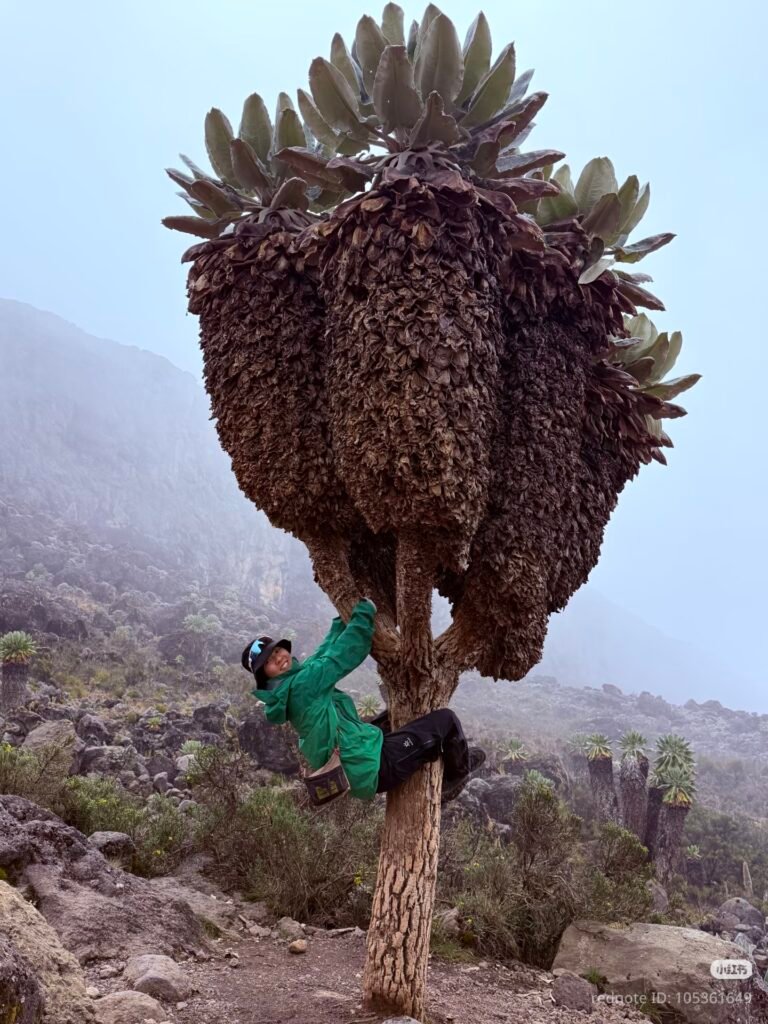
Christmas Kilimanjaro And Zanzibar Holiday : Your Ultimate Adventure 2026-2027
Experience an unforgettable Christmas combining the thrill of climbing Mount Kilimanjaro with the serene beauty of Zanzibar's beaches. This guide covers planning for your 2026-2027 festive...
View package detailsNo related package matches those filters. Clear one or more filters to see the other topic-matched options.



