
A Western Tanzania nature tour offers an unparalleled adventure into some of Africa’s most remote and biodiverse landscapes, focusing primarily on Mahale Mountains National Park for its iconic chimpanzee encounters and Katavi National Park for its vast, wild savannas. These destinations provide a stark contrast to the more frequented northern circuit parks, delivering raw, authentic wildlife experiences that are ideal for travelers seeking genuine wilderness and unique primate viewing, especially during the peak dry seasons of 2026 and 2027.
Why Choose Western Tanzania for Your Nature Tour?
When you envision an African safari, images of vast herds, iconic predators, and perhaps the towering Kilimanjaro might first come to mind. Tanzania is renowned for its northern circuit – the Serengeti, Ngorongoro Crater, Tarangire. However, for the discerning traveler seeking an experience that steps away from the crowds and plunges into raw, unadulterated wilderness, Western Tanzania presents an entirely different, yet equally compelling, proposition. A Western Tanzania nature tour is not just a safari; it’s an expedition into landscapes that feel ancient and untouched, offering unique wildlife encounters that are increasingly rare in more developed safari circuits.
The western regions of Tanzania, particularly Mahale Mountains National Park and Katavi National Park, are characterized by their remoteness and the profound sense of discovery they offer. Unlike the open plains of the Serengeti, Mahale is a dramatic landscape of lush forests cascading down to the shores of Lake Tanganyika, while Katavi is a vast, sprawling wilderness of miombo woodlands, floodplains, and swamps that become a magnet for wildlife during the dry season. These parks are sanctuaries for species that are either scarce or absent in the north, most notably the habituated chimpanzees of Mahale.
Choosing a Western Tanzania nature tour means embracing a slower pace, a deeper connection with nature, and the thrill of exploring areas that require more logistical planning but reward visitors with unparalleled authenticity. It’s an ideal choice for those who have experienced the more accessible parks and are looking for their next great adventure, or for travelers who prioritize genuine wilderness and unique primate interactions above all else. The opportunities for wildlife viewing, especially for primates, are world-class, offering a different kind of safari thrill. For those planning ahead, the 2026-2027 period offers excellent opportunities to experience these remote gems, as conservation efforts continue to protect their unique ecosystems.
Mahale Mountains National Park: The Chimpanzee Haven
Mahale Mountains National Park, situated on the eastern shores of Lake Tanganyika, is arguably the jewel in the crown of Western Tanzania. This park is not defined by endless savannas but by its dense, verdant rainforests, steep volcanic slopes, and the crystal-clear waters of Africa’s deepest and longest freshwater lake. Its primary allure, and what draws most visitors, is the chance to trek through its forests and encounter wild chimpanzees in their natural habitat. Mahale is home to one of the last remaining wild populations of eastern chimpanzees, and a significant portion of these have been habituated for controlled human interaction, offering an intimate and moving experience.
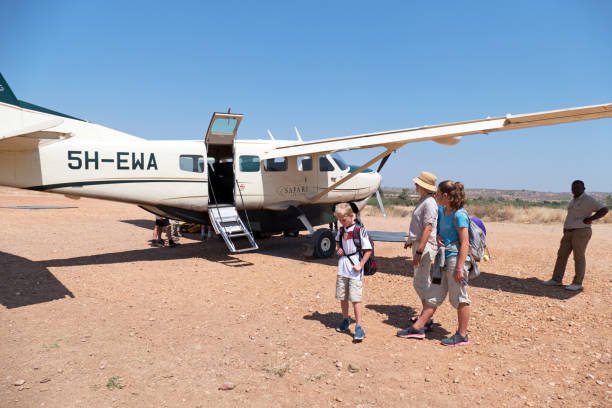
The park’s remoteness is a defining characteristic, contributing to its pristine condition. Access is primarily by light aircraft, landing on a small airstrip near the lake, followed by a boat transfer to the lodges. This exclusivity means that encounters, whether with chimpanzees or other wildlife, are often intimate and unhurried, without the presence of numerous other tourist vehicles.
For nature enthusiasts, Mahale offers a unique blend of primate trekking, lake-based activities, and the sheer beauty of its dramatic landscape. It’s a destination that requires a dedicated effort to reach but promises rewards that are truly extraordinary and can be particularly rewarding during the dry season months of 2026 and 2027.
What to See and Do in Mahale
The core attraction in Mahale is, without question, the chimpanzees. However, the park’s unique setting along Lake Tanganyika provides a range of activities that complement the primate trekking and offer a well-rounded nature experience:
- Chimpanzee Trekking: This is the main event. Guided treks into the forest to find habituated chimpanzee families.
- Lake Tanganyika Exploration: The lake itself is a destination. Activities include swimming, snorkeling, kayaking, and boat trips. The clear waters offer excellent visibility for observing aquatic life and enjoying the stunning scenery.
- Birdwatching: Mahale is a haven for diverse bird species, attracted by the varied habitats from forest to lakeshore.
- Hiking and Forest Walks: Beyond chimpanzee treks, guided walks explore the lower slopes of the Mahale Mountains, offering different perspectives of the forest ecosystem and potential sightings of other primates and smaller mammals.
- Relaxation and Scenery: Simply enjoying the tranquility of the lakeside lodges, the sounds of the forest, and the impressive sunsets over Lake Tanganyika is an experience in itself.
The combination of dense rainforest, a magnificent lake, and the chance to observe our closest relatives makes Mahale a truly special place for a Western Tanzania nature tour. Planning your visit for the dry season of 2026 or 2027 will maximize your chances for excellent trekking conditions and wildlife viewing.
Chimpanzee Trekking in Mahale: The Heart of the Experience
Chimpanzee trekking in Mahale is an intimate and life-changing experience. Unlike gorilla trekking, which involves following a family group whose movements are predictable, chimpanzee trekking is more dynamic. The habituated chimpanzee groups in Mahale, such as the Ntale and Mumera families, are accustomed to the presence of humans, allowing for close observation. However, their movements are still dictated by their natural foraging patterns, meaning treks can vary in length and intensity.
The Process:
- Morning Briefing: Treks typically begin in the morning after breakfast at your lodge. You’ll meet with your experienced guides and rangers who will brief you on the day’s search and safety protocols.
- The Search: Guides use their expert knowledge of the forest and the chimpanzees’ habits to track them. This can involve following vocalizations, footprints, or signs of recent feeding.
- The Encounter: Once a group is located, you will spend a maximum of one hour observing them. This is a time for quiet observation, allowing you to witness their complex social interactions, feeding behaviors, and the unique personalities within the troop. You might see mothers with infants, juveniles playing, or males asserting dominance.
- Respectful Observation: It is crucial to maintain a respectful distance, avoid loud noises, and never feed the chimpanzees. The guides will ensure that interactions are conducted ethically and sustainably, minimizing disturbance to the chimpanzee population.
The success of a chimpanzee trek is never guaranteed, as the chimps are wild animals. However, the habituation process in Mahale means that sightings are very high, often exceeding 90% for dedicated trekkers. The guides’ skill and knowledge are paramount. They are adept at navigating the challenging terrain and understanding chimpanzee behavior, making the journey as rewarding as the destination.
For the best trekking conditions, particularly for ease of movement through the forest and to avoid the heaviest rains, the dry season from June to October is highly recommended for your Western Tanzania nature tour in 2026-2027.
Beyond Chimpanzees: Other Wildlife Encounters
While chimpanzees are the main draw, Mahale Mountains National Park is rich in biodiversity. The dense forest canopy and diverse terrain support a variety of other primates and mammals, though sightings often require patience and a keen eye.
- Other Primates: Besides chimpanzees, Mahale is home to several other primate species. You might encounter troops of colobus monkeys, red-tailed monkeys, and blue monkeys moving through the trees. These sightings are common during forest walks and treks.
- Mammals: Larger mammals are present but are more elusive due to the dense vegetation. These include species like lions (though rare and difficult to spot), leopards (even more so), buffalo, wild pigs, and various antelope species on the lower slopes or near the lake.
- Birdlife: Mahale is a paradise for ornithologists. The park boasts over 350 bird species. Look out for colorful forest birds like the Livingstone’s turaco, Narina trogon, and various hornbills. Along the lake, you can spot kingfishers, cormorants, and fish eagles.
- Reptiles and Insects: The forest floor and water bodies are home to a fascinating array of reptiles and insects, adding to the richness of the ecosystem.
Your guides will help you spot and identify these creatures, enhancing your understanding of the complex Mahale ecosystem. Even if larger mammals are not frequently seen, the abundance of smaller life and the sheer beauty of the environment make every moment in Mahale interesting. When planning for 2026 or 2027, remember that a dedicated focus on the natural world, beyond just the chimps, will greatly enrich your experience.
Lodging in Mahale: Lakeside Tranquility
Accommodation in Mahale is as unique as the park itself, primarily consisting of comfortable lodges situated along the shores of Lake Tanganyika. These lodges offer a serene base from which to explore, blending seamlessly with the natural environment.
- Luxury Tented Camps: Expect well-appointed tented camps or lodges that provide comfortable amenities while maintaining a close connection to nature. Rooms often feature en-suite bathrooms, comfortable beds, and private verandas overlooking the lake.
- Lakeside Setting: The lodges are strategically located to maximize the stunning views of Lake Tanganyika and the Mahale Mountains. Many offer direct access to the beach for swimming and relaxation.
- Atmosphere: The atmosphere is one of tranquility and exclusivity. Evenings are spent listening to the sounds of the forest and the lapping waves, often around a campfire or in a communal dining area.
- Service: Service is typically personal and attentive, with staff experienced in catering to safari guests. Meals are usually included, often featuring fresh local ingredients.
Popular lodges often include options like Greystoke Mahale, known for its exceptional location and rustic luxury, or other similar camps that prioritize an in-depth natural experience. Booking in advance is highly recommended, especially for peak seasons in 2026 and 2027, as capacity is limited.
Getting to Mahale: Remote Access
Reaching Mahale is an adventure in itself, underscoring its remote and exclusive nature. This journey is a significant part of any Western Tanzania nature tour focused on Mahale.
- Flights: The most common way to reach Mahale is via a scheduled light aircraft flight from Arusha or Kilimanjaro International Airport (JRO), or sometimes from Dar es Salaam. These flights land at the airstrip near the park.
- Boat Transfers: From the airstrip, you will typically be met by lodge staff and transferred by boat along the lake to your accommodation. This boat journey offers a stunning introduction to the park’s scenery.
- Duration: Flights from Arusha or JRO usually take around 1.5 to 2.5 hours, depending on the specific route and any en-route stops.
- Logistics: Due to the flight and boat transfers, luggage restrictions on light aircraft are strict, usually around 15-20 kg per person in soft-sided bags.
The journey requires careful planning and is best handled by experienced tour operators who can coordinate the flights, transfers, and lodge bookings seamlessly. This complexity is why booking a comprehensive package for your Western Tanzania nature tour in 2026-2027 is advisable.
Katavi National Park: Tanzania’s Untamed Heart
If Mahale offers intimate rainforest encounters, Katavi National Park delivers the quintessential wild African savanna experience, amplified by its sheer remoteness and lack of development. Located in the remote western reaches of Tanzania, Katavi is one of the country’s largest and most isolated national parks. It is a place of vast, sweeping plains, dense miombo woodlands, and seasonal floodplains that teem with wildlife, particularly during the dry season when animals congregate around the remaining water sources.
Katavi is often described as a place that reminds visitors of Africa as it once was – raw, untamed, and brimming with life. It’s an ideal destination for those seeking a true wilderness experience, far from the tourist trails, where predators and prey engage in dramatic natural spectacles. The park’s size and isolation mean that safari drives can feel like you have the entire landscape to yourself, offering an unparalleled sense of exploration.
For travelers looking for an authentic and dramatic wildlife spectacle, Katavi is a must-visit. The best time to witness its full glory is during the dry season, typically from June to October, making 2026 and 2027 excellent years to plan a visit for peak wildlife viewing.
Katavi’s Wildlife Spectacle
Katavi’s wildlife population explodes during the dry season as water sources dwindle, concentrating animals in remarkable numbers. This makes it one of the most rewarding parks in Tanzania for sheer volume and variety of wildlife, especially large mammals.
- Buffalo Herds: Katavi is famous for its immense herds of Cape buffalo, sometimes numbering in the thousands. Witnessing these powerful animals moving across the plains is a truly awe-inspiring sight.
- Elephant Populations: Large herds of elephants are common, especially around the lakes and rivers during drier months.
- Predators: The park boasts high densities of lions, including the famous ‘Katavi lions’ known for their size and sometimes territorial behavior. Leopards are present but elusive. Cheetahs can be spotted on the open plains, and hyenas, both spotted and striped, are abundant. Wild dogs are also present, though sightings are rare and special.
- Hippos and Crocodiles: Katavi’s floodplains and rivers are home to enormous populations of hippos, often seen wallowing in large groups. The lakes are also teeming with crocodiles.
- Other Mammals: Expect to see giraffes, zebras, various species of antelopes including roan, sable, topi, hartebeest, impala, and waterbuck. Smaller mammals like mongoose, warthogs, and baboons are also common.
The dramatic concentrations of wildlife, particularly during the dry months of 2026-2027, make Katavi a prime destination for photographers and wildlife enthusiasts looking for intense safari action.
The Landscape of Katavi
The landscape of Katavi is diverse and dramatic, contributing significantly to its wild character. It’s a park of contrasts, offering a visually stunning backdrop to the abundant wildlife.
- Miombo Woodlands: Large areas of the park are covered in miombo woodland, characterized by tall, deciduous trees. This provides cover for many animals and a beautiful environment for game drives.
- Floodplains: Vast, open floodplains, such as the Katisunga Plains, are central to Katavi’s ecosystem. During the dry season, these plains become vital grazing grounds and water sources, attracting massive wildlife congregations.
- Lakes and Rivers: The park features several important lakes, including Lake Katavi and Lake Chada, and the Katuma River. These water bodies are lifelines during the dry months, acting as natural gathering points for animals.
- Swamps: Seasonal swamps and marshes add further ecological diversity, supporting unique flora and fauna.
The sheer scale and wildness of Katavi’s landscapes create a profound sense of isolation and immersion in nature. It’s a place where you can truly feel you’ve stepped back in time, experiencing Africa at its most elemental.
Safari Activities in Katavi
Safari activities in Katavi are centered around game drives, offering exceptional opportunities to witness the park’s incredible wildlife concentrations. Due to its remoteness, the experience is exclusive and deeply engaging.
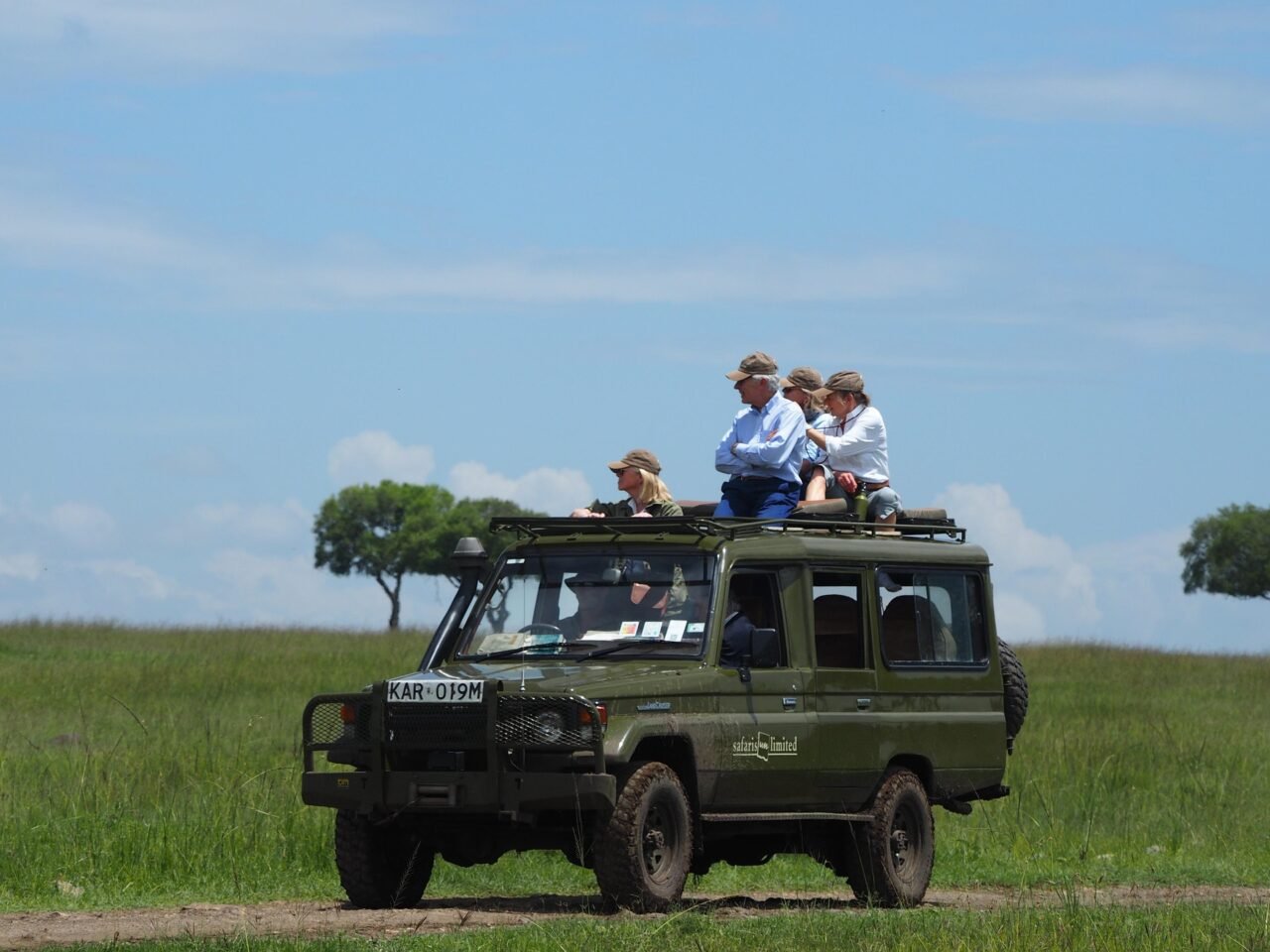
- Game Drives: The primary activity is exploring the park’s vast network of tracks via 4×4 safari vehicles. Morning and afternoon drives are standard, with full-day options available. The Katisunga Plains and the areas around the lakes are particularly rewarding.
- Walking Safaris: In certain designated areas and with armed rangers, walking safaris can offer a more intimate connection with the bush. This allows for closer observation of smaller details, tracks, and the general environment, providing a different perspective than a vehicle-based safari.
- Night Game Drives: Some camps may offer night game drives, providing a chance to spot nocturnal animals like civets, genets, bush babies, and potentially predators on the hunt.
- Birdwatching: Katavi is also a significant birding destination, with over 400 species recorded. The diverse habitats support a wide range of avian life.
The emphasis in Katavi is on unhurried, in-depth wildlife viewing. With fewer vehicles and vast open spaces, you can spend extended periods observing animal behavior without interruption, making it a photographer’s dream and a naturalist’s paradise. For the best experience, aim for the dry season of 2026 or 2027.
Accommodation in Katavi
Accommodation in Katavi is limited, reflecting the park’s remote and protected status. The lodges and camps are designed to offer comfort and exclusivity while minimizing environmental impact.
- Exclusive Camps: Lodges in Katavi are typically high-end, intimate tented camps or lodges. They offer spacious canvas tents or comfortable rooms with en-suite bathrooms, often featuring outdoor showers and private verandas.
- Remote Locations: Camps are strategically situated in prime wildlife viewing areas, often overlooking plains, lakes, or rivers, ensuring that wildlife is often visible right from your doorstep.
- All-Inclusive Basis: Most Katavi accommodations operate on an all-inclusive basis, covering meals, local drinks, park fees, and scheduled safari activities.
- Experience: The focus is on providing an authentic wilderness experience, with personalized service, delicious cuisine, and expert guiding.
Examples include camps like Chada Katavi, known for its intimate setting and excellent guiding. Due to the limited number of properties and the high demand for this exclusive destination, booking well in advance for 2026-2027 is essential.
Reaching Katavi
Like Mahale, Katavi is remote and requires specific logistical arrangements for access.
- Flights: The most practical way to reach Katavi is by light aircraft. Scheduled or chartered flights operate from Arusha, Kilimanjaro International Airport (JRO), or sometimes from Dar es Salaam, landing at Katavi’s airstrip.
- Road Access: While possible, road access to Katavi is extremely challenging and time-consuming, often taking multiple days over rough terrain. It is generally not recommended for standard safari itineraries.
- Transfers: Upon arrival at the airstrip, you will be met by your lodge’s safari vehicle for a game drive transfer to your accommodation, immediately immersing you in the park’s environment.
- Luggage: As with Mahale, strict luggage limits apply to light aircraft flights, typically 15-20 kg per person in soft-sided bags.
Coordinating these flights and transfers is crucial for a smooth journey. Working with a specialist operator like Climb 4 Africa ensures all these elements are managed effectively for your Western Tanzania nature tour.
Planning Your Western Tanzania Nature Tour for 2026-2027
A Western Tanzania nature tour, encompassing destinations like Mahale and Katavi, requires more detailed planning than a trip to the northern circuit due to the remoteness and logistical complexities. However, the rewards of experiencing these pristine wilderness areas are immense. Strategic planning, especially for the 2026-2027 travel period, is key to a successful and unforgettable safari.
Best Time to Visit: Seasons and Wildlife Viewing
The best time for a Western Tanzania nature tour is strongly dictated by the seasons, with the dry season offering the most concentrated wildlife viewing opportunities, particularly in Katavi.
- Dry Season (June to October): This is the prime time to visit. In Katavi, water sources become scarce, forcing vast numbers of animals to congregate around the remaining lakes and rivers, creating spectacular viewing. For Mahale, the dry season offers pleasant trekking conditions, less humidity, and clearer skies. This period is also ideal for lake activities.
- Shoulder Season (November to May): This period encompasses the ‘green season’ or rainy season. The landscape becomes lush and beautiful, and birdwatching is often excellent. However, wildlife viewing can be more dispersed, and some roads may become impassable, especially in Katavi. Mahale can still be visited, but trekking can be more challenging due to rain and humidity. For many, the dramatic wildlife viewing in Katavi during the dry season of 2026 or 2027 makes it the preferred choice.
For those prioritizing chimpanzee trekking in Mahale, the dry season is generally preferred for comfort and ease of movement. For Katavi’s iconic wildlife spectacles, the dry season is almost essential to witness the peak concentrations.
Typical Itinerary Structures
Western Tanzania tours are often designed to maximize the unique experiences of Mahale and Katavi, usually involving flights between locations due to the distances involved.
- Mahale Focused (4-6 days): This itinerary would concentrate on Mahale Mountains National Park, allowing ample time for chimpanzee trekking, lake activities, and exploring the forest. It would typically start with a flight into Mahale and end with a flight out.
- Katavi Focused (3-5 days): This itinerary would center on Katavi National Park, allowing for extensive game drives and potentially walking safaris to experience the park’s vast wildlife populations. Access would be via flight to Katavi’s airstrip.
- Combined Mahale & Katavi (7-10 days): This is a popular option for a comprehensive Western Tanzania experience. It involves flying between the two parks, allowing for dedicated time at each. A typical flow might be: Arrive in Arusha/JRO -> Fly to Katavi (3-4 days) -> Fly to Mahale (4-5 days) -> Fly back to Arusha/JRO.
- Extended Western Tanzania (10-14+ days): This could include longer stays in both parks, or potentially incorporating other nearby remote areas or extending stays in Arusha for pre- or post-safari relaxation.
When planning for 2026-2027, consider your priorities: if chimpanzees are paramount, dedicate more time to Mahale. If vast wildlife and dramatic landscapes are your focus, ensure sufficient time in Katavi. A combination offers the best of both worlds.
Combining Mahale & Katavi with Other Destinations
While a Western Tanzania nature tour can be a complete experience on its own, many travelers choose to combine it with other iconic Tanzanian destinations for a more varied trip.
- Northern Circuit: Combining Western Tanzania with the Serengeti, Ngorongoro Crater, and Tarangire offers a comprehensive Tanzanian safari experience, covering diverse ecosystems and wildlife. This would typically involve flying between the regions.
- Zanzibar: For a complete contrast, adding a few days on the spice island of Zanzibar provides relaxation on beautiful beaches, historical exploration in Stone Town, and cultural immersion. This is a very popular addition for a “safari and beach” holiday.
- Kilimanjaro Climb: For the adventurous, a trek up Mount Kilimanjaro can be combined with a Western Tanzania safari. This requires significant time and physical preparation.
The logistics of combining these destinations are best managed by an experienced tour operator. For instance, you might fly from Mahale back to Arusha, spend a few days on a Northern Circuit safari, then fly to Zanzibar. Planning this for 2026 or 2027 requires careful itinerary design to minimize travel time and maximize enjoyment.
Travel Style and Expectations
A Western Tanzania nature tour is for the traveler seeking an authentic, often rustic, yet comfortable wilderness experience. It differs significantly from the more developed tourism infrastructure of Northern Tanzania.
- Remoteness: Be prepared for the remoteness. This means fewer amenities, limited connectivity, and travel requiring patience and flexibility.
- Bush Experience: Lodges are designed to blend with the environment, offering an in-depth bush experience. This might mean occasional sounds of wildlife at night or rustic charm over modern luxury.
- Activities: Expect a focus on nature-based activities like trekking, game drives, and lake exploration. It’s about engaging with the environment rather than constant entertainment.
- Pace: The pace is generally slower, allowing for deeper immersion. Days are structured around optimal wildlife viewing times.
- Cost: Western Tanzania safaris tend to be more expensive than northern circuit tours due to the significant logistical costs, particularly the light aircraft flights required to access these remote areas.
Understanding these expectations is crucial for a fulfilling trip. For 2026-2027, managing expectations about comfort levels versus the unparalleled wildness is key.
Essential Packing for Western Tanzania
Packing smart is essential for a Western Tanzania nature tour, especially considering the flight luggage restrictions and varied activities.
- Clothing: Lightweight, neutral-colored clothing is best for safaris. Include long-sleeved shirts and trousers for sun protection and insect repellent. Comfortable walking shoes are a must for trekking. A light to medium jacket or fleece is advisable for cooler mornings and evenings.
- Footwear: Sturdy, broken-in hiking boots are essential for chimpanzee trekking in Mahale. Comfortable trainers or sandals are good for around the lodge and for other activities.
- Health & Safety: Insect repellent (DEET-based), sunscreen, a basic first-aid kit, and any personal medications are vital.
- Optics: Binoculars are highly recommended for wildlife viewing. A good camera with a zoom lens will enhance your photography.
- Accessories: A hat for sun protection, sunglasses, a reusable water bottle, and a headlamp or flashlight are useful.
- Documents: Passport, visa, vaccination certificates (especially yellow fever), travel insurance details, and copies of all bookings.
Remember the luggage limit for flights: 15-20 kg per person in soft-sided bags. Pack efficiently for your Western Tanzania nature tour in 2026-2027.
Health and Safety Considerations
Given the remote nature of Western Tanzania, health and safety require careful preparation.
- Vaccinations: Consult your doctor or a travel clinic well in advance of your trip regarding recommended vaccinations. Yellow Fever vaccination is often mandatory for entry into Tanzania, and proof may be required. Malaria prophylaxis is also highly recommended for all areas of Tanzania, including Western Tanzania.
- Malaria Prevention: In addition to medication, use insect repellent, wear long sleeves and trousers during dawn and dusk, and sleep under mosquito nets.
- Water: Drink only bottled or purified water. Avoid ice in drinks unless you are sure it’s made from purified water.
- Sun Protection: The sun can be intense. Use high SPF sunscreen, wear a hat, and stay hydrated.
- Chimpanzee Trekking Safety: Always follow your guide’s instructions meticulously. Maintain a safe distance from the chimpanzees, do not attempt to feed them, and avoid direct eye contact if they appear agitated.
- General Safety: Be aware of your surroundings at lodges and during transfers. Listen to your guides and lodge staff for any specific safety advice related to the location.
Planning ahead for health and safety will ensure a secure and enjoyable experience on your Western Tanzania nature tour in 2026-2027.
Budgeting for a Western Tanzania Safari
Western Tanzania nature tours are generally among the more expensive safari options in Tanzania. The cost is driven primarily by the logistical challenges and the exclusivity of the destinations.
- Flights: Light aircraft flights between Dar es Salaam/Arusha and the parks (Mahale, Katavi) are a significant cost component.
- Accommodation: Lodges and camps in these remote areas are often high-end, all-inclusive properties, which reflect in their nightly rates.
- Park Fees: National Park fees are charged per person per day and add to the overall cost.
- Activities: While most activities like game drives are included in lodge rates, specialized activities like chimpanzee trekking permits have separate fees.
- Tour Operator Costs: The expertise and coordination provided by a reputable tour operator are also factored into the price.
General Cost Structure (Estimates for 2026-2027):
A typical 7-10 day combined Mahale and Katavi safari, including internal flights, high-quality accommodation, park fees, and activities, can range from $5,000 to $10,000+ per person, depending on the level of luxury, specific lodges chosen, and time of year.
- Budget Considerations: While true “budget” options are scarce in Western Tanzania, choosing slightly less exclusive lodges or traveling in the shoulder season (though wildlife viewing may be less optimal) can help manage costs.
- What’s Typically Included: Most packages will include accommodation, all meals, local drinks, park fees, chimpanzee permits (for Mahale), scheduled game drives, and internal flight costs.
- What’s Typically Excluded: International flights, visa fees, travel insurance, tips for guides and staff, premium drinks, and personal expenses are usually extra.
It is essential to get a detailed quote from your tour operator to understand exactly what is included in your Western Tanzania nature tour package for 2026 or 2027.
Why Book Your Western Tanzania Nature Tour with Climb 4 Africa
Navigating the complexities of a Western Tanzania nature tour requires expertise. Destinations like Mahale and Katavi are remote, and their logistics demand meticulous planning. Climb 4 Africa specializes in crafting unforgettable Tanzanian adventures, with a deep understanding of these unique western parks.
Choosing Climb 4 Africa means partnering with a team that:
- Possesses Local Knowledge: As a locally based operator, we have firsthand experience and strong relationships in Western Tanzania, ensuring the best possible arrangements and insights.
- Manages Complex Logistics: We expertly handle the intricate details of light aircraft flights, boat transfers, park permits, and lodge bookings, providing a smooth travel experience.
- Offers Tailor-Made Itineraries: We don’t offer one-size-fits-all tours. Your Western Tanzania nature tour will be customized to your interests, budget, and travel style for 2026-2027.
- Prioritizes Authentic Experiences: We focus on delivering genuine encounters with nature and culture, ensuring your safari is memorable and impactful.
- Provides Dedicated Support: From your initial inquiry to your return home, our team is committed to providing exceptional service and support.
We understand the nuances of travel to Mahale and Katavi, including the best times to visit for specific wildlife sightings, the most suitable lodges, and the optimal flight schedules. Let us take the stress out of planning, so you can focus on the incredible journey ahead.
Making Your Booking
Ready to start an extraordinary Western Tanzania nature tour to the wild heart of Africa? Planning your adventure for 2026 or 2027 is straightforward with Climb 4 Africa.
To start crafting your personalized itinerary, we recommend reaching out to us with your preferred travel dates, the number of travelers, your interests (e.g., focusing on chimpanzees, predators, or a mix), and any specific preferences you might have. We will then work with you to design a bespoke journey that captures the magic of Mahale and Katavi.
For a personalized quote and expert advice on planning your dream Western Tanzania nature tour, please contact our team:
WhatsApp: +255 747 477 898
Email: climb4africa@gmail.com
Let us help you discover the untamed beauty and unique wildlife of Western Tanzania. Your adventure awaits!
”
}
“`
Check Availability for Western Tanzania Nature Tour 2026-2027
Ready to compare dates, prices, and the best option for your group? Send the package name and travel month so the team can reply with a clear quote, availability, and what is included.



