
Yes, Tarangire National Park is an excellent choice for a short safari before your Kilimanjaro climb, particularly for its incredible elephant sightings and diverse wildlife concentrated during the dry season. It’s conveniently located within the Northern Circuit, making it logistically feasible to incorporate into a pre-climb itinerary for 2026-2027, offering a fantastic wildlife experience without adding excessive travel time.

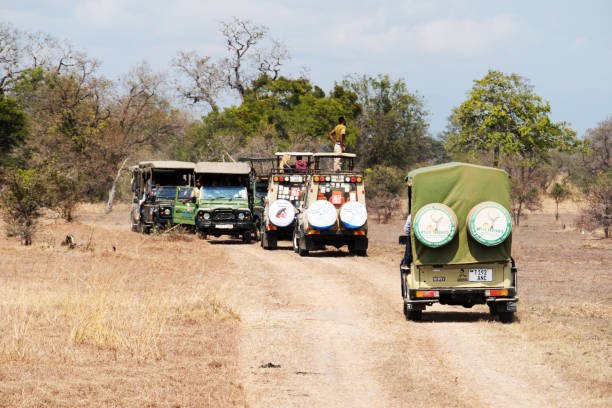
Planning a Pre-Kilimanjaro Safari: Why Tarangire Stands Out
Many climbers aim to experience the magic of a Tanzanian safari before or after their ascent of Kilimanjaro. The question of where to go for a short, impactful safari is common, and Tarangire National Park frequently emerges as a top contender. Its reputation for abundant wildlife, especially elephants, coupled with its accessibility, makes it a practical and rewarding addition to a Kilimanjaro expedition planned for 2026 or 2027.
Choosing a safari destination for a short trip requires balancing several factors: wildlife viewing opportunities, travel time, cost, and how well it integrates with your primary objective – climbing Kilimanjaro. Tarangire ticks many of these boxes, offering a distinct ecosystem and a different feel from the more famous Serengeti, yet it’s often overlooked in favor of its more renowned neighbor. This guide will explore why Tarangire is a prime candidate for your pre-climb adventure, what makes it special, and how to best plan your visit, whether you’re looking at 2026, 2027, or beyond.
Key Considerations for a Pre-Kilimanjaro Safari
- Time Constraints: Short safaris typically range from 1 to 3 days.
- Logistics: Proximity to Kilimanjaro International Airport (JRO) and Moshi/Arusha is crucial.
- Wildlife Focus: What animals do you most want to see?
- Seasonality: When are you climbing, and how does it affect wildlife viewing?
- Budget: Park fees, accommodation, and transport costs vary.
Tarangire National Park: A Closer Look
Tarangire National Park, named after the Tarangire River, is one of Tanzania’s most underrated gems. Located in the Manyara Region, it’s south-east of Lake Manyara and southwest of Mount Kilimanjaro. The park is renowned for its large elephant herds, diverse birdlife, and iconic baobab trees. Its landscape is a mix of savannah, acacia woodlands, and riverine forests, creating varied habitats that support a rich array of wildlife.
What Makes Tarangire Unique?
Unlike the vast plains of the Serengeti, Tarangire offers a more intimate safari experience. The park’s topography, dominated by the Tarangire River, acts as a magnet for wildlife, particularly during the dry season (roughly June to October). During these months, the river is one of the few permanent water sources in the region, attracting animals from far and wide, creating incredible concentrations of wildlife.
Elephant Spectacle: Tarangire is often called the ‘Land of Giants’ due to its massive elephant populations. Herds of up to 300 elephants can be seen at once, a truly awe-inspiring sight. These elephants are not only numerous but also display unique behaviors, such as digging for water along the riverbanks.
Birding Paradise: For avid birdwatchers, Tarangire is a dream destination. The park boasts over 550 species of birds, including endemic and migratory varieties. You’ll find species like the yellow-collared lovebird, lilac-breasted roller, and various raptors and water birds.
Iconic Baobabs: The landscape is dotted with ancient, majestic baobab trees, adding a dramatic and picturesque element to the scenery. These ‘upside-down’ trees are a signature feature of Tarangire and provide shade and nesting sites for many animals.
Wildlife You Can Expect to See
While elephants are the stars of the show, Tarangire supports a healthy population of other iconic African wildlife:
- Mammals: Lions (including tree-climbing lions, though less common than in Lake Manyara), leopards, cheetahs, giraffes, zebras, wildebeest, buffalo, various antelopes (oryx, kudu, dik-dik, impala), baboons, and many smaller mammals.
- Predators: The park is home to a good number of predators, and the dry season concentration of prey animals makes for excellent viewing opportunities.
- Reptiles: You might also spot crocodiles along the river, pythons, and various other reptiles.
Tarangire’s Strategic Location for Pre-Kilimanjaro Safaris
One of the most significant advantages of choosing Tarangire for a short pre-climb safari is its geographical position. It’s part of the Northern Circuit of Tanzania, a popular tourist route that includes Kilimanjaro, Arusha National Park, Lake Manyara, Ngorongoro Crater, and the Serengeti. This proximity means it can be seamlessly integrated into your travel plans without requiring extensive, time-consuming transfers.
Proximity to Kilimanjaro and Arusha
Most international flights arrive at Kilimanjaro International Airport (JRO), which is conveniently located between Arusha and Moshi. Arusha serves as the primary gateway city for Kilimanjaro climbs and Northern Circuit safaris. Tarangire National Park is approximately a 2-3 hour drive from Arusha, making it an accessible destination for a 1-day or 2-day safari excursion.
This ease of access is crucial when you’re preparing for a strenuous trek like Kilimanjaro. You want to minimize travel fatigue and maximize your time for acclimatization and last-minute preparations in Moshi or Arusha. A short drive to Tarangire allows for a fulfilling safari experience without consuming valuable days that could be spent resting or packing.
Integrating Tarangire into Your Itinerary (2026-2027 Planning)
For travelers planning their Kilimanjaro climb for 2026 or 2027, incorporating Tarangire is straightforward. You could:
- Fly into JRO, transfer to Arusha or Moshi, spend a day or two at Tarangire, and then return to Arusha/Moshi for your climb briefing.
- Combine Tarangire with a brief visit to Lake Manyara National Park, which is en route or nearby, for a slightly longer, diverse safari experience.
The typical pre-climb preparation period in Moshi or Arusha often includes rest days, gear checks, and acclimatization briefings. A short safari to Tarangire can be scheduled during this time, offering a refreshing break from the pre-climb routine and a chance to witness Tanzania’s natural beauty before you ascend.
When is the Best Time to Visit Tarangire for a Pre-Kilimanjaro Safari?
The timing of your safari relative to your Kilimanjaro climb is critical. Tarangire’s wildlife viewing varies significantly with the seasons, and understanding this will help you maximize your experience.
Dry Season (June to October)
This is generally considered the prime time to visit Tarangire, and it often aligns with popular climbing seasons for Kilimanjaro. During these months:
- Wildlife Concentration: The Tarangire River and its surrounding swamps become the primary water sources. Animals congregate in large numbers, making sightings much easier and more dramatic. Elephant herds are at their most visible.
- Vegetation: The bush thins out, providing better visibility for spotting animals.
- Climate: The weather is generally dry and sunny, with cooler temperatures, making it pleasant for safaris and for trekking Kilimanjaro.
If your Kilimanjaro climb is scheduled for July, August, September, or October in 2026 or 2027, visiting Tarangire during this period is highly recommended. You’ll witness the park at its most vibrant wildlife-wise.
Wet Season (November to May)
The wet season brings lush green landscapes and dispersed wildlife. While the scenery is beautiful, wildlife viewing can be more challenging:
- Wildlife Dispersal: Animals spread out across the vast plains as numerous waterholes form.
- Thicker Vegetation: The dense foliage can make spotting animals harder.
- Birding: This is an excellent time for birdwatching, as migratory birds arrive, and resident birds are in breeding plumage.
- Calving Season: Many animals give birth during the early wet season (e.g., February-March), offering opportunities to see young animals.
- Kilimanjaro: The wet season generally corresponds with the ‘shoulder’ and ‘off’ seasons for Kilimanjaro, though climbs are possible year-round.
If your climb is planned for late 2026 or early 2027 during the shoulder months (November, December, January, April, May), Tarangire can still offer a rewarding experience, especially for bird enthusiasts. However, be prepared for potential rain showers, which can affect road conditions and game drives.
Sample Itineraries for a Short Tarangire Safari
To help you visualize how Tarangire fits into a pre-Kilimanjaro trip, here are a couple of sample itinerary structures. These are flexible and can be tailored to your specific needs for 2026-2027 travel.
Option 1: The 1-Day Tarangire Express
This option is for travelers extremely short on time, who want a taste of safari before their climb.
- Day 1: Arusha/Moshi to Tarangire and back
- Morning: Depart from Arusha or Moshi early (around 7:00 AM).
- Drive to Tarangire National Park (approx. 2-3 hours).
- Full-day game drive within Tarangire, focusing on the riverine areas and baobab-studded plains. Enjoy a picnic lunch amidst the wildlife.
- Late afternoon: Depart from the park and drive back to Arusha/Moshi (approx. 2-3 hours).
- Evening: Arrive back in Arusha/Moshi, ready for your pre-climb briefing and preparations.
Pros: Maximizes time for Kilimanjaro preparation; provides a significant wildlife experience. Cons: Can be tiring due to long driving hours; limited time to explore the park.
Option 2: The 2-Day Tarangire Immersion
This offers a more relaxed pace and deeper exploration of Tarangire, ideal for those with a bit more flexibility before their climb.
- Day 1: Arusha/Moshi to Tarangire
- Morning: Depart from Arusha or Moshi.
- Drive to Tarangire National Park.
- En route game drive as you enter the park.
- Afternoon game drive, heading towards your lodge or campsite.
- Evening: Check into your accommodation within or just outside the park. Enjoy dinner and relax, listening to the sounds of the bush.
- Day 2: Tarangire to Arusha/Moshi
- Morning: Early morning game drive in Tarangire, a prime time for predator activity and large herds.
- Late morning: Return to the lodge for breakfast.
- Mid-day: Depart from Tarangire and drive back to Arusha or Moshi.
- Afternoon: Arrive in Arusha/Moshi for your Kilimanjaro briefing.
Pros: More relaxed pace; allows for an early morning game drive, which is often very productive; better chance to see varied wildlife and landscapes. Cons: Requires an extra day away from your Kilimanjaro base.
Accommodation Options in Tarangire
Tarangire offers a range of accommodation to suit different budgets and preferences:
- Luxury Lodges: Offering premium amenities, stunning views, and exceptional service.
- Mid-Range Tented Camps: Comfortable canvas tents with en-suite bathrooms, providing a classic safari feel.
- Budget Campsites: Basic but clean facilities for those on a tighter budget, often with shared ablutions.
The choice of accommodation impacts the overall experience and cost. For a pre-climb trip, comfort is often prioritized, but budget-friendly options are also available.
Tarangire vs. Other Short Safari Options Before Kilimanjaro
While Tarangire is a strong contender, it’s useful to compare it with other potential short safari destinations in Tanzania for context, especially when planning for 2026-2027.
Tarangire vs. Lake Manyara National Park
Lake Manyara is often visited on the same circuit as Tarangire and Ngorongoro. It’s known for its tree-climbing lions (though sightings are not guaranteed), large troops of baboons, and its beautiful groundwater forest.
- Size: Lake Manyara is much smaller than Tarangire.
- Wildlife: Tarangire generally boasts higher concentrations of large mammals, especially elephants and predators, particularly in the dry season. Manyara is excellent for primates and birds.
- Scenery: Manyara is famous for its stunning lake, fringed by acacia trees, and its Rift Valley escarpment backdrop. Tarangire’s landscape is more dominated by baobab trees and savannah.
- Time: A 1-day trip to Lake Manyara is very feasible.
Recommendation: If elephants are your priority and you have at least one full day, Tarangire is often the better choice. If you want a shorter, more diverse experience with a chance of seeing tree-climbing lions and abundant primates, Lake Manyara is a good option, or can be combined with Tarangire.
Tarangire vs. Arusha National Park
Arusha National Park is the closest national park to Arusha and Kilimanjaro. It offers beautiful scenery, including Mount Meru, Momella Lakes, and Ngurdoto Crater.
- Wildlife: Arusha NP has a good population of colobus monkeys, various antelopes, buffalo, and hippos. It is not known for large predators like lions or elephants.
- Activities: It’s one of the few parks where you can do walking safaris and canoe safaris.
- Proximity: Extremely close to Arusha/Moshi (less than an hour’s drive).
Recommendation: Arusha National Park is ideal for a half-day trip or for activities like walking safaris. It’s not suitable if your main goal is to see large herds of elephants or predators. Tarangire offers a far more classic big game safari experience.
Tarangire vs. A Quick Trip to Ngorongoro Crater
The Ngorongoro Crater is a UNESCO World Heritage Site and a wildlife haven, often referred to as the ‘Eighth Wonder of the World’. It offers incredibly dense wildlife populations, including the Big Five, in a compact area.
- Wildlife: Ngorongoro Crater is unmatched for density and diversity in a small area. You have a very high chance of seeing all the Big Five in a single day.
- Scenery: The crater floor is a stunning caldera, offering dramatic views.
- Logistics: The drive to Ngorongoro is longer (approx. 3-4 hours from Arusha). Descending into the crater involves a full day’s activity, and road conditions can be challenging, especially in the wet season.
- Cost: Ngorongoro Crater fees are among the highest in Tanzania.
Recommendation: If your priority is seeing the Big Five and experiencing an unparalleled wildlife density, and you have a full day to dedicate, Ngorongoro is superb. However, for a pre-Kilimanjaro safari, Tarangire’s more relaxed pace and focus on elephants might be less strenuous and logistically simpler, especially if you’re concerned about altitude or travel fatigue before your climb. Tarangire also offers a more diverse landscape beyond just the crater floor.
Practicalities for Your Pre-Kilimanjaro Tarangire Safari
When planning your short safari to Tarangire, especially for trips in 2026 or 2027, consider these practical aspects:
Booking Your Safari
It is highly recommended to book your pre-Kilimanjaro safari with a reputable local tour operator. This ensures:
- smooth Logistics: They will handle all transfers, park entry fees, and accommodation bookings.
- Experienced Guides: Knowledgeable guides who can enhance your wildlife viewing experience and ensure your safety.
- Vehicle Quality: Access to well-maintained 4×4 safari vehicles.
- Integration: They can coordinate your safari with your Kilimanjaro climb schedule.
For a trip planned for 2026 or 2027, booking at least 6-12 months in advance is advisable, especially if you are traveling during peak seasons. This allows for securing preferred accommodations and ensures availability.
Contact Climb 4 Africa to discuss your pre-Kilimanjaro safari needs. We specialize in tailor-made itineraries that combine iconic climbs with unforgettable safari experiences. Let us know your preferred dates for 2026 or 2027, your safari interests, and your Kilimanjaro climb dates, and we can craft a perfect plan.
What to Pack for Your Safari
While you’ll be packing for Kilimanjaro, a few additions will enhance your safari experience:
- Lightweight Clothing: Neutral-colored clothing (khaki, beige, olive green) is best for safaris to blend in. Avoid bright colors and dark colors like black or blue which can attract insects.
- Sun Protection: A wide-brimmed hat, sunglasses, and high SPF sunscreen are essential.
- Insect Repellent: Especially important for evenings and early mornings.
- Binoculars: Highly recommended for spotting distant wildlife and birds.
- Camera: With extra batteries and memory cards.
- Comfortable Shoes: For any short walks or around the lodge/campsite.
- Light Jacket/Fleece: For cooler mornings and evenings.
Park Fees and Costs
Park fees are a significant component of safari costs. For Tarangire National Park, the fees are generally per person, per day, plus vehicle fees. These are subject to change, so it’s essential to confirm current rates for 2026-2027. A typical 2-day safari in Tarangire will involve:
- Park Entrance Fees: Approximately $50-60 USD per person per 24-hour period.
- Vehicle Fees: Vary based on vehicle type.
- Camping Fees (if applicable): Around $10-20 USD per person per night.
- Accommodation: Varies significantly from $50 per night for budget camping to $500+ for luxury lodges.
- Guide and Vehicle Hire: This is often quoted as a daily rate, covering the driver-guide and the safari vehicle, typically ranging from $200-400+ USD per day depending on vehicle type and group size.
When budgeting for 2026 or 2027, factor in these costs. Operators like Climb 4 Africa can provide detailed quotes that include all these elements.
Typical Cost Factors for a 2-Day Tarangire Safari (Estimates for 2026-2027)
| Inclusion | Estimated Cost (per person) |
|---|---|
| Park Fees (2 days) | $100 – $120 |
| Accommodation (1 night, mid-range) | $150 – $300 |
| Vehicle & Guide Hire (2 days, shared) | $200 – $400 |
| Meals (2 days) | $50 – $100 |
| Total Estimated Range (per person for 2 days) | $500 – $920+ |
Note: These are estimates and can vary based on group size, accommodation choice, and specific tour operator. Private tours will be higher.
Can Tarangire Be Done as a Day Trip Before Kilimanjaro?
Absolutely. A 1-day safari to Tarangire is a popular option for climbers who have limited time but still want to experience Tanzania’s wildlife. As outlined in the sample itinerary, this involves an early start from Arusha or Moshi, a full day of game driving, and a return in the late afternoon or early evening.
Pros of a Day Trip:
- Time-Efficient: Maximizes your time for Kilimanjaro preparations.
- Cost-Effective: Generally cheaper than an overnight stay as you save on accommodation and a full day of park fees.
- Convenient: Easily fits into a schedule where you are based in Arusha or Moshi for pre-climb logistics.
Cons of a Day Trip:
- Fatigue: Involves long hours of driving on safari roads and then back to your base.
- Limited Immersion: You miss the magical early morning and late evening game drives, which are often the most rewarding for wildlife viewing.
- Rushed Experience: You might feel pressured to see as much as possible in a limited time.
For a truly fulfilling safari experience, the 2-day itinerary is generally preferable if your schedule allows. However, a well-organized 1-day trip can still provide incredible sightings, especially if focused on the Tarangire River area during the dry season.
Frequently Asked Questions About Tarangire Before Kilimanjaro
Q1: How far is Tarangire from Moshi/Arusha?
Tarangire National Park is approximately 160-180 kilometers (100-110 miles) from Arusha, taking about 2.5 to 3.5 hours to drive, depending on road conditions and the exact starting point. It’s a similar distance and travel time from Moshi, often involving a stop in Arusha first.
Q2: Is Tarangire safe for a short safari before climbing Kilimanjaro?
Yes, Tarangire National Park is very safe for tourists. The park is managed by Tanzania National Parks Authority (TANAPA), and tour operators adhere to strict safety protocols. Your safari vehicle will be driven by a professional guide, and you will remain within the vehicle during game drives. The main risks are typical of any wildlife area (e.g., maintaining a safe distance from animals), which your guide will manage.
Q3: Can I see the Big Five in Tarangire?
You can see lions, leopards, elephants, and buffalo. However, rhinos are extremely rare in Tarangire, making it unlikely to spot all of the Big Five. For guaranteed Big Five sightings, the Ngorongoro Crater is a better option. Tarangire’s strength lies in its massive elephant herds and abundant predators.
Q4: How many days do I need for a safari in Tarangire before Kilimanjaro?
For a meaningful experience, 2 days is ideal. This allows for a full day of exploration and an early morning drive. A 1-day trip is possible if time is very limited, but it will be a long day.
Q5: What is the best time of year for Tarangire and Kilimanjaro in 2026-2027?
The dry season (June to October) is excellent for both Tarangire’s wildlife viewing and Kilimanjaro climbing. This period generally offers clear skies and good trekking conditions for the mountain. The shoulder months (e.g., November, March-May) can also work, but expect more rain. For 2026 and 2027, booking popular dry season dates for both activities is recommended well in advance.
Q6: Should I book my Tarangire safari independently or with my Kilimanjaro operator?
It’s highly recommended to book both through the same reputable operator. This simplifies logistics, ensures smooth transitions, and often leads to better package deals. Operators like Climb 4 Africa can coordinate your entire Tanzanian adventure, from safari to the climb, ensuring all aspects are covered professionally for your 2026-2027 trip.
Final Thoughts: Is Tarangire the Right Choice for Your Pre-Kilimanjaro Safari?
For travelers planning a Kilimanjaro climb and seeking a short, impactful safari experience, Tarangire National Park presents a compelling case. Its spectacular elephant populations, diverse birdlife, iconic baobab landscapes, and strategic location make it an ideal pre-climb destination. Whether you opt for a whirlwind 1-day excursion or a more leisurely 2-day immersion, Tarangire offers a rich wildlife encounter that perfectly complements the anticipation of ascending Africa’s highest peak.
When planning your 2026 or 2027 adventure, consider the advantages Tarangire offers: manageable travel times from Arusha, excellent wildlife viewing during the popular dry season, and a unique ecosystem distinct from other Northern Circuit parks. It provides a fantastic introduction to Tanzania’s wild heart before you start your mountain journey.
To ensure your pre-Kilimanjaro safari is perfectly integrated with your climb, and to receive expert advice tailored to your 2026-2027 travel plans, we encourage you to reach out to Climb 4 Africa. We understand the unique needs of climbers and can craft an itinerary that maximizes your safari enjoyment while preparing you for the challenges and rewards of Kilimanjaro. Contact us today via WhatsApp +255 747 477 898 or email climb4africa@gmail.com to start planning your unforgettable Tanzanian adventure.
Check Availability for Short Safari Before Kilimanjaro: Is Tarangire National Park The Right…
Ready to compare dates, prices, and the best option for your group? Send the package name and travel month so the team can reply with a clear quote, availability, and what is included.
Wildlife And Nature Titles: Your Ultimate Guide To Tanzanias Best Experiences
This comprehensive guide explores the most sought-after wildlife and nature titles in Tanzania, from iconic safari destinations and Kilimanjaro treks to the tropical allure of Zanzibar...
View package details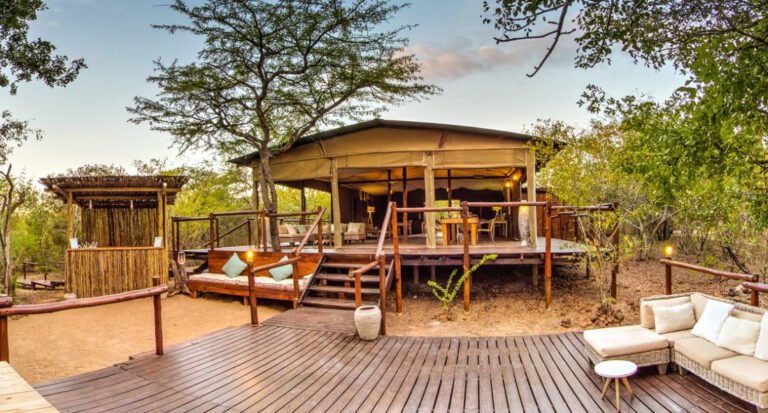
7-Day Tanzania Safari: Serengeti, Ngorongoro, And Tarangire In 2026-2027
A comprehensive guide to a 7-day Tanzania safari adventure, focusing on the iconic Serengeti National Park, the Ngorongoro Crater, and Tarangire National Park. Learn about optimal...
View package details
Kruger National Park Safari Packages: Your Ultimate Guide To Adventures
Discover tailored Kruger National Park safari packages for 2026-2027. This comprehensive guide covers everything from choosing the right lodge and activities to understanding costs and...
View package details
South Africa Safari Tours & Vacation Packages | Climb 4 2026-2027
Discover the ultimate South Africa safari experience with tailored tour and vacation packages for 2026-2027. From iconic Kruger National Park to exclusive private reserves, find detailed...
View package details
Tanzania Safari Tours & Packages /: Your Ultimate Wildlife Adventure 2026-2027
Discover the magic of Tanzania with expertly crafted safari tours and packages for 2026 and 2027. From the vast plains of the Serengeti to the depths of the Ngorongoro Crater, find your...
View package detailsKilimanjaro Routes: 15 Strongest Worldwide Search Potential For Climbs
Planning a Kilimanjaro climb? This guide details the 15 routes with the highest search interest worldwide for 2026-2027, helping you choose the best path for your adventure. We cover...
View package detailsDestinations Worth Visiting At Least Once Guide
Discover a curated selection of destinations that offer unparalleled experiences, from the majestic peaks of Kilimanjaro to the spice-scented shores of Zanzibar. This guide helps you...
View package detailsBest Wildlife Photography Destinations For Safaris | Climb 4 Africa 2026-2027
Planning a safari for incredible wildlife photography in 2026 or 2027? Tanzania offers unparalleled opportunities. This guide details the top destinations, essential gear, timing, and how...
View package detailsHow To Create The Perfect Travel Itinerary For Tanzania Adventures 2026-2027
Crafting the perfect travel itinerary for Tanzania involves understanding your priorities, choosing the right activities, and planning logistics effectively. This guide walks you through...
View package detailsCheap Hotels Near Me Tonight: Finding Affordable Stays In Tanzania 2026-2027
Discover how to find cheap hotels near you tonight in Tanzania, focusing on budget-friendly options for travelers planning safaris, Kilimanjaro treks, or Zanzibar holidays in 2026-2027...
View package detailsPlaces Where Your Money Goes Further: Smart Tanzania Travel For 2026-2027
Planning a trip to Tanzania in 2026 or 2027 and want to maximize your budget? This guide reveals how to make your money go further on Kilimanjaro climbs, wildlife safaris, and Zanzibar...
View package details
How Far In Advance Should You Book An African Safari? 2026-2027
How Far in Advance Should You Book an African Safari? is explained with current 2026-2027 planning, price, itinerary and booking information.
View package detailsNo related package matches those filters. Clear one or more filters to see the other topic-matched options.



