
A comprehensive Tanzania Namibia Botswana and Victoria Falls safari itinerary typically spans 3-4 weeks, combining iconic wildlife viewing in Tanzania’s Serengeti and Ngorongoro Crater, Namibia’s unique desert landscapes and Etosha National Park, Botswana’s Okavango Delta and Chobe National Park, and the awe-inspiring Victoria Falls. This epic journey requires careful planning, often involving internal flights between countries, and is best undertaken in the dry seasons (roughly June to October) for optimal game viewing, though shoulder seasons can offer fewer crowds and different wildlife spectacles. For 2026-2027, booking well in advance is crucial, especially for the Okavango Delta, due to high demand and limited accommodation.
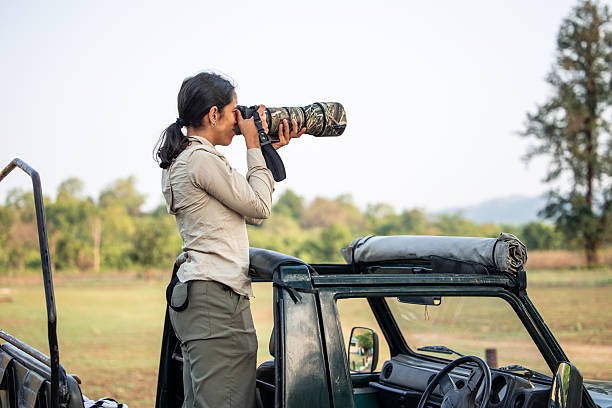

Navigating Your Multi-Country East and Southern Africa Safari Adventure
Embarking on a safari that stitches together Tanzania, Namibia, Botswana, and the majestic Victoria Falls is a dream for many, offering an unparalleled breadth of African wilderness experiences. This isn’t just a trip; it’s an expedition through diverse ecosystems, from the Great Plains of the Serengeti to the arid beauty of the Namib Desert, the water-rich Okavango Delta, and the thundering curtain of Victoria Falls. Crafting the perfect Tanzania Namibia Botswana and Victoria Falls safari itinerary requires understanding the unique draws of each destination, the logistics of moving between them, and the best times to visit each region. This guide aims to demystify the process, providing practical insights for planning your 2026-2027 adventure.
The appeal of such a journey lies in its sheer variety. You’ll witness the Great Migration in Tanzania, track desert-adapted elephants in Namibia, experience mokoro excursions in Botswana’s wetlands, and feel the spray of one of the world’s largest waterfalls. Each segment offers a distinct flavour of Africa, and when combined, they create a truly comprehensive safari experience. However, the distances are vast, and the planning can seem daunting. Let’s break down how to approach this ambitious, yet incredibly rewarding, safari route.
For travelers considering this epic undertaking in 2026 or 2027, early research and booking are paramount. The prime viewing seasons, particularly for Botswana’s Okavango Delta, fill up months, sometimes even a year, in advance. Understanding the interplay of seasons across these different countries is key to maximizing your wildlife encounters and overall enjoyment. For instance, while Tanzania’s dry season (June-October) is excellent for game viewing, it might be the start of the rainy season in parts of Namibia, bringing different advantages.
This itinerary is not for the faint of heart or those on a tight schedule. It demands a significant time commitment, typically a minimum of three weeks, and a flexible approach to travel. The reward, however, is an intimate and diverse encounter with Africa’s wildlife and landscapes that few other itineraries can match. We’ll explore sample routes, consider the best ways to travel between these iconic destinations, and highlight what makes each stop an essential part of your grand African safari.
Understanding the Core Destinations: What Each Country Offers
Before diving into itinerary structures, it’s crucial to appreciate the unique character of each destination within a Tanzania Namibia Botswana and Victoria Falls safari itinerary. This understanding will help you tailor the trip to your interests and priorities.
Tanzania: The Classic Wildlife Spectacle
Tanzania is often the gateway to East African safaris, and for good reason. It boasts an incredible density and diversity of wildlife, particularly in its northern circuit parks. Key highlights include:
- Serengeti National Park: Famous for the Great Migration, where millions of wildebeest, zebras, and gazelles traverse the plains in search of greener pastures. This natural phenomenon is a must-see for any serious wildlife enthusiast. The timing of the migration varies annually, but it’s generally present in the Serengeti for much of the year, with calving season typically in February and river crossings in July/August.
- Ngorongoro Conservation Area: Home to the Ngorongoro Crater, a UNESCO World Heritage Site. This caldera is a self-contained ecosystem supporting an astonishing array of animals, including the Big Five, in a relatively small area. Its dense wildlife population makes it a reliable spot for sightings year-round.
- Tarangire National Park: Known for its large elephant herds and iconic baobab trees. It’s particularly spectacular during the dry season when animals congregate around the Tarangire River.
- Lake Manyara National Park: Famous for its tree-climbing lions and large bird populations, set against the backdrop of the Great Rift Valley.
Traveler Profile: Ideal for those seeking iconic African wildlife, the drama of the Great Migration, and classic savanna landscapes. It’s often the starting point for many African safari adventures.
Namibia: Desert Wonders and Unique Adaptations
Namibia offers a dramatically different safari experience, characterized by vast desert landscapes, stark beauty, and wildlife that has uniquely adapted to arid conditions.
- Etosha National Park: Namibia’s premier wildlife viewing destination. Its unique feature is the Etosha Pan, a vast salt pan that attracts a multitude of animals to its waterholes, especially during the dry season. This concentrated wildlife viewing makes it incredibly rewarding.
- Damaraland: Famous for its rugged, mountainous terrain and the chance to spot desert-adapted elephants and rhinos. Tracking these elusive creatures is a highlight here.
- Sossusvlei & Deadvlei: While not strictly a wildlife destination, the towering red sand dunes of Sossusvlei and the stark, ancient trees of Deadvlei are iconic Namibian landscapes that often precede or follow a safari portion.
- Skeleton Coast: A remote and hauntingly beautiful coastline, offering a stark contrast to the inland deserts and parks.
Traveler Profile: Suited for those who appreciate dramatic landscapes, unique wildlife adaptations, photography, and a sense of remoteness and solitude. The driving distances can be significant.
Botswana: The Pristine Wilderness and Okavango Delta
Botswana is renowned for its commitment to low-impact, high-cost tourism, preserving its pristine wilderness and offering exclusive safari experiences. It’s a destination of unparalleled natural beauty and abundant wildlife.
- Okavango Delta: A UNESCO World Heritage Site, this vast inland delta floods seasonally, creating a unique wetland ecosystem teeming with wildlife. Mokoro (traditional dugout canoe) excursions are a signature experience, offering a water-level perspective of the delta’s inhabitants. The water levels peak from June to September.
- Chobe National Park: Famous for its massive elephant herds, particularly along the Chobe River. Boat safaris on the Chobe River are a highlight, offering incredible viewing opportunities as animals come to drink.
- Moremi Game Reserve: Often considered the jewel of the Okavango Delta, offering a diverse range of habitats and excellent game viewing, including predators.
- Central Kalahari Game Reserve: A vast, arid wilderness offering a different, more remote safari experience, particularly rewarding for those seeking to escape crowds.
Traveler Profile: Ideal for those seeking exclusive, high-quality safari experiences, pristine wilderness, diverse water-based activities, and exceptional wildlife viewing, particularly in the Okavango Delta. It generally comes with a higher price tag.
Victoria Falls: The Smoke That Thunders
Straddling the border of Zambia and Zimbabwe, Victoria Falls is one of the Seven Natural Wonders of the World. It’s a spectacular natural phenomenon and a perfect way to conclude or punctuate an African safari.
- The Falls themselves: The sheer scale and power of the Zambezi River plunging into the gorge are impressive. The amount of spray can create a ‘smoke’ visible from miles away, hence its local name, ‘Mosi-oa-Tunya’ (The Smoke That Thunders).
- Activities: Beyond viewing the falls, activities include sunset cruises on the Zambezi, white-water rafting (seasonal), bungee jumping, helicopter flights over the falls, and visits to the local markets.
Traveler Profile: A universally appealing destination for its sheer natural wonder and the range of adventure activities available. It serves as an excellent bridge between safari destinations or a relaxing end to a high-energy trip.
Sample Itinerary Structures: Connecting the Dots
Designing a Tanzania Namibia Botswana and Victoria Falls safari itinerary involves strategic sequencing to minimize travel time and maximize experience. The order can significantly impact logistics and cost. Here are a few common approaches, considering typical travel flows and seasonal highlights for 2026-2027.
Option 1: The Classic Grand Safari (East to South)
This is a popular route, often starting in Tanzania and heading south. It leverages established flight routes and capitalizes on the Great Migration in Tanzania before moving to the contrasting landscapes of the south.
Approximate Duration: 21-28 Days
Day 1-7: Tanzania (Serengeti, Ngorongoro, Tarangire)
- Arrive Kilimanjaro International Airport (JRO).
- Focus on Northern Circuit parks: Serengeti for migration, Ngorongoro Crater for Big Five, Tarangire for elephants.
- Internal flights between parks or overland travel with a dedicated guide.
- Best Time: June-October for dry season game viewing; February for calving season in Serengeti.
Day 8: Travel to Victoria Falls
- Fly from Arusha/Kilimanjaro (JRO) to Livingstone (LVI, Zambia) or Victoria Falls (VFA, Zimbabwe). This usually involves a connection, often in Nairobi or Johannesburg.
- Settle into accommodation and experience the falls.
- Note: This can be a long travel day.
Day 9-10: Victoria Falls Experience
- Explore the falls from both Zambian and Zimbabwean sides (if time and visa allow).
- Optional activities: sunset cruise, helicopter flight.
- Best Time: Dry season (July-October) for dramatic water flow and clear views; wet season (April-May) for maximum volume but heavy spray.
Day 11: Travel to Botswana (Chobe National Park)
- Short transfer from Victoria Falls to Kasane, Botswana, the gateway to Chobe.
- Begin your Botswana safari, focusing on riverfront game drives and boat safaris.
- Best Time: June-October for dry season concentration of wildlife along the river.
Day 12-14: Chobe National Park
- Dedicated game drives and boat safaris on the Chobe River.
- Witness vast elephant herds and diverse birdlife.
Day 15-18: Okavango Delta
- Fly from Kasane to a lodge in the Okavango Delta (e.g., Moremi area).
- Experience mokoro excursions, walking safaris, and game drives in this unique water-based ecosystem.
- Best Time: June-September when the delta is flooded and wildlife is concentrated.
- Note: Lodges here are often fly-in and exclusive, impacting cost.
Day 19: Travel to Namibia (Etosha National Park)
- Fly from the Okavango Delta back to Maun (MUB) or Kasane (BBK), then connect to Windhoek (WDH), Namibia.
- Alternatively, for a more adventurous route, drive from the Delta to the Caprivi Strip and then into Namibia, though this is logistically complex and time-consuming.
- Pick up a rental 4×4 vehicle or meet your Namibian guide. Drive towards Etosha or stay overnight near Windhoek.
- Note: This is another significant travel day.
Day 20-24: Etosha National Park
- Explore Etosha from its various camps (Okaukuejo, Halali, Namutoni), focusing on waterholes for game viewing.
- Self-drive or guided safari.
- Best Time: May-October for dry season, when animals gather at waterholes.
Day 25-28: Departure
- Drive back to Windhoek (WDH) for your international departure.
- Optionally, add a day or two for Damaraland or the Namib Desert if time permits.
Option 2: Southern Start, Northern Finish
This route begins in Namibia and Botswana, moving north to Tanzania. It can sometimes offer better flight connections for those arriving from Europe or the Americas into southern Africa.
Approximate Duration: 21-28 Days
Day 1-7: Namibia (Etosha, Damaraland)
- Arrive Windhoek (WDH). Pick up 4×4 or meet guide.
- Explore Etosha National Park, focusing on waterhole sightings.
- Optionally, visit Damaraland for desert-adapted wildlife.
- Best Time: May-October.
Day 8: Travel to Botswana (Chobe)
- Drive from Etosha towards Kasane, Botswana (a long drive).
- Check into lodge near Chobe National Park.
- Best Time: June-October.
Day 9-11: Chobe National Park
- Game drives and boat safaris on the Chobe River.
Day 12-15: Okavango Delta
- Fly from Kasane to Okavango Delta camp.
- Mokoro, walking, and game drives.
- Best Time: June-September.
Day 16: Travel to Victoria Falls
- Fly from the Delta to Maun/Kasane, then short flight or road transfer to Victoria Falls (LVI/VFA).
- Experience the falls.
Day 17-18: Victoria Falls
- Explore the falls and optional activities.
Day 19: Travel to Tanzania
- Fly from Livingstone/Victoria Falls to Kilimanjaro International Airport (JRO), Tanzania. This will involve at least one, likely two, connections (e.g., Johannesburg, Nairobi).
- This is a very long travel day.
Day 20-26: Tanzania (Serengeti, Ngorongoro, Tarangire)
- Focus on Northern Circuit parks.
- Best Time: For optimal migration viewing, align with the time of year you want to see it. June-October for dry season.
Day 27-28: Departure
- Depart from Kilimanjaro International Airport (JRO).
Key Considerations for Itinerary Planning (2026-2027)
- Internal Flights: These are crucial for connecting regions efficiently and are a significant part of the cost. Booking these in advance is essential, especially for small bush planes in Botswana.
- Visa Requirements: Each country has its own visa policies. Research these well in advance for all nationalities in your party. Some countries offer e-visas, while others require applications at embassies or on arrival.
- Best Times to Visit: While the dry season (June-October) is generally best for wildlife viewing across most of these destinations, there are nuances. The Okavango Delta is best when flooded (June-September), which coincides with the dry season. Victoria Falls is spectacular year-round, but water levels vary dramatically. Tanzania’s migration timing is key.
- Pace: Trying to fit too much into a short time will lead to exhaustion and a rushed experience. A minimum of 3 weeks is recommended for this Tanzania Namibia Botswana and Victoria Falls safari itinerary. 4 weeks allows for a more relaxed pace and deeper immersion.
- Accommodation Styles: Options range from budget-friendly lodges and campsites to ultra-luxury tented camps. Botswana, in particular, is known for its high-end, exclusive camps.
- Transport: Namibia is best explored with a 4×4 rental vehicle for self-drive, offering flexibility. Tanzania and Botswana often utilize dedicated safari vehicles with guides, especially for fly-in safaris.
When planning for 2026-2027, remember that popular lodges and camps, especially in the Okavango Delta and for prime migration viewing in Tanzania, get booked up extremely quickly. Early inquiry is vital.
Logistics and Travel Between Countries
The logistical challenge of a Tanzania Namibia Botswana and Victoria Falls safari itinerary is significant, but manageable with proper planning. The key is understanding how to move between these distinct regions efficiently and comfortably.
International Flights
Most international travelers will fly into either Kilimanjaro International Airport (JRO) in Tanzania for an East Africa start, or one of the major southern African hubs like Johannesburg (JNB) in South Africa or Nairobi (NBO) in Kenya. From these hubs, you’ll take regional flights to your starting safari destination.
Regional Flights: The Lifeline of Your Itinerary
Internal flights are not just convenient; they are often essential for covering the vast distances involved in this multi-country safari. They are particularly critical for reaching remote camps in Botswana’s Okavango Delta and for efficient travel between Tanzania and the southern African countries.
- Tanzania to Southern Africa: Flights from Kilimanjaro (JRO) or Arusha (ARK) to Livingstone (LVI) or Victoria Falls (VFA) in Zambia/Zimbabwe, or to Maun (MUB) or Kasane (BBK) in Botswana, typically involve one or two connections, often through Nairobi (NBO) or Johannesburg (JNB). These can be long travel days.
- Botswana to Namibia: Flying from Maun (MUB) or Kasane (BBK) to Windhoek (WDH) is the most practical way to connect these countries if you aren’t self-driving through the Caprivi Strip.
- Within Botswana: For accessing the Okavango Delta, small aircraft flights from Maun or Kasane directly to bush airstrips near your chosen lodge are standard. These are usually booked as part of your lodge package.
Booking Tip for 2026-2027: Regional flight availability can be limited, especially for the smaller bush planes. Book these internal flights as early as possible, ideally six months to a year in advance, particularly if traveling during peak seasons.
Ground Transportation
- Tanzania: Typically involves custom-built safari vehicles (4×4 Land Cruisers or Land Rovers) with pop-up roofs for game viewing. You’ll usually travel with a dedicated driver-guide for the duration of your Tanzanian leg.
- Namibia: This country is well-suited for self-drive adventures. Renting a 4×4 vehicle with rooftop tents or a campervan offers great flexibility and can be more cost-effective for longer stays. Alternatively, guided overland tours or private guided safaris are available.
- Botswana: Depending on your lodge location, you might have game drives in open 4×4 vehicles. For lodge transfers in the Okavango Delta, it’s usually small aircraft. Self-driving is possible in some areas like Chobe, but many opt for guided experiences for the best wildlife encounters.
- Victoria Falls: Transfers between airports, hotels, and activity sites are readily available via shuttle services, private taxis, or tour operators.
Border Crossings
Crossing borders between these countries is generally straightforward, especially when organized by tour operators. However, be aware of:
- Visa Requirements: As mentioned, research these thoroughly. For example, the KAZA Uni-Visa (valid for Zambia and Zimbabwe) can be convenient if you plan to visit both sides of Victoria Falls.
- Vehicle Carnets: If you are self-driving across borders, ensure you have the correct vehicle documentation (carnet de passage).
- Customs and Immigration: Allow sufficient time for border formalities.
Given the complexity, using a reputable tour operator who specializes in multi-country African safaris can significantly streamline these logistical challenges for your 2026-2027 trip. They handle flight bookings, transfers, and advise on visa requirements, ensuring a smoother journey.
Timing Your 2026-2027 Safari: Seasons and Wildlife
The success of your Tanzania Namibia Botswana and Victoria Falls safari itinerary hinges on understanding the distinct seasons in each region. Aligning your travel dates with the best wildlife viewing opportunities and desired experiences is crucial.
Tanzania: The Migration and Dry Season
- Dry Season (June – October): This is peak safari season. Wildlife congregates around permanent water sources, making game viewing excellent. The Serengeti’s Great Migration is typically on the move, with river crossings often occurring between July and September. Skies are clear, and temperatures are pleasant.
- Calving Season (Late January – February): Millions of wildebeest are in the southern Serengeti, a spectacular sight with abundant predator activity.
- Green Season (November – May): Less crowded, more affordable, and excellent for birdwatching. The landscapes are lush and green. This is a good time for Tarangire and Ngorongoro if the migration isn’t your sole focus.
Namibia: Desert Conditions and Waterholes
- Dry Season (May – October): This is the prime time for wildlife viewing in Etosha National Park, as animals gather at the few remaining waterholes. Days are warm to hot, and nights can be cool. This is also a good time for Damaraland.
- Wet Season (November – April): The landscape becomes greener, and wildlife disperses. This can be a good time for birdwatching and photography, and Etosha’s waterholes still attract animals, though perhaps fewer than in the dry season. It’s also the hottest period.
Botswana: The Okavango Flood and Chobe Concentration
- Dry Season (May – October): This is generally considered the best time for Botswana. The Okavango Delta begins to flood from the Angolan highlands, creating a unique wetland ecosystem and concentrating wildlife around the water. Chobe’s riverfront teems with animals.
- Shoulder Season (April, November): Can offer a good balance of wildlife viewing and fewer crowds, with emerging green landscapes after the rains.
- Wet Season (December – March): This is the ‘Green Season’. Landscapes are lush, birdlife is abundant, and many animals give birth. Game viewing can be more challenging due to denser vegetation and dispersed wildlife, but it offers a different, often more intimate, experience. Chobe can be beautiful, but some areas may be less accessible.
Victoria Falls: Water Levels and Activities
- High Water (February – May): The falls are at their most powerful and spectacular. The sheer volume of water is immense, creating constant mist and rainbows. However, views can be obscured by spray, and some activities like white-water rafting may be limited.
- Low Water (September – November): The falls are less voluminous, allowing for clearer views of the gorge and more opportunities for activities like swimming in Devil’s Pool (on the Zambian side, weather permitting) and extensive white-water rafting.
- Mid-Range (June – January): A good balance, offering significant water flow without overwhelming mist.
Synthesizing for 2026-2027
For a comprehensive Tanzania Namibia Botswana and Victoria Falls safari itinerary aiming for optimal wildlife viewing:
- June – October: This period offers the best combination for Tanzania (migration), Botswana (Okavango flood, Chobe concentration), and Namibia (Etosha waterholes). Victoria Falls will have good water levels. This is peak season, so expect higher prices and crowds, and book very early for 2026-2027.
- April – May: A good shoulder season. Tanzania is transitioning to dry season, Botswana is starting to dry up but still has water, Namibia is entering its dry season, and Victoria Falls has high water. Fewer crowds and potentially better value.
- November – December: The start of the green season in Botswana and Tanzania. Wildlife is more dispersed but landscapes are beautiful. Namibia is entering its hot season. Victoria Falls is in its mid-range water period.
Consider your priorities. If seeing the Great Migration river crossings is paramount, aim for July-September. If the Okavango Delta’s flood is your main draw, June-September is ideal. If you want to combine the best of everything, the June-October window is hard to beat, but requires significant advance planning for 2026-2027.
Choosing Your Accommodation Style and Budget
The style of accommodation you choose for your Tanzania Namibia Botswana and Victoria Falls safari itinerary will significantly impact the overall cost and the nature of your experience. Each country offers a range of options, from basic campsites to ultra-luxury lodges.
Tanzania: Safari Lodges and Tented Camps
- Luxury Lodges/Tented Camps: Offer high-end amenities, gourmet dining, private verandas, and exceptional service. Often located in prime wildlife areas.
- Mid-Range Lodges: Comfortable and well-appointed, providing good service and locations, but with fewer frills than luxury options.
- Budget Camps/Lodges: More basic facilities, often with shared bathrooms or simpler structures. Can be a good option for shorter stays or if focusing on overland tours.
- Mobile Camping Safaris: For a more adventurous and budget-conscious experience, especially in the Serengeti, these safaris involve setting up camp in designated areas.
Namibia: Self-Drive Focus and Diverse Options
- Self-Drive Campsites: Namibia has an excellent network of well-maintained campsites, often with private ablution facilities. This is the most budget-friendly option for self-drivers.
- Guest Farms/Lodges: Many farms offer comfortable accommodation, often with pools and restaurants, providing a taste of rural Namibian life.
- Safari Lodges/Tented Camps: Found in private conservancies or near national parks, offering a more traditional safari experience.
- Desert Lodges: Unique accommodations designed to blend into the desert landscape, offering stunning views.
Botswana: Exclusivity and Fly-In Camps
Botswana’s tourism model emphasizes low-volume, high-value tourism, especially in the Okavango Delta. This means most camps are:
- Luxury Tented Camps: The norm for the Okavango Delta. These offer exceptional service, intimate wildlife encounters, and often include all activities (mokoro, walking, game drives). They are typically fly-in, with transfers included in the price.
- Mid-Range Options: More common in areas like Kasane (Chobe) or Maun, offering comfortable stays but less of the exclusive wilderness feel of the Delta.
- Mobile Camping: Available for more adventurous, budget-conscious travelers, often organized by specialist operators.
Victoria Falls: Hotels and Guesthouses
- Luxury Hotels: Offer premium amenities, often with views of the Zambezi River or close to the falls.
- Mid-Range Hotels/Guesthouses: Comfortable and convenient, providing good access to the falls and activities.
- Budget Accommodation: Hostels and simpler guesthouses are available for backpackers.
Budget Considerations for 2026-2027
A Tanzania Namibia Botswana and Victoria Falls safari itinerary is inherently a significant investment. Here’s a general breakdown:
- Budget (Approx. $4,000 – $7,000 per person for 3 weeks): This would typically involve more basic accommodation (campsites, budget lodges), overland travel where possible, potentially self-driving in Namibia, and fewer internal flights. Shared group tours are key here.
- Mid-Range (Approx. $7,000 – $15,000 per person for 3 weeks): Comfortable lodges and tented camps, a mix of internal flights and ground transfers, and private guides for some sections. This is where most travelers find a good balance.
- Luxury/High-End (Approx. $15,000 – $30,000+ per person for 3 weeks): Exclusive fly-in lodges in Botswana, luxury tented camps in Tanzania, private vehicles and guides throughout, and smooth transfers. This level offers unparalleled comfort and access.
Key Cost Drivers:
- Internal Flights: Especially the small aircraft flights in Botswana.
- Okavango Delta Lodges: These are among the most expensive safari accommodations globally.
- Park Fees: Can add up significantly across multiple countries.
- Private Guiding/Vehicles: Offer flexibility but increase the daily rate.
- Time of Year: Peak season (June-October) is the most expensive.
For 2026-2027, prices are expected to remain high due to demand. Booking early is essential not only for availability but also to potentially secure better rates before general price increases occur.
Crafting Your Custom 2026-2027 Tanzania Namibia Botswana and Victoria Falls Safari
While sample itineraries provide a framework, the beauty of planning a trip like this is its customizability. Your interests, budget, and preferred pace will shape the perfect Tanzania Namibia Botswana and Victoria Falls safari itinerary for you.
Tailoring to Your Interests
- Photographers: Focus on locations with iconic landscapes and abundant, diverse wildlife. Consider adding time in areas known for specific photographic opportunities, like the Makgadikgadi Pans in Botswana for meerkats or specific migration corridors in the Serengeti.
- Wildlife Enthusiasts: Prioritize parks known for high game density and predator action. Extend stays in the Serengeti, Ngorongoro, Etosha, and the Okavango Delta.
- Adventure Seekers: Incorporate activities like white-water rafting at Victoria Falls, walking safaris in Botswana, or even bungee jumping.
- Culture Enthusiasts: While wildlife is primary, you can integrate visits to local villages or cultural centers where appropriate and respectfully arranged.
Pacing Your Journey
Don’t underestimate the travel time between destinations. A 21-day itinerary is fast-paced, often involving long travel days. For a more relaxed and in-depth experience, consider:
- Adding 3-5 days: This allows for an extra destination (e.g., South Luangwa in Zambia, or more time in Damaraland/Namib Desert) or simply more time in your favorite locations to avoid feeling rushed.
- Focusing on fewer countries: If 3-4 weeks is too long, consider combining just two or three of these destinations for a more manageable trip.
Working with Experts
Given the complexity, partnering with a specialist tour operator is highly recommended. They can:
- Offer expert advice: Based on firsthand knowledge of seasons, lodges, and logistics.
- Secure best availability: Crucial for popular lodges and peak season travel in 2026-2027.
- Handle complex bookings: Coordinating flights, transfers, accommodation, and activities across multiple countries.
- Provide local support: Ensuring you have assistance on the ground if needed.
When you are ready to start planning your personalized Tanzania Namibia Botswana and Victoria Falls safari itinerary, reaching out to experienced operators is the next logical step. For a company with deep expertise in Tanzania and connections across southern Africa, Climb 4 Africa can be an invaluable partner. They understand the intricacies of multi-country African travel and can help craft a smooth, unforgettable adventure for 2026 or 2027. Discussing your specific interests, budget, and desired travel dates with them is the best way to begin turning this dream into a reality.
To get started on designing your bespoke Tanzania Namibia Botswana and Victoria Falls safari itinerary for 2026-2027, consider contacting Climb 4 Africa. You can reach them via WhatsApp at +255 747 477 898 or email at climb4africa@gmail.com. Providing them with your preferred travel dates, duration, budget range, and any specific interests will help them tailor the perfect itinerary for your grand African adventure.
Frequently Asked Questions About This Multi-Country Safari
Here are some common questions travelers have when planning an extensive safari like this.
Q1: What is the minimum time needed for a Tanzania, Namibia, Botswana, and Victoria Falls safari?
A1: While it’s possible to rush through the highlights in about 14-16 days, a comfortable and truly in-depth Tanzania Namibia Botswana and Victoria Falls safari itinerary requires a minimum of 21 days (3 weeks). For a more relaxed pace, allowing for deeper exploration and less travel stress, 28 days (4 weeks) is ideal. This ensures you don’t spend too much time in transit and have adequate time to enjoy each destination.
Q2: Is it possible to self-drive this entire itinerary?
A2: Self-driving is highly feasible and popular in Namibia, especially with a 4×4. However, it becomes significantly more complex and less practical for Tanzania and Botswana. In Tanzania, you’ll typically use dedicated safari vehicles with guides. In Botswana, reaching the Okavango Delta usually involves fly-in safaris, making self-driving impractical for that region. While a dedicated overland trip with your own vehicle is possible, it requires extensive preparation and is less common for this specific multi-country combination compared to using local operators and internal flights.
Q3: What is the best time of year for this combined safari in 2026-2027?
A3: The dry season, from June to October, generally offers the best overall wildlife viewing conditions across Tanzania, Botswana, and Namibia. The Okavango Delta is flooded, wildlife congregates at waterholes in Etosha and Chobe, and the Great Migration is often on the move in the Serengeti. Victoria Falls will have significant water flow. However, this is also peak season, meaning higher prices and more tourists. For fewer crowds and potentially better value, consider the shoulder seasons (April-May or November), though wildlife viewing might be slightly less concentrated.
Q4: How much does a safari like this typically cost?
A4: This is a premium safari experience due to the distances, number of countries, and internal flights. Expect costs to range from $7,000 – $15,000 per person for a mid-range 3-week trip, and upwards of $15,000 – $30,000+ for a luxury itinerary. Budget options are limited and usually involve shared overland tours or extensive camping, likely starting around $4,000-$7,000. Prices for 2026-2027 are subject to availability and operator pricing, with early booking highly recommended.
Q5: Do I need multiple visas?
A5: Yes, typically you will need visas for Tanzania, Namibia, and Botswana. Depending on your nationality, these can often be obtained on arrival or applied for in advance. For Victoria Falls, if visiting both Zambia and Zimbabwe, the KAZA Uni-Visa can be a convenient option if it meets your travel plans. Always check the latest visa requirements for your specific nationality well in advance of your 2026-2027 travel dates.
Q6: What is the best way to book this complex itinerary?
A6: Due to the logistical complexities involving multiple countries, internal flights, and varied accommodations, it is highly recommended to book through a reputable tour operator specializing in African safaris. They have the expertise to piece together the best routes, secure availability, and manage all the intricate details for your Tanzania Namibia Botswana and Victoria Falls safari itinerary for 2026-2027. Companies like Climb 4 Africa can assist with tailor-made packages.
Check Availability for Tanzania Namibia Botswana Victoria Falls Safari Itinerary: Ultimate Guide
Ready to compare dates, prices, and the best option for your group? Send the package name and travel month so the team can reply with a clear quote, availability, and what is included.
10-Day Tanzania Safari And Zanzibar Beach Holiday: Your Ultimate Itinerary
Combine the thrill of a Tanzania safari with the relaxation of Zanzibar for an unforgettable 10-day adventure. This itinerary balances iconic wildlife viewing with stunning tropical...
View package details
Affordable African Safari Packages: Your Guide To Budget-Friendly Tanzania
Discover how to plan and book affordable African safari packages for 2026-2027. This guide provides practical advice on choosing budget-friendly Tanzania tours, understanding costs, and...
View package details
Kenya And Tanzania Combined Safari Packages: Ultimate Guide 2026-2027
Discover the unparalleled adventure of combining Kenya and Tanzania for a comprehensive East African safari. This guide details everything you need to know for planning your 2026-2027...
View package details
3-Day Serengeti And Ngorongoro Safari: Your Ultimate Tanzania Wildlife
start a concise yet unforgettable 3-day Serengeti and Ngorongoro safari, designed to maximize wildlife encounters in Tanzania's most celebrated parks. This compact adventure offers a taste...
View package details
Serengeti Safari And Zanzibar Beach Holiday: The Ultimate Tanzania
Combine the thrill of a Serengeti safari with the relaxation of a Zanzibar beach holiday. This guide covers everything you need to know for an unforgettable Tanzania adventure in 2026-2027...
View package details
Tanzania Safari And Zanzibar All-Inclusive Packages Guide
Combine the thrill of a Tanzanian wildlife safari with the serene beauty of Zanzibar on an all-inclusive package. This comprehensive guide covers everything you need to know for planning...
View package details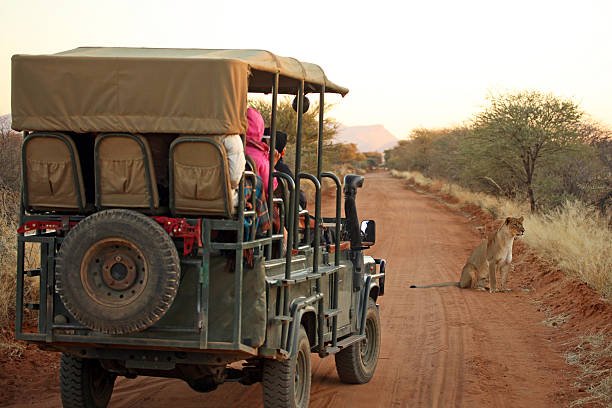
Zanzibar To Mikumi Safari: Flights, Prices And Itinerary Guide
Transition from the spice-scented beaches of Zanzibar to the wildlife-rich plains of Mikumi National Park. This guide details flight logistics, cost considerations, and sample itineraries...
View package details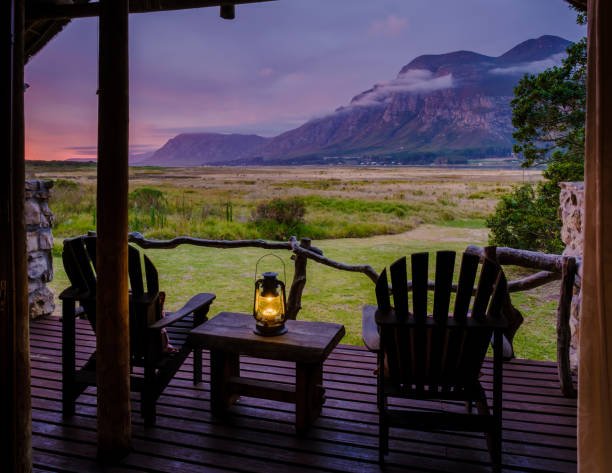
Are African Safari Prices Per Person Or Vehicle? Understanding Tanzania Costs
African safari costs can be confusing. This guide clarifies whether prices are quoted per person or per vehicle, detailing factors that influence your 2026-2027 safari budget in Tanzania.
View package details
Is Tanzania Or Kenya Better For Safari? A Detailed Comparison 2026-2027
Comparing Tanzania and Kenya for your next safari? This in-depth guide breaks down wildlife viewing, landscapes, costs, and optimal travel times to help you choose the perfect East African...
View package details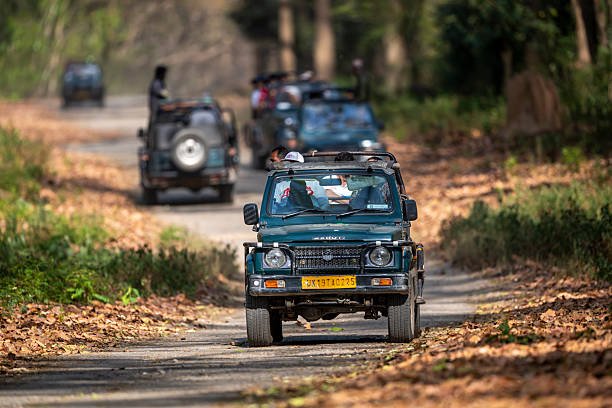
Luxury African Safari Packages: The Ultimate Tanzania Experience In 2026-2027
Explore the pinnacle of African adventure with luxury safari packages in Tanzania. This guide details exclusive lodges, tailor-made itineraries, and the best wildlife experiences for your...
View package details
Tanzania Safari Tours & Packages /: Your Ultimate Wildlife Adventure 2026-2027
Discover the magic of Tanzania with expertly crafted safari tours and packages for 2026 and 2027. From the vast plains of the Serengeti to the depths of the Ngorongoro Crater, find your...
View package detailsBest African Safari Tours & Vacation Packages /: Your Ultimate Tanzania
start an unforgettable African safari adventure in 2026/2027 with expertly curated tours and vacation packages in Tanzania's most iconic wildlife destinations. From the Serengeti to the...
View package detailsNo related package matches those filters. Clear one or more filters to see the other topic-matched options.



