
A Ruvuma cultural tour offers an unparalleled opportunity to connect with the diverse ethnic groups and traditions of Southern Tanzania, moving beyond typical tourist paths to engage directly with local communities, understand their daily lives, explore historical sites, and witness traditional crafts and practices, making it a deeply rewarding experience for travelers seeking authentic cultural immersion in 2026-2027.
Understanding the Ruvuma Region: More Than Just a Name
The Ruvuma region, located in the southeastern part of Tanzania, often remains a less-trodden path for international travelers. This relative obscurity, however, is precisely what makes it such a compelling destination for a Ruvuma cultural tour. It offers an unfiltered glimpse into the heart of Tanzania, far from the more commercialized tourist hubs. To truly appreciate a cultural journey here, it’s essential to grasp the region’s unique character, shaped by its geography, history, and the vibrant mix of its people.
Geography and Strategic Importance
Ruvuma is bordered by Mozambique to the south, with the Ruvuma River itself forming a significant portion of this international boundary. This geographical position has historically influenced trade, migration, and cultural exchange. The region is characterized by diverse landscapes, including the vast plains of the Selous Game Reserve (though much of it lies in the adjacent Lindi and Morogoro regions, its southern reaches touch Ruvuma), fertile river valleys, and rolling hills. The Ruvuma River is not only a natural border but also a vital water source and transportation artery for local communities. Its proximity to the Indian Ocean, via the port city of Mtwara, also plays a role in the region’s economic and cultural dynamics, facilitating trade and connecting it to broader networks.
Historical Context of Ruvuma
The Ruvuma region’s history is rich and complex. It has been a crossroads for centuries, inhabited by various Bantu-speaking groups who migrated over time. The area was influenced by Swahili coastal trade, with evidence of ancient settlements and trading posts. During the colonial era, it was part of German East Africa and later Tanganyika under British mandate. The Ruvuma River gained particular historical significance during the struggle for liberation in Mozambique, serving as a strategic passage for FRELIMO forces. This history has left an indelible mark on the region’s identity, fostering a spirit of resilience and a deep connection to ancestral lands. Understanding this context enriches any Ruvuma cultural tour, allowing travelers to appreciate the layers of history embedded in the landscape and the narratives of the people.
Key Ethnic Groups and Cultural Diversity
Ruvuma is home to several distinct ethnic groups, each with its own traditions, languages, and social structures. Among the most prominent are the Makua, Wayao (also known as Ajawa), Manda, Ngindo, and Mwera peoples. While Swahili is the national language and widely spoken, many of these groups maintain their own languages and dialects. The Makua, for instance, are known for their intricate beadwork and strong community ties. The Wayao have a rich history as traders and warriors, and their cultural practices often reflect this heritage. A Ruvuma cultural tour provides a unique opportunity to learn about these distinct groups, their belief systems, social organization, artistic expressions, and agricultural practices. The diversity within the region means that no two cultural experiences will be identical, offering a nuanced understanding of Tanzanian identity.
Crafting Your Ruvuma Cultural Tour Experience
Embarking on a Ruvuma cultural tour is about more than just visiting places; it’s about genuine engagement and personal connection. The success of such a journey hinges on careful planning and a clear understanding of what ‘authentic’ means in this context. For travelers planning for 2026 or 2027, the opportunity to tailor an experience that perfectly matches their interests and comfort levels is paramount.
Defining Authentic Immersion
Authentic cultural immersion on a Ruvuma tour means moving beyond superficial observation. It involves respectful interaction with local people, participating in daily activities where appropriate, and gaining insight into their perspectives. This might include sharing a meal with a family, learning a few words of a local dialect, understanding traditional farming methods, or witnessing the preparation of local crafts. It’s about reciprocity – showing genuine interest and respect, and in turn, being welcomed into the community’s life. For travelers in 2026-2027, the emphasis is on meaningful encounters that foster mutual understanding and appreciation, rather than just ticking off sights.
Tailoring Your Itinerary for 2026-2027
The beauty of exploring a region like Ruvuma lies in its potential for customization. Your Ruvuma cultural tour can be shaped around your specific interests. Are you fascinated by traditional healing practices? Interested in the history of the Ruvuma River trade routes? Eager to learn about local music and dance? Or perhaps you want to spend significant time with one particular ethnic group? By working with experienced local operators like Climb 4 Africa, you can design an itinerary for 2026 or 2027 that focuses on these areas. This could involve spending several days in a village known for its specific craft, or arranging visits to archaeological sites that are off the main tourist track. Flexibility is key, and planning ahead for 2026-2027 allows for the most bespoke arrangements.
Choosing Your Pace and Style
A Ruvuma cultural tour can be structured in various ways, catering to different travel styles. You might opt for a faster-paced trip that covers several key villages and historical points of interest, or a slower, more in-depth immersion focused on a single community. Accommodation can range from basic but clean guesthouses and homestays, offering the most authentic experience, to more comfortable lodges or tented camps in areas where they are available. For those seeking a more adventurous journey, combining cultural visits with exploration of the natural landscapes, perhaps a guided walk along the Ruvuma River or a visit to a local market, can be integrated. The choice of pace and style will significantly impact the depth of your cultural engagement and the overall feel of your trip in 2026-2027.
Key Cultural Highlights and Activities on a Ruvuma Tour
The Ruvuma region is a treasure trove of cultural experiences waiting to be discovered. A well-planned Ruvuma cultural tour will incorporate a variety of activities that offer genuine insight into the lives and traditions of its people. These are not curated performances for tourists, but rather authentic glimpses into daily life and cultural heritage.
Visiting Traditional Villages and Homestays
The heart of any cultural tour in Ruvuma lies in visiting its villages. This goes beyond a brief stop; it involves spending time with community members, understanding their social structures, and observing their way of life. Homestays offer the most profound level of immersion, allowing travelers to live alongside a local family, share meals, participate in household chores, and learn directly from their hosts. Villages known for specific traditions, such as particular farming techniques or artistic skills, can be specifically targeted. For instance, spending time in a Makua village might offer insights into their unique matrilineal social system and their intricate beadwork. Planning for 2026-2027 allows for arrangements to be made well in advance, ensuring respectful and meaningful visits.
Exploring Historical Sites and Archaeology
Ruvuma’s history is etched into its landscape. The region boasts several archaeological sites and historical landmarks that tell the story of its past. These can include remnants of ancient trading posts, historical mosques, colonial-era structures, and sites significant to local liberation movements. For example, exploring areas along the Ruvuma River might reveal traces of historical trade routes that connected the interior to the Swahili coast. Understanding these sites provides a deeper context for the cultural present. While some sites may be more developed than others, a good local guide can bring these historical narratives to life, making a Ruvuma cultural tour a journey through time as well as across communities.
Witnessing Traditional Crafts and Artisanship
Many communities in the Ruvuma region possess unique artisanal skills passed down through generations. A cultural tour offers the chance to witness these crafts firsthand and, in some cases, even try your hand at them. This could include learning about the intricate process of weaving baskets from local materials, observing woodcarving techniques, or understanding the significance and creation of traditional Makua beadwork. Visiting local workshops or seeing artisans at work in their homes provides a direct appreciation for their skill and the cultural importance of these crafts. Supporting these artisans by purchasing their work directly is a valuable way to contribute to the local economy during your 2026-2027 travels.
Participating in Local Rituals and Festivals
While access to specific rituals and festivals requires careful timing and arrangement, experiencing them can be a highlight of a Ruvuma cultural tour. These events, often tied to agricultural cycles, life transitions, or spiritual beliefs, offer profound insights into community life. Whether it’s a harvest celebration, a traditional wedding ceremony, or a community gathering, participating (respectfully and with invitation) provides an unparalleled cultural experience. For travelers planning for 2026-2027, it’s worth inquiring about the timing of any significant local events that might coincide with their travel dates. Understanding the cultural context and protocols surrounding such events is crucial for respectful participation.
Experiencing Local Cuisine and Agriculture
Food is a universal language, and exploring the local cuisine is an integral part of any cultural journey. In Ruvuma, this means tasting dishes prepared with locally sourced ingredients, often grown using traditional farming methods. Travelers might have the opportunity to learn about staple crops like maize, cassava, and various legumes, and how they are prepared. Participating in cooking demonstrations or sharing meals prepared by local families offers a delicious and intimate cultural exchange. Understanding the agricultural practices that sustain these communities provides further context for their way of life. A Ruvuma cultural tour can include visits to farms or markets, offering a vibrant sensory experience of the region’s bounty.
Logistics and Planning Your Ruvuma Journey for 2026-2027
Successfully executing a Ruvuma cultural tour requires careful attention to logistical details. Southern Tanzania, and Ruvuma in particular, presents unique considerations compared to more developed tourist circuits. Planning ahead, especially for trips in 2026 or 2027, is essential for a smooth and enriching experience. Understanding the best times to visit, transportation options, accommodation, and necessary preparations will significantly enhance your journey.
Best Time to Visit Ruvuma
The climate in the Ruvuma region is generally tropical, with distinct wet and dry seasons. The best time for a cultural tour often depends on your tolerance for heat and rain, and what you wish to experience. The dry season, typically from June to October, offers pleasant temperatures and less humidity, making travel and outdoor activities more comfortable. This period also often aligns with harvest times for certain crops. The shoulder months, like May and November, can also be good, with fewer crowds and transitional weather. The rainy season, from March to May, can bring heavy downpours that may affect road conditions and limit accessibility to certain areas, but it also brings the landscape to life with lush greenery. For those seeking to witness specific agricultural activities or festivals, aligning travel with local calendars is key. When planning for 2026-2027, consider these seasonal variations to optimize your experience.
Transportation Options Within Ruvuma
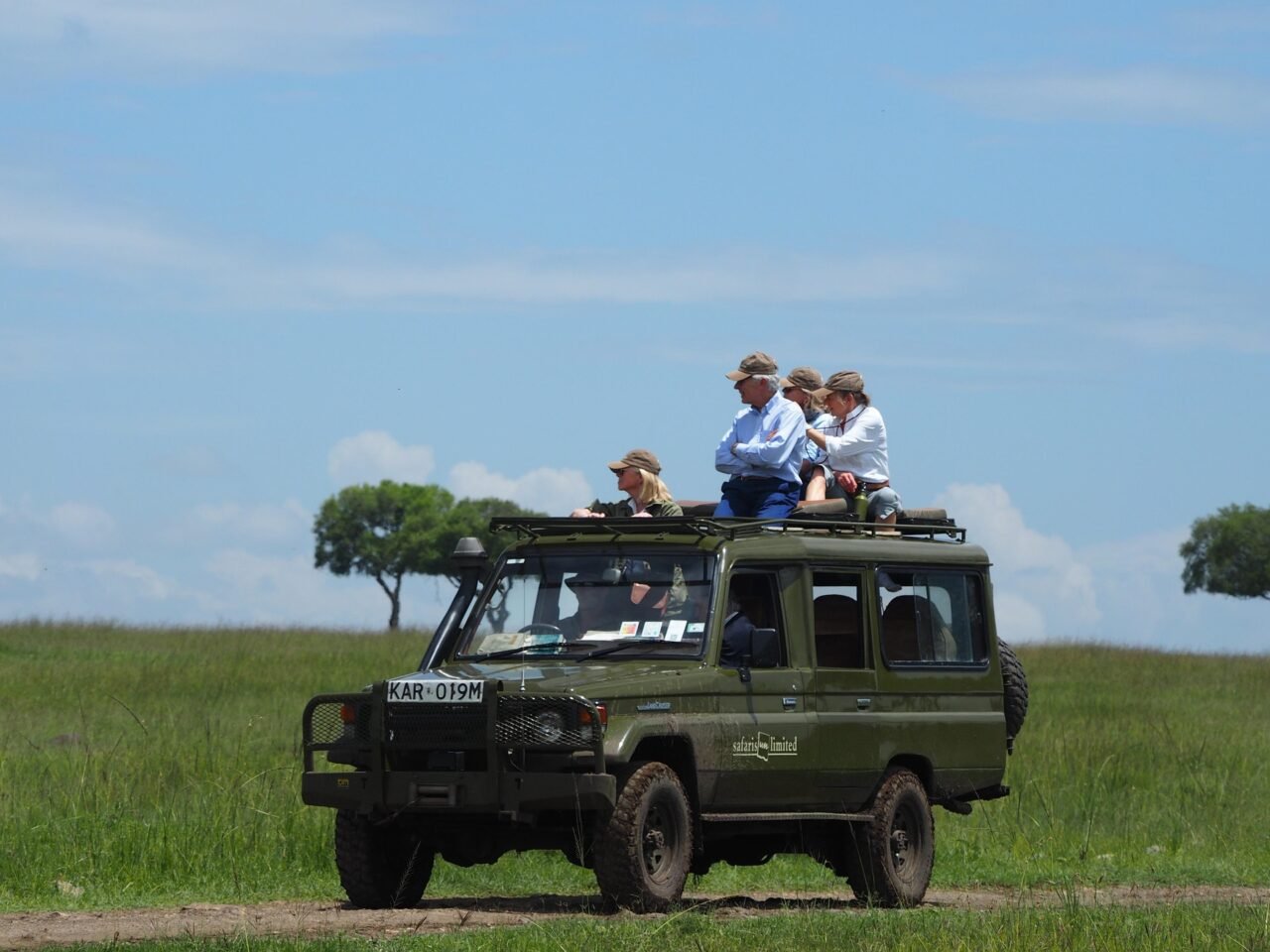
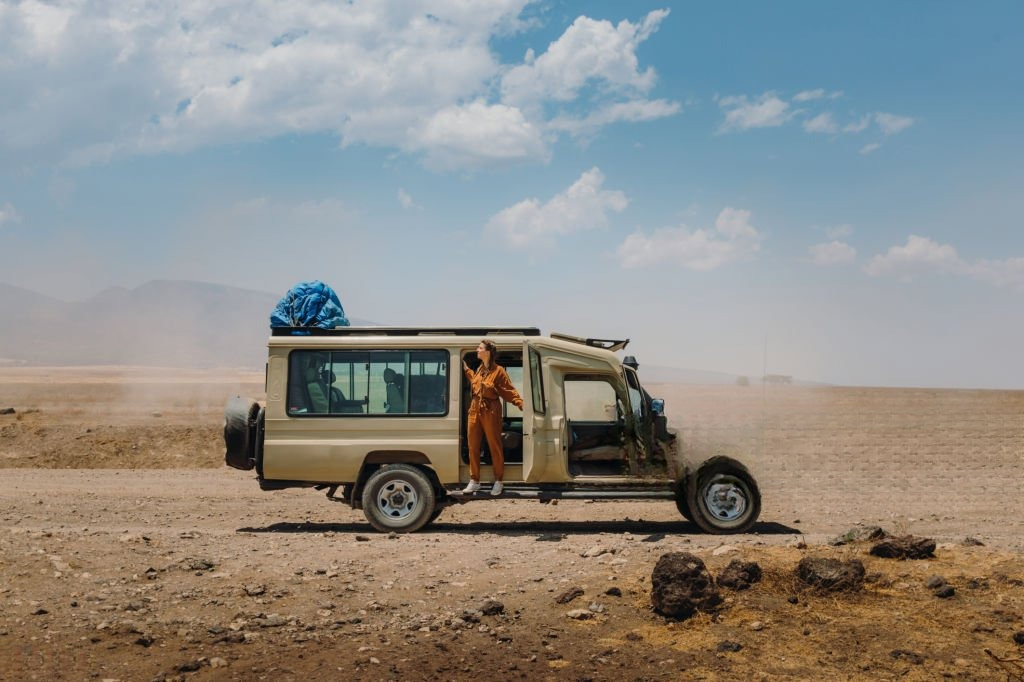
Getting around Ruvuma requires flexibility and local knowledge. Roads can vary significantly in quality, with main routes generally better maintained than those leading to more remote villages. For a Ruvuma cultural tour, reliable transportation is crucial. 4×4 vehicles are often necessary, especially during or just after the rainy season, to navigate varied terrain. Local transport options might include shared taxis (dala-dalas) for shorter distances or between towns, but these are not suitable for reaching remote cultural sites. Private transfers arranged by a tour operator like Climb 4 Africa, often in sturdy 4x4s with experienced local drivers, offer the most practical and comfortable way to explore the region and ensure you can reach your intended destinations for 2026-2027. Flights into Mtwara or Songea are possible from Dar es Salaam, serving as entry points to the region.
Accommodation Styles and Availability
Accommodation in Ruvuma is generally simpler than in Tanzania’s more established tourist areas. You’ll find a range of options, from basic but clean guesthouses in towns like Songea and Mtwara, to community-run homestays in villages. Homestays are the most authentic choice, offering a chance to live with local families and gain deep cultural insights. These typically provide simple, clean rooms and shared facilities, with meals often taken with the host family. In some larger towns, there may be more standard hotels. For travelers prioritizing comfort, options might be more limited, and it’s important to manage expectations. For 2026-2027 trips, booking accommodation in advance, especially homestays, is highly recommended to ensure availability and proper arrangements are made with host families.
Visa and Health Requirements
All foreign nationals traveling to Tanzania (including Ruvuma) require a visa, which can typically be obtained in advance online or upon arrival at major entry points. It is essential to check the latest visa requirements for your nationality well before your trip in 2026-2027. Regarding health, consult your doctor or a travel clinic at least 4-6 weeks before departure. Vaccinations against yellow fever, hepatitis A, typhoid, and tetanus are often recommended. Malaria is present in Tanzania, so preventive medication and insect repellent are advised. Tap water should be avoided; bottled or purified water is recommended. Ensuring you meet all visa and health requirements is a critical step for a smooth Ruvuma cultural tour.
Packing Essentials for Cultural Travel
Packing for a Ruvuma cultural tour requires a balance between comfort, practicality, and cultural sensitivity. Lightweight, breathable clothing is essential due to the tropical climate. Long-sleeved shirts and trousers are advisable for sun protection and to ward off insects, as well as for modesty when visiting villages. Comfortable walking shoes are a must, as you’ll likely be doing a fair amount of walking. A wide-brimmed hat, sunglasses, and high-SPF sunscreen are important for sun protection. A basic first-aid kit, personal medications, hand sanitizer, and a reusable water bottle are also highly recommended. For respectful village visits, modest attire is important – avoid very short shorts or revealing tops. A small, portable power bank can be useful for charging devices, as electricity access may be intermittent in some areas. For 2026-2027, consider packing a small notebook and pen to record observations and perhaps a small gift for host families (e.g., school supplies for children, practical items) if appropriate and arranged beforehand.
Responsible Tourism and Community Engagement in Ruvuma
A Ruvuma cultural tour offers immense potential for positive impact when approached with responsibility and respect. Engaging with local communities in a meaningful and ethical way is not just good practice; it’s fundamental to the success and authenticity of the experience. For travelers in 2026-2027, understanding these principles ensures their journey contributes positively to the region.
Ethical Interactions with Local Communities
Ethical engagement means treating local people with dignity and respect, recognizing them as partners in your travel experience, not just subjects of observation. This involves seeking permission before taking photographs, especially of individuals, and being mindful of local customs and traditions. It means listening more than speaking, showing genuine curiosity, and avoiding intrusive behavior. When visiting homes or participating in activities, always follow the guidance of your local hosts or guides. Understanding the power dynamics inherent in tourism and striving for genuine connection rather than transactional interactions is key to ethical travel. For a Ruvuma cultural tour, this means approaching every encounter with humility and an open mind.
Supporting Local Economies and Businesses
Responsible tourism actively contributes to the economic well-being of the communities visited. This can be achieved in several ways. Purchasing locally made handicrafts directly from artisans ensures they receive a fair price for their work. Eating at local eateries or purchasing food items from local markets supports local vendors. Choosing accommodation options like community-run guesthouses or homestays channels tourism revenue directly into the community. When planning a Ruvuma cultural tour for 2026-2027, inquire about opportunities to support local projects or businesses. Even small purchases can make a difference, fostering a positive economic impact from your visit.
Cultural Sensitivity and Respect
Cultural sensitivity is paramount when traveling to a region with distinct traditions like Ruvuma. This involves researching and understanding local customs, etiquette, and social norms before arrival. For example, dress codes might be more conservative in rural villages than in urban centers. Learning a few basic phrases in Swahili or a local dialect can be greatly appreciated. It’s important to be aware of religious practices and to be respectful of local beliefs. Avoid making judgments or comparisons with your own culture. A genuine willingness to learn and adapt to local ways is the foundation of respectful travel. This approach will significantly enhance the quality of your interactions and the overall depth of your Ruvuma cultural tour.
Making the Most of Your Ruvuma Cultural Tour with Climb 4 Africa
To truly find the potential of a Ruvuma cultural tour, partnering with a knowledgeable and locally connected operator is invaluable. Climb 4 Africa specializes in crafting authentic Tanzanian travel experiences, and their expertise in regions like Ruvuma ensures a trip that is both enriching and smooth. For travelers considering 2026 or 2027, understanding how an operator like Climb 4 Africa can enhance your journey is a crucial step in planning.
Why Choose Climb 4 Africa for Ruvuma
Climb 4 Africa stands out due to its deep roots in Tanzania and its commitment to authentic, responsible tourism. Unlike operators based solely abroad, Climb 4 Africa possesses on-the-ground knowledge essential for navigating regions like Ruvuma. They have established relationships with local communities, ensuring that visits are respectful, beneficial, and genuinely in-depth. Their guides are not only experienced but also local, offering unparalleled insights into the culture, history, and daily life of the Ruvuma region. This local expertise is critical for arranging meaningful interactions, understanding nuanced traditions, and ensuring logistical smooth sailing, especially for unique cultural journeys planned for 2026-2027.
Customizing Your Ruvuma Adventure in 2026-2027
Climb 4 Africa excels at creating tailor-made itineraries. Whether you envision a deep look at the traditions of a specific ethnic group, a historical exploration along the Ruvuma River, or a blend of cultural immersion with the natural beauty of the region, they can design a trip to match. For your 2026-2027 Ruvuma cultural tour, they can arrange homestays, facilitate visits to artisan communities, connect you with local elders for storytelling, and ensure your itinerary reflects your personal interests and pace. This bespoke approach guarantees a unique and deeply personal experience, far removed from generic package tours. They understand the complexities of travel in Southern Tanzania and can navigate them effectively to create your ideal adventure.
Next Steps for Booking Your Ruvuma Experience
To begin planning your unforgettable Ruvuma cultural tour for 2026-2027, the most effective step is to get in touch with Climb 4 Africa directly. Share your ideas, interests, desired travel dates, and any specific preferences you have. They can then provide expert advice, suggest itinerary options, and answer any questions you may have about the region, logistics, or what to expect. Their team is dedicated to helping you craft the perfect journey, ensuring all details are considered for a smooth and enriching cultural exploration. You can reach them via WhatsApp at +255 747 477 898 or by emailing climb4africa@gmail.com. Discussing your vision with them is the key to turning your dream of an authentic Ruvuma cultural experience into a reality.
Check Availability for Ruvuma Cultural Tour: Authentic Experiences In Southern Tanzania 2026-2027
Ready to compare dates, prices, and the best option for your group? Send the package name and travel month so the team can reply with a clear quote, availability, and what is included.
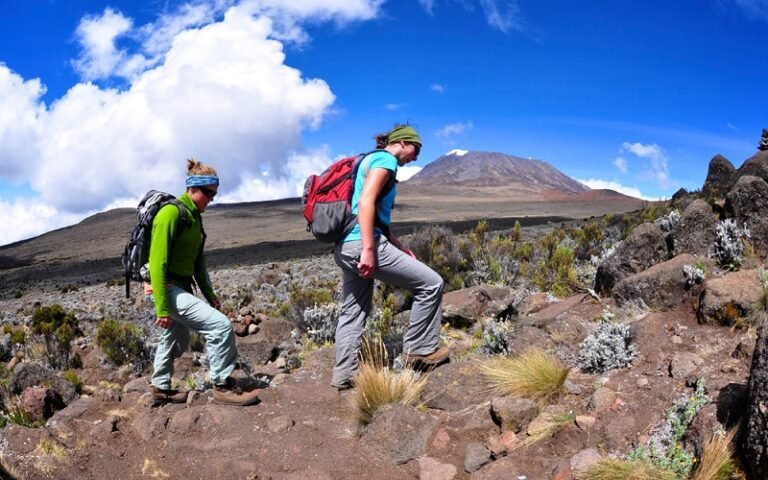
Kilimanjaro And Mara River Crossing Safari August : Peak Season Adventure 2027
Combining the ultimate challenge of climbing Mount Kilimanjaro with the awe-inspiring spectacle of the Great Migration river crossing in the Maasai Mara offers an unparalleled African...
View package detailsNo related package matches those filters. Clear one or more filters to see the other topic-matched options.



