
The Northern Circuit Kilimanjaro trek, typically offered in 8 or 9 days for 2026-2027, is the longest route and provides the best acclimatization profile, circling the mountain’s northern slopes. This route is highly recommended for its high success rates due to its slow ascent, allowing your body to adjust to the altitude more effectively, and it offers a more remote and scenic experience compared to other paths, passing through diverse ecological zones before reaching Uhuru Peak.
Understanding the Northern Circuit Kilimanjaro Trek
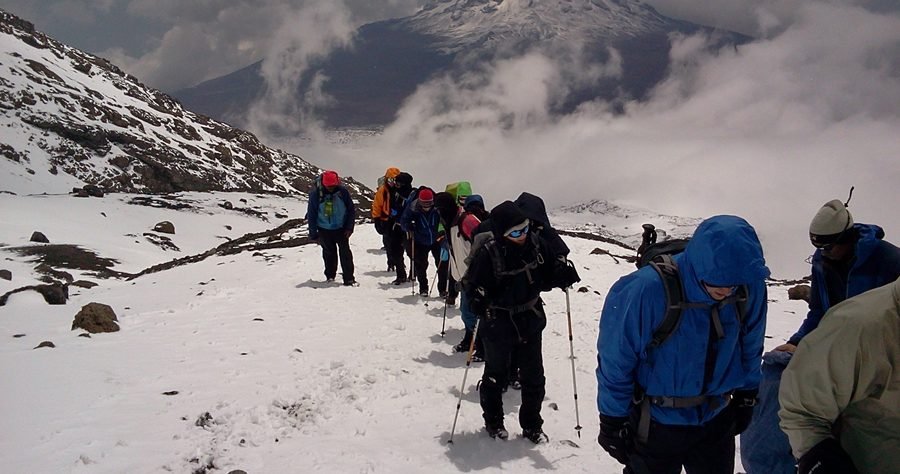
When considering a Kilimanjaro climb, the Northern Circuit stands out. It’s not just about reaching the summit; it’s about the journey, the environment, and crucially, your body’s ability to cope with extreme altitude. For trekkers planning their adventure in 2026 or 2027, understanding the nuances of this route is key to a successful and memorable expedition. The Northern Circuit is often referred to as the “circumference route” because it circumnavigates the entire mountain. This extensive circuit means more days on the mountain, which translates directly into better acclimatization. This is the single most significant advantage for anyone aspiring to stand on the Roof of Africa.
Unlike shorter routes that might rush you through the critical altitude zones, the Northern Circuit’s extended duration allows for a gradual ascent. This slow and steady approach is vital for preventing altitude sickness, a common challenge faced by Kilimanjaro climbers. By spending more time at varying altitudes, your body has a greater opportunity to produce the red blood cells needed to carry oxygen efficiently, mitigating the risks associated with rapid ascents.
The route typically begins at the Lemosho Gate, shares some initial stages with the Machame route, and then branches off to traverse the northern side of the mountain, eventually meeting the Marangu route near the summit for the final ascent. This path takes you through some of the most pristine and less-trodden areas of Kilimanjaro National Park, offering a more exclusive and wild trekking experience. You’ll witness a remarkable diversity of landscapes, from lush rainforests teeming with wildlife to arid alpine deserts and the stark, frozen beauty of the arctic summit zone.
Why Choose an 8 or 9-Day Northern Circuit Trek?
The choice between an 8-day and a 9-day Northern Circuit trek often comes down to individual preference for acclimatization pace and the desire for an even more in-depth experience. Both durations offer excellent acclimatization, but the 9-day option provides an additional day, often spent at a higher camp or a rest day at a scenic spot, further enhancing the body’s ability to adapt to the thinning air. This extended period can be particularly beneficial for those who have experienced altitude issues on previous treks or are simply seeking a more relaxed pace.
For trekkers targeting 2026 or 2027, selecting the 9-day itinerary means an average daily ascent that is gentler than the 8-day version. This translates to more energy reserves for the summit push and a higher likelihood of enjoying the trek rather than just enduring it. While the 8-day Northern Circuit is already considered one of the best routes for acclimatization, the 9-day variant takes this a step further, making it the route with arguably the highest success rate on Kilimanjaro.
The trade-off for this extended acclimatization is, of course, the longer duration of the trek and a slightly higher cost. However, when you weigh this against the increased chances of reaching the summit, the reduced risk of severe altitude sickness, and the opportunity to truly appreciate the mountain’s diverse ecosystems, many climbers find the investment in an 8 or 9-day Northern Circuit trek to be exceptionally worthwhile. It’s an investment in your health, safety, and overall enjoyment of this incredible challenge.
Detailed Itinerary Breakdown: 8-Day vs. 9-Day Options
To truly appreciate the difference an extra day makes, let’s break down typical itineraries for both the 8-day and 9-day Northern Circuit treks. While specific camp names and daily distances can vary slightly between operators, the fundamental structure and acclimatization principles remain consistent. Both routes begin at the Lemosho Gate, signifying the start of your journey through Kilimanjaro’s lower rainforest zone.
8-Day Northern Circuit Itinerary
- Day 1: Londorossi Gate to Mti Mkubwa Camp. After a briefing and drive to Londorossi Gate (2,360m/7,740ft), you’ll begin a short hike through the rainforest to Mti Mkubwa Camp (2,800m/9,180ft).
- Day 2: Mti Mkubwa Camp to Shira 1 Camp. Continue ascending through the rainforest, emerging into moorland as you reach Shira 1 Camp (3,500m/11,480ft).
- Day 3: Shira 1 Camp to Shira 2 Camp. A day of gradual ascent across the Shira Plateau, heading towards Shira 2 Camp (3,850m/12,630ft).
- Day 4: Shira 2 Camp to Lava Tower to Barranco Camp. This day features a significant altitude gain, climbing towards Lava Tower (4,600m/15,090ft) for acclimatization, before descending to Barranco Camp (3,950m/12,960ft). This “climb high, sleep low” strategy is crucial.
- Day 5: Barranco Camp to Karanga Camp. Navigate the challenging Barranco Wall, a steep climb that requires scrambling, before reaching Karanga Camp (4,000m/13,120ft).
- Day 6: Karanga Camp to Barafu Camp. A shorter day of trekking through alpine desert to Barafu Camp (4,650m/15,250ft), your base for the summit attempt.
- Day 7: Summit Day: Barafu Camp to Uhuru Peak to Mweka Camp. The ultimate challenge begins in the early hours, ascending to Uhuru Peak (5,895m/19,341ft), the highest point in Africa. Descend via Stella Point and then down to Mweka Camp (3,100m/10,170ft).
- Day 8: Mweka Camp to Mweka Gate. Descend through the forest to Mweka Gate (1,640m/5,380ft), where you’ll receive your climbing certificates and transfer back to your hotel.
9-Day Northern Circuit Itinerary
- Day 1: Londorossi Gate to Mti Mkubwa Camp. (Same as 8-day: 2,800m/9,180ft)
- Day 2: Mti Mkubwa Camp to Shira 1 Camp. (Same as 8-day: 3,500m/11,480ft)
- Day 3: Shira 1 Camp to Shira 2 Camp. (Same as 8-day: 3,850m/12,630ft)
- Day 4: Shira 2 Camp to Lava Tower to Kikelewa Caves. Instead of descending to Barranco, this itinerary takes a different path, ascending towards Lava Tower (4,600m/15,090ft) and then heading north towards Kikelewa Caves (3,600m/11,810ft), offering a unique northern traverse.
- Day 5: Kikelewa Caves to Mawenzi Tarn Camp. A shorter hike to Mawenzi Tarn Camp (4,300m/14,100ft), located beneath the dramatic spires of Mawenzi peak, allowing for further acclimatization on the northern side.
- Day 6: Mawenzi Tarn Camp to School Hut. Ascend across the saddle between Mawenzi and Kibo, reaching School Hut (4,700m/15,420ft), a strategic camp for the summit push.
- Day 7: School Hut to Uhuru Peak to Millennium Camp. The summit night begins from School Hut, ascending via Gilman’s Point to Uhuru Peak (5,895m/19,341ft). Descend to Millennium Camp (3,800m/12,460ft), a more gradual descent than the 8-day route, aiding recovery.
- Day 8: Millennium Camp to Mweka Gate. Descend through forest and moorland to Mweka Gate (1,640m/5,380ft), receiving your certificates.
- Day 9: Optional Rest Day / Extra Acclimatization. Some 9-day itineraries include an additional day at a lower camp or a rest day before the summit push, or a more relaxed descent. However, the more common 9-day Northern Circuit, as described above, provides the extra acclimatization by spreading the ascent over more days and reaching a higher camp before summit night. A truly 9-day itinerary would then descend to Mweka Camp (3,100m/10,170ft) on summit day and Mweka Gate on day 10. For clarity and common practice, the above 8-day itinerary is often extended by one day with an extra camp on the northern side or a rest day, effectively making it a 9-day trek. The most distinct 9-day Northern Circuit includes a camp at School Hut, then descends to Millennium Camp on summit day, and then descends to Mweka Gate on day 9.
The key difference lies in how the routes navigate the northern slopes and the subsequent camps chosen. The 9-day itinerary generally offers a more relaxed pace and allows for more time spent at higher altitudes before the final summit push, particularly by incorporating camps like Mawenzi Tarn or School Hut which are further along the northern circuit. The 8-day Northern Circuit is still excellent, but the 9-day version truly maximizes the acclimatization benefits of this route. For 2026-2027 planning, consider which pace feels right for your fitness and altitude experience.
Acclimatization: The Secret to Summit Success
Acclimatization is the cornerstone of any successful Kilimanjaro climb, and the Northern Circuit excels in this regard. Altitude sickness, or Acute Mountain Sickness (AMS), is caused by the body’s inability to adjust to the lower oxygen levels at higher elevations. Symptoms can range from mild headaches and nausea to severe, life-threatening conditions like HAPE (High Altitude Pulmonary Edema) and HACE (High Altitude Cerebral Edema).
The Northern Circuit’s longer duration, especially the 9-day option, allows for a more gradual ascent. This means you spend more time sleeping at altitudes where your body can begin to adapt. The principle of “climb high, sleep low” is fundamental to acclimatization, and the Northern Circuit incorporates this beautifully. For instance, trekking to Lava Tower (4,600m) during the day and then descending to sleep at Barranco Camp (3,950m) allows your body to acclimatize to the higher altitude without the stress of sleeping there immediately. This strategy significantly reduces the risk of AMS.
When planning for 2026-2027, it’s worth noting that individual acclimatization rates vary. Factors like age, fitness level, and previous high-altitude experience play a role. However, choosing a route like the Northern Circuit, which prioritizes acclimatization, is the single best way to prepare your body for the extreme demands of Kilimanjaro’s summit. Your guides will constantly monitor you for any signs of AMS, and their expertise is invaluable. They will make decisions about your pace and whether you can continue based on your condition.
The extensive circuit also means you’re trekking through a wider range of altitudes over more days, giving your body continuous exposure and time to adapt. This is why the Northern Circuit consistently boasts higher success rates than shorter, more aggressive routes. Don’t underestimate the importance of this gradual process; it’s what separates a triumphant summit bid from a disappointing descent.
Scenery and Environment: A Journey Through Ecosystems
One of the most compelling reasons to choose the Northern Circuit is the sheer diversity of scenery and environments you traverse. Kilimanjaro is a mountain of contrasts, and this route showcases them all, often in spectacular fashion.
Rainforest: Your journey begins in the lush, humid rainforest zone. Expect dense vegetation, towering trees, and a rich variety of flora and fauna. You might spot colobus monkeys, blue monkeys, and a plethora of bird species. The air is thick with moisture, and the ground can be muddy, especially during the rainy seasons. This zone is vibrant and full of life.
Moorland: As you ascend, the rainforest gives way to the moorland zone. This is characterized by giant heathers, senecios (groundsel), and lobelias. The landscape opens up, offering stunning views of the surrounding plains and often glimpses of Mount Meru in the distance. The air becomes cooler and drier.
Alpine Desert: Above the moorland lies the alpine desert. This is a stark, arid environment where vegetation is sparse and hardy. You’ll see hardy grasses, mosses, and lichens adapted to the harsh conditions. The sun can be intense during the day, but temperatures drop dramatically at night. This zone feels otherworldly, preparing you for the extreme conditions higher up.
Arctic Summit Zone: The final ascent takes you into the arctic zone. Here, there is virtually no vegetation. You’ll encounter volcanic rock, scree, glaciers, and snow. The landscape is raw, exposed, and breathtakingly beautiful, especially at sunrise. The air is extremely thin, and the temperatures are well below freezing. This is the realm of the summit, Uhuru Peak, and the iconic glaciers of Kilimanjaro.
The Northern Circuit’s path along the northern slopes offers particularly unique vistas. You’ll see the dramatic landscape of the Kibo caldera and the lesser-visited slopes of Mawenzi, Kilimanjaro’s second peak. The remoteness of this side of the mountain means you’re likely to encounter fewer other trekkers, allowing for a more intimate connection with the wilderness. This aspect makes the Northern Circuit a favorite for photographers and nature lovers planning their 2026-2027 Kilimanjaro adventure.
Logistics and Preparations for 2026-2027 Treks
Successfully undertaking a Northern Circuit Kilimanjaro trek in 2026 or 2027 requires careful planning. Beyond choosing the 8 or 9-day duration, several logistical aspects need attention.
Choosing a Reputable Operator
This is perhaps the most critical decision. A good operator ensures safety, provides experienced guides and porters, manages logistics efficiently, and uses quality equipment. For the Northern Circuit, where longer duration and higher altitudes are involved, the expertise of your team is paramount. Look for operators who:
- Have a proven track record, especially on longer routes.
- Employ certified guides with extensive experience in high-altitude trekking and rescue.
- Adhere to fair porter treatment policies (e.g., Kilimanjaro Porters Assistance Project – KPAP guidelines).
- Provide comprehensive pre-trek information and support.
- Are transparent about what is included in their pricing.
Climb 4 Africa is a local operator with deep expertise in Kilimanjaro climbs, including the Northern Circuit. Their focus on safety, guide training, and customer care makes them a reliable choice for your 2026-2027 expedition.
Gear and Equipment
The Northern Circuit demands robust gear suitable for extreme temperature fluctuations and varied terrain. Key items include:
- Layering system: Base layers (thermals), mid-layers (fleece), and an outer shell (waterproof and windproof jacket and trousers).
- Insulated jacket: A warm down or synthetic jacket is essential for summit night and cold evenings.
- Footwear: Broken-in, waterproof hiking boots are non-negotiable.
- Sleeping bag: A 4-season sleeping bag rated to at least -15°C (5°F).
- Headlamp: With extra batteries, crucial for summit night.
- Sun protection: High SPF sunscreen, sunglasses, and a wide-brimmed hat.
- Trekking poles: To reduce strain on knees, especially during descents.
- Water bottles/hydration system: With insulation to prevent freezing.
Your chosen operator will provide a detailed packing list. It’s wise to test your gear before your trip, especially your boots and layering system.
Physical Training
While you don’t need to be an elite athlete, a good level of cardiovascular fitness is essential. Focus on:
- Hiking: Regular hikes with a backpack, ideally on varied terrain with inclines.
- Cardio: Running, cycling, swimming, or using an elliptical machine to build endurance.
- Strength training: Focus on legs and core.
The longer duration of the Northern Circuit means you need stamina. Train consistently in the months leading up to your 2026-2027 trek.
Travel Insurance
Ensure your travel insurance covers high-altitude trekking up to 6,000 meters (19,341 feet) and includes emergency medical evacuation. This is a non-negotiable safety measure.
What to Expect on the Trail: Daily Life on Kilimanjaro
Life on Kilimanjaro is structured and revolves around the rhythm of trekking, eating, and sleeping. Understanding this routine can help manage expectations for your 2026-2027 adventure.
Daily Schedule: Your day typically starts early. You’ll be woken up by your guide or a porter with a cup of hot water. After a simple breakfast, you’ll pack your daypack and begin trekking. The pace is slow and steady, designed for acclimatization. You’ll take regular short breaks for water and snacks. Lunch is usually a packed meal taken en route or upon arrival at the next camp. After reaching camp, you’ll have time to rest, hydrate, and have dinner before retiring to your tent. Summit night is an exception, starting much earlier and being far more strenuous.
Food and Drink: Operators provide all meals, which are typically hearty and nutritious, designed to provide energy for the trek. Expect a variety of dishes, from porridge and eggs for breakfast to rice, pasta, stews, and vegetables for lunch and dinner. Fresh fruit and snacks are also provided. Hydration is crucial. You’ll be encouraged to drink 3-4 liters of water per day. This water is typically boiled and filtered by your crew.
Campsites: Campsites are usually located in designated areas. You’ll sleep in sturdy tents, often two people per tent. Your porters will set up your tent and carry all the main equipment, including communal tents for dining and toilet tents. Basic washing facilities (a basin of hot water) are usually provided each morning and evening.
Guides and Porters: The support crew is your lifeline. Your guides are highly trained in first aid and altitude sickness management. Porters carry the bulk of the gear, ensuring you only need to carry a daypack with essentials. They are experienced and knowledgeable about the mountain. Interacting with them respectfully and kindly is part of the Kilimanjaro experience.
Summit Night: The Ultimate Challenge
Summit night on the Northern Circuit is the most demanding part of the entire trek. It requires mental fortitude, physical endurance, and careful preparation.
The Ascent: You’ll typically start from Barafu Camp (on the 8-day route) or School Hut (on the 9-day route) around midnight to 1 AM. The goal is to reach Uhuru Peak by sunrise. The ascent is steep, often on loose scree and gravel, in freezing temperatures. The altitude is extreme, making every step a significant effort. The air is thin, and breathing is difficult. You’ll move slowly, “pole pole” (slowly, slowly), a mantra that will become your best friend.
Temperature and Conditions: Temperatures can plummet to -10°C to -20°C (-4°F to -4°F), with wind chill making it feel even colder. The terrain is challenging, and visibility can be poor due to darkness or clouds.
Managing AMS: This is where acclimatization pays off. If you’ve followed the “climb high, sleep low” principle and chosen a longer route like the Northern Circuit, your body will be better equipped to handle the extreme altitude. Your guides will monitor you closely. If symptoms of AMS worsen, they may advise you to descend. Summiting is a privilege, not a right, and safety is always the priority.
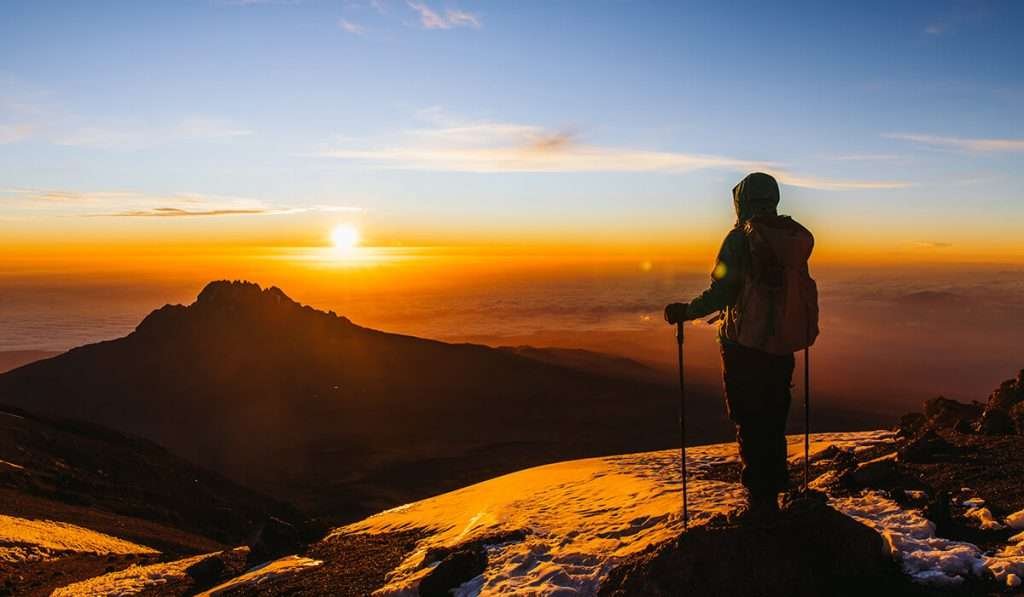
The Reward: Reaching Uhuru Peak at sunrise is an unparalleled achievement. The views over the clouds, the vast crater, and the glaciers are simply spectacular. It’s a moment of immense personal triumph and a fitting reward for your hard work.
Descent: The descent is often underestimated. It’s long and can be hard on the knees. You’ll descend from the summit back to Barafu Camp or School Hut for a brief rest and some food, and then continue down to a lower camp (Mweka or Millennium Camp) to aid recovery. Descending quickly also helps mitigate the effects of the extreme altitude you experienced at the peak.
Comparing Northern Circuit with Other Kilimanjaro Routes
To fully appreciate the Northern Circuit, it’s helpful to compare it with other popular Kilimanjaro routes. This comparison highlights why the Northern Circuit is often recommended for those prioritizing success and a comprehensive experience.
| Route | Duration (Days) | Starting Point | Acclimatization | Scenery | Success Rate (Approx.) | Crowds |
|---|---|---|---|---|---|---|
| Northern Circuit | 8-9 | Londorossi | Excellent | Most Diverse | 85-95% | Low |
| Machame Route | 6-7 | Machame | Good | Very Good | 70-80% | High |
| Lemosho Route | 7-8 | Lemosho | Very Good | Excellent | 75-85% | Moderate |
| Marangu Route | 5-6 | Marangu | Poor | Good | 50-60% | High |
| Umbwe Route | 6-7 | Umbwe | Poor | Dramatic | 40-50% | Low |
As you can see, the Northern Circuit’s standout features are its superior acclimatization and scenery, leading to a significantly higher success rate. While routes like Machame and Lemosho are popular and offer good experiences, they generally have shorter durations and thus less optimal acclimatization profiles compared to the Northern Circuit. The Marangu route, often called the “Coca-Cola route” due to its hut accommodation and accessibility, suffers from poor acclimatization and lower success rates. The Umbwe route is the shortest and most challenging, not recommended for most trekkers.
For those planning a Kilimanjaro trek in 2026 or 2027 and who want to maximize their chances of reaching the summit while enjoying a more remote and scenic journey, the 8 or 9-day Northern Circuit is the logical choice. It offers the best balance of challenge, reward, and safety.
Booking Your Northern Circuit Kilimanjaro Trek for 2026-2027
When you’re ready to commit to your Kilimanjaro adventure, choosing the right time to book and the right operator is crucial. For expeditions planned for 2026 and 2027, starting your research and booking process well in advance is advisable.
When to Book
The best time to climb Kilimanjaro is during the dry seasons: January to March and June to October. These periods offer clearer skies and less rain. However, these are also the busiest times, especially for popular routes. The Northern Circuit’s popularity is growing due to its success rates, so booking 6-12 months in advance is recommended, particularly if you have specific dates in mind for 2026 or 2027.
What’s Typically Included
A comprehensive Northern Circuit package usually includes:
- All park and camping fees.
- Qualified guides and experienced porters.
- All meals on the mountain.
- Tents and cooking equipment.
- Transfer from/to Kilimanjaro International Airport (JRO) and your hotel.
- Accommodation in Moshi/Arusha before and after the climb (often 2 nights).
- Emergency oxygen and a comprehensive first-aid kit.
It’s essential to clarify what is *not* included, such as:
- Visa fees.
- Flights to Tanzania.
- Personal gear rental (sleeping bags, etc.).
- Tips for guides and porters (a significant part of their income).
- Travel insurance.
- Personal expenses (souvenirs, drinks).
Understanding these inclusions and exclusions will help you budget accurately for your 2026-2027 trek.
Why Choose Climb 4 Africa?
Climb 4 Africa is a Tanzanian-based tour operator dedicated to providing authentic, safe, and memorable Kilimanjaro climbing experiences. We understand the mountain intimately and specialize in routes like the Northern Circuit, recognizing its advantages for acclimatization and success rates. Our local expertise means we can offer practical advice, competitive pricing, and unparalleled support on the ground.
When you book your 8 or 9-day Northern Circuit Kilimanjaro trek for 2026-2027 with Climb 4 Africa, you are partnering with a team committed to your safety and enjoyment. We ensure fair treatment of our crew, use quality equipment, and have guides who are not only skilled mountaineers but also passionate about sharing the magic of Kilimanjaro.
To get a personalized quote or discuss your specific needs for a 2026 or 2027 climb, please reach out to us. We are here to help you plan every detail of your Kilimanjaro journey.
Contact Climb 4 Africa:
- WhatsApp: +255 747 477 898
- Email: climb4africa@gmail.com
Let us help you make your dream of conquering Kilimanjaro a reality. The Northern Circuit offers an exceptional path to the summit, and with Climb 4 Africa, you’ll have the best possible support every step of the way.
Check Availability for Northern Circuit Kilimanjaro: 8 Or 9 Days Trekking Guide 2026-2027
Ready to compare dates, prices, and the best option for your group? Send the package name and travel month so the team can reply with a clear quote, availability, and what is included.



