Moshi is the principal gateway town for climbing Mount Kilimanjaro, serving as the essential starting point for most expeditions due to its proximity to the mountain, availability of tour operators, acclimatization opportunities, and essential logistical support for trekkers planning their climbs, especially for the 2026-2027 seasons.
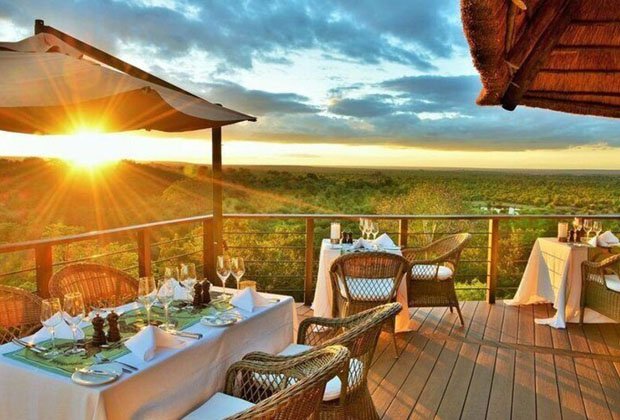
Moshi: More Than Just a Starting Point
While many see Moshi simply as the town where you begin your ascent of Kilimanjaro, it’s far more than that. This bustling, friendly town, located at the foot of Africa’s highest peak, is the beating heart of Kilimanjaro tourism. It’s where expeditions are organized, guides are trained, and the final preparations for your mountain adventure take place. For trekkers targeting climbs in 2026 and 2027, understanding Moshi’s role is key to a successful and enjoyable experience. It’s the place to meet your expedition team, conduct final gear checks, and soak in the anticipation of the incredible journey ahead. The town offers a vibrant introduction to Tanzanian life, with its bustling markets, local eateries, and the ever-present, majestic silhouette of Kilimanjaro watching over it all. Choosing a reliable tour operator based in or with strong ties to Moshi ensures you receive authentic local support and expertise, crucial for navigating the complexities of a Kilimanjaro climb.
The significance of Moshi for your Kilimanjaro climb in 2026-2027 cannot be overstated. It’s the logistical hub where park fees are paid, permits are secured, and your climbing crew – comprising guides, porters, and cooks – is assembled. Most reputable tour operators, including Climb 4 Africa, have their operational bases or strong partnerships here, meaning that when you book a trek, much of the intricate planning happens within this town. This local presence allows for direct communication, efficient problem-solving, and a deeper understanding of the mountain’s conditions. Furthermore, Moshi provides a comfortable environment to acclimatize slightly before heading to the higher altitudes of the mountain. Spending a day or two here allows your body to begin adjusting, reducing the risk of altitude sickness. It’s also your last chance to purchase any forgotten essentials from local shops or markets, or to enjoy a good meal and a comfortable bed before the ruggedness of the trek.
The infrastructure in Moshi is geared towards supporting international visitors. You’ll find a range of accommodation from simple guesthouses to comfortable lodges, banks for currency exchange, and reliable communication services. This makes it an accessible and practical starting point, minimizing pre-trek stress. For those planning their Kilimanjaro adventures for the peak seasons of 2026 and 2027, booking with an operator familiar with Moshi’s intricacies means a smoother start. They’ll arrange your airport transfers, accommodation, and ensure all pre-climb logistics are handled seamlessly. It’s the culmination of your planning, where the virtual preparation meets the tangible reality of your upcoming expedition. The energy in Moshi during peak trekking seasons is palpable, with climbers from all over the world preparing for their own unique journeys up the mountain.
Planning Your Kilimanjaro Trek from Moshi
Successfully summiting Kilimanjaro requires meticulous planning, and Moshi serves as the central point where these plans are finalized and executed. From selecting the right route to packing the correct gear, every decision made in Moshi directly impacts your climb. Understanding the options available and the logistical considerations will set you up for a far more rewarding experience, especially when looking ahead to treks in 2026 and 2027.
Choosing Your Kilimanjaro Route
The choice of route is perhaps the most critical decision when planning a Kilimanjaro climb from Moshi. Each route offers a different experience in terms of scenery, difficulty, acclimatization profile, and crowds. Your tour operator in Moshi will guide you through these options, helping you select the one that best matches your fitness level, available time, and desired experience.
- Marangu Route (Coca-Cola Route): Often considered the easiest and shortest, this route is popular for its hut accommodation rather than camping. However, its direct ascent means a lower success rate due to poor acclimatization. It’s a less scenic option and can be quite crowded.
- Machame Route (Whiskey Route): This is one of the most popular routes, known for its excellent acclimatization profile and stunning scenery, particularly the hike through the Shira Plateau. It’s a challenging trek, typically done over 6 or 7 days, offering a good balance of difficulty and success rate. Many group departures for 2026 and 2027 are based on this route. Check Machame route group departures here.
- Lemosho Route: Similar to Machame in its scenic beauty and acclimatization, Lemosho is often considered more remote and pristine in its early stages. It’s a longer route, usually 7 or 8 days, providing an excellent chance of summit success and a more in-depth wilderness experience.
- Shira Route: This route starts at a higher altitude than Lemosho, making the initial days more challenging. It converges with the Lemosho route and offers dramatic volcanic landscapes.
- Rongai Route: The only route that approaches Kilimanjaro from the north, Rongai is a good option during the rainy season as the northern side receives less rainfall. It’s a longer, less crowded route with a steady ascent, offering a different perspective of the mountain.
- Northern Circuit: The longest and most expensive route, the Northern Circuit is also considered the most scenic and offers the best acclimatization, leading to the highest summit success rates. It circles the mountain, offering varied landscapes and a more relaxed pace.
- Umbwe Route: The steepest and most challenging route, Umbwe is for experienced and very fit trekkers. It has a rapid ascent and poor acclimatization, making it the least recommended for most climbers.
When discussing your trek from Moshi, your operator will elaborate on the pros and cons of each, considering factors like duration, scenery, and your personal trekking experience. For 2026-2027 bookings, it’s wise to book routes with higher success rates like Machame or Lemosho if your primary goal is reaching the summit.
When to Climb Kilimanjaro: Best Seasons for 2026-2027
Moshi’s climate is generally pleasant year-round, but for Kilimanjaro itself, there are distinct dry and wet seasons. Planning your climb for the dry seasons significantly increases your chances of good weather and a successful summit bid. The best times to consider for 2026 and 2027 treks are:
- January to March: This is a prime dry season, offering clear skies and moderate temperatures. It’s an excellent period for climbing, though it can be busy.
- June to October: This is the second dry season, characterized by cooler temperatures and clear skies. It’s a very popular time for trekkers, especially during the European summer holidays.
The shoulder seasons (April-May and November-December) are generally wetter and can bring rain, snow at higher altitudes, and cloud cover, making visibility poor and the trek more challenging. While climbing is possible during these times, success rates can be lower, and the experience might be less enjoyable. For those looking to book their Kilimanjaro climb in 2026 or 2027, aiming for the January-March or June-October windows is highly recommended.
How Long to Trek Kilimanjaro?
The duration of your Kilimanjaro trek is directly linked to the route chosen and is critical for acclimatization and success. Most reputable operators based in Moshi will advise against shorter treks, as they significantly reduce your chances of reaching Uhuru Peak and increase the risk of altitude sickness.
- 5-day treks (e.g., Marangu): Generally not recommended due to poor acclimatization.
- 6-day treks (e.g., Machame, Marangu): Still considered short for optimal acclimatization, though Machame over 6 days is common.
- 7-day treks (e.g., Machame, Lemosho, Rongai): A good balance for many trekkers, offering adequate acclimatization and scenery.
- 8-day treks (e.g., Lemosho, Northern Circuit): Ideal for maximizing acclimatization and enjoyment, leading to higher success rates and a more comfortable trek.
- 9+ day treks (Northern Circuit): Provides the ultimate acclimatization and a more leisurely, comprehensive experience of the mountain’s diverse ecosystems.
When you’re in Moshi planning for your 2026-2027 climb, discuss your fitness and time constraints with your operator. They will help you select a duration that aligns with your capabilities and Kilimanjaro’s physiological demands.
Essential Packing for Your Kilimanjaro Expedition
Proper gear is non-negotiable for a Kilimanjaro climb. Your operator in Moshi will provide a detailed packing list, but understanding the essentials before you arrive is beneficial. The weather on Kilimanjaro can change rapidly, from hot and humid at the base to freezing cold at the summit. Layering is key.
Key Items to Pack (and potentially buy or rent in Moshi):
- Clothing: Waterproof and windproof outer layers (jacket and trousers), warm fleece layers, thermal base layers (merino wool or synthetic), hiking trousers, t-shirts, warm hat, waterproof gloves, liner gloves, sun hat, gaiters.
- Footwear: Broken-in waterproof hiking boots, comfortable camp shoes or trainers, good quality hiking socks (wool or synthetic).
- Gear: 4-season sleeping bag (rated to -10°C or lower), sleeping bag liner, trekking poles, headlamp with extra batteries, sunglasses (UV protection), water bottles or hydration reservoir (at least 2-3 liters capacity), sunscreen (SPF 30+), lip balm with SPF, personal first-aid kit, toiletries.
- Documentation: Passport, visa, flight details, travel insurance documents, vaccination certificates, emergency contact information.
Moshi has shops where you can purchase or rent some items like sleeping bags, trekking poles, and warm jackets. However, it’s best to bring your most crucial personal items, like hiking boots and specialized clothing, from home to ensure fit and quality. For your Moshi to Kilimanjaro trek in 2026-2027, ensure your gear is robust and suitable for extreme conditions.
Visas and Vaccinations for Tanzania
Before arriving in Moshi, ensure you have the necessary travel documents and health preparations. Your tour operator can offer guidance, but the responsibility ultimately lies with the traveler.
- Visas: Most nationalities require a visa for Tanzania. This can often be obtained online in advance (e-Visa) or upon arrival at Kilimanjaro International Airport (JRO), which is the closest airport to Moshi. Check the latest requirements for your nationality well before your 2026-2027 travel dates.
- Vaccinations: Yellow Fever vaccination is mandatory for entry into Tanzania if you are arriving from or transiting through a country with a risk of Yellow Fever transmission. Other recommended vaccinations include Hepatitis A, Typhoid, Tetanus, and Polio. Consult your doctor or a travel clinic 4-6 weeks before your trip for personalized advice. Malaria prophylaxis is also recommended for lower altitudes, including Moshi.
Travel Insurance for Kilimanjaro Treks
Comprehensive travel insurance is absolutely essential for any Kilimanjaro climb. It should specifically cover high-altitude trekking up to 6,000 meters (the altitude of Kilimanjaro’s summit) and include emergency medical evacuation, including helicopter rescue. Many standard travel insurance policies exclude such activities.
When discussing your trip to Moshi for your Kilimanjaro adventure in 2026 or 2027, ensure your chosen tour operator also requires proof of adequate insurance. This is a critical safety measure. Some operators may have specific insurance providers they recommend or require.
Logistics and Support in Moshi
Moshi is the nexus of all operational activities for Kilimanjaro expeditions. The support and services available here are crucial for a smooth and safe trek. Understanding these elements will help you appreciate the value of a well-organized tour operator based in or operating extensively from Moshi.
Finding a Reputable Kilimanjaro Tour Operator in Moshi
This is arguably the most critical step in planning your Moshi to Kilimanjaro climb. A good operator ensures your safety, comfort, and maximizes your chances of reaching the summit. Look for operators with:
- Local Presence: Companies like Climb 4 Africa have a strong local presence in Moshi, ensuring direct oversight and genuine local support.
- Experienced Guides: Certified guides with extensive knowledge of the mountain, first aid, and rescue procedures.
- Ethical Practices: Fair wages and treatment for porters and guides are crucial. Look for companies that are members of organizations like Kilimanjaro Porters Assistance Project (KPAP).
- Safety Standards: Comprehensive safety protocols, including carrying a medical kit, oxygen, and communication devices.
- Positive Reviews: Check independent review sites for feedback on past clients’ experiences.
Booking with a reputable operator in Moshi for your 2026-2027 trek means peace of mind. They handle park fees, permits, guide and porter arrangements, meals on the mountain, and transportation.
Pre-Climb Briefings and Gear Checks in Moshi
A crucial part of the service offered by most operators in Moshi is the pre-climb briefing. This typically happens the day before your trek begins and includes:
- Route Overview: A detailed explanation of the chosen route, daily itineraries, and expected challenges.
- Gear Check: Your guide will inspect your equipment to ensure you have everything necessary and that it’s in good condition. This is your last chance to identify any missing or inadequate items.
- Team Introduction: You’ll meet your lead guide and potentially other members of your climbing crew.
- Health and Safety: Discussion on altitude sickness symptoms, how to stay hydrated, and general safety on the mountain.
- Q&A Session: An opportunity to ask any last-minute questions.
This briefing, conducted in Moshi, is invaluable for preparing you mentally and physically for the expedition ahead. It’s a standard procedure for any well-organized Kilimanjaro trek starting from Moshi.
Transportation to the Trailhead
Your tour operator in Moshi will arrange all necessary transportation from your accommodation to the various park gates (trailheads) for your chosen route. This typically involves a private vehicle and driver, ensuring a comfortable and timely transfer. The journey from Moshi to gates like Marangu, Machame, or Lemosho can take anywhere from 1 to 3 hours, depending on the route and road conditions. Reliable transport is essential to start your trek on schedule.
Accommodation Options in Moshi
Moshi offers a range of accommodations suitable for trekkers before and after their climb. Your tour operator can often assist with booking these, or you can arrange them independently.
- Budget Guesthouses: Simple, clean, and affordable options offering basic amenities.
- Mid-Range Hotels: Comfortable hotels with better facilities, often including restaurants and more spacious rooms.
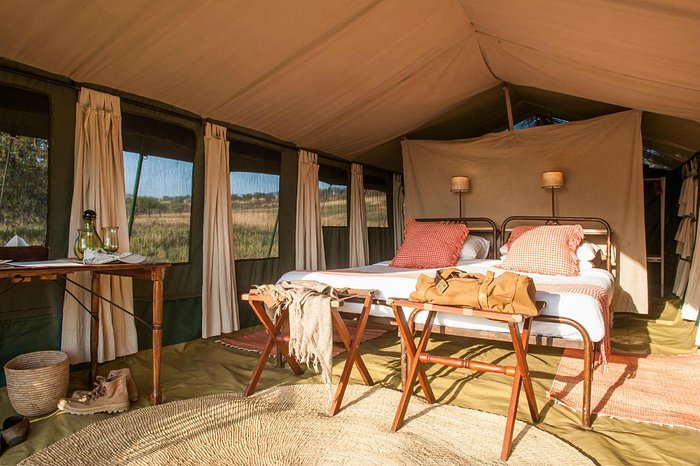
- Luxury Lodges: For those seeking more comfort and amenities, including swimming pools and fine dining.
Many climbers choose to stay in Moshi for a day or two after their descent to relax and celebrate their achievement. Having a comfortable base in Moshi is part of the overall Kilimanjaro experience.
Altitude Acclimatization Strategies
While Moshi itself is at a moderate altitude (around 900 meters), it’s the first step in acclimatization. Spending a day or two here allows your body to begin adjusting. However, the real acclimatization happens on the mountain. The best strategy is to:
- Ascend Slowly: Choose a longer route (7-8 days minimum) and follow the principle of “pole pole” (slowly, slowly).
- Hydrate: Drink plenty of water throughout the trek.
- Eat Well: Maintain energy levels with balanced meals provided by your crew.
- Avoid Alcohol and Smoking: These hinder acclimatization.
- Listen to Your Body: Report any symptoms of altitude sickness to your guide immediately.
Your guides, trained in altitude management, will monitor you closely throughout the climb, making decisions about pace and rest based on your condition. This expert guidance is a key benefit of booking a Kilimanjaro trek from Moshi with experienced professionals.
Experience Moshi and Its Surroundings
While Kilimanjaro is the main draw, Moshi offers a rich cultural mix and beautiful natural attractions that can enhance your pre- or post-climb experience. Taking time to explore can make your trip to Tanzania more memorable.
Cultural Immersion in Moshi
Moshi is a vibrant Chagga town. Interacting with the local community is a rewarding experience.
- Local Markets: Visit the bustling markets to see local produce, crafts, and everyday life. It’s a great place to practice your Swahili and haggle for souvenirs.
- Chagga Culture: Learn about the history and traditions of the Chagga people, who are known for their farming (especially coffee) and resilience. Many tour operators can arrange visits to local villages or coffee plantations.
- Community Projects: If you have time, consider visiting or supporting local community initiatives.
Engaging with the local culture in Moshi adds a deeper dimension to your Kilimanjaro adventure in 2026-2027, connecting you with the people who live in the shadow of the mighty mountain.
Local Attractions Near Moshi
Beyond the mountain, the region around Moshi offers several points of interest:
- Materuni Waterfalls and Coffee Tour: A popular day trip from Moshi, this combines a visit to stunning waterfalls with an educational tour of a Chagga coffee plantation, often including a traditional lunch.
- Marangu Waterfalls: Closer to the Marangu route trailhead, these falls are easily accessible and offer a refreshing stop.
- Kilimanjaro National Park Visitor Centre: Located in Moshi, this centre provides information about the mountain, its ecosystems, and conservation efforts.
- Mount Kilimanjaro National Park Gates: Even if you’re not climbing, visiting gates like Marangu or Machame offers stunning lower-altitude views and a sense of the mountain’s scale.
- Hot Springs: A bit further afield, but accessible for a day trip, are natural hot springs offering a relaxing experience.
These excursions provide a welcome break from trek preparations and offer stunning natural beauty and cultural insights, making your time in Moshi more than just a transit point for your Kilimanjaro climb.
Food and Drink in Moshi
Moshi offers a taste of Tanzania. While on the mountain, your crew will provide nutritious meals. In town, you can explore local cuisine:
- Local Dishes: Try ugali (a maize porridge), pilau (spiced rice), and various stews. Nyama choma (grilled meat) is also a popular choice.
- Coffee: Kilimanjaro is a major coffee-growing region, so enjoy some of the finest local brews.
- Fresh Produce: The markets are brimming with tropical fruits like bananas, mangoes, and passion fruit.
- Local Brews: Sample local beers or banana wine, often found in local establishments.
Enjoying the local food and drink in Moshi is part of the authentic Tanzanian experience complementing your Kilimanjaro trekking plans for 2026-2027.
Cost Considerations for Kilimanjaro Treks Departing Moshi
The cost of a Kilimanjaro climb is a significant factor for most travelers planning their expeditions from Moshi. It’s important to understand what influences the price and what is typically included. Prices can vary widely based on the route, duration, operator, and level of service. For 2026-2027, expect costs to be in a range, but always seek a detailed quote.
Key Cost Components:
- Park Fees: These are set by the Kilimanjaro National Park Authority and are a substantial part of the overall cost. They include daily conservation fees, camping/hut fees, and rescue fees.
- Operator Fees: This covers your guides, porters, cooks, equipment (tents, cooking gear), food on the mountain, transportation to/from the trailhead, and your pre-climb briefing in Moshi.
- Guide and Porter Wages: Ethical operators ensure fair wages, which is reflected in the price.
- Accommodation: Pre- and post-climb accommodation in Moshi is usually not included in the trek price but can often be arranged by your operator.
- Tips: Tipping your climbing crew is customary and expected. This is a significant additional cost, usually paid in USD. Your operator will provide guidance on appropriate amounts.
- Personal Gear: You are responsible for your own clothing, boots, sleeping bag, etc., unless renting from the operator.
- International Flights: Flights to Kilimanjaro International Airport (JRO).
- Visas and Vaccinations: Costs associated with obtaining necessary travel documents and health preparations.
- Travel Insurance: Essential for covering the trek and potential emergencies.
General Price Ranges (Estimates for 2026-2027):
- Budget Operators: Might offer climbs starting from around $1,200 – $1,800 USD per person for a 7-day trek. These may have fewer inclusions, less experienced guides, or questionable porter welfare.
- Mid-Range Operators: Typically range from $1,800 – $2,800 USD per person for a 7-day trek. These operators offer a good balance of safety, quality, ethical treatment of staff, and success rates. Climb 4 Africa generally falls into this category, prioritizing client safety and porter welfare.
- Luxury/Premium Operators: Can range from $3,000 – $5,000+ USD per person for a 7-day trek, offering higher levels of comfort, more personalized service, and often longer itineraries.
When you are in Moshi or communicating with operators for your Kilimanjaro climb in 2026-2027, always ask for a detailed breakdown of what is included and excluded. Be wary of prices that seem too good to be true, as they often compromise on safety, guide quality, or porter welfare.
Booking Your Kilimanjaro Adventure from Moshi
Securing your spot for a Kilimanjaro climb in 2026 or 2027 requires careful consideration and booking with a trusted partner. The process typically begins long before you arrive in Moshi.
Steps to Book Your Kilimanjaro Trek:**
- Research Operators: Identify reputable companies with a strong presence and experience in Moshi and Kilimanjaro. Look for those prioritizing safety, ethical treatment of staff, and offering routes suited to your goals.
- Request Quotes: Contact your shortlisted operators for detailed quotes. For 2026-2027, it’s advisable to book at least 6-12 months in advance, especially for peak seasons.
- Compare Inclusions: Carefully review what each quote includes (park fees, meals, guides, porters, transport, accommodation in Moshi, etc.).
- Ask Questions: Don’t hesitate to ask about guide qualifications, safety protocols, porter welfare policies, and emergency procedures.
- Confirm Dates and Route: Finalize your preferred trekking dates and route.
- Make a Deposit: Most operators require a deposit to secure your booking.
- Complete Paperwork: Sign contracts and provide necessary personal details.
- Prepare for Your Trip: Once booked, focus on training, gathering gear, and making travel arrangements.
Choosing to climb Kilimanjaro is a significant undertaking, and selecting the right operator from Moshi is paramount. Climb 4 Africa, with its deep roots in Moshi and commitment to client safety and ethical operations, is well-equipped to help you plan and execute your dream Kilimanjaro climb in 2026-2027. We offer tailored itineraries, expert guidance, and comprehensive support from your initial inquiry right through to your summit celebration.
Ready to start planning your unforgettable journey to the Roof of Africa? For expert advice and a personalized quote for your Moshi — Kilimanjaro adventure in 2026 or 2027, please reach out to our dedicated team. We are here to answer all your questions and ensure your expedition is a resounding success. Contact us via WhatsApp at +255 747 477 898 or email us at climb4africa@gmail.com. Let us help you conquer Kilimanjaro.
“,
“faq_schema”: [
{
“question”: “What is the best route for a Kilimanjaro climb starting from Moshi in 2026-2027?”,
“answer”: “For a balance of scenery, acclimatization, and success rate, the Machame or Lemosho routes are highly recommended for Kilimanjaro climbs starting from Moshi in 2026-2027. These routes are typically 7-8 days long, offering better acclimatization than shorter options and leading to a higher chance of reaching Uhuru Peak.”
},
{
“question”: “When is the best time to climb Kilimanjaro from Moshi in 2026-2027?”,
“answer”: “The best times to climb Kilimanjaro from Moshi in 2026-2027 are during the dry seasons: January to March and June to October. These periods offer clearer skies, less rain, and more moderate temperatures, significantly improving the trekking experience and summit success rates.”
},
{
“question”: “How much does a Kilimanjaro climb from Moshi typically cost for 2026-2027?”,
“answer”: “The cost for a Kilimanjaro climb departing from Moshi for 2026-2027 generally ranges from $1,800 to $2,800 USD per person for mid-range operators, covering a 7-day trek. Budget options might be lower, while luxury tours can be significantly higher. This cost typically includes park fees, guides, porters, food, and transport to the trailhead.”
},
{
“question”: “What essential documents do I need for a Kilimanjaro trek starting in Moshi?”,
“answer”: “For a Kilimanjaro trek starting in Moshi, you will need a valid passport with at least six months of validity remaining, a Tanzanian visa (obtainable online or on arrival), and proof of Yellow Fever vaccination if required. Travel insurance documents covering high-altitude trekking and emergency evacuation are also mandatory.”
},
{
“question”: “How long should my Kilimanjaro trek be for optimal acclimatization?”,
“answer”: “For optimal acclimatization and the best chance of summit success, a minimum of 7 days is recommended for a Kilimanjaro trek. Longer routes, such as 8-day itineraries on the Lemosho or Northern Circuit, provide even better acclimatization and a more comfortable experience, which is crucial for treks planned for 2026-2027.”
}
]
}
“`
Check Availability for Moshi — Kilimanjaro High-Intent Pages 2026-2027
Ready to compare dates, prices, and the best option for your group? Send the package name and travel month so the team can reply with a clear quote, availability, and what is included.
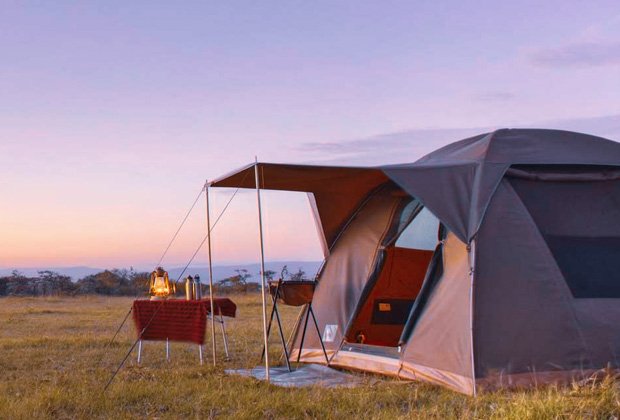
AFCON 2027 Safari from Moshi: Safari ya Afrika Mashariki kwa Mashabiki wa Soka
Safari ya kipekee ya AFCON 2027 inayochukua mji wa Moshi kuwa kituo cha kuanzia kwa mbuga ya wanyamapori na milima ya Kilimanjaro, ikijumuisha uhifadhi wa ndani na mwongozo wa kiusimamizi...
View package details
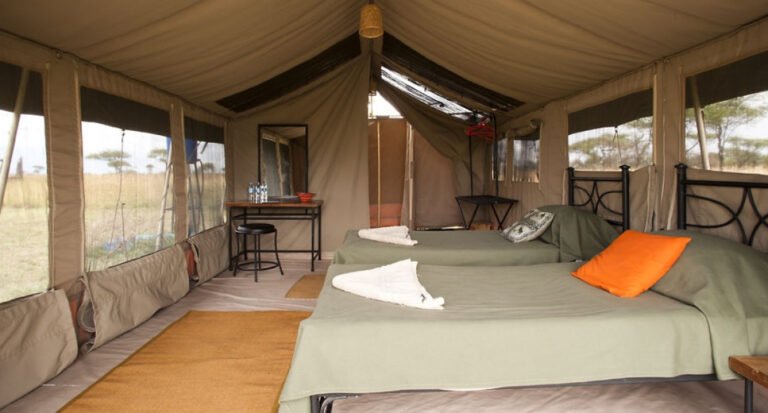
Afcon Kilimanjaro Ngorongoro And Zanzibar Holiday
AFCON 2027 Kilimanjaro Ngorongoro and Zanzibar Holiday.
View package details
Afcon Mount Kilimanjaro And Serengeti Package
AFCON 2027 Mount Kilimanjaro and Serengeti Package.
View package details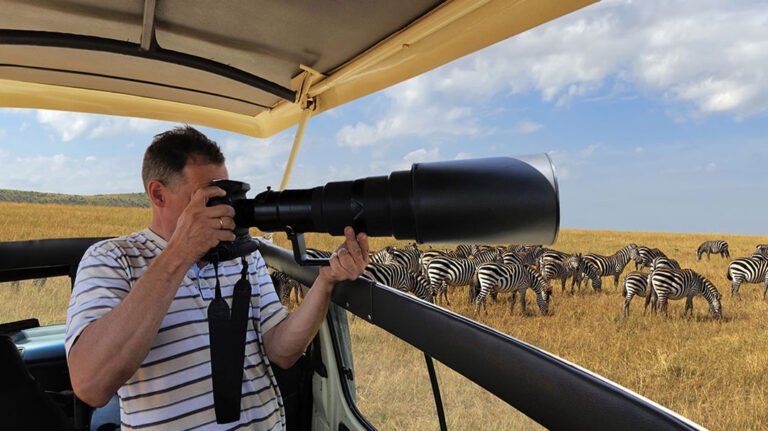
Kilimanjaro Safari And Afcon Final Package
Kilimanjaro Safari and AFCON Final Package.
View package details
Kilimanjaro To Kampala Afcon Travel Package
Kilimanjaro to Kampala AFCON Travel Package.
View package detailsKilimanjaro to Nairobi AFCON Travel Package
Mpango wa safari wa Kilimanjaro hadi Nairobi kwa AFCON unaowezesha kushuhudia milima na miji miwili mikubwa ya Afrika pamoja na mechi za AFCON kwa njia salama na ya kipekee.
View package detailsKilimanjaro to Dar es Salaam AFCON Travel Package
Mpango wa kipekee wa Kilimanjaro hadi Dar es Salaam kwa AFCON 2027 unachanganya milima, bahari na mandhari za Tanzania, huku ukitoa ufafanuzi wa njia, upangaji na chaguo za utekelezaji.
View package details
Kilimanjaroo Airport to AFCON Host City Transfer
Katika ukurasa huu wa kina, tunakuletea mwongozo wa kina juu ya jinsi ya kuhamisha kutoka Uwanja wa Kilimanjaro kwenda mjini litakalohudhuria AFCON 2027, pamoja na mapendekezo ya usafiri...
View package details
Kilimanjaroo Climb After AFCON 2027
Mwongozo wa kina wa kupanda Kilimanjaro baada ya AFCON 2027: njia zinazofaa, ratiba inayoakisi acclimatization, na vidokezo vya kupanga pamoja na namna ya kuwasiliana na Climb 4 Africa kwa...
View package details

No related package matches those filters. Clear one or more filters to see the other topic-matched options.