
A Maswa Wildlife Tour offers an exclusive safari experience in a protected area bordering the Southern Serengeti, renowned for its diverse wildlife, including the Big Five, dramatic landscapes, and opportunities for walking safaris, all while providing a more intimate encounter with nature away from the main tourist crowds, particularly appealing for visitors in 2026 and 2027 seeking authentic wilderness.
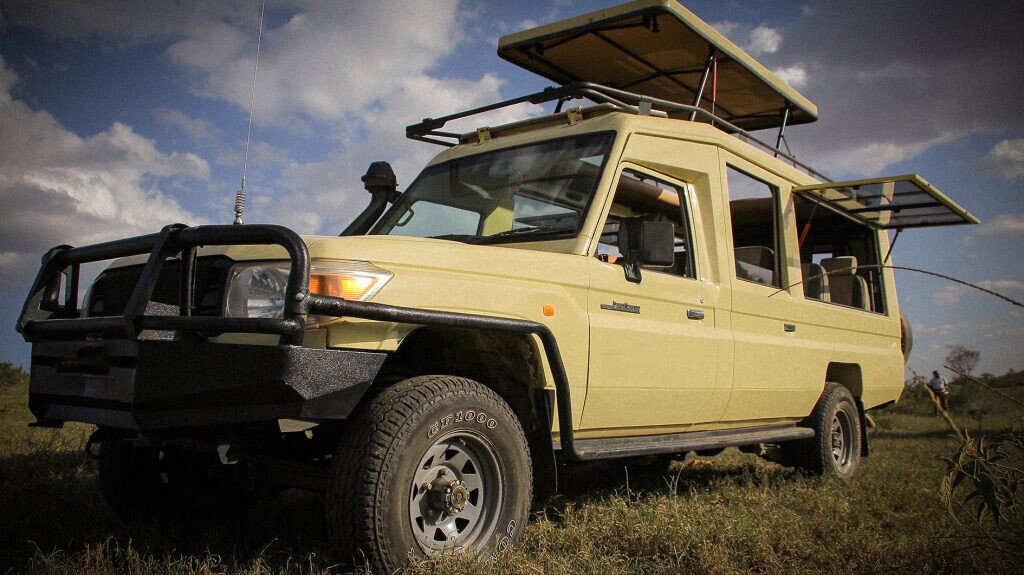

What is Maswa Wildlife Tour?
A Maswa Wildlife Tour centers on exploring the Maswa Conservation Area, a significant protected territory situated in northern Tanzania. It lies just to the west of the main Serengeti National Park, acting as a crucial buffer zone and an integral part of the larger Serengeti ecosystem. Unlike the more famous national parks, Maswa is primarily a game-controlled area, which allows for a different style of tourism, including more flexible safari activities like walking safaris and night drives, often in a more private setting. This distinction is key to understanding the unique appeal of a Maswa wildlife tour. It’s not just about seeing animals; it’s about experiencing the African bush in a way that feels more authentic and less commercialized, offering a deep look at the natural world that many travelers seek, especially as they plan for future trips in 2026 and 2027.
The Maswa area is managed by the Tanzania Wildlife Division and involves local communities, aiming to balance conservation efforts with sustainable tourism. This cooperative management model is what enables the diverse range of safari experiences available. The terrain is varied, encompassing acacia woodlands, open grasslands, and rocky kopjes, providing a rich habitat for a wide array of wildlife. For those who have already experienced the more crowded popular parks, Maswa presents an opportunity to discover a quieter, yet equally rewarding, segment of Tanzania’s incredible natural heritage. It’s a destination that promises a sense of discovery and a genuine connection with the wild.
Why Choose a Maswa Wildlife Tour?
Opting for a Maswa Wildlife Tour is a decision driven by a desire for a safari experience that goes beyond the typical. It’s about seeking out the less-trodden paths and finding a deeper connection with the wilderness. Several compelling reasons make Maswa a standout choice for discerning travelers planning their Tanzanian adventure, particularly for those looking ahead to 2026 and 2027.
An Exclusive Safari Experience
One of the most significant draws of Maswa is its exclusivity. As a game-controlled area, Maswa typically hosts fewer visitors than the national parks. This translates into a more private and intimate safari experience. Imagine driving for extended periods without encountering other vehicles, having prime wildlife viewing opportunities all to yourself, and feeling a true sense of solitude in the vast African landscape. This absence of crowds allows for a more profound connection with nature and wildlife, letting you truly absorb the sights and sounds of the bush without distraction. This is a stark contrast to some of the more popular reserves where vehicle density can detract from the wilderness feel, making Maswa a highly sought-after destination for those prioritizing peace and personal space.
Exceptional Wildlife Diversity
Despite being less frequented, Maswa boasts an impressive array of wildlife. It is home to the iconic Big Five – lion, leopard, elephant, rhino, and buffalo – though rhino sightings can be rarer and are more concentrated in specific protected zones. The area is particularly known for its significant lion populations, often seen lounging on kopjes or hunting in the grasslands. Leopards are also present, though their elusive nature means sightings are always a special event. Beyond the Big Five, Maswa teems with a variety of plains game, including large herds of wildebeest and zebras, gazelles, giraffes, and numerous antelope species. Birdlife is also abundant, with a multitude of resident and migratory species providing a feast for ornithologists.
The strategic location of Maswa, bordering the Serengeti, means it benefits from the migratory patterns of wildebeest and zebras, especially during certain times of the year. While the Great Migration’s main event is often associated with the central and northern Serengeti, the southern reaches and the buffer zones like Maswa can offer excellent viewing of these massive herds, particularly as they move through or graze in the surrounding areas. This makes a Maswa wildlife tour a dynamic experience, with wildlife activity that can shift and evolve throughout the year.
Walking Safaris and Unique Activities
A major advantage of game-controlled areas like Maswa is the permission to conduct walking safaris. Accompanied by an armed ranger and an experienced guide, these excursions offer a completely different perspective on the bush. You’ll learn about tracking animals on foot, identify smaller flora and fauna often missed from a vehicle, and experience the thrill of being truly immersed in the environment. The sounds, smells, and textures of the savanna become more apparent when you’re on foot, creating a sensory experience that is unparalleled. This is a significant differentiator from national parks, where walking safaris are generally prohibited for safety reasons. For those seeking an active and engaging safari, the opportunity for walking safaris in Maswa is a compelling reason to choose this destination.
In addition to walking safaris, many camps in Maswa offer night drives. These excursions, also typically restricted in national parks, allow you to search for nocturnal animals such as genets, civets, bushbabies, owls, and even leopards and lions on the move after dark. Using spotlights, guides can often locate these elusive creatures, adding another exciting dimension to your Maswa wildlife tour. These activities provide a more comprehensive understanding of the ecosystem and its inhabitants.
Proximity to the Southern Serengeti
Maswa’s location adjacent to the southern Serengeti means that it is part of the same vast ecosystem. This proximity offers flexibility in itinerary planning. Travelers can easily combine a Maswa wildlife tour with a visit to the Serengeti, allowing them to experience the best of both worlds: the exclusivity and unique activities of Maswa, coupled with the iconic landscapes and renowned wildlife viewing of the Serengeti. Many safari itineraries are designed to include both areas, providing a comprehensive Tanzanian safari experience. For instance, you might spend a few days exploring the vast plains of the Serengeti and then move to Maswa for a more intimate and activity-focused experience, or vice versa. This strategic positioning makes Maswa a valuable addition to any southern Tanzania safari plan.
Planning Your Maswa Wildlife Tour
A well-planned Maswa Wildlife Tour ensures you maximize your experience and make the most of this exceptional destination. Careful consideration of the timing, duration, logistics, and accommodation will significantly impact your trip. As you look towards planning for 2026 and 2027, understanding these elements is crucial for a smooth adventure.
Best Time to Visit Maswa (2026-2027)
Maswa enjoys a pleasant climate for most of the year, but the “best” time to visit depends on what you hope to see and experience. Generally, the dry seasons are favored for wildlife viewing as animals tend to congregate around water sources, making them easier to spot. However, the green season also has its unique charms.
Dry Seasons (June to October, and January to February): These are peak safari seasons in Tanzania. During the June to October dry season, the weather is cooler and less humid, with clear skies. Wildlife is concentrated, and the vegetation is less dense, improving visibility. January and February often see the calving season for wildebeest and zebras in the Southern Serengeti and surrounding areas, which can extend into Maswa. This period is also excellent for birdwatching as resident birds are in breeding plumage. Expect higher visitor numbers and potentially higher prices during these months.
Green Seasons (November to December, and March to May): The short rains (Vuli) typically occur from November to December, and the long rains (Masika) from March to May. During the rainy seasons, the landscape becomes lush and green, offering stunning photographic opportunities. The rains often bring relief from the heat, and wildlife disperses as water becomes more abundant. While some roads might become challenging, this is also a time of fewer tourists and lower prices, offering a more exclusive feel. The birdlife is exceptional, with migratory birds present. For those planning for 2026 or 2027, consider the shoulder months like late October/early November or late March/early April for a balance of good wildlife viewing, fewer crowds, and potentially better rates.
Migration Context for 2026-2027: While the main wildebeest migration is often associated with the central and northern Serengeti, the southern regions and adjacent areas like Maswa can experience significant animal movements, particularly during the calving season (January-February) and the lead-up to the migration’s northward journey. Therefore, if witnessing large herds is a priority, timing your 2026 or 2027 Maswa wildlife tour around these periods can be very rewarding.
Typical Tour Durations
A Maswa Wildlife Tour can be tailored to various lengths, but most visitors find that 3 to 5 days dedicated to Maswa provides a comprehensive experience of its unique offerings. This allows ample time for game drives, walking safaris, night drives, and simply soaking in the atmosphere without feeling rushed. Many travelers opt to combine Maswa with other destinations, such as the Serengeti, Ngorongoro Crater, or Lake Manyara, as part of a longer Tanzanian safari. In such cases, a 3-day Maswa segment within a 7-10 day itinerary is common.
For those specifically seeking an in-depth exploration of Maswa and its surroundings, allocating 5-7 days would allow for a deeper immersion, potentially including longer treks or exploring different sectors of the conservation area. When planning for 2026 or 2027, discuss your desired pace and interests with your tour operator to determine the ideal duration.
Getting to Maswa
Access to Maswa is primarily via light aircraft, landing at airstrips located within or near the conservation area. The most common departure point for these flights is Kilimanjaro International Airport (JRO) or Arusha Airport (ARK).
By Air: This is the most efficient and recommended method. Scheduled or charter flights operate from Arusha to airstrips like Maswa Airstrip or nearby alternatives. The flight itself offers spectacular aerial views of the Tanzanian landscape. The journey typically takes around 1 to 1.5 hours. From the airstrip, your lodge or camp will arrange a transfer, usually a short game drive en route to your accommodation. Booking these flights in advance is essential, especially for peak seasons in 2026 and 2027.
By Road: While possible, traveling to Maswa by road is a significantly longer and more arduous journey. It involves driving from Arusha to the western edge of the Serengeti ecosystem, which can take an entire day or more, with sections of the route potentially being rough. This option is generally not recommended for most tourists due to the time commitment and the availability of efficient air transfers. It might only be considered if part of a very specific overland adventure or if budget is an extreme constraint, though the cost savings are often minimal when factoring in wear and tear and time lost.
Accommodation Options in Maswa
Maswa offers a range of accommodation, predominantly luxury tented camps and lodges that are designed to blend seamlessly with the natural environment. These establishments focus on providing an intimate safari experience with high levels of comfort and service.
Luxury Tented Camps: These are the most common and sought-after options. They feature spacious canvas tents, often with en-suite bathrooms, comfortable beds, and private verandas. The focus is on an authentic bush experience without compromising on comfort. Many camps are unfenced, allowing you to hear the sounds of the wild right outside your tent. Examples include lodges that offer a very personal service and are often situated in prime wildlife viewing locations.
Exclusive Lodges: A few more permanent lodge structures might also be available, offering similar amenities but with more solid construction. These can sometimes offer additional facilities like swimming pools.
Key Considerations for Accommodation:
- Location: Camps are strategically placed to offer excellent wildlife viewing and access to different safari activities.
- Amenities: While luxury is standard, check for specific inclusions like Wi-Fi (often limited), charging facilities, and dining arrangements.
- Sustainability: Many camps are committed to eco-friendly practices, which is a growing consideration for travelers in 2026-2027.
When booking your Maswa wildlife tour, the choice of accommodation will significantly shape your overall experience. It’s advisable to discuss your preferences for atmosphere, privacy, and specific amenities with your tour operator.
Maswa vs. Other Parks
Understanding how Maswa compares to other popular Tanzanian destinations helps in crafting the ideal itinerary.
Maswa vs. Serengeti National Park: While adjacent and part of the same ecosystem, the Serengeti offers a classic, vast-savanna experience with higher visitor numbers and strict regulations regarding off-road driving and activities. Maswa, as a game-controlled area, provides more flexibility with walking safaris, night drives, and a distinctly more private feel due to lower visitor density. Wildlife viewing is excellent in both, but the style of exploration differs.
Maswa vs. Tarangire National Park: Tarangire is famous for its large elephant herds and iconic baobab trees, offering excellent game viewing, particularly in the dry season. Maswa, on the other hand, offers a broader range of activities like walking safaris and night drives, and its exclusivity is a major draw. Tarangire can be busier than Maswa.
Maswa vs. Ngorongoro Conservation Area: The Ngorongoro Crater is a unique caldera with incredibly high wildlife density and is a UNESCO World Heritage Site. However, it is heavily regulated, with strict time limits on the crater floor and limited activities. Maswa offers a more expansive, less confined wilderness experience with the freedom of walking and night safaris.
For travelers in 2026-2027 looking for a more adventurous, private, and activity-rich safari experience that complements the classic park visits, Maswa is an excellent choice. It offers a different pace and a more intimate connection with the wild.
What to Expect on a Maswa Wildlife Tour
Embarking on a Maswa Wildlife Tour means stepping into a realm of raw nature, where wildlife encounters are frequent and the wilderness feels truly untamed. Understanding what to expect regarding wildlife, daily activities, and the nature of the camps will help you prepare for an unforgettable journey.
Wildlife Sightings: What You Might See
Maswa’s diverse habitats support a rich mix of wildlife. Your Maswa wildlife tour is likely to be filled with incredible sightings:
- Predators: Maswa is particularly rewarding for predator sightings. Lions are abundant and often seen resting on rocky outcrops or hunting in the open plains. Leopards are more elusive but present, and lucky encounters are always possible, especially during night drives. Cheetahs can also be spotted, though they are less common here than in some other areas. Hyenas, both spotted and striped, are common, as are wild dogs, which are a rare and exciting find on any safari.
- Plains Game: Large herds of wildebeest and zebras are a common sight, especially during their migration periods or when grazing in the southern sectors. You’ll also encounter various gazelles, impalas, topi, hartebeest, and the smaller dik-dik. Buffalo herds are resident, and elephants, though not as numerous as in Tarangire, are present.
- Other Mammals: Giraffes gracefully roam the acacia trees, while hippos and crocodiles inhabit the rivers and waterholes. You might also see warthogs, baboons, vervet monkeys, and various smaller mammals like jackals, servals, and mongooses.
- Birdlife: Maswa is a paradise for birdwatchers. Expect to see a plethora of species, including raptors like eagles and falcons, ground birds such as ostriches and secretary birds, and numerous smaller birds like weavers, sunbirds, and kingfishers.
The quality of sightings can vary depending on the season, but Maswa consistently offers excellent opportunities to observe wildlife in a natural, uncrowded setting. The flexibility of game drives, including night drives, enhances your chances of seeing a wider range of animals.
Daily Safari Activities
Your days on a Maswa wildlife tour will be structured around the rhythm of the wild, with activities designed to maximize your wildlife viewing opportunities.
- Morning Game Drives: Typically starting at sunrise, these drives are often the most productive for spotting predators when they are most active. Your guide will take you to areas known for recent sightings or to promising habitats.
- Walking Safaris: As mentioned, these are a signature activity in Maswa. Led by an armed ranger and an experienced guide, they offer an intimate perspective on the bush, focusing on tracking, smaller details, and the overall ecosystem. These are usually conducted in the cooler morning or late afternoon hours.
- Afternoon/Evening Game Drives: After a midday rest or relaxation at the lodge, you’ll head out again for afternoon game drives. These often extend into the early evening, transitioning into night drives as darkness falls.
- Night Drives: These are a highlight, offering the chance to see nocturnal animals that are rarely encountered during the day. Using spotlights, guides will search for creatures like genets, civets, bushbabies, owls, and potentially active predators.
- Cultural Interactions: Depending on the specific camp and its location, some tours may include opportunities for respectful visits to nearby Maasai communities or local villages, offering insight into the lives of the people who share this land with the wildlife.
The exact schedule will be flexible, determined by wildlife movements and your guide’s expertise. Expect early mornings, exciting days, and relaxing evenings, often around a campfire, sharing stories of the day’s adventures.
Lodges and Camps: Comfort in the Wild
The accommodation in Maswa is designed to provide a comfortable and in-depth wilderness experience. You can expect:
- Spacious Tents: High-quality canvas tents, often on raised platforms, featuring comfortable beds, linens, and en-suite bathrooms with flushing toilets and hot showers.
- Atmospheric Dining: Meals are usually served in a communal dining tent or lodge, or sometimes al fresco under the stars. Expect delicious, often locally sourced, cuisine prepared by skilled chefs.
- Relaxation Areas: Most camps have a lounge area or deck where you can relax, read, or enjoy sundowners with views of the surrounding landscape.
- Intimate Settings: Camps are typically small, accommodating a limited number of guests, which contributes to the exclusive and personalized feel of the safari.
While you are in the heart of the wilderness, these lodges ensure that your stay is comfortable and memorable. They are the perfect base from which to explore Maswa and recharge after a day of adventure. For planning purposes for 2026-2027, consider whether you prefer a more rustic, authentic tented camp or a lodge with more permanent structures and amenities.
Guides and Support
Your safari experience in Maswa will be greatly enhanced by the expertise of your guides and the support staff.
- Expert Guides: Tanzanian guides are renowned for their knowledge of wildlife, tracking skills, and understanding of animal behavior. They are passionate about sharing their love for the bush and ensuring you have the best possible sightings. Your guide will be your companion, educator, and protector throughout your Maswa wildlife tour.
- Armed Rangers: For walking safaris and sometimes during night drives, you will be accompanied by an armed ranger from the Tanzania Wildlife Division, ensuring your safety.
- Camp Staff: The lodge or camp staff are dedicated to making your stay comfortable. From the camp manager to the waitstaff and housekeeping, they provide attentive service.
- Tour Operator Support: Companies like Climb 4 Africa provide pre-trip planning, handle all bookings (flights, accommodation, park fees), and offer support during your safari. They act as your primary point of contact and ensure all logistics run smoothly.
The combination of knowledgeable guides, dedicated staff, and reliable tour operator support is fundamental to a successful and enjoyable Maswa wildlife tour. This is especially important when planning complex itineraries for 2026 or 2027.
Maswa Conservation and Community Impact
Maswa Conservation Area plays a vital role not just in preserving wildlife but also in supporting local communities. Understanding this aspect adds another layer of appreciation to your Maswa wildlife tour.
Conservation Efforts: As a game-controlled area, Maswa is crucial for maintaining the ecological integrity of the Serengeti-Mara ecosystem. It acts as a buffer zone, protecting wildlife corridors and providing essential habitat for species that might otherwise be impacted by human settlements or agricultural expansion. Conservation efforts here focus on anti-poaching patrols, habitat management, and monitoring wildlife populations. The area’s management often involves collaboration between the Tanzania Wildlife Division and private conservation organizations or tourism operators.
Community Involvement: Tourism in Maswa is designed to benefit the local communities, primarily the Maasai people who traditionally inhabit this region. Revenue generated from tourism, through park fees and employment opportunities, directly contributes to community development projects such as schools, clinics, and water resources. Many camps also engage in direct community support initiatives. Choosing to visit Maswa means your tourism dollars are contributing to a sustainable model that values both wildlife and the people who live alongside it. This integrated approach is becoming increasingly important for travelers in 2026-2027 who are seeking responsible travel options.
When you book a Maswa wildlife tour, you are indirectly supporting these critical conservation and community initiatives. It’s a form of ecotourism that aims for a positive impact, ensuring that the wilderness and its inhabitants, as well as the local culture, can thrive for future generations.
Booking Your Maswa Safari with Climb 4 Africa
Securing your Maswa Wildlife Tour is an exciting step, and Climb 4 Africa is dedicated to making this process smooth and personalized, ensuring your 2026 or 2027 safari is everything you dream of.
Customizing Your Itinerary
We understand that every traveler is unique. That’s why we specialize in crafting tailor-made safari itineraries. Whether you dream of a Maswa-focused adventure, a combination with other Tanzanian highlights like the Serengeti or Ngorongoro, or a specific duration, we can design a trip that perfectly matches your interests, budget, and travel style. For instance, you might wish to prioritize walking safaris, focus on specific wildlife, or combine Maswa with a Kilimanjaro climb or a Zanzibar beach holiday. We work closely with you to build an itinerary that delivers exceptional experiences.
What to Include in Your Inquiry
To help us design your ideal Maswa wildlife tour, please provide us with as much detail as possible when you get in touch. Key information includes:
- Travel Dates: Your preferred travel period, including specific dates if known, or flexibility.
- Number of Travelers: The total number of adults and children.
- Duration: Your desired length of stay in Maswa and for the overall safari.
- Interests: Specific wildlife you hope to see, activities you’re keen on (walking safaris, photography, birding), and your preferred pace.
- Accommodation Style: Your preference for luxury tented camps, lodges, or a specific level of comfort.
- Budget: An indication of your budget range helps us recommend suitable options.
- Other Destinations: If you plan to combine Maswa with other locations in Tanzania.
The more information you share, the better we can tailor your Maswa wildlife tour to your expectations.
Planning for 2026-2027
Booking your safari well in advance, especially for 2026 and 2027, is highly recommended. This is particularly true for peak seasons, as availability for sought-after lodges and light aircraft flights can be limited. Early booking also allows us to secure the best rates and ensure all your preferred arrangements are confirmed. We can discuss current pricing structures and potential seasonal variations for your chosen dates.
Let Climb 4 Africa be your partner in planning an extraordinary Maswa Wildlife Tour. We bring local expertise, personalized service, and a deep commitment to creating unforgettable African adventures.
Contact us today to start planning your dream Maswa safari for 2026 or 2027:
- WhatsApp: +255 747 477 898
- Email: climb4africa@gmail.com
We look forward to helping you discover the magic of Maswa.
FAQs about Maswa Wildlife Tours
Q1: Is Maswa suitable for first-time safari-goers?
A1: Yes, Maswa can be suitable, especially for those who prefer a more private and activity-oriented experience. However, its unique offerings like walking safaris and potentially fewer infrastructure amenities compared to some national parks might appeal more to travelers seeking something beyond the standard. For absolute first-timers, a combination of a more classic park like the Serengeti with Maswa could be ideal.
Q2: What is the difference between Maswa and the Serengeti National Park?
A2: Maswa is a game-controlled area bordering the Serengeti, allowing for activities like walking safaris and night drives, which are generally prohibited in the national park. Maswa also tends to be less crowded, offering a more exclusive experience. The Serengeti is a vast national park with iconic landscapes and is famous for the Great Migration’s core movements.
Q3: Are there any safety concerns with walking safaris in Maswa?
A3: Walking safaris are conducted with extreme caution, led by highly trained and armed rangers. The guides are expert trackers and knowledgeable about animal behavior. While risks are inherent in any wilderness experience, the protocols in place are designed to ensure the safety of guests. Travelers are always briefed on safety procedures.
Q4: What is the best way to combine Maswa with other destinations?
A4: Maswa is perfectly positioned to be combined with the Southern Serengeti, Ngorongoro Conservation Area, Tarangire National Park, and Lake Manyara. Light aircraft transfers make travel between these locations efficient. A typical itinerary might include a few days in each, offering a diverse Tanzanian safari experience.
Q5: What should I pack for a Maswa wildlife tour?
A5: Pack neutral-colored clothing (khaki, olive green, beige), comfortable walking shoes, a wide-brimmed hat, sunglasses, high SPF sunscreen, insect repellent, a reusable water bottle, and a good camera with extra batteries and memory cards. Binoculars are also highly recommended. For cooler evenings, a light jacket or fleece is advisable.
Q6: Can I see the Great Migration in Maswa?
A6: While the main herds of the Great Migration are typically concentrated in the central and northern Serengeti during different times of the year, Maswa, being part of the southern ecosystem, can offer sightings of wildebeest and zebra herds, especially during the calving season (January-February) and the lead-up to their northward movement. It’s part of the larger migratory circuit.
“,
“faq_schema”: [
{
“question”: “Is Maswa suitable for first-time safari-goers?”,
“answer”: “Yes, Maswa can be suitable, especially for those who prefer a more private and activity-oriented experience. However, its unique offerings like walking safaris and potentially fewer infrastructure amenities compared to some national parks might appeal more to travelers seeking something beyond the standard. For absolute first-timers, a combination of a more classic park like the Serengeti with Maswa could be ideal.”
},
{
“question”: “What is the difference between Maswa and the Serengeti National Park?”,
“answer”: “Maswa is a game-controlled area bordering the Serengeti, allowing for activities like walking safaris and night drives, which are generally prohibited in the national park. Maswa also tends to be less crowded, offering a more exclusive experience. The Serengeti is a vast national park with iconic landscapes and is famous for the Great Migration’s core movements.”
},
{
“question”: “Are there any safety concerns with walking safaris in Maswa?”,
“answer”: “Walking safaris are conducted with extreme caution, led by highly trained and armed rangers. The guides are expert trackers and knowledgeable about animal behavior. While risks are inherent in any wilderness experience, the protocols in place are designed to ensure the safety of guests. Travelers are always briefed on safety procedures.”
},
{
“question”: “What is the best way to combine Maswa with other destinations?”,
“answer”: “Maswa is perfectly positioned to be combined with the Southern Serengeti, Ngorongoro Conservation Area, Tarangire National Park, and Lake Manyara. Light aircraft transfers make travel between these locations efficient. A typical itinerary might include a few days in each, offering a diverse Tanzanian safari experience.”
},
{
“question”: “What should I pack for a Maswa wildlife tour?”,
“answer”: “Pack neutral-colored clothing (khaki, olive green, beige), comfortable walking shoes, a wide-brimmed hat, sunglasses, high SPF sunscreen, insect repellent, a reusable water bottle, and a good camera with extra batteries and memory cards. Binoculars are also highly recommended. For cooler evenings, a light jacket or fleece is advisable.”
},
{
“question”: “Can I see the Great Migration in Maswa?”,
“answer”: “While the main herds of the Great Migration are typically concentrated in the central and northern Serengeti during different times of the year, Maswa, being part of the southern ecosystem, can offer sightings of wildebeest and zebra herds, especially during the calving season (January-February) and the lead-up to their northward movement. It’s part of the larger migratory circuit.”
}
]
}
“`
Check Availability for Maswa Wildlife Tour 2026-2027
Ready to compare dates, prices, and the best option for your group? Send the package name and travel month so the team can reply with a clear quote, availability, and what is included.



