
Lake Rukwa offers a remote and rewarding safari experience, particularly for birdwatchers and those seeking to escape the typical tourist crowds, with the best travel times generally aligning with the dry seasons from June to October and December to February. Planning a Lake Rukwa travel itinerary involves understanding its unique ecosystem, accessibility challenges, and the types of wildlife present, focusing on areas around the lake’s shores and adjacent game-controlled areas for optimal viewing, especially of its significant birdlife and large mammal populations like buffalo, wildebeest, and potentially predators.

Why Visit Lake Rukwa?
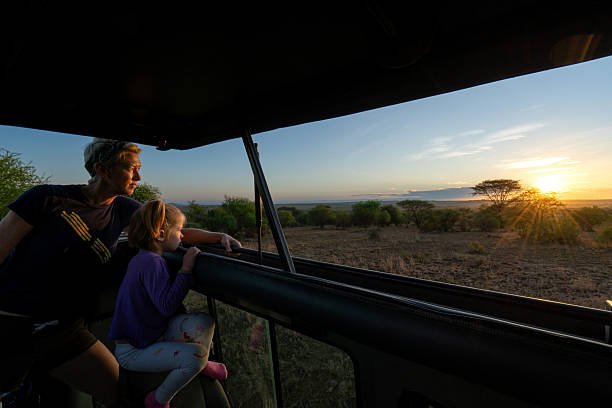
Tanzania is globally renowned for its iconic safari destinations like the Serengeti, Ngorongoro Crater, and Tarangire National Park. While these parks offer unparalleled wildlife viewing and are undeniably spectacular, they also attract a significant number of visitors. For the traveler seeking a more profound connection with the wild, a sense of solitude, and the thrill of exploring a less-trodden path, Lake Rukwa presents a compelling alternative. This vast, alkaline lake, situated in the Rukwa Rift Valley in southwestern Tanzania, is a place of raw, untamed beauty. It’s a destination that rewards the intrepid, offering a different perspective on Tanzania’s incredible biodiversity. If you’re looking for an authentic safari experience, away from the usual safari circuit, where the silence is broken only by the calls of birds and the rustle of unseen creatures, Lake Rukwa should be high on your list for a 2026 or 2027 adventure.
The allure of Lake Rukwa lies in its remoteness and its unique ecological character. Unlike many of Tanzania’s more accessible parks, reaching Lake Rukwa requires a commitment to overland travel or a small charter flight, immediately filtering out casual day-trippers and ensuring a more exclusive feel for those who make the journey. This isolation has preserved a wildness that is increasingly rare. The lake itself, though often shallow and variable in size depending on the season, is the heart of a dynamic landscape that supports a rich variety of life. From vast herds of buffalo and wildebeest to an astonishing array of bird species, Lake Rukwa offers a compelling safari experience that feels both ancient and alive. It’s a place where you can truly feel like an explorer, discovering hidden corners and observing wildlife in a natural, undisturbed setting.
Understanding Lake Rukwa: A Unique Ecosystem
To truly appreciate a safari to Lake Rukwa, it’s essential to understand the fundamental characteristics of this remarkable natural area. It’s not just another park; it’s a distinct ecosystem with its own rhythms, challenges, and rewards. This understanding will shape your expectations and help you make the most of your visit in 2026-2027.
Geography and Hydrology
Lake Rukwa is situated in the Rukwa Rift Valley, a geological depression that forms part of the larger East African Rift System. This location influences its topography, which is characterized by a mix of plains, hills, and the expansive lake itself. The lake’s size is highly variable. During the rainy season, it can swell significantly, merging with seasonal swamps and rivers. Conversely, in the dry season, large portions can dry out, forming salt pans and muddy flats. This fluctuation is a defining feature of the Rukwa ecosystem, influencing animal movements and vegetation patterns.
The lake is fed by several rivers, including the Songwe, Lwiche, and Saza rivers, which bring water and sediment from the surrounding highlands. However, Lake Rukwa has no outlet to the sea, meaning water loss occurs primarily through evaporation. This process contributes to its high salinity and alkalinity, creating a unique aquatic environment that supports specific types of flora and fauna adapted to these conditions. The surrounding landscape is a mosaic of grassland, acacia woodland, and papyrus swamps, particularly along the riverine areas and the lake’s margins, providing diverse habitats for wildlife.
Flora and Fauna
The plant life around Lake Rukwa is adapted to the arid conditions and the saline nature of the lake. You’ll find typical savannah vegetation like various species of acacia trees, commiphora, and baobabs, interspersed with grasslands. Along the rivers and wetter areas, papyrus reeds and other water-loving plants thrive. This varied vegetation provides food and shelter for a wide range of animals.
The fauna is equally diverse, though perhaps less concentrated than in some of the more famous Tanzanian parks. Lake Rukwa is particularly celebrated for its prolific birdlife, attracting a vast number of resident and migratory species. Large mammals are also present in significant numbers, including substantial herds of buffalo and wildebeest, as well as zebras, hartebeest, topi, and various antelopes. Predators like lions, leopards, cheetahs, and wild dogs are present, though often more elusive due to the vastness of the area and the dense vegetation in places. The lake itself is home to hippos and crocodiles, and its shores are a vital feeding ground for numerous wading birds.
Conservation Status
Lake Rukwa is primarily managed as a Game Controlled Area (GCA) and a Forest Reserve, with parts also designated as a Wildlife Management Area (WMA). These designations aim to balance wildlife conservation with local community needs and sustainable resource use. While not a national park in the traditional sense, these protected areas are crucial for maintaining the ecological integrity of the region. Conservation efforts are ongoing, focusing on managing human-wildlife conflict, combating poaching, and ensuring the sustainability of tourism activities. Visitors can contribute to these efforts by adhering to responsible tourism guidelines and supporting local conservation initiatives through their safari operator.
Best Time to Visit Lake Rukwa (2026-2027)
Choosing the right time to visit Lake Rukwa is crucial for maximizing your safari experience. The weather patterns significantly influence wildlife viewing opportunities, accessibility, and the overall comfort of your trip. Tanzania generally experiences distinct wet and dry seasons, and Lake Rukwa is no exception.
Dry Season (June-October)
This period is generally considered the prime time for visiting Lake Rukwa and most of Tanzania. The weather is characterized by sunny days, cooler temperatures (especially at night), and very little rainfall. The vegetation thins out as water sources dwindle, making wildlife easier to spot. Animals tend to congregate around remaining waterholes and the permanent sections of the lake, leading to predictable and rewarding sightings. For birdwatchers, this season is excellent for resident species, though migratory birds might be less abundant.
Pros:
- Excellent wildlife viewing due to sparse vegetation and animal congregations.
- Easier road conditions, making travel more reliable.
- Pleasant temperatures for game drives.
Cons:
- Can be busier with other safari-goers, though significantly less so than major parks.
- Water levels in the lake can be at their lowest, revealing extensive salt pans.
Wet Season (November-May)
The wet season brings life-giving rains to the landscape, transforming the dry plains into lush, green pastures. While this can make wildlife spotting more challenging due to denser vegetation, it’s a spectacular time for photographers and those interested in the vibrant colours of the landscape. Birdlife flourishes during this period, with many migratory species arriving to breed. The lake and surrounding areas become richer and more dynamic. However, travel can be more difficult, with some roads becoming impassable, and temperatures can be higher.
Pros:
- Lush, vibrant landscapes; ideal for photography.
- Abundant birdlife, including migratory species.
- Young animals are often born during the early wet season.
Cons:
- Rain can make roads difficult or impossible to traverse, potentially disrupting itineraries.
- Denser vegetation can make spotting larger mammals more challenging.
- Higher temperatures and humidity.
Within the wet season, November and December often represent a transition period with occasional rains, while January to May sees more consistent rainfall, particularly in March and April, which are typically the wettest months.
Specific Wildlife Patterns and Migrations
While Lake Rukwa doesn’t host the dramatic Great Migration seen in the Serengeti, it does have its own seasonal movements. Large herds of wildebeest and zebra are present year-round but may shift their grazing patterns based on rainfall and grass availability. The lake’s water levels dictate the presence of hippos and crocodiles, and the abundance of fish influences the large congregations of water birds. For birdwatchers, the arrival of palearctic migrants from Europe and Asia typically occurs between October and April, making the latter part of the dry season and the early wet season particularly rewarding. Planning your 2026 or 2027 trip with these patterns in mind can enhance your chances of witnessing specific phenomena.
Getting to Lake Rukwa: Logistics and Accessibility
Reaching Lake Rukwa is part of the adventure and requires careful planning. Its remote location means it’s not as straightforward to access as more developed safari destinations. Understanding the logistics is key to a successful trip in 2026-2027.
By Air
The most efficient way to reach the vicinity of Lake Rukwa is by light aircraft. The nearest operational airstrips are typically located near Sumbawanga or Mbeya. From Dar es Salaam or Arusha, you can charter a small plane or book a seat on scheduled flights to these regional airports. Once at the airstrip, you will still require a 4×4 vehicle for the onward journey to your accommodation and for game drives around the lake, which can take several hours depending on the specific lodge or camp location and road conditions.
Considerations for flying:
- Cost: Chartering flights is expensive, and even scheduled flights can add significantly to your budget.
- Luggage Restrictions: Light aircraft have strict weight and size limits for luggage, usually around 15-20 kg per person in a soft-sided bag.
- Flexibility: Scheduled flights may have limited departure days and times.
By Road
Driving to Lake Rukwa is an option for the more adventurous and time-rich traveler. The journey is long and can be arduous, often taking multiple days from major cities like Dar es Salaam or Arusha. The roads can be rough, especially in certain sections, and require a sturdy 4×4 vehicle. Common routes might involve driving towards Mbeya or Sumbawanga and then heading towards the lake area. This option allows for more flexibility and the opportunity to see more of Tanzania’s diverse landscapes en route, but it demands significant planning and resilience.
Key road routes often involve:
- From Dar es Salaam: Via Iringa and Mbeya, then north towards Sumbawanga and the lake.
- From Arusha: This is a much longer overland journey, often requiring overnight stops in Dodoma or other towns.
Considerations for driving:
- Time: Allow at least 3-5 days of driving each way from major cities.
- Vehicle: A reliable 4×4 is essential. Ensure it is well-maintained and equipped for remote travel.
- Road Conditions: Can vary from reasonable tarmac to challenging dirt tracks, especially during the wet season.
Internal Transport and Vehicle Requirements
Once you arrive in the vicinity of Lake Rukwa, whether by air or road, a robust 4×4 vehicle is indispensable. This is not optional; it’s a necessity for navigating the terrain, accessing different parts of the game-controlled areas, and conducting effective game drives. Most reputable safari operators will provide specialized 4×4 safari vehicles with pop-up roofs for optimal game viewing and photography. Ensure your vehicle is equipped with sufficient fuel, water, and spare tires, especially if venturing into more remote sections.
Challenges and Considerations
remoteness: Medical facilities are basic or non-existent in the immediate vicinity. It is crucial to have comprehensive travel insurance that covers medical evacuation. Carry a well-stocked first-aid kit.
Connectivity: Mobile phone reception is extremely limited or absent in most areas. Inform your family and friends of your itinerary and expected communication blackouts.
Fuel: Fuel availability can be sporadic. Plan your fuel stops carefully if traveling by road and ensure your lodge or camp can provide fuel if needed.
Guides: An experienced local guide is invaluable for navigating the area, understanding the wildlife, and ensuring your safety. They will know the best tracks and wildlife hotspots.
Permits: Access to Game Controlled Areas and WMAs typically requires permits, which are usually arranged by your tour operator. Confirm this is included in your safari package.
Lake Rukwa Safari Experiences
A safari to Lake Rukwa offers a range of activities that cater to different interests, from classic game viewing to specialized birdwatching and cultural encounters. The experience is shaped by the lake’s unique environment and its relative remoteness.
Game Drives
Game drives are the cornerstone of any safari, and at Lake Rukwa, they offer a chance to explore the diverse habitats surrounding the lake. With a knowledgeable guide in a 4×4 vehicle, you’ll traverse grasslands, woodlands, and the lake’s edges. Expect to see large herds of buffalo and wildebeest, as well as zebras, hartebeest, and various antelope species. Keep an eye out for predators like lions, which are present but can be challenging to locate. The drives are typically conducted in the early morning and late afternoon when wildlife is most active, offering cooler temperatures and the best light for photography. Due to the vastness, you may often feel like you have entire sections of the park to yourself, providing an intimate wildlife viewing experience.
Birdwatching
Lake Rukwa is a true paradise for ornithologists and casual birdwatchers alike. The lake and its surrounding wetlands, rivers, and woodlands support an astonishing diversity of bird species, estimated to be over 400. During the migratory season (roughly October to April), the numbers swell with visitors from Eurasia and other parts of Africa. Expect to see large flocks of waterbirds, including various species of storks, pelicans, flamingos (though often in smaller numbers than at shallower soda lakes), ibises, spoonbills, and herons. Waders are abundant along the lake shores. Inland, you’ll find raptors, rollers, hornbills, bee-eaters, and numerous smaller bush birds. Specialized birding excursions with guides who have a keen eye for avian life can be arranged, making Lake Rukwa a top destination for serious birders planning a 2026-2027 trip.
Walking Safaris
In certain areas of Lake Rukwa, particularly in designated zones outside the core protected areas or with special permits, walking safaris can be an incredibly in-depth experience. Accompanied by an armed ranger and an experienced guide, you can explore the bush on foot, gaining a deeper appreciation for the smaller details of the ecosystem – the tracks, the insects, the plants, and the sounds of the wilderness. Walking safaris offer a different perspective, allowing you to connect with the environment in a way that a vehicle cannot provide. This activity is best suited for those who are comfortable with being in the wild on foot and are looking for a more intimate encounter with nature.
Cultural Interactions
The areas surrounding Lake Rukwa are home to various local communities, including the Fipa people. While not a primary focus of most safaris, opportunities for respectful cultural interactions may arise. Some tour operators can arrange visits to local villages, offering insights into traditional ways of life, agricultural practices, and local crafts. It’s essential that these visits are conducted ethically and with the full consent and benefit of the community. Such interactions provide a broader understanding of the human landscape alongside the wildlife and can add a rich dimension to your Lake Rukwa travel experience in 2026-2027.
Wildlife Highlights of Lake Rukwa
Lake Rukwa’s biodiversity is its main draw, offering unique viewing opportunities that differ from other Tanzanian parks. The lake’s environment shapes the resident wildlife, making it a special place for observation.
Avifauna: A Birder’s Paradise
As mentioned, birds are the stars of Lake Rukwa. The sheer number and variety are staggering. Expect to see:
- Waterfowl: Large numbers of Egyptian geese, Spur-winged lapwings, various duck species, and striking African jacanas.
- Waders: A multitude of sandpipers, plovers, and avocets, especially when the lake recedes to expose mudflats.
- Wading Birds: Great white pelicans, various stork species (like Marabou, Saddle-billed, and Yellow-billed storks), African spoonbills, and numerous egrets and herons.
- Raptors: Fish eagles (Pallas’s and African), Bateleurs, Martial eagles, and various falcons and kestrels are common.
- Land Birds: Lilac-breasted rollers, various hornbills (Ground Hornbill, Yellow-billed Hornbill), kingfishers, bee-eaters, and numerous francolins and guineafowl.
- Specialties: Birders often look for species like the Fülleborn’s longclaw, African finfoot, and specific weavers and bishops found in the region.
The migratory period from October to April is particularly exciting, as European species like White Storks and various Palearctic waders join the resident African avifauna.
Mammals
While not as densely populated with megafauna as the Serengeti, Lake Rukwa boasts impressive numbers of certain species and offers opportunities to see animals adapted to its specific environment.
- Buffalo: Enormous herds of Cape buffalo are a common sight, often seen grazing on the plains or near water sources.
- Wildebeest and Zebra: Large numbers of blue wildebeest and plains zebra are present, forming significant herds.
- Other Antelopes: Topi, hartebeest, impala, Grant’s gazelle, and Bohor reedbuck can be spotted. Waterbuck and various smaller antelopes inhabit the woodlands and riverine areas.
- Giraffe: Maasai giraffe are present in the park.
- Hippopotamus: Hippos are abundant in the lake and its larger tributaries.
- Crocodiles: Nile crocodiles are also common in the lake.
- Predators: Lions are the most commonly encountered large predators, though sightings are less guaranteed than in other parks. Leopards and cheetahs are present but are highly elusive. African wild dogs are occasionally reported, making any sighting a significant event.
- Elephants: While not a primary elephant destination, small populations may wander into the area from adjacent conservation territories.
Reptiles and Amphibians
Beyond the well-known crocodiles, the lake and its surrounding wetlands support a variety of reptiles and amphibians. Various snake species inhabit the grasslands and woodlands, though encounters are rare and usually accidental. Monitor lizards can sometimes be seen near water bodies. The wet season brings out frogs and other amphibians, contributing to the nocturnal soundscape of the bush.
Sample Lake Rukwa Itineraries
Crafting a Lake Rukwa itinerary depends heavily on your available time, interests, and how you plan to reach the area. Here are a few sample itineraries to give you an idea of what’s possible for 2026-2027.
Short Trip: 3-4 Days (Focus on Key Areas)
This itinerary assumes arrival by light aircraft into a nearby airstrip (e.g., near Sumbawanga) and transfer to a lodge. It’s ideal for those with limited time who want a taste of Lake Rukwa’s unique environment.
Day 1: Arrival and Lake Shore Exploration
Arrive at the local airstrip, meet your guide and 4×4 vehicle. Transfer to your chosen lodge or camp. After settling in and lunch, start an afternoon game drive focusing on the lake’s shores and adjacent grasslands. Look for buffalo herds, various antelope, and abundant birdlife.
Day 2: Birding and Game Drive
An early morning game drive dedicated to birdwatching around the lake’s edges and riverine areas. After breakfast, head out for a longer game drive into the wider game-controlled area, searching for mammals and exploring different habitats. Return to the lodge in the late afternoon.
Day 3: Cultural Visit or Deeper Exploration
Depending on your interests, either engage in a morning walking safari (if available and permitted) or visit a nearby local community for a cultural experience. Alternatively, take a final game drive focusing on areas not yet explored. After lunch, prepare for your departure to the airstrip for your onward flight.
Day 4: Departure (if a 4-day trip)
Enjoy a final early morning activity or simply relax before your transfer to the airstrip for your departure.
Extended Safari: 7-10 Days (Deeper Exploration)
This longer itinerary allows for more in-depth exploration of Lake Rukwa’s diverse landscapes and wildlife, potentially including different camps or lodges if feasible, or simply more time to explore one area thoroughly. It’s suitable for serious birdwatchers or those seeking a truly in-depth, off-the-beaten-path experience.
Day 1-2: Arrival and Initial Exploration
Arrive by air, transfer to your lodge. Spend the first two days on game drives and birdwatching excursions, focusing on the immediate surroundings and getting acquainted with the area’s wildlife patterns.
Day 3-5: Exploring Further Afield
Venture into more remote sections of the game-controlled area. This might involve longer drives to different ecological zones, such as riverine forests or drier acacia woodlands. Focus on searching for predators, specific antelope species, and tracking animal movements. Dedicate significant time to birding in diverse habitats.
Day 6-8: Specialized Activities and Relaxation
Engage in activities like walking safaris (where permitted), more in-depth birding expeditions, or cultural visits. Allow for some downtime to simply absorb the tranquility of the wilderness. This period is also ideal for revisiting favorite spots or exploring areas where sightings were previously elusive.
Day 9-10: Final Activities and Departure
Enjoy a final early morning game drive or birdwatching session. After breakfast, transfer back to the airstrip for your departure flight. If traveling overland, these days would be dedicated to the journey back to your next destination or starting point.
Combined Safari with Ruaha National Park
For a more comprehensive Tanzanian safari in 2026-2027, consider combining Lake Rukwa with Ruaha National Park. Ruaha is Tanzania’s largest national park and offers a wilder, more rugged safari experience with a strong predator population. Lake Rukwa provides a unique contrast with its focus on birdlife and its distinct lake ecosystem.
Day 1-4: Lake Rukwa Exploration
Fly into Lake Rukwa, spend 3-4 days enjoying its unique birdlife and mammal herds.
Day 5: Travel to Ruaha
Transfer to a suitable airstrip for a charter flight to Ruaha National Park. This flight is a significant logistical step and requires careful booking.
Day 6-9: Ruaha National Park Safari
Explore Ruaha’s vast landscapes, famous for its large elephant herds, high concentration of predators (lions, cheetahs, wild dogs), and dramatic scenery. Game drives are the primary activity here.
Day 10: Departure from Ruaha
After a final morning activity in Ruaha, depart from the park’s airstrip for your onward journey.
Note: These are sample itineraries. Your trip can be customized to your specific interests, budget, and travel dates for 2026 or 2027. Connecting flights between Lake Rukwa and Ruaha can be complex and costly, often requiring a return via a larger hub like Dar es Salaam or Mbeya. Discussing these logistics with a specialist operator like Climb 4 Africa is essential.
Accommodation Options at Lake Rukwa
Accommodation options around Lake Rukwa are generally more rustic and remote compared to the luxury lodges found in more established parks. This reflects the area’s undeveloped nature and its focus on offering an authentic wilderness experience. Expect comfortable but simpler facilities, with an emphasis on blending into the natural environment.
Lodges and Camps
The types of accommodation typically available include:
- Tented Camps: These can range from basic canvas tents with en-suite bathrooms to more luxurious tented suites. They offer a classic safari feel, often situated in prime locations with excellent views and proximity to wildlife. Expect comfortable beds, private facilities, and communal dining areas.
- Bush Lodges: Some lodges offer permanent structures, often built with local materials. These provide more robust shelter and amenities, including dining rooms, lounges, and sometimes even swimming pools, although this is less common in the most remote areas.
- Mobile Camps: In some cases, especially for longer expeditions or specialized tours, mobile camps might be set up. These are temporary structures that can be moved to different locations, offering a unique way to explore different parts of the concession or game-controlled area.
When choosing accommodation, consider the level of comfort you desire, the proximity to wildlife viewing areas, and the specific activities offered by the camp or lodge. For a 2026-2027 trip, booking well in advance is crucial, as options are limited.
Budget Considerations for Accommodation
Accommodation costs at Lake Rukwa can vary, but generally, they fall into the mid-range to upper-mid-range category due to the logistical challenges of operating in such a remote area. The price typically includes accommodation, all meals, and standard safari activities like game drives conducted by the lodge. Drinks, park fees, and special activities (like walking safaris or cultural visits) may be extra. Expect prices to be higher than in more accessible areas due to the increased operational costs.
Factors influencing price:
- Season: Prices might be slightly higher during the peak dry season (June-October).
- Inclusions: Clarify exactly what is included in the rate. Full board is standard, but some might offer all-inclusive packages.
- Exclusivity: Private concessions or camps offering more exclusive experiences will naturally command higher prices.
Booking in Advance for 2026-2027
Due to the limited number of lodges and camps, and the logistical complexities involved in reaching Lake Rukwa, it is highly recommended to book your accommodation and safari package at least 6-12 months in advance, especially if you are planning your trip for the popular dry season of 2026 or 2027. Popular lodges can fill up quickly. Working with an experienced tour operator like Climb 4 Africa can simplify this process, as they have established relationships with local providers and can secure bookings on your behalf.
Planning Your Lake Rukwa Trip
Successful planning is key to enjoying the unique experience of Lake Rukwa. Its remoteness means you need to be prepared for certain aspects that differ from a typical safari.
Visa and Health Requirements
Visas: Most international visitors to Tanzania require a visa. These can often be obtained upon arrival at major airports or online in advance. Check the latest visa requirements for your nationality well before your 2026-2027 travel dates.
Health:
- Malaria: Lake Rukwa is a malaria-endemic area. Consult your doctor or a travel clinic about malaria prophylaxis and take precautions such as using insect repellent and sleeping under mosquito nets.
- Vaccinations: Routine vaccinations should be up-to-date. Yellow fever vaccination is mandatory for entry into Tanzania if arriving from a country with a risk of yellow fever transmission.
- Travel Insurance: Comprehensive travel insurance, including medical evacuation coverage, is essential due to the remote location and limited medical facilities.
- Water: Drink only bottled or purified water.
Packing Essentials
Pack light and practical clothing suitable for a safari environment. Neutral, earthy tones are best to avoid disturbing wildlife. Bring layers as temperatures can vary significantly between day and night.
- Clothing: Lightweight long-sleeved shirts and trousers, t-shirts, shorts, a fleece or warm jacket for cool mornings/evenings, a hat for sun protection, and comfortable walking shoes.
- Footwear: Comfortable walking shoes or hiking boots are essential, especially if planning walking safaris.
- Sun Protection: High SPF sunscreen, sunglasses, and a wide-brimmed hat.
- Insect Repellent: High DEET content is recommended.
- Camera Gear: Binoculars are a must for wildlife viewing. A good camera with a zoom lens is ideal for capturing wildlife and landscapes. Extra batteries and memory cards are advisable.
- Personal Items: Basic first-aid kit, personal medications, hand sanitizer, and any personal toiletries.
- Documents: Passport, visa, flight tickets, insurance details, and copies of important documents.
- Adaptors: Power adapters for charging electronics (most camps use 220-240V).
Note on luggage: If flying by light aircraft, remember the strict luggage restrictions (soft-sided bags, usually 15-20kg maximum).
Responsible Tourism Practices
Visiting Lake Rukwa means engaging with a sensitive ecosystem and local communities. Adhering to responsible tourism practices is paramount:
- Respect Wildlife: Maintain a safe distance from animals, never feed them, and avoid making loud noises that could disturb them. Follow your guide’s instructions at all times.
- Minimize Environmental Impact: Stick to designated tracks, avoid littering, and conserve water and energy at your accommodation.
- Support Local Communities: If visiting villages, do so respectfully. Purchase local crafts if you wish, ensuring fair prices.
- Choose Sustainable Operators: Select tour operators and lodges that demonstrate a commitment to conservation and community benefit.
What to Expect from Your Guide
Your guide is your most valuable asset on a Lake Rukwa safari. They are not just drivers; they are knowledgeable experts in local wildlife, ecology, tracking, and culture. Expect your guide to:
- Possess extensive knowledge of animal behaviour and identification.
- Be skilled at spotting wildlife that might otherwise go unnoticed.
- Understand the local terrain and the best routes for game drives.
- Provide insights into the flora, fauna, and history of the region.
- Ensure your safety and comfort throughout the safari.
- Be fluent in English and potentially other local languages.
A good guide will significantly enhance your appreciation and understanding of Lake Rukwa. Communicate your interests (e.g., birdwatching, photography) to your guide so they can tailor the experience for you.
Why Book Your Lake Rukwa Safari with Climb 4 Africa?
Planning a safari to a less-visited destination like Lake Rukwa requires specialized knowledge and local expertise. Climb 4 Africa, with its deep roots in Tanzania and extensive experience in organizing unique safari adventures, is ideally positioned to help you craft an unforgettable journey for 2026-2027.
We understand the logistical intricacies of reaching and exploring Lake Rukwa. Our team can arrange smooth transfers, secure accommodation in the best available lodges and camps, and ensure you have experienced guides and reliable 4×4 vehicles. Whether you’re a dedicated birder, a keen wildlife photographer, or simply seeking an authentic, off-the-beaten-path African safari, we can tailor an itinerary to your specific interests and budget. By choosing Climb 4 Africa, you benefit from our local insights, commitment to responsible tourism, and dedication to providing exceptional customer service. Let us handle the complex planning, so you can focus on the incredible experience of discovering Lake Rukwa.
To start planning your personalized Lake Rukwa adventure, please reach out to us. We’re ready to help you create a memorable safari for 2026 or 2027. You can contact us via WhatsApp at +255 747 477 898 or email us at climb4africa@gmail.com. Share your interests, preferred travel dates, and any specific requirements, and we will work with you to design your dream safari.
Final Thoughts on Lake Rukwa
Lake Rukwa offers a safari experience that is distinct from Tanzania’s more famous parks. It’s a destination for the traveler who values solitude, natural beauty, and the thrill of discovery. Its vast, dynamic landscape, incredible birdlife, and significant mammal populations provide a rich mix for exploration. While the journey requires more planning and a spirit of adventure, the rewards are immense: an intimate encounter with wild Africa, far from the crowds.
Whether you’re a seasoned safari-goer or embarking on your first African adventure, Lake Rukwa promises a unique and deeply satisfying experience. By understanding its ecosystem, planning logistics carefully, and choosing the right time to visit, you can find the magic of this remote Tanzanian gem. We encourage you to consider Lake Rukwa for your 2026-2027 travels and look forward to helping you experience its wonders.
Check Availability for Lake Rukwa Travel Guide And Itinerary Guide
Ready to compare dates, prices, and the best option for your group? Send the package name and travel month so the team can reply with a clear quote, availability, and what is included.



