
A Lake Rukwa Bird Watching Tour offers an exceptional opportunity to witness a vast array of aquatic and terrestrial bird species in a relatively less-explored wetland ecosystem within Tanzania. For enthusiasts planning a trip in 2026 or 2027, expect to see thousands of flamingos, numerous waterbirds like pelicans and storks, and a variety of raptors and grassland birds, typically requiring a 3-5 day dedicated itinerary focused on the lake’s shores and surrounding habitats, often combined with other Southern Circuit attractions.

Why Lake Rukwa for Bird Watching?
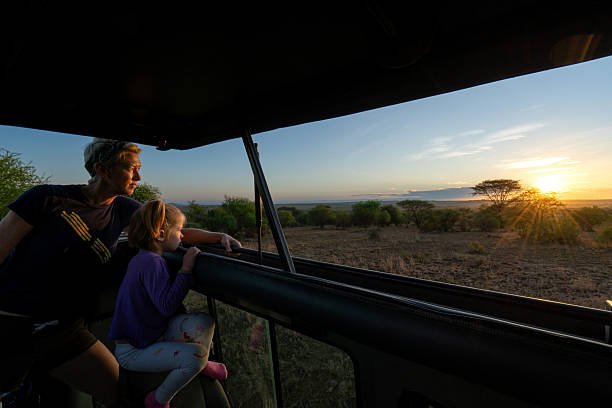
Tanzania is globally renowned for its incredible wildlife, with safaris to iconic parks like the Serengeti and Ngorongoro dominating many travel plans. However, for the dedicated birder, the country offers a wealth of lesser-known but equally spectacular avian destinations. Lake Rukwa, situated in the southwestern part of Tanzania, stands out as one such jewel. This vast, shallow soda lake, located within the Rukwa Rift Valley, is a critical ecosystem supporting an astonishing diversity of birdlife, particularly waterbirds and flamingos. Unlike more heavily touristed areas, Lake Rukwa provides a more remote and authentic experience, offering unparalleled opportunities to observe birds in their natural, undisturbed habitat. For bird watchers looking to go beyond the typical safari circuit and discover a truly wild birding paradise, a Lake Rukwa Bird Watching Tour is an essential addition to their Tanzanian adventure, especially as interest in unique wildlife experiences grows for 2026 and 2027 travel.
The sheer scale of Lake Rukwa and its surrounding wetlands, marshes, and dry grasslands creates a mosaic of habitats that attract an incredible variety of species. Its importance as a migratory stopover point and breeding ground for numerous bird species, including iconic flamingos, makes it a vital conservation area. While access can be more challenging than to northern circuit parks, this remoteness is precisely what preserves its pristine nature and ensures that visitors can experience truly wild encounters with its avian inhabitants. Planning a dedicated bird watching tour here requires specific knowledge of the area, the best times to visit, and the logistical considerations, which is where expert guidance becomes invaluable.
Lake Rukwa’s Avian Riches: What to Expect
The birdlife at Lake Rukwa is nothing short of spectacular, characterized by sheer numbers and diversity. The lake’s shallow, alkaline waters and the surrounding diverse landscapes create ideal conditions for a vast array of species. Your Lake Rukwa Bird Watching Tour will likely encounter thousands of birds, creating a dynamic and constantly moving spectacle.
The Flamingo Spectacle
Perhaps the most famous residents of Lake Rukwa are the flamingos. The lake is a crucial breeding and feeding ground for both the Lesser Flamingo and the Greater Flamingo. During peak seasons, the lake’s edges can be alive with hundreds of thousands, even millions, of these striking pink birds. Witnessing their mass gatherings, feeding frenzies, and nesting colonies is a truly unforgettable sight. The sheer density of flamingos can transform the lake’s shoreline into a vibrant, shimmering ribbon of pink, a photographer’s and naturalist’s dream. Understanding the subtle differences between the Lesser and Greater Flamingo, and observing their unique feeding behaviors, adds another layer of fascination to this avian spectacle. The seasonal fluctuations in water levels and food availability dictate the exact numbers and location of these flamingos, making each visit potentially unique.
Waterfowl and Waders: A Symphony of Wings
Beyond the flamingos, Lake Rukwa is a haven for a vast array of waterfowl and waders. Expect to see large numbers of:
- Pelicans: Great White Pelicans are commonly seen, often in large flocks, gliding effortlessly over the water or fishing in coordinated groups.
- Storks: Several species of storks, including the Marabou Stork, Saddle-billed Stork, and Yellow-billed Stork, frequent the lake and its surrounding wetlands.
- Herons and Egrets: Various herons and egrets, such as the Grey Heron, Goliath Heron, Great Egret, and Cattle Egret, are ubiquitous, often seen wading in the shallows or perched patiently.
- Ducks and Geese: Numerous species of ducks and geese utilize the lake, especially during certain times of the year, including Egyptian Geese, Spur-winged Geese, and various dabbling and diving ducks.
- Waders: The muddy shores and shallow waters are ideal for a multitude of waders, from smaller stints and plovers to larger species like Curlew Sandpipers and Ruff.
- Ibises and Spoonbills: African Sacred Ibis and Glossy Ibis are common, as are African Spoonbills, identifiable by their distinctive bills.
The constant activity of these birds, from foraging and preening to migrating in vast V-formations, creates a dynamic and in-depth birding experience. The sounds of their calls and the sight of their synchronized movements are a constant soundtrack to any Lake Rukwa Bird Watching Tour.
Birds of Prey: Masters of the Skies
The abundant prey available at Lake Rukwa attracts a significant population of raptors. Keep your binoculars trained on the skies and the surrounding trees for:
- Fish Eagles: The iconic African Fish Eagle, with its striking call and majestic presence, is a common sight, often seen perched near the water or soaring overhead.
- Kites and Buzzards: Various species of kites, such as the Black-shouldered Kite and Yellow-billed Kite, are frequently observed. Buzzards like the Augur Buzzard are also present.
- Falcons and Hawks: Smaller falcons and hawks hunt insects and smaller birds in the grasslands and around the lake.
- Ospreys: Ospreys are also known to be present, taking advantage of the rich fish stocks.
The presence of these apex predators adds another dimension to the ecosystem and provides thrilling opportunities for spotting and identifying different raptor species throughout your tour.
Passerines and Other Terrestrial Birds
While the waterbirds often steal the show, the diverse terrestrial habitats surrounding Lake Rukwa support a rich variety of passerines and other land birds. These include:
- Weavers: Various weaver species are abundant, their intricate nests often visible in trees.
- Sunbirds and Bee-eaters: Colorful sunbirds flit among the bushes, while species like the White-throated Bee-eater and Cinnamon-chested Bee-eater are common.
- Rollers: The Lilac-breasted Roller, a true avian gem, is often seen perched on prominent branches.
- Hornbills: Several hornbill species can be found in the woodlands.
- Grassland species: The open grasslands and savannas bordering the lake host species like larks, pipits, and various seed-eating birds.
A comprehensive Lake Rukwa Bird Watching Tour will dedicate time to exploring these terrestrial habitats to ensure a complete overview of the region’s ornithological wealth.
Timing Your Lake Rukwa Bird Watching Tour (2026-2027)
The timing of your Lake Rukwa Bird Watching Tour is crucial for maximizing sightings, particularly of migratory species and breeding birds. Tanzania’s climate is generally divided into dry and wet seasons, and each offers a unique birding experience at Lake Rukwa.
The Dry Season (June to October): Peak Activity
The dry season is generally considered the prime time for bird watching at Lake Rukwa. During these months:
- Concentration of Waterbirds: As smaller water sources dry up across the region, birds congregate in larger numbers at Lake Rukwa, making sightings more reliable and spectacular. This is especially true for flamingos.
- Visibility: The landscape is drier, which can improve visibility through some of the bush and offer better vantage points.
- Comfortable Weather: The weather is typically pleasant, with cooler temperatures and less humidity, making for more comfortable exploration.
This period is ideal for observing large flocks of flamingos and numerous other waterbirds that depend on the lake’s consistent water levels. Many migratory birds from the Northern Hemisphere may also be present during the earlier part of this season.
The Wet Season (November to May): Breeding and Lush Landscapes
The wet season brings its own set of advantages for bird watchers, although it can present logistical challenges due to increased rainfall and potentially more difficult road conditions.
- Breeding Season: Many bird species, including some waterbirds and numerous passerines, are in their breeding plumage and actively nesting during the wet season. This offers fantastic opportunities to observe courtship displays, nesting behaviors, and fledglings.
- Green Landscapes: The rains transform the landscape into lush, green expanses, which can be visually stunning.
- Passerine Diversity: Migratory passerines from Europe and Asia are typically present during this period, adding to the species list.
- Potential for Flamingo Breeding: While the main flamingo breeding events are often linked to specific rainfall patterns and food availability, the wet season can sometimes trigger successful breeding cycles.
The main drawback is that heavy rains can make some areas inaccessible and might require a more robust 4×4 vehicle. Roads can become muddy and impassable, potentially altering planned routes.
Seasonal Highlights for 2026-2027 Planning
When planning your Lake Rukwa Bird Watching Tour for 2026-2027, consider these specific seasonal highlights:
- August-October 2026 / 2027: Peak flamingo numbers and excellent conditions for general bird watching. The dry season offers the most predictable and accessible experience.
- November-December 2026 / 2027: Transition into the wet season. Bird breeding activities begin, and migratory birds start arriving. Landscapes become greener.
- January-March 2027 / 2027: The heart of the wet season. Lush scenery, peak breeding activity for many species, but potentially challenging access. This is ideal for photographers and those seeking to witness nesting.
- April-May 2027 / 2027: End of the wet season. Landscapes are still green, and many young birds are fledging. Access usually improves as rains subside.
Consulting with your tour operator about the most recent seasonal patterns and expected conditions for your specific travel dates in 2026 or 2027 is highly recommended.
Crafting Your Lake Rukwa Bird Watching Itinerary
A successful Lake Rukwa Bird Watching Tour requires careful itinerary planning to maximize bird encounters and logistical feasibility. The remoteness of the area means that efficient planning is key.
Recommended Tour Duration
For a truly rewarding Lake Rukwa Bird Watching Tour, a minimum of 3 to 5 full days dedicated to the lake and its immediate surroundings is recommended. This allows sufficient time to explore different parts of the lake’s shoreline, visit adjacent habitats like grasslands and woodlands, and accommodate potential weather delays or the need to revisit promising spots. Shorter trips might feel rushed, while longer stays (up to 7 days) can be arranged for serious ornithologists or those wishing to explore more remote sections of the wider Rukwa ecosystem.
A Sample 4-Day Lake Rukwa Birding Itinerary
This sample itinerary assumes arrival from a nearby hub like Mbeya or Sumbawanga. Note: This is a general outline and can be fully customized.
- Day 1: Arrival and Southern Shores Exploration
- Morning: Arrive at a designated airstrip or drive from a nearby town (e.g., Sumbawanga). Meet your guide and vehicle.
- Afternoon: Drive to your accommodation near the southern shores of Lake Rukwa. Begin birding around the lodge or camp, focusing on the immediate lake fringes and associated vegetation. Look for egrets, herons, storks, and various waterbirds.
- Evening: Sunset birding and overnight stay.
- Day 2: Flamingo Flats and Wader Watch
- Full Day: Dedicate the day to exploring the vast flamingo feeding grounds and shallow alkaline flats. This is where you’ll witness the immense numbers of Lesser and Greater Flamingos. Search for waders, pelicans, and other large waterbirds. Use a vehicle for accessible viewpoints and short walks.
- Packed lunch enjoyed amidst the birding action.
- Evening: Return to accommodation.
- Day 3: Inland Habitats and Raptor Spotting
- Morning: Venture inland to explore the dry grasslands, acacia woodlands, and scrubland surrounding the lake. Focus on terrestrial species, including weavers, sunbirds, rollers, and various grassland birds.
- Afternoon: Look for raptors perched on trees or soaring overhead. Visit areas known for specific species. Depending on accessibility, explore different sections of the lake’s perimeter.
- Evening: Final sunset birding session.
- Day 4: Departure and Final Birding Opportunities
- Early Morning: A final short birding excursion near the lodge or en route to your departure point, focusing on any species missed or for last-minute photographic opportunities.
- Late Morning: Depart from Lake Rukwa for your onward journey.
Customizing for Your Interests
Climb 4 Africa specializes in tailoring Lake Rukwa Bird Watching Tours to individual needs. Whether your primary interest is flamingos, raptors, or specific passerine families, the itinerary can be adjusted. For photographers, emphasis can be placed on sunrise and sunset shoots, and for serious ornithologists, more time can be allocated to specific habitats or the pursuit of rare species. If you are planning a trip for 2026 or 2027 and have specific avian targets, communicate these clearly when booking. The company can also arrange for specialized birding guides who possess in-depth knowledge of the region’s avifauna.
Logistics and Access: Getting to Lake Rukwa
Reaching Lake Rukwa and navigating the area involves specific logistical considerations due to its remote nature. Understanding these aspects is crucial for a smooth and enjoyable Lake Rukwa Bird Watching Tour.
Getting to Lake Rukwa
Lake Rukwa is not as easily accessible as the northern Tanzanian parks. The primary access points and methods include:
- By Road: The most common way to reach Lake Rukwa is by road, typically from major towns like Mbeya or Sumbawanga. The journey can be long, often taking 6-10 hours or more depending on road conditions and the specific entry point. Roads can be rough, especially during the wet season, necessitating a sturdy 4×4 safari vehicle.
- By Air: For a quicker and more comfortable journey, charter flights can be arranged to small airstrips near the lake, such as the one at Lwiche or Sumbawanga. This is a more expensive option but significantly reduces travel time and avoids challenging road conditions. This is a popular choice for those on tighter schedules or seeking a premium experience for their 2026-2027 travels.
- Connecting from other Parks: Lake Rukwa is often visited as part of a Southern Circuit safari, connecting from parks like Ruaha National Park or Selous Game Reserve (now Nyerere National Park). This requires careful itinerary planning and potentially multiple travel days.
Climb 4 Africa can arrange all necessary transportation, whether it’s a 4×4 vehicle for a road trip or charter flights, ensuring a comfortable and efficient journey to the lake.
Accommodation Options
Accommodation near Lake Rukwa is generally more rustic and basic compared to the luxury lodges found in the northern circuit. Options typically include:
- Tented Camps: Comfortable, semi-permanent tented camps are the most common and offer a good balance of comfort and immersion in nature. These usually include en-suite facilities or nearby shared ablutions.
- Basic Lodges: A few simple lodges may be available, offering rooms with basic amenities.
- Camping: For the more adventurous, organized camping in designated areas can be arranged, providing a truly wild experience under the stars.
The availability of accommodation can be limited, especially during peak seasons. Booking well in advance is crucial for popular dates in 2026 and 2027. Climb 4 Africa works with reliable local camps and lodges that provide good service and are strategically located for bird watching.
On-the-Ground Transportation
A 4×4 safari vehicle is essential for exploring Lake Rukwa. The terrain can be challenging, with sandy tracks, muddy patches after rain, and uneven ground. Your safari vehicle will be used for game drives around the lake’s perimeter and for accessing different birding hotspots. Having a pop-up roof on the vehicle is highly beneficial for bird watching, allowing for better viewing and photography opportunities without leaving the vehicle.
The Importance of Expert Birding Guides
For a successful Lake Rukwa Bird Watching Tour, an experienced local birding guide is non-negotiable. These guides possess:
- In-depth Avian Knowledge: They know the local species, their calls, habitats, and behavior patterns.
- Location Expertise: They know the best spots at different times of the day and year to find specific birds.
- Logistical Skills: They are adept at navigating the terrain and managing the vehicle for optimal viewing.
- Identification Skills: They can help identify even the most elusive species and differentiate between similar-looking birds.
Climb 4 Africa partners with highly skilled local guides who are passionate about birding and dedicated to providing an exceptional experience for their clients.
Essential Gear for Your Bird Watching Tour
Proper gear can significantly enhance your bird watching experience at Lake Rukwa. Here’s a checklist of essentials:
Optics: Binoculars and Spotting Scopes
- Binoculars: A good quality pair of binoculars is your most important tool. 8×42 or 10×42 magnification is generally recommended for bird watching, offering a good balance of magnification, field of view, and light-gathering capabilities. Ensure they are waterproof and fog-proof.
- Spotting Scope: If you are a serious birder or photographer, consider bringing a spotting scope. This is invaluable for observing distant birds, especially large flocks of flamingos or waders, and for detailed identification. A scope with a 20-60x magnification and a stable tripod is ideal.
Photography Equipment
- Camera Body: A DSLR or mirrorless camera with good low-light performance is recommended.
- Telephoto Lens: A lens with a focal length of at least 300mm (preferably 400mm or more) is essential for capturing birds, especially at a distance. Teleconverters can extend the reach of your existing lenses.
- Tripod/Monopod: A stable tripod or monopod will be crucial for steady shots, especially with longer lenses and in low light conditions.
- Extra Batteries and Memory Cards: You’ll be taking a lot of photos, so ensure you have plenty of power and storage.
- Rain Protection: A rain cover for your camera gear is advisable, especially during the wet season.
Clothing and Footwear
- Layered Clothing: Temperatures can vary throughout the day. Pack light, breathable clothing for daytime and warmer layers (fleece, jacket) for early mornings and evenings. Neutral colors (khaki, olive, brown) are best to avoid disturbing wildlife.
- Comfortable Walking Shoes/Boots: You’ll likely do some walking, so comfortable, sturdy footwear is a must. Waterproof boots are a good idea if visiting during or just after the rainy season.
- Hat: A wide-brimmed hat for sun protection is essential.
- Sunscreen and Insect Repellent: Protect yourself from the strong equatorial sun and any biting insects.
Health and Safety Considerations
- Malaria Prevention: Lake Rukwa is in a malaria-endemic area. Consult your doctor about appropriate antimalarial medication and take precautions against mosquito bites.
- First-Aid Kit: Carry a personal first-aid kit with any necessary medications.
- Water Purification: While your tour operator will provide safe drinking water, consider bringing a personal water filter or purification tablets as a backup.
- Vaccinations: Ensure you are up-to-date with recommended vaccinations for Tanzania.
Conservation and Ethical Bird Watching
Lake Rukwa is a vital natural resource, and responsible tourism is paramount to its preservation. As visitors on a Lake Rukwa Bird Watching Tour, adhering to ethical birding practices ensures the protection of its unique ecosystem and its inhabitants.
- Respect Wildlife: Maintain a respectful distance from all wildlife, especially nesting birds. Avoid disturbing their natural behavior.
- Minimize Habitat Impact: Stick to designated tracks and trails. Do not trample vegetation or disturb nesting sites.
- No Feeding: Never feed wild animals, as it disrupts their natural diet and behavior.
- Responsible Photography: Avoid using excessive flash photography, which can disturb birds, especially at night or in nesting areas. Be mindful of the time spent trying to get a shot; don’t cause prolonged stress to the birds.
- Waste Management: Pack out everything you pack in. Leave no trace of your visit.
- Support Local Communities: Engage with and support local communities through responsible tourism initiatives.
- Follow Guide’s Instructions: Your guide is trained in conservation practices and will ensure adherence to park rules and ethical guidelines.
By practicing responsible tourism, you contribute to the long-term conservation of Lake Rukwa, ensuring that its incredible biodiversity can be enjoyed by future generations and that your 2026-2027 trip is a positive one for the environment.
Combining Lake Rukwa with Other Tanzanian Destinations
While a dedicated Lake Rukwa Bird Watching Tour is a fantastic experience on its own, it can also be seamlessly integrated into a broader Tanzanian adventure. Its location in the south makes it an ideal component of a Southern Circuit safari, or it can be combined with other regions for a diverse wildlife and cultural experience.
The Southern Circuit Gems
Lake Rukwa is part of Tanzania’s less-visited but incredibly rewarding Southern Circuit. Combining it with other parks in this region offers a comprehensive safari experience with fewer crowds:
- Ruaha National Park: Tanzania’s largest national park, renowned for its vast elephant herds, large prides of lions, and unique arid landscapes. It’s also a superb birding destination.
- Selous Game Reserve (Nyerere National Park): A UNESCO World Heritage Site, famous for its large predators, wild dogs, and the Rufiji River system, offering boat safaris.
- Mikumi National Park: Known for its easily accessible wildlife, including the “Big Five,” and its open grasslands.
A typical Southern Circuit itinerary might start in Dar es Salaam, visit Nyerere National Park, then proceed to Ruaha, followed by Lake Rukwa, and finally depart from Mbeya or Sumbawanga. This route offers a fantastic mix of landscapes and wildlife, with Lake Rukwa adding a unique avian focus.
Beyond the South: Connecting with Other Regions
While logistically more complex, it’s possible to connect Lake Rukwa with other parts of Tanzania:
- Northern Circuit (Serengeti, Ngorongoro): This requires flying between major hubs. For instance, you could fly from Sumbawanga or Mbeya to Arusha or Kilimanjaro International Airport. This is best suited for travelers with ample time who want to experience both the unique avian richness of Rukwa and the iconic big game viewing of the north.
- Zanzibar: A beach and cultural extension is easily arranged by flying from a major Tanzanian city (like Dar es Salaam or Kilimanjaro) to Zanzibar. This offers a perfect contrast to the wild birding and safari experiences.
When planning multi-region trips for 2026-2027, early booking and careful coordination with your tour operator are essential to ensure smooth transitions and maximize your time.
Booking Your Lake Rukwa Bird Watching Tour
Securing the right tour operator is crucial for an exceptional Lake Rukwa Bird Watching Tour. Given the remoteness and specialized nature of birding, partnering with an experienced and knowledgeable company like Climb 4 Africa ensures a well-organized and rewarding experience.
Why Choose Climb 4 Africa for Your Rukwa Adventure?
Climb 4 Africa brings extensive local knowledge and a passion for showcasing Tanzania’s diverse natural wonders, including its incredible birdlife. We understand the specific requirements for bird watching tours:
- Expert Local Guides: We work with dedicated, experienced birding guides who know Lake Rukwa intimately.
- Tailor-Made Itineraries: We specialize in crafting personalized itineraries that cater to your specific birding interests, pace, and comfort level.
- Logistical Mastery: Navigating the remote areas of Lake Rukwa requires expertise. We handle all transportation (4×4 vehicles, charter flights), accommodation bookings, and park logistics, ensuring a smooth trip.
- Commitment to Conservation: We are committed to responsible tourism practices that protect the environment and support local communities.
- 2026-2027 Planning: We are already planning and booking for the 2026 and 2027 seasons, offering insights into the best times and availability.
We aim to provide an authentic and enriching bird watching experience, moving beyond standard safari offerings to focus on the unique avian treasures of Lake Rukwa.
Key Planning Steps for 2026-2027 Bookings
To ensure your Lake Rukwa Bird Watching Tour in 2026 or 2027 is perfectly planned, follow these steps:
- Define Your Priorities: What are your must-see species? Are you focused solely on birds, or do you want to include other wildlife viewing? What is your budget range?
- Choose Your Travel Dates: Consider the best time of year for birding at Lake Rukwa based on the information above. Early booking for 2026-2027 is highly recommended, especially for specific dates or if you require charter flights.
- Contact Us for a Custom Quote: Reach out to Climb 4 Africa to discuss your plans. Provide details such as the desired duration, number of travelers, preferred accommodation style, and any specific interests.
- Review Your Proposed Itinerary: We will create a detailed itinerary tailored to you, outlining daily activities, locations, and inclusions.
- Confirm Inclusions and Exclusions: Ensure you understand what is covered in your tour package (e.g., accommodation, park fees, meals, guiding, transportation) and what is not (e.g., international flights, visas, tips, personal expenses).
- Secure Your Booking: Once you are satisfied with the itinerary and quote, we will guide you through the booking process, including deposit and final payment.
For a truly exceptional Lake Rukwa Bird Watching Tour that showcases the best of Tanzania’s avian wonders, begin your planning now. Contact Climb 4 Africa to discuss your dream birding adventure for 2026-2027. We are ready to help you craft an unforgettable journey. Reach us via WhatsApp at +255 747 477 898 or email us at climb4africa@gmail.com.
“,
“faq_schema”: [
{
“question”: “When is the best time to visit Lake Rukwa for bird watching?”,
“answer”: “The dry season, from June to October, is generally considered the best time for bird watching at Lake Rukwa. During these months, waterbirds and flamingos congregate in large numbers as other water sources diminish, offering spectacular sightings. The weather is also typically more pleasant and accessible.”
},
{
“question”: “What kind of birds can I expect to see at Lake Rukwa?”,
“answer”: “Lake Rukwa is famous for its massive flocks of Lesser and Greater Flamingos. You can also expect to see a wide variety of waterbirds like pelicans, storks, herons, egrets, ducks, and geese. The area also supports numerous waders, birds of prey such as African Fish Eagles, and various terrestrial birds like weavers, sunbirds, and rollers.”
},
{
“question”: “How do I get to Lake Rukwa?”,
“answer”: “Lake Rukwa is remote. Access is typically by road in a 4×4 vehicle from towns like Mbeya or Sumbawanga, which can be a long journey (6-10+ hours). Alternatively, charter flights can be arranged to small airstrips near the lake for a faster but more expensive option.”
},
{
“question”: “What are the accommodation options at Lake Rukwa?”,
“answer”: “Accommodation is generally more rustic. Options typically include comfortable tented camps with en-suite facilities or basic lodges. Organized camping is also an option for a more in-depth experience. Booking well in advance is essential due to limited availability.”
},
{
“question”: “What is the recommended duration for a Lake Rukwa bird watching tour?”,
“answer”: “For a thorough experience, a minimum of 3 to 5 full days dedicated to Lake Rukwa and its surrounding habitats is recommended. This allows sufficient time to explore different areas, observe bird behavior, and accommodate potential travel delays.”
},
{
“question”: “Why should I book a Lake Rukwa tour with Climb 4 Africa?”,
“answer”: “Climb 4 Africa specializes in tailor-made Tanzanian travel and offers expert local guides with in-depth knowledge of birding hotspots like Lake Rukwa. We handle all logistics, ensuring a smooth and rewarding experience, and are experienced in planning for future seasons like 2026-2027.”
}
]
}
“`
Check Availability for Lake Rukwa Bird Watching Tour 2026-2027
Ready to compare dates, prices, and the best option for your group? Send the package name and travel month so the team can reply with a clear quote, availability, and what is included.
Lake Babati Bird Watching Tour: Your Ultimate Guide For 2026-2027
Explore the diverse avian life around Lake Babati with a specialized bird watching tour. This guide details what to expect, best times to visit, and how to plan your trip for 2026-2027.
No related package matches those filters. Clear one or more filters to see the other topic-matched options.



