
Direct flights from Dubai to Kilimanjaro International Airport (JRO) are generally not available, meaning most travelers will need to book flights with at least one stopover, typically in Doha, Addis Ababa, or Nairobi. These connecting flights are crucial for reaching Tanzania for your Kilimanjaro climb or safari adventure, with planning for 2026-2027 trips requiring early booking due to demand. The journey involves selecting an airline that serves JRO, considering the total travel time, and understanding visa and entry requirements for Tanzania.
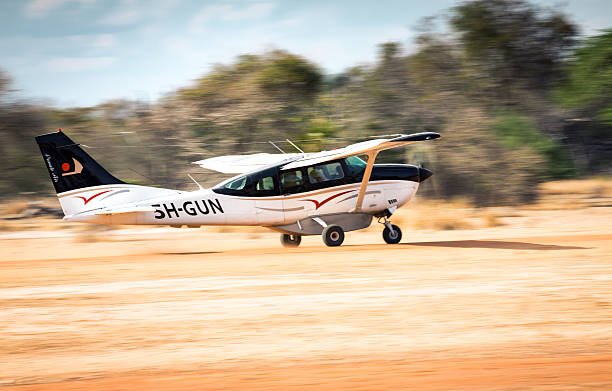

Understanding Your Dubai to Kilimanjaro Flight Journey
The prospect of combining a Dubai stopover with an adventure in Tanzania, whether for scaling Mount Kilimanjaro or embarking on a wildlife safari, is a popular choice for many international travelers. However, the direct route from Dubai to Kilimanjaro International Airport (JRO) isn’t as straightforward as one might hope. Unlike major global hubs, JRO is not a primary destination for direct long-haul flights from the Middle East. This means your travel planning for 2026-2027 will almost certainly involve at least one layover. Recognizing this early is key to a smoother planning process and a more enjoyable trip.
When we talk about Dubai to Kilimanjaro flights, we’re really discussing a multi-leg journey. The typical path involves flying from Dubai International Airport (DXB) to a transit hub, and then on to JRO. The most common transit points are Doha (Qatar), Addis Ababa (Ethiopia), and Nairobi (Kenya). Each of these options presents its own set of advantages and considerations regarding flight duration, airline choice, cost, and potential visa requirements for the transit country, although transit visas are often not needed if you remain within the airport. Understanding these nuances is the first step in crafting your Tanzania itinerary for 2026 or 2027.
### Key Airlines and Transit Hubs
Several major airlines operate routes that can connect you from Dubai to Kilimanjaro. The choice of airline often dictates your transit airport and the overall flight experience. Let’s break down the most frequent carriers and their common routes:
* Qatar Airways: This airline is a highly reliable option, usually flying from Dubai (DXB) to their hub in Doha (DOH) and then onward to Kilimanjaro (JRO). Qatar Airways is known for its quality of service, comfortable aircraft, and generally efficient connections. This is often a preferred choice for those seeking a premium travel experience and a straightforward transit. The layover in Doha is typically well-managed, with modern airport facilities.
* Ethiopian Airlines: A major player in African aviation, Ethiopian Airlines offers a strong network connecting Dubai (DXB) to Addis Ababa (ADD) before flying to Kilimanjaro (JRO). This is frequently one of the most cost-effective options and provides good connectivity. Ethiopian Airlines has significantly expanded its fleet and service, making it a competitive choice for reaching East Africa. Travelers might find this route offers more flexibility in terms of departure times.
* Kenya Airways: Flying via Nairobi (NBO) is another common route. Kenya Airways connects Dubai (DXB) to Nairobi and then offers onward flights to Kilimanjaro (JRO). This option can be convenient, especially if you plan to combine your Kilimanjaro climb or safari with a visit to Kenya. The transit in Nairobi’s Jomo Kenyatta International Airport is usually efficient, though it’s worth checking the connection times carefully.
* Emirates (Indirectly): While Emirates is Dubai’s flagship carrier and flies extensively worldwide, they do not directly serve Kilimanjaro. However, you might find itineraries where Emirates flies you from Dubai to a major African hub like Nairobi, and then you connect to a different airline for the final leg to JRO. This can sometimes complicate baggage handling and check-in processes.
* Other Airlines: Occasionally, airlines like Turkish Airlines (via Istanbul) or even some European carriers might offer routes with longer layovers, but these are less common for direct Dubai-Kilimanjaro travel and tend to be more time-consuming.
When researching for 2026-2027 travel, it’s wise to compare prices and schedules across these airlines. Keep in mind that flight schedules can change, so always verify the latest information directly with the airlines or through reputable flight booking platforms.
### Flight Duration and Layover Considerations
The total travel time from Dubai to Kilimanjaro can vary significantly depending on the chosen airline and the length of the layover. A typical journey might look like this:
* Dubai to Transit Hub: Approximately 3-4 hours (e.g., DXB to DOH, ADD, or NBO).
* Layover: This is the most variable part. Layover times can range from a few hours (ideal for a smooth connection) to over 12 hours (which might necessitate an overnight stay near the transit airport, depending on arrival and departure times).
* Transit Hub to Kilimanjaro (JRO): Approximately 1.5-3 hours.
Therefore, the total door-to-door travel time can range from a minimum of 8-10 hours for a perfectly timed connection to 20+ hours if you have a long layover. For a Kilimanjaro climb or a multi-day safari, arriving in Tanzania with sufficient rest is crucial. Therefore, selecting a flight with a reasonable layover, rather than the absolute shortest, might be a wiser choice for your 2026-2027 adventure.
When booking, pay close attention to:
* Layover duration: Aim for connections that are not excessively short (risking missed flights) nor excessively long (leading to fatigue).
* Airport: Ensure you know which airport you’re transiting through (e.g., Hamad International Airport in Doha, Bole International Airport in Addis Ababa, or Jomo Kenyatta International Airport in Nairobi).
* Baggage allowance: Confirm the baggage allowance for both legs of your journey, especially if you’re connecting between different airlines.
* Check-in procedures: Understand if you need to re-check your luggage during the layover or if it’s checked through to Kilimanjaro.
## Planning Your Tanzania Adventure: Safari and Kilimanjaro Climb
Your choice of flights is just one piece of the puzzle when planning a trip from Dubai to Tanzania for a Kilimanjaro climb or safari. The overarching goal is to create a cohesive and memorable experience. For 2026-2027, early planning is more important than ever as demand for these unique African experiences continues to grow.
### Combining Kilimanjaro Trekking and Wildlife Safaris
Many travelers opt to combine a Kilimanjaro ascent with a wildlife safari in one of Tanzania’s world-renowned national parks. This is an excellent way to experience the diverse landscapes and incredible biodiversity of the country. A typical itinerary might look like this:
1. Arrival in Kilimanjaro (JRO): Fly in from Dubai.
2. Acclimatization and Preparation: Spend a day or two in Moshi or Arusha to prepare for the climb, meet your guides, and finalize gear.
3. Kilimanjaro Climb: Typically 5-9 days depending on the chosen route.
4. Post-Climb Rest: A day or two to recover.
5. Northern Circuit Safari: Spend 3-5 days exploring parks like Tarangire, Lake Manyara, Ngorongoro Crater, and Serengeti National Park.
6. Departure from Kilimanjaro (JRO): Fly back to Dubai.
This combination offers a powerful contrast: the physical challenge and serene beauty of the mountain, followed by the thrill of encountering iconic African wildlife. When planning for 2026-2027, you’ll want to book your Kilimanjaro climb and safari package well in advance, as tour operators often have fixed departure dates or require significant lead time for custom arrangements.
### Choosing Your Kilimanjaro Route
The success and enjoyment of your Kilimanjaro climb depend heavily on the route you select. Each route offers a different experience in terms of scenery, difficulty, acclimatization profile, and cost. For your 2026-2027 climb, consider these popular options:
* Machame Route: Often called the “Whiskey Route,” it’s popular for its scenic beauty and excellent acclimatization profile, leading to higher success rates. It’s a challenging trek, typically 6-7 days. This is a fantastic choice for those seeking a balance of difficulty and success. For 2026-2027 departures, Machame is consistently a top pick.
* Lemosho Route: Considered one of the most beautiful routes, Lemosho offers stunning views and a good acclimatization profile. It’s longer (7-8 days) and generally more expensive due to its remoteness and duration, but it provides a more in-depth experience. It’s a great option for those who want to savor the journey.
* Marangu Route: Known as the “Coca-Cola Route,” it’s the oldest and most established. It’s the only route with hut accommodation (rather than camping) and is often chosen for its perceived ease. However, its acclimatization profile is less ideal, leading to lower success rates compared to Machame or Lemosho. It’s usually a 5-6 day trek.
* Northern Circuit: The longest route, offering the best acclimatization and therefore the highest success rates. It circles the mountain, providing unique perspectives and a less crowded experience. It typically takes 9 days and is a premium option for those who want the best chance of reaching the summit comfortably.
When booking your 2026-2027 climb, discuss your fitness level, desired experience, and budget with your tour operator to select the most suitable route.
### Northern Circuit Safaris: Parks and Wildlife
Tanzania’s northern safari circuit is legendary for its wildlife density and dramatic landscapes. A typical safari itinerary from Kilimanjaro includes:
* Tarangire National Park: Famous for its large elephant herds and baobab trees. It’s particularly stunning during the dry season.
* Lake Manyara National Park: Known for its tree-climbing lions, vast flocks of flamingos, and diverse birdlife.
* Ngorongoro Conservation Area: Home to the Ngorongoro Crater, a UNESCO World Heritage site and one of the best places in Africa to see the “Big Five” (lion, leopard, elephant, rhino, buffalo) in a single day.
* Serengeti National Park: The quintessential African savanna, famous for the Great Migration (though the migration’s location varies seasonally) and endless plains teeming with wildlife.
When planning your 2026-2027 safari, consider the time of year. The migration in the Serengeti is a major draw, and its timing dictates the best viewing locations. For instance, river crossings are often best viewed in July and August, while calving season is typically in February.
## Booking Your Dubai to Kilimanjaro Flights and Tanzania Packages
Securing your flights and tour packages for a 2026-2027 trip requires careful consideration and timely action. Here’s a practical approach to booking:
### Step-by-Step Booking Process
1. Define Your Trip: Decide on your priorities. Is the Kilimanjaro climb the main event, or is it the safari? How many days do you have? What’s your budget? What time of year are you planning to travel in 2026 or 2027?
2. Research Flights: Use flight comparison websites (Skyscanner, Google Flights, Kayak) to get an overview of available routes, airlines, and price ranges from Dubai (DXB) to Kilimanjaro (JRO). Be flexible with your dates if possible to find better deals.
3. Select a Tour Operator: This is crucial for Kilimanjaro climbs and safaris. Choose a reputable operator that offers comprehensive packages. Look for companies with strong safety records, experienced guides, and positive reviews. For Kilimanjaro, ensure they adhere to ethical climbing practices and provide quality equipment.
4. Book Your Tanzania Package: Once you’ve chosen an operator, book your Kilimanjaro climb and/or safari package. This usually involves a deposit to secure your dates for 2026 or 2027. Your operator can often assist with airport transfers and local logistics.
5. Book Your Flights: After confirming your Tanzania package and dates, book your flights from Dubai to Kilimanjaro. Booking flights independently gives you more control over your travel dates and potential cost savings, but coordinating with your tour operator’s arrival and departure recommendations is essential.
6. Visa and Health Requirements: Research Tanzanian visa requirements for your nationality and any necessary vaccinations or health precautions (e.g., malaria prevention). This should be done well in advance of your 2026-2027 travel dates.
### When to Book for 2026-2027
For peak seasons on Kilimanjaro (January-March and June-October) and for the Great Migration in the Serengeti, booking your trip 6-12 months in advance is highly recommended for 2026-2027. This ensures availability for your preferred climb dates, safari lodges, and flight schedules. Even for the shoulder seasons, booking at least 4-6 months ahead is advisable.
### Cost Considerations
The total cost of your trip will be influenced by several factors:
* Flights: Prices can fluctuate significantly. Expect to pay anywhere from $600 to $1200+ USD for round-trip economy flights from Dubai to Kilimanjaro, depending on the airline, time of booking, and season.
* Kilimanjaro Climb: Prices vary widely based on the route, duration, operator, and inclusions. Expect costs to range from $2000 to $5000+ USD per person for a reputable operator.
* Tanzania Safari: Daily rates for safaris typically range from $300 to $700+ USD per person, covering accommodation, park fees, vehicle, driver-guide, and meals. The total cost depends on the duration and the level of accommodation.
When comparing operators, always check what is included. High-quality operators for Kilimanjaro climbs often include park fees, rescue fees, guide and porter salaries, meals, and camping equipment. Safari packages should clarify park entry fees, accommodation, vehicle hire, and guide services.
## Practical Tips for Your Journey
Traveling from Dubai to Tanzania for a Kilimanjaro climb or safari involves several practical considerations to ensure a smooth and enjoyable experience.
### Visas and Entry Requirements
Most nationalities require a visa to enter Tanzania. You can apply for a visa online in advance or obtain one upon arrival at Kilimanjaro International Airport (JRO). However, applying online is generally recommended to save time and avoid potential issues at the airport. Check the official Tanzanian immigration website for the most up-to-date requirements for your nationality.
### Health and Vaccinations
Consult your doctor or a travel clinic 4-6 weeks before your departure for 2026-2027 travel. Recommended vaccinations often include Hepatitis A, Typhoid, and Tetanus. Yellow Fever vaccination may be required if you are arriving from or transiting through a country with a risk of Yellow Fever transmission. Malaria prophylaxis is also strongly recommended for most of Tanzania, including the Kilimanjaro region and safari areas.
### Packing Essentials
Your packing list will differ significantly between climbing Kilimanjaro and going on safari.
* For Kilimanjaro: Layered clothing is essential. You’ll need thermal base layers, fleece mid-layers, and a waterproof/windproof outer shell. Good quality hiking boots, a warm sleeping bag, a headlamp, sunglasses, sunscreen, and a wide-brimmed hat are vital. Specific gear lists are usually provided by your tour operator.
* For Safari: Lightweight, neutral-colored clothing is best. Comfortable walking shoes, a hat, sunglasses, and insect repellent are crucial. Binoculars enhance the wildlife viewing experience. A camera with a good zoom lens is also highly recommended.
### Currency and Payment
The local currency in Tanzania is the Tanzanian Shilling (TZS). However, US Dollars are widely accepted for tourist services, especially for park fees, tour packages, and larger purchases. It’s advisable to carry smaller denominations of USD for tips and smaller expenses. ATMs are available in major towns like Moshi and Arusha, but it’s wise to have some cash on hand.
### Communication and Connectivity
Wi-Fi is available in most hotels and lodges in tourist areas, though connections can sometimes be slow or intermittent. For better connectivity, consider purchasing a local SIM card upon arrival in Tanzania. Vodacom and Tigo are popular providers.
## Making Your Booking with Climb 4 Africa
When you’re ready to turn your dream trip from Dubai to Kilimanjaro into a reality, choosing the right partner is essential. Climb 4 Africa specializes in creating unforgettable Kilimanjaro climbs and Tanzania safaris, offering local expertise and support.
We understand the complexities of travel logistics, from arranging your Kilimanjaro climb with experienced guides and porters to planning in-depth safari experiences across Tanzania’s iconic parks. For your 2026-2027 adventures, we can help you tailor an itinerary that perfectly matches your interests, fitness level, and budget. Whether you’re aiming for the summit of Kilimanjaro or tracking the Great Migration, our team is dedicated to providing a safe, rewarding, and smooth journey.
To begin planning your custom trip, including advice on the best flight connections from Dubai to Kilimanjaro, please contact us. We can discuss your specific needs, provide detailed itineraries, and offer transparent pricing. Our team is ready to help you coordinate every aspect of your Tanzanian adventure, ensuring you have all the information needed for a successful trip.
For inquiries and booking assistance regarding your 2026-2027 Kilimanjaro climb or safari, please reach out to Climb 4 Africa:
* WhatsApp: +255 747 477 898
* Email: climb4africa@gmail.com
Let us help you craft an exceptional East African experience that starts with smooth travel from Dubai to Kilimanjaro.
Check Availability for Dubai To Kilimanjaro Flights: Your Guide To Tanzania Safari & Mountain
Ready to compare dates, prices, and the best option for your group? Send the package name and travel month so the team can reply with a clear quote, availability, and what is included.
Wildlife And Nature Titles: Your Ultimate Guide To Tanzanias Best Experiences
This comprehensive guide explores the most sought-after wildlife and nature titles in Tanzania, from iconic safari destinations and Kilimanjaro treks to the tropical allure of Zanzibar...
View package details
Tanzania Safari Tours & Packages /: Your Ultimate Wildlife Adventure 2026-2027
Discover the magic of Tanzania with expertly crafted safari tours and packages for 2026 and 2027. From the vast plains of the Serengeti to the depths of the Ngorongoro Crater, find your...
View package details
Kruger National Park Safari Packages: Your Ultimate Guide To Adventures
Discover tailored Kruger National Park safari packages for 2026-2027. This comprehensive guide covers everything from choosing the right lodge and activities to understanding costs and...
View package details
South Africa Safari Tours & Vacation Packages | Climb 4 2026-2027
Discover the ultimate South Africa safari experience with tailored tour and vacation packages for 2026-2027. From iconic Kruger National Park to exclusive private reserves, find detailed...
View package detailsHow To Create The Perfect Travel Itinerary For Tanzania Adventures 2026-2027
Crafting the perfect travel itinerary for Tanzania involves understanding your priorities, choosing the right activities, and planning logistics effectively. This guide walks you through...
View package detailsCheap Hotels Near Me Tonight: Finding Affordable Stays In Tanzania 2026-2027
Discover how to find cheap hotels near you tonight in Tanzania, focusing on budget-friendly options for travelers planning safaris, Kilimanjaro treks, or Zanzibar holidays in 2026-2027...
View package detailsKilimanjaro Routes: 15 Strongest Worldwide Search Potential For Climbs
Planning a Kilimanjaro climb? This guide details the 15 routes with the highest search interest worldwide for 2026-2027, helping you choose the best path for your adventure. We cover...
View package detailsPlaces Where Your Money Goes Further: Smart Tanzania Travel For 2026-2027
Planning a trip to Tanzania in 2026 or 2027 and want to maximize your budget? This guide reveals how to make your money go further on Kilimanjaro climbs, wildlife safaris, and Zanzibar...
View package detailsBest Wildlife Photography Destinations For Safaris | Climb 4 Africa 2026-2027
Planning a safari for incredible wildlife photography in 2026 or 2027? Tanzania offers unparalleled opportunities. This guide details the top destinations, essential gear, timing, and how...
View package detailsDestinations Worth Visiting At Least Once Guide
Discover a curated selection of destinations that offer unparalleled experiences, from the majestic peaks of Kilimanjaro to the spice-scented shores of Zanzibar. This guide helps you...
View package details
Affordable African Safari Packages: Your Guide To Budget-Friendly Tanzania
Discover how to plan and book affordable African safari packages for 2026-2027. This guide provides practical advice on choosing budget-friendly Tanzania tours, understanding costs, and...
View package details
African Safari Packages With Flights 2026-2027
African Safari Packages With Flights is explained with current 2026-2027 planning, price, itinerary and booking information.
View package detailsNo related package matches those filters. Clear one or more filters to see the other topic-matched options.



