For travelers originating from the Middle East, Asia, and Australia, planning a trip to Tanzania involves understanding flight routes, visa requirements, optimal travel seasons, and tailoring safari and Kilimanjaro climbing experiences to your interests, with key booking considerations for 2026-2027 focusing on early arrangements for peak seasons and popular routes.
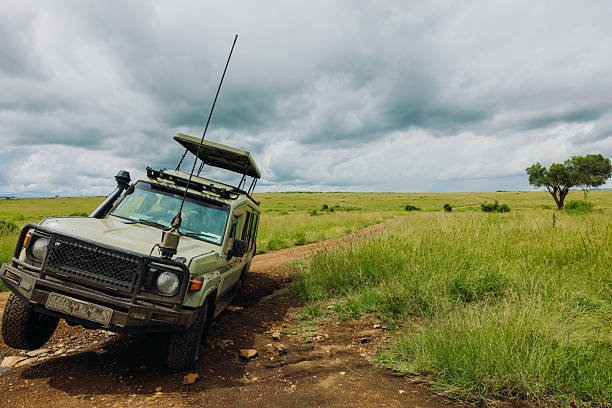
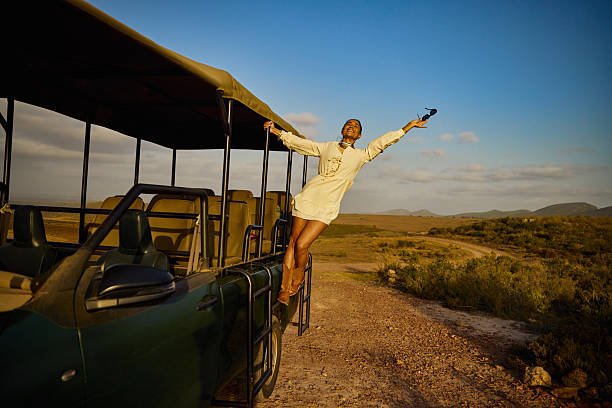
This guide is specifically crafted for adventurers making the journey to Tanzania from regions as diverse as the Middle East, sprawling across Asia, and down to Australia. We understand that the logistics of such a long-haul trip require careful thought, from identifying the most efficient flight paths to navigating cultural nuances and maximizing your experience of Tanzania’s unparalleled natural wonders. Whether your dream involves standing on the roof of Africa atop Mount Kilimanjaro, witnessing the Great Migration on a Serengeti safari, or relaxing on the spice-scented beaches of Zanzibar, this article will equip you with the practical knowledge needed to plan an exceptional 2026-2027 adventure.
Understanding Your Journey: Middle East, Asia, and Australia to Tanzania
The vast distances involved in traveling from the Middle East, Asia, or Australia to Tanzania mean that flight planning is paramount. Unlike travelers from neighboring continents, your journey will likely involve at least one, if not two, significant layovers. Understanding these routes, airline options, and the typical travel times will be the first step in crafting your itinerary. We’ll explore the main international gateways in Tanzania and the most common transit hubs that serve your regions.
Key Entry Points into Tanzania
Most international flights arrive at Kilimanjaro International Airport (JRO), serving the northern safari circuit and Mount Kilimanjaro, or Julius Nyerere International Airport (DAR) in Dar es Salaam, the primary gateway for southern safaris, Zanzibar, and the capital city’s attractions. For those heading directly to Zanzibar, Abeid Amani Karume International Airport (ZNZ) is also an option, though often flights connect through DAR.
Common Flight Routes and Transit Hubs
Travelers from the Middle East typically find good connections through hubs like Dubai (DXB), Doha (DOH), or Abu Dhabi (AUH). Flights often route via Istanbul (IST) or European hubs like Amsterdam (AMS) or Frankfurt (FRA) before reaching East Africa. For those coming from Asia, major transit points include Doha, Dubai, Istanbul, and sometimes hubs in Southeast Asia or even direct flights to Europe. Australians will most commonly transit through the Middle East (Dubai, Doha) or Europe (Amsterdam, Frankfurt, London), with some routes possibly involving Asian hubs like Singapore (SIN) or Kuala Lumpur (KUL).
Flight times can range significantly, from around 15-20 hours for many Middle Eastern departures with a single stop, to 20-30+ hours for those originating further east in Asia or Australia, often involving two stops. It’s crucial to factor in potential jet lag and the length of travel when planning your arrival and initial days in Tanzania, especially if you’re heading straight for a strenuous activity like a Kilimanjaro climb.
Visa Requirements and Entry Formalities
Securing the necessary visa is a critical pre-travel task. Most nationalities, including those from the Middle East, Asia, and Australia, will require a visa for Tanzania. The most convenient option for many is the e-visa, which can be applied for online prior to departure. This process generally takes a few business days to a couple of weeks, so applying well in advance of your 2026-2027 travel dates is highly recommended. Ensure you have a valid passport with at least six months’ validity beyond your intended stay and sufficient blank pages.
Alternatively, visas can sometimes be obtained on arrival at major airports, but this can lead to longer queues and potential delays. It is always advisable to check the latest visa regulations with the Tanzanian embassy or consulate in your country of residence or on the official Tanzanian immigration website. Having printed copies of your visa approval, flight details, and accommodation bookings is also a good practice.
Best Times to Travel for 2026-2027
Tanzania offers fantastic travel opportunities year-round, but certain periods are more favorable depending on your interests. For safari-goers, the dry seasons (June to October and January to February) are generally considered prime time. These months offer excellent wildlife viewing as animals congregate around water sources, and the vegetation is less dense. The Great Migration river crossings in the Serengeti are typically most dramatic between July and September.
For climbing Mount Kilimanjaro, the best windows are also during the dry seasons: June to October and December to February. These periods offer clearer skies, less rain, and more stable weather conditions on the mountain. While it’s possible to climb outside these times, you should be prepared for more challenging conditions, including rain and mud.
For beach holidays in Zanzibar, the dry seasons (June to October and December to February) are ideal for sunbathing and water activities, with pleasant temperatures and low humidity. The shoulder months can also be excellent, offering fewer crowds and potentially better rates, but with a slightly higher chance of rain.
When planning for 2026-2027, consider booking your preferred dates, especially for Kilimanjaro climbs and peak safari season, at least 6-12 months in advance. This is particularly important for securing permits for specific dates and ensuring availability with preferred tour operators.
Crafting Your Tanzanian Safari Experience from Asia, Australia & Middle East
Tanzania is renowned for its world-class safari destinations, offering diverse landscapes and incredible wildlife encounters. For travelers from afar, maximizing your safari experience means choosing the right parks, the right duration, and the right style of travel to suit your interests and available time.
Iconic Safari Destinations and What to Expect
Serengeti National Park: The undisputed jewel, famous for the Great Migration. Expect vast plains, incredible predator-prey action, and endless horizons. Best for: Wildlife enthusiasts, photographers, those seeking iconic African landscapes.
Ngorongoro Conservation Area: A UNESCO World Heritage Site featuring the Ngorongoro Crater, an extinct volcanic caldera teeming with wildlife. It’s a compact and highly rewarding safari experience, often described as a natural wonder. Best for: Excellent chances to see the Big Five in a single day, unique geological scenery.
Tarangire National Park: Known for its large elephant herds and baobab trees. It’s particularly vibrant during the dry season when elephants gather along the Tarangire River. Best for: Elephant encounters, birdwatching, unique tree landscapes.
Lake Manyara National Park: Famous for its tree-climbing lions, diverse birdlife, and scenic lake. It’s a smaller park, often visited as part of a northern circuit itinerary. Best for: Birdwatchers, seeing tree-climbing lions, a shorter safari experience.
Selous Game Reserve (Nyerere National Park): Located in southern Tanzania, this vast reserve offers a more remote and wild experience. Activities include boat safaris on the Rufiji River and walking safaris. Best for: Adventurous travelers, seeking a less crowded experience, diverse activities.
Ruaha National Park: Tanzania’s largest national park, also in the south, known for its large predator populations, particularly lions and wild dogs, and rugged landscapes. Best for: Serious wildlife photographers, those wanting a truly wild and remote experience.
Choosing Your Safari Style
Group Safaris: These are the most budget-friendly option and are excellent for solo travelers or couples looking to share costs. You’ll travel with a small group in a shared safari vehicle. This is a popular choice for those from Asia, Australia, and the Middle East looking for an affordable way to experience Tanzania. Our group departures for 2026-2027 are designed to maximize wildlife viewing opportunities while keeping costs down. Explore our group safari options here.
Private Safaris: For maximum flexibility, comfort, and personalized experiences, a private safari is the way to go. You’ll have a dedicated safari vehicle and guide, allowing you to set your own pace and focus on your specific interests. This is often preferred by families, groups of friends, or those celebrating special occasions. While more expensive, it offers unparalleled exclusivity.
Luxury Safaris: These combine exclusive game viewing with stays in high-end lodges or tented camps, offering gourmet dining, exceptional service, and often unique amenities like private plunge pools or spa treatments. Ideal for those seeking a premium African experience.
Tailoring Your Itinerary for 2026-2027
A typical northern circuit safari might last 5-7 days, covering Lake Manyara, Ngorongoro Crater, and the Serengeti. For a more in-depth experience, especially if you wish to witness the Great Migration in the Serengeti, consider 8-10 days. Travelers from Australia and Asia, undertaking long journeys, often opt for longer itineraries (10-14 days) to make the most of their time on the ground, perhaps combining the northern circuit with a visit to Tarangire or even a fly-in safari to a more remote southern park.
When planning for 2026-2027, consider the timing of the Great Migration if it’s a priority. For instance, wildebeest are typically in the western Serengeti in May-June, crossing rivers in July-August, and moving towards the eastern and southern Serengeti in September-February. Understanding these movements helps in choosing the right locations for your safari during your chosen travel dates.
Traveler Tip: Pace Yourself
Given the long travel distances from the Middle East, Asia, and Australia, we strongly advise against packing too much into your first day or two. Allow time to rest and acclimatize. A good approach is to spend your first night in Arusha or Moshi after arriving at JRO, before embarking on your safari or climb.
Conquering Mount Kilimanjaro: A Guide for International Climbers
Climbing Mount Kilimanjaro is a dream for many, and it’s an achievable goal for those who are well-prepared. As an expert Kilimanjaro tour operator, Climb 4 Africa specializes in guiding climbers from all over the world, including those from distant regions like the Middle East, Asia, and Australia.
Choosing the Right Kilimanjaro Route
The choice of route significantly impacts your climbing experience, success rate, and acclimatization. For most international climbers, especially those from afar, routes that offer better acclimatization profiles are highly recommended.
- Machame Route: Our most popular route, known for its excellent acclimatization profile and stunning scenery. It uses a ‘climb high, sleep low’ strategy. It’s a 6-7 day trek. See Machame Route details and group dates.
- Lemosho Route: Similar to Machame but starts from a more remote western approach, offering more solitude and beautiful views. It’s typically 7-8 days, providing excellent acclimatization.
- Marangu Route: Often called the ‘Coca-Cola’ route, it’s the oldest and most established. It offers hut accommodation rather than camping. It’s shorter (5-6 days) but has a lower success rate due to poorer acclimatization.
- Northern Circuit: The longest route (9-10 days), offering the best acclimatization and highest success rates. It circles the mountain, providing diverse views and a more relaxed pace.
For climbers from the Middle East, Asia, and Australia, we strongly recommend a 7-day or longer itinerary (Machame, Lemosho, or Northern Circuit) to maximize your chances of reaching the summit safely and comfortably. Shorter routes like the 5-day Marangu or Machame are possible but carry a higher risk of altitude sickness.
Kilimanjaro Preparation and Gear
Physical fitness is key. While you don’t need to be an elite athlete, cardiovascular fitness and strength training are essential. Start training at least 2-3 months before your climb. Focus on hiking with a weighted backpack, stair climbing, and endurance exercises.
Gear is also critical. High-quality, waterproof, and breathable clothing is a must. Key items include:
- Layered clothing (base, mid, and outer layers)
- Waterproof and windproof jacket and trousers
- Warm hat and gloves
- Sturdy, broken-in hiking boots
- Sleeping bag rated for cold temperatures (-15°C to -20°C)
- Headlamp with extra batteries
- Sunscreen, sunglasses, and a wide-brimmed hat
We provide a comprehensive packing list to all our clients. Ensuring you have the right gear is crucial for comfort and safety, especially when trekking in varied conditions common on Kilimanjaro.
Climbing Season and Booking for 2026-2027
As mentioned, the best climbing seasons are June-October and December-February. These periods offer the most stable weather. However, these are also the busiest times. For 2026-2027, particularly if you wish to climb during these peak windows, booking 9-12 months in advance is highly advisable. This secures your spot on popular routes and ensures availability with experienced guides and porters.
Climb 4 Africa offers regular group climbs on the Machame route, which are excellent for solo travelers or those looking to join a team. These departures are scheduled throughout the year, and you can find specific dates for 2026 and 2027 on our website. Private climbs can be arranged for any date.
Kilimanjaro Booking Checklist for 2026-2027
- Choose Your Route: Consider duration, acclimatization, and scenery.
- Select Your Dates: Aim for dry seasons for best conditions.
- Book in Advance: 9-12 months recommended for peak seasons.
- Confirm Inclusions: What does the tour package cover (park fees, food, guides, porters, accommodation)?
- Check Operator Reputation: Look for experienced, ethical operators like Climb 4 Africa.
- Physical Preparation: Start training well in advance.
- Visa & Flights: Plan these logistics alongside your climb booking.
Zanzibar Holidays: Relaxation and Culture
After an exhilarating safari or a challenging Kilimanjaro climb, the exotic island of Zanzibar offers the perfect place to unwind. Its white-sand beaches, turquoise waters, and rich history make it a sought-after destination for travelers from around the globe.
Exploring Zanzibar’s Highlights
Stone Town: A UNESCO World Heritage Site, Stone Town is a labyrinth of narrow streets, bustling bazaars, intricately carved wooden doors, and historic buildings reflecting Arab, Indian, European, and African influences. It’s a cultural immersion like no other.
Beaches: Zanzibar boasts stunning beaches. Nungwi and Kendwa in the north are famous for their powdery white sands, vibrant sunsets, and lively atmosphere. Paje and Jambiani on the east coast are popular for kite-surfing and offer a more laid-back vibe, with beautiful tidal changes revealing coral reefs at low tide.
Spice Tours: Zanzibar is historically known as the ‘Spice Island’. A spice tour is a fascinating way to learn about the cultivation and uses of cloves, cinnamon, nutmeg, vanilla, and tropical fruits.
Prison Island: A short boat trip from Stone Town, this island is home to giant tortoises and offers excellent snorkeling opportunities.
Logistics for Zanzibar from Mainland Tanzania
Most visitors arrive in Zanzibar via a short flight from Dar es Salaam (approx. 1 hour) or Kilimanjaro (approx. 1.5 hours). Alternatively, ferries operate between Dar es Salaam and Zanzibar town, taking about 1.5-2 hours. For travelers coming directly from international flights into DAR, connecting to Zanzibar is straightforward.
Accommodation Options
Zanzibar offers a wide range of accommodation, from budget-friendly guesthouses in Stone Town to luxurious beachfront resorts and boutique hotels. Whether you prefer a vibrant beach town or a secluded cove, there’s an option to suit every taste and budget.
When planning your 2026-2027 Zanzibar escape, booking your accommodation and any specific tours in advance is recommended, especially if traveling during peak seasons (December-February and June-October).
Practicalities for International Travelers: What to Know Before You Go
Beyond the main attractions, several practical aspects are crucial for a smooth trip from the Middle East, Asia, or Australia to Tanzania.
Health and Vaccinations
Consult your doctor or a travel clinic at least 6-8 weeks before your departure for recommended vaccinations and malaria prophylaxis. Yellow fever vaccination is often required if arriving from or transiting through a country with a risk of yellow fever. Tanzania is a malaria-endemic country, so taking precautions is essential.
Currency and Payment
The local currency is the Tanzanian Shilling (TZS). US Dollars are widely accepted for park fees, Kilimanjaro climbs, and at many lodges and hotels, especially for larger transactions. It’s advisable to carry a mix of USD (newer bills, issued after 2009, are preferred) and TZS for smaller purchases and local markets. ATMs are available in major towns like Arusha, Moshi, and Dar es Salaam, but can sometimes be unreliable.
Connectivity and Communication
Wi-Fi is available in most hotels and lodges, though speeds can vary. Purchasing a local SIM card upon arrival can be cost-effective for data and local calls. For urgent communication or to discuss your 2026-2027 travel plans, you can reach us via WhatsApp.
Tipping Etiquette
Tipping is customary and appreciated for guides, drivers, porters, and lodge staff. While not mandatory, it’s a significant part of their income. Your tour operator will usually provide guidelines on recommended tipping amounts based on the services received.
Responsible Tourism
We encourage all our travelers to practice responsible tourism. This includes respecting local customs, wildlife, and the environment. Support local communities by purchasing handicrafts and choosing operators with ethical practices. For example, Climb 4 Africa ensures fair wages and good working conditions for our guides and porters.
Why Choose Climb 4 Africa for Your Tanzania Adventure in 2026-2027?
As an expert Kilimanjaro tour operator and Tanzania travel company, Climb 4 Africa offers unparalleled local knowledge and support. We specialize in crafting tailor-made experiences, from challenging Kilimanjaro climbs to in-depth wildlife safaris and relaxing Zanzibar holidays. Our commitment to safety, ethical tourism, and client satisfaction ensures a memorable journey for every traveler, no matter their origin.
For those planning their trip from the Middle East, Asia, or Australia for 2026-2027, choosing Climb 4 Africa means:
- Local Expertise: Deep understanding of Tanzania’s parks, mountains, and culture.
- Customized Itineraries: We build trips around your interests and budget.
- Safety First: Experienced guides and rigorous safety protocols.
- Ethical Practices: Fair treatment of staff and support for local communities.
- smooth Logistics: We handle the complexities of travel within Tanzania.
Ready to start planning your dream Tanzanian adventure for 2026 or 2027? We are here to help you navigate every step. Whether you have specific dates in mind, a particular route you’re interested in, or need advice on the best itinerary for your interests, our team is ready to assist.
Contact us today to begin planning:
- WhatsApp: +255 747 477 898
- Email: climb4africa@gmail.com
Let us help you create an unforgettable Tanzanian experience, tailored perfectly for travelers from the Middle East, Asia, and Australia.
Check Availability for Category 3 — Middle East, Asia & Australia To Tanzania Guide
Ready to compare dates, prices, and the best option for your group? Send the package name and travel month so the team can reply with a clear quote, availability, and what is included.