Climb 4 Africa provides expert-led Kilimanjaro treks and tailor-made Tanzania safaris, offering practical local support for adventurers planning their 2026 or 2027 journeys. Whether you aim to summit Kilimanjaro via routes like Machame or Marangu, start a wildlife safari in the Serengeti or Ngorongoro Crater, or relax on Zanzibar, Climb 4 Africa focuses on delivering safe, memorable, and authentic African travel experiences with detailed planning assistance.

Planning Your Kilimanjaro Climb and Tanzania Safari with Climb 4 Africa for 2026-2027
Embarking on an adventure in Tanzania, whether it’s conquering the majestic Mount Kilimanjaro or witnessing the Great Migration on a safari, is a significant undertaking. For 2026 and 2027, Climb 4 Africa stands out as a premier local operator, dedicated to providing comprehensive support that goes beyond just booking your trip. We understand that planning these expeditions requires detailed knowledge of routes, acclimatization, safety protocols, and the nuances of Tanzanian travel. This guide is designed to walk you through every aspect, ensuring your Kilimanjaro climb or safari is as smooth and rewarding as possible, drawing on our deep local expertise.
Our commitment is to transparency and personalized service. We don’t just sell tours; we help you craft an experience. This means explaining the trade-offs between different Kilimanjaro routes, highlighting the best times for wildlife viewing on safari, and advising on how to best combine these elements into a single, unforgettable African journey. As you consider your travel dates for 2026-2027, we’ll help you navigate the complexities of seasonality, permits, and optimal itineraries, all while ensuring you receive practical, on-the-ground support from our dedicated team in Tanzania.
Your Table of Contents for Kilimanjaro and Tanzania Adventures
- Choosing Your Kilimanjaro Route: A Deep Dive for 2026-2027 Climbers
- Designing Your Ultimate Tanzania Safari: Serengeti, Ngorongoro, and Beyond
- Seamlessly Combining Kilimanjaro Treks and Tanzania Safaris
- Essential Logistics: Visas, Vaccinations, Packing, and Travel Insurance for 2026-2027
- Understanding Costs: What to Expect for Kilimanjaro Climbs and Safaris in 2026-2027
- Booking Your Tanzanian Adventure with Climb 4 Africa
Choosing Your Kilimanjaro Route: A Deep Dive for 2026-2027 Climbers
Selecting the right Kilimanjaro route is perhaps the most critical decision you’ll make when planning your climb. For 2026 and 2027, the choice between the popular routes involves balancing factors like ascent profile, scenery, acclimatization success rates, and crowd levels. Climb 4 Africa specializes in guiding you through these options to find the best fit for your fitness, experience, and expectations.
The Machame Route: The Most Popular Choice for Success
Often referred to as the “Whiskey Route” due to its more challenging nature compared to Marangu, the Machame Route is frequently chosen for its excellent acclimatization profile and stunning scenery. It offers a gradual ascent that allows your body to adjust to the altitude effectively, contributing to higher success rates. Typically, this trek is completed over 6 or 7 days.
- Duration: 6 or 7 days (7 days recommended for better acclimatization).
- Scenery: Diverse, from rainforest to moorland, alpine desert, and arctic summit zone. Offers impressive views of the Southern Circuit.
- Acclimatization: Good, especially on the 7-day itinerary, which uses a “climb high, sleep low” strategy.
- Crowds: Can be busy, particularly during peak seasons (January-March and June-October).
- Accommodation: Camping throughout the trek.
- Difficulty: Moderate to challenging.
For 2026-2027 climbs, the 7-day Machame itinerary is our strongest recommendation for maximizing your chances of reaching Uhuru Peak safely. The extra day allows for a more relaxed pace and better adaptation to the thinning air.
The Lemosho Route: Scenic Beauty and Higher Success Rates
The Lemosho Route is renowned for its impressive scenery, beginning in the lush rainforests on the western side of the mountain. It offers a more remote trekking experience for the first few days before merging with the Machame route. Lemosho is often considered one of the most beautiful routes.
- Duration: 7 or 8 days (8 days strongly recommended).
- Scenery: Exceptional, panoramic views, including the iconic Shira Plateau.
- Acclimatization: Very good, particularly on the 8-day itinerary, which provides ample time to adjust.
- Crowds: Less crowded in the initial stages compared to Machame.
- Accommodation: Camping.
- Difficulty: Moderate to challenging.
If your priority is a visually stunning trek with excellent acclimatization for your 2026 or 2027 expedition, the 8-day Lemosho route is an outstanding choice. It offers a slightly more exclusive feel in the early days.
The Marangu Route: “Coca-Cola” Route with Hut Accommodation
The Marangu Route, affectionately known as the “Coca-Cola” route, is the oldest and most established path up Kilimanjaro. Its main distinguishing feature is the provision of dormitory-style huts rather than tents, making it a more comfortable option for those who prefer solid lodging.
- Duration: 5 or 6 days (5 days is very fast and not recommended; 6 days is better).
- Scenery: Less varied than other routes, with a direct ascent and descent.
- Acclimatization: Poorer compared to Machame or Lemosho due to the direct ascent and lack of “climb high, sleep low” opportunities on the 5-day option.
- Crowds: Can be very busy.
- Accommodation: Huts.
- Difficulty: Moderate, but the rapid ascent on the 5-day option makes it challenging due to altitude.
While Marangu offers hut accommodation, its shorter duration and less effective acclimatization profile mean it generally has lower success rates. For a 2026-2027 climb, we advise the 6-day option if choosing Marangu, but still lean towards Machame or Lemosho for better odds.
The Rongai Route: Best for Dry Conditions
The Rongai Route approaches Kilimanjaro from the north, offering a different perspective and generally drier conditions, making it a good option during the wetter months (April-May and November). It’s less crowded than the southern routes.
- Duration: 6 or 7 days.
- Scenery: Beautiful, starting in semi-arid country and moving through varied vegetation zones.
- Acclimatization: Good, especially on the 7-day itinerary.
- Crowds: Relatively uncrowded.
- Accommodation: Camping.
- Difficulty: Moderate.
If you are planning a climb in November 2026 or April 2027, Rongai could be an excellent choice due to its drier approach.
The Northern Circuit and Shira Routes: Less Traveled, Longer, and Scenic
The Northern Circuit is the longest route, circumnavigating the mountain for superior acclimatization and offering the highest success rates. The Shira Route is similar to Lemosho but starts at a higher altitude on the Shira Plateau.
- Duration: Northern Circuit (9+ days), Shira (8+ days).
- Scenery: Unparalleled, diverse, and less crowded.
- Acclimatization: Excellent due to longer duration and varied ascent profiles.
- Crowds: Minimal.
- Accommodation: Camping.
- Difficulty: Challenging due to length and sustained effort.
These longer routes are ideal for climbers seeking a more in-depth experience and prioritizing acclimatization and solitude for their 2026-2027 expedition. They come with a higher price point due to the extended duration and logistics.
Kilimanjaro Route Comparison Table
| Route | Typical Duration (Days) | Accommodation | Acclimatization | Scenery | Crowds | Success Rate |
|---|---|---|---|---|---|---|
| Machame | 6-7 | Camping | Good (7-day) | Excellent | Moderate-High | High (7-day) |
| Lemosho | 7-8 | Camping | Very Good (8-day) | Exceptional | Moderate | Very High (8-day) |
| Marangu | 5-6 | Huts | Fair (6-day) | Fair | High | Moderate (6-day) |
| Rongai | 6-7 | Camping | Good (7-day) | Good | Low-Moderate | High (7-day) |
| Northern Circuit | 9+ | Camping | Excellent | Outstanding | Low | Highest |
Designing Your Ultimate Tanzania Safari: Serengeti, Ngorongoro, and Beyond
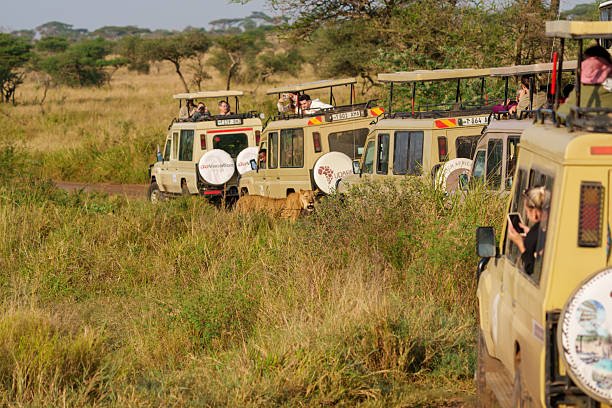
Tanzania is synonymous with unparalleled wildlife viewing, and for good reason. A safari here offers the chance to witness the planet’s most iconic animals in their natural habitat. Climb 4 Africa crafts bespoke safari itineraries for 2026 and 2027, focusing on delivering authentic and awe-inspiring encounters. Your safari experience will be shaped by the parks you visit, the time of year, and your specific interests.
The Northern Circuit Parks: The Crown Jewels
The Northern Circuit is the most famous safari circuit in Tanzania, encompassing a collection of diverse and wildlife-rich national parks. For many, this is the quintessential African safari experience.
- Serengeti National Park: World-renowned for the Great Migration, where millions of wildebeest, zebras, and gazelles traverse the plains in search of fresh grazing. The Serengeti offers vast, open landscapes and incredible predator-prey interactions year-round. The location of the migration shifts, so timing is crucial for the 2026-2027 safari season.
- Ngorongoro Conservation Area: Home to the Ngorongoro Crater, a UNESCO World Heritage Site and the world’s largest intact caldera. It boasts an exceptionally high density of wildlife, including the Big Five (lion, leopard, elephant, rhino, buffalo), with rhinos being a particular highlight. The crater floor is a compact and impressive ecosystem.
- Tarangire National Park: Famous for its large elephant herds and iconic baobab trees. It’s particularly spectacular during the dry season (June-October) when wildlife congregates around the Tarangire River.
- Lake Manyara National Park: Known for its tree-climbing lions, large troops of baboons, and a beautiful alkaline lake that attracts a wealth of birdlife, including flamingos.
- Arusha National Park: A smaller park offering stunning views of Mount Meru and a chance to see colobus monkeys and diverse bird species. It’s a great starting point or a shorter addition to a safari.
The Great Migration: Timing is Everything for 2026-2027
The timing of your safari in 2026 or 2027 will heavily influence your chances of witnessing the Great Migration. This spectacular natural phenomenon is a continuous cycle:
- December-March: Calving season in the southern Serengeti. Newborns join the herds, and predators are abundant.
- April-May: The herds begin their northward movement, often facing heavy rains.
- June-July: The migration crosses the Grumeti River in the western Serengeti, a dramatic event with crocodiles.
- August-October: The herds are in the northern Serengeti, often preparing to cross the Mara River into Kenya, another intense river crossing spectacle.
Climb 4 Africa can advise on the best locations and lodges for your 2026-2027 safari based on the predicted migration patterns.
Beyond the Northern Circuit: Southern and Western Tanzania
For those seeking a more off-the-beaten-path experience, Tanzania offers incredible destinations in its southern and western regions:
- Selous Game Reserve (Nyerere National Park): Africa’s largest game reserve, offering boat safaris, walking safaris, and game drives. It’s known for its wild dog populations and diverse birdlife.
- Ruaha National Park: Tanzania’s largest national park, known for its rugged landscapes, large elephant and buffalo herds, and a high concentration of predators, particularly lions.
- Gombe Stream National Park: Famous for chimpanzee trekking, pioneered by Jane Goodall.
- Mahale Mountains National Park: Another prime location for chimpanzee trekking, set against a stunning backdrop of mountains meeting Lake Tanganyika.
These parks offer a different kind of safari, often with fewer vehicles and a more intimate wildlife experience, ideal for 2026-2027 adventurers looking for something unique.
Safari Accommodation Options
Safari accommodation ranges from rustic tented camps to luxurious lodges, each offering a distinct experience:
- Tented Camps: Offer a close-to-nature feel, often with canvas tents on permanent platforms, en-suite bathrooms, and comfortable furnishings.
- Lodges: Permanent structures with more amenities, swimming pools, and fine dining options.
- Luxury Camps/Lodges: High-end properties providing exceptional service, gourmet meals, and exclusive locations.
Climb 4 Africa partners with a range of accommodations to suit different budgets and preferences for your 2026-2027 safari planning.
Seamlessly Combining Kilimanjaro Treks and Tanzania Safaris
A classic Tanzanian adventure often involves both conquering Kilimanjaro and experiencing a wildlife safari. Climb 4 Africa excels at creating integrated itineraries that flow logically, maximizing your time and minimizing travel hassle for your 2026-2027 trip.
Typical Itinerary Flow
A common and highly recommended sequence is:
- Arrive in Arusha/Kilimanjaro International Airport (JRO): Transfer to your hotel for rest and preparation.
- Kilimanjaro Climb: Typically 6-8 days, depending on the chosen route.
- Post-Climb Recovery: A day or two of rest in Arusha to recover and freshen up.
- Tanzania Safari: Usually 3-7 days, exploring the Northern Circuit parks.
- Optional Zanzibar Extension: Relax on the beaches or explore Stone Town.
- Departure: From Kilimanjaro International Airport or Zanzibar.
This structure allows for acclimatization and recovery from the trek before embarking on the safari, and vice versa if you choose to safari first. The order can be adjusted based on your preferences and flight schedules for 2026-2027.
Logistical Considerations for Combined Trips
When combining a trek and a safari, several logistical points are crucial:
- Timing: Ensure sufficient time for both activities, including travel days and rest periods. A 10-14 day trip is common for a standard climb and safari.
- Gear: You’ll need specialized gear for Kilimanjaro. While some can be rented, ensure you have suitable clothing for both the cold mountain and the warm safari climate. Climb 4 Africa provides detailed packing lists.
- Pacing: Don’t overschedule. Allow for rest and unexpected delays. A well-paced itinerary is key to enjoyment and success for your 2026-2027 adventure.
- Transfers: Climb 4 Africa handles all airport transfers, hotel-to-park, and inter-park transfers, ensuring smooth transitions.
We recommend a minimum of 10 days for a combined 7-day Kilimanjaro climb and a 3-day safari, but 14 days or more allows for a more relaxed pace and deeper exploration.
Essential Logistics: Visas, Vaccinations, Packing, and Travel Insurance for 2026-2027
Proper preparation is key to a successful and worry-free adventure. Climb 4 Africa provides guidance on all the essential logistical aspects for your 2026-2027 travels.
Visas and Entry Requirements
Most nationalities require a visa to enter Tanzania. You can typically apply for a tourist visa online through the Tanzanian Immigration website or obtain one on arrival at Kilimanjaro International Airport (JRO). It’s advisable to check the latest requirements well in advance of your 2026-2027 trip, as regulations can change.
- Visa Application: Start the process at least 1-2 months before departure.
- Passport Validity: Ensure your passport is valid for at least six months beyond your intended stay and has at least two blank pages.
Health and Vaccinations
Consult your doctor or a travel clinic at least 4-6 weeks before your trip regarding recommended vaccinations and malaria precautions. Common recommendations include:
- Yellow Fever: Vaccination is often required, especially if arriving from or transiting through a country with a risk of yellow fever. Carry your vaccination certificate.
- Hepatitis A & B, Typhoid: Recommended for most travelers to Tanzania.
- Malaria: Tanzania is a malaria-risk area. Discuss antimalarial medication with your doctor.
- Altitude Sickness: There is no medication to prevent altitude sickness (Acute Mountain Sickness – AMS), but proper acclimatization, hydration, and a slow ascent are the best preventatives. Climb 4 Africa’s itineraries are designed with this in mind.
Packing for Kilimanjaro and Safari
Packing correctly is vital for comfort and safety. For Kilimanjaro, layers are essential due to extreme temperature variations. For safari, light, neutral-colored clothing is best.
Kilimanjaro Packing Essentials:
- Base Layers: Moisture-wicking thermal tops and bottoms.
- Mid Layers: Fleece or down jacket for insulation.
- Outer Layer: Waterproof and windproof jacket and trousers.
- Insulated Jacket: A warm down or synthetic jacket for summit night.
- Headwear: Warm hat (beanie), sun hat, balaclava for summit.
- Gloves: Liner gloves and warm, waterproof outer gloves.
- Footwear: Broken-in hiking boots, comfortable camp shoes/sandals.
- Socks: Wool or synthetic hiking socks.
- Sleeping Bag: Rated for -15°C to -20°C (4-season bag).
- Trekking Poles: Highly recommended for stability and reducing knee strain.
- Headlamp: With extra batteries.
- Sun Protection: High SPF sunscreen, sunglasses, lip balm.
- Hydration: Water bottles or hydration reservoir, purification tablets/filter.
- Personal Items: First-aid kit, toiletries, camera, power bank.
Safari Packing Essentials:
- Lightweight, neutral-colored clothing (khaki, green, brown).
- Long-sleeved shirts and trousers for sun/insect protection.
- Comfortable walking shoes or sneakers.
- Hat with a wide brim for sun protection.
- Binoculars for wildlife viewing.
- Camera with zoom lens.
- Insect repellent.
- Swimsuit (if staying at lodges with pools).
Travel Insurance
Comprehensive travel insurance is mandatory for all Climb 4 Africa Kilimanjaro treks and highly recommended for safaris. It should cover:
- Emergency medical expenses and evacuation: Crucial for high-altitude treks. Ensure it covers evacuation from remote areas.
- Trip cancellation and interruption: Protects your investment if you need to cancel or cut your trip short.
- Lost or stolen baggage.
Climb 4 Africa can provide recommendations for insurance providers that meet our requirements for 2026-2027 bookings.
Understanding Costs: What to Expect for Kilimanjaro Climbs and Safaris in 2026-2027
The cost of a Kilimanjaro climb or Tanzania safari can vary significantly based on the route, duration, accommodation standard, and inclusions. Climb 4 Africa is committed to offering competitive pricing without compromising on safety, quality, or the experience of our clients for 2026-2027 expeditions.
Kilimanjaro Climb Costs
Prices for Kilimanjaro climbs typically range from $2,000 to $4,500+ per person for standard packages, depending on the route and duration. Factors influencing the price include:
- Route Length: Longer routes (e.g., Lemosho 8-day, Northern Circuit 9-day) are more expensive due to additional days of park fees, guide/porter wages, and supplies.
- Inclusions: Reputable operators like Climb 4 Africa generally include park fees, crew wages, meals on the mountain, tents, sleeping mats, and airport transfers.
- Accommodation: The Marangu route (huts) may have different pricing structures than camping routes.
- Group Size: Private climbs are more expensive than joining a group departure.
- Operator: Local operators often offer better value and direct support. Climb 4 Africa is a local expert committed to fair wages for our crew.
What’s typically included by Climb 4 Africa:
- Park entry fees, rescue fees, and crater service fees.
- Professional, experienced guides (English-speaking).
- Assistant guides, cooks, and porters.
- All meals on the mountain.
- Quality camping equipment (tents, mess tent, toilet tent).
- Boiled water for drinking.
- Transfers to and from Kilimanjaro National Park gate.
- Accommodation in Arusha before and after the climb (often included in packages).
- Portable oxygen cylinders for emergency use.
What’s typically NOT included:
- International flights.
- Visa fees.
- Travel insurance (mandatory).
- Tips for guides, porters, and cooks (a significant part of their income).
- Personal climbing gear (can be rented).
- Lunches, dinners, and drinks in Arusha hotels.
- Personal expenses.
Tanzania Safari Costs
Safari costs vary widely based on:
- Duration: Longer safaris naturally cost more.
- Parks Visited: Some parks have higher entry fees.
- Accommodation: Budget camping, mid-range lodges, or luxury tented camps/lodges.
- Vehicle Type: Private 4×4 safari vehicle with a pop-up roof is standard.
- Group Size: Private safaris are more expensive per day than joining a scheduled group safari.
For a typical 5-day Northern Circuit safari in 2026-2027, expect prices to range from $1,500 to $4,000+ per person, depending heavily on accommodation choice. Climb 4 Africa offers a spectrum of options, from comfortable camping safaris to luxury lodge experiences.
Climb 4 Africa’s safari packages generally include:
- Private 4×4 safari vehicle with a professional driver-guide.
- Park entrance fees.
- Accommodation as per itinerary.
- All meals during the safari (breakfast, lunch, dinner).
- Unlimited mileage within parks.
- Bottled water in the vehicle.
- Airport transfers.
Not typically included:
- International flights.
- Visa fees.
- Travel insurance.
- Tips for driver-guide.
- Alcoholic beverages and soft drinks (sometimes).
- Optional activities (e.g., hot air balloon safari).
Value with Climb 4 Africa
When comparing prices for 2026-2027, look beyond the headline figure. Climb 4 Africa’s value lies in:
- Local Expertise: We know the mountains and parks intimately.
- Experienced, Well-Paid Crew: We prioritize the safety and well-being of our guides and porters.
- Safety Standards: Comprehensive safety protocols, including oxygen, medical kits, and communication devices.
- Quality Equipment: Well-maintained tents, sleeping bags (for rent), and trekking gear.
- Personalized Service: Tailor-made itineraries and responsive communication.
We encourage you to contact us directly for a personalized quote for your 2026-2027 adventure.
Booking Your Tanzanian Adventure with Climb 4 Africa
Ready to turn your dream of climbing Kilimanjaro or exploring Tanzania into reality for 2026 or 2027? Climb 4 Africa makes the booking process straightforward and supportive. We pride ourselves on being a local company that offers exceptional value, safety, and authentic experiences.
Why Choose Climb 4 Africa?
- Local Ownership & Operations: Our deep roots in Tanzania mean we understand the local landscape, culture, and logistical needs better than anyone. This translates to more authentic experiences and direct support.
- Safety First: Your well-being is paramount. We adhere to strict safety protocols, employ highly trained guides, and carry essential medical equipment, including supplementary oxygen for Kilimanjaro climbs.
- Experienced Guides & Crew: Our guides are not only knowledgeable about the mountain and wildlife but also passionate about sharing Tanzania’s wonders. We ensure fair wages and good working conditions for our entire team.
- Tailor-Made Itineraries: Whether you want a challenging Kilimanjaro trek, a family-friendly safari, or a combination with Zanzibar, we customize every detail to match your interests and budget for 2026-2027.
- Transparency: We provide clear information about what’s included in our packages, so there are no hidden surprises.
The Booking Process
Booking your Kilimanjaro climb or safari with Climb 4 Africa is a collaborative process:
- Initial Inquiry: Reach out to us with your desired dates (e.g., for 2026 or 2027), preferred activities (climb, safari, Zanzibar), group size, and any specific interests.
- Personalized Quote & Itinerary: We will then work with you to develop a detailed itinerary and provide a transparent quote outlining all inclusions and exclusions.
- Confirmation & Deposit: Once you approve the itinerary, we’ll request a deposit to secure your booking and confirm dates.
- Pre-Trip Planning: We provide comprehensive pre-trip information, including packing lists, visa advice, and health recommendations.
- Final Payment: The balance payment is typically due a few weeks before your departure.
- Welcome in Tanzania: Our team will meet you upon arrival, ensuring a smooth start to your adventure.
We are here to answer all your questions, no matter how small, throughout the planning stages for your 2026-2027 trip. Your adventure starts with a conversation.
Ready to plan your dream 2026-2027 adventure? Contact Climb 4 Africa today to start crafting your personalized Kilimanjaro climb, Tanzania safari, or combined experience. You can reach us via WhatsApp at +255 747 477 898 or by email at climb4africa@gmail.com. Let us help you make your African journey unforgettable.
Check Availability for Climb 4 Africa: Your Expert Guide To Kilimanjaro Trekking And Tanzania
Ready to compare dates, prices, and the best option for your group? Send the package name and travel month so the team can reply with a clear quote, availability, and what is included.