
The best time to visit Laetoli Footprints is generally during the dry seasons, from June to October and again from December to February. These periods offer the most favorable weather conditions with less rain, making travel smoother and the site more accessible, particularly crucial for reaching this remote paleontological treasure during 2026 and 2027.

Understanding Laetoli: More Than Just Footprints
Laetoli, located in the Ngorongoro Conservation Area of northern Tanzania, is a site of immense scientific importance. It’s not just about the footprints themselves, but the story they tell. Discovered in 1976 by Mary Leakey, the Laetoli site preserves a remarkable record of hominin movement from approximately 3.6 million years ago. The most famous discovery, Site G, contains a trail of footprints left by three individuals, believed to be Australopithecus afarensis – the same species as the famous ‘Lucy’ skeleton. These prints, preserved in volcanic ash, provide invaluable insights into early human bipedalism, social behavior, and the environment in which our ancestors lived. Visiting Laetoli is a journey back in time, offering a tangible connection to the deep history of humanity. Understanding its significance helps shape the anticipation for a visit, making the choice of when to go even more critical for a fulfilling experience.
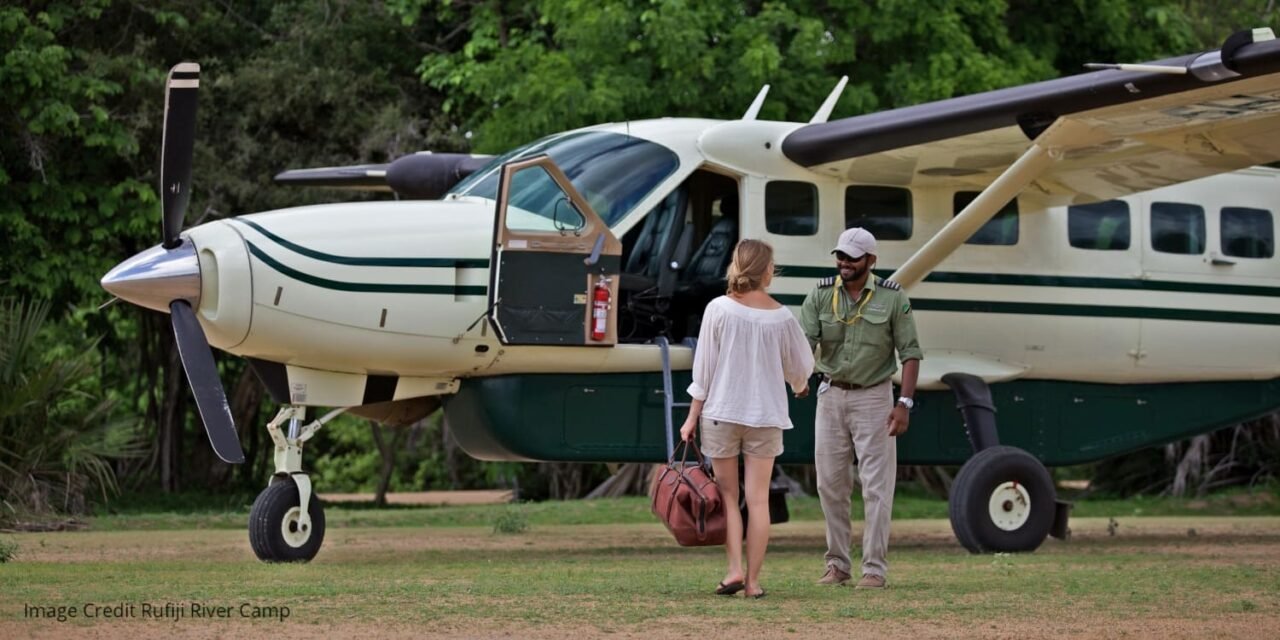
The site itself is managed by the Tanzanian government, and access is controlled to protect the delicate fossilized prints. Visitors typically travel from nearby towns like Karatu or Arusha, often as part of a larger safari itinerary. The journey to Laetoli can be an adventure in itself, traversing landscapes that have changed little over millennia, though the infrastructure connecting it has evolved. For travelers planning their trip for 2026 or 2027, considering the logistical challenges and the delicate nature of the site is paramount when deciding on the best time to visit Laetoli Footprints.
Tanzania’s Climate and Laetoli’s Weather Patterns
Tanzania, situated near the equator, experiences a tropical climate, but its diverse topography leads to regional variations. Laetoli, being in the northern highlands and part of the Ngorongoro Conservation Area, shares a climate influenced by its altitude and proximity to the Great Rift Valley. Understanding these patterns is key to determining the best time to visit Laetoli Footprints.
The Long Dry Season (June – October)
This is widely considered the prime time for visiting most of Tanzania’s northern circuit attractions, including Laetoli. During these months, rainfall is minimal to non-existent. The skies are generally clear, offering excellent visibility for sightseeing and photography. Daytime temperatures are pleasantly warm, typically ranging from the mid-20s to low 30s Celsius (mid-70s to low 90s Fahrenheit), while nights can be cooler, especially at higher elevations. This dry spell makes roads more passable and reduces the chances of travel disruptions. For Laetoli specifically, this means easier access to the site and a more comfortable experience for exploring the outdoor exhibits and surrounding areas. The dry season also coincides with the Great Migration in the Serengeti, making it a popular period for combining a visit to Laetoli with a classic wildlife safari. Booking well in advance for 2026 and 2027 is highly recommended during this peak season.
The minimal rain during this period means the ground is dry, which can sometimes lead to dustier conditions, particularly on unpaved roads. However, the benefits of clear skies and reliable access usually outweigh this minor inconvenience for most travelers. The landscape, while dry, remains visually striking, and the clarity of the air enhances the panoramic views of the African savanna.
The Short Dry Season (December – February)
Another window of opportunity for visiting Laetoli falls between December and February. This period, often referred to as the ‘short rains’ or a brief dry spell, generally offers good weather, though it’s less predictable than the long dry season. Sunshine is abundant, with temperatures similar to the June-October period. Rainfall, when it occurs, is usually in the form of short, intense afternoon showers rather than prolonged downpours. This can make travel manageable, and the landscape is often a bit greener than during the peak dry months due to preceding rains. For those looking to avoid the absolute peak crowds of the June-October window, this period can be an attractive alternative for visiting Laetoli in 2026-2027. It’s also a popular time for family travel, as it often aligns with school holidays.
While generally good, the unpredictability of the short rains means that there’s a slightly higher chance of encountering muddy conditions or occasional travel delays compared to the long dry season. However, for many, the appeal of combining a visit to Laetoli with festive holiday travel or experiencing a slightly different, less arid landscape makes this period highly desirable.
The Green Seasons (March – May & November)
The periods from March to May and November are typically characterized by rain. The main rainy season (March-May) can bring heavy, persistent downpours, making travel difficult and potentially impacting accessibility to sites like Laetoli. Roads can become impassable, and outdoor activities may be curtailed. November often experiences lighter, more sporadic rains, sometimes referred to as the ‘short rains’ or ‘vuli’. While these months are less ideal for general tourism due to potential weather disruptions and muddy conditions, they offer a dramatically different perspective. The landscape is lush and green, wildlife might be more concentrated around permanent water sources, and tourist numbers are significantly lower, offering a more serene experience. For the dedicated traveler prioritizing fewer crowds and a vibrant green scenery over guaranteed sunshine, these periods might still hold appeal, though careful planning and flexibility are essential when considering a visit to Laetoli Footprints during these times in 2026-2027.
The ‘green season’ can be a photographer’s dream with its vibrant colors, and for birdwatchers, it’s often a prime time. However, for a site like Laetoli, where accessibility and comfortable outdoor exploration are key, the risks associated with heavy rains and poor road conditions generally make the dry seasons the preferred choice.
Planning Your Visit Around Laetoli Timing
Choosing the right time to visit Laetoli isn’t just about the weather; it involves considering practicalities like accessibility, crowds, and how the visit fits into a broader Tanzanian itinerary. The timing of your trip can significantly influence the overall experience.
Accessibility and Road Conditions
Laetoli is situated in a relatively remote area within the Ngorongoro Conservation Area. The roads leading to the site are predominantly unpaved tracks. During the dry seasons (June-October and December-February), these roads are generally in good condition, making travel by 4×4 safari vehicle straightforward and comfortable. This ensures that a planned visit to Laetoli Footprints in 2026 or 2027 is less likely to be affected by unforeseen travel issues. However, during the rainy seasons (March-May, and to a lesser extent November), these tracks can become heavily waterlogged, muddy, and even impassable. This can lead to significant delays, detours, or even cancellations of planned excursions. Tour operators like Climb 4 Africa constantly monitor road conditions and adjust itineraries as needed, but choosing the dry season minimizes these risks.
It’s important to note that even in the dry season, conditions can vary. Recent rainfall, even if minor, can affect certain stretches. A reputable tour operator will always use robust 4×4 vehicles and experienced drivers who are adept at navigating these challenging terrains, regardless of the season. Nevertheless, the dry season offers the highest degree of certainty regarding access.
Crowds and Visitor Experience
Laetoli is not a mass tourism destination. Due to its remote location and the specialized nature of its appeal, visitor numbers are relatively low compared to more accessible attractions like the Serengeti or Ngorongoro Crater. However, visitor numbers do fluctuate with the seasons. The peak dry season (June-October) coincides with the general peak tourist season in Tanzania, meaning there will be more visitors overall in the region. While Laetoli itself is unlikely to feel crowded, you might encounter other tour groups. The short dry season (December-February) also sees a moderate influx of tourists, particularly around holiday periods. The ‘green seasons’ (March-May and November) typically offer the quietest experience, with fewer tourists, allowing for a more intimate and contemplative visit to the Laetoli Footprints site. For travelers seeking solitude and a more personal connection with this ancient wonder, the shoulder seasons or even the heart of the rainy season (with careful planning) might be appealing for 2026-2027 trips.
The experience at Laetoli is enhanced by having ample time to observe the prints without feeling rushed. While visitor numbers are never overwhelming, choosing a slightly less popular time can certainly contribute to a more relaxed and reflective visit.
Combining Laetoli with Other Tanzanian Attractions
Most visitors to Laetoli do so as part of a larger Tanzanian safari or cultural tour. The site is located within the Ngorongoro Conservation Area, making it a natural addition to itineraries that include the Ngorongoro Crater, the Serengeti National Park, and the vast plains of the Maasai Mara (across the border in Kenya, though Laetoli is in Tanzania). When planning your trip for 2026-2027, consider how the best time to visit Laetoli aligns with the best times for these other destinations.
The dry season (June-October) is ideal for almost all northern circuit parks, offering excellent wildlife viewing and good weather. This makes it the most straightforward time to combine Laetoli with other major attractions. The short dry season (December-February) is also good for wildlife, particularly for witnessing the calving season in the southern Serengeti. The green season, while potentially challenging for road travel to Laetoli, can offer superb birdwatching and dramatic landscapes in other parks. When designing your itinerary, a tour operator like Climb 4 Africa can help balance the optimal timing for each location, ensuring the best overall experience. They can advise on routes that remain accessible even if some minor rain occurs, ensuring your quest to see the Laetoli Footprints isn’t derailed.
Factors Influencing Your Decision for 2026-2027
Beyond the general climate, several personal and practical factors can influence the ideal timing for your visit to Laetoli. These considerations are crucial for tailoring your trip to your specific needs and expectations.
Personal Preferences: Weather Tolerance
Your tolerance for heat, humidity, and rain will significantly shape your decision. If you strongly prefer dry, sunny conditions and are comfortable with warm daytime temperatures, the long dry season (June-October) is your best bet. If you don’t mind occasional, brief showers and slightly more humid conditions, the short dry season (December-February) is a viable option. For the truly adventurous who prioritize solitude and don’t mind potentially muddy conditions or a higher chance of rain, the green seasons might offer a unique experience, though this is generally not recommended for first-time visitors to the region seeking the easiest access to Laetoli Footprints.
Consider also the nights. While days are warm, evenings and early mornings can be cool to chilly, especially during the drier, cooler months of June, July, and August. Packing layers is always advisable for Tanzania, irrespective of the season.
Photography and Sightseeing
For photographers, clear skies and good light are paramount. The dry seasons (June-October and December-February) generally provide these conditions, with ample sunshine and less haze. The crisp air of the dry season can offer stunning, wide-ranging views across the plains. However, the lush, vibrant greens of the rainy season (March-May) can be incredibly photogenic, creating a dramatic contrast with the ancient footprints. The challenge during the green season is the unpredictable weather, which can interrupt photography sessions or limit outdoor time. If your primary interest is capturing the Laetoli site and its surroundings in the best possible light and with the most stable conditions, the dry seasons are the clear choice for your 2026-2027 travel plans.
The quality of light changes throughout the day. Early morning and late afternoon often offer the most dramatic lighting, with softer shadows. Planning your visit to Laetoli during these times, regardless of the season, can enhance photographic opportunities.
Wildlife Viewing Opportunities
While Laetoli itself is a paleontological site, it’s located within the Ngorongoro Conservation Area, renowned for its wildlife. The best time for wildlife viewing in the wider region often influences travel dates. The dry seasons (June-October) are peak safari times as animals congregate around dwindling water sources, making them easier to spot on the plains of the Serengeti and in the Ngorongoro Crater. The short dry season (December-February) is excellent for the Serengeti’s southern plains, which become the birthing grounds for the wildebeest migration. During the green season (March-May), wildlife disperses as rains replenish water, making viewing potentially more challenging in some areas, though the landscapes are stunning and birdlife is abundant.
If your trip to Laetoli is part of a broader safari, aligning your visit with optimal wildlife viewing periods will enhance your overall Tanzanian experience. This often means the dry seasons are the most practical choice, offering good weather for Laetoli and excellent game viewing across the northern circuit for 2026-2027.
Logistics of Reaching Laetoli
Getting to Laetoli requires careful planning, as it’s not as straightforward as reaching major safari parks. Understanding the logistics is crucial for choosing the best time to visit Laetoli Footprints and ensuring a smooth journey.
Travel from Arusha
Arusha is the primary gateway city for most northern Tanzania safaris and expeditions, including trips to Laetoli. The journey from Arusha to Laetoli is a significant undertaking, typically involving several hours of driving. It’s usually incorporated as part of a multi-day safari itinerary, often en route to or from the Serengeti or Ngorongoro Crater. Most visitors will arrange this travel through a tour operator. The drive takes you through diverse landscapes, offering glimpses of rural Tanzanian life and scenic vistas as you ascend towards the highlands.
The total travel time from Arusha to Laetoli can range from 5 to 8 hours, depending on road conditions, vehicle type, and the specific route taken. It is strongly advised not to attempt this journey as a day trip from Arusha due to the distances involved and the need for a full-day exploration at the site. An overnight stay in Karatu or a lodge closer to Laetoli is usually recommended.
Transportation Options
The most common and recommended mode of transport to Laetoli is a sturdy 4×4 safari vehicle. These vehicles are essential for navigating the often rough and unpaved roads, especially outside the peak dry season. Equipped with high ground clearance and robust suspension, they can handle the terrain much better than standard cars. Hiring a vehicle with a professional, experienced driver-guide is highly advisable. These guides possess intimate knowledge of the local conditions, can anticipate potential issues with the roads, and often provide valuable insights into the geology and history of the area, enriching your visit to Laetoli Footprints.
Self-driving is possible for very experienced off-road drivers with appropriate vehicles, but it is generally not recommended due to the potential for getting stuck, navigation challenges, and the lack of immediate support. Relying on a reputable tour operator ensures that your transportation is safe, reliable, and suitable for reaching this unique paleontological site during your 2026-2027 travels.
Accommodation Near Laetoli
While there are no luxury lodges directly at the Laetoli site itself, accommodation options are available in the surrounding areas, primarily in and around the town of Karatu, which is about 1.5 to 2 hours’ drive away. Karatu offers a range of lodges and guesthouses, from budget-friendly to more comfortable mid-range options. Some lodges are situated on coffee plantations or hillsides, offering beautiful views and a peaceful atmosphere. For those seeking a closer experience, there might be more basic tented camps or smaller lodges situated closer to the Ngorongoro Conservation Area boundary, which can reduce driving time on the day of your visit.
When planning for 2026-2027, booking accommodation in advance is essential, especially during the peak dry season. Consider whether you prefer to stay closer to Laetoli for easier access, or in Karatu, which offers more amenities and is a convenient base for exploring the Ngorongoro Crater as well. A good tour operator can recommend and book lodging that perfectly complements your chosen travel dates and overall itinerary.
Booking and Preparation for 2026-2027
To ensure you experience the Laetoli Footprints at the optimal time, meticulous planning and booking are crucial, especially when looking ahead to 2026 and 2027. The best time to visit Laetoli Footprints will depend on your priorities, but securing your arrangements early is always a wise strategy.
Booking Window: For the peak dry season (June-October) and popular holiday periods (like December-February), it is advisable to book your Tanzanian safari and any specific excursions to Laetoli at least 6-12 months in advance. This is particularly true for 2026 and 2027, as travel demand continues to grow. Early booking ensures availability of preferred accommodation, vehicles, and guides. For the less popular ‘green seasons’, a shorter booking window might suffice, but booking 3-6 months ahead is still recommended for comprehensive planning.
What to Pack: Regardless of the season, pack light, breathable clothing in neutral colors for daytime. Include a warm fleece or jacket for cooler evenings and mornings, a hat, sunglasses, and high-SPF sunscreen. Comfortable walking shoes are essential for exploring the site. Bring insect repellent, especially if staying in lodges or camps. Binoculars are a must for wildlife viewing. A camera with extra batteries and memory cards is vital for capturing the ancient prints and the surrounding landscapes.
Travel Insurance: Comprehensive travel insurance is non-negotiable. Ensure it covers medical emergencies, trip cancellations, and any potential evacuation needs. Given the remote nature of some locations in Tanzania, including Laetoli, adequate coverage is paramount.
Consulting Experts: The most effective way to plan your visit to Laetoli, especially for 2026-2027, is to work with experienced tour operators. Climb 4 Africa specializes in crafting tailor-made Tanzanian travel experiences. They understand the nuances of the climate, road conditions, and the logistical challenges of reaching sites like Laetoli. By contacting them, you can discuss your preferences for weather, crowd levels, and other destinations you wish to include in your itinerary. They can then propose the best timing and itinerary to ensure your visit to the Laetoli Footprints is both scientifically fascinating and logistically smooth. Reach out to Climb 4 Africa via WhatsApp at +255 747 477 898 or email them at climb4africa@gmail.com to start planning your unforgettable journey to this incredible piece of human history.
Check Availability for Best Time To Visit Laetoli Footprints: A Visitors Guide For 2026-2027
Ready to compare dates, prices, and the best option for your group? Send the package name and travel month so the team can reply with a clear quote, availability, and what is included.



