
Finding the best flights from Toronto to Kilimanjaro (JRO) for your Tanzania safari in 2026 or 2027 typically involves one or two layovers, often in European hubs like Amsterdam, London, or Istanbul, or sometimes via the Middle East. Direct flights are not available. The key to securing the best options lies in booking several months in advance, comparing airlines such as KLM, Turkish Airlines, Qatar Airways, and Ethiopian Airlines, and being flexible with travel dates to align with safari and trekking seasons. Consider which arrival airport best suits your immediate safari or Kilimanjaro climb plans, as Kilimanjaro International Airport (JRO) is the primary gateway.

Understanding Kilimanjaro International Airport (JRO)
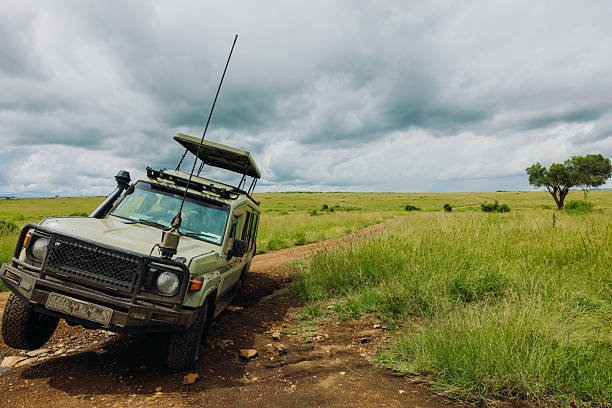
Kilimanjaro International Airport (JRO), officially known as Kilimanjaro International Airport, is the main gateway for most travelers heading to northern Tanzania, including those planning a Kilimanjaro climb or embarking on a Tanzania safari. Located between the towns of Arusha and Moshi, it serves as the primary entry point for visitors aiming for iconic destinations like Mount Kilimanjaro itself, the Serengeti National Park, Ngorongoro Conservation Area, Tarangire National Park, and Lake Manyara. Knowing its location and role is crucial for planning your onward travel arrangements once you land.
While JRO is the most convenient airport for starting a safari or trek in northern Tanzania, it’s important to note that it’s not a major international hub. This means you won’t find direct flights from North America, including Toronto. All journeys will involve at least one, and often two, layovers. The airport itself is relatively small but functional, equipped to handle international arrivals and departures. Immigration and customs procedures are standard, and upon arrival, you’ll find various services including currency exchange, ATMs, and car rental desks, though pre-booked transfers are highly recommended for a smoother transition to your accommodation or starting point.
For travelers specifically interested in reaching the coast, such as for a Zanzibar holiday, flying into Julius Nyerere International Airport (DAR) in Dar es Salaam is an alternative. However, for the classic northern circuit safaris and Kilimanjaro treks, JRO remains the preferred and most logical choice. The proximity of JRO to Arusha (approximately 40-50 km) and Moshi (approximately 40-50 km) means you can typically reach your lodge or base camp within an hour to an hour and a half after clearing customs and immigration. This efficiency is a significant advantage after a long international flight from Toronto.
When considering flights for 2026-2027 Tanzania safaris, factor in the arrival time at JRO. Early morning arrivals can be beneficial, allowing you to start your safari or begin your Kilimanjaro preparation on the same day. Conversely, late evening arrivals might necessitate an overnight stay near the airport or in Arusha/Moshi, which is often arranged as part of your tour package. Understanding these logistical nuances of JRO helps in choosing the flight that best aligns with your overall itinerary and travel pace.
Common Flight Routes from Toronto to Kilimanjaro
The journey from Toronto (YYZ) to Kilimanjaro (JRO) is a significant one, spanning thousands of kilometers and typically requiring multiple stops. There are no direct flights, so understanding the common routing options is essential for making informed decisions about your travel in 2026 or 2027.
1. Via European Hubs: This is arguably the most frequent and often preferred route. Airlines like KLM, Lufthansa, Swiss, and Turkish Airlines are key players here. A typical itinerary would look like this:
- Toronto (YYZ) to Amsterdam (AMS) with KLM: This is a very common first leg, with KLM offering extensive connections from North America to their Amsterdam hub. From AMS, you would then connect to Kilimanjaro (JRO).
- Toronto (YYZ) to Frankfurt (FRA) or Munich (MUC) with Lufthansa, or Zurich (ZRH) with Swiss: These German and Swiss hubs also offer good connections to East Africa. The journey would involve YYZ-FRA/MUC/ZRH and then a connecting flight to JRO, often via another European city or sometimes directly to Kilimanjaro.
- Toronto (YYZ) to London Heathrow (LHR) with Air Canada or British Airways: While less common for direct JRO connections than AMS or FRA, some routes might route through London. You might then connect to a flight operated by a partner airline or a carrier like Kenya Airways (which sometimes codeshares with KLM or British Airways) that flies to Nairobi (NBO) or directly to JRO.
- Toronto (YYZ) to Istanbul (IST) with Turkish Airlines: Turkish Airlines offers a comprehensive network, and their Istanbul hub is a viable option. The route would be YYZ-IST, followed by a connection from IST to JRO. This route can sometimes offer competitive pricing and a unique layover experience.
2. Via Middle Eastern Hubs: Airlines like Qatar Airways and Emirates offer another set of popular routing options, often favored for their service quality and strategic network.
- Toronto (YYZ) to Doha (DOH) with Qatar Airways: This route takes you from Toronto to Qatar’s capital, followed by a connecting flight from DOH to Kilimanjaro (JRO). Qatar Airways is known for its excellent onboard service and a wide network.
- Toronto (YYZ) to Dubai (DXB) with Emirates: While Emirates has a strong presence in East Africa, direct flights from Dubai to Kilimanjaro are less common than to Nairobi or Dar es Salaam. You might fly YYZ-DXB and then connect to a flight to DAR or NBO, requiring a further connection or overland travel to Kilimanjaro.
3. Via African Hubs (Less Common for Direct Toronto Connection): While not direct from Toronto, some routes might involve a stop in a major African city before reaching Kilimanjaro.
- Toronto (YYZ) to Addis Ababa (ADD) with Ethiopian Airlines: Ethiopian Airlines is a major player in African aviation and offers extensive routes across the continent. The path would be YYZ-ADD, followed by a connection from ADD to JRO. This can be a very efficient route, especially if your safari is planned to start immediately upon arrival.
- Toronto (YYZ) to Nairobi (NBO) with Kenya Airways or other partners: Flights might route through Nairobi. From Toronto, you might connect via a European or Middle Eastern hub to NBO, and then take a short regional flight or overland transfer to Kilimanjaro.
Key Considerations for Routes:
- Layover Duration: Pay close attention to the length of your layovers. Shorter layovers (1-3 hours) are convenient but carry a higher risk of missing connections if the first flight is delayed. Longer layovers (5+ hours) might allow for a quick city tour or a meal, but can also be tiring.
- Airport Transfers: If your layover involves changing airports (e.g., from LHR to LGW, though less common for JRO flights), ensure you have ample time and understand the transfer process. Most major hubs facilitate easy intra-terminal transfers.
- Baggage Allowance: Different airlines and even different fare classes have varying baggage policies. Confirm allowances for checked and carry-on luggage for each segment of your journey, especially if you have a multi-airline itinerary. This is crucial for safari packing, where weight can sometimes be a consideration for light aircraft transfers.
When searching for flights from Toronto to Kilimanjaro for Tanzania safari 2026-2027, use flight comparison websites but also check airline sites directly. Prices and availability can fluctuate significantly, so early booking is highly recommended, particularly for peak safari and climbing seasons.
Major Airlines Serving the Toronto-Kilimanjaro Route
When planning your journey from Toronto (YYZ) to Kilimanjaro (JRO) for a Tanzania safari or Kilimanjaro climb in 2026 or 2027, several major airlines are your most likely candidates. Understanding their typical routes and service can help you make the best choice.
1. KLM Royal Dutch Airlines:
- Hub: Amsterdam (AMS).
- Typical Route: Toronto (YYZ) to Amsterdam (AMS), then a connecting flight from AMS to Kilimanjaro (JRO).
- Pros: KLM is a very established carrier with frequent flights from Toronto. Their AMS hub is efficient for transfers, and they often have competitive pricing. They are part of the SkyTeam alliance.
- Cons: While generally reliable, flight schedules can change, impacting layover times.
2. Turkish Airlines:
- Hub: Istanbul (IST).
- Typical Route: Toronto (YYZ) to Istanbul (IST), then a connecting flight from IST to Kilimanjaro (JRO).
- Pros: Turkish Airlines offers a vast network and often competitive fares. Istanbul’s new airport is a modern and impressive hub. They are known for good service and in-flight amenities. They are part of the Star Alliance.
- Cons: The route via Istanbul can sometimes be longer than via European hubs, depending on flight timings.
3. Qatar Airways:
- Hub: Doha (DOH).
- Typical Route: Toronto (YYZ) to Doha (DOH), then a connecting flight from DOH to Kilimanjaro (JRO).
- Pros: Qatar Airways consistently ranks high for service and passenger experience. Doha’s Hamad International Airport is a world-class facility. They are part of the Oneworld alliance.
- Cons: Similar to Turkish Airlines, the routing can sometimes add to the total travel time compared to direct European connections.
4. Ethiopian Airlines:
- Hub: Addis Ababa (ADD).
- Typical Route: Toronto (YYZ) to Addis Ababa (ADD), then a connecting flight from ADD to Kilimanjaro (JRO).
- Pros: Ethiopian Airlines is a dominant force in African aviation, offering excellent connectivity within the continent. Their pricing can be very attractive, and Addis Ababa is a major African hub. They are part of the Star Alliance.
- Cons: While service has improved significantly, some travelers may find the long-haul experience slightly less refined than European or Middle Eastern carriers.
5. Lufthansa / Swiss / Austrian Airlines:
- Hubs: Frankfurt (FRA), Munich (MUC) for Lufthansa; Zurich (ZRH) for Swiss; Vienna (VIE) for Austrian.
- Typical Route: Toronto (YYZ) to one of these German/Swiss/Austrian hubs, then a connection to Kilimanjaro (JRO), sometimes via another European city or Nairobi (NBO).
- Pros: These carriers offer reliable service and are part of the Star Alliance. Their European hubs are well-organized for transfers.
- Cons: Flight schedules and pricing might not always be as competitive as KLM or Turkish Airlines for this specific route.
6. Air Canada / British Airways:
- Hubs: Toronto (YYZ) for Air Canada; London Heathrow (LHR) for British Airways.
- Typical Route: Air Canada might offer flights to European hubs, connecting with British Airways or partner airlines. British Airways typically flies YYZ-LHR, then LHR to Nairobi (NBO) or Kilimanjaro (JRO).
- Pros: For Canadians, flying with Air Canada offers the familiarity of a national carrier. British Airways provides a strong option for the transatlantic leg.
- Cons: Direct connections from London to JRO can be less frequent than from Amsterdam or Istanbul. You might end up with a flight to Nairobi (NBO) followed by a separate, shorter flight or overland transfer to Kilimanjaro, adding complexity.
Other Possibilities:
- Emirates: Flights typically go YYZ-DXB, then potentially to Dar es Salaam (DAR) or Nairobi (NBO), requiring further arrangements.
- Kenya Airways: Often codeshares with KLM or other partners, or flies YYZ to NBO, then NBO to JRO.
Booking Tip for 2026-2027: When comparing airlines, look beyond just the price. Consider the total travel time, the length and number of layovers, the quality of the airline’s service, and their baggage policies. For a long journey like Toronto to Kilimanjaro, comfort and reliability can significantly impact the start of your adventure.
Smart Booking Strategies for 2026-2027 Travel
Securing the best flights from Toronto to Kilimanjaro for your Tanzania safari or Kilimanjaro climb in 2026 or 2027 requires a strategic approach. Airlines operate on dynamic pricing, influenced by demand, season, and how far in advance you book. Here’s how to maximize your chances of finding good fares and convenient schedules:
1. Book Early: The Golden Rule
- When to Book: For peak seasons (typically June-October and December-February), aim to book your flights 6 to 9 months in advance. For off-peak or shoulder seasons, 3 to 6 months might suffice, but earlier is almost always better for the best selection and prices. This is especially true for 2026-2027 travel as demand for African travel continues to grow.
- Why it Matters: Airlines release their cheapest fare buckets first. As these sell out, prices increase. Booking early also gives you the best chance to secure preferred layover times and direct connections within your chosen airline’s network.
2. Be Flexible with Dates
- Mid-Week Travel: Flights on Tuesdays, Wednesdays, and Thursdays are often cheaper than those departing on Fridays, Saturdays, or Sundays.
- Consider Shoulder Seasons: While peak seasons offer the best weather, shoulder seasons (e.g., March-May, September-November) can provide significant savings on flights and often still offer good safari and climbing conditions, albeit with a higher chance of rain.
- Use Flight Search Tools: Utilize features like Google Flights’ calendar view or Skyscanner’s ‘whole month’ search to easily spot cheaper travel days around your desired departure or arrival window.
3. Compare, Compare, Compare
- Use Multiple Search Engines: Websites like Google Flights, Skyscanner, Kayak, and Momondo are excellent for comparing prices across various airlines and online travel agencies (OTAs).
- Check Airline Websites Directly: Once you’ve identified potential flights, always check the airline’s own website. Sometimes they offer slightly better prices or more favorable terms directly. This is also crucial for understanding specific baggage rules or making seat selections.
- Consider All-in-One Packages: While focusing on flights, remember that your safari or Kilimanjaro climb operator (like Climb 4 Africa) can often assist with or advise on flight bookings, sometimes securing group rates or understanding the best arrival airports for their tours.
4. Understand Layovers and Connections
- Layover Duration: Aim for layovers between 2 to 5 hours. Too short, and you risk missing your connection due to delays or long queues. Too long, and you risk exhaustion and potential additional costs for food/accommodation if the layover is overnight.
- Airport Changes: Be wary of itineraries requiring a change of airport (e.g., from JFK to EWR in New York). This adds significant time, stress, and potential for missed connections. Most reputable itineraries will keep you within the same major airport complex.
- Minimum Connection Times (MCT): Airlines and airports have MCTs. If your booking falls below this, it’s usually flagged as a risky connection.
5. Watch for Price Alerts
- Set up price alerts on flight comparison websites for your desired Toronto-Kilimanjaro route. This way, you’ll be notified if fares drop.
6. Consider Alliance Benefits
- If you collect miles with a particular airline alliance (Star Alliance, Oneworld, SkyTeam), look for flights operated by alliance partners. This allows you to earn miles on your long journey to Kilimanjaro, which can be valuable for future travel.
7. Be Aware of Visa and Entry Requirements
- While not directly flight-related, ensure you have sufficient time to obtain your Tanzanian visa (if required) before your trip. Check the latest requirements for Canadian citizens well in advance of your 2026-2027 travel dates.
8. Direct Contact for Tailored Advice
- For complex itineraries or if you’re combining a Kilimanjaro climb with a safari, speaking directly with a local operator like Climb 4 Africa can be invaluable. They understand the best arrival times and airports for their tours and can offer practical advice on flight timings that optimize your safari or trek experience. Contact them via Email or WhatsApp +255 747 477 898.
Factors Influencing Your Flight Choice
Selecting the best flights from Toronto to Kilimanjaro involves weighing several crucial factors beyond just the ticket price. For your Tanzania safari or Kilimanjaro climb in 2026 or 2027, these considerations can significantly impact your overall travel experience.
1. Total Travel Time & Number of Stops:
- The Trade-off: Flights with fewer stops (one layover) are generally faster but can be more expensive. Flights with two or more stops might be cheaper but considerably longer and more tiring.
- For Kilimanjaro Climbers: Arriving as rested as possible is paramount. A slightly longer flight with a well-timed, comfortable layover might be preferable to a shorter but more rushed journey.
- For Safari-Goers: Similarly, minimizing travel fatigue allows you to start your safari with more energy.
2. Layover Airport & Duration:
- Hub Efficiency: Major hubs like Amsterdam (AMS), Doha (DOH), and Istanbul (IST) are generally well-equipped for international transfers. Some travelers prefer the familiarity of European airports, while others appreciate the modern facilities of Middle Eastern ones.
- Layover Length: A layover of 2-4 hours is often ideal – enough time to navigate the airport and board your next flight without excessive waiting. Longer layovers (6+ hours) can be taxing, and overnight layovers require careful planning for accommodation.
3. Airline Reputation & Service:
- Comfort on Long Haul: For flights exceeding 10-12 hours, the airline’s reputation for comfort, seat pitch, in-flight entertainment, and meal quality becomes important. Airlines like Qatar Airways, Emirates, and KLM often receive high marks in these areas.
- Baggage Policies: This is critical. Check checked baggage allowances, especially if you’re bringing specialized gear for a Kilimanjaro climb. Also, confirm carry-on restrictions. Some budget-friendly options might have very restrictive policies.
4. Arrival Time at JRO:
- Daylight Arrivals: Arriving at JRO during daylight hours allows for easier navigation of the airport and a more pleasant transfer to your lodge in Arusha or Moshi. It also means you can potentially start your safari or acclimatization process on the same day.
- Late Night Arrivals: If your flight lands late, you’ll likely need an overnight stay, which adds to the overall trip cost and time. Ensure your tour operator can arrange airport pick-up and accommodation for late arrivals.
5. Cost vs. Value:
- The Cheapest Isn’t Always Best: The lowest fare might come with inconveniently long layovers, multiple stops, or restrictive baggage allowances. Consider the overall value – balancing cost with convenience, comfort, and reliability.
- Hidden Costs: Factor in potential costs for meals during long layovers, baggage fees, or seat selection fees if not included.
6. Connection to Your Tour Itinerary:
- Operator Recommendations: Your safari or Kilimanjaro tour operator (like Climb 4 Africa) will have insights into the best airlines and flight timings that align with their tour start dates and logistics. They can advise on whether arriving at JRO or potentially a secondary airport like Nairobi (NBO) followed by a transfer makes more sense for your specific package.
- Post-Flight Logistics: Ensure your chosen flight schedule allows sufficient time for airport procedures (immigration, baggage claim, customs) before meeting your transfer driver. Rushing this can be stressful.
7. Travel Insurance Considerations:
- Trip Interruption/Cancellation: Ensure your travel insurance covers flight delays or cancellations, especially with multiple legs. This is crucial for international travel where disruptions can be costly.
By carefully evaluating these factors, you can move beyond simply finding the cheapest ticket and instead select the best flights from Toronto to Kilimanjaro that truly support a smooth and enjoyable start to your 2026-2027 Tanzania adventure.
Preparing for Your Arrival in Tanzania
Landing at Kilimanjaro International Airport (JRO) after a long flight from Toronto marks the beginning of your incredible Tanzania safari or Kilimanjaro climb. Proper preparation for your arrival will ensure a smooth transition and set a positive tone for your trip in 2026 or 2027.
1. Visa and Immigration:
- Visa Requirements: Check the latest visa requirements for Canadian citizens traveling to Tanzania well in advance. Many nationalities can obtain a visa on arrival at JRO, but it’s often advisable to apply online in advance through the official Tanzanian immigration portal to save time and avoid potential issues.
- Required Documents: Have your passport (valid for at least six months beyond your stay), return flight details, and potentially proof of onward travel or accommodation ready for immigration officials.
- Immigration Forms: You may be provided with immigration forms on the aircraft or at the airport. Fill these out accurately and completely.
2. Baggage Claim and Customs:
- Baggage Collection: Follow the signs to the baggage claim area for your flight. If your luggage is delayed or damaged, report it immediately to the airline’s representative at the airport.
- Customs Declaration: Declare any goods as required by Tanzanian customs regulations. Most personal items for tourism are exempt, but it’s wise to be aware of restrictions on items like large amounts of cash, alcohol, or tobacco.
3. Meeting Your Transfer:
- Pre-Arranged Transfers: This is highly recommended. Your safari or Kilimanjaro tour operator, such as Climb 4 Africa, will typically arrange a driver to meet you just outside the arrivals hall.
- Identification: Your driver will usually hold a sign with your name or the company name (e.g., Climb 4 Africa). Take a moment to locate them and confirm their identity before proceeding.
- Contact Information: Keep your operator’s contact details handy (phone number, WhatsApp) in case you have trouble finding your driver or if there are unexpected flight delays.
4. Currency Exchange and ATMs:
- Airport Exchange: There are currency exchange facilities at JRO, but rates may not be the most favorable.
- ATMs: ATMs are available at the airport and dispense Tanzanian Shillings (TZS). It’s often a good idea to withdraw a small amount of local currency for immediate needs like tips or small purchases upon arrival.
- US Dollars: US Dollars are widely accepted for larger payments, especially for visa fees and often for tour operator payments. Ensure you have smaller denominations ($1, $5, $10, $20) for tips and smaller purchases. Check with your tour operator for their preferred currency for payments.
5. Health Precautions:
- Vaccinations: Ensure you have completed any recommended vaccinations and have your Yellow Fever certificate if required (check current regulations).
- Malaria Prevention: If you are traveling to malaria-risk areas, ensure you are taking appropriate antimalarial medication as prescribed by your doctor.
6. Staying Connected:
- Local SIM Cards: You can purchase a local SIM card at the airport or in Arusha/Moshi for more affordable local calls and data. This is often more cost-effective than international roaming.
- Wi-Fi: Wi-Fi is available at most hotels and lodges, though speeds can vary.
7. Initial Transfer to Accommodation:
- Vehicle Comfort: Your transfer vehicle will likely be a safari vehicle or a comfortable van. Enjoy the first sights and sounds of Tanzania as you drive towards Arusha or Moshi.
- Welcome Briefing: Your driver or a representative from your tour operator may provide a brief overview of your upcoming itinerary, answer initial questions, and confirm arrangements for the next day.
By preparing for these aspects, your arrival at JRO will be smooth, allowing you to quickly transition from your long flight from Toronto to the start of your unforgettable Tanzania adventure.
Extending Your Tanzania Adventure: Zanzibar and Beyond
While the primary focus for many flying from Toronto to Kilimanjaro is a Tanzania safari or a Kilimanjaro climb, Tanzania offers far more. The island paradise of Zanzibar, along with other mainland destinations, provides excellent opportunities to extend your 2026-2027 travel experience. Planning for these extensions requires considering how your flights and initial arrival at JRO fit into a broader itinerary.
1. Zanzibar: The Spice Island
- Getting There: From Kilimanjaro (JRO) or Arusha, the most convenient way to reach Zanzibar is by a short domestic flight. Airlines like Precision Air, Coastal Aviation, and often regional carriers operate frequent flights connecting Arusha/Kilimanjaro to Abeid Amani Karume International Airport (ZNZ) in Zanzibar. These flights typically take around 1 to 1.5 hours.
- Alternative: Dar es Salaam: Some travelers fly into JRO, undertake their safari/climb, then fly to Dar es Salaam (DAR) and take a ferry to Zanzibar. However, flying directly from the Kilimanjaro region to Zanzibar is usually more efficient.
- Why Visit: Zanzibar offers stunning white-sand beaches, crystal-clear turquoise waters, rich history in Stone Town (a UNESCO World Heritage site), spice tours, and opportunities for diving, snorkeling, and relaxation after an active safari or trek.
2. Dar es Salaam: Coastal Gateway
- Connectivity: If your itinerary includes southern Tanzania safaris (e.g., Selous Game Reserve, Ruaha National Park), flying into Dar es Salaam (DAR) might be more logical. Flights from JRO to DAR are available, or you might connect via Nairobi.
- Role: Dar es Salaam is Tanzania’s largest city and a major economic hub. It’s a gateway to southern safari parks and offers a different urban Tanzanian experience.
3. Other Northern Circuit Extensions:
- Lake Manyara & Tarangire: Often included in standard northern circuit safaris, these parks offer unique wildlife viewing opportunities, including tree-climbing lions in Manyara and large elephant herds in Tarangire.
- Arusha National Park: A smaller park easily accessible from Arusha, offering canoeing on Momella Lakes and hiking opportunities with views of Mount Meru.
Integrating Extensions with Flights:
- Open-Jaw Tickets: When booking your international flights from Toronto, consider an “open-jaw” ticket. This allows you to fly into Kilimanjaro (JRO) and depart from Zanzibar (ZNZ) or Dar es Salaam (DAR), or vice versa. This avoids backtracking and saves significant time and money on domestic flights.
- Booking Domestic Flights: Domestic flights within Tanzania are best booked in advance, especially for popular routes like Arusha/JRO to Zanzibar. Operators like Climb 4 Africa can assist with these bookings as part of a comprehensive travel package.
- Timing is Key: Ensure sufficient time between your Kilimanjaro climb or safari and your onward flight, especially if it’s a domestic connection. Allow at least 3-4 hours to account for potential delays and airport procedures.
When planning your flights from Toronto to Kilimanjaro, think about the entire Tanzanian experience you envision. Adding Zanzibar or other destinations can transform your trip into a comprehensive African adventure. Discuss these possibilities with your tour operator to craft an itinerary that flows logically and maximizes your time in this beautiful country.
Planning Your Tanzania Safari or Kilimanjaro Climb
Booking your flights from Toronto to Kilimanjaro is just one piece of the puzzle for a successful Tanzania safari or Kilimanjaro climb. Comprehensive planning with a local expert is crucial for an unforgettable experience in 2026-2027.
1. Choosing Your Safari Style:
- Group Safaris: These are cost-effective and offer a social experience. Look for operators like Climb 4 Africa that offer scheduled group departures on popular routes (e.g., Northern Circuit covering Serengeti, Ngorongoro, Manyara, Tarangire). Check their group departure dates for 2026-2027.
- Private Safaris: Offer maximum flexibility, personalized itineraries, and exclusive use of vehicles and guides. Ideal for families, couples, or those with specific interests.
- Luxury vs. Budget: Options range from camping safaris (comfortable tented camps) to mid-range lodges and high-end luxury lodges. Your choice impacts cost and comfort significantly.
2. Selecting a Kilimanjaro Route:
- Machame Route: Often called the “Whiskey Route,” it’s popular for its scenic beauty and good acclimatization profile, making it a favorite for climbers. Check Machame Route group departure dates.
- Lemosho Route: Longer and more scenic, offering excellent acclimatization and higher success rates.
- Marangu Route: The “Coca-Cola Route,” known for its “huts” accommodation, making it seem easier but often having lower success rates due to poorer acclimatization.
- Other Routes: Rongai, Northern Circuit, and Umbwe offer different experiences and challenges.
- Duration: Most routes range from 5 to 9 days. Longer routes generally offer better acclimatization and higher success rates.
3. Best Time to Travel:
- Safari: The dry seasons (June to October and December to February) are peak times, offering excellent wildlife viewing as animals congregate around water sources. However, these are also the busiest and most expensive times.
- Kilimanjaro: The best climbing months are during the dry seasons: January-March and June-October. Avoid the main rainy seasons (April-May and November).
4. What’s Typically Included:
- Safaris: Usually include park fees, accommodation (lodges/tented camps), a 4×4 safari vehicle, a professional guide, meals, and airport transfers. International flights from Toronto are separate.
- Kilimanjaro Climbs: Typically include park fees, camping/hut fees, crew (guides, cooks, porters), all meals on the mountain, camping equipment (tents, sleeping mats), and transfers to/from the mountain. International flights from Toronto are separate.
5. Working with Climb 4 Africa:
- Local Expertise: As a Tanzania-based company, Climb 4 Africa provides invaluable on-the-ground knowledge, ensuring your safari or climb is safe, well-organized, and authentic.
- Tailor-Made Itineraries: They specialize in creating custom trips that combine climbs, safaris, and Zanzibar holidays, perfectly suiting your interests and budget for 2026-2027.
- Support: They offer practical support from the moment you inquire, helping you navigate the complexities of planning a trip to Tanzania.
Booking Your Adventure:
Once you have a clearer idea of your preferred safari or climb, and have researched your flights from Toronto to Kilimanjaro, the next step is to connect with a trusted operator. For personalized planning, expert advice, and smooth arrangements for your 2026-2027 Tanzania adventure, reach out to Climb 4 Africa:
- WhatsApp: +255 747 477 898
- Email: climb4africa@gmail.com
- Website: Climb 4 Africa
Discuss your dream itinerary, ask about flight arrival recommendations, and let them help you craft an unforgettable journey. They can provide detailed quotes based on your chosen dates, accommodation style, and safari/climb duration, making the planning process straightforward and exciting.
“,
“faq_schema”: [
{
“question”: “What is the best time of year to fly from Toronto to Kilimanjaro for a safari or climb?”,
“answer”: “The best time to fly for a Tanzania safari or Kilimanjaro climb generally aligns with the dry seasons. For safaris, June to October and December to February offer excellent wildlife viewing. For Kilimanjaro climbs, January to March and June to October are ideal. When booking flights for these periods in 2026 or 2027, aim to do so 6-9 months in advance due to high demand.”
},
{
“question”: “Are there direct flights from Toronto to Kilimanjaro (JRO)?”,
“answer”: “No, there are no direct flights from Toronto (YYZ) to Kilimanjaro International Airport (JRO). All flights will involve at least one, and often two, layovers, typically in major European hubs like Amsterdam, London, Frankfurt, or Istanbul, or sometimes through Middle Eastern hubs like Doha.”
},
{
“question”: “Which airlines offer the best routes from Toronto to Kilimanjaro?”,
“answer”: “Major airlines serving this route with good connectivity include KLM (via Amsterdam), Turkish Airlines (via Istanbul), Qatar Airways (via Doha), Ethiopian Airlines (via Addis Ababa), and Lufthansa/Swiss (via German/Swiss hubs). Comparing these options based on price, layover duration, and airline service is key for 2026-2027 travel.”
},
{
“question”: “How far in advance should I book flights from Toronto to Kilimanjaro for 2026-2027?”,
“answer”: “For peak seasons (June-Oct, Dec-Feb), booking flights 6 to 9 months in advance is highly recommended for the best prices and availability. For shoulder or off-peak seasons, 3 to 6 months might suffice, but early booking is always advantageous for international travel to Tanzania.”
},
{
“question”: “What are the typical costs for flights from Toronto to Kilimanjaro?”,
“answer”: “Flight prices from Toronto to Kilimanjaro can vary significantly based on the time of year, how far in advance you book, and the airline. Expect prices to range broadly from CAD $1,500 to $2,500+ for an economy round-trip ticket. Booking during off-peak times or far in advance can help secure lower fares for your 2026-2027 trip.”
},
{
“question”: “Should I book my flight into Kilimanjaro (JRO) or another airport?”,
“answer”: “For most Tanzania safaris and Kilimanjaro climbs, Kilimanjaro International Airport (JRO) is the most convenient gateway. It’s located between Arusha and Moshi, the main hubs for these activities. If your itinerary includes Zanzibar, consider an ‘open-jaw’ ticket flying into JRO and out of Zanzibar (ZNZ), or vice versa, to save time and money.”
}
]
}
“`
Check Availability for Best Flights From Toronto To Kilimanjaro For Tanzania Safari 2026-2027
Ready to compare dates, prices, and the best option for your group? Send the package name and travel month so the team can reply with a clear quote, availability, and what is included.
Wildlife And Nature Titles: Your Ultimate Guide To Tanzanias Best Experiences
This comprehensive guide explores the most sought-after wildlife and nature titles in Tanzania, from iconic safari destinations and Kilimanjaro treks to the tropical allure of Zanzibar...
View package details
Tanzania Safari Tours & Packages /: Your Ultimate Wildlife Adventure 2026-2027
Discover the magic of Tanzania with expertly crafted safari tours and packages for 2026 and 2027. From the vast plains of the Serengeti to the depths of the Ngorongoro Crater, find your...
View package details
Kruger National Park Safari Packages: Your Ultimate Guide To Adventures
Discover tailored Kruger National Park safari packages for 2026-2027. This comprehensive guide covers everything from choosing the right lodge and activities to understanding costs and...
View package details
South Africa Safari Tours & Vacation Packages | Climb 4 2026-2027
Discover the ultimate South Africa safari experience with tailored tour and vacation packages for 2026-2027. From iconic Kruger National Park to exclusive private reserves, find detailed...
View package detailsHow To Create The Perfect Travel Itinerary For Tanzania Adventures 2026-2027
Crafting the perfect travel itinerary for Tanzania involves understanding your priorities, choosing the right activities, and planning logistics effectively. This guide walks you through...
View package detailsCheap Hotels Near Me Tonight: Finding Affordable Stays In Tanzania 2026-2027
Discover how to find cheap hotels near you tonight in Tanzania, focusing on budget-friendly options for travelers planning safaris, Kilimanjaro treks, or Zanzibar holidays in 2026-2027...
View package detailsKilimanjaro Routes: 15 Strongest Worldwide Search Potential For Climbs
Planning a Kilimanjaro climb? This guide details the 15 routes with the highest search interest worldwide for 2026-2027, helping you choose the best path for your adventure. We cover...
View package detailsPlaces Where Your Money Goes Further: Smart Tanzania Travel For 2026-2027
Planning a trip to Tanzania in 2026 or 2027 and want to maximize your budget? This guide reveals how to make your money go further on Kilimanjaro climbs, wildlife safaris, and Zanzibar...
View package detailsBest Wildlife Photography Destinations For Safaris | Climb 4 Africa 2026-2027
Planning a safari for incredible wildlife photography in 2026 or 2027? Tanzania offers unparalleled opportunities. This guide details the top destinations, essential gear, timing, and how...
View package detailsDestinations Worth Visiting At Least Once Guide
Discover a curated selection of destinations that offer unparalleled experiences, from the majestic peaks of Kilimanjaro to the spice-scented shores of Zanzibar. This guide helps you...
View package details
Affordable African Safari Packages: Your Guide To Budget-Friendly Tanzania
Discover how to plan and book affordable African safari packages for 2026-2027. This guide provides practical advice on choosing budget-friendly Tanzania tours, understanding costs, and...
View package details
African Safari Packages With Flights 2026-2027
African Safari Packages With Flights is explained with current 2026-2027 planning, price, itinerary and booking information.
View package detailsNo related package matches those filters. Clear one or more filters to see the other topic-matched options.



