
For most travelers flying from the USA to Tanzania for a safari, Kilimanjaro International Airport (JRO) is the best and most practical choice. It’s strategically located to access the Northern Circuit’s famous parks like the Serengeti, Ngorongoro Crater, and Tarangire, as well as being the gateway for Mount Kilimanjaro climbs. While other airports exist, JRO offers the most direct flight connections and the easiest onward travel logistics for a typical safari itinerary in 2026-2027.
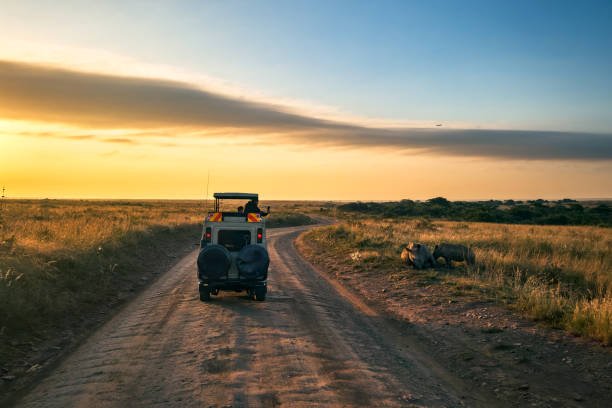

Understanding Your Tanzania Airport Options
When planning your safari adventure to Tanzania from the United States, the initial logistical hurdle often involves deciding which international airport to fly into. This choice significantly impacts your onward travel, the time spent reaching your safari destinations, and even the overall cost and convenience of your trip. While Tanzania has several international airports, the vast majority of safari-goers, especially those coming from North America, will find that one airport stands out above the rest for its accessibility and strategic positioning: Kilimanjaro International Airport (JRO).
This guide is designed to walk you through why JRO is generally the preferred gateway, what alternatives might exist under specific circumstances, and what factors you should consider when making your booking for a 2026 or 2027 adventure. We’ll cover flight routes, typical transit times, and how your airport choice connects to the rest of your Tanzanian travel experience, whether you’re focused on wildlife, culture, or conquering Africa’s highest peak.
Why Kilimanjaro International Airport (JRO) is the Primary Choice
Kilimanjaro International Airport, officially known as Kilimanjaro International Airport (JRO), is situated between the towns of Arusha and Moshi. This location is no accident; it places it at the heart of Tanzania’s most popular tourist region, often referred to as the ‘Northern Circuit.’ For anyone planning a safari to iconic destinations such as the Serengeti National Park, the Ngorongoro Conservation Area, Tarangire National Park, or Lake Manyara, flying into JRO minimizes your internal travel time and complexity.
Key advantages of choosing JRO from the USA for your safari:
- Proximity to Safari Parks: JRO is roughly equidistant from Arusha and Moshi, which serve as the primary staging points for Northern Circuit safaris. From these towns, it’s a relatively short drive (compared to other options) to begin your wildlife viewing adventures. For example, Arusha National Park is just an hour away, and the journey to Tarangire or Manyara is manageable within a day.
- Gateway to Kilimanjaro: If your trip combines a safari with a climb of Mount Kilimanjaro, JRO is unequivocally the best airport. Both Moshi and Marangu, the main starting points for many treks, are within easy reach.
- Established Infrastructure: As Tanzania’s primary international gateway for tourism, JRO has well-established customs, immigration, and baggage handling services accustomed to international travelers. This generally leads to a smoother arrival process.
- Direct and Connecting Flights: While direct flights from the USA to JRO are rare, numerous airlines offer convenient connections through major international hubs like Amsterdam (KLM), Doha (Qatar Airways), Istanbul (Turkish Airlines), or Dubai (Emirates). These routes are well-trodden and provide reliable options for reaching Tanzania.
- Onward Travel Options: Upon arrival at JRO, you’ll find readily available options for your onward journey. This includes pre-booked airport transfers to your hotel in Arusha or Moshi, rental vehicles if you’re self-driving (though not common for safaris from the USA), or meeting your tour operator’s representative.
For travelers from the USA, the typical flight path involves a stopover in Europe or the Middle East. This means you’re looking at a total travel time of anywhere from 18 to 30+ hours, depending on layover durations and specific routes. While this is a significant journey, the convenience of landing directly in the region that serves as the launchpad for your safari makes JRO the logical primary choice for most itineraries planned for 2026-2027.
Flight Considerations for JRO from the USA
When booking your flights to JRO from the USA, several airlines are commonly used. KLM, often in partnership with Delta, is a very popular choice, typically flying via Amsterdam Schiphol Airport (AMS). This route is well-established and offers good connectivity. Other reliable options include Qatar Airways via Doha (DOH), Turkish Airlines via Istanbul (IST), and Emirates via Dubai (DXB). Each has its pros and cons regarding flight schedules, comfort, and potential layover times.
Airlines and Hubs to Consider for JRO:
- KLM/Delta: Via Amsterdam (AMS). Often offers competitive pricing and convenient schedules.
- Qatar Airways: Via Doha (DOH). Known for excellent service and a modern airport.
- Turkish Airlines: Via Istanbul (IST). A major hub with extensive global reach.
- Emirates: Via Dubai (DXB). Offers a premium experience, though sometimes the routing can be longer depending on your US departure city.
It’s wise to compare prices and schedules across these carriers for your desired travel dates in 2026 or 2027. Booking in advance, especially for peak safari seasons, is highly recommended to secure the best fares and flight times.
Alternative Airports and When They Might Be Considered
While JRO is the primary gateway, Tanzania has other international airports. Understanding these alternatives can help you make an informed decision, especially if your itinerary deviates from the standard Northern Circuit or if you find exceptionally advantageous flight deals.
Dar es Salaam (DAR) – Julius Nyerere International Airport
Dar es Salaam is Tanzania’s largest city and its main economic hub. Julius Nyerere International Airport (DAR) handles a significant volume of international traffic. For travelers whose primary focus is the southern safari circuit (like Selous Game Reserve, now Nyerere National Park, and Ruaha National Park) or coastal destinations like Zanzibar and Mafia Island, DAR might be a viable entry point.
Pros of flying into DAR:
- More international flight options might be available, sometimes with better pricing depending on your US departure point and timing.
- It’s the main gateway for southern Tanzania safaris and Zanzibar.
Cons of flying into DAR for Northern Safaris:
- Significant Internal Travel: If your goal is the Serengeti or Ngorongoro, flying into DAR means you’ll need to take a domestic flight from Dar es Salaam to Arusha (ARK) or Kilimanjaro (JRO). These flights add cost, time, and the potential for delays or cancellations. The flight time is approximately 1 hour.
- Logistical Complexity: You’ll need to navigate immigration, collect luggage, and then check in for a domestic flight, which can be time-consuming and complex, especially if you have a tight connection.
- Longer Road Travel: If you opt against a domestic flight, the road journey from Dar es Salaam to Arusha is very long, typically 8-10 hours, making it impractical for most safari itineraries.
When to consider DAR: If your safari is primarily focused on Nyerere National Park or Ruaha, and you plan to visit Zanzibar afterward, flying into DAR and then taking a domestic flight to Zanzibar or Arusha might make sense. However, for a classic Northern Circuit safari, it’s generally less efficient than flying directly into JRO.
Zanzibar (ZNZ) – Abeid Amani Karume International Airport
Zanzibar is a popular destination, often combined with a safari. Abeid Amani Karume International Airport (ZNZ) serves the island. While it handles international flights, most of these originate from within Africa or the Middle East, with very few direct long-haul routes from the USA.
Pros of flying into ZNZ:
- Ideal if your trip starts or ends with time on the island and you want to minimize internal flights within Tanzania.
- Can sometimes be cheaper to fly into ZNZ and then take a domestic flight to Arusha for a safari, or vice versa.
Cons of flying into ZNZ for a Safari:
- Limited Direct USA Flights: You will almost certainly need at least one, if not two, layovers from the USA.
- Internal Flight Required: To reach the Northern Circuit safari destinations, you’ll need a domestic flight from Zanzibar (ZNZ) to Arusha (ARK) or Kilimanjaro (JRO). This adds time and cost.
- Not Ideal for Safari-First Itineraries: If your priority is hitting the Serengeti and Ngorongoro immediately upon arrival, starting in Zanzibar adds an unnecessary step.
When to consider ZNZ: If your plan is to explore Zanzibar first, then fly to the mainland for a safari, entering via ZNZ can be logical. However, many travelers prefer to fly into JRO, do their safari, and then fly from Arusha or Kilimanjaro to Zanzibar for relaxation. This often streamlines the process. For 2026-2027 trips, weigh the cost savings of flying into ZNZ against the added travel time and complexity.
Connecting Your Arrival Airport to Your Safari Itinerary
The choice of airport is intrinsically linked to the type of safari you’ve planned. For a typical Tanzanian safari experience, the Northern Circuit is the most sought-after. This region boasts the highest density of famous parks and the greatest diversity of wildlife viewing opportunities.
The Northern Circuit Advantage (Serengeti, Ngorongoro, Tarangire, Manyara)
If your dream safari includes witnessing the Great Migration in the Serengeti, descending into the Ngorongoro Crater, or seeing large elephant herds in Tarangire, then Kilimanjaro International Airport (JRO) is your undisputed best entry point. From JRO, you can typically begin your safari journey within a few hours. Your tour operator will arrange for you to be met at the airport and transferred to your accommodation in Arusha or Moshi, where you’ll likely spend your first night before heading out on safari the following day.
Typical flow from JRO:
- Arrival at JRO: Clear immigration and customs.
- Meet & Greet: Your Climb 4 Africa representative meets you.
- Transfer to Arusha/Moshi: Approximately a 1-hour drive.
- Overnight: Rest and prepare for your safari.
- Safari Commencement: Depart for your chosen national park (e.g., Tarangire, Lake Manyara, or drive towards the Serengeti with an overnight stop).
This streamlined process minimizes travel fatigue and maximizes your time on safari. For most visitors planning a 2026 or 2027 safari, this is the most efficient and enjoyable way to experience Tanzania’s wildlife wonders.
Southern Circuit and Coastal Combinations
For those interested in the less-crowded, wilder landscapes of the Southern Circuit (Nyerere National Park, Ruaha National Park) or those prioritizing Zanzibar and Mafia Island, Dar es Salaam (DAR) becomes a more logical choice.
Typical flow from DAR for Southern Safaris:
- Arrival at DAR.
- Domestic flight to a park airstrip: For example, to Mtemere Airstrip for Nyerere National Park, or to Ruaha Airstrip. These flights are typically operated by small charter or scheduled bush planes.
- Transfer to lodge.
Alternatively, if combining southern Tanzania with Zanzibar, you might fly into DAR, take a domestic flight to Zanzibar (ZNZ), and then arrange your onward safari from there, potentially flying back to DAR or another mainland hub.
When planning for 2026-2027, it’s crucial to map out your entire itinerary before booking international flights. The sequence of destinations will dictate the most efficient arrival and departure airports.
Practical Planning for Your 2026-2027 Tanzania Safari Trip
Booking your international flights is a significant step in planning your Tanzanian adventure. Here are some practical tips to ensure a smooth process, focusing on the best airport choice for your safari.
Booking Flights: Timing and Strategy
For international flights to Tanzania, particularly to JRO, booking 6 to 9 months in advance is generally recommended, especially if you are planning for peak seasons in 2026 or 2027. Peak seasons typically include June through October (dry season) and the Christmas/New Year period. These times see higher demand, leading to increased flight prices and reduced availability.
Tips for booking:
- Be Flexible with Dates: If your travel dates are flexible, you might find better fares by flying mid-week rather than on weekends.
- Use Flight Comparison Sites: Tools like Google Flights, Skyscanner, or Kayak can help you compare prices across different airlines and routes. However, once you find a suitable flight, consider booking directly with the airline or through a reputable travel agent who specializes in Africa travel.
- Consider Layover Times: Longer layovers might mean cheaper flights, but they also increase travel time and the risk of missed connections. Aim for layovers that are sufficient but not excessive (e.g., 2-4 hours).
- Check Visa Requirements: Ensure you have your Tanzanian visa sorted. Many nationalities can obtain a visa on arrival, but applying online in advance (e-visa) is often recommended to save time at the airport. Check the latest requirements for 2026-2027 well in advance.
- Baggage Allowances: International flights have different baggage allowances than domestic or charter flights within Tanzania. Safari lodges and light aircraft operations often have strict weight limits (e.g., 15-20 kg, soft bags only). Understand these limitations early on.
The Role of Your Tour Operator
Choosing a reputable tour operator like Climb 4 Africa is crucial, and they can provide invaluable assistance with flight bookings and airport transfers.
How we can help:
- Expert Advice: We can advise on the best airport based on your specific itinerary and preferred travel dates for 2026-2027.
- Flight Searching: While we don’t typically book international flights directly for clients (as clients often prefer to use their miles or book through their preferred channels), we can guide you on which airlines and routes are most suitable.
- smooth Transfers: Once you have your flight details, we arrange for your airport pickup at JRO (or your chosen airport) and ensure a smooth transfer to your starting point for the safari or Kilimanjaro climb. This is a critical service, as navigating arrivals in a foreign country can be daunting.
- Itinerary Planning: We tailor your safari or climb to your interests, ensuring that your arrival airport choice aligns perfectly with your planned activities.
When you are ready to plan your 2026 or 2027 Tanzanian safari, please reach out to us. Share your preferred travel dates, interests (safari, Kilimanjaro, Zanzibar), and any specific flight ideas you have. We can then help you craft an itinerary that makes the most sense logistically, starting with the best airport choice.
Navigating Arrival at JRO
Upon landing at Kilimanjaro International Airport (JRO), the process is generally straightforward for most travelers.
Steps at JRO:
- Immigration: You’ll proceed to the immigration counter. Have your passport (valid for at least six months beyond your stay), visa (if pre-arranged), and any required health documents (like Yellow Fever vaccination certificates, though requirements can change) ready.
- Baggage Claim: After clearing immigration, proceed to baggage claim to collect your luggage.
- Customs: You will pass through customs. Declare any items as required by Tanzanian law.
- Arrival Hall: Once through customs, you’ll enter the main arrival hall. Look for your tour operator’s representative, who will be holding a sign with your name or the company logo (e.g., Climb 4 Africa).
Important notes for arrival:
- Currency: While ATMs are available, it’s often useful to have some USD in small denominations for immediate needs (like tips or small purchases) upon arrival. Tanzanian Shillings (TZS) are the local currency.
- Mobile Phones: Consider purchasing a local SIM card at the airport if you wish to have local data and calling capabilities.
- Patience: While JRO is efficient, international arrivals can sometimes involve queues. Remain patient and keep your documents organized.
Maximizing Your Safari Experience: Airport Choice and Beyond
The decision about which airport to fly into Tanzania from the USA is more than just a flight booking; it’s the first step in shaping your entire safari experience. By choosing Kilimanjaro International Airport (JRO), you are setting yourself up for efficient access to the iconic Northern Circuit, minimizing travel time and maximizing your immersion in Tanzania’s incredible wildlife and landscapes.
For travelers planning their dream safari for 2026 or 2027, understanding the nuances of flight routes, airport logistics, and how they integrate with your chosen itinerary is paramount. While other airports like Dar es Salaam (DAR) or Zanzibar (ZNZ) serve specific purposes, JRO remains the most practical and convenient gateway for the majority of US-based travelers embarking on a classic Tanzanian safari or a Kilimanjaro climb.
Key takeaways for your 2026-2027 trip:
- JRO is the prime choice for Northern Circuit safaris (Serengeti, Ngorongoro) and Kilimanjaro climbs.
- DAR is best for Southern Circuit safaris or if combining with Zanzibar as a primary destination.
- ZNZ is ideal if Zanzibar is your primary focus, but requires an internal flight for mainland safaris.
- Book international flights 6-9 months in advance for best availability and pricing, especially for peak seasons in 2026-2027.
- Work with a reputable tour operator like Climb 4 Africa to ensure smooth transfers and expert advice.
We encourage you to think about your priorities for your 2026-2027 Tanzanian adventure. Do you dream of the vast plains of the Serengeti, the unique ecosystem of the Ngorongoro Crater, or the challenge of summiting Kilimanjaro? Your answer will help guide the decision on the best airport to fly into. Once you have a clearer picture of your desired itinerary, reach out to the experts at Climb 4 Africa. We’re here to help you navigate these choices, plan every detail, and ensure your safari is everything you’ve imagined.
Ready to plan your 2026-2027 Tanzania safari or Kilimanjaro climb? Contact Climb 4 Africa today. Share your vision, and we’ll help you find the perfect itinerary, starting with the best airport choice for your journey. You can reach us via WhatsApp at +255 747 477 898 or by email at climb4africa@gmail.com. Let’s make your African adventure a reality.
Frequently Asked Questions About Flying into Tanzania from the USA
Here are some common questions travelers have when deciding on the best airport to fly into Tanzania from the USA for their safari.
Q1: Are there direct flights from the USA to Tanzania?
A1: No, there are currently no direct flights from the USA to any airport in Tanzania, including Kilimanjaro International Airport (JRO). All flights will involve at least one layover, typically in a major European hub like Amsterdam, Istanbul, or Doha, or sometimes in the Middle East.
Q2: Which is the cheapest airport to fly into Tanzania from the USA?
A2: Flight prices fluctuate significantly based on the time of year, airline, and how far in advance you book. Generally, Kilimanjaro International Airport (JRO) often has competitive pricing for connections from the USA, especially when booked with airlines like KLM or Turkish Airlines. However, sometimes flying into Dar es Salaam (DAR) might offer slightly cheaper international fares, but you must factor in the cost and time of a subsequent domestic flight to reach safari destinations.
Q3: How long is the flight from the USA to Tanzania?
A3: The total travel time from the USA to Tanzania (e.g., JRO) typically ranges from 18 to 30+ hours, including layovers. The actual flight time without layovers would be around 15-17 hours, but the multi-leg journey makes it a long travel day.
Q4: Do I need a visa for Tanzania if I fly into JRO?
A4: Yes, most US citizens require a visa to enter Tanzania. You can apply for a visa online in advance (e-visa) or obtain one upon arrival at Kilimanjaro International Airport (JRO). It’s recommended to check the latest visa regulations for 2026-2027 with the Tanzanian embassy or consulate well before your travel date.
Q5: What is the best airport for a safari in the Serengeti?
A5: For safaris to the Serengeti National Park, the best airport to fly into from the USA is Kilimanjaro International Airport (JRO). From JRO, you will typically drive to the Serengeti, with potential stops in other parks like Tarangire or Ngorongoro along the way. Alternatively, you can take a domestic flight from Arusha (ARK) or Kilimanjaro (JRO) to one of the airstrips within the Serengeti.
Q6: Can I fly into Zanzibar and then go on safari?
A6: Yes, you can fly into Zanzibar (ZNZ) and then take a domestic flight from Zanzibar to Arusha (ARK) or Kilimanjaro (JRO) to start your safari on the mainland. Many travelers combine Zanzibar with a safari, often flying into JRO for the safari first, then flying to ZNZ for relaxation. The reverse is also possible, but ensure you factor in the time and cost of the internal flight.
Q7: What health precautions should I consider before flying to Tanzania in 2026-2027?
A7: Recommended vaccinations often include Yellow Fever (especially if traveling from or transiting through certain countries), Hepatitis A, Typhoid, and routine vaccinations. Malaria prophylaxis is also strongly advised for most regions. Consult your doctor or a travel clinic 4-6 weeks before your trip for personalized advice relevant to your 2026-2027 travel plans.
Q8: How much should I budget for flights from the USA to Tanzania?
A8: Flight costs from the USA to Tanzania can vary widely. For economy class, expect prices to range anywhere from $1,000 to $2,000+ per person for a round trip, depending on the season, booking time, and airline. Business class will be significantly more. Booking in advance for 2026-2027 is key to securing more favorable rates.
Q9: What’s the best time of year for a safari in Tanzania?
A9: The dry season, from June to October, is generally considered the best time for wildlife viewing as animals congregate around water sources. This is also peak season. The shoulder months (May, November) can offer good value with fewer crowds. The short rains in November and the long rains from March to May can impact travel, though they offer lush landscapes and fewer tourists.
Q10: What should I pack for a Tanzania safari, and does it affect my airport choice?
A10: Packing for a safari typically involves lightweight, neutral-colored clothing, comfortable walking shoes, a hat, sunglasses, sunscreen, insect repellent, and a good camera. If you plan to climb Kilimanjaro, specific gear is required. Your airport choice doesn’t directly affect what you pack, but it’s crucial to be aware of baggage restrictions for any domestic flights within Tanzania, which often require soft-sided duffel bags and have weight limits (e.g., 15-20 kg).
Check Availability for Best Airport To Fly Into Tanzania From Usa For Safari 2026-2027
Ready to compare dates, prices, and the best option for your group? Send the package name and travel month so the team can reply with a clear quote, availability, and what is included.
Affordable African Safari Packages: Your Guide To Budget-Friendly Tanzania
Discover how to plan and book affordable African safari packages for 2026-2027. This guide provides practical advice on choosing budget-friendly Tanzania tours, understanding costs, and...
View package details
Kenya And Tanzania Combined Safari Packages: Ultimate Guide 2026-2027
Discover the unparalleled adventure of combining Kenya and Tanzania for a comprehensive East African safari. This guide details everything you need to know for planning your 2026-2027...
View package details
3-Day Serengeti And Ngorongoro Safari: Your Ultimate Tanzania Wildlife
start a concise yet unforgettable 3-day Serengeti and Ngorongoro safari, designed to maximize wildlife encounters in Tanzania's most celebrated parks. This compact adventure offers a taste...
View package details
Serengeti Safari And Zanzibar Beach Holiday: The Ultimate Tanzania
Combine the thrill of a Serengeti safari with the relaxation of a Zanzibar beach holiday. This guide covers everything you need to know for an unforgettable Tanzania adventure in 2026-2027...
View package details
Tanzania Safari And Zanzibar All-Inclusive Packages Guide
Combine the thrill of a Tanzanian wildlife safari with the serene beauty of Zanzibar on an all-inclusive package. This comprehensive guide covers everything you need to know for planning...
View package details
Are African Safari Prices Per Person Or Vehicle? Understanding Tanzania Costs
African safari costs can be confusing. This guide clarifies whether prices are quoted per person or per vehicle, detailing factors that influence your 2026-2027 safari budget in Tanzania.
View package details
Is Tanzania Or Kenya Better For Safari? A Detailed Comparison 2026-2027
Comparing Tanzania and Kenya for your next safari? This in-depth guide breaks down wildlife viewing, landscapes, costs, and optimal travel times to help you choose the perfect East African...
View package details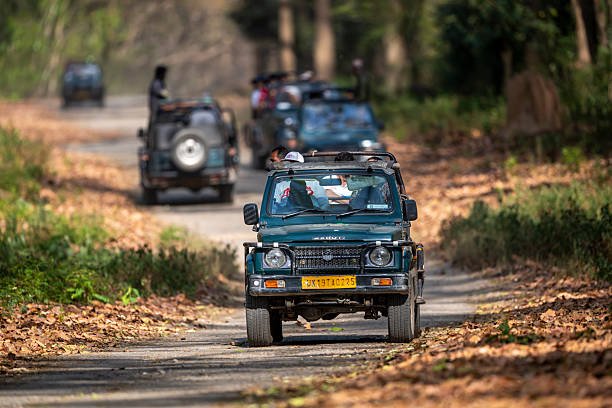
Luxury African Safari Packages: The Ultimate Tanzania Experience In 2026-2027
Explore the pinnacle of African adventure with luxury safari packages in Tanzania. This guide details exclusive lodges, tailor-made itineraries, and the best wildlife experiences for your...
View package details
Tanzania Safari Tours & Packages /: Your Ultimate Wildlife Adventure 2026-2027
Discover the magic of Tanzania with expertly crafted safari tours and packages for 2026 and 2027. From the vast plains of the Serengeti to the depths of the Ngorongoro Crater, find your...
View package detailsBest African Safari Tours & Vacation Packages /: Your Ultimate Tanzania
start an unforgettable African safari adventure in 2026/2027 with expertly curated tours and vacation packages in Tanzania's most iconic wildlife destinations. From the Serengeti to the...
View package details
Private Tanzania Safari Packages: Your Ultimate Guide For 2026-2027
Discover the unparalleled freedom and personalized experience of a private Tanzania safari package. This comprehensive guide for 2026-2027 explores custom itineraries, key destinations like...
View package detailsLuxury Tanzania Safari Tours 2026-2027
Luxury Tanzania Safari Tours is explained with current 2026-2027 planning, price, itinerary and booking information.
View package detailsNo related package matches those filters. Clear one or more filters to see the other topic-matched options.



