
The Kilimanjaro 26 November 2026 – Thanksgiving Week Group Departure offers a distinctive opportunity to summit Mount Kilimanjaro with a like-minded group, combining the challenge of the climb with the spirit of the holiday season. This specific departure is scheduled to align with Thanksgiving week, providing a unique backdrop for your African adventure, and is expertly managed by Climb 4 Africa to ensure a safe and memorable experience.
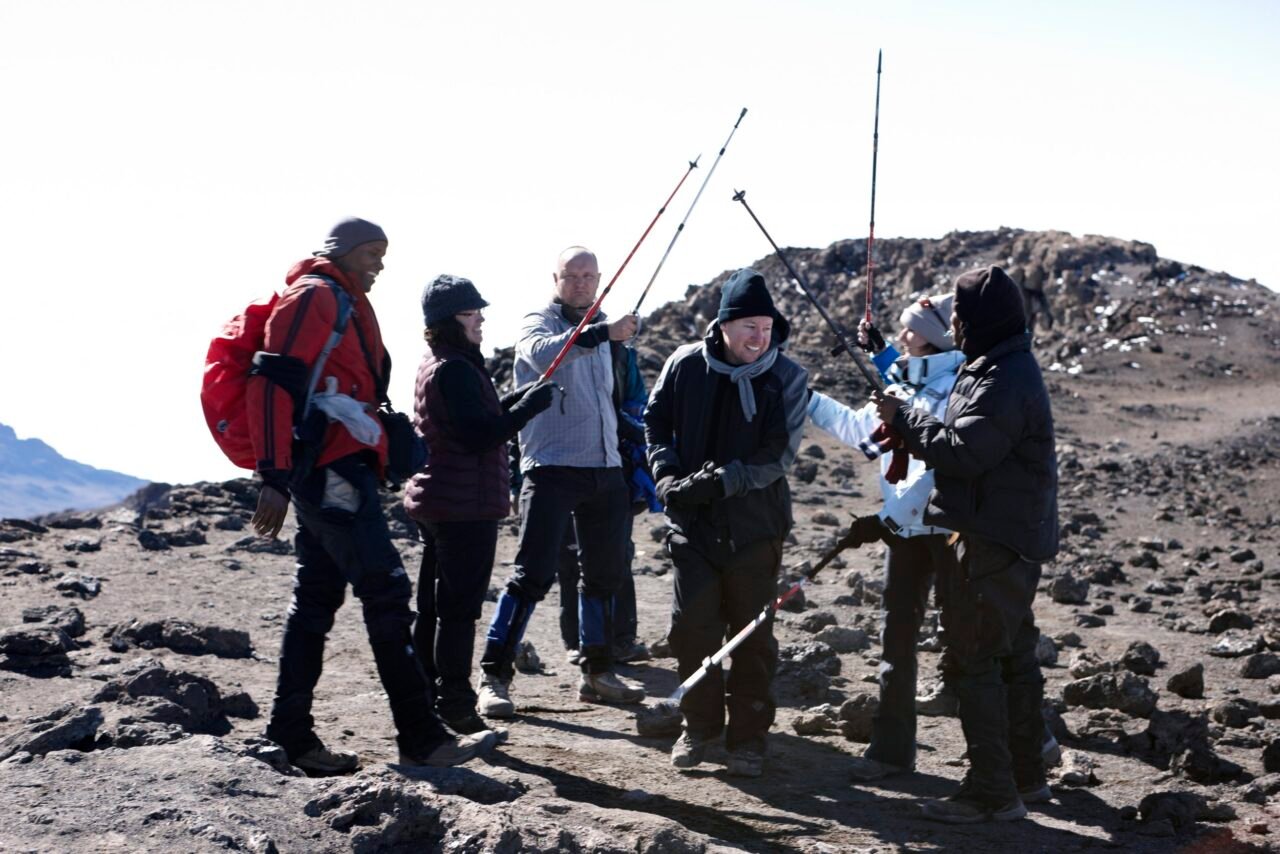
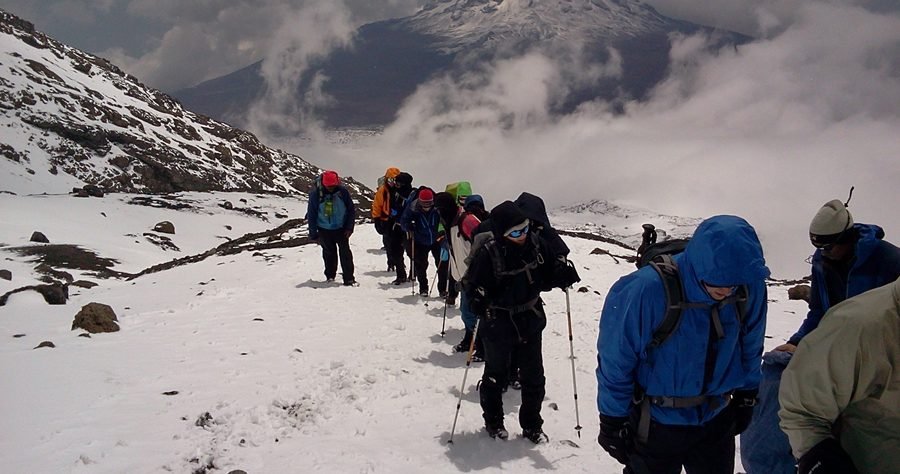
Understanding the Kilimanjaro 26 November 2026 Thanksgiving Week Group Departure
This specific departure date, November 26, 2026, is strategically chosen to align with the Thanksgiving holiday in the United States. For many, this period represents a time for reflection, gratitude, and shared experiences. Combining a Kilimanjaro climb with this holiday offers a unique way to celebrate, transforming a traditional gathering into an extraordinary adventure. It’s an opportunity to stand on the Roof of Africa while reflecting on personal achievements and the blessings in life. The group departure format means you’ll be sharing this profound experience with other trekkers who have chosen the same dates, fostering camaraderie and mutual support throughout the journey. Climb 4 Africa specializes in organizing such unique group departures, ensuring that the logistical complexities are handled with expert precision, allowing you to focus entirely on the climb and the experience.
The choice of a group departure for a Kilimanjaro climb is often driven by a desire for shared experience, safety in numbers, and often, cost-effectiveness. When you join a group departure like the one scheduled for November 26, 2026, you benefit from the company of fellow trekkers, sharing the highs and lows of the ascent. This can be particularly motivating on challenging days. Furthermore, group departures are typically more economical than private treks, as costs for guides, porters, park fees, and support crew are divided among participants. For the Thanksgiving Week Group Departure, Climb 4 Africa meticulously plans every detail, from the moment you land in Tanzania until your triumphant return from the summit, ensuring a cohesive and enjoyable journey for all involved.
It’s crucial to understand that while the departure date is fixed for November 26, 2026, the actual summit attempt will likely occur a few days later, depending on the chosen route and the group’s acclimatization progress. Most routes require between 5 to 9 days to complete. Therefore, a trek starting on November 26th would typically conclude in early December 2026. This timing is perfect for those looking to extend their holiday into December or return home just before the main Christmas rush. The emphasis on a group departure for this date means that Climb 4 Africa has already coordinated the necessary permits, logistics, and support staff for a group of this size, ensuring a smooth operation. The synergy of a group, the unique timing around Thanksgiving, and the majestic challenge of Kilimanjaro makes this Kilimanjaro 2026 Thanksgiving Week trek a standout option.
Why Choose This Specific 2026 Departure?
Selecting a specific group departure date, such as the 26 November 2026 slot, offers several distinct advantages beyond just the convenience of a set itinerary. Firstly, it provides a clear target for your training and preparation. Knowing your exact departure date allows you to structure your physical conditioning and gear acquisition with precision. For those who travel to celebrate holidays, this departure offers a unique way to mark Thanksgiving. Instead of a traditional feast, you can celebrate gratitude and accomplishment with a potentially life-changing trek. The shared experience of a holiday trek can foster unique bonds within the group, creating lasting memories and friendships built on mutual challenge and support.
Another compelling reason to opt for this Kilimanjaro 26 November 2026 departure is the potential for a more optimized and cost-effective experience. Group departures are generally more economical than private treks because fixed costs like park permits, ranger fees, and base camp arrangements are spread across more participants. Climb 4 Africa, as a specialist operator, consolidates these costs efficiently for their group departures. This means you can potentially access a higher level of service or a more comprehensive package for your budget compared to arranging a private climb. The expertise of Climb 4 Africa ensures that even within a group setting, individual needs and safety remain paramount.
Furthermore, this specific date falls within a generally favorable trekking season for Kilimanjaro. While November can see some transitional weather as it moves towards the short rainy season, the early part of the month is often still quite stable, and the latter part can offer clear skies and fewer crowds than the peak seasons. The unique timing means you might encounter fewer trekkers on the mountain compared to the busier months of January or July, allowing for a more personal and serene experience of Kilimanjaro’s grandeur. The blend of a manageable crowd, a potentially moderate climate, and the special holiday timing makes the Thanksgiving Week Kilimanjaro 2026 trek an appealing choice for discerning adventurers. Planning for 2026 or 2027 treks allows ample time for thorough preparation, ensuring you are ready for the physical and mental demands of the climb.
For those looking to make their holiday season truly extraordinary, this departure provides a narrative to tell for years to come. It’s about more than just reaching the summit; it’s about the journey, the shared experience, and the personal growth that comes from pushing your limits in one of the world’s most iconic natural settings. Climb 4 Africa’s commitment to local support and expertise ensures that this unique adventure is not only thrilling but also safe and culturally enriching.
Route Selection for Your 2026 Kilimanjaro Climb
Choosing the right route is perhaps the most critical decision when planning your Kilimanjaro climb, especially for a specific group departure like the one on November 26, 2026. The route dictates the duration of your trek, the difficulty, the scenery, and, most importantly, your acclimatization profile, which is key to summit success. Climb 4 Africa offers several popular routes, each with its own characteristics, and the group will typically follow one designated route. Understanding these options will help you appreciate the planning that goes into selecting the best route for a group departure.
Machame Route: The Popular Choice
The Machame Route, often dubbed the “Whiskey Route” due to its steeper ascents and descents, is the most popular route on Kilimanjaro. It spans 6-7 days, with 7 days being highly recommended for better acclimatization and summit success rates. This route offers stunning and diverse scenery, traversing rainforest, moorland, desert, and arctic zones. Its popularity means it’s often used for group departures. The advantage of the Machame route is its excellent acclimatization profile, especially when trekked over 7 days, as it follows a “climb high, sleep low” principle. This is crucial for altitude adaptation. For the Kilimanjaro 26 November 2026 group, the 7-day Machame is often a strong contender due to its balance of challenge, scenery, and success rates. The group will move together, supporting each other through the varied terrain. More details on Machame Route departures are available.
Lemosho Route: A Gentler Ascent
The Lemosho Route is renowned for its beauty and high success rate, often taking 7-8 days. It starts in the west and offers a more remote and pristine experience compared to Machame, especially in its initial days. Lemosho provides excellent acclimatization, with its longer duration and gradual ascent allowing the body to adapt more effectively to the increasing altitude. This route is particularly suitable for those who prioritize scenery and a less crowded experience, at least initially. While sometimes used for groups, its slightly higher cost and less frequent departures might make it less common for a specific date like November 2026 unless pre-arranged. However, its superior acclimatization profile makes it a top choice for serious trekkers aiming for the summit.
Marangu Route: The “Coca-Cola” Hut Trail
Also known as the “Coca-Cola” route, Marangu is the oldest and most established route. It’s the only route that offers dormitory-style accommodation in huts rather than camping, making it unique. It’s typically a 5-day or 6-day trek. The 5-day option is quite rapid and has a lower success rate due to insufficient acclimatization. The 6-day option improves this but still lags behind routes like Machame or Lemosho in acclimatization. Marangu is often the most budget-friendly option and can be suitable for groups looking for this type of experience. However, for the Kilimanjaro 26 November 2026 departure, Climb 4 Africa would likely recommend a longer route for better acclimatization and summit success, especially for a group setting where everyone’s safety and enjoyment are prioritized.
Other Routes for Consideration in 2026
While Machame, Lemosho, and Marangu are the most common, other routes like Rongai and Northern Circuit exist. Rongai approaches from the north, offering a different perspective and good acclimatization, often done in 6-7 days. The Northern Circuit is the longest (9-10 days) and offers the highest success rate due to its comprehensive acclimatization profile and panoramic views. For a specific group departure date like November 2026, Climb 4 Africa would assess the group’s preferences, fitness levels, and desired experience to recommend the most suitable route. The 7-day Machame or 7-day Lemosho are generally excellent choices for group departures aiming for a balance of success, scenery, and experience. Decisions for 2027 treks would follow similar evaluation principles.
Logistics and Preparation for November 2026
Successful preparation for your Kilimanjaro 26 November 2026 trek is paramount. It involves not just physical training but also meticulous attention to detail regarding gear, travel arrangements, and health requirements. Climb 4 Africa provides comprehensive pre-departure information, but understanding the key elements yourself will enhance your readiness.
Physical Conditioning for Kilimanjaro 2026
Kilimanjaro is not a technical climb, but it is a strenuous high-altitude trek. The primary challenge is the altitude and the sustained effort required over multiple days. Your training should focus on cardiovascular endurance and leg strength. Start at least 3-6 months before your November 2026 departure. Activities like hiking with a weighted backpack (simulating your daypack and essentials), running, cycling, and stair climbing are highly beneficial. Prioritize hiking on varied terrain, including hills and inclines, to prepare your body for the mountain’s slopes. Consistency is key; aim for 3-4 training sessions per week. Remember, the goal is to build stamina and strengthen muscles that will be used during the climb. Proper conditioning significantly increases your chances of summit success and enjoyment.
Gear and Equipment Essentials
Having the right gear is non-negotiable for comfort, safety, and success on Kilimanjaro. The weather can change rapidly, from warm and humid in the rainforest to freezing cold at the summit. Layering is essential. Your packing list will include:
- Base Layers: Moisture-wicking thermal underwear (merino wool or synthetic).
- Mid Layers: Fleece jackets or insulated vests for warmth.
- Outer Layers: Waterproof and windproof jacket and trousers (Gore-Tex or similar).
- Insulation: A warm down or synthetic insulated jacket for summit night.
- Footwear: Broken-in, waterproof hiking boots with good ankle support. Several pairs of warm hiking socks.
- Headwear: A warm beanie, a sun hat with a wide brim, and a balaclava or neck gaiter for summit night.
- Gloves: Warm, waterproof gloves or mittens, plus liner gloves.
- Sleeping Bag: A 4-season sleeping bag rated to at least -15°C (0°F).
- Trekking Poles: Highly recommended for reducing strain on knees and improving balance.
- Headlamp: With extra batteries, essential for summit night and camp.
- Sun Protection: High SPF sunscreen, lip balm with SPF, and sunglasses.
- Hydration: Water bottles or a hydration reservoir (at least 3 liters capacity). Water purification tablets or a filter.
- Personal Items: First-aid kit, toiletries, camera, power bank.
Climb 4 Africa provides a detailed packing list upon booking, which is crucial for ensuring you don’t miss any essentials for your November 2026 trek. It’s wise to invest in quality gear, especially for your boots and outer layers. Renting some items like sleeping bags or down jackets is also an option in Tanzania, but personal preference and fit often make purchasing your own gear more comfortable.
Travel to and From Tanzania for 2026
Your journey to Kilimanjaro will likely begin with a flight into Kilimanjaro International Airport (JRO), also known as Moi International Airport. Most international flights connect through major hubs in Europe (like Amsterdam, Doha, or Istanbul) or the Middle East. It is advisable to book your flights well in advance, especially for travel around the Thanksgiving Week 2026 period, as flight prices can increase significantly closer to the date. Climb 4 Africa can assist with advice on flight bookings. Upon arrival, you will be met by a representative from Climb 4 Africa and transferred to your hotel in Moshi or Arusha, the gateway towns to Kilimanjaro. The transfer is typically included in your package. Ensure your passport is valid for at least six months beyond your intended stay and has sufficient blank pages for entry and exit stamps. Planning your travel for 2026 or 2027 requires checking airline availability and pricing early.
Visa and Vaccinations for Tanzania
Most nationalities require a visa to enter Tanzania. This can often be obtained upon arrival at the airport or online in advance through the Tanzanian immigration website. It is recommended to check the latest visa requirements for your specific nationality. Regarding vaccinations, Yellow Fever is often a requirement, especially if you are arriving from or have transited through a country with a risk of Yellow Fever transmission. Consult your doctor or a travel clinic at least 4-6 weeks before your trip to discuss recommended vaccinations and malaria prophylaxis. Routine vaccinations should be up-to-date. For the Kilimanjaro 26 November 2026 trek, ensure all health requirements are met well in advance.
Insurance and Emergency Protocols
Comprehensive travel insurance is mandatory for all Kilimanjaro climbs booked with Climb 4 Africa. This insurance must cover high-altitude trekking up to 6,000 meters and include emergency medical evacuation by air ambulance. It is crucial to have this in place before your departure. Climb 4 Africa maintains rigorous safety protocols, including experienced guides trained in wilderness first aid and carrying comprehensive medical kits. In the event of a medical emergency, your guide will assess the situation and initiate evacuation procedures if necessary. The company has established relationships with evacuation services to ensure swift and efficient response times. For any travel in 2026 or 2027, verify your insurance policy details meticulously.
What to Expect on the Mountain in Late 2026
The experience of climbing Kilimanjaro is profoundly shaped by the mountain’s environment, the group’s dynamics, and the support system in place. Understanding these elements for your November 2026 trek will help manage expectations and enhance your journey.
Weather Patterns in November 2026
November on Kilimanjaro is a transitional month. It marks the end of the second dry season and the beginning of the short rainy season. This means you can expect a mix of conditions. The early part of the month might still offer clear skies and good visibility, with cooler temperatures at higher altitudes. As November progresses, there’s an increased chance of rain, particularly in the lower rainforest zone. This rain is often characterized by afternoon showers that can clear up to reveal sunny skies. Higher up, precipitation may fall as sleet or snow. Despite the potential for rain, the temperatures are generally moderate during the day, becoming very cold at night and especially on summit night. The summit itself (Uhuru Peak) will be near or below freezing, with wind chill making it feel significantly colder. The advantage of trekking in November is often fewer crowds compared to peak seasons. Climb 4 Africa’s guides are experienced in navigating varied weather conditions and will ensure your safety regardless of what the mountain presents during your Kilimanjaro 2026 Thanksgiving Week trek.
Acclimatization Strategies for Success
Altitude sickness (Acute Mountain Sickness – AMS) is the most significant challenge on Kilimanjaro. Proper acclimatization is the key to preventing it and achieving summit success. The best strategy is to choose a longer route (7-9 days) that allows for a gradual ascent. Routes like Machame (7 days) and Lemosho (7-8 days) are designed with acclimatization in mind, following the principle of “climb high, sleep low.” This involves ascending to higher altitudes during the day and then descending to sleep at a lower elevation. Other crucial acclimatization strategies include:
- Hydration: Drink plenty of water (3-4 liters per day). Avoid caffeine and alcohol, which can dehydrate you.
- Pacing: “Pole pole” (slowly, slowly) is the mantra on Kilimanjaro. Walk at a pace that allows you to hold a conversation without becoming breathless.
- Diet: Eat well, even if your appetite is reduced. High-carbohydrate meals provide energy.
- Rest: Get as much sleep as possible.
- Listen to Your Body: Report any symptoms of altitude sickness (headache, nausea, dizziness) to your guide immediately.
For the Kilimanjaro 26 November 2026 group, the guides will closely monitor everyone’s condition, ensuring that acclimatization protocols are strictly followed. A well-acclimatized trekker is a safer and more successful trekker.
Daily Trekking Experience
A typical day on Kilimanjaro involves waking up early, usually between 6:30 AM and 7:30 AM. After breakfast, you’ll pack your daypack and begin trekking. The duration of the day’s hike can vary from 3 to 8 hours, depending on the route and the specific stage of the climb. Lunch is usually a packed meal enjoyed en route. Upon reaching the next camp, you’ll be greeted with hot drinks and snacks. After settling into your tent, you’ll have dinner. Evenings are spent relaxing, preparing for the next day, and getting to know your fellow trekkers. Summit night is the most demanding, often starting around midnight. You’ll trek for 6-10 hours in the dark, aiming to reach Uhuru Peak by sunrise. The descent from the summit is also challenging, often taking another 3-4 hours back to Barafu Camp or Mweka Camp. The group departure for November 2026 will experience this rhythm collectively.
Food and Accommodation on Kilimanjaro
Climb 4 Africa prides itself on providing nutritious and delicious meals prepared by skilled camp chefs. You can expect a varied menu including soups, stews, pasta, rice dishes, vegetables, fruits, and sometimes even pancakes or omelets for breakfast. Vegetarian, vegan, and other dietary requirements can be accommodated with advance notice. Meals are typically served in a communal mess tent, fostering a sense of community. Accommodation on most routes (Machame, Lemosho, Rongai, etc.) is in comfortable two-person tents. The tents are usually sturdy dome tents designed to withstand the elements. Porters will set up your tent and carry all the group’s camping equipment, including tents, dining tent, and cooking gear. On the Marangu route, accommodation is in basic huts. For the Kilimanjaro 26 November 2026 trek, expect well-organized camps with quality food and reliable shelter.
Crew and Support Team for Your Trek
Your trekking experience is made possible by a dedicated and professional crew. This typically includes:
- Lead Guide: Highly experienced in mountaineering, first aid, and Kilimanjaro’s routes.
- Assistant Guides: Usually one assistant guide for every 10-12 trekkers, providing extra support and monitoring.
- Porters: Responsible for carrying all group equipment, including tents, food, cooking gear, and up to 15kg of your personal luggage.
- Camp Crew/Cooks: Prepare all meals and manage the camp setup.
Climb 4 Africa ensures that their crew is well-equipped, well-fed, and fairly compensated, adhering to ethical trekking practices. The guides are trained to make critical decisions regarding safety and acclimatization, especially during challenging conditions that might be encountered on the November 2026 departure. Their local knowledge and expertise are invaluable.
Group Dynamics and the Thanksgiving Experience
The Kilimanjaro 26 November 2026 – Thanksgiving Week Group Departure offers a unique context for group dynamics. Traveling with others who have chosen the same specific dates means you’ll share not only the physical challenge of the climb but also a unique holiday experience. Thanksgiving is a time for gratitude, and what better way to express it than by challenging yourself on one of Africa’s most iconic peaks? The shared effort, the impressive views, and the mutual encouragement among group members will naturally foster strong bonds. You’ll likely find that conversations around the campfire and during daily treks revolve around shared hopes, fears, and the appreciation for the journey.
Climb 4 Africa encourages a supportive atmosphere within its groups. Guides play a crucial role in fostering camaraderie, ensuring everyone feels included and motivated. While you’ll be part of a group, there’s ample opportunity for personal reflection. The quiet moments during a trek, the sunrise from the summit, and the descent can all be profoundly personal experiences. For those who might miss traditional family gatherings during Thanksgiving, this group departure offers a different kind of celebration – one of shared adventure, personal achievement, and a profound connection with nature and fellow travelers. The spirit of Thanksgiving, often about togetherness and appreciation, can be beautifully translated to the Kilimanjaro experience. Imagine sharing stories and gratitude at a high-altitude camp, a truly memorable way to celebrate the holiday in 2026.
Booking Your Kilimanjaro 26 November 2026 Trek
Securing your spot on the Kilimanjaro 26 November 2026 – Thanksgiving Week Group Departure is a straightforward process with Climb 4 Africa. Given the specific nature of this departure, particularly its alignment with a popular holiday week, it’s advisable to book well in advance. This ensures availability, especially for flights and accommodation before and after the trek. The booking process typically involves:
- Inquiry: Contact Climb 4 Africa to express your interest in the November 26, 2026 departure.
- Information & Consultation: You’ll receive detailed information about the itinerary, inclusions, exclusions, and pricing. A consultation can help clarify any questions regarding the trek, route options, and preparation.
- Deposit: A deposit is usually required to confirm your booking and secure your spot on the group departure. This deposit helps Climb 4 Africa finalize arrangements like permits and logistics.
- Balance Payment: The remaining balance is typically due a few weeks or months before the departure date, often around 60-90 days prior.
- Pre-Departure Support: Once booked, you’ll receive comprehensive pre-departure materials, including packing lists, training advice, and visa/vaccination guidance.
Climb 4 Africa’s expertise in handling Kilimanjaro climbs means they are well-equipped to manage the specific logistics for this Thanksgiving Week 2026 trek. They understand the importance of experienced guides, quality equipment, and ethical treatment of porters. To initiate your booking or to receive a personalized quote for the Kilimanjaro 26 November 2026 trek, you can reach out directly. Contact Climb 4 Africa via WhatsApp +255 747 477 898 or Email climb4africa@gmail.com. They are ready to assist you in planning this incredible adventure for 2026 or even looking ahead to 2027.
Beyond Kilimanjaro: Exploring Tanzania in 2026-2027
Your adventure doesn’t have to end with the descent from Kilimanjaro. Tanzania offers incredible opportunities for further exploration, and Climb 4 Africa specializes in combining climbs with wildlife safaris and beach holidays. For those trekking in November 2026, consider extending your trip to experience the magic of the Serengeti, the Ngorongoro Crater, or the spice-scented island of Zanzibar. These extensions can be tailored to fit your interests and available time. A classic Northern Circuit safari after your climb is highly recommended, offering unparalleled wildlife viewing. Alternatively, a few days relaxing on the white-sand beaches of Zanzibar provides a perfect way to recover and reflect on your Kilimanjaro achievement.
Climb 4 Africa can help you craft a smooth itinerary that includes these incredible experiences. Whether you are planning for late 2026 or looking ahead to 2027, combining Kilimanjaro with a safari or a Zanzibar holiday creates a truly unforgettable African journey. Many clients find that after the physical exertion of the climb, a few days of relaxation or wildlife viewing are the ideal complement. The expertise of Climb 4 Africa extends to all aspects of Tanzanian travel, ensuring your entire trip, from mountain to savannah to coast, is expertly managed. This comprehensive approach makes planning your 2026-2027 African adventure much simpler and more rewarding.
Frequently Asked Questions About the 2026 Departure
Q1: What is the recommended route for the 26 November 2026 group departure?
For the November 26, 2026 departure, Climb 4 Africa typically recommends the 7-day Machame Route due to its excellent acclimatization profile, high success rate, and stunning scenery. This route balances challenge with the opportunity for your body to adapt to the altitude. Other routes can be discussed based on group preference and fitness levels.
Q2: What is the weather typically like in late November on Kilimanjaro?
Late November is a transitional period, moving from the dry season into the short rainy season. You can expect a mix of conditions: clear, cool days at higher altitudes, potential for afternoon showers in the lower rainforest, and very cold temperatures at the summit, especially at night. Snow is possible on the summit. The key is proper layering and being prepared for variability.
Q3: How much training is required for this climb?
Significant physical conditioning is essential. Start training 3-6 months prior, focusing on cardiovascular endurance and leg strength. Hiking with a weighted pack, running, cycling, and stair climbing are beneficial. The more prepared you are physically, the more you will enjoy the trek and the higher your chances of summit success.
Q4: What is included in the group departure package?
Typically, packages include park fees, rescue fees, accommodation before and after the climb (in hotels), all meals and camping equipment on the mountain, a professional guide team, porters, and transfers. Specific inclusions will be detailed in the quote provided by Climb 4 Africa. It’s important to check what is excluded, such as personal gear, tips for the crew, and international flights.
Q5: Is altitude sickness a major concern for the November 2026 trek?
Yes, altitude sickness is the primary risk on any Kilimanjaro climb. Proper acclimatization is crucial. Choosing a longer route (7 days or more), trekking slowly (“pole pole”), staying hydrated, and communicating any symptoms to your guide are the best ways to mitigate this risk. Your guides are trained to manage altitude-related issues.
Q6: Can I combine my Kilimanjaro climb with a safari or Zanzibar trip in 2026 or 2027?
Absolutely. Climb 4 Africa specializes in creating comprehensive Tanzanian itineraries. You can easily extend your November 2026 trip with a wildlife safari in the Serengeti or Ngorongoro Crater, or relax on the beaches of Zanzibar. Let them know your interests when booking, and they can design a package for you.
Q7: What are the booking deadlines for the 26 November 2026 departure?
Due to the fixed date and the need to secure permits and flights, it is highly recommended to book as early as possible, ideally 6-12 months in advance. This is especially true for group departures coinciding with holidays like Thanksgiving. Contact Climb 4 Africa at WhatsApp +255 747 477 898 or Email climb4africa@gmail.com to discuss availability and booking timelines.
Check Availability for Kilimanjaro 26 November : Thanksgiving Week Group Trek 2026-2027
Ready to compare dates, prices, and the best option for your group? Send the package name and travel month so the team can reply with a clear quote, availability, and what is included.
Kilimanjaro 3 April – Low-Season Group Departure 2027
Kilimanjaro 3 April 2027 – Low-Season Group Departure is explained with current 2027 planning, price, itinerary and booking information.
View package details
Kilimanjaro 12 December – Weekend Group Climb Availability 2026-2027
Planning a Kilimanjaro trek for December 12, 2026? This guide focuses on a weekend group climb, detailing route options, essential preparation, and how to secure your spot for this specific...
View package details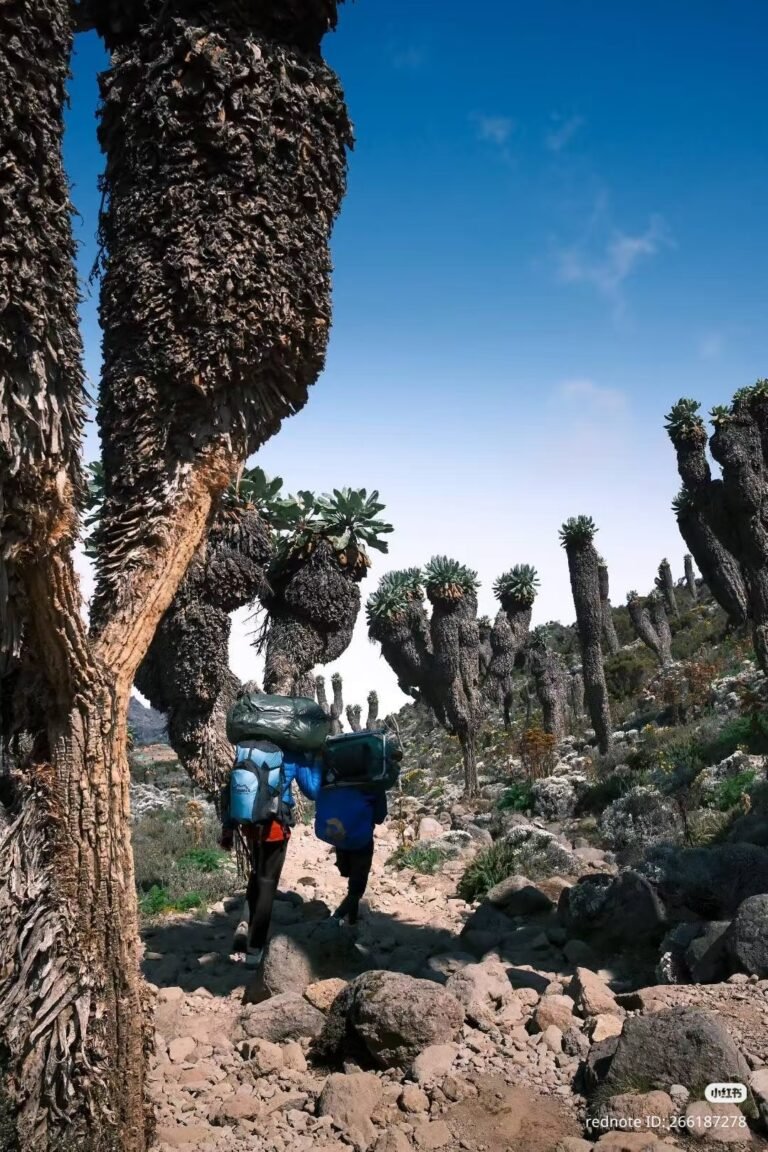
7 Day Machame Route – 7 December Group Departure | Your Kilimanjaro Climb
Plan your Kilimanjaro ascent on the popular 7-day Machame Route with a group departure on December 7, 2026. This guide covers the trek's highlights, challenges, and what to expect when...
View package details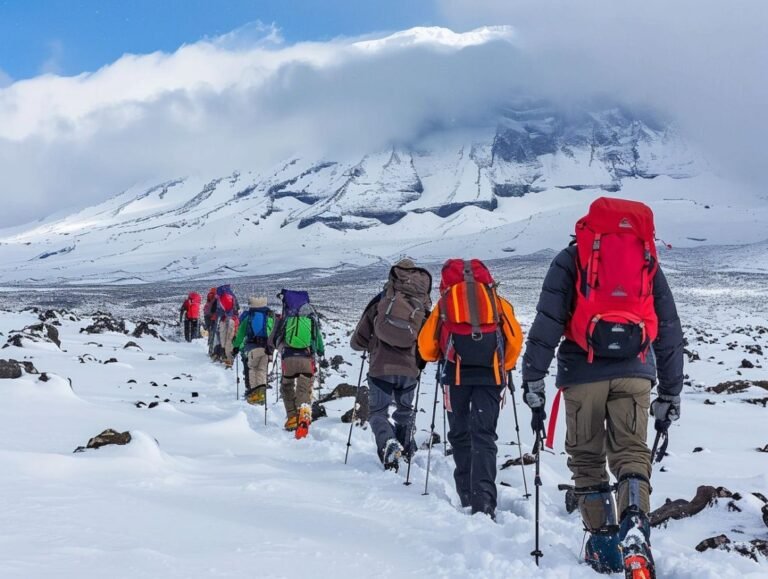
Kilimanjaro Climb July – Peak Dry-Season Group Departures 2027
Kilimanjaro Climb July 2027 – Peak Dry-Season Group Departures is explained with current 2027 planning, price, itinerary and booking information.
View package details7 Day Machame Route – 19 June Kilimanjaro Group Departure 2027
Planning to climb Kilimanjaro on the Machame Route in a group setting? This 7-day departure on June 19, 2027, offers a balanced approach to acclimatization and scenery. Learn what to...
View package detailsKilimanjaro 21 August – Late Group Departure 2027
Kilimanjaro 21 August 2027 – Late August Group Departure is explained with current 2027 planning, price, itinerary and booking information.
View package details7 Day Machame Route – 3 August Group Departure For Kilimanjaro 2027
Secure your spot on the 7 Day Machame Route Kilimanjaro group trek departing on August 3, 2027. This popular route offers a fantastic balance of scenic beauty and acclimatization for a...
View package details8 Day Lemosho Route – 7 July Group Departure Kilimanjaro Climb 2027
start an incredible 8-day Lemosho Route trek up Mount Kilimanjaro with the Climb 4 Africa group departure on July 7, 2027. This itinerary offers a fantastic balance of acclimatization...
View package detailsKilimanjaro 5 June : Your Early Dry-Season Group Departure Adventure 2027
Planning a Kilimanjaro climb for June 2027? This departure on June 5th offers a prime opportunity to tackle Africa's highest peak at the beginning of the dry season. Discover why this...
View package details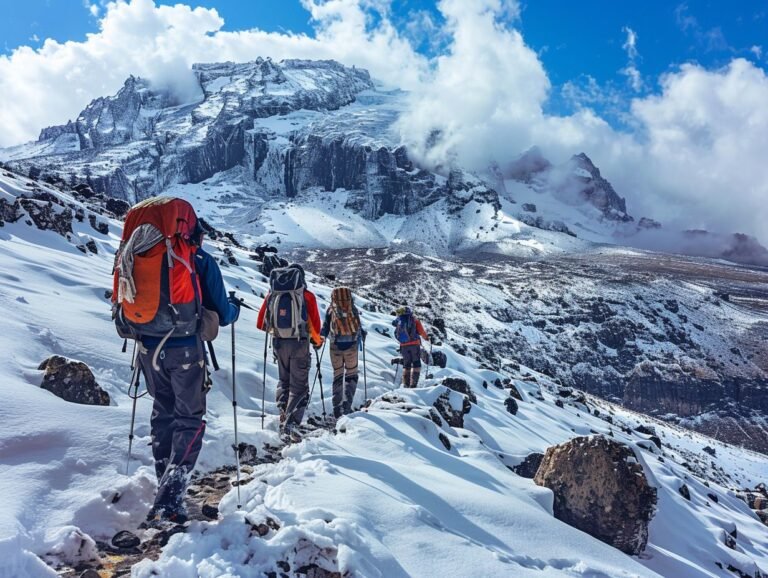
Kilimanjaro 22 May : Your Late-Rainy-Season Group Trek 2027
Planning a Kilimanjaro trek for May 22, 2027? This late-rainy-season group departure offers a different perspective on Africa's highest peak, often with fewer crowds and lush landscapes...
View package details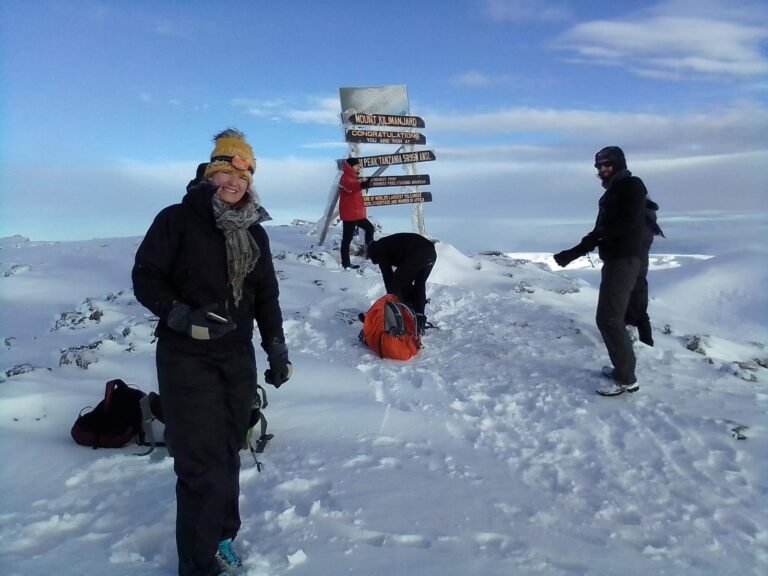
Kilimanjaro 8 May : Experience A Low-Crowd Group Trek 2027
Discover the unique advantages of joining a low-crowd group trek on Kilimanjaro on May 8, 2027. This departure offers a more intimate climbing experience, focusing on safety...
View package detailsKilimanjaro 17 April – Small Group Rainy-Season Adventure With Climb 4 Africa
start a unique Kilimanjaro climb on April 17, 2027, as part of a small group during the rainy season. This adventure offers a different perspective of the mountain, with fewer crowds and...
View package detailsNo related package matches those filters. Clear one or more filters to see the other topic-matched options.



