
If your Kilimanjaro travel date is non-negotiable for 2026 or 2027, but you’re open to different routes, your priority is finding a tour operator like Climb 4 Africa that can accommodate your fixed dates by either joining an existing group departure or arranging a private climb on your preferred schedule. This approach allows you to secure your climb on the exact days you can travel, while still benefiting from expert advice on the most suitable route based on your fitness, desired acclimatization, and scenery preferences.
Understanding the Fixed Date Challenge
Climbing Mount Kilimanjaro is a significant undertaking, and for many, the ability to travel is dictated by work schedules, holidays, or personal commitments. This often leads to a situation where the travel date for Kilimanjaro is fixed, but the specific route taken might be negotiable. This is a common scenario for trekkers, and it’s where the expertise of a seasoned tour operator like Climb 4 Africa truly comes into play. When your dates are set, your primary concern becomes availability and ensuring the chosen route aligns with your physical capabilities and desired experience, all within your fixed timeframe.
For 2026 and 2027, planning ahead is crucial, especially if your travel dates fall within peak seasons. Peak seasons on Kilimanjaro generally occur during the drier months: January to March and June to October. If your fixed dates align with these periods, booking well in advance is highly recommended to secure your spot, particularly if you’re looking to join a group departure. For those with flexibility on the route, the world of Kilimanjaro opens up considerably, allowing you to select the path that best suits your acclimatization profile and scenic preferences, even with a rigid departure date.
The key difference for trekkers with fixed dates is that the operational side of the climb – the availability of guides, porters, park permits, and accommodation at the various camps – becomes paramount. A tour operator must be able to guarantee these resources for your specific departure date. This is why choosing an operator with a robust operational base in Tanzania, like Climb 4 Africa, is so important. They have the local knowledge and infrastructure to manage these logistics effectively, ensuring your fixed date isn’t a barrier to a successful climb. You might find yourself joining a pre-scheduled group trek on one of the popular routes, or, if your dates are more flexible within a broader window, you might have more options for private climbs.
This guide is designed for trekkers who know exactly when they can travel to Tanzania for their Kilimanjaro adventure but are open to recommendations regarding the best route. We will explore the various ascent paths, discuss how to choose one that matches your fitness and acclimatization needs, and detail the booking process with a focus on securing your climb for 2026 or 2027, even with a set departure date.
Kilimanjaro Routes: Flexibility is Key
Kilimanjaro boasts several distinct routes, each offering a unique perspective of the mountain and varying levels of difficulty, acclimatization profiles, and scenic beauty. When your travel date is fixed, but your route isn’t, you have the luxury of choosing the path that best suits your aspirations and physical condition. The choice of route significantly impacts the climbing experience, success rates, and the overall enjoyment of your Kilimanjaro adventure. For 2026 and 2027 climbs, understanding these routes is the first step in planning.
It’s important to note that while some routes are more popular and may have more frequent group departures, a good tour operator can often arrange private climbs on less common routes for your fixed dates, provided there’s sufficient lead time for booking permits and logistics. The primary consideration for fixed dates is often the availability of guides and porters on that specific day. Climb 4 Africa specializes in this, ensuring your chosen date is met with the necessary team.
Here’s a breakdown of the most common routes, highlighting their characteristics to help you decide:
Machame Route: The Popular Choice
The Machame Route is one of the most popular routes on Kilimanjaro, and for good reason. It’s often chosen for its scenic beauty and relatively good acclimatization profile. It typically takes 6 or 7 days to complete. The 6-day option is faster but compromises acclimatization, while the 7-day itinerary provides a better chance of success. The trail ascends through diverse ecological zones, from rainforest to moorland and alpine desert, offering stunning views. The climb is challenging, with some steep sections, but the longer itinerary allows for a more gradual ascent.
For trekkers with fixed dates in 2026 or 2027, the Machame route is often a good bet for availability due to its popularity. Many operators run regular group departures on this route. However, if your fixed date doesn’t align with a group, Climb 4 Africa can arrange a private Machame climb for you, ensuring you have the full support of a dedicated team on your chosen days.
Marangu Route: The Coca-Cola Route
Known as the “Coca-Cola Route” or the “tourist route,” the Marangu Route is the oldest and most established path up Kilimanjaro. It’s also the only route that offers accommodation in dorm-style huts rather than camping, making it a more comfortable option for some. It can be completed in 5 or 6 days. The 5-day itinerary is quite aggressive regarding acclimatization, leading to lower success rates. The 6-day option includes an extra day for acclimatization, improving chances of reaching the summit.
While often seen as less scenic than other routes due to its ascent and descent on the same path, the Marangu route’s hut accommodation can be appealing. If your fixed travel date falls within the peak season of 2026 or 2027, and you prefer the comfort of huts, this route might be available. However, its shorter duration and less gradual ascent mean it’s not ideal for everyone, especially those concerned about altitude sickness.
Lemosho Route: Scenic and Gradual
The Lemosho Route is renowned for its exceptional beauty and excellent acclimatization profile. It’s a longer route, typically taking 7 or 8 days, which significantly increases the success rate. Starting in the west, it traverses the Shira Plateau before joining the Machame route. The extended duration allows for a slower, more deliberate ascent, giving your body ample time to adjust to the altitude. The scenery is spectacular, offering panoramic views and a sense of wilderness.
If you have a fixed date for your 2026 or 2027 climb and prioritize acclimatization and scenery, Lemosho is an excellent choice. While it might not have as many scheduled group departures as Machame, its popularity means operators can often schedule private Lemosho climbs to coincide with your specific travel dates. The longer itinerary means more logistical planning, so booking with ample notice is beneficial.
Rongai Route: Unique Approach from the North
The Rongai Route approaches Kilimanjaro from the north, near the Kenyan border. It is the only route that starts in a drier, semi-arid region and is often recommended for climbs during the rainy season (November to March), although it’s a viable option year-round. It typically takes 6 or 7 days. The route is generally less crowded and offers a different perspective of the mountain. The acclimatization is considered good, especially on the 7-day itinerary.
For trekkers with fixed dates, especially if those dates fall outside the main peak seasons, Rongai can be a great option. It might offer more flexibility for private bookings on less common dates. Its unique approach means you’ll experience a different side of Kilimanjaro. Climb 4 Africa can help assess the availability of guides and permits for your specific Rongai trek dates in 2026 or 2027.
Northern Circuit: The Longest and Most Scenic
The Northern Circuit is the longest route on Kilimanjaro, typically taking 9 days. This extended duration provides the best acclimatization profile, leading to the highest success rates. It circumnavigates the mountain, offering impressive views from all sides and a true sense of exploration. It shares its initial stages with the Lemosho route before diverging to complete the full circuit.
If you have a fixed date for your 2026 or 2027 climb and are looking for the ultimate Kilimanjaro experience with the highest chance of summit success, the Northern Circuit is unparalleled. While it requires more time, the slower pace and superior acclimatization make it exceptionally rewarding. Due to its length, it requires more extensive logistical planning, but for those with the time and a fixed date, it’s an exceptional choice. Climb 4 Africa excels at arranging these longer, more involved expeditions.
Umbwe Route: The Steepest Challenge
The Umbwe Route is the shortest, steepest, and most direct route up Kilimanjaro. It is considered the most challenging route due to its rapid ascent and poor acclimatization profile. It is typically completed in 5 or 6 days. This route is only recommended for very experienced and fit hikers who have a strong background in high-altitude trekking and are confident in their ability to acclimatize quickly.
Given its difficulty, Umbwe is less popular. If your fixed dates are outside of peak season or you’re seeking a truly demanding challenge, it might be an option. However, success rates are considerably lower, and the risk of altitude sickness is higher. For most trekkers, even those with fixed dates in 2026 or 2027, more gradual routes are recommended. If you are considering Umbwe, extensive preparation and consultation with Climb 4 Africa are essential.
Maximizing Your Fixed-Date Kilimanjaro Climb
Having a fixed travel date for your Kilimanjaro climb in 2026 or 2027, while being flexible on the route, presents a unique set of advantages and considerations. The primary goal is to ensure your fixed date doesn’t limit your options for a safe and successful summit bid. This means working closely with an experienced operator who understands the nuances of Kilimanjaro logistics and can tailor the experience to your specific needs.
Choosing the Right Route for Your Fixed Dates
With your dates set, you can now focus on selecting the ideal route. Consider these factors:
- Duration: Longer routes (7-9 days) offer better acclimatization and higher success rates. If your fixed date allows for this, it’s generally preferable.
- Scenery: Routes like Lemosho and Northern Circuit are lauded for their impressive views and diverse landscapes.
- Difficulty: Some routes have steeper ascents or more technical sections. Assess your fitness honestly.
- Crowds: Popular routes like Machame and Marangu can be busy, especially during peak season. Less common routes might offer a more tranquil experience.
- Acclimatization Profile: Routes that ascend gradually and allow for “climb high, sleep low” principles are best for preventing altitude sickness.
For a fixed date in 2026 or 2027, if you’re aiming for a popular period, you might need to be flexible within the route choices that have available group departures. Alternatively, a private climb on your exact date can be arranged, giving you full control over the route selection. Climb 4 Africa can advise on which routes are most likely to have availability for your specific fixed dates.
Acclimatization and Success Rates
Acclimatization is the single most critical factor for summit success on Kilimanjaro. The mountain’s altitude can reach 5,895 meters (19,341 feet) at Uhuru Peak, and the rapid ascent can lead to Acute Mountain Sickness (AMS). Longer routes that span 7 days or more are scientifically proven to offer significantly better acclimatization, leading to higher success rates. For instance, the Northern Circuit (9 days) and Lemosho (8 days) boast some of the highest success rates.
When you have fixed travel dates for your 2026 or 2027 climb, you must prioritize a route that allows for adequate acclimatization within the time you have. If your fixed dates only allow for a 5-day trek, you must be aware of the significantly lower success rates and higher risk of AMS. Climb 4 Africa always recommends longer itineraries for the best experience and safety. If your fixed dates are restrictive, discuss this upfront so they can guide you to the safest possible route and duration.
Group vs. Private Climbs on Fixed Dates
When you have a fixed departure date for your Kilimanjaro climb in 2026 or 2027, you’ll typically have two main options: joining a group or opting for a private climb.
- Group Climbs: These are pre-scheduled departures on specific dates. If your fixed date aligns with one of these, it can be a more economical option and offers the camaraderie of climbing with like-minded individuals. The downside is less flexibility in route choice or itinerary adjustments.
- Private Climbs: With a fixed date, you can arrange a private climb. This gives you complete control over the route, pace, and departure time on your chosen date. While generally more expensive than joining a group, it offers unparalleled flexibility and personalization. This is often the best solution for those with very specific fixed dates that don’t align with existing group schedules.
Climb 4 Africa excels at facilitating both. If your fixed date matches a scheduled group trek, that’s a straightforward booking. If not, they have the operational capacity to assemble a private team of guides and porters specifically for your chosen date and route, ensuring your Kilimanjaro adventure proceeds exactly as planned for 2026 or 2027.
Packing and Preparation Essentials
Regardless of your chosen route or fixed travel dates, thorough preparation is non-negotiable for a Kilimanjaro climb. The mountain experiences drastic temperature changes and varied terrain. Proper gear is essential for comfort, safety, and performance.
Key Packing Items:
- Layering System: Base layers (moisture-wicking), mid-layers (fleece or down), and outer layers (waterproof and windproof jacket and trousers).
- Footwear: Broken-in, waterproof hiking boots are essential. Bring several pairs of warm hiking socks.
- Headwear: Warm hat, sun hat, and balaclava or neck gaiter for cold.
- Handwear: Warm gloves and liner gloves.
- Sleeping Gear: A warm sleeping bag (rated to -10°C or lower) and a sleeping bag liner.
- Trekking Poles: Highly recommended for reducing strain on knees.
- Headlamp: With extra batteries, for pre-dawn summit attempts.
- Sun Protection: High SPF sunscreen, sunglasses, and lip balm.
- Hydration: Water bottles or hydration reservoir (at least 3 liters capacity).
- Personal Items: First-aid kit, toiletries, camera, power bank.
Physical preparation is equally important. Start a consistent training regimen several months before your climb, focusing on cardiovascular endurance and strength training, particularly for your legs and core. Hiking with a weighted backpack on varied terrain is highly recommended. For those with fixed dates in 2026 or 2027, starting your training early ensures you’re in peak condition.
Health and Safety Considerations
Your health and safety are paramount on Kilimanjaro. Altitude sickness is the most significant risk. Symptoms can range from mild headaches and nausea to severe conditions like HAPE (High Altitude Pulmonary Edema) and HACE (High Altitude Cerebral Edema). Your guides are trained to recognize and manage these conditions. Proper acclimatization, hydration, and avoiding overexertion are key preventative measures.
Key Health & Safety Points:
- Consult Your Doctor: Discuss your climb with your physician, especially if you have pre-existing medical conditions. They may recommend altitude medication like Diamox.
- Hydration: Drink plenty of water (3-4 liters per day). Dehydration exacerbates altitude sickness.
- Pacing: “Pole pole” (slowly, slowly) is the mantra. Ascend at a pace that allows your body to acclimatize.
- Listen to Your Guides: They are experienced professionals whose advice should always be followed.
- Travel Insurance: Ensure your insurance covers high-altitude trekking and emergency evacuation.
For fixed-date climbs in 2026 or 2027, it’s crucial to build in buffer time for potential delays due to weather or health, if your schedule permits. However, if your dates are absolutely fixed, clear communication with your tour operator about emergency protocols is vital.
Booking Your Kilimanjaro Trek for 2026-2027
Securing your Kilimanjaro climb with fixed travel dates for 2026 or 2027 requires a systematic approach. The goal is to ensure your chosen operator has the capacity to meet your specific date requirements while offering the best possible route and support.
When to Book Your Fixed-Date Climb
For fixed dates, especially those falling within the popular dry seasons (January-March and June-October) for 2026 and 2027, booking as far in advance as possible is highly recommended. Aim for at least 6-12 months in advance. This lead time allows the operator to:
- Secure permits for your specific dates, as these can be limited.
- Arrange accommodation at the mountain huts or campsites.
- Assemble a qualified and experienced team of guides and porters.
- Ensure you get your preferred route if you have specific desires beyond general flexibility.
If your fixed dates are for the shoulder seasons or less popular periods, you might have slightly more flexibility, but early booking is always the safest strategy to guarantee your chosen dates are met.
What to Expect from Your Tour Operator
A reputable tour operator like Climb 4 Africa will provide comprehensive support throughout the planning and execution of your Kilimanjaro climb. When you contact them with your fixed travel dates, expect:
- Expert Consultation: Guidance on the best route options that fit your fixed schedule, fitness level, and desired experience.
- Logistical Management: Handling all park permits, park fees, and ensuring availability of guides, porters, and cooks.
- Pre-Trek Information: Detailed packing lists, training advice, and itinerary breakdowns.
- On-Mountain Support: Experienced guides, support crew, and a commitment to safety and well-being.
- Post-Trek Services: Assistance with transfers and any onward travel arrangements.
Climb 4 Africa’s local expertise means they are best placed to manage the complexities of Kilimanjaro operations, especially when accommodating fixed dates. They understand the rhythm of the mountain and the importance of reliable logistics for your specific 2026 or 2027 booking.
Understanding Inclusions and Exclusions
When comparing tour operators and booking your fixed-date Kilimanjaro climb for 2026 or 2027, it’s crucial to understand exactly what is included in the price. This clarity prevents unexpected costs and ensures you know what to budget for.
Typical Inclusions:
- Park entrance fees, camping/hut fees, and rescue fees.
- Professional guides, assistant guides, cooks, and porters.
- All meals on the mountain (breakfast, lunch, dinner).
- Tents (for camping routes), mess tents, and camping equipment.
- Boiled water on the mountain.
- Accommodation in a hotel before and after the climb (often included).
- Airport transfers.
- Portable oxygen cylinders for emergencies.
- _{{Climb 4 Africa often includes a celebratory bottle of champagne and a T-shirt}}_.
Typical Exclusions:
- International flights to and from Kilimanjaro International Airport (JRO).
- Visa fees.
- Travel insurance (mandatory).
- Tips for guides, porters, and cooks (a significant part of their income).
- Personal climbing gear (sleeping bag, trekking poles, etc.).
- Soft drinks, alcoholic beverages, and bottled water (unless specified).
- Personal expenses, souvenirs, and laundry.
- Optional vaccinations or medical expenses.
Always clarify these details with your chosen operator. For fixed-date bookings, ensuring all necessary permits and logistics are covered within the quoted price is essential.
Cost Considerations for Fixed-Date Treks
The cost of climbing Kilimanjaro with fixed dates can vary significantly based on the route chosen, the duration of the trek, the operator, and whether you opt for a group or private climb. Longer routes, with better acclimatization and higher success rates (like Lemosho or Northern Circuit), generally cost more due to the extended time required for guides and porters.
Private climbs, while offering flexibility for your fixed dates, will typically be more expensive than joining a scheduled group departure. However, the personalized service and ability to confirm your exact travel dates often justify the additional cost for many trekkers.
When looking at prices for 2026 or 2027, remember that the cheapest option is not always the best. Quality guides, well-maintained equipment, and a strong focus on safety and acclimatization are crucial for a successful and enjoyable climb. Climb 4 Africa provides transparent pricing that reflects the quality of service and operational standards, ensuring your fixed-date Kilimanjaro trek is a worthwhile investment.
For a rough idea, expect prices to range from around $1,500 to $3,500+ per person for a standard 6-7 day climb, with longer and more exclusive routes being at the higher end. Private climbs on fixed dates may have different pricing structures. Always request a detailed quote that outlines all inclusions and exclusions.
Common Misconceptions and Tips
Many first-time Kilimanjaro climbers, especially those with fixed dates, carry misconceptions that can impact their planning and experience. Understanding these can help you make informed decisions for your 2026 or 2027 trek.
- Misconception: Kilimanjaro is just a big hike. While it is a trek, the altitude is a significant factor that requires specific preparation and acclimatization strategies. It’s not comparable to hiking at lower elevations.
- Misconception: Any route is fine if I’m fit. Fitness is important, but acclimatization is paramount. Even the fittest individuals can suffer from altitude sickness if they ascend too quickly. Longer routes are designed for better acclimatization.
- Misconception: I can book permits on arrival. Kilimanjaro National Park permits must be booked in advance, often months ahead, especially for peak seasons and popular routes. Tour operators handle this, but they need ample notice, particularly for fixed dates.
- Misconception: Summit night is the hardest part. While summit night is physically and mentally demanding due to the cold, darkness, and altitude, the entire trek is challenging. Consistent pacing and acclimatization throughout the climb are key.
Expert Tips for Fixed-Date Climbers:
- Book Early: This cannot be stressed enough for fixed dates to ensure availability of guides, permits, and potentially group departures.
- Prioritize Acclimatization: If your fixed dates allow for a longer trek (7+ days), choose it. It significantly boosts your chances of reaching the summit safely.
- Be Honest About Fitness: While Kilimanjaro doesn’t require technical climbing skills, a good level of cardiovascular fitness and endurance is essential.
- Pack Appropriately: Layering is key. Invest in good quality, waterproof, and windproof outer layers.
- Listen to Your Body and Guides: Don’t push yourself too hard, and always heed the advice of your experienced guides.
- Stay Hydrated and Eat Well: Proper nutrition and hydration are critical for energy and acclimatization.
For your 2026 or 2027 Kilimanjaro adventure with fixed dates, embracing these tips and working with a knowledgeable operator like Climb 4 Africa will pave the way for a successful and memorable journey.
Contact Us for Your Kilimanjaro Adventure
Planning a Kilimanjaro climb with a fixed travel date requires careful coordination, and choosing the right partner is essential. Climb 4 Africa, as a leading Kilimanjaro expert and Tanzania travel company, specializes in crafting unforgettable mountain experiences. Whether you’re looking to join a group on a popular route or require a bespoke private climb for your specific 2026 or 2027 dates, our local expertise and operational strength ensure a smooth and safe expedition.
Don’t let a fixed travel date limit your Kilimanjaro aspirations. We understand the logistics involved and are adept at finding solutions that align with your schedule. Let us help you select the perfect route that maximizes your chances of summit success and enjoyment, all while adhering to your immovable travel plans.
Reach out to our team today to discuss your fixed-date Kilimanjaro trek. We can provide personalized recommendations, detailed itineraries, and transparent pricing for your 2026 or 2027 adventure. Let’s make your dream of standing on the Roof of Africa a reality.
Contact Climb 4 Africa:
- WhatsApp: +255 747 477 898
- Email: climb4africa@gmail.com
- Website: climb-4-africa.com
We look forward to helping you plan an incredible Kilimanjaro climb tailored to your fixed dates and preferences.
“,
“faq_schema”: [
{
“question”: “How can I book a Kilimanjaro climb if my travel dates are fixed?”,
“answer”: “If your Kilimanjaro travel dates are fixed for 2026 or 2027, the best approach is to contact an experienced tour operator like Climb 4 Africa well in advance. They can check availability for group departures on your specific dates or arrange a private climb, ensuring all permits and logistics are secured for your chosen itinerary.”
},
{
“question”: “What are the best Kilimanjaro routes if my travel dates are fixed but I’m flexible on the route?”,
“answer”: “With fixed dates and route flexibility, you can choose based on your priorities. Longer routes like Lemosho (7-8 days) or the Northern Circuit (9 days) offer better acclimatization and higher success rates. If your dates are within peak season, you might join a popular route like Machame (6-7 days). Discuss your options with Climb 4 Africa to find the best fit for your fixed schedule and fitness.”
},
{
“question”: “How far in advance should I book a Kilimanjaro trek with fixed dates for 2026-2027?”,
“answer”: “For fixed dates, especially during peak seasons (Jan-Mar, Jun-Oct), booking 6-12 months in advance is highly recommended for 2026 and 2027 treks. This lead time allows operators to secure limited park permits, guides, and logistics for your specific departure date.”
},
{
“question”: “What is the difference in cost between a group climb and a private climb for fixed dates?”,
“answer”: “Private climbs on fixed dates typically cost more than joining a scheduled group departure. However, a private climb offers complete control over your itinerary and departure time on your exact dates. The cost difference reflects the personalized service and dedicated team.”
},
{
“question”: “What are the main factors to consider when choosing a Kilimanjaro route with a fixed travel date?”,
“answer”: “When your travel date is fixed, consider the route’s duration for acclimatization (longer is better for success), its scenic beauty, your personal fitness level, and the potential for crowds. Discuss these with your operator to ensure the chosen route fits your fixed schedule and offers the best chance of reaching the summit safely.”
}
]
}
“`
Check Availability for ?? Kilimanjaro People Flexible On Route But Fixed On Travel Date 2026-2027
Ready to compare dates, prices, and the best option for your group? Send the package name and travel month so the team can reply with a clear quote, availability, and what is included.
Kilimanjaro May Private Climb: Flexible Low-Season Dates For Your Adventure
start a private Kilimanjaro climb in May 2027. This guide details the advantages of low-season dates, route options, and essential planning for your unique adventure.
View package details
Kilimanjaro Christmas Week : Best Start Dates By Route 2026-2027
Planning a Kilimanjaro trek during the Christmas week of 2026 requires careful consideration of routes and start dates to maximize your chances of success and enjoyment. This guide helps...
View package details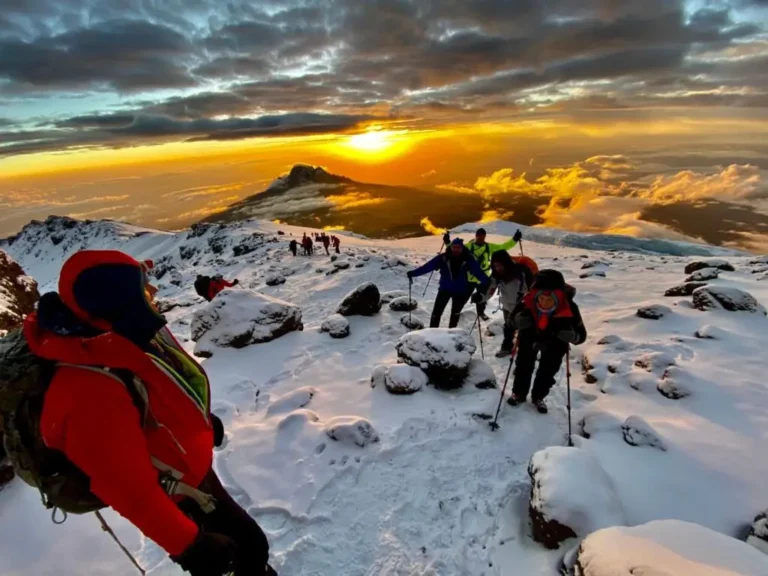
Marangu Route – 26 June Kilimanjaro Group Climb 2027
Marangu Route – 26 June 2027 Kilimanjaro Group Climb is explained with current 2027 planning, price, itinerary and booking information.
View package details7 Day Machame Route – 19 June Kilimanjaro Group Departure 2027
Planning to climb Kilimanjaro on the Machame Route in a group setting? This 7-day departure on June 19, 2027, offers a balanced approach to acclimatization and scenery. Learn what to...
View package details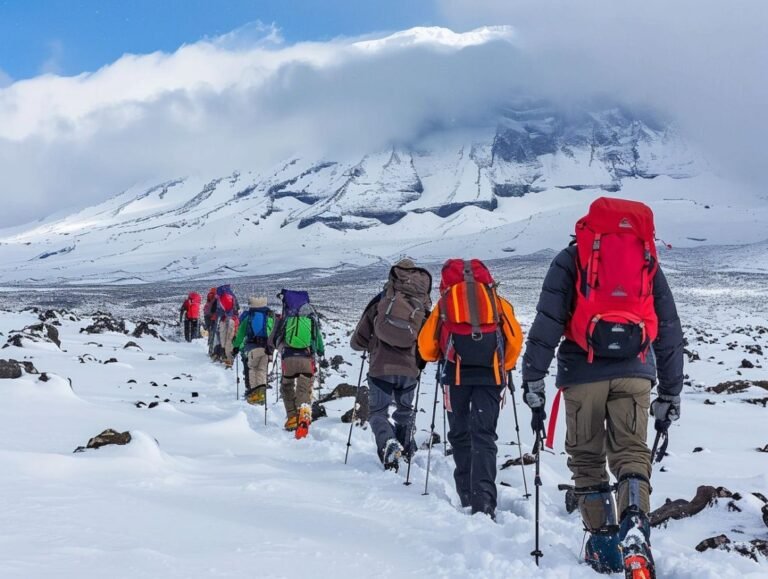
8 Day Lemosho Route – 20 February Kilimanjaro Departure With Climb 4 Africa
This article details the 8-day Lemosho Route Kilimanjaro climb scheduled for February 20, 2027, focusing on planning, itinerary, and what makes this departure a unique opportunity with...
View package detailsLemosho Route – 7 August Summer Group Climb: Your Kilimanjaro Adventure 2027
start a memorable Lemosho Route – 7 August 2027 Summer Group Climb up Mount Kilimanjaro. This guide covers the itinerary, acclimatization, and preparation for your ascent.
View package detailsFamily Kilimanjaro Climb August : Your Summer Holiday Adventure 2027
start an unforgettable Family Kilimanjaro Climb during August 2027. This guide covers the best routes, essential planning, and tips for a successful summer holiday ascent.
View package detailsLemosho Route – 28 August Kilimanjaro Group Climb 2027
Lemosho Route – 28 August 2027 Kilimanjaro Group Climb is explained with current 2027 planning, price, itinerary and booking information.
View package detailsLemosho Route – 12 August Kilimanjaro Group Climb With 4 Africa 2027
A detailed guide to the Lemosho Route Kilimanjaro climb for the 12 August 2027 group departure, covering itinerary, acclimatization, challenges, and what to expect with Climb 4 Africa.
View package details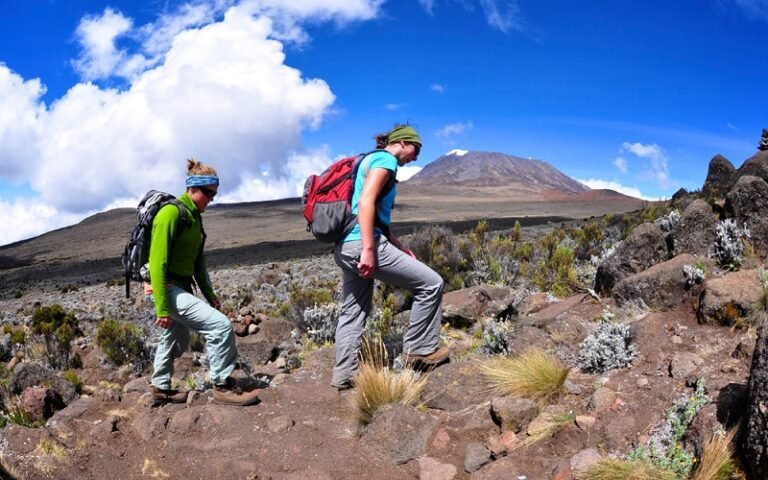
Marangu Route – 4 August Kilimanjaro Hut Climb 2027
Marangu Route – 4 August 2027 Kilimanjaro Hut Climb is explained with current 2027 planning, price, itinerary and booking information.
View package details7 Day Machame Route – 3 August Group Departure For Kilimanjaro 2027
Secure your spot on the 7 Day Machame Route Kilimanjaro group trek departing on August 3, 2027. This popular route offers a fantastic balance of scenic beauty and acclimatization for a...
View package details8 Day Lemosho Route – 1 August Kilimanjaro Group 2027
8 Day Lemosho Route – 1 August 2027 Kilimanjaro Group is explained with current 2027 planning, price, itinerary and booking information.
View package detailsNo related package matches those filters. Clear one or more filters to see the other topic-matched options.



