
Reaching Songea in Tanzania’s Ruvuma region primarily involves a combination of flying into a major airport like Dar es Salaam or Mbeya, followed by either a domestic flight to Songea’s local airport (Songea Airport – SGX) or an extended overland journey by bus or private vehicle. The overland route is significantly longer, often taking two days or more from Dar es Salaam, while flying offers a much quicker, though potentially more expensive, alternative for travelers prioritizing time in 2026-2027.

Understanding Songea’s Location: Why Travel Requires Planning
Songea, the administrative capital of the Ruvuma Region in southeastern Tanzania, is a significant hub for the southern part of the country. However, its geographical position means it’s not as readily accessible as major tourist destinations like Arusha, Moshi, or Zanzibar. Unlike the well-trodden paths to Kilimanjaro or the Serengeti, reaching Songea requires a more deliberate approach to travel planning. Its distance from the main international airport in Dar es Salaam (approximately 800-900 kilometers overland) dictates the primary modes of transport available. Understanding this remoteness is the first step to successfully navigating your journey to Songea, whether your visit is for business, to explore the region’s natural beauty, or to connect with local culture. For travelers planning trips in 2026 and 2027, acknowledging these logistical factors will be crucial for setting realistic travel times and budgets.
Option 1: Flying to Songea – The Fastest Route
For many international travelers, the quickest way to position themselves for a journey to Songea involves leveraging air travel. This typically means flying into Tanzania’s main international gateway and then connecting via a domestic flight. While not always the most budget-friendly option, it drastically reduces travel time and is often preferred by those with limited vacation days or who wish to minimize the rigors of long overland journeys.
International Arrival Points
Your journey to Songea will almost certainly begin with an international flight into Julius Nyerere International Airport (JNIA) in Dar es Salaam (DAR). This is Tanzania’s largest and busiest airport, serving a wide array of international airlines. Occasionally, travelers might consider landing in Kilimanjaro International Airport (JRO) near Arusha if their Tanzania itinerary begins with northern circuit activities, but for direct access towards Songea, Dar es Salaam is the more logical starting point. Upon arrival in Dar es Salaam, you’ll need to navigate immigration, collect your luggage, and then make your way to the domestic terminal for your onward flight.
Domestic Flights to Songea (SGX)
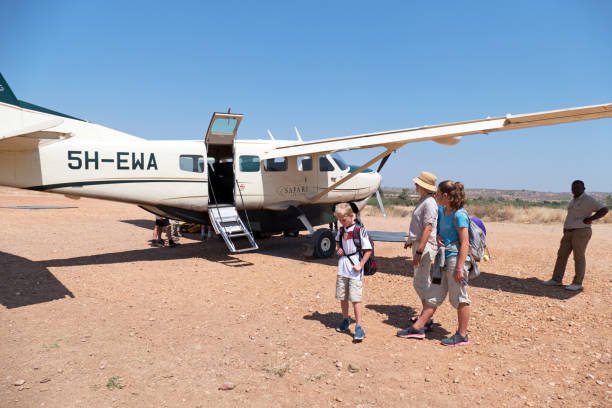
The primary way to fly directly to Songea is via its own airport, Songea Airport (SGX). This airport serves as the main air link for the Ruvuma Region. Several Tanzanian airlines operate scheduled flights to Songea, though routes and frequencies can vary. The most common route will be from Dar es Salaam (DAR) to Songea (SGX). Flights are typically operated by smaller aircraft, and schedules can be subject to change due to weather or operational reasons. It’s essential to check the latest flight information closer to your travel dates for 2026-2027.
Airlines that have historically served this route include Precision Air and sometimes others. The flight duration from Dar es Salaam to Songea is usually around 1.5 to 2 hours, depending on the specific aircraft and any intermediate stops. The experience of flying domestically in Tanzania can be different from what you might be accustomed to; expect a more local feel, and always be prepared for potential schedule adjustments.
Booking Domestic Flights: Considerations
When booking your domestic flights to Songea, keep several points in mind:
- Book in Advance: Especially for travel during peak seasons in 2026 or 2027, it’s advisable to book your domestic flights as early as possible. Seats on these routes can be limited.
- Flexibility: Schedules can change. If your itinerary is very tight, build in buffer time. A missed connection or a flight delay can have knock-on effects.
- Baggage Allowance: Smaller aircraft often have stricter baggage limits. Confirm the weight and size restrictions with the airline when booking.
- Airline Reliability: Research the reputation of the airline you are considering. While most are reliable, understanding potential issues can help you prepare.
- Connecting Time: If you are flying internationally into Dar es Salaam and connecting to a domestic flight to Songea on the same day, ensure you allocate ample time for immigration, baggage claim, and transfer between terminals. A minimum of 4-5 hours is recommended, and overnight stays in Dar es Salaam are often wise to avoid stress.
For assistance with booking these complex flight arrangements, especially when combined with other Tanzanian travel plans, working with a local operator like Climb 4 Africa can be invaluable. They have established relationships with domestic carriers and can help navigate potential disruptions.
Pros and Cons of Flying
Pros:
- Speed: Significantly reduces travel time compared to overland options.
- Comfort: Generally more comfortable and less physically demanding than long bus journeys.
- Scenery: Offers aerial views of Tanzania’s diverse landscapes, though often from high altitudes.
Cons:
- Cost: Typically more expensive than bus or shared taxi options.
- Schedule Dependency: Flights can be delayed or cancelled, especially due to weather, impacting tightly packed itineraries.
- Limited Luggage: Baggage restrictions on smaller planes can be a constraint for some travelers.
- Less Local Interaction: You miss out on the ground-level experience of Tanzania that overland travel provides.
Option 2: Overland Travel to Songea – The Adventurous Route
The overland journey to Songea is a classic Tanzanian travel experience, offering a deeper immersion into the country’s landscapes and daily life. It’s a journey for those who have more time, a tighter budget, or a spirit for adventure. The roads can be challenging, and the travel times are substantial, but the rewards are in the journey itself.
Driving from Dar es Salaam
The most common overland route from Dar es Salaam to Songea is via the A7 highway, heading south and west. This route is long and can be demanding. The total distance is roughly 800-900 kilometers, and the journey typically takes 12 to 18 hours of driving time, often spread over two days. The road conditions can vary significantly, with some stretches being paved and well-maintained, while others can be rough, dusty, or muddy, especially during the rainy seasons. Key towns you might pass through include Morogoro, Iringa, and Makambako before turning south towards Songea.
Given the duration, most travelers undertaking this route by bus or private car will break the journey. A common overnight stop is often in Iringa or Makambako, both of which offer basic to moderate accommodation options. Driving this route requires careful planning, especially if self-driving, as road conditions can deteriorate rapidly, and nighttime driving is generally discouraged due to safety concerns and poor lighting.
Driving from Mbeya
If your itinerary brings you to Mbeya in southwestern Tanzania, it is also possible to travel to Songea. Mbeya is a major transit hub, especially for those coming from or heading towards Zambia. The route from Mbeya to Songea is approximately 300-400 kilometers. This journey typically takes 5 to 8 hours of driving, again depending heavily on road conditions. The road is part of the T1 highway for a section before branching off towards Songea. This route is often more manageable than the one from Dar es Salaam and can be a viable option if Mbeya is already on your travel path for 2026-2027.
Bus Travel to Songea
Public buses are the most common and affordable way for locals and budget-conscious travelers to reach Songea. Several bus companies operate services from Dar es Salaam and other major towns to Songea. The buses range from basic to semi-luxury, with varying levels of comfort and amenities. Expect long travel times, often with multiple stops, and potentially crowded conditions. Tickets can usually be purchased at the bus station on the day of travel, but for popular routes or specific companies, booking a day or two in advance is wise, especially if traveling during holidays or peak seasons.
Key bus companies that may serve the Dar es Salaam-Songea route include Scandinavia Express, Scandinavian Express, and others. The journey from Dar es Salaam can take anywhere from 14 hours to over 20 hours, depending on the bus company, stops, and road conditions. These buses typically depart from the main bus terminals in Dar es Salaam, such as Ubungo Bus Terminal.
Private Vehicle Hire
For greater comfort, flexibility, and privacy, hiring a private vehicle with a driver is an option. This is significantly more expensive than public buses but offers a more personalized experience. You can arrange for a private car or a 4×4 vehicle. This is particularly recommended if you plan to make stops along the way to explore sights or if you have a lot of luggage. When arranging private hire, ensure the driver is experienced with the route, especially if traveling during the rainy season. Companies specializing in safari or overland tours, like Climb 4 Africa, can often arrange reliable private transfers to Songea as part of a larger itinerary.
A private transfer from Dar es Salaam to Songea, even if done in one long day, would typically involve a start very early in the morning and an arrival late at night. Spreading it over two days with an overnight stop in a town like Iringa or Makambako is far more comfortable and allows for rest. The cost for a private vehicle hire can range significantly based on vehicle type, duration, and inclusions, but expect it to be several hundred US dollars for the one-way trip.
The Journey Itself: What to Expect
Overland travel in Tanzania, especially to less frequented areas like Songea, is an experience in itself. Be prepared for:
- Variable Road Conditions: Paved roads can quickly turn into gravel or dirt tracks. Dust is common during the dry season, and mud can be a significant challenge during the rains (typically November to May, with peaks in March-April).
- Long Travel Times: Schedules are often approximate. Buses may stop frequently for passengers, breaks, and cargo.
- Basic Amenities: Onboard bus amenities can be minimal. Bring your own water, snacks, and entertainment.
- Cultural Immersion: You’ll see rural Tanzanian life unfold along the roadside, offering genuine cultural insights.
- Potential for Delays: Mechanical issues, road blockages, or weather can cause significant delays.
If you are planning a trip for 2026 or 2027 and choose the overland route, building flexibility into your schedule is paramount. A two-day journey is often more realistic and enjoyable than attempting it in one go.
Pros and Cons of Overland Travel
Pros:
- Affordability: Bus travel is the most economical option.
- Authenticity: Offers a true glimpse into local life and landscapes.
- Flexibility (with private hire): Can stop at points of interest along the way.
- Scenery: Witness the changing Tanzanian countryside firsthand.
Cons:
- Time-Consuming: Significantly longer travel times.
- Comfort Level: Can be physically demanding, especially on rough roads.
- Unpredictability: Road conditions and schedules are subject to frequent changes.
- Safety Concerns: Night driving is risky, and road safety standards can vary.
Combining Transport Methods for Flexibility
For many travelers, the ideal approach to getting to Songea involves combining different transport methods. For instance:
- Fly into Dar es Salaam, Overland to Songea: Fly internationally into DAR, then take a domestic flight to a closer regional hub like Iringa or Mbeya, and then arrange a shorter overland transfer to Songea. This can sometimes be more efficient than flying directly to SGX if flight schedules are unfavorable.
- Overland to a Hub, Fly Out: Travel overland to a major city like Mbeya or Iringa, and then take a domestic flight back to Dar es Salaam for your international departure, saving time on the return journey.
- Part Overland, Part Flight: Drive part of the way from Dar es Salaam, perhaps to Iringa, and then catch a domestic flight from Iringa (if available) to Songea.
The best combination depends on your budget, available time, and comfort preferences. Planning these connections requires local knowledge, which is where expert tour operators can be a great asset. They can help coordinate flights, private transfers, and even book bus tickets if needed, ensuring a smoother transition between modes of transport for your 2026-2027 adventure.
Essential Planning for Your Trip to Songea
Regardless of how you choose to get to Songea, thorough planning is key to a successful and enjoyable trip. Here are some crucial aspects to consider:
Visa Requirements for Tanzania
Most foreign nationals require a visa to enter Tanzania. You can typically obtain a visa upon arrival at major entry points like Dar es Salaam International Airport, or you can apply for one in advance online or through a Tanzanian embassy in your home country. The online e-visa system is often the most convenient option for many nationalities. Ensure your passport is valid for at least six months beyond your intended stay and has sufficient blank pages. Check the latest visa regulations for your nationality well before your planned travel dates in 2026-2027, as requirements can change.
Health and Vaccinations
Tanzania is a tropical country, and certain health precautions are necessary. Consult your doctor or a travel clinic at least 4-6 weeks before your trip regarding recommended vaccinations and malaria prophylaxis. Common recommendations include vaccinations for Hepatitis A, Typhoid, and Tetanus. Yellow Fever vaccination is mandatory for travelers arriving from or transiting through countries with a risk of Yellow Fever transmission; you will need to present your vaccination certificate. Malaria is present in most areas of Tanzania, including Songea, so taking antimalarial medication and using insect repellent is crucial. Drink only bottled or purified water. For any medical emergencies in Songea, local hospitals are available, but for serious conditions, evacuation to Dar es Salaam might be necessary, underscoring the importance of comprehensive travel insurance.
Currency and Money Matters
The currency in Tanzania is the Tanzanian Shilling (TZS). While US Dollars are widely accepted for tourist services, especially in larger towns and for tour operators, it’s essential to have local currency for smaller purchases, local transport, and in more remote areas. ATMs are available in Dar es Salaam and other major cities, including Songea, but can sometimes be unreliable. Credit cards are accepted in some hotels and larger establishments, but cash is still king for many transactions. It’s advisable to carry a mix of US Dollars (newer bills, preferably $20s, $50s, $100s, and smaller denominations for change) and have some Tanzanian Shillings on hand. Inform your bank about your travel dates to avoid your cards being blocked.
Packing Essentials for Southern Tanzania
Packing for Songea requires considering the climate and activities. Southern Tanzania can be hot and humid, with distinct rainy and dry seasons. Key items include:
- Lightweight Clothing: Breathable fabrics like cotton or linen for warm weather.
- Modest Attire: Especially when visiting local villages or towns, it’s respectful to dress modestly (shoulders and knees covered).
- Rain Gear: A waterproof jacket or poncho is essential, particularly during the rainy season (November to May).
- Comfortable Walking Shoes: For exploring towns and any local excursions.
- Sun Protection: Wide-brimmed hat, sunglasses, and high SPF sunscreen.
- Insect Repellent: With DEET for protection against mosquitoes.
- Basic First-Aid Kit: Including any personal medications.
- Power Bank: For charging devices when electricity is unavailable.
- Reusable Water Bottle: To stay hydrated and minimize plastic waste.
If your trip to Songea is part of a larger Tanzanian adventure, such as a safari or Kilimanjaro climb, your packing list will need to accommodate those specific activities as well. Refer to your tour operator for detailed packing lists.
Best Time to Visit Songea and Ruvuma
The Ruvuma Region, including Songea, experiences a tropical climate. The weather is generally warm to hot year-round. There are two main seasons:
- Dry Season: From June to October. This is generally considered the best time to visit, with sunny days, lower humidity, and less rainfall. Temperatures are pleasant, making it ideal for travel.
- Rainy Season: From November to May. This period includes the short rains (Vuli) and the long rains (Masika). Rainfall can be heavy, especially between March and May, which can impact road conditions and make overland travel more challenging. However, the landscape is lush and green during this time, and tourist crowds are smaller.
For planning your trip in 2026-2027, the dry season (June-October) offers the most predictable and comfortable travel conditions. However, if you don’t mind occasional rain and want to experience the region’s verdant beauty, the shoulder months of the rainy season can also be rewarding.
Accommodation in and Around Songea
Songea offers a range of accommodation options, primarily catering to local and business travelers, with fewer luxury choices compared to major tourist hubs. You’ll find:
- Guesthouses and Hotels: Several hotels and guesthouses are available in Songea town, offering basic to mid-range comfort. These typically include en-suite bathrooms, often with fans or air conditioning, and sometimes on-site restaurants.
- Budget Lodges: Simpler lodging options can be found, suitable for travelers on a tight budget.
- Outside Songea: If you plan to explore the wider Ruvuma Region, accommodation options become scarcer. Some lodges or campsites might be available near national parks or specific attractions, but advance booking and local arrangements are usually necessary.
When booking accommodation, especially outside of Songea town, it’s advisable to work with a local tour operator or ask for recommendations. For specific needs, such as arranging stays as part of a larger tour or safari, Climb 4 Africa can assist in finding suitable and reliable accommodation for your 2026 or 2027 visit.
Traveling with Climb 4 Africa to Songea and Beyond
While Songea itself might not be a primary safari or trekking destination, it serves as a gateway to exploring the Ruvuma Region’s unique cultural heritage and natural landscapes, including areas that might be off the typical tourist trail. If your travel plans involve reaching Songea as part of a broader Tanzanian experience, Climb 4 Africa can provide invaluable support. As a local Tanzanian tour operator, they possess deep knowledge of the country’s logistics, including the challenges and best practices for reaching destinations like Songea.
Whether you need assistance arranging domestic flights, securing reliable overland transport, booking suitable accommodation, or planning excursions within the Ruvuma Region, Climb 4 Africa can tailor a solution for you. They understand the nuances of travel in southern Tanzania and can help ensure your journey to Songea is as smooth and enjoyable as possible. By leveraging their local expertise, you can navigate the complexities of transportation and logistics, allowing you to focus on your experience in Tanzania for 2026-2027. Don’t hesitate to reach out to them for personalized advice and itinerary planning.
For inquiries or to start planning your custom trip, you can contact Climb 4 Africa via:
- WhatsApp: +255 747 477 898
- Email: climb4africa@gmail.com
They specialize in creating tailor-made African travel experiences, including wildlife safaris, Kilimanjaro climbs, and cultural tours across Tanzania. Let them help you make your journey to Songea a reality.
Frequently Asked Questions About Getting to Songea
Q1: What is the fastest way to get to Songea?
The fastest way to reach Songea is by flying. This typically involves an international flight to Dar es Salaam (DAR), followed by a domestic flight to Songea Airport (SGX). The overland journey can take 1-2 days.
Q2: Is it possible to drive from Dar es Salaam to Songea?
Yes, it is possible to drive from Dar es Salaam to Songea. The journey is approximately 800-900 km and usually takes 12-18 hours of driving time, often split over two days due to road conditions and the need for rest. The A7 highway is the primary route.
Q3: Are there direct flights from Dar es Salaam to Songea?
Yes, there are scheduled domestic flights from Dar es Salaam (DAR) to Songea Airport (SGX). Airlines like Precision Air have historically operated this route, but it’s essential to check current schedules and availability for 2026-2027.
Q4: What are the main challenges of overland travel to Songea?
The main challenges include long travel times, variable road conditions (especially during the rainy season, which can make roads muddy and impassable), frequent stops on bus journeys, and the need for careful planning regarding overnight stays and safety.
Q5: When is the best time to travel to Songea?
The best time to visit Songea is generally during the dry season, from June to October, when the weather is most favorable for travel and outdoor activities. However, the shoulder seasons can also offer pleasant experiences with fewer crowds.
Q6: Can a tour operator help with travel arrangements to Songea?
Absolutely. Local tour operators like Climb 4 Africa have extensive knowledge of Tanzanian logistics and can assist with booking flights, coordinating overland transfers, arranging accommodation, and planning your entire itinerary, ensuring a smoother journey to Songea and beyond for 2026 or 2027.
Check Availability for How To Get To Songea: Your Complete Travel Guide For 2026-2027
Ready to compare dates, prices, and the best option for your group? Send the package name and travel month so the team can reply with a clear quote, availability, and what is included.



