
Visiting Lake Rukwa, Tanzania’s third-largest soda lake, requires careful planning due to its remote location and limited infrastructure, typically involving a flight to a nearby airstrip followed by a 4×4 transfer. The best time to visit Lake Rukwa for optimal wildlife viewing, particularly birdlife and large mammals like wildebeest and zebras, is during the dry seasons from June to October and again from December to February, with 2026 and 2027 offering excellent opportunities for intrepid travelers seeking an off-the-beaten-path safari. Access is usually via Sumbawanga or Mbeya, with specialized safari operators being essential for navigating the logistics.

Understanding Lake Rukwa’s Unique Appeal
Tanzania is globally renowned for its iconic wildlife destinations like the Serengeti, Ngorongoro Crater, and Tarangire National Park. These parks offer unparalleled wildlife viewing and are often the primary focus for visitors. However, for those seeking a more authentic, less crowded, and uniquely rewarding safari experience, Tanzania holds hidden gems. Lake Rukwa, the country’s third-largest lake, is one such place. It’s a vast, shallow soda lake situated in a dramatic rift valley, characterized by its fluctuating water levels, saline conditions, and a rich diversity of life that thrives in this challenging environment.
Unlike its more famous counterparts, Lake Rukwa is not a national park. It lies within the Rukwa Game Reserve, a designation that influences how it’s managed and accessed. This status means that while wildlife is abundant, the infrastructure for tourism is far less developed. This isn’t a place for luxury lodges on every corner; rather, it’s for the adventurous traveler who appreciates raw wilderness, significant bird populations, and the chance to witness large herds in a landscape that feels truly wild and untamed. Planning a visit to Lake Rukwa in 2026 or 2027 requires a different approach, prioritizing logistical expertise and a willingness to embrace the remote nature of this spectacular location.
Why Visit Lake Rukwa? A Different Kind of Safari
The allure of Lake Rukwa lies in its distinctiveness. It offers a safari experience that contrasts sharply with the typical Tanzanian circuit. Here’s why it captures the imagination of those who venture there:
- Unspoiled Wilderness: Lake Rukwa is far from the main tourist trails. This means fewer vehicles, a more intimate connection with nature, and a profound sense of discovery. The landscapes are vast and often starkly beautiful, with acacia woodlands, open grasslands, and the shimmering expanse of the lake itself.
- Exceptional Birdlife: For ornithologists and birding enthusiasts, Lake Rukwa is a paradise. The lake and its surrounding wetlands attract an astonishing array of bird species, including large flocks of flamingos, pelicans, storks, and numerous waterbirds. Its ecological significance for migratory and resident species is immense.
- Large Mammal Herds: While not as densely packed with predators as some other parks, Lake Rukwa supports significant populations of herbivores. Expect to see large herds of wildebeest, zebras, buffalo, topi, impala, and hartebeest, particularly during the dry seasons when they congregate near water sources. Hippos are also a common sight in the lake’s shallows.
- Unique Ecosystem: The soda lake environment creates a unique habitat. The high salinity influences the types of flora and fauna that can survive, leading to specialized adaptations. This ecological niche offers a fascinating study for those interested in natural history.
- Sense of Adventure: Getting to Lake Rukwa is part of the adventure. It tests your planning and your resilience, rewarding you with experiences that few other tourists will have. It’s a destination for travelers who want to go beyond the ordinary and explore the less-charted territories of Tanzania.
Choosing Lake Rukwa for your 2026 or 2027 safari means opting for an authentic exploration, away from the crowds, and into a realm of raw natural beauty and diverse wildlife.
Planning Your Visit to Lake Rukwa
A successful trip to Lake Rukwa hinges on meticulous planning. Its remoteness dictates a different approach compared to visiting more accessible national parks. Understanding the nuances of timing, access, and accommodation is crucial for an enjoyable and safe experience.
Best Time to Visit Lake Rukwa: Seasons and Wildlife
The timing of your visit to Lake Rukwa significantly impacts your experience, particularly regarding wildlife viewing and accessibility. Tanzania’s climate is generally divided into distinct wet and dry seasons, and Lake Rukwa is no exception. For 2026 and 2027, these patterns are expected to remain consistent.
- The Dry Season (June to October): This is generally considered the prime time for visiting Lake Rukwa. During these months, the weather is typically sunny and dry, with cooler temperatures. The receding water levels concentrate wildlife around remaining water sources, making them easier to spot. This period is also excellent for birdwatching as many resident and migratory species are present. The lake’s shores become vital gathering points for large herbivores and their predators.
- The Shoulder Season (December to February): This is another dry period, often referred to as the “short rains” or “short dry season” depending on the year’s specific patterns. It can be a good time to visit, offering a chance to see wildlife before the main rainy season begins. However, some areas might become less accessible if there are unseasonal heavy showers.
- The Wet Season (March to May and November): This period sees the heaviest rainfall. While the landscape becomes lush and green, which can be beautiful, many roads and tracks can become impassable for standard safari vehicles. Wildlife may also disperse across a wider area, making them harder to locate. For this reason, the wet season is generally not recommended for visiting Lake Rukwa, especially if you are relying on ground transport.
Key Considerations for 2026-2027: While the general patterns hold, it’s wise to consult with local tour operators for the most up-to-date conditions closer to your travel dates. They will have real-time information on road conditions and wildlife movements.
How to Get to Lake Rukwa: Routes and Logistics
Reaching Lake Rukwa is an undertaking that requires professional guidance. The journey typically involves a combination of air and land travel, emphasizing the need for a well-organized safari plan.
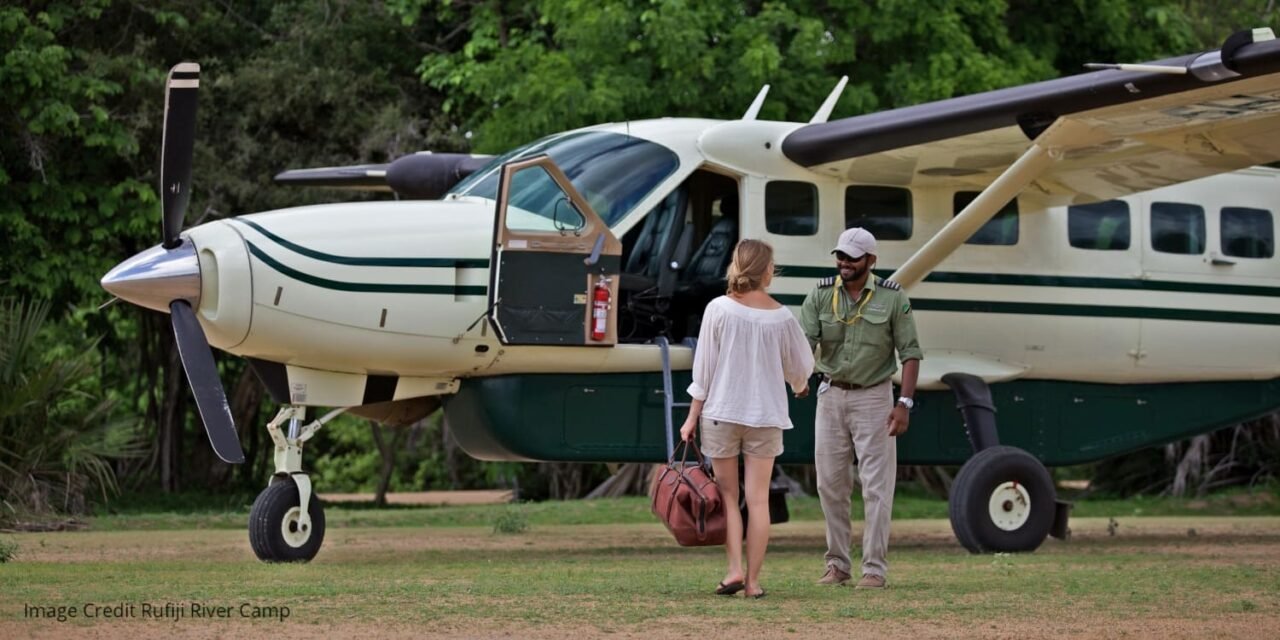
- By Air: The most practical way to reach the vicinity of Lake Rukwa is by light aircraft. Scheduled or chartered flights operate from major hubs like Dar es Salaam, Arusha, or Kilimanjaro International Airport (JRO) to regional airstrips.
- By Road: From the nearest airstrips, the final leg of the journey is usually by 4×4 safari vehicle. The condition of these roads can vary significantly, especially during and after the rainy season. A sturdy, reliable 4×4 is essential, and it’s best to have an experienced driver who knows the terrain.
Key Decision Point: Relying on local expertise is paramount. Operators like Climb 4 Africa understand the complex logistics of reaching Lake Rukwa and can arrange smooth transfers from the moment you land in Tanzania.
Entry Points and Airstrips
The primary gateway towns and their associated airstrips for accessing Lake Rukwa are:
- Sumbawanga: Located in the Rukwa Region, Sumbawanga is often the most direct entry point for reaching the northern or western shores of Lake Rukwa. Airstrips here can accommodate smaller bush planes. From Sumbawanga, a 4×4 journey of several hours is typically required to reach the lake and any established camps or lodges.
- Mbeya: While further south, Mbeya can also serve as an entry point, especially if your itinerary includes other southern Tanzanian destinations. Flights to Mbeya are more common. From Mbeya, the overland journey to Lake Rukwa is longer and more challenging, often involving rough tracks.
Important Note: Flight schedules to these remote airstrips can be infrequent and are highly dependent on weather conditions. Booking flights well in advance, especially for 2026-2027 travel, is essential.
Travel Style and Lodging Options
Lake Rukwa caters to a specific type of traveler, one who values immersion in nature over luxury amenities. Lodging options are limited and primarily focused on providing a comfortable base for exploration rather than resort-style comfort.
- Tented Camps: These are the most common form of accommodation. Expect comfortable, canvas-walled tents, often with en-suite bathrooms (though facilities can be basic, sometimes featuring bucket showers). These camps are designed to blend into the environment and offer an authentic safari feel.
- Mobile Camps: In some cases, especially for more adventurous expeditions or during specific wildlife movements, mobile tented camps might be set up. These offer a truly in-depth experience, allowing you to be closer to wildlife hotspots.
- Basic Lodges: A few very basic lodges might exist, often run by local authorities or private entities. These are generally functional rather than luxurious.
What to Expect: Lodging at Lake Rukwa is functional and designed for the wilderness. Amenities are often limited, and power may be generator-dependent, available only at specific times. This is part of the charm for those seeking an authentic escape. For 2026-2027 bookings, confirm the exact facilities and services offered by your chosen camp or lodge.
Wildlife at Lake Rukwa: What to Expect
Lake Rukwa is a dynamic ecosystem supporting a surprising variety of wildlife, adapted to its saline waters and surrounding savannas. While it may not boast the sheer density of the Northern Circuit parks, its wildlife viewing is nonetheless rewarding and often more intimate.
Birdlife Hotspot
The lake is a magnet for avian life, making it a premier destination for birdwatchers. The shallow, mineral-rich waters provide abundant food sources.
- Flamingos: The star attraction for many birders. Vast flocks of Lesser Flamingos, and sometimes Greater Flamingos, create spectacular pink displays along the lake shores, especially during periods of favorable water levels.
- Waterfowl and Waders: Expect to see large numbers of pelicans (both Great White and Pink-backed), various species of storks (including Marabou, Saddle-billed, and Yellow-billed), herons, egrets, and kingfishers.
- Raptors: Various eagles and buzzards patrol the skies and shores, including African Fish Eagles, Tawny Eagles, and Bateleur Eagles.
- Other Species: The surrounding woodlands and grasslands host weaver birds, hornbills, rollers, bee-eaters, and numerous other passerines.
Tip for 2026-2027: If birding is a priority, consider visiting during the periods when water levels are most conducive to attracting large flocks. Consult your operator for the best timing.
Mammal Encounters
The plains and woodlands surrounding Lake Rukwa are home to a healthy population of herbivores and their predators.
- Large Herbivores: During the dry season, large herds of wildebeest and zebras are common. You’ll also find substantial numbers of topi, hartebeest (Lelwel and Coke’s), impala, and bushbuck. Buffalo herds are also present.
- Predators: While less frequently encountered than in other parks, predators such as lions, leopards, cheetahs, and hyenas are present. Sightings are more opportunistic and depend on tracking skills and luck.
- Hippos: Large pods of hippos are resident in the lake and associated rivers.
- Other Mammals: Smaller mammals like warthogs, various mongoose species, and baboons are commonly seen. Elephants are not a primary feature of Lake Rukwa but can occasionally be found in the wider reserve.
Note on Predators: Due to the vastness of the reserve and fewer vehicles, spotting predators requires patience and often dedicated tracking. This can be a more thrilling experience for those who appreciate the challenge.
Reptiles and Other Fauna
The lake’s waters and shores are also home to other fascinating creatures:
- Crocodiles: Nile crocodiles are abundant in the lake and its riverine systems.
- Snakes and Lizards: Various species inhabit the drier areas and woodlands.
The unique saline environment means that some species you might expect in other Tanzanian ecosystems may be absent or less common, replaced by those adapted to these specific conditions.
Safari Experiences Around Lake Rukwa
The activities available at Lake Rukwa are tailored to its wild nature, emphasizing exploration and close encounters with the environment.
Game Drives
This is the primary way to explore the Rukwa Game Reserve. Expert guides will take you in 4×4 vehicles across varied terrain, from open grasslands to acacia woodlands, searching for wildlife.
- Timing: Early morning and late afternoon drives are most productive, coinciding with peak animal activity.
- Vehicle Type: A sturdy, open-top 4×4 safari vehicle is essential for optimal viewing and comfort over rough tracks.
- Guide Expertise: The quality of your guide is paramount. Experienced guides know the best locations, understand animal behavior, and can track elusive species.
For 2026-2027: Ensure your chosen operator provides experienced, local guides who are intimately familiar with the Rukwa ecosystem.
Walking Safaris
Where permitted and safe, walking safaris offer an unparalleled, ground-level perspective of the bush. These are typically conducted with an armed ranger or an experienced guide.
- Focus: Walking safaris are excellent for observing smaller details – tracks, plants, insects, and smaller game. They also provide a deeper appreciation for the sounds and scents of the wilderness.
- Safety: These walks are conducted in designated safe areas, away from major predator concentrations.
- Availability: Not all camps offer walking safaris, and their availability can depend on local conditions and regulations.
Boat Trips (Limited)
Due to the shallow and often saline nature of Lake Rukwa, traditional boat safaris like those on the Rufiji River in Selous Game Reserve are not a standard offering. However, in areas where rivers feed into the lake or where deeper channels exist, short boat excursions might be possible, offering a unique perspective on hippos and waterbirds. This is highly dependent on the specific location and water levels, so it’s an activity to inquire about with your operator.
Practical Considerations for Visiting Lake Rukwa
A trip to a remote destination like Lake Rukwa requires attention to practical details that ensure comfort, safety, and a smooth experience.
Packing Essentials
Pack light but smart. Layers are key, as temperatures can fluctuate. Bring neutral-colored clothing to avoid startling wildlife.
- Clothing: Lightweight, breathable long-sleeved shirts and trousers (for sun and insect protection), t-shirts, a fleece or warm jacket for cool mornings and evenings, a hat, and comfortable walking shoes.
- Footwear: Sturdy, broken-in hiking boots are recommended if you plan on walking safaris. Comfortable sandals or trainers for camp.
- Sun Protection: High SPF sunscreen, sunglasses, and a wide-brimmed hat are essential.
- Insect Repellent: A good quality repellent containing DEET or Picaridin is crucial, especially for evenings.
- Binoculars: High-quality binoculars are a must for wildlife viewing.
- Camera Equipment: Bring extra batteries and memory cards. Consider a telephoto lens for wildlife.
- Personal First-Aid Kit: Include any personal medications, plus basics like antiseptic wipes, plasters, pain relievers, and anti-diarrhea medication.
- Headlamp or Torch: Essential for navigating around camp after dark.
- Reusable Water Bottle: To minimize plastic waste.
Note for 2026-2027: Pack a portable power bank, as charging facilities can be limited.
Health and Safety
Prioritize your health and safety when planning your trip.
- Malaria Prevention: Lake Rukwa is a malaria-endemic area. Consult your doctor about appropriate anti-malarial medication well in advance of your trip.
- Vaccinations: Ensure all routine vaccinations are up-to-date. Yellow fever vaccination may be required for entry into Tanzania, so check current regulations.
- Water: Drink only bottled or purified water. Avoid ice in drinks unless you are certain it’s made from purified water.
- Sunstroke: Stay hydrated and avoid overexposure to the sun, especially during midday.
- Wildlife Encounters: Always follow your guide’s instructions. Maintain a safe distance from all wildlife, especially large animals like hippos and elephants. Never feed or approach wild animals.
- Road Safety: The journey to and from Lake Rukwa can be on rough, unpaved roads. Travel with reputable operators who use well-maintained vehicles and experienced drivers.
Pre-Trip Medical Consultation: It is highly recommended to consult a travel doctor or your GP at least 6-8 weeks before your departure to discuss necessary vaccinations, malaria prophylaxis, and any other health concerns.
Connectivity and Amenities
Be prepared for limited connectivity and basic amenities.
- Mobile Phone Signal: Expect little to no mobile phone signal in most areas around Lake Rukwa. Some camps might have a satellite phone for emergencies.
- Internet: Wi-Fi is rare and, if available, will likely be slow and expensive. It’s best to disconnect and embrace the wilderness experience.
- Power: Electricity is often provided by generators, typically switched on for a few hours in the morning and evening. Bring a power bank to charge devices.
- Shopping: There are no shops or facilities for purchasing essentials near the lake. Bring everything you need, including any specific snacks or comfort items.
Embrace the Disconnect: Visiting Lake Rukwa is an opportunity to truly get away from it all. Plan to be offline and enjoy the natural surroundings.
Conservation Efforts
As a game reserve, Lake Rukwa is managed for conservation. Your visit contributes to the local economy and supports anti-poaching efforts and wildlife protection initiatives. It’s important to travel responsibly, respect the environment, and adhere to all park rules and guidelines.
Combining Lake Rukwa with Other Destinations
Given the effort required to reach Lake Rukwa, many travelers choose to combine it with other Tanzanian highlights for a more comprehensive experience. This approach is particularly effective for 2026-2027 itineraries.
- Southern Tanzania Circuit: Lake Rukwa is geographically well-placed to be part of a larger southern Tanzania safari circuit. This could include:
- Ruaha National Park: Tanzania’s largest national park, known for its vastness, wild character, and large elephant and predator populations. It offers a more developed safari infrastructure than Rukwa but maintains a wild feel.
- Selous Game Reserve (Nyerere National Park): Famous for its boat safaris on the Rufiji River, walking safaris, and diverse wildlife, including wild dogs.
- Mikumi National Park: Easily accessible from Dar es Salaam, offering good wildlife viewing in a more compact setting.
- Zanzibar: After an adventurous safari, many visitors combine their mainland experience with a relaxing stay on the spice island of Zanzibar, enjoying its beaches and rich history.
- Mount Kilimanjaro: For the very adventurous, a safari in the south could precede or follow a climb of Mount Kilimanjaro, though this requires careful time management.
Logistical Synergy: When combining destinations, working with a tour operator that has extensive knowledge of Tanzania’s road and air networks is crucial. They can design an itinerary that flows logically, minimizing travel time and maximizing your experience. For instance, a trip starting in Dar es Salaam could include Selous, then fly to Mbeya to access Lake Rukwa, followed by a flight to Ruaha, and finally back to Dar es Salaam or on to Zanzibar.
Booking Your Lake Rukwa Safari in 2026-2027
Securing a safari to Lake Rukwa, especially for peak seasons in 2026 and 2027, requires booking well in advance. Due to the limited infrastructure and specialized nature of travel to this region, relying on experienced tour operators is not just recommended; it’s essential.
- Choose a Specialist Operator: Look for companies with a proven track record in arranging safaris to less-visited destinations in Tanzania. They will have established relationships with local camps, understand the flight logistics, and possess the necessary permits and knowledge for operating within the Rukwa Game Reserve.
- Customized Itineraries: A good operator will work with you to tailor an itinerary that matches your interests, budget, and time. Whether you’re focused on birdwatching, mammal photography, or simply experiencing true wilderness, they can craft the perfect trip.
- Confirm Inclusions: Ensure your safari package clearly outlines what is included. Typically, this will cover accommodation, meals, park fees (if applicable within the reserve), game drives with a guide and vehicle, and internal transfers (flights and road transfers from airstrips). International flights, visas, travel insurance, tips, and personal expenses are usually extra.
- Booking Window: For 2026 and 2027, especially if you plan to travel during the dry season (June-October), booking at least 6-12 months in advance is highly advisable. This allows ample time to secure the best accommodation and flights, which can be limited for remote locations.
Why Contact Climb 4 Africa? For an authentic and well-managed safari to Lake Rukwa in 2026 or 2027, partnering with a local expert like Climb 4 Africa is invaluable. We understand the unique challenges and rewards of visiting such remote areas. Our team can arrange smooth logistics, from your arrival in Tanzania to your departure, ensuring you have a safe, comfortable, and unforgettable adventure. We specialize in creating tailor-made itineraries that go beyond the typical tourist path, offering you a genuine connection with Tanzania’s wild heart.
To start planning your unique Lake Rukwa safari, please reach out to us. You can contact us via WhatsApp at +255 747 477 898 or send an email to climb4africa@gmail.com. Let us help you craft an extraordinary journey into one of Tanzania’s most interesting, off-the-beaten-track destinations.
“,
“faq_schema”: []
}
“`
Check Availability for How To Visit Lake Rukwa 2026-2027
Ready to compare dates, prices, and the best option for your group? Send the package name and travel month so the team can reply with a clear quote, availability, and what is included.
Best Time To Visit Lake Rukwa 2026-2027
Best Time to Visit Lake Rukwa is explained with current 2026-2027 planning, price, itinerary and booking information.
No related package matches those filters. Clear one or more filters to see the other topic-matched options.



