
Visiting Lake Babati involves understanding its location in northern Tanzania, near the town of Babati, and planning your journey either as part of a larger safari or a dedicated excursion. Access typically involves driving from major hubs like Arusha or Dodoma, with options for guided tours that handle logistics, making it a manageable destination for exploring its unique ecosystems and local culture.

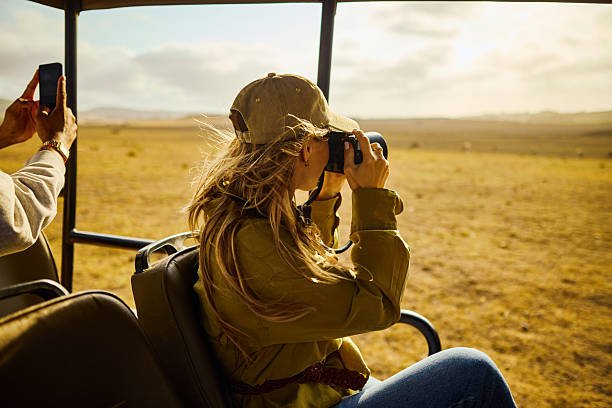
Lake Babati: A Glimpse into Tanzania’s Natural Beauty
Lake Babati, located in the Manyara Region of northern Tanzania, is a tranquil and ecologically rich destination often overshadowed by its more famous national park neighbours. For travelers seeking a more authentic, less crowded experience, Lake Babati offers a compelling blend of biodiversity, particularly for birdlife, and a chance to connect with the local culture. Its waters attract a variety of resident and migratory birds, and the surrounding acacia woodlands teem with smaller mammals and diverse flora. The lake itself is a vital water source for the region, influencing the landscape and the livelihoods of the communities that call this area home. Understanding how to visit Lake Babati effectively means appreciating its unique character and planning your trip to maximize its offerings, whether you’re an avid birder, a nature enthusiast, or simply looking for a peaceful escape.
The appeal of Lake Babati lies in its accessibility from key tourist routes while retaining a sense of untouched natural beauty. It serves as a wonderful stopover or a dedicated destination for those who wish to explore deeper into Tanzania’s diverse environments beyond the typical safari circuit. The town of Babati, a bustling local center, provides the essential services and a gateway to the lake’s natural wonders. For travelers in 2026 and 2027, Lake Babati represents an opportunity to experience a different facet of Tanzania, one that is both serene and vibrant, offering a refreshing contrast to the dramatic landscapes of Kilimanjaro or the vast plains of the Serengeti.
Getting to Lake Babati: Routes and Transport Options
Reaching Lake Babati is a significant part of the adventure, and your starting point in Tanzania will largely dictate the most practical travel route. The journey itself offers a window into the Tanzanian countryside, showcasing changing landscapes from highlands to drier plains as you approach the lake. While not as frequently visited as national parks, its proximity to major travel arteries makes it an achievable addition to most itineraries in northern Tanzania.
From Arusha to Lake Babati
Arusha, the primary gateway for most northern Tanzania safaris and Kilimanjaro treks, is the most common starting point for visitors aiming for Lake Babati. The drive typically takes between 2.5 to 4 hours, depending on road conditions and traffic. The route follows the main highway (A14) heading southwest. This road is generally in good condition, though sections can be affected by heavy rains, particularly during the wet season. You’ll pass through diverse scenery, including agricultural lands, small towns, and eventually the drier plains characteristic of the region.
Several transport options exist from Arusha:
- Private Vehicle Hire: This is the most comfortable and flexible option. Hiring a 4×4 vehicle with a driver from a reputable tour operator in Arusha allows you to travel at your own pace, make spontaneous stops, and have a knowledgeable guide who can point out local sights. This is ideal for those who have booked a safari package that includes transfers or day trips. For 2026-2027 travel, booking this service well in advance is recommended to secure preferred vehicles and drivers.
- Public Transport (Dala-dala and Bus): For the more adventurous and budget-conscious traveler, using public transport is possible. You can take a bus or a ‘dala-dala’ (minibus taxi) from Arusha to Babati town. This is a much slower and less comfortable experience, often involving multiple changes and crowded conditions. However, it offers a genuine local experience. Ensure you are prepared for long travel times and limited luggage space.
- Shared Taxis/Shuttles: Some operators offer shared shuttle services between Arusha and Babati. These are more comfortable than public buses but less flexible than private hire. They operate on fixed schedules and can be a good compromise for solo travelers or couples looking for a balance between cost and convenience.
From Dodoma to Lake Babati
Dodoma, Tanzania’s capital, is located south of Lake Babati. The journey from Dodoma to Babati is longer, typically taking 4 to 6 hours by road. The route is primarily along the A14 highway, heading north. This route is less common for international tourists, as most begin their Tanzanian journeys in Arusha. However, if your travel plans originate or include Dodoma, this is a feasible connection.
Similar transport options apply:
- Private Vehicle Hire: Again, a private vehicle offers the most direct and comfortable way to travel between Dodoma and Babati, especially if you are combining a visit to the capital with the lake.
- Public Buses: Regular public bus services connect Dodoma and Babati. These are generally reliable but can be slow. Booking tickets in advance, especially for popular routes or during peak travel times in 2027, is advisable.
Other Access Points and Considerations
If you are coming from other parts of Tanzania, such as the Serengeti or Ngorongoro Conservation Area, you would typically drive towards Arusha and then proceed to Babati. The exact route and time would depend on your location within these parks. For instance, driving from the Karatu area (near Ngorongoro) to Babati might take around 2 to 3 hours.
Road Conditions: While the main highway (A14) is generally well-maintained, it’s crucial to be aware that road conditions in Tanzania can vary significantly, especially after heavy rains. Tour operators are best placed to provide the most up-to-date information on road status for your planned travel dates in 2026 or 2027.
Transport Options on Arrival in Babati Town
Once you arrive in Babati town, you’ll need to arrange transport to the lake itself, which is usually a short drive from the town center. Local taxis (often 4×4 vehicles or motorcycles) are readily available. If you are on a guided tour, your driver will likely take you directly to the lake or your accommodation.
When to Visit Lake Babati: Seasons and Weather Patterns
Understanding the seasonal patterns in Tanzania is key to planning a successful visit to Lake Babati. The region experiences a tropical climate with distinct wet and dry seasons, which influence wildlife viewing, bird activity, and overall travel comfort. While Lake Babati is a year-round destination, certain periods offer a more optimal experience for specific interests.
Dry Season Advantages (June to October)
The dry season is generally considered the best time to visit most of northern Tanzania, and Lake Babati is no exception. During these months, the weather is typically sunny and pleasant, with lower humidity and minimal rainfall. Average temperatures range from the mid-20s to low 30s Celsius (70s to low 90s Fahrenheit).
Benefits of visiting during the dry season:
- Easier Travel: Roads are in better condition, making travel smoother and quicker.
- Wildlife Concentration: While Lake Babati is not a national park, the surrounding areas may see wildlife congregating near water sources.
- Birdwatching: Many resident birds are active, and the clear skies provide excellent visibility.
- Comfortable Exploration: Outdoor activities like nature walks and boat trips are more enjoyable with less risk of rain interruptions.
Wet Season Considerations (November to May)
The wet season brings rain, which can range from short, heavy downpours to longer periods of drizzle. There are typically two wet periods: the ‘short rains’ (vuli) from November to December and the ‘long rains’ (masika) from March to May. Temperatures can be slightly cooler during the rainy months but still warm.
Challenges and opportunities during the wet season:
- Road Conditions: Some unpaved roads can become challenging to navigate, potentially leading to delays or requiring robust 4×4 vehicles.
- Lush Scenery: The landscape becomes incredibly green and vibrant after the rains, offering beautiful photographic opportunities.
- Fewer Tourists: You’ll encounter fewer other visitors, allowing for a more intimate experience.
- Bird Breeding: Many bird species are in breeding plumage and may be more active, making it a good time for dedicated birdwatchers.
- Lower Prices: Some lodges and tour operators might offer slightly reduced rates during the low season (especially April-May).
Best Time for Birdwatching and Wildlife Spotting
For birdwatching enthusiasts, Lake Babati is a year-round destination due to its resident species and migratory birds that arrive during different seasons. However, the period from November to April is particularly rewarding as Palearctic migratory birds are present. The surrounding vegetation is also at its most lush during and immediately after the wet season, which can sometimes make spotting mammals more challenging but enhances the visual appeal for photographers.
While Lake Babati is not a primary wildlife viewing destination like the nearby national parks, it is home to various antelopes, monkeys, and other small mammals. The best chances for spotting these are usually during the early morning or late afternoon, when they are most active.
Planning Your Visit for 2026-2027
When planning your trip for 2026-2027, consider your priorities. If comfortable travel and clear skies are paramount, aim for the dry months of June to October. If you are a keen birder interested in migratory species and don’t mind occasional rain, the shoulder months of October to December and March to May can also be excellent. Always check with your tour operator for the most current weather patterns and road conditions as you finalize your plans for 2026 or 2027.
Things to Do at Lake Babati: Activities and Experiences
Lake Babati offers a serene environment for a range of activities that focus on its natural beauty and the local culture. While it doesn’t boast the dramatic wildlife encounters of a national park, its charm lies in its tranquility and the opportunity for more intimate exploration. For travelers looking beyond the typical safari checklist, Lake Babati provides a refreshing and engaging experience.
Birdwatching Excursions
Lake Babati is a haven for birdwatchers. The lake and its surrounding wetlands and woodlands are home to a remarkable diversity of avian species. You can expect to see a variety of waterbirds, including herons, egrets, kingfishers, and possibly even flamingos, especially during certain times of the year. The woodlands attract forest birds, raptors, and smaller passerines. Guided birdwatching walks with local guides who know the best spots and calls are highly recommended to maximize sightings. Bring your binoculars and a good field guide!
Wildlife Spotting Around the Lake
While not a prime wildlife destination, the areas surrounding Lake Babati are inhabited by several species of mammals. Common sightings can include various antelopes such as impalas, dik-diks, and possibly bushbucks. Various monkey species, including baboons and vervet monkeys, are often seen. Hippos are known to inhabit the lake, though they are more likely to be seen during dawn or dusk. For those with a keen eye, smaller creatures like monitor lizards and a variety of insects and reptiles can also be observed.
Cultural Interactions with Local Communities
The town of Babati and its surrounding villages are home to diverse ethnic groups, including the Iraqw and Gorowa people, known for their agricultural practices and unique traditions. Visiting local villages can offer a fascinating glimpse into daily life. This could involve visiting a farm, learning about traditional crafts, or simply interacting with residents. It’s important to approach these interactions with respect and ideally through a guided tour that facilitates meaningful and appropriate engagement. For 2026-2027, consider tours that incorporate community-based tourism elements for a more enriching cultural exchange.
Nature Walks and Hiking
The areas around Lake Babati provide opportunities for guided nature walks. These walks allow you to explore the acacia woodlands and savannas at a slower pace, observing the smaller details of the ecosystem. Local guides can identify plants, explain their traditional uses, and help you spot elusive wildlife. Some walks might lead to viewpoints offering panoramic vistas of the lake and the surrounding landscape.
Boat Trips on the Lake
A boat trip on Lake Babati offers a unique perspective of the lake and its inhabitants. This is an excellent way to get closer to waterbirds, observe hippos from a safe distance, and enjoy the tranquility of the water. Local fishermen often operate small boats, and arrangements can sometimes be made for guided excursions. This is particularly enjoyable during the cooler parts of the day, such as early morning or late afternoon.
Photography Opportunities
Lake Babati is a photographer’s dream, especially for those interested in nature and landscape photography. The calm waters reflect the sky, creating stunning vistas, particularly at sunrise and sunset. The diverse birdlife, occasional wildlife sightings, and the vibrant green landscapes (especially after rains) offer endless subjects. The cultural aspects, such as local markets and village life, also provide rich photographic content.
Accommodation Near Lake Babati: Options and Advice
When planning your visit to Lake Babati, choosing the right accommodation is crucial for a comfortable and enjoyable stay. While Babati town offers basic services, the areas immediately surrounding the lake provide more scenic and tranquil options. The range of accommodations is more limited compared to major tourist hubs, so early booking, especially for 2026-2027 travel, is advisable.
Lodges and Camps
There are a few lodges and tented camps located near Lake Babati that offer a more in-depth nature experience. These establishments are often situated to provide excellent views of the lake or the surrounding wilderness. They typically feature en-suite facilities, comfortable beds, and often have on-site restaurants serving local and international cuisine. Some might offer guided activities like birdwatching walks or boat trips.
Pros:
- in-depth natural setting.
- Often include guided activities.
- Comfortable amenities.
Cons:
- Can be more expensive.
- May have limited availability.
- Further from Babati town’s amenities.
Guesthouses in Babati Town
Babati town itself has several guesthouses and smaller hotels. These options are generally more basic and budget-friendly, catering primarily to local travelers or those on shorter stays. They provide essential amenities such as a bed, bathroom, and sometimes meals. Staying in town offers easy access to local markets, shops, and transport links.
Pros:
- More affordable.
- Convenient for accessing town services and transport.
- Authentic local atmosphere.
Cons:
- Basic facilities.
- Less scenic than lakeside options.
- Can be noisy.
Homestays and Community Lodges
For a truly authentic cultural experience, consider homestays or community-run lodges. These arrangements allow you to stay with local families or in accommodations managed by the community, offering deep insights into their way of life. This is a fantastic way to support local economies directly and learn about traditions firsthand. Such options are becoming more popular and can be arranged through specialized community tourism initiatives or by partnering with knowledgeable local tour operators.
Pros:
- Deep cultural immersion.
- Direct support for local communities.
- Unique and memorable experiences.
Cons:
- Facilities can be very basic.
- Requires an open mind and flexibility.
- Availability might be limited.
Booking Accommodation for 2026-2027
Regardless of your chosen accommodation type, booking in advance is highly recommended, particularly if you plan to visit during peak seasons or for specific events in 2026 or 2027. Websites like Booking.com or Agoda might list some options in Babati town, but for unique lodges or community stays, working directly with a local tour operator like Climb 4 Africa is often the best approach. They can secure bookings, arrange transfers, and ensure your accommodation aligns with your overall trip objectives.
Planning Your Lake Babati Trip with a Tour Operator
While it’s possible to visit Lake Babati independently, partnering with a tour operator can significantly enhance your experience, especially for international travelers. A well-chosen operator handles the complexities of logistics, accommodation, and activity arrangements, allowing you to relax and fully enjoy the destination. This is particularly relevant for travelers planning visits in 2026-2027 who want a smooth and well-organized trip.
Why Use a Tour Operator?
Tour operators specializing in Tanzania offer invaluable local knowledge and established networks. They can:
- Simplify Logistics: Arrange reliable transportation from airports or other cities to Lake Babati and back.
- Secure Best Accommodation: Book rooms in lodges or camps that match your budget and preferences, often securing better rates than individuals can.
- Arrange Activities: Organize guided birdwatching tours, cultural visits, and nature walks with experienced local guides.
- Provide Safety and Support: Offer 24/7 support during your trip and ensure you are aware of health and safety considerations.
- Enhance Cultural Understanding: Facilitate respectful and meaningful interactions with local communities.
What to Look For in a Tour Operator
When selecting a tour operator for your Lake Babati visit, consider the following:
- Local Expertise: Do they have a strong presence and deep knowledge of northern Tanzania, including destinations like Lake Babati?
- Reputation: Check reviews and testimonials from previous clients. Look for operators with a history of reliable service and customer satisfaction.
- Customization Options: Can they tailor an itinerary to your specific interests, such as birdwatching or cultural immersion?
- Inclusions and Exclusions: Ensure you have a clear understanding of what is covered in the package price (accommodation, transport, guide fees, meals, activities) and what is not.
- Commitment to Sustainability: Do they practice responsible tourism and support local communities?
Tailoring Your Itinerary
A good tour operator will work with you to craft an itinerary that perfectly suits your interests and timeframe. For Lake Babati, this might mean:
- Dedicated Birdwatching Trip: Focusing on multiple days of guided walks and boat trips specifically for birding.
- Cultural Immersion: Including village visits, homestays, and interactions with local artisans.
- Relaxation Break: Using Lake Babati as a peaceful stopover between more strenuous activities like climbing Kilimanjaro or extensive safaris.
- Combination Tours: Integrating a visit to Lake Babati with nearby attractions like Tarangire National Park or Lake Manyara, perhaps for a day trip or an overnight stay.
Booking with Climb 4 Africa
Climb 4 Africa specializes in creating tailor-made travel experiences across Tanzania, including unique destinations like Lake Babati. As a local company, they possess intimate knowledge of the region and a commitment to providing authentic, well-supported adventures. They understand the nuances of visiting areas like Lake Babati and can craft itineraries that balance nature, culture, and relaxation.
To start planning your Lake Babati excursion for 2026 or 2027, or to inquire about incorporating it into a larger Tanzanian adventure, you can reach out to Climb 4 Africa:
WhatsApp: +255 747 477 898
Email: climb4africa@gmail.com
When you contact them, be sure to mention your interest in Lake Babati, your preferred travel dates for 2026-2027, the number of travelers, your interests (e.g., birding, culture), and your desired level of comfort and budget. This will help them design the perfect trip for you.
Practical Tips for Visiting Lake Babati
To ensure your trip to Lake Babati is as smooth and enjoyable as possible, consider these practical tips. They cover essential aspects from packing and health to local customs, helping you prepare adequately for your 2026-2027 adventure.
What to Pack
Packing smart is essential for comfort and convenience. Given the tropical climate and varied activities, consider the following:
- Lightweight Clothing: Breathable fabrics like cotton or linen are ideal for warm days. Include long-sleeved shirts and trousers for sun protection and insect repellent in the evenings.
- Rain Gear: A lightweight, waterproof jacket or poncho is advisable, especially if traveling during the wet season (November to May).
- Comfortable Walking Shoes: Sturdy, broken-in shoes are essential for nature walks and exploring villages.
- Hat and Sunglasses: For sun protection during the day.
- Insect Repellent: Especially important for evenings and near water bodies. Look for products containing DEET or Picaridin.
- Sunscreen: High SPF sunscreen to protect your skin.
- Binoculars: A must-have for birdwatching and wildlife spotting.
- Camera and Extra Batteries/Memory Cards: To capture the beautiful scenery and wildlife.
- Personal First-Aid Kit: Include any personal medications, antiseptic wipes, bandages, and pain relievers.
- Water Bottle: A reusable water bottle is eco-friendly and can be refilled.
- Small Backpack: For day trips to carry essentials like water, snacks, camera, and sunscreen.
Health and Safety
Your health and safety are paramount. Tanzania is a tropical country, and certain precautions should be taken:
- Malaria Prevention: Consult your doctor about malaria prophylaxis well in advance of your trip. Take antimalarial medication as prescribed and use insect repellent.
- Vaccinations: Ensure you are up-to-date with routine vaccinations. Your doctor may recommend others, such as Hepatitis A and Typhoid. Yellow Fever vaccination may be required if arriving from or transiting through a country with a risk of Yellow Fever.
- Water Safety: Drink only bottled or purified water. Avoid ice in drinks unless you are sure it’s made from purified water.
- Food Safety: Eat well-cooked food from reputable establishments. Be cautious with street food.
- Sun Protection: The equatorial sun is strong. Stay hydrated, use sunscreen, wear hats, and seek shade during the hottest parts of the day.
- Emergency Contacts: Keep a list of emergency contact numbers, including your tour operator and local emergency services.
Local Etiquette
Respecting local customs and traditions will enhance your interactions and overall experience:
- Dress Modestly: Especially when visiting villages or interacting with local communities. Avoid overly revealing clothing.
- Ask Permission Before Photographing: Always ask for consent before taking photos of people, particularly children.
- Greetings: A simple greeting like ‘Jambo’ (Hello) or ‘Habari’ (How are you?) is appreciated. Learn a few basic Swahili phrases.
- Gift Giving: If you wish to give gifts, consider practical items like school supplies for children or useful items for families, rather than cash. Consult your guide for appropriate suggestions.
- Bargaining: Bargaining is common in markets, but do so respectfully and with a smile.
Currency and Payments
The local currency is the Tanzanian Shilling (TZS). However, US Dollars are widely accepted, especially by tour operators and lodges catering to tourists. It’s advisable to carry a mix of currencies.
- US Dollars: Bring crisp, new US Dollar bills (preferably 2009 or later) for larger payments like tour packages and accommodation. Smaller denominations are useful for tips and small purchases.
- Tanzanian Shillings: Obtain these for local markets, small shops, and tipping local guides or staff.
- ATMs: ATMs are available in Babati town and larger cities like Arusha, but can sometimes be unreliable. It’s best not to rely solely on ATMs.
- Credit Cards: Some lodges and larger establishments may accept credit cards, but be aware of potential surcharges. Inform your bank of your travel plans.
- Tipping: Tipping is customary for good service. Your tour operator can advise on appropriate amounts for guides, drivers, and lodge staff.
Lake Babati vs. Other Tanzania Destinations: Making the Choice
When planning a trip to Tanzania, the sheer number of incredible destinations can be overwhelming. Lake Babati offers a unique proposition, distinct from the more famous national parks. Understanding its strengths and weaknesses relative to other popular spots helps in deciding if it’s the right fit for your 2026-2027 itinerary.
Lake Babati and Tarangire National Park
Tarangire National Park is renowned for its large elephant herds, baobab trees, and diverse birdlife. It’s a prime safari destination, offering classic game drives.
- Lake Babati: Offers a more tranquil, less crowded experience, focusing on birdwatching and local culture. Wildlife sightings are less frequent and diverse compared to Tarangire.
- Tarangire: Ideal for dedicated wildlife viewing, especially elephants. Offers standard safari activities (game drives).
Decision: If your primary goal is seeing large mammals and experiencing a classic safari, Tarangire is the priority. If you seek peace, birding, and cultural interaction, Lake Babati is a superb complement or alternative.
Lake Babati and Lake Manyara National Park
Lake Manyara National Park is famous for its tree-climbing lions, large hippo pools, and diverse bird species that inhabit the lake’s shores. It’s a relatively small park, often visited as a day trip or part of a longer safari.
- Lake Babati: Offers a broader natural setting beyond just the lake, with more opportunities for cultural engagement and less structured exploration.
- Lake Manyara: Provides more concentrated wildlife viewing, including the specific draw of tree-climbing lions and a vibrant lake ecosystem.
Decision: Lake Manyara is excellent for a short, focused wildlife experience. Lake Babati provides a more relaxed, nature-focused experience with deeper cultural connections, making it suitable for longer stays or as a contrast to intense safari days.
Lake Babati and Local Villages
While Lake Babati itself is surrounded by communities, dedicated village visits offer a more in-depth cultural immersion.
- Lake Babati: The lake is the central focus, with cultural interactions as a secondary offering. You’ll see daily life around the lake and in the nearby town.
- Dedicated Village Tours: These tours are specifically designed to showcase the traditions, lifestyles, and social structures of particular ethnic groups (e.g., Iraqw, Maasai). They often involve guided walks through villages, demonstrations of traditional crafts, and opportunities to learn about local farming or pastoralist practices.
Decision: If your main interest is cultural exploration, combining Lake Babati with a guided visit to a specific local village or community project would be ideal. Lake Babati offers a pleasant backdrop and a general feel for local life, while a dedicated village tour provides a more focused and educational cultural experience. For 2026-2027, look for tour packages that thoughtfully integrate both aspects.
Ultimately, Lake Babati is best suited for travelers who appreciate nature’s quieter moments, are passionate about birdwatching, or wish to experience a more authentic slice of Tanzanian rural life away from the main tourist trails. It can serve as a peaceful retreat, a birding hotspot, or a culturally enriching stopover, offering a different flavor of Tanzania compared to its world-renowned national parks.
For personalized travel advice and to craft your perfect itinerary for Lake Babati and other Tanzanian gems for 2026-2027, consider reaching out to local experts. Climb 4 Africa can help you navigate all the options and ensure a memorable journey. Contact them via WhatsApp at +255 747 477 898 or by email at climb4africa@gmail.com.
Check Availability for How To Visit Lake Babati: Your Essential Tanzania Travel Guide 2026-2027
Ready to compare dates, prices, and the best option for your group? Send the package name and travel month so the team can reply with a clear quote, availability, and what is included.

Best Time To Visit Lake Babati: Your Ultimate Tanzania Planning Guide
Planning a trip to Lake Babati? This comprehensive guide breaks down the ideal times to visit, considering weather, wildlife, and local activities, to ensure your 2026-2027 adventure is…
No related package matches those filters. Clear one or more filters to see the other topic-matched options.



