
Getting to Lake Babati primarily involves driving from Arusha, the most common starting point for northern Tanzania adventures. The journey typically takes 2-3 hours by private vehicle or shared taxi (dala-dala), with the most direct route heading southwest along the main highway. While public transport options are available and budget-friendly, arranging a private transfer offers greater comfort, flexibility, and a quicker, more scenic experience, especially when planning your visit for 2026 or 2027.

Understanding Lake Babati’s Location and Appeal
Lake Babati, located in the Manyara Region of Tanzania, is a tranquil and often overlooked gem that offers a refreshing escape from the more crowded tourist trails. Unlike its more famous neighbour, Lake Manyara, Lake Babati is a freshwater lake, making it a vital ecosystem for local communities and a haven for birdlife. Its serene waters, surrounded by acacia woodlands and fertile farmlands, provide a picturesque backdrop for relaxation and cultural immersion. While it might not boast the dramatic wildlife spectacles of the national parks, its appeal lies in its authenticity, its peaceful ambiance, and the opportunity to connect with rural Tanzanian life. Understanding its location relative to major hubs is the first step in planning your journey.
The lake is situated approximately 150-160 kilometers southwest of Arusha, the primary gateway city for most northern Tanzanian safaris and treks. This proximity makes it an accessible destination for a day trip or a more extended stay, particularly for those looking to add a different dimension to their Tanzanian itinerary. Planning your travel for 2026 or 2027 means considering the evolving travel infrastructure and seeking reliable transport options that align with your budget and comfort preferences.
Primary Access Point: Arusha to Lake Babati
Arusha is the most logical and convenient starting point for most international and domestic travelers heading to Lake Babati. The city is well-connected by Kilimanjaro International Airport (JRO), and it serves as a central hub for organizing transport across northern Tanzania. From Arusha, the journey to Lake Babati is straightforward but offers a few distinct transport choices, each with its own advantages and disadvantages.
Option 1: Private Transfer (Recommended for Convenience)
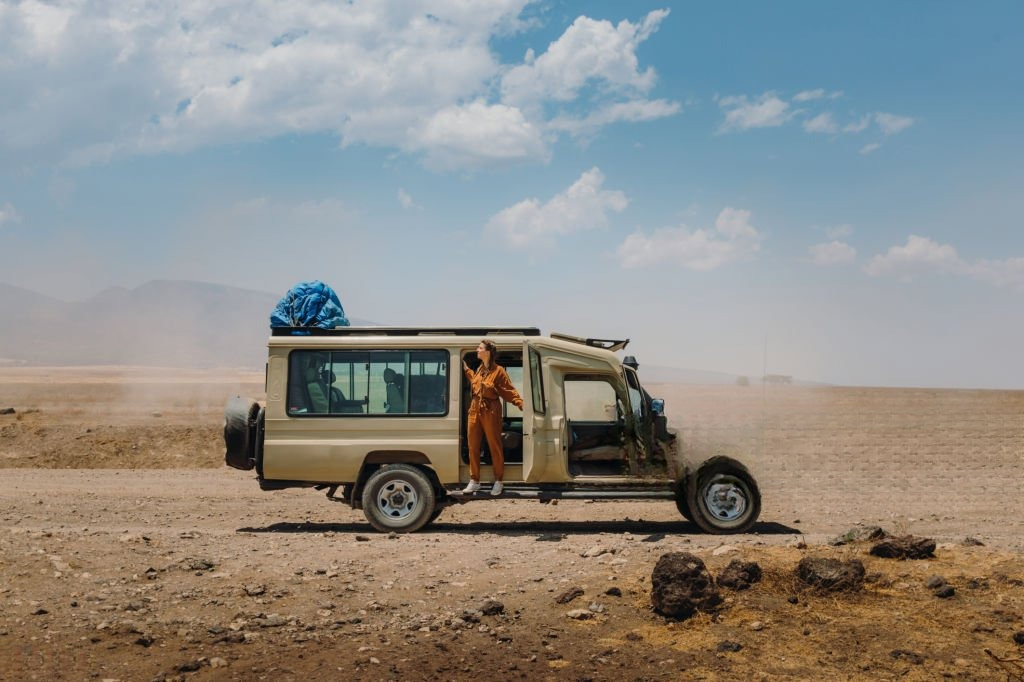
For travelers prioritizing comfort, efficiency, and flexibility, a private transfer is the most highly recommended method to get to Lake Babati. This involves booking a dedicated vehicle and driver through a local tour operator or a reputable taxi service. This option is ideal for families, small groups, or individuals who want a smooth experience, especially when arriving from Kilimanjaro Airport or after a Kilimanjaro climb.
Advantages of a Private Transfer:
- Comfort: You’ll travel in a comfortable, often air-conditioned vehicle, typically a 4×4 or a spacious saloon car, depending on the group size and road conditions.
- Flexibility: You can set your own departure time, make stops along the way for photos or refreshments, and your driver can wait for you if you plan to spend several hours at the lake.
- Speed: Private transfers are generally faster than public transport as they don’t make multiple unscheduled stops.
- Door-to-Door Service: The driver will pick you up from your hotel, lodge, or even directly from the airport and take you to your specific destination at Lake Babati.
- Local Knowledge: Reputable drivers often double as informal guides, providing insights into the local culture, landscape, and points of interest.
Considerations for Private Transfers:
- Cost: This is the most expensive option compared to public transport, but the price is often very reasonable when shared among a group. Expect costs to range from $100 to $200 USD for a round trip, depending on the operator, vehicle type, and whether you include waiting time. It’s always best to get a detailed quote for 2026-2027 bookings.
- Booking: It’s advisable to book your private transfer in advance, especially during peak seasons in 2026 and 2027. Reputable tour operators can arrange this seamlessly as part of a larger itinerary.
Booking Guidance: When contacting operators like Climb 4 Africa for your transfer, be clear about your pick-up location (e.g., Arusha town, specific hotel, JRO airport), your desired drop-off point at Lake Babati, your expected return time, and the number of passengers. This ensures they provide the correct vehicle and accurate pricing. You can reach them via WhatsApp +255 747 477 898 or Email climb4africa@gmail.com.
Option 2: Shared Taxi / Daladala (Budget-Friendly)
For the budget-conscious traveler and those seeking a more authentic local experience, the ‘dala-dala’ (local minibus) or shared taxi system is the way to go. This is how most Tanzanians travel between towns and villages. The journey involves multiple stages and can be an adventure in itself.
How it works:
- Arusha to Babati Town: You’ll likely need to catch a dala-dala or a shared taxi from Arusha’s main bus terminal (often referred to as the ‘Arusha Central Bus Stand’) heading towards Babati town. These vehicles depart frequently throughout the day when they are full.
- Babati Town to Lake Babati: Once you arrive in Babati town, you’ll need to find another local taxi or potentially a motorcycle taxi (‘piki-piki’) to take you the remaining distance to the lake’s edge or to a specific lodge. This might be an additional 15-30 minutes drive depending on your exact destination.
Advantages of Daladala/Shared Taxi:
- Cost: This is by far the cheapest option, often costing less than 15,000 TZS (approx. $6 USD) for the entire journey, depending on negotiations for the final leg.
- Local Interaction: You’ll be surrounded by locals, offering a genuine glimpse into daily life in Tanzania.
Disadvantages of Daladala/Shared Taxi:
- Time-Consuming: Journeys can be significantly longer due to frequent stops to pick up and drop off passengers. The total travel time can easily extend to 3-4 hours or more.
- Comfort: Dala-dalas can be crowded, hot, and bumpy. Luggage space can be limited.
- Complexity: It requires navigating local transport systems, potentially multiple changes, and communicating in Swahili or with people who may not speak much English.
- Less Direct: You will be dropped off in Babati town, requiring an additional local transfer to the lake itself.
- Unpredictability: Departure times depend on when the vehicle is full, and schedules can be inconsistent.
Tip for 2026-2027: While dala-dalas are a constant feature of Tanzanian transport, road improvements might make journeys slightly smoother. However, the fundamental nature of this transport mode will likely remain the same. If you opt for this, carry small denominations of Tanzanian Shillings and be prepared for a long but potentially rewarding cultural experience.
Option 3: Self-Drive (For the Adventurous)
For experienced drivers familiar with African road conditions and possessing a valid international driving permit, self-driving is an option. Rental cars are available in Arusha.
Advantages:
- Ultimate Freedom: Complete control over your schedule and route.
- Exploration: Ability to stop and explore off-the-beaten-path locations.
Disadvantages:
- Road Conditions: While the main road from Arusha to Babati is generally in good condition, secondary roads can be rough and unpaved, especially after rain. A 4×4 vehicle is often recommended.
- Navigation: GPS coverage can be spotty, and road signage may not always be clear.
- Vehicle Issues: The risk of breakdowns is higher, and roadside assistance can be challenging to find.
- Cost: Rental costs, fuel, and potential repairs can add up significantly.
- Insurance and Permits: Ensuring you have the correct insurance and driving permits is crucial.
Recommendation: Self-driving is generally not recommended for most tourists visiting Lake Babati for the first time, especially for planning in 2026-2027, unless you have prior extensive experience driving in Tanzania. The complexities and potential for unforeseen issues often outweigh the perceived benefits of freedom.
Travel Time & Distance Breakdown
The distance between Arusha and Lake Babati is approximately 150-160 kilometers (about 93-100 miles). The travel time can vary significantly based on the mode of transport and road conditions.
- Private Transfer: Typically takes 2 to 3 hours. This is the most efficient option, allowing for a consistent pace without frequent stops.
- Shared Taxi/Daladala: Can take anywhere from 3 to 5 hours, or even longer. This depends heavily on the number of stops, passenger pick-ups/drop-offs, and potential delays.
- Self-Drive: Similar to a private transfer, around 2 to 3 hours, assuming good road conditions and efficient navigation.
It’s important to factor in potential traffic leaving Arusha, especially during peak hours. For any planned trip in 2026 or 2027, checking current road conditions is always wise, though the main Arusha-Babati road is a relatively major artery.
Alternative Starting Points and Routes
While Arusha is the most common origin, travelers might find themselves starting their journey to Lake Babati from other locations in Tanzania. Each starting point presents different logistical considerations.
From Moshi
Moshi, located east of Arusha and the base for many Kilimanjaro trekkers, is also a viable starting point. The most practical approach is to first travel from Moshi to Arusha (a journey of about 1-1.5 hours by taxi or dala-dala) and then proceed to Lake Babati as described above. Alternatively, direct private transfers from Moshi to Lake Babati can be arranged, though they will be slightly more expensive and take longer than from Arusha, adding an extra hour or so to the total travel time.
From Karatu / Ngorongoro Highlands
Travelers concluding a safari in the Ngorongoro Conservation Area or staying in Karatu might find Lake Babati a convenient stopover or destination. Karatu is located roughly 70-80 kilometers west of the main Arusha-Babati highway. From Karatu, you would typically drive to the main road (T14) and then head east towards Babati town. This route is scenic, passing through agricultural landscapes. The journey from Karatu to Lake Babati would likely take 2 to 3 hours by private vehicle.
From Dodoma
Dodoma, Tanzania’s capital, is located south of Lake Babati. This route is less common for international tourists but might be relevant for domestic travelers. The distance is approximately 180-200 kilometers, and the journey would likely take 3-4 hours by private vehicle via the T1 road. Public transport options would be available but considerably longer.
From Dar es Salaam (Longer Journeys)
For those arriving in Tanzania via Dar es Salaam, reaching Lake Babati requires a longer commitment. The most common method is to take a domestic flight from Dar es Salaam to Arusha Airport (ARK) or Kilimanjaro International Airport (JRO), followed by a transfer to Lake Babati. Alternatively, long-distance buses operate between Dar es Salaam and Arusha, taking around 6-8 hours. From Arusha, you would then proceed to Lake Babati. Direct private transfers from Dar es Salaam to Lake Babati are possible but very long (8-10 hours) and costly, making flying the preferred option for efficiency in 2026-2027.
What to Expect on the Road to Lake Babati
The journey itself offers a glimpse into Tanzania’s diverse landscapes and daily life. Understanding what to expect can help manage expectations and enhance the experience.
Road Conditions
The main road from Arusha towards Babati (part of the Great North Road system, T14) is generally paved and in good condition for most of the journey. It’s a busy route used by trucks, buses, and local traffic. However, occasional potholes can appear, and roadworks might cause minor delays. As you get closer to the lake or if you venture onto smaller access roads, the surfaces can become rougher, especially after heavy rains, which are common during the rainy seasons (typically March-May and November). For 2026-2027, ongoing infrastructure improvements might further enhance the road quality.
Scenery and Stops
The drive from Arusha is visually interesting. You’ll pass through agricultural areas with coffee plantations and small farms, gradually transitioning into drier savanna landscapes as you head southwest. You’ll see small towns and villages bustling with activity, roadside markets selling produce, and local people going about their daily lives. If you arrange a private transfer, you can ask your driver to stop at scenic viewpoints or interesting local spots. A common place for a brief stop might be near the town of Mto wa Mbu, which is a melting pot of different tribes and cultures, though it’s a bit further west and not directly on the most direct route to Babati.
Local Culture Along the Way
The route takes you through areas inhabited by various ethnic groups, including the Maasai, Iraqw, and Datoga. You’ll see traditional bomas (homesteads), women in colorful kangas, and men herding cattle. The dala-dala experience offers the most direct cultural immersion, with lively conversations and a constant flow of local life. Even in a private vehicle, observing the roadside activities provides a fascinating insight into rural Tanzanian society. Engaging with your driver can also open doors to understanding local customs and perspectives, enriching your travel experience for 2026-2027 and beyond.
Planning Your Trip to Lake Babati in 2026-2027
To make the most of your visit to Lake Babati, careful planning is essential. Consider the timing, accommodation, and activities available.
Best Time to Visit
Lake Babati is a year-round destination, but the experience can vary:
- Dry Season (June – October): This is generally considered the best time to visit. Skies are clear, temperatures are pleasant, and the landscape is dry. Birdwatching can still be excellent, and outdoor activities are most comfortable.
- Green Season (November – May): This period includes the main rainy season (March-May) and shorter rains (November). Landscapes are lush and green, which is beautiful. However, rain can disrupt travel plans, make roads muddy, and affect visibility. Prices for accommodation might be slightly lower during this period, which could be a consideration for 2026-2027 budgets. Birdlife is particularly active during and after the rains.
For wildlife viewing, while not a primary destination for big game, the birdlife is present year-round. The surrounding areas offer opportunities for cultural interactions regardless of the season.
Accommodation Near Lake Babati
Accommodation options directly at Lake Babati are more limited and often simpler compared to major tourist hubs. You’ll find a mix of:
- Local Guesthouses/Hotels: Basic but clean and affordable options are available in Babati town.
- Lodges/Campsites: A few lodges or tented camps might be situated on the shores of the lake or in the surrounding areas, offering more scenic views and tranquility. These can range from mid-range to more comfortable options.
For more upscale or specialized lodging, many visitors choose to stay in lodges located between Arusha and Lake Babati, or opt for day trips from Arusha or Karatu. When planning for 2026-2027, it’s advisable to research specific lodges and book in advance, especially if you are looking for lakeside tranquility.
Activities and Experiences
While Lake Babati is a place for relaxation, it also offers several activities:
- Birdwatching: The lake is a haven for various bird species, making it a delight for ornithologists.
- Boating/Canoeing: Explore the lake’s waters for different perspectives and closer views of birdlife.
- Cultural Visits: Engage with local communities, learn about their farming practices, and experience rural Tanzanian life.
- Nature Walks: Explore the surrounding woodlands and farmlands.
- Fishing: Local fishing activities are common.
Booking Your Transfer with Climb 4 Africa
For a stress-free journey to Lake Babati, consider arranging your transport with a local expert. Climb 4 Africa specializes in creating personalized Tanzanian travel experiences and can arrange comfortable and reliable private transfers. They understand the local logistics and can ensure you have a smooth ride, whether you’re starting from Arusha, Kilimanjaro Airport, or another location.
Why choose Climb 4 Africa for your transfer:
- Local Expertise: Deep knowledge of Tanzanian roads and transport.
- Reliability: Dependable vehicles and experienced drivers.
- Customization: Transfers can be tailored to fit your itinerary, whether it’s a day trip or part of a longer tour.
- Support: You’ll have local support throughout your journey.
To arrange your transfer for 2026-2027: Contact them via WhatsApp at +255 747 477 898 or send an Email to climb4africa@gmail.com. Be sure to specify your pick-up point, desired destination at Lake Babati, date and time of travel, and the number of people in your group. This will help them provide you with an accurate quote and plan the most suitable vehicle for your needs.
Essential Packing and Preparation
Regardless of how you choose to get to Lake Babati, a few essentials will enhance your comfort and enjoyment:
- Lightweight Clothing: Comfortable, breathable clothing for warm days.
- Sun Protection: Sunscreen, a hat, and sunglasses are crucial.
- Insect Repellent: Especially important for evenings and near the water.
- Camera: To capture the scenery and local life.
- Binoculars: Highly recommended for birdwatching.
- Comfortable Walking Shoes: For exploring the lake shores or surrounding areas.
- Small Backpack: For day trips or carrying essentials.
- Tanzanian Shillings: Carry some cash for small purchases, tips, or local transport if not using a pre-booked service.
- Water Bottle: Stay hydrated.
If you are using public transport, consider bringing snacks and water, as options may be limited during the journey.
Frequently Asked Questions About Reaching Lake Babati
Is Lake Babati a safe destination to visit?
Yes, Lake Babati is generally considered a safe destination for tourists. Like any travel, it’s important to exercise common sense precautions, such as being aware of your surroundings, not displaying valuables openly, and using reputable transport services. For any travel in 2026-2027, staying informed about local conditions is always advisable.
Can I fly directly to Lake Babati?
No, there is no airport directly serving Lake Babati. The nearest major airports are Kilimanjaro International Airport (JRO) and Arusha Airport (ARK), from which you would need to arrange ground transport.
How far is Lake Babati from Arusha National Park?
Lake Babati is located to the southwest of Arusha town, while Arusha National Park is to the northeast. They are not close to each other. The drive from Arusha town to Lake Babati is about 2-3 hours, whereas the drive to Arusha National Park’s main gates would be significantly shorter, closer to 1 hour.
What is the best way to get to Lake Babati for birdwatching?
For birdwatching, the journey itself can be part of the experience. While a private transfer offers the most comfort and flexibility to stop at scenic points, a shared taxi or dala-dala provides maximum local immersion. Regardless of transport choice, binoculars and a good field guide are essential. Consider visiting during or just after the rainy seasons (November-May) for peak bird activity.
Should I book my transport in advance for 2026-2027?
It is highly recommended to book private transfers in advance, especially if you are traveling during peak tourist seasons in 2026 or 2027. This ensures availability and allows tour operators like Climb 4 Africa to make the best arrangements for your trip. For public transport, you typically don’t book in advance, but understanding departure times and locations is key.
Check Availability for How To Get To Lake Babati: Your Essential Tanzania Travel Guide 2026-2027
Ready to compare dates, prices, and the best option for your group? Send the package name and travel month so the team can reply with a clear quote, availability, and what is included.



