
A Ngorongoro Conservation Area walking tour offers a unique, intimate perspective on Tanzania’s most iconic wildlife sanctuary, allowing you to explore its diverse landscapes and encounter animals on foot under the guidance of experienced rangers. These tours range from short, guided nature walks around lodges or specific viewpoints to more extensive multi-day treks within designated zones, focusing on the rich biodiversity and cultural heritage of the region, with planning for 2026 and 2027 adventures now open.
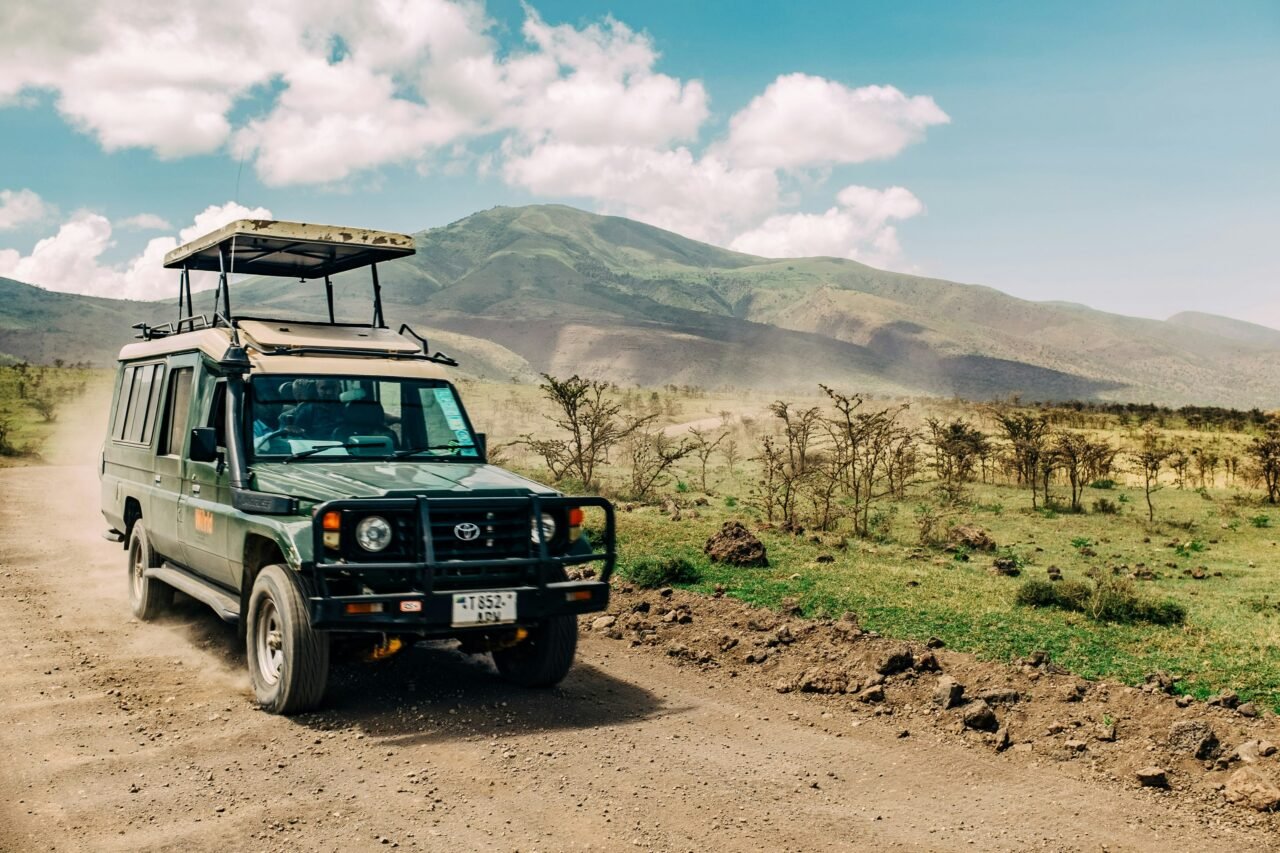
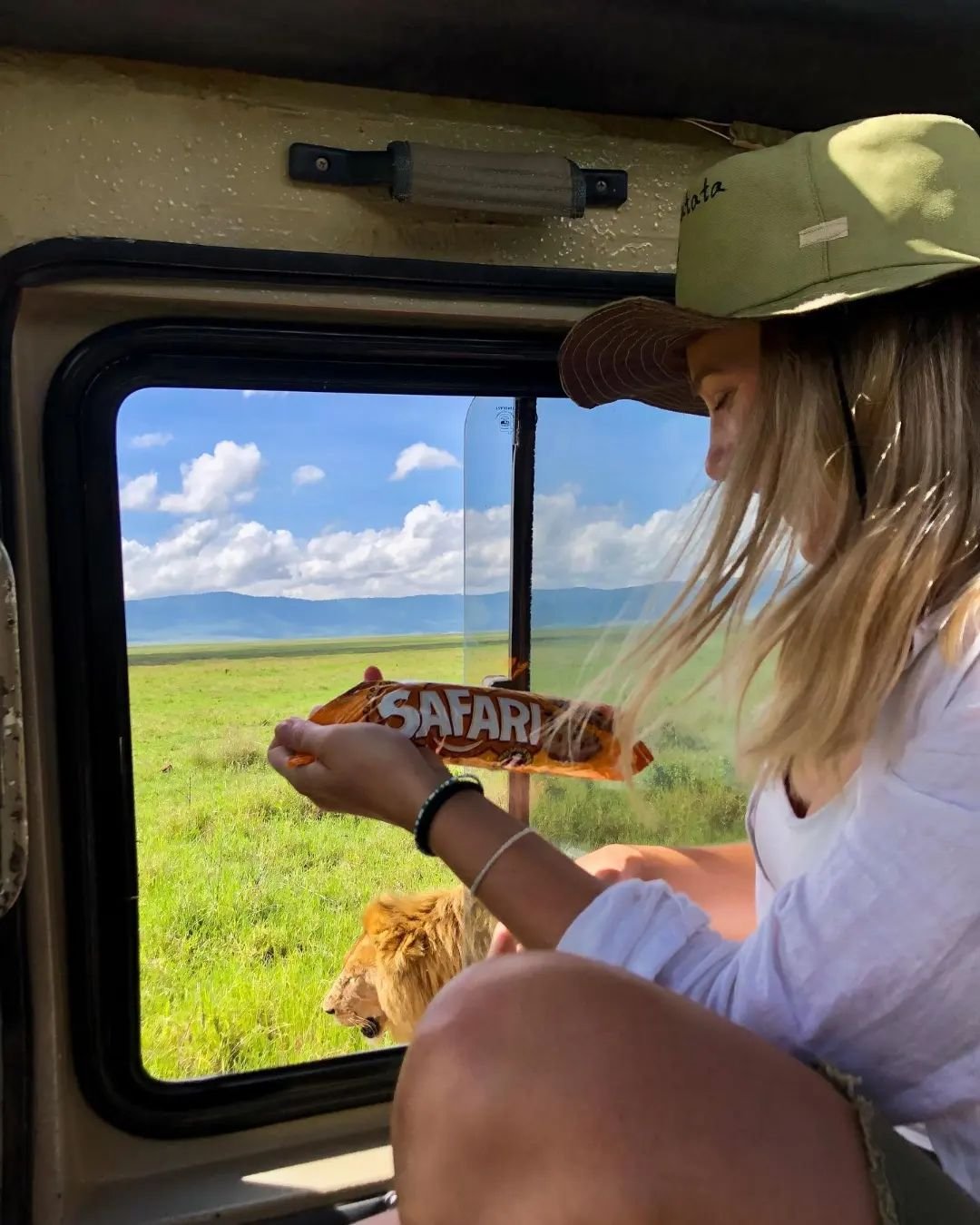
Understanding Ngorongoro Walking Tours
The Ngorongoro Conservation Area (NCA) is renowned globally for its dense wildlife population within the iconic caldera. While most visitors experience its wonders from the comfort of a safari vehicle on the crater floor, a Ngorongoro Conservation Area walking tour offers a profoundly different, more personal connection with this unique ecosystem. These excursions are not just about seeing animals; they are about understanding the intricate balance of nature, the geology of the area, and the traditional ways of life that coexist with wildlife. Unlike walking safaris in more remote wilderness areas, walking tours within the NCA are carefully managed, often restricted to specific zones and always accompanied by armed rangers and experienced guides. This ensures both the safety of visitors and the protection of the environment. As we look towards 2026 and 2027, the demand for authentic, off-the-beaten-path experiences like these walking tours continues to grow, making early planning essential.
The concept behind a Ngorongoro Conservation Area walking tour is to leverage the area’s rich biodiversity and stunning landscapes in a way that standard game drives cannot fully capture. Imagine tracking animal spoor, identifying medicinal plants, learning about the Maasai’s traditional land use, and feeling the pulse of the African bush beneath your feet. These are the elements that define a walking safari here. It requires a different mindset than a typical safari – one of observation, patience, and respect for the natural world. The NCA, a UNESCO World Heritage Site, presents a complex mosaic of habitats, from the crater floor grasslands and acacia woodlands to the montane forests on the crater rim and the open plains outside the caldera. Each offers distinct opportunities for exploration on foot.
Why Choose a Walking Tour in Ngorongoro?
Opting for a Ngorongoro Conservation Area walking tour provides several compelling advantages over a conventional safari. The most significant is the level of immersion. You move at a slower pace, engaging all your senses. The sounds of the bush become clearer, the scents more pronounced, and the details of the flora and fauna more apparent. This sensory engagement fosters a deeper appreciation for the environment. Furthermore, walking tours offer a chance to explore areas inaccessible to vehicles, such as narrow trails, dense thickets, or specific geological formations. This can lead to encounters with smaller creatures, unique plant life, and a more nuanced understanding of animal behavior. For instance, observing insects, learning about the medicinal properties of plants, or spotting birds often missed from a vehicle becomes possible.
A Ngorongoro Conservation Area walking tour also offers a profound connection to the human element of the NCA. The area is home to the Maasai people, and walking tours can incorporate visits to traditional villages or guided walks with Maasai guides who share their ancestral knowledge of the land. This cultural dimension adds significant depth to the safari experience, moving beyond just wildlife viewing to a more holistic understanding of the region. It allows for a more personal interaction with the local communities, fostering respect and understanding. For travelers in 2026 and 2027 seeking authentic cultural exchanges alongside wildlife, these walking tours are ideal.
Finally, the environmental impact of walking is minimal. By choosing to explore on foot, you contribute to a more sustainable form of tourism, reducing your carbon footprint compared to extensive vehicle use. This aligns with the growing global awareness and desire for eco-conscious travel options. A walking tour emphasizes observation and appreciation rather than rapid transit, promoting a mindful approach to experiencing nature.
Types of Walking Tours Available
The Ngorongoro Conservation Area offers a variety of walking experiences, catering to different interests, fitness levels, and time constraints. It’s important to understand these distinctions when planning your trip, as they significantly impact what you’ll see and experience. The type of walking tour chosen will also influence the logistics, required permits, and the potential for wildlife encounters.
Short Nature Walks
These are typically short, guided excursions, often lasting a few hours, usually conducted around lodges, camps, or specific scenic viewpoints. They are ideal for travelers who have limited time or prefer a gentle introduction to walking in the African bush. A short nature walk might focus on the immediate environment surrounding your accommodation, highlighting the local flora, birdlife, and smaller mammals. Guides will point out interesting insects, explain the ecosystem, and ensure you feel comfortable and safe. These walks don’t typically venture far from established areas and are designed for ease of access and minimal physical exertion. They can be a great way to start your day or wind down in the late afternoon. For many, this is their first taste of a Ngorongoro Conservation Area walking tour.
Full-Day Walking Safaris
For a more in-depth experience, full-day walking safaris are available in designated areas outside the main crater. These tours require a higher level of fitness and commitment, as they can involve several hours of walking over varied terrain. A packed lunch is usually provided, allowing you to spend the entire day exploring. These walks are often led by armed rangers and experienced guides who are adept at tracking wildlife and understanding animal behavior. They offer the chance to cover more ground, potentially encountering larger mammals such as zebras, wildebeest, giraffes, and various antelope species. The focus might be on exploring specific ecological zones, such as the montane forests on the crater rim or the open plains. This type of Ngorongoro Conservation Area walking tour provides a significant immersion into the landscape and its inhabitants.
Multi-Day Trekking Experiences
While less common within the core Ngorongoro Conservation Area itself due to logistical and safety considerations, multi-day trekking experiences can be arranged in the surrounding highlands and buffer zones. These are for the more adventurous traveler seeking a true wilderness immersion. These treks typically involve camping in designated sites and cover significant distances, often following ancient Maasai routes or exploring remote valleys. They require a good level of fitness, robust gear, and a comprehensive support team. These extended journeys offer the most profound connection with the landscape and a chance to experience the NCA’s less-visited areas. Planning for 2026-2027 multi-day adventures should begin well in advance due to their complexity. Such an undertaking is a significant Ngorongoro Conservation Area walking tour and demands careful preparation.
Key Locations for Walking Tours
The Ngorongoro Conservation Area is a vast and varied landscape, and the opportunities for walking tours are concentrated in specific, well-managed locations. Each area offers a distinct experience, shaped by its unique geography, vegetation, and wildlife. Understanding these locations helps in choosing the right walking tour to match your interests and expectations.
Ngorongoro Crater Rim Walks
The rim of the Ngorongoro Crater offers spectacular panoramic views of the caldera below. Walking tours along the rim provide a different perspective, allowing you to explore the montane forests and grasslands that fringe the crater. These walks are often guided and can range from short strolls to longer treks. You might encounter forest-dwelling birds, monkeys, and occasionally larger mammals that inhabit these higher altitudes. The cooler climate and lush vegetation make for a pleasant walking experience. The views are unparalleled, offering opportunities for photography and quiet contemplation of the vast ecosystem. A Ngorongoro Conservation Area walking tour focused on the rim is a must for photographers and nature lovers.
Ngorongoro Highlands Walks
Beyond the immediate vicinity of the crater, the Ngorongoro Highlands present a rugged and beautiful landscape. Walking tours in this region explore rolling hills, savannahs, and smaller forests. These areas are often less crowded than the crater floor and offer a chance to see wildlife that prefers these more open or varied environments, such as giraffes, elephants, and various antelope species. The highlands are also culturally significant, being traditional Maasai lands. Guided walks here can offer insights into their pastoralist lifestyle and deep connection to the land. These treks require good fitness and are best undertaken with experienced guides who know the terrain and wildlife patterns.
Emiiemi Escarpment Walks
The Emiiemi Escarpment, part of the outer boundary of the Ngorongoro Conservation Area, offers dramatic landscapes and opportunities for walking tours. These walks can be more challenging, involving steeper terrain, but reward trekkers with stunning vistas and a sense of wildness. The vegetation here can be different, supporting a unique array of flora and fauna. It’s a less-trafficked area, providing a more exclusive experience. Guides are crucial for navigating these areas safely and for spotting wildlife that might be more elusive. An Emiiemi Escarpment walking tour is for those seeking a more adventurous and less conventional Ngorongoro Conservation Area walking tour.
Masai Village Walks
Cultural immersion is a significant aspect of many Ngorongoro Conservation Area walking tours. Walks that include visits to Maasai villages offer a unique opportunity to learn about the traditions, customs, and daily lives of the Maasai people. These are not staged performances but genuine interactions, often led by Maasai guides who share their heritage. You can learn about their herding practices, traditional housing (bomas), beadwork, and their deep spiritual connection to the land. These walks are usually gentle, focusing on interaction and learning, and are a vital component for understanding the human dimension of the NCA. For 2026-2027 travel, integrating these cultural walks is highly recommended for a richer experience.
Wildlife You Might Encounter on Foot
While the Ngorongoro Conservation Area is famous for its Big Five, encountering them on foot requires specific conditions and is generally not permitted in areas with high concentrations of dangerous predators. However, walking tours offer excellent opportunities to see a wide variety of other fascinating wildlife. On shorter walks around lodges or in less predator-dense areas, you’re likely to see numerous bird species, from colorful bee-eaters and turacos to large ground birds like ostriches and secretary birds. You might also encounter smaller mammals such as hyrax, various species of monkeys (like Sykes’ monkeys or baboons in forested areas), warthogs, and a diverse range of antelopes including gazelles, impalas, and dik-diks. Smaller reptiles and insects also form a significant part of the walking safari experience, offering a close-up view of the ecosystem’s intricate details.
In designated areas for longer walking safaris, particularly in the highlands or outer plains, the chances of encountering larger herbivores increase. This could include herds of zebras, wildebeest, buffalo, and graceful giraffes. Guides are trained to read animal tracks and signs, increasing the possibility of spotting animals that might otherwise go unnoticed. While encountering lions, leopards, or elephants on foot is rare and strictly managed for safety, their presence is always felt through tracks, dung, and territorial markings. The thrill of knowing you are in their territory, even if you don’t see them up close, adds to the adventure of a Ngorongoro Conservation Area walking tour. For 2026-2027 trips, remember that wildlife sightings are never guaranteed, but the guided walking experience itself is highly rewarding.
Safety and Guidelines for Walking Safaris
Safety is paramount on any Ngorongoro Conservation Area walking tour. The NCA is a wild environment, and while tours are guided, adherence to safety protocols is crucial for a positive experience. All walking tours within the NCA are conducted by highly trained and armed Tanzania National Parks (TANAPA) rangers or very experienced local guides who are knowledgeable about wildlife behavior and local conditions. They are equipped to handle potential encounters with dangerous animals and ensure the group’s safety.
Key safety guidelines include:
- Always stay with your guide: Never wander off alone. Your guide is trained to navigate the terrain and animal behavior.
- Listen to your guide’s instructions: They will advise on how to behave around wildlife, what to do in case of an encounter, and the safest path to take.
- Maintain a safe distance from wildlife: While walking, it’s tempting to get closer, but respecting the animals’ space is vital for their well-being and your safety.
- Avoid sudden movements or loud noises: These can startle or provoke animals.
- Wear appropriate clothing: Neutral-colored, breathable clothing, sturdy walking shoes, a hat, and sunscreen are essential.
- Stay hydrated: Carry plenty of water.
- Do not feed the animals: This is harmful to their health and can make them aggressive towards humans.
- Be aware of your surroundings: Pay attention to tracks, sounds, and the general environment.
The presence of armed rangers is a standard procedure for walking safaris in areas with potential encounters with predators like lions, hyenas, or elephants. Your guide will brief you thoroughly on safety measures before each walk. For 2026-2027 travel, it’s wise to discuss any specific safety concerns or requirements with your tour operator beforehand. A well-prepared traveler is a safe traveler, and understanding these guidelines ensures your Ngorongoro Conservation Area walking tour is both exciting and secure.
Planning Your Ngorongoro Walking Tour for 2026-2027
Successful planning is key to an unforgettable Ngorongoro Conservation Area walking tour. Considering factors like the best time to visit, duration, packing essentials, and fitness levels will ensure you are well-prepared. Early booking for 2026 and 2027 is highly recommended, especially for peak seasons, as availability can be limited.
Best Time to Visit
The best time for a Ngorongoro Conservation Area walking tour generally aligns with the dry seasons, from June to October and again from December to February. During these months, the weather is typically sunny and dry, making walking more comfortable and reducing the chances of rain disrupting your plans. The vegetation is also less dense, offering better visibility for wildlife spotting. The dry season also coincides with the Great Migration’s presence in the wider Serengeti ecosystem, which can influence animal movements within the NCA. However, walking tours can be undertaken year-round; the green season (March to May) offers lush landscapes and fewer crowds, though rain can be frequent and trails may be muddy. The shoulder months, like late May or early November, can offer a good balance of pleasant weather and fewer tourists.
Duration and Itinerary
The duration of your walking tour will depend on your interests and available time. A short nature walk might last 2-3 hours, while a full-day walking safari could span 6-8 hours. Multi-day treks would, of course, extend over several days. When planning your itinerary for 2026-2027, consider how a walking tour fits with other safari activities. Many visitors combine a walking tour with game drives on the crater floor or visits to other attractions in the region. A typical itinerary might include a morning walking tour on the crater rim, followed by an afternoon game drive in the crater. Or, a full-day walking safari in the highlands could precede a day exploring the caldera. Discuss your preferences with your tour operator to craft the perfect balance.
What to Pack
Packing smart is essential for a comfortable and safe Ngorongoro Conservation Area walking tour. Focus on lightweight, breathable, and neutral-colored clothing. Key items include:
- Sturdy, broken-in hiking boots: Essential for navigating varied terrain.
- Comfortable walking socks: Several pairs.
- Lightweight, long-sleeved shirts and trousers: To protect against the sun, insects, and thorny vegetation. Neutral colors (khaki, olive, beige) are best.
- A warm fleece or jacket: Mornings and evenings can be cool, especially on the crater rim.
- A wide-brimmed hat: For sun protection.
- High SPF sunscreen and insect repellent.
- A reusable water bottle.
- A small backpack: To carry water, snacks, camera, and personal items.
- Binoculars: Highly recommended for wildlife viewing.
- Camera and extra batteries/memory cards.
- Personal first-aid kit.
Avoid bright colors, as they can startle wildlife. For 2026-2027 trips, consult your operator for a detailed packing list tailored to your specific itinerary.
Fitness Levels Required
The fitness level required for a Ngorongoro Conservation Area walking tour varies greatly depending on the type of walk. Short nature walks are generally suitable for most people, requiring only a moderate level of mobility. Full-day walking safaris involve more sustained effort, potentially covering several miles over uneven ground, so a reasonable level of fitness is beneficial. Multi-day treks demand good stamina and fitness, comparable to hiking for several hours each day. It’s important to be honest about your fitness capabilities when booking. If you have any concerns, discuss them with your tour operator. For instance, if you have knee issues or find long walks challenging, opt for shorter, less strenuous walking experiences.
Booking Your Tour
Booking your Ngorongoro Conservation Area walking tour should be done through a reputable tour operator. This ensures you have experienced guides, necessary permits, and a well-organized itinerary. When booking for 2026 or 2027, consider operators with local expertise, such as Climb 4 Africa. They can arrange customized walking tours that integrate seamlessly with other safari activities. Key details to confirm when booking include:
- Inclusions: What is covered (guide fees, park entry, meals, accommodation, transfers)?
- Exclusions: What is not covered (tips, personal expenses, visa fees)?
- Guide qualifications: Ensure guides are certified and experienced.
- Safety protocols: Confirm the arrangements for armed rangers and emergency procedures.
- Permit requirements: Walking tours may require special permits in certain areas.
Contacting Climb 4 Africa at WhatsApp +255 747 477 898 or Email climb4africa@gmail.com is an excellent step to discuss your specific needs and get tailored recommendations for your 2026-2027 Ngorongoro Conservation Area walking tour.
Combining Walking Tours with Game Drives
A common and highly recommended approach to experiencing the Ngorongoro Conservation Area is to combine walking tours with traditional game drives. This pairing offers the best of both worlds, leveraging the unique advantages of each activity. Game drives provide the efficiency and safety to cover large distances on the crater floor, maximizing your chances of spotting the Big Five and observing large herds in their natural habitat. The vehicles offer protection and comfort, allowing you to explore the vast caldera with relative ease.
Complementing this with a Ngorongoro Conservation Area walking tour adds depth and intimacy to your safari. A morning spent walking on the crater rim, for example, provides a serene experience with stunning vistas and opportunities to observe forest birds and smaller mammals. Alternatively, a guided walk in the outer areas can lead to encounters with specific flora and fauna that might be overlooked from a vehicle. The contrast between the open-air freedom of a walk and the enclosed security of a vehicle creates a dynamic and comprehensive safari experience. For instance, you might start your day with a guided walk to understand the smaller details of the ecosystem, then descend into the crater for a game drive to witness the grand spectacle of its wildlife. Planning for 2026-2027 allows for intricate itinerary design to perfectly balance these experiences.
Cultural Experiences Alongside Walking
The Ngorongoro Conservation Area is not just a wildlife haven; it is also a unique cultural landscape, primarily inhabited by the Maasai people. Integrating cultural experiences into your Ngorongoro Conservation Area walking tour enriches your understanding of the region and its people. Maasai village visits offer insights into their traditional way of life, which has coexisted with wildlife for centuries. These visits can be arranged as part of a guided walk, allowing you to interact respectfully with the community, learn about their customs, social structures, and their deep connection to the land and livestock. You might witness traditional dances, learn about their beadwork, or understand their methods of utilizing natural resources. These experiences foster a deeper appreciation for the human element of conservation in the NCA. For travelers in 2026 and 2027, seeking authentic cultural encounters is a growing trend, and these walks provide a meaningful way to connect with the local heritage.
It’s important that these cultural interactions are conducted ethically and with genuine respect. Reputable tour operators ensure that village visits are arranged in a way that benefits the community and offers an authentic glimpse into their lives, rather than a superficial tourist performance. Guides play a crucial role in facilitating these interactions, acting as cultural bridges and ensuring mutual understanding and respect. A well-designed Ngorongoro Conservation Area walking tour can skillfully weave together wildlife encounters, impressive landscapes, and meaningful cultural exchanges, creating a truly holistic African safari experience.
Choosing the Right Operator for Your Walking Tour
Selecting the right tour operator is critical for a safe, enjoyable, and authentic Ngorongoro Conservation Area walking tour. Given the specific nature of walking safaris, which involve unique safety considerations and access to particular areas, expertise and local knowledge are paramount. A good operator will:
- Prioritize Safety: They will have robust safety protocols in place, including experienced, armed guides and rangers, and clear emergency procedures.
- Offer Experienced Guides: Guides should not only be knowledgeable about wildlife but also flora, geology, and local culture, with specific training for walking safaris.
- Provide Customized Itineraries: They should be able to tailor the walking tour to your fitness level, interests, and desired pace.
- Understand NCA Regulations: They must be fully compliant with all regulations regarding walking tours within the Ngorongoro Conservation Area.
- Have Strong Local Connections: This includes relationships with park authorities, local communities, and reliable logistics providers.
- Focus on Sustainability: Choose an operator committed to responsible tourism practices that benefit conservation and local communities.
Climb 4 Africa is a prime example of an operator that meets these criteria. With extensive experience in Tanzania, they specialize in creating tailor-made safari experiences, including expertly guided walking tours. Their team understands the nuances of the Ngorongoro Conservation Area and prioritizes safety, authenticity, and sustainability. For your 2026-2027 adventure, discussing your requirements with them via WhatsApp +255 747 477 898 or Email climb4africa@gmail.com will help ensure you book a Ngorongoro Conservation Area walking tour that exceeds your expectations.
Conservation and Sustainability in Ngorongoro
The Ngorongoro Conservation Area is a UNESCO World Heritage Site, and its designation underscores its global importance for biodiversity and cultural heritage. Walking tours, when conducted responsibly, can be a powerful tool for promoting conservation. By offering a deeper connection to the environment, they can foster a greater sense of appreciation and stewardship among visitors. Responsible tourism practices are essential to minimize impact and ensure the long-term protection of this fragile ecosystem.
Key aspects of conservation and sustainability related to walking tours include:
- Strict adherence to designated trails and areas: This prevents habitat degradation and disturbance to wildlife.
- Leave No Trace principles: Visitors are encouraged to pack out everything they pack in, minimizing waste.
- Respect for wildlife: Maintaining safe distances and avoiding any actions that could stress or harm animals.
- Supporting local communities: Engaging with Maasai communities in a way that provides economic benefits and respects their culture.
- Educating visitors: Guides play a crucial role in educating travelers about the importance of conservation efforts in the NCA.
By choosing a Ngorongoro Conservation Area walking tour with an operator committed to these principles, travelers contribute to the ongoing preservation of this unique natural and cultural landscape. Planning for 2026-2027 travel offers an opportunity to prioritize sustainable options.
Frequently Asked Questions About Ngorongoro Walking Tours
Can you walk inside the Ngorongoro Crater?
Walking directly on the crater floor is generally restricted to specific, authorized activities and is not a standard tourist offering due to the high density of predators. However, walking tours are widely available on the crater rim and in the surrounding conservation areas outside the caldera.
Are Ngorongoro walking safaris safe?
Yes, Ngorongoro Conservation Area walking tours are considered safe when conducted with experienced, armed rangers and guides. Safety protocols are strictly followed, and guides are trained to manage wildlife encounters. It is crucial to always listen to and follow your guide’s instructions.
What is the best time of year for a walking tour in Ngorongoro?
The dry seasons, from June to October and December to February, are generally considered the best times for walking tours due to favorable weather conditions and better wildlife visibility. However, walking can be enjoyed year-round.
What wildlife can I expect to see on a walking tour?
While Big Five encounters on foot are rare for safety reasons, you can expect to see a rich variety of birds, smaller mammals like hyrax and monkeys, various antelope species, and potentially larger herbivores like zebras and wildebeest in designated walking areas. You will also learn about the local flora and insects.
Do I need to be very fit for a walking tour?
Fitness requirements vary. Short nature walks are suitable for most people. Full-day walks require moderate fitness, and multi-day treks demand good stamina. Always discuss your fitness level with your tour operator to choose an appropriate tour.
How far in advance should I book a Ngorongoro walking tour for 2026-2027?
It is highly recommended to book your Ngorongoro Conservation Area walking tour at least 6-12 months in advance, especially if you plan to travel during peak seasons (June-October, December-February) in 2026 or 2027, as availability for guides and accommodations can be limited.
Embarking on a Ngorongoro Conservation Area walking tour is an exceptional way to connect with the raw beauty and profound biodiversity of Tanzania. It offers a perspective that vehicle-based safaris simply cannot match, revealing the intricate details of the ecosystem and fostering a deeper appreciation for the natural world. Whether you opt for a gentle stroll along the crater rim or a more adventurous trek through the highlands, the experience is sure to be memorable. For personalized planning and booking of your 2026-2027 Ngorongoro Conservation Area walking tour, reach out to the experts at Climb 4 Africa. Contact them via WhatsApp +255 747 477 898 or Email climb4africa@gmail.com to craft your unforgettable adventure.
Check Availability for Ngorongoro Conservation Area Walking Tour: Your Ultimate Guide For 2026-2027
Ready to compare dates, prices, and the best option for your group? Send the package name and travel month so the team can reply with a clear quote, availability, and what is included.
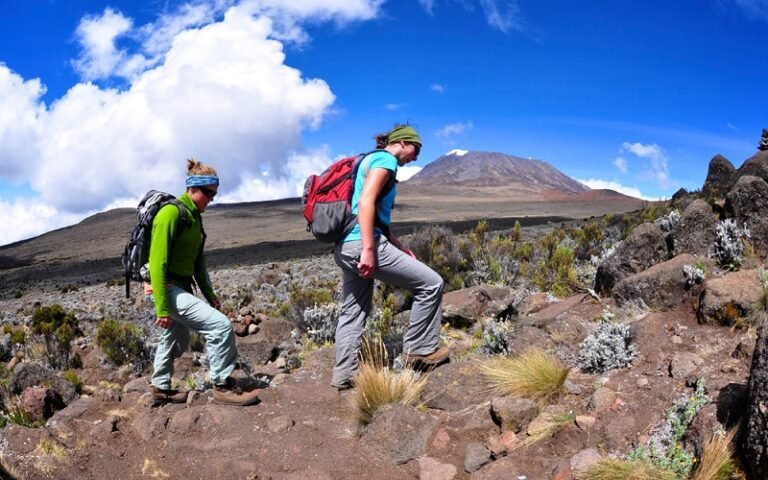
Kilimanjaro And Mara River Crossing Safari August : Peak Season Adventure 2027
Combining the ultimate challenge of climbing Mount Kilimanjaro with the awe-inspiring spectacle of the Great Migration river crossing in the Maasai Mara offers an unparalleled African...
View package details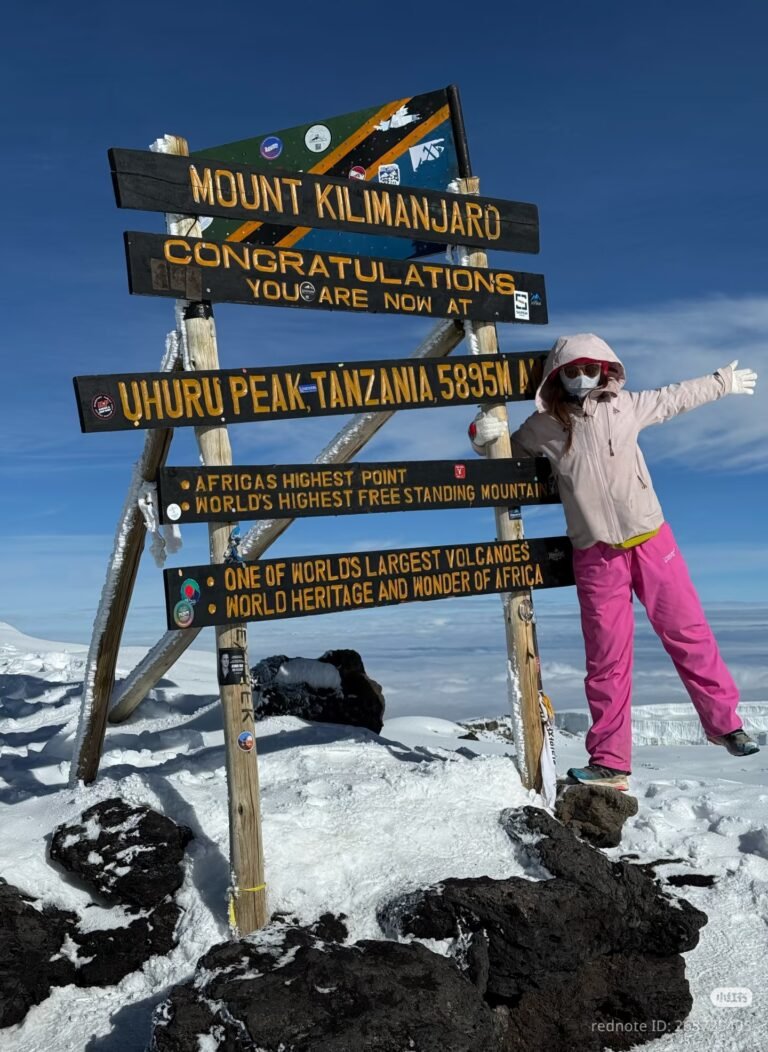
Kilimanjaro And Great Migration Safari August : Your Peak Season Adventure
Plan your ultimate Tanzanian adventure in August 2027, combining a Kilimanjaro climb with the spectacle of the Great Migration. This guide details the best timings, routes, and safari...
View package detailsKilimanjaro And Mara River Crossing Safari July 2027
Kilimanjaro and Mara River Crossing Safari July 2027 is explained with current 2027 planning, price, itinerary and booking information.
View package detailsKilimanjaro And Great Migration Safari July : Your Ultimate Tanzanian
Combining a Kilimanjaro climb with a Great Migration safari in July 2027 offers a spectacular Tanzanian adventure. This guide helps you plan your ideal itinerary, considering the best...
View package details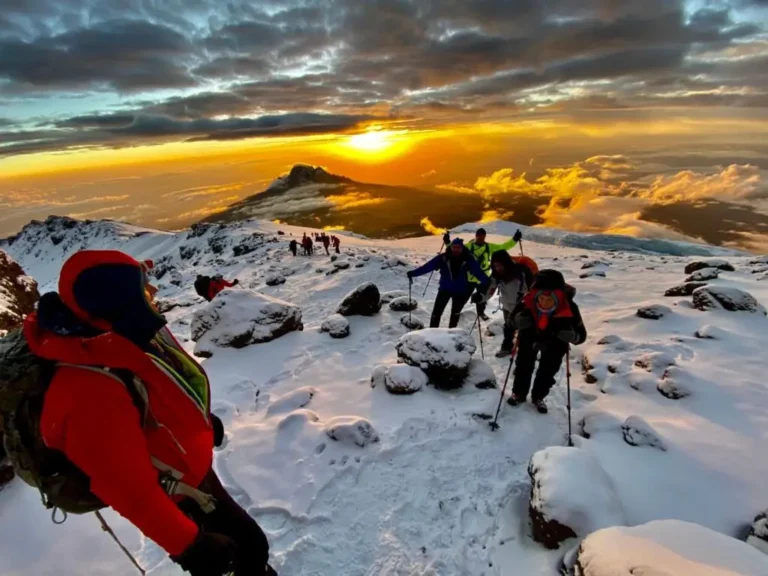
Kilimanjaro And Grumeti Migration Safari June : The Ultimate Tanzanian
Plan your unforgettable Kilimanjaro and Grumeti Migration safari for June 2027. This comprehensive guide details how to combine the challenge of summiting Africa's highest peak with the...
View package details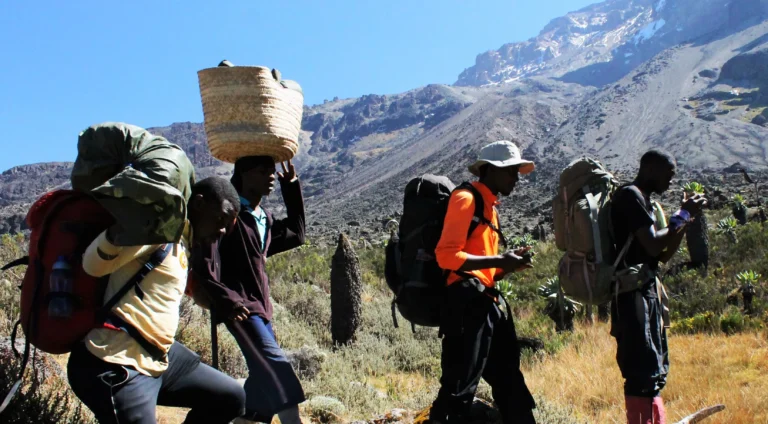
Best Kilimanjaro And Serengeti Calving Season Safari March 2027
Discover the magic of a March 2027 Kilimanjaro and Serengeti calving season safari. This guide explores the unique advantages and considerations for experiencing Tanzania's wildlife...
View package details
Kilimanjaro And Serengeti Calving Safari February : The Ultimate Planning
Combine the majesty of Mount Kilimanjaro with the impressive spectacle of the Serengeti's calving season in February 2027. This guide details how to plan this dual adventure, focusing on...
View package details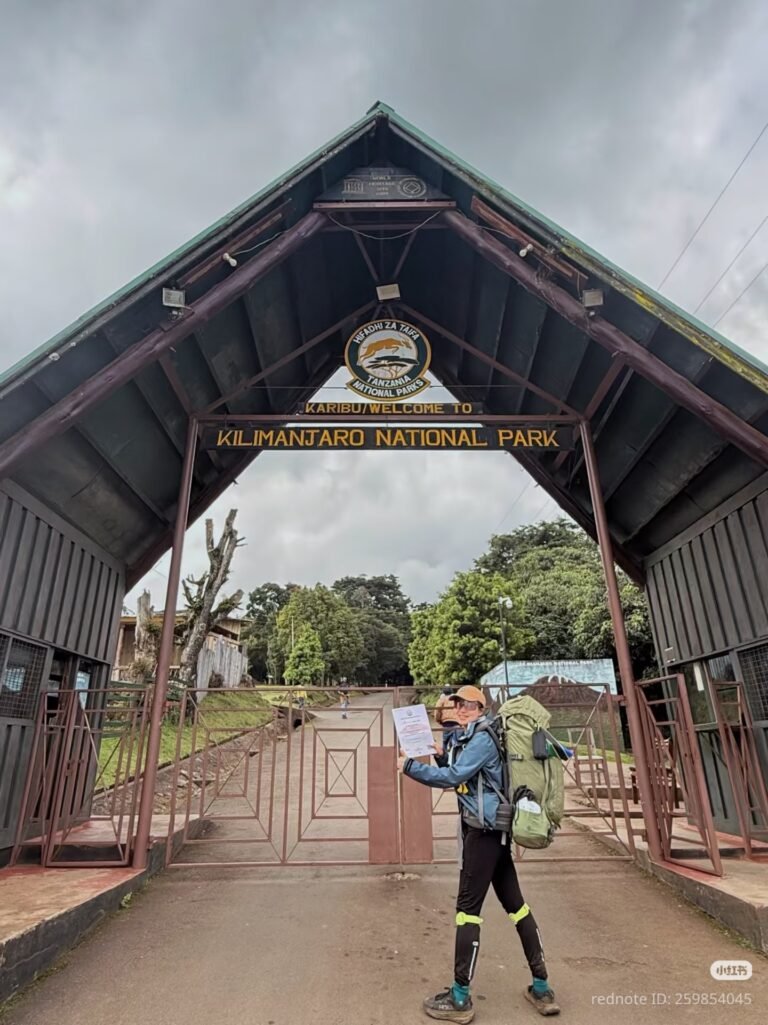
Kilimanjaro And Serengeti Calving Safari January 2026-2027
Kilimanjaro and Serengeti Calving Safari January 2027 is explained with current 2026-2027 planning, price, itinerary and booking information.
View package details
Kilimanjaro Christmas Climb And Tanzania Safari : Your Festive Adventure
Combine the magic of a Christmas ascent of Kilimanjaro with a thrilling Tanzania safari in 2026. Discover how to plan this dual adventure for a truly unique festive season.
View package detailsNo related package matches those filters. Clear one or more filters to see the other topic-matched options.



