
Visiting the Laetoli Footprints in Tanzania requires careful planning, as the site is remote and access is managed for conservation. Typically, this involves booking a guided tour through a reputable local operator, often combined with a safari in the Ngorongoro Conservation Area or Serengeti National Park, as direct independent travel is not feasible or recommended. Tours usually depart from Arusha or Karatu and include transportation, a knowledgeable guide, and entry fees, with arrangements needing to be made well in advance, especially for 2026-2027 travel.

What are the Laetoli Footprints?
The Laetoli Footprints are a world-renowned paleontological treasure, a series of hominin fossil footprints preserved in volcanic ash. Discovered in northern Tanzania by archaeologist Mary Leakey in 1978, these tracks provide an unparalleled glimpse into the lives of our ancient ancestors. The most famous set, designated Site G, showcases three individuals walking side-by-side. Analysis suggests they were likely Australopithecus afarensis, the same species as the famous ‘Lucy’ skeleton, and the prints date back approximately 3.6 million years. This makes them the oldest known direct evidence of bipedal locomotion in early humans, a crucial step in our evolutionary journey. The site is a UNESCO World Heritage Site, recognized for its immense scientific and historical significance. Understanding how to visit Laetoli Footprints offers a profound connection to the very origins of humanity.
Visiting Laetoli isn’t like visiting a typical tourist attraction. It’s a journey back in time to witness one of the most pivotal moments in human evolution. The footprints are not simply impressions in the ground; they are a narrative etched in stone, telling a story of movement, community, and the early stages of upright walking. For anyone interested in paleoanthropology, human origins, or simply the deep history of our planet, Laetoli is an essential pilgrimage. The careful management of the site ensures that these delicate traces of our past remain for future generations, making a well-planned visit all the more important.
Accessing Laetoli: The Logistics of Your Visit
Reaching Laetoli requires navigating some of the logistical challenges inherent in visiting remote paleontological sites in Tanzania. It’s not a destination you can simply drive to independently without prior arrangements, and certainly not one to approach without understanding the specific access protocols.
Location and Geography
Laetoli is situated in the Ngorongoro Conservation Area (NCA) in northern Tanzania, roughly 45 kilometers south of the Olduvai Gorge. The landscape is semi-arid, characterized by open plains, scattered acacia trees, and dry riverbeds. The site itself lies within a valley, and the footprints are preserved under layers of volcanic ash that fell from the nearby Sadiman volcano millions of years ago. The area is remote, with limited infrastructure, emphasizing the need for organized transport and guidance. The geological context of Laetoli is critical to its preservation; successive layers of ash and rain created a surface where early hominin tracks could be imprinted and then rapidly covered, protecting them from erosion for millennia.
Travel Modes to Laetoli
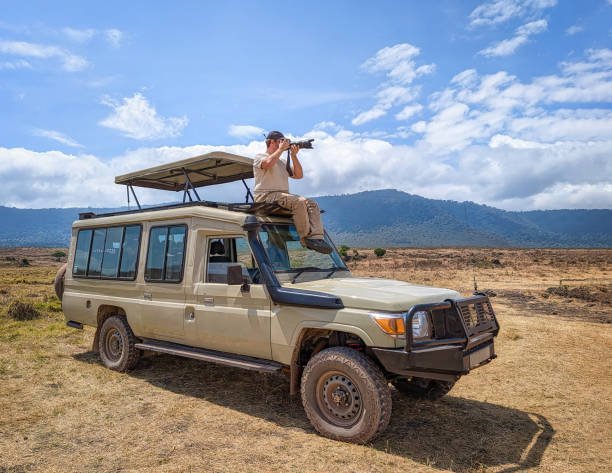
The primary way to reach Laetoli is via a 4×4 safari vehicle. The roads leading to the site, especially the final stretch, can be rough and are often impassable during the rainy seasons. Most visitors access Laetoli as part of a multi-day safari itinerary that includes other famous destinations like the Serengeti National Park and the Ngorongoro Crater. Your tour operator will arrange for a private vehicle and driver-guide who is experienced in navigating these routes. Direct flights to a nearby airstrip are not a common option for Laetoli, making overland travel the standard approach. The journey from Arusha, the main gateway city, to Laetoli typically takes several hours, often broken up with stops at other points of interest.
Integrating Laetoli into Your Itinerary
Laetoli is not a standalone destination for a typical tourist. It is almost always visited as a day trip or a brief stop within a larger safari circuit. Common itineraries place Laetoli between the Serengeti and the Ngorongoro Crater, or as an excursion from a lodge or camp located in the southern part of the NCA or near Karatu. A typical day trip from Karatu might involve an early start, driving to Laetoli, spending a couple of hours at the site, and then returning to Karatu or continuing to your next destination. For 2026-2027 travel, it’s advisable to discuss the optimal placement of Laetoli with your tour operator to ensure it flows logically with your overall safari plan and avoids unnecessary backtracking.
Booking Your Laetoli Footprints Tour
Securing your visit to Laetoli requires booking through a specialized tour operator. Independent travel is impractical due to the remoteness, road conditions, and the need for a permit and guide provided by the site’s management, which are typically facilitated by organized tours. This section will guide you through the booking process, what to look for in an operator, and how to plan ahead for 2026-2027.
Choosing a Tour Operator
When selecting a tour operator for your Laetoli visit, prioritize companies with extensive experience in northern Tanzania, particularly in the Ngorongoro Conservation Area. Look for operators who:
- Clearly include Laetoli in their itineraries: Not all safaris to the region feature a stop at Laetoli, so ensure it’s a stated inclusion.
- Have knowledgeable guides: The interpretation of the site is crucial, so guides should be well-versed in paleontology and human evolution.
- Offer flexible arrangements: Whether you’re adding it to a longer safari or requesting a dedicated day trip, a good operator can tailor the logistics.
- Prioritize conservation: They should demonstrate an understanding of and commitment to responsible tourism practices at sensitive sites.
- Provide detailed inclusions: Understand what your booking covers – transport, guide fees, park entry, site entry, meals, etc.
Climb 4 Africa is a Tanzanian-based tour operator with deep local knowledge and a commitment to providing authentic and well-supported safari experiences. They can arrange custom itineraries that seamlessly integrate a visit to the Laetoli Footprints with other highlights of northern Tanzania. Their team understands the logistical nuances of reaching remote sites like Laetoli and can ensure your trip is both informative and comfortable. For personalized planning for your 2026 or 2027 adventure, reaching out to them is a practical first step.
Essential Inclusions and What to Expect
A well-organized Laetoli tour should include:
- Private 4×4 vehicle: Essential for navigating the terrain.
- Professional driver-guide: Experienced in both safari driving and interpreting the significance of Laetoli.
- All entry fees: This typically covers the Ngorongoro Conservation Area fees and the specific site entry fee for Laetoli.
- A picnic lunch: Given the remote location, a packed lunch is standard.
- Water: Sufficient drinking water should be provided throughout the journey.
- Time at the site: Allow at least 1-2 hours to properly explore the footprints and visitor centre.
What you can expect is a journey through a starkly beautiful, undeveloped landscape. The Laetoli site itself is relatively simple, focused on preserving the fragile footprints. The experience is less about modern amenities and more about connecting with an ancient past. You will likely walk on designated paths and view the preserved footprints under protective structures.
Planning Timeline for 2026-2027 Visits
For trips planned for 2026 or 2027, it’s wise to start planning and booking 6-12 months in advance. This is particularly true if you aim to travel during peak safari seasons (July-October and December-February). Booking early secures your preferred tour operator, ensures availability of guides and vehicles, and allows for a more relaxed planning process. For highly specific or customized itineraries that include Laetoli, early consultation with operators like Climb 4 Africa is recommended to craft the perfect itinerary for your 2026-2027 Tanzanian adventure.
At the Laetoli Site: What to See and Do
The Laetoli site offers a unique and profound experience, focusing on the preservation and interpretation of ancient hominin tracks. While the amenities are minimal, the scientific and historical value is immense.
The Footprints Themselves
The most significant feature at Laetoli is, of course, the series of fossilized footprints. The primary preservation area, Site G, is where the most famous trails are located, including the remarkable three-individual trackway. These prints are protected by a roofed structure to shield them from the elements. Visitors walk along designated pathways to view them, allowing for close observation without disturbing the fragile fossils. The clarity of the prints, showing heel strikes, toe shapes, and the stride of these ancient beings, is astonishing. Seeing these direct impressions of our ancestors walking the Earth millions of years ago is a deeply moving experience. Other sites, like Site S, also contain important fossil finds, though Site G is the most accessible and well-known for visitors.
The Visitor Centre
Adjacent to the footprint sites is a small visitor centre. This facility provides essential context for your visit. Inside, you’ll find displays and exhibits that explain the geological processes that preserved the footprints, the paleoanthropological significance of the discoveries, and information about the hominin species that made them. The centre helps visitors understand what they are seeing and appreciate the scientific importance of Laetoli in the study of human evolution. It’s an excellent starting point before or after viewing the actual tracks.
Guided Interpretation and Context
Your experience at Laetoli will be greatly enhanced by the presence of a guide. Tour operators usually provide guides who are knowledgeable about the site, or you will be met by an official site guide upon arrival. These guides explain the different trackways, the estimated age of the prints, the likely species involved (primarily Australopithecus afarensis), and the evolutionary significance of bipedalism. They can point out details in the prints that might otherwise be missed and answer questions, bringing the ancient past to life. The narrative provided by a good guide transforms a walk past some old tracks into a journey through millions of years of human history.
Conservation and Preservation Efforts
The Laetoli Footprints are a fragile natural heritage, and their preservation is paramount. Strict measures are in place to protect them from damage, ensuring their survival for future scientific study and for generations of visitors to appreciate.
Why Protection is Crucial
These footprints are not stone carvings; they are fossilized impressions in volcanic ash. They are incredibly delicate and susceptible to erosion from wind, rain, and even human touch. Over millions of years, they survived due to rapid burial by ash and subsequent geological processes. However, once exposed, they require active protection. Without conservation, these invaluable traces of our earliest ancestors could be lost within decades. The scientific community relies on the integrity of these sites for ongoing research into human evolution, making their protection a global priority.
Minimizing Visitor Impact
To protect the footprints, visitor access is carefully controlled. Visitors are only allowed to walk on designated paths, and touching the footprints is strictly forbidden. The installation of protective roofing over the main trackways (Site G) has been crucial in shielding them from direct rainfall and intense sunlight, which can degrade the ash. Tour operators play a role by briefing their clients on the importance of respecting the site’s rules. The management of Laetoli, often in conjunction with the Ngorongoro Conservation Area Authority, focuses on balancing scientific access, limited tourism, and long-term preservation. By adhering to guidelines and booking through responsible operators, visitors contribute to these vital conservation efforts.
Practical Considerations for Visitors
Planning a visit to Laetoli involves more than just booking a tour; it requires considering practical aspects of travel in a remote part of Tanzania.
Best Time to Visit
The best time to visit Laetoli aligns with the dry seasons in northern Tanzania, which are generally from June to October and again from December to February. During these periods, the roads are in better condition, reducing the risk of getting stuck and making the journey more comfortable. The dry season also offers excellent wildlife viewing opportunities in the wider Ngorongoro Conservation Area and Serengeti, making it ideal for combining a visit to Laetoli with a safari. While it’s possible to visit during the shoulder seasons, be prepared for potentially challenging road conditions if rain is encountered. For 2026-2027, these dry periods remain the most advisable for a smooth visit.
What to Pack
Given the location and climate, packing essentials include:
- Lightweight, breathable clothing: Long-sleeved shirts and trousers are recommended for sun protection and to ward off insects.
- A wide-brimmed hat: Crucial for sun protection during the drive and at the open site.
- Sunscreen: High SPF sunscreen is a must.
- Insect repellent: Especially important during dawn and dusk.
- Comfortable walking shoes: You’ll be walking on uneven terrain and viewing the footprints.
- A camera: To capture the unique landscape and the footprints (check site regulations on photography, though generally permitted).
- Binoculars: Useful for observing wildlife along the way.
- A reusable water bottle: To stay hydrated.
- A small backpack: To carry essentials like water, snacks, camera, and sunscreen.
Remember that amenities at Laetoli are minimal, so carrying what you need for the day is essential.
Accommodation Options
Since Laetoli is typically visited as a day trip, accommodation is usually based in nearby areas. The most common bases for visiting Laetoli are:
- Karatu: A small town located just outside the Ngorongoro Conservation Area boundary, offering a range of lodges and guesthouses from budget to mid-range. It’s a convenient jumping-off point for Laetoli and the Ngorongoro Crater.
- Lodges within the Ngorongoro Conservation Area: Several lodges are situated within the NCA, offering more in-depth wildlife experiences and closer proximity to attractions like Laetoli and Olduvai Gorge. These can range from mid-range to luxury options.
- Campsites: For those on a tighter budget or seeking a more rustic experience, designated campsites are available within the NCA.
When planning your 2026-2027 trip, discuss accommodation preferences with your tour operator, as they can book suitable options that fit your budget and desired level of comfort, ensuring easy access for your Laetoli excursion.
Frequently Asked Questions About Laetoli
Can I visit Laetoli independently?
While technically possible to drive near the area, independent visits are highly discouraged and impractical. Access requires permits and guides typically arranged by licensed tour operators. The roads are challenging, and the site is managed to ensure preservation. Booking a tour ensures you have the necessary permissions, experienced guides, and appropriate transport.
How long does it take to visit Laetoli?
A visit to the Laetoli site itself, including the visitor centre and viewing the footprints, usually takes 1 to 2 hours. However, the total time for a day trip will be much longer, accounting for travel time from your accommodation (e.g., Karatu or a safari lodge), which can be several hours each way, depending on road conditions and other stops.
Are the footprints still visible?
Yes, the footprints are preserved under protective roofing structures, particularly at Site G, which is the main visitor area. While the original exposed surface has weathered, the protected areas allow visitors to see the remarkably clear impressions left by early hominins.
What is the significance of the Laetoli footprints?
The Laetoli footprints are scientifically significant because they provide the oldest direct evidence of bipedal locomotion in hominins, dating back approximately 3.6 million years. They strongly suggest that our ancestors were walking upright long before significant changes occurred in brain size, highlighting the evolutionary importance of bipedalism.
Planning Your Safari Adventure with Climb 4 Africa
Visiting Laetoli Footprints is a unique opportunity to connect with our ancient past, and it’s best experienced as part of a well-organized Tanzanian adventure. At Climb 4 Africa, we specialize in crafting bespoke safari itineraries that incorporate such significant cultural and paleontological sites. We understand the intricacies of travel in northern Tanzania, from navigating the Ngorongoro Conservation Area to ensuring you have knowledgeable guides who can illuminate the profound importance of places like Laetoli.
Whether you’re planning a comprehensive safari covering the Serengeti and Ngorongoro Crater, or a focused trip that includes a dedicated visit to the Laetoli Footprints, our team is here to help. We can tailor an itinerary for your 2026 or 2027 travel dates, ensuring comfortable 4×4 transport, suitable accommodation, and insightful guidance. To start planning your unforgettable journey to Laetoli and beyond, please reach out to us. We’re ready to help you create an experience that is both educational and awe-inspiring.
You can contact Climb 4 Africa directly via WhatsApp at +255 747 477 898 or send an email to climb4africa@gmail.com. Let us help you discover the ancient history of humanity etched in the plains of Tanzania.
Check Availability for How To Visit Laetoli Footprints: A Complete Guide For 2026-2027
Ready to compare dates, prices, and the best option for your group? Send the package name and travel month so the team can reply with a clear quote, availability, and what is included.

Best Time To Visit Laetoli Footprints: A Visitors Guide For 2026-2027
Planning a trip to Laetoli to witness ancient hominin footprints? This guide details the optimal times to visit for the best weather, accessibility, and overall experience, considering the…
No related package matches those filters. Clear one or more filters to see the other topic-matched options.



