
To get to the Laetoli Footprints in Tanzania, you’ll typically arrange transport from Arusha, often as part of a multi-day safari or a dedicated cultural trip. The journey involves driving approximately 45-50 kilometers south of the Ngorongoro Conservation Area’s main gate, a trip that takes around 2-3 hours on gravel roads, usually requiring a 4×4 vehicle. Most visitors combine Laetoli with a visit to Olduvai Gorge and the Serengeti National Park, with tours commonly planned for 2026 and 2027 through specialized Tanzanian tour operators.
Understanding Laetoli: A Glimpse into Our Past
The Laetoli Footprints are not merely a tourist attraction; they are a profound archaeological treasure, offering an unparalleled window into early human locomotion and behavior. Discovered in northern Tanzania, these fossilized footprints, preserved in volcanic ash, date back approximately 3.6 million years. They provide direct evidence of bipedalism in our ancient ancestors, specifically *Australopithecus afarensis*, the same species as the famous “Lucy” fossil. The site contains three distinct trails of footprints, the most famous being the 27-meter trail made by two individuals walking side-by-side, demonstrating a gait remarkably similar to modern humans. The sheer preservation of these ancient steps, laid down by individuals walking across a wet ash plain, makes Laetoli a cornerstone of paleoanthropological research and a place of immense scientific and historical importance.
For travelers, visiting Laetoli is an opportunity to connect with humanity’s deep past in a tangible way. It’s a chance to stand on ground where our earliest ancestors walked, a humbling experience that often sparks deep reflection. Unlike many other historical sites, Laetoli’s value lies not in built structures but in the ephemeral traces left by life itself, a testament to the enduring power of nature to preserve moments in time. Understanding this context enriches the visit immensely, transforming it from a simple road trip into a journey through evolutionary history.
This site is located in the Ngorongoro District of the Arusha Region, a landscape that is generally semi-arid and characterized by open plains and acacia woodlands. The specific location of the footprints is within a protected area managed by the Tanzanian government, ensuring their preservation. Access has been carefully managed over the years to protect the delicate fossils from erosion and human impact, which is why visiting often involves specific protocols and guided access.
When planning a trip to Laetoli, it’s crucial to recognize that it’s not a destination with abundant tourist infrastructure like a national park lodge. Instead, it’s a remote archaeological site that requires dedicated travel. Most visitors approach Laetoli as an educational excursion, often during longer safaris that explore the wider northern circuit of Tanzania. The experience is less about amenities and more about the profound historical and scientific significance of what lies beneath the earth.
Planning Your Laetoli Trip: Key Considerations
Successfully visiting the Laetoli Footprints requires a thoughtful approach to planning. It’s not a destination you can easily reach on a whim, and preparation is key to a rewarding experience. Several factors, from the best time of year to what you’ll need to bring, play a significant role in how smoothly your visit unfolds.
When to Visit Laetoli
Laetoli is accessible year-round, but certain times offer more comfortable travel conditions. Tanzania’s climate is generally divided into two main seasons: the dry season and the rainy season.
* The Dry Season (June to October): This is widely considered the best time to visit Laetoli and most of northern Tanzania. The weather is typically sunny with clear skies, making road travel easier. The roads, which are mostly unpaved tracks leading to Laetoli, are less prone to becoming impassable during the dry season. Wildlife viewing in the surrounding areas, if you are combining your visit with a safari, is also excellent as animals tend to congregate around water sources.
* The Rainy Season (November to May): This period sees more rainfall, which can impact road conditions. The short rains typically occur in November and December, while the long rains are usually from March to May. During the heavy rains, the unpaved roads can become muddy and challenging to navigate, potentially leading to delays or making certain routes inaccessible. However, the landscape becomes greener, and there are fewer tourists, which can offer a more tranquil experience if road access is not severely compromised. The period immediately after the long rains (late May and early June) can still see some residual muddy patches but generally offers good travel conditions.
For those planning for 2026 and 2027, the dry months of June through October will offer the most predictable and comfortable travel. If you are looking for a more budget-friendly trip and don’t mind potentially challenging roads, the shoulder months or even the early part of the rainy season might be considered, provided your tour operator has robust contingency plans.
Duration of Visit
Your time spent *at* the Laetoli site itself is typically quite short. A dedicated visit to the footprint gallery and the associated museum can take anywhere from 1 to 3 hours. However, this doesn’t account for the significant travel time required to reach Laetoli. Most travelers include Laetoli as a stop on a longer itinerary. Therefore, the overall duration of your trip to Laetoli will depend heavily on whether you are making it a day trip from a nearby lodge or incorporating it into a multi-day safari circuit.
A typical day trip from a lodge near Ngorongoro or Karatu might involve an early start, a drive to Laetoli, exploration of the site, and a return by late afternoon. If Laetoli is part of a safari that includes the Serengeti or other parks, it might be visited on a transit day between locations. For example, driving from the Serengeti to the Ngorongoro Crater area, you could divert to visit Laetoli en route.
What to Pack
Given Laetoli’s remote location and the nature of the journey, packing appropriately is essential for comfort and preparedness. The climate in this region is generally warm to hot, with cooler temperatures in the early mornings and evenings, especially during the dry season.
* Clothing: Lightweight, breathable clothing is ideal. Long-sleeved shirts and trousers are recommended for sun protection and to ward off insects, even during the day. Neutral-colored clothing is best for safaris if you plan to combine your visit. A light jacket or fleece for cooler mornings and evenings is advisable.
* Footwear: Comfortable walking shoes or sturdy hiking boots are necessary, especially if you plan to do any walking around the site or in the surrounding areas. Closed-toe shoes are generally preferred for protection.
* Sun Protection: A wide-brimmed hat, sunglasses, and high SPF sunscreen are crucial. The sun in Tanzania is strong, and exposure can be intense, particularly during midday.
* Insect Repellent: While Laetoli itself might not be heavily infested, carrying insect repellent with DEET is always a good idea in Tanzania, especially for early mornings and evenings.
* Hydration: A reusable water bottle is a must. Staying hydrated is critical in the African climate. Your tour operator will typically provide bottled water, but having your own bottle is eco-friendly and convenient.
* Camera and Binoculars: To capture the experience and observe any wildlife in the vicinity. Extra batteries and memory cards are wise.
* Personal First-Aid Kit: Include any personal medications, basic pain relievers, antiseptic wipes, and bandages.
* Snacks: While your tour operator will likely provide meals or snacks, having a few of your own energy bars or trail mix can be helpful, especially on longer driving days.
* Hand Sanitizer: For maintaining hygiene, especially when facilities might be basic.
It’s also wise to carry a small backpack to keep these essentials easily accessible during your excursions.
Routes and Transport Options to Laetoli
Reaching Laetoli is an adventure in itself, involving travel across Tanzania’s varied terrain. The journey is a significant part of the experience, and understanding the routes and transport options is crucial for effective planning.
The Standard Route from Arusha
Arusha is the primary gateway city for most tourists visiting northern Tanzania, including Laetoli. The most common route begins here and heads west towards the Ngorongoro Conservation Area.
1. **Arusha to Karatu/Ngorongoro Conservation Area:** The journey starts by driving from Arusha on a paved road towards Karatu, a small town that serves as a gateway to the Ngorongoro Conservation Area. This section of the journey is generally smooth and takes about 2-3 hours.
2. **Entering Ngorongoro Conservation Area:** After passing through Karatu, you’ll typically enter the Ngorongoro Conservation Area (NCA). You may stop at the NCA gate to pay entrance fees or for your guide to handle the formalities.
3. **Ngorongoro Gate to Laetoli:** From the NCA’s main tourist routes, the path to Laetoli diverges. You’ll turn off the main gravel road leading towards the Serengeti and head south-west. This section of the route is characterized by increasingly rougher gravel and dirt tracks.
The total driving time from Arusha to Laetoli is approximately 4-6 hours, depending on road conditions, vehicle type, and any stops made along the way. The final leg of the journey, once you leave the main tourist arteries of the NCA, can be particularly slow and bumpy.
Driving Times and Road Conditions
It’s important to manage expectations regarding road conditions and driving times. While Arusha to Karatu is paved, the roads beyond that become progressively more challenging.
* **Paved Roads:** Arusha to Karatu is a good quality paved road. This is the easiest part of the journey.
* **Gravel Roads:** Once you enter the NCA and head towards Laetoli, the roads are primarily unpaved gravel. These can range from relatively smooth tracks to deeply rutted paths, especially after rain.
* **Dirt Tracks:** The final approach to Laetoli often involves dirt tracks that can be dusty in the dry season and very muddy and slippery in the wet season.
Driving times can fluctuate significantly. During the dry season, a 4×4 vehicle can cover the distance more efficiently, perhaps taking 4-5 hours from Arusha. However, during the rainy season (especially March-May), the same journey could easily take 6-8 hours or more, and in extreme cases, become impassable.
It’s common for tours to break the journey. Many visitors stay overnight in lodges or camps around Karatu or near the Ngorongoro Crater rim before making the drive to Laetoli the next day, or vice versa. This allows for a more relaxed pace and better management of potential road issues.
Vehicle Requirements
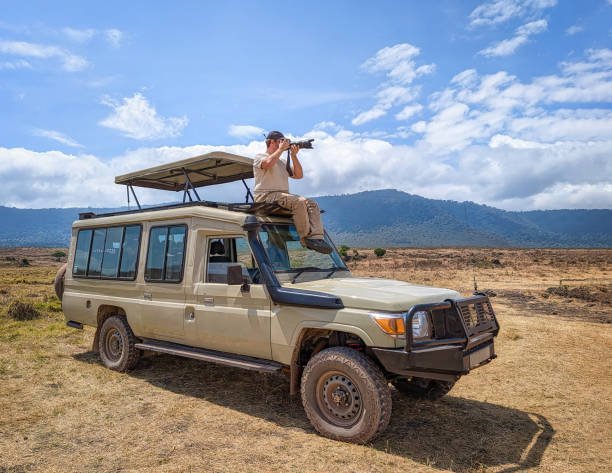
For any trip to Laetoli, a **4×4 (four-wheel-drive) vehicle is highly recommended, if not essential**. Standard 2WD vehicles will struggle significantly, if not become completely stuck, on the rough, unpaved, and potentially muddy tracks leading to the site. A well-maintained 4×4 with good ground clearance is crucial for navigating the terrain safely and comfortably. Most reputable tour operators in Tanzania will automatically use 4×4 vehicles for such excursions, often Land Cruisers or Land Rovers, equipped with pop-top roofs for game viewing and photography.
Independent Travel vs. Guided Tours
While independent travel is theoretically possible in Tanzania, it is **strongly advised to visit Laetoli as part of a guided tour**. Here’s why:
* **Road Navigation:** The tracks to Laetoli are not well-signposted and can be confusing, especially for those unfamiliar with the area. A local guide will know the best routes and can navigate them safely.
* **Vehicle:** Hiring a suitable 4×4 and a driver is essential. Renting a car independently and trying to drive yourself on these roads can be risky and may lead to vehicle damage or getting stuck.
* **Site Access and Information:** Guided tours often include a local guide at the site itself, who can provide invaluable insights into the footprints’ history and significance. They also handle any necessary permits or fees.
* **Logistics:** A tour operator handles all the logistics, including transport, accommodation (if applicable), and meal arrangements, making the entire process smooth and stress-free.
* **Safety:** Traveling with a local guide ensures you are aware of any safety considerations in remote areas.
For travelers planning for 2026 or 2027, booking with a reputable operator like Climb 4 Africa ensures that all these logistical hurdles are managed professionally, allowing you to focus on the experience of visiting this extraordinary site.
Combining Laetoli with Other Destinations
Laetoli is rarely visited in isolation. Its location in the heart of Tanzania’s renowned northern safari circuit makes it an ideal addition to a broader itinerary. Combining Laetoli with other attractions enhances the overall experience, offering a diverse exploration of Tanzania’s natural beauty, wildlife, and unique historical sites.
Laetoli and Olduvai Gorge: A Paleontological Pair
These two sites are often visited together because they represent two of the most significant paleoanthropological discoveries in East Africa. Olduvai Gorge, a massive “wall” of sediments in the eastern Serengeti plains, is renowned for its rich fossil finds, including early hominin remains and stone tools, dating back up to 2 million years. While Laetoli showcases footprints from *Australopithecus afarensis* (over 3 million years old), Olduvai Gorge offers evidence of later hominin species like *Homo habilis* and *Homo erectus*.
* **Proximity:** Laetoli and Olduvai Gorge are relatively close to each other within the greater Ngorongoro-Serengeti ecosystem. A typical route might involve visiting Olduvai Gorge first, which is more accessible and often on the way to or from the Serengeti, followed by a detour to Laetoli.
* **Complementary Experiences:** Visiting both sites provides a more comprehensive understanding of human evolution in the region. You can witness the earliest evidence of bipedalism at Laetoli and then explore the development of tool use and later hominin species at Olduvai Gorge.
* **Itinerary Planning:** Many 5-day safaris or longer in the northern circuit will include both. For instance, a common itinerary might be:
* Day 1: Arrive Kilimanjaro Airport, transfer to Arusha.
* Day 2: Arusha to Karatu, visit a local village.
* Day 3: Visit Olduvai Gorge, drive to Laetoli, continue to Serengeti National Park.
* Day 4: Serengeti game drive.
* Day 5: Serengeti game drive, drive back to Arusha.
This combination offers a deep look at Tanzania’s paleontological heritage.
Laetoli Safari Itineraries
Incorporating Laetoli into a safari is a fantastic way to add an educational and historical dimension to wildlife viewing. The northern circuit is a classic safari route, and Laetoli fits perfectly into itineraries that include:
* **Tarangire National Park:** Known for its large elephant herds and baobab trees. Often visited as a first stop after Arusha.
* **Lake Manyara National Park:** Famous for its tree-climbing lions and diverse birdlife.
* **Ngorongoro Conservation Area:** Home to the Ngorongoro Crater, a caldera teeming with wildlife, including the rare black rhino. This is the region closest to Laetoli.
* **Serengeti National Park:** The crown jewel of Tanzanian safaris, famous for the Great Migration and vast plains supporting incredible wildlife.
When planning a safari for 2026 or 2027 that includes Laetoli, consider the following:
* **Duration:** A safari including Laetoli, Olduvai Gorge, Ngorongoro, and Serengeti typically requires at least 5-7 days. Longer trips allow for more in-depth exploration of each area.
* **Logistics:** A tour operator will arrange the route, accommodation (lodges or tented camps), and game drives. They will schedule the visit to Laetoli strategically, often on a travel day between parks.
* **Pace:** It’s important not to rush. A well-paced itinerary allows time to appreciate both the wildlife and the historical significance of sites like Laetoli.
Climb 4 Africa specializes in crafting such comprehensive itineraries, ensuring that Laetoli is seamlessly integrated into your Tanzanian adventure. Their expertise means you benefit from efficient routing and informed guides who can contextualize your visit.
Laetoli and Zanzibar: A Contrasting Experience
For many, a trip to Tanzania isn’t complete without experiencing the exotic allure of Zanzibar. Combining the ancient history of Laetoli with the tropical paradise of Zanzibar offers a remarkable contrast and a well-rounded appreciation of Tanzania’s diverse offerings.
* **Logistics:** After your safari in the north, you would typically fly from a local airstrip (like the one in the Serengeti or Manyara) or drive back to Arusha for a flight to Zanzibar. Flights are frequent and take about 1.5 hours.
* **Contrast:** Laetoli represents the deep, ancient roots of humanity in a rugged terrestrial landscape. Zanzibar, on the other hand, offers a vibrant culture, spice tours, historical Stone Town, and stunning white-sand beaches with turquoise waters. It’s a journey from the dawn of humanity to a rich historical trading post and a tropical idyll.
* **Timing:** A common split might be 5-7 days for the northern circuit safari (including Laetoli) followed by 3-5 days in Zanzibar.
This combination provides a journey through time and diverse environments, showcasing the breadth of experiences Tanzania has to offer.
At the Laetoli Site Itself
Arriving at Laetoli is a unique experience, distinct from visiting a bustling national park. The focus here is singular: the preservation and interpretation of ancient human footprints.
What to See at Laetoli
The primary attraction is, of course, the fossilized footprints. These are protected within a designated area and typically viewed from a raised walkway or through a shelter that has been constructed to preserve them from the elements.
* **The Footprint Trails:** The most famous trail is the 27-meter-long track created by two *Australopithecus afarensis* individuals. You can clearly see the impressions of their feet, including the arch and heel, providing compelling evidence of bipedalism. The gait and stride lengths are clearly discernible.
* **Other Trails:** There are other trails as well, including those made by animals that roamed the area at the same time. This context helps paint a picture of the ancient environment.
* **The Laetoli Museum:** Adjacent to the footprint site is a small but informative museum. This is where you’ll find detailed explanations of the discovery, the scientific significance of the footprints, casts of the prints, and information about the paleoanthropological research conducted here. It provides crucial context for understanding what you are seeing.
* **The Surrounding Landscape:** The area around Laetoli is part of the Ngorongoro Conservation Area and offers a glimpse into the semi-arid plains of northern Tanzania. While not a primary wildlife viewing destination like the Serengeti or Ngorongoro Crater, you might see some plains game or birds.
Guided Tours at Laetoli
When you arrive at Laetoli, you will almost certainly be met by a local guide employed by the site. These guides are essential for interpreting the footprints and the museum exhibits.
* **Expert Interpretation:** The guides are knowledgeable about the scientific findings, the history of the discovery by Mary Leakey and her team, and the paleoecology of the region. They can explain the geological processes that led to the preservation of the footprints and the evolutionary significance of bipedalism.
* **Site Navigation:** They will lead you to the protected footprint trails and ensure you understand the viewing protocols.
* **Enhancing the Experience:** Their explanations transform the viewing of fossilized impressions into a vivid understanding of our ancient ancestors’ lives.
Most reputable tour operators will include this guided experience as part of your visit. It is highly recommended to engage with the site guide; their insights are invaluable.
Site Access and Regulations
Laetoli is a protected archaeological site, and access is strictly regulated to ensure the preservation of the footprints.
* **Entry Fees:** There are usually entrance fees for visiting Laetoli, which are often included in the package price if you book through a tour operator. These fees contribute to the site’s maintenance and conservation.
* **No Touching:** Visitors are not permitted to walk on the footprint trails themselves. Viewing is done from designated walkways or viewing areas. This is critical to prevent erosion and damage to the delicate fossils.
* **Photography:** Photography is generally allowed, but it’s always best to confirm with your guide or site personnel, especially regarding flash photography inside the museum or shelter.
* **Environmental Protection:** As with all protected areas in Tanzania, visitors are expected to respect the environment, not litter, and not disturb any wildlife or natural features.
Understanding and adhering to these regulations is part of responsible tourism and ensures that Laetoli remains a site of scientific and historical importance for future generations.
Booking Your Laetoli Experience
Booking a trip to Laetoli, especially when combining it with other Tanzanian attractions, requires careful consideration of tour operators and itinerary details. This ensures a smooth, informative, and memorable experience.
Choosing a Tour Operator
For a destination like Laetoli, which is remote and requires specialized transport and local knowledge, selecting the right tour operator is paramount. Look for companies that:
* **Specialize in Northern Tanzania:** Operators with a strong track record in the Arusha region and northern circuit safaris will have the best logistical arrangements.
* **Offer 4×4 Vehicles and Experienced Guides:** Ensure they use reliable 4×4 vehicles and employ knowledgeable, licensed guides who understand the terrain and the historical significance of sites like Laetoli.
* **Provide Clear Itineraries:** The itinerary should clearly outline what is included, the daily schedule, and the driving distances.
* **Have Good Reviews and Reputation:** Check independent reviews on platforms like TripAdvisor or ask for references. Companies like Climb 4 Africa are known for their expertise in Kilimanjaro climbs and Tanzanian safaris, offering comprehensive packages that can easily incorporate Laetoli.
* **Offer Customization:** The ability to tailor an itinerary to your specific interests, duration, and budget is a significant advantage.
What to Expect in a Package
When booking a package that includes Laetoli, the specifics can vary, but generally, you can expect:
* **Transport:** A 4×4 vehicle with a driver/guide for the duration of your northern circuit tour. This will cover the journey to and from Laetoli.
* **Park Fees:** Entrance fees for the Ngorongoro Conservation Area and any other parks visited. Note that Laetoli itself may have separate site fees.
* **Site Guide:** A local guide at the Laetoli site. While not always explicitly stated, reputable operators ensure this is part of the experience.
* **Accommodation:** Depending on the package, this could range from budget-friendly lodges and tented camps to more luxurious options. If Laetoli is a day trip, accommodation might be in Karatu or near the crater rim.
* **Meals:** Typically, all meals are included during safari days (breakfast, lunch, dinner). You will likely have lunch packed as a picnic to eat en route to Laetoli or at the site.
**Exclusions often include:** International flights, visa fees, travel insurance, tips for guides and drivers, personal expenses, and alcoholic beverages.
It is crucial to confirm the inclusions and exclusions with your chosen operator before booking.
Planning for 2026 and 2027
Booking well in advance is highly recommended, especially for peak travel seasons (June-October) in 2026 and 2027. Popular safari dates and accommodations can fill up quickly.
* **Early Booking Advantage:** Booking 6-12 months ahead can secure better rates and ensure availability for preferred lodges or camps. It also allows ample time for visa applications and vaccinations.
* **Itinerary Customization:** This lead time is also ideal for discussing and fine-tuning your itinerary with your operator. Whether you want to spend more time at Laetoli, focus heavily on wildlife, or add specific cultural experiences, early communication is key.
* **Price Stability:** While exact prices can fluctuate, locking in your itinerary and deposit with a tour operator can provide some price stability against potential currency changes or minor inflation.
For personalized assistance with planning your 2026 or 2027 journey to Laetoli and the wider northern circuit, contacting a specialist like Climb 4 Africa is a sensible next step. They can provide tailored advice and build an itinerary that perfectly matches your interests and budget. Reach out to them via WhatsApp +255 747 477 898 or Email climb4africa@gmail.com to discuss your travel plans.
Practical Advice for Travelers
Beyond the logistics of getting there, a few practical considerations can significantly enhance your visit to Laetoli and Tanzania.
Accommodation Near Laetoli
Laetoli itself does not have accommodation facilities. Visitors typically stay in lodges or camps in the surrounding areas, most commonly:
* **Karatu:** This small town is a convenient base, offering a range of lodges and guesthouses. It’s about a 1-1.5 hour drive from Laetoli.
* **Ngorongoro Conservation Area Rim Lodges:** These offer spectacular views and are closer to the Ngorongoro Crater itself. They are generally more upscale and can be a 1.5-2 hour drive from Laetoli.
* **Serengeti National Park Camps/Lodges:** If Laetoli is visited en route to or from the Serengeti, you might stay within the park’s boundaries. This can mean a longer drive to Laetoli on the day of your visit.
Your tour operator will recommend accommodation options based on your itinerary, budget, and desired comfort level. Many lodges in the Karatu area are designed to be comfortable, offering good meals and amenities after a day of exploration.
Health and Safety
* **Vaccinations and Malaria:** Consult your doctor or a travel clinic well in advance of your trip for recommended vaccinations and malaria prophylaxis. While Laetoli is in a malarial zone, the risk can be mitigated with precautions. The dry season generally has fewer mosquitoes.
* **Water:** Drink only bottled or purified water. Avoid tap water, ice cubes in drinks (unless you are sure they are made from purified water), and uncooked food that may have been washed in tap water.
* **Sun Exposure:** As mentioned, the sun is intense. Protect yourself diligently.
* **Road Safety:** Travel with experienced drivers, especially on the rough roads. The 4×4 vehicles are built for this terrain, but speed and caution are still necessary.
* **Wildlife Encounters:** While not a primary safari destination, be aware of your surroundings. Always follow your guide’s instructions, especially if encountering any wildlife.
Cultural Considerations
Tanzania is a diverse country with many ethnic groups. While Laetoli is an archaeological site, you will interact with local guides and potentially communities.
* **Respect:** Show respect for local customs, traditions, and people. Dress modestly when not on safari, particularly in villages or towns.
* **Photography:** Always ask for permission before taking photos of people.
* **Tipping:** Tipping is customary for guides, drivers, and lodge staff who provide good service. Your tour operator can provide guidance on appropriate amounts.
Being prepared and mindful of these practical aspects will ensure your journey to Laetoli is not only historically enriching but also comfortable and safe.
The Significance of Laetoli
Laetoli stands as a monument to human origins, its footprints etching a narrative of evolution into the very earth. The discovery of these remarkably preserved trails, dating back 3.6 million years, provides irrefutable evidence of early hominin bipedalism. Before Laetoli, the precise timing and nature of humanity’s transition to walking upright were subjects of intense debate. The prints clearly show a gait that is astonishingly similar to that of modern humans, validating that our ancestors had adopted this fundamental mode of locomotion millions of years ago.
This site is intrinsically linked to *Australopithecus afarensis*, the species to which the famous “Lucy” skeleton also belongs. The Laetoli prints suggest that these hominins were not just capable of walking upright but did so with a fluid, efficient stride, even navigating varied terrain. The presence of multiple individuals, including adults and potentially a child, walking together, hints at social behaviors and group dynamics that were developing even at this early stage of our lineage.
The preservation itself is a marvel of natural history. A nearby volcanic eruption deposited a layer of ash, which was then wetted by rain, creating a surface perfect for impressions. Subsequent layers of ash protected these prints from erosion until their discovery by Mary Leakey in the late 1970s. This unique geological event has provided scientists with an unparalleled snapshot of prehistoric life, offering direct behavioral evidence that fossils alone cannot provide.
For anyone interested in human evolution, paleontology, or simply our shared ancient past, a visit to Laetoli is a profound experience. It’s a tangible connection to the very beginnings of the human story, a place where one can literally walk in the footsteps of our distant ancestors. The scientific implications continue to shape our understanding of human origins, making Laetoli a site of global importance and a compelling destination for the curious traveler.
When planning your journey to this extraordinary site for 2026 or 2027, remember that expert local support is invaluable. Climb 4 Africa can help navigate the complexities of reaching Laetoli, ensuring your visit is as informative and impactful as possible. Contact them via WhatsApp +255 747 477 898 or Email climb4africa@gmail.com to craft your unique expedition into our ancestral past.
Check Availability for How To Get To Laetoli Footprints: Your Essential Tanzania Travel Guide
Ready to compare dates, prices, and the best option for your group? Send the package name and travel month so the team can reply with a clear quote, availability, and what is included.



