
A Northern Tanzania Archaeology Tour is an expedition to the heart of human origins, focusing on world-renowned paleoanthropological sites such as Olduvai Gorge and Laetoli, offering unparalleled insights into early hominin evolution. These tours are typically structured over several days, often combined with wildlife safaris in nearby national parks, and require careful planning for accessibility and expert guidance to fully appreciate the scientific significance of these ancient landscapes, especially when planning for 2026 or 2027 travel.
The Allure of Northern Tanzania’s Prehistoric Past
Northern Tanzania is far more than just a destination for world-class wildlife safaris and the majestic Mount Kilimanjaro. It is a profound geographical canvas upon which the earliest chapters of human history were written. For those with a keen interest in anthropology, palaeontology, and our species’ deep past, a Northern Tanzania Archaeology Tour offers an unparalleled opportunity to walk in the footsteps of our distant ancestors. This region, particularly within the vast Serengeti ecosystem and the Ngorongoro Conservation Area, is a treasure trove of fossil finds and ancient evidence that has reshaped our understanding of human evolution.
Imagine standing at the edge of Olduvai Gorge, a site so pivotal that its name is synonymous with human origins. Here, generations of palaeoanthropologists, most famously the Leakey family, unearthed fossil remains and stone tools that pushed back the timeline of human existence and demonstrated a complex evolutionary path. Then, consider the remarkable Laetoli site, where fossilized hominin footprints, preserved in volcanic ash, offer a unique, tangible glimpse into the locomotion and social behaviour of our ancient relatives over three million years ago.
These are not merely dusty museums or static displays; they are living landscapes where the story of humanity continues to unfold. A dedicated archaeology tour allows for a deeper immersion than a fleeting visit during a standard safari. It means engaging with the scientific context, understanding the significance of each find, and appreciating the immense geological and climatic forces that shaped both the environment and the evolution of life within it. For travelers planning ahead for 2026 or 2027, securing a well-guided and logistically sound Northern Tanzania Archaeology Tour is key to unlocking this extraordinary journey into prehistory.
This article aims to guide you through the essential elements of planning such an expedition. We will explore the key sites, discuss how to structure your tour for maximum impact, consider how to blend this academic pursuit with the region’s other wonders, and provide practical advice for making your 2026-2027 travel plans a reality. Whether you are a seasoned archaeology enthusiast or a curious traveler seeking a unique perspective on human history, Northern Tanzania awaits with its profound revelations.
Unveiling the Pillars: Key Archaeological Sites
The archaeological significance of Northern Tanzania is concentrated in a few globally important locations. Understanding these sites is fundamental to appreciating the value of an archaeology-focused tour. While many visitors to the Serengeti and Ngorongoro may glimpse these areas, an archaeology tour dedicates time and expert interpretation to their unique scientific context.
Olduvai Gorge: The ‘Cradle of Mankind’
Often hailed as the ‘Cradle of Mankind,’ Olduvai Gorge is arguably the most famous paleoanthropological site in the world. Located within the Ngorongoro Conservation Area, this steep-sided ravine is a treasure trove of fossils and stone tools that have provided crucial evidence for the earliest stages of human evolution. The sheer depth of geological time represented here, coupled with the density of discoveries, makes it a cornerstone of any Northern Tanzania Archaeology Tour.
**What makes Olduvai Gorge so significant?**
- Fossil Discoveries: It was here that Mary and Louis Leakey made groundbreaking discoveries, including fossils of *Zinjanthropus boisei* (now *Paranthropus boisei*), *Homo habilis*, and early *Homo erectus*. These finds provided evidence for tool use by early hominins and established the region as a critical area for understanding our lineage.
- Stone Tool Technology: The gorge has yielded a sequence of stone tool industries, from the Oldowan (the earliest known) to the Acheulean, demonstrating the progressive development of cognitive and technological abilities in our ancestors.
- Geological Context: The layers of volcanic ash and sediments within the gorge provide a remarkably precise chronological framework for dating the fossils and artifacts, allowing scientists to reconstruct the timeline of hominin presence and environmental changes over nearly two million years.
Visiting Olduvai Gorge involves exploring the gorge itself, often with a guide who can point out key excavation areas and explain the stratigraphy. There is a small museum on-site that displays casts of significant finds and provides further context. For travelers on an archaeology tour, the emphasis will be on understanding the scientific process, the challenges of excavation, and the profound implications of the discoveries made here for our understanding of human origins.
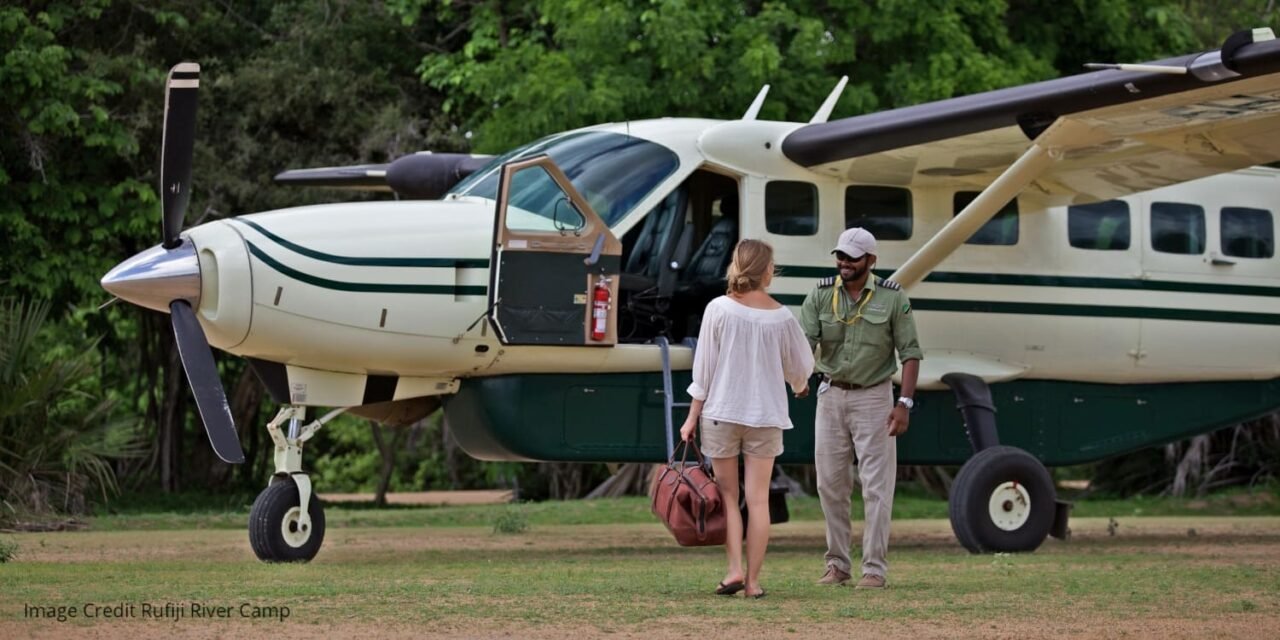
When planning for 2026-2027, it’s important to note that access to the deepest parts of the gorge may be restricted to researchers. However, the accessible areas and the museum offer a comprehensive and deeply moving experience for any visitor interested in human prehistory. The journey to Olduvai Gorge is typically made via 4×4 vehicle, often as a stop en route between the Ngorongoro Crater and the Serengeti National Park, or as a dedicated excursion from a lodge in the Ngorongoro area.
Laetoli: Footprints of Time
Just a short distance south of Olduvai Gorge lies Laetoli, a site of equally profound, if different, significance. Laetoli is most famous for the astonishingly preserved fossilized footprints of early hominins, dating back approximately 3.6 million years. These tracks provide an invaluable window into the behaviour and physical characteristics of our distant ancestors.
**The Laetoli Footprints:**
- Preservation: The footprints were preserved in a layer of volcanic ash deposited by an eruption from the nearby Sadiman volcano. Subsequent rains turned the ash into a hard surface, capturing the impressions before being covered by further sediment, protecting them for millennia.
- Hominin Species: Analysis of the footprints indicates they were made by at least three individuals, likely belonging to the species *Australopithecus afarensis* – the same species as the famous ‘Lucy’ skeleton found in Ethiopia.
- Bipedalism: The most striking feature of the Laetoli footprints is their clear resemblance to modern human footprints, strongly indicating that these early hominins were habitually bipedal. The depth and stride suggest they walked upright, much like we do today, providing crucial evidence for the early evolution of this defining human trait.
Access to the actual footprint site at Laetoli is typically protected by a roof structure to preserve them from the elements. Visitors view the prints from a designated pathway. An on-site guide or your tour leader will explain the geological processes that led to their preservation and the scientific interpretations of the prints. The experience of seeing these ancient impressions, made by beings who walked this very earth millions of years ago, is incredibly powerful and forms a highlight of any Northern Tanzania Archaeology Tour.
Given their delicate nature, access might be managed to ensure conservation. It is always advisable to confirm the current access status and any viewing protocols when booking your 2026-2027 trip.
Beyond the Famous: Other Significant Discoveries
While Olduvai Gorge and Laetoli capture the most attention, the wider Serengeti-Ngorongoro ecosystem is rich with archaeological potential and has yielded other important findings that contribute to our understanding of early human life and the ancient environment.
- Isimila: Located further afield, Isimila Stone Bowl Site is another significant location, known for its Acheulean tools, including handaxes and cleavers, found in association with ancient lake deposits. It provides a broader geographical context for early human activity in East Africa.
- Lake Eyasi Region: This area has yielded evidence of Later Stone Age hunter-gatherer groups, including rock art and archaeological sites that offer insights into more recent prehistoric human behaviour in the region.
- Paleo-environmental Evidence: Beyond hominin fossils and tools, the sediments and geological formations in these areas provide crucial data on past climates, flora, and fauna. This helps archaeologists and palaeoanthropologists reconstruct the environments in which early humans lived, hunted, and evolved.
An in-depth Northern Tanzania Archaeology Tour will often incorporate visits to these lesser-known but equally important sites, or at least discuss their findings and implications. This broader perspective is essential for understanding that human evolution did not occur in a vacuum but was deeply intertwined with the dynamic landscapes of East Africa.
Structuring Your Northern Tanzania Archaeology Tour
Designing an effective Northern Tanzania Archaeology Tour requires careful consideration of logistics, duration, and the specific interests of the traveler. Unlike a standard safari, an archaeology-focused trip demands more time spent at key sites, opportunities for in-depth learning, and often requires specialized transport and guiding. The goal is to balance the scientific exploration with the practicalities of travel in this remote region, ensuring a rewarding and enriching experience for 2026-2027 trips.
Duration and Itinerary Options
The length of your archaeology tour will significantly influence how deeply you can explore the sites and the surrounding areas. A typical Northern Tanzania Archaeology Tour, when focused solely on these prehistoric locations, might range from 3 to 7 days. However, most travelers choose to integrate it with other Tanzanian highlights.
**Common Itinerary Structures:**
- Dedicated Archaeology Focus (3-5 Days): This itinerary would concentrate on Olduvai Gorge, Laetoli, and potentially the Isimila site. It would involve staying in lodges or camps close to the Ngorongoro Conservation Area and dedicating full days to site visits, museum exploration, and lectures or discussions with your guide. This option is ideal for serious enthusiasts or academics.
- Archaeology & Ngorongoro Crater (4-6 Days): This popular combination allows for a thorough exploration of the key archaeological sites followed by a day or two experiencing the unique ecosystem of the Ngorongoro Crater. This offers a great contrast between human origins and a thriving modern ecosystem.
- The Grand Northern Circuit (7-10+ Days): For a comprehensive experience, an archaeology tour can be seamlessly woven into a classic Northern Circuit safari, which includes the Serengeti National Park and potentially Lake Manyara or Tarangire. The archaeological sites become significant stops en route, providing a historical layer to the wildlife encounters. This is often the most practical choice for first-time visitors to Tanzania who want to experience its diverse offerings.
When planning for 2026 or 2027, discuss your specific interests with your tour operator. Do you want to focus solely on paleoanthropology, or are you looking to complement it with other experiences? This will help tailor the duration and daily schedule. For instance, spending an extra half-day at Olduvai Gorge with your guide to discuss specific finds or geological layers can be more valuable than rushing to the next location.
Transportation and Accessibility
Getting to and around the archaeological sites in Northern Tanzania requires specialized vehicles and careful route planning. The terrain around Olduvai Gorge and Laetoli is primarily off-road, and the roads can be rough, especially during the rainy seasons.
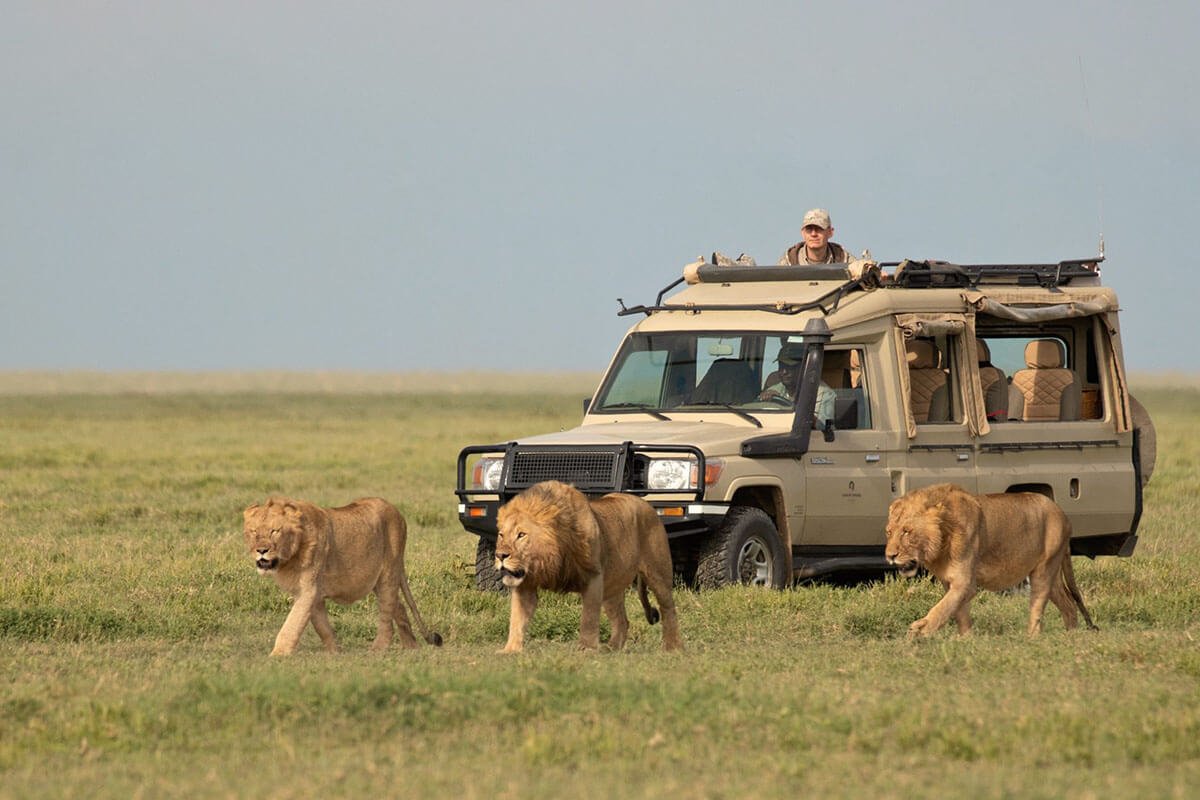
- 4×4 Safari Vehicles: The standard vehicle for this region is a robust 4×4 safari vehicle (e.g., Land Cruiser or Land Rover). These vehicles are essential for navigating the uneven tracks, providing comfort, and offering excellent visibility for wildlife spotting and appreciating the landscape.
- Road Conditions: Roads within the Ngorongoro Conservation Area and leading to the archaeological sites can vary from well-maintained gravel tracks to more challenging dirt paths. The accessibility is generally good during the dry seasons (June to October, and December to February) but can become difficult during the heavy rains (March to May).
- Logistical Planning: Your tour operator will handle the complex logistics of vehicle hire, fuel, and driver arrangements. For an archaeology tour, ensuring your driver/guide has specific knowledge of the routes to archaeological sites and is accustomed to spending extended time at these locations is crucial.
When booking for 2026-2027, confirm the type of vehicle provided and understand the daily driving distances. For archaeology-focused days, you might spend more time parked at a site with your guide, so comfortable seating and good viewing from the vehicle are still important. Some tours might arrange for specific vehicles to be positioned at sites for extended periods, allowing for detailed discussions without the pressure of continuous travel.
Accommodation Choices
Accommodation options near the archaeological sites in Northern Tanzania cater to a range of budgets and comfort levels, from basic to luxurious. The choice of accommodation will significantly impact your experience and the overall cost of your Northern Tanzania Archaeology Tour.
- Lodges in Ngorongoro: Several lodges are situated on the rim of the Ngorongoro Crater or within the conservation area. These offer stunning views and convenient access to both the crater and the archaeological sites. Options range from mid-range to high-end, providing amenities like restaurants, bars, and comfortable rooms.
- Tented Camps: For a more in-depth experience, tented camps offer a blend of comfort and proximity to nature. Some are permanent camps with en-suite bathrooms and proper beds, while others might be more mobile, following wildlife movements.
- Basic Campsites: For budget travelers or those seeking a truly rustic experience, public or special campsites are available within the Ngorongoro Conservation Area. These typically offer basic facilities such as toilets and showers, with accommodation in your own tent or a rented one.
- Day Trips from Arusha: It is possible to undertake some archaeological site visits as day trips from Arusha. However, this limits the depth of exploration and the ability to appreciate the sites without being rushed. For a true Northern Tanzania Archaeology Tour, staying closer to the sites is recommended.
When considering your 2026-2027 travel plans, discuss accommodation preferences with your tour operator. A lodge on the crater rim might offer spectacular views but longer drives to Laetoli, for instance, while a lodge closer to the plains might be more convenient for archaeological excursions. Consider the balance between comfort, location, and your budget. Some travelers opt for a mix, perhaps a comfortable lodge for a few nights and a more rustic tented camp for others.
The Indispensable Role of Expert Guides
On a Northern Tanzania Archaeology Tour, the guide is not merely a driver but a crucial educator and interpreter. Their knowledge of paleoanthropology, geology, and the local history of discoveries is what transforms a visit to a site into a profound learning experience.
**Qualities of an Excellent Archaeology Tour Guide:**
- Scientific Knowledge: A good guide will possess a strong understanding of human evolution, the significance of specific fossils and artifacts, geological processes, and the history of research in the region.
- Interpretive Skills: They should be able to explain complex scientific concepts in an accessible way, bringing the ancient past to life through engaging storytelling and clear explanations.
- Site Familiarity: Knowledge of the specific locations of key finds, understanding the stratigraphy, and knowing the best vantage points for interpretation are vital.
- Logistical Acumen: They must also be skilled in navigating the terrain, managing time effectively, and ensuring the safety and comfort of their passengers.
When you book your Northern Tanzania Archaeology Tour, inquire about the qualifications and experience of the guides. Reputable operators like Climb 4 Africa will assign guides with specific training or a demonstrable passion and knowledge base in archaeology and paleoanthropology. For 2026-2027 bookings, confirm that your guide will have dedicated time to spend with you at sites like Olduvai Gorge, rather than just a brief stopover.
Integrating Archaeology with Wildlife and Culture
While the primary focus of a Northern Tanzania Archaeology Tour is the ancient past, the region offers a rich mix of other experiences. Successfully integrating archaeology with wildlife viewing and cultural encounters creates a more holistic and memorable journey through this extraordinary part of Africa.
The Safari Synergy: Ngorongoro and Serengeti
Northern Tanzania is globally renowned for its exceptional wildlife. The archaeological sites are situated within or adjacent to areas that are teeming with iconic African fauna. This proximity allows for a natural and highly rewarding combination of interests.
- Ngorongoro Conservation Area: Home to Olduvai Gorge and Laetoli, this area also boasts the Ngorongoro Crater, a UNESCO World Heritage Site often described as Africa’s ‘Garden of Eden.’ The crater floor supports an incredible density of wildlife, including the Big Five (lion, leopard, elephant, rhino, buffalo), a vast array of birdlife, and numerous plains animals. A typical itinerary might involve a morning at an archaeological site followed by an afternoon game drive in the crater, offering a dramatic contrast between deep time and vibrant present-day ecosystems.
- Serengeti National Park: Extending north and west of the Ngorongoro Conservation Area, the Serengeti is famed for the Great Migration and its vast, open plains that support an astonishing diversity of wildlife. Incorporating the Serengeti into your archaeology tour means experiencing the pinnacle of African safari. The journey between these areas often takes you through landscapes that have changed little over millennia, reinforcing the sense of deep time.
- Lake Manyara National Park: Known for its tree-climbing lions and large elephant herds, this park offers a different ecological setting, with woodlands and a soda lake that attracts flamingos. It can serve as a convenient stop or a complementary destination, adding more wildlife diversity to your itinerary.
When planning for 2026-2027, consider how much time you wish to allocate to wildlife viewing versus archaeological exploration. A 10-day trip might comfortably allow for 3-4 days focused on archaeology and 6-7 days on safari. The transition between these experiences is usually smooth, with your 4×4 safari vehicle and guide facilitating movement between sites and parks.
Cultural Encounters: Maasai and Local Communities
Beyond the ancient hominins and the abundant wildlife, Northern Tanzania is home to vibrant human cultures, most notably the Maasai people. Integrating respectful cultural encounters can add another rich dimension to your Northern Tanzania Archaeology Tour.
- Maasai Villages: Many tours include visits to Maasai bomas (villages). These visits, when conducted respectfully and ethically, offer insights into the traditional lifestyle, social structures, and customs of this iconic pastoralist community. You can learn about their daily lives, witness traditional dances, and understand their deep connection to the land, which has been inhabited by humans for millennia.
- Local Communities and Markets: Exploring local towns and markets can provide a glimpse into contemporary Tanzanian life. Interacting with local people, learning about their livelihoods, and perhaps sampling local produce offers a contrast to the prehistoric focus and the wildlife spectacle.
- Understanding Human Continuity: Seeing how modern communities interact with and are shaped by the same landscapes that cradled early humanity can be a powerful reflection on human resilience and adaptation over vast stretches of time.
It is essential that cultural visits are arranged through responsible tour operators who ensure that these encounters are beneficial for both visitors and the communities. This means avoiding exploitative practices and focusing on genuine cultural exchange. For your 2026-2027 trip, discuss the possibility of ethical community visits and understand how they will be managed.
Planning Your 2026-2027 Archaeology Expedition
Embarking on a Northern Tanzania Archaeology Tour requires meticulous planning to ensure you make the most of this unique journey into human origins. From timing your visit to packing appropriately and understanding booking nuances, careful preparation is key to a successful 2026 or 2027 expedition.
Best Time to Visit
The ideal time to visit Northern Tanzania for an archaeology tour is largely dictated by the weather, which also impacts road conditions and wildlife viewing. The region experiences distinct wet and dry seasons.
- Dry Season (June to October): This is generally considered the best time for travel. The weather is typically sunny and mild, with minimal rainfall. Roads are in excellent condition, making access to archaeological sites easier and more comfortable. Wildlife is also concentrated around water sources, enhancing safari experiences.
- Short Rains (November to December): This period can bring scattered showers, but it’s often still a good time to travel, with fewer crowds and greener landscapes. Road conditions remain manageable for most of this period.
- Long Rains (March to May): This is the wettest period, with heavy rainfall often occurring daily. While the landscape is lush and beautiful, road conditions can become challenging, potentially leading to delays or changes in itinerary. Archaeological sites might be harder to access. However, this is also the low season, meaning potentially lower prices and fewer tourists.
- Shoulder Seasons: January and February can be good months, often warm and dry, with the added bonus of calving season for the wildebeest migration in the southern Serengeti.
For your 2026-2027 Northern Tanzania Archaeology Tour, consider balancing your desire for good weather and accessibility with potential crowd levels and pricing. The peak dry season (July-September) offers the most reliable conditions but is also the busiest and most expensive. The shoulder months of June, October, or even January/February can offer a great compromise.
What to Pack for an Archaeology Tour
Packing for an archaeology tour in Tanzania involves combining essentials for safari with items specific to exploring ancient sites. Comfort, sun protection, and layers are key.
- Clothing: Lightweight, breathable clothing in neutral colours (khaki, beige, olive green) is ideal for both safari and site visits. Pack long-sleeved shirts and trousers for sun protection and to deter insects. Include a warm fleece or jacket for cooler mornings and evenings, especially if staying on the Ngorongoro Crater rim.
- Footwear: Comfortable, sturdy walking shoes or hiking boots are essential for exploring archaeological sites. Closed-toe shoes are recommended.
- Sun Protection: A wide-brimmed hat, sunglasses, and high-SPF sunscreen are non-negotiable. The equatorial sun is intense.
- Insect Repellent: Especially important for evenings and during the wetter months.
- Camera and Binoculars: To capture the landscapes, wildlife, and details of the sites. Consider extra batteries and memory cards.
- Field Guides: If you have a particular interest, bring a field guide on human evolution or local geology.
- Personal First-Aid Kit: Include any personal medications, blister treatment, and basic pain relievers.
- Water Bottle: A reusable water bottle is encouraged to minimize plastic waste. Your lodge or camp will likely provide filtered water.
- Notebook and Pen: For taking notes during site visits or discussions with your guide.
Remember that luggage space in safari vehicles can be limited, so packing light and efficiently is advisable for your 2026-2027 adventure.
Booking Considerations and Logistics
Booking a Northern Tanzania Archaeology Tour requires careful selection of a tour operator who understands the nuances of such a specialized trip. The logistics are complex, involving park permits, vehicle hire, guide selection, and accommodation.
- Tour Operator Expertise: Choose an operator with proven experience in Northern Tanzania and, ideally, a specific understanding of archaeological and paleoanthropological tourism. They should be able to craft itineraries that allow sufficient time at sites like Olduvai Gorge and Laetoli.
- Inclusions and Exclusions: Clearly understand what is included in your tour package. This typically covers accommodation, transport, park entrance fees, guide services, and meals. Exclusions often include international flights, visa fees, travel insurance, tips, and personal expenses.
- Permits and Fees: The Ngorongoro Conservation Area and Serengeti National Park have specific entry and activity fees. Your tour operator will manage these, but it’s good to be aware of them. Archaeology site fees might be separate or included.
- Booking Window: For popular travel times, especially during the dry season, booking 6-12 months in advance is recommended for 2026-2027 trips to secure preferred accommodation and ensure availability.
- Customization: The best tours are often tailored to your specific interests. Discuss your archaeological focus with the operator to ensure the itinerary meets your expectations.
Making Your Inquiry: Partnering with Climb 4 Africa
When you’re ready to turn your interest in Northern Tanzania’s prehistoric past into a concrete travel plan for 2026 or 2027, reaching out to experienced local operators is the most effective first step. Climb 4 Africa specializes in creating bespoke Tanzanian travel experiences, including those with a deep focus on archaeology and anthropology.
To discuss your Northern Tanzania Archaeology Tour, including specific site interests, desired duration, accommodation preferences, and how to combine it with wildlife safaris, you can get in touch:
- WhatsApp: +255 747 477 898
- Email: climb4africa@gmail.com
When you contact us, please provide details about:
- Your approximate travel dates for 2026 or 2027.
- The number of people in your group.
- Your specific archaeological interests (e.g., Olduvai Gorge, Laetoli, general human evolution).
- Any other activities you wish to include (e.g., Ngorongoro Crater, Serengeti Safari, cultural visits).
- Your preferred accommodation style and budget.
This information will help us craft a personalized itinerary that maximizes your exploration of the cradle of humankind, ensuring a scientifically enriching and logistically smooth Northern Tanzania Archaeology Tour.
Health and Safety Advice
Health and safety are paramount for any trip to Tanzania. While an archaeology tour might not involve strenuous physical activity like a mountain climb, it still requires awareness of potential risks.
- Vaccinations: Consult your doctor or a travel clinic well in advance of your trip (ideally 6-8 weeks before departure) regarding recommended vaccinations. Yellow fever vaccination is often required for entry into Tanzania, and others like Hepatitis A, Typhoid, and Tetanus may be advised.
- Malaria Prevention: Tanzania is a malaria-endemic country. Discuss malaria prophylaxis with your doctor. Using insect repellent, wearing long sleeves and trousers in the evenings, and sleeping under a mosquito net (usually provided in accommodations) are also important preventative measures.
- Food and Water Safety: Stick to bottled water, avoid ice in drinks unless you are certain it’s made from purified water, and be cautious with street food. Most lodges and reputable camps provide safe drinking water and well-prepared meals.
- Sun Protection: As mentioned, sun protection is critical. Dehydration can also be a risk, so drink plenty of fluids.
- Wildlife Safety: While on safari, always follow your guide’s instructions. Do not leave your vehicle or tent when instructed not to, and maintain a safe distance from all wildlife.
- Emergency Procedures: Your tour operator will have emergency protocols in place, including communication methods and access to medical facilities. Ensure you have comprehensive travel insurance that covers medical evacuation.
For your 2026-2027 Northern Tanzania Archaeology Tour, familiarize yourself with these health and safety guidelines to ensure a worry-free experience.
Who is a Northern Tanzania Archaeology Tour For?
A Northern Tanzania Archaeology Tour is a specialized journey that appeals to a particular type of traveler. It’s not for everyone, but for those it suits, it offers an incredibly rewarding and unique perspective on Africa and humanity.
This tour is ideal for:
- Academic and Enthusiast Travelers: Individuals with a genuine interest in anthropology, palaeoanthropology, archaeology, and human evolution. This includes students, researchers, educators, or simply passionate amateurs who want to see these world-famous sites firsthand.
- Curious Explorers: Travelers who seek experiences that go beyond the typical tourist trail and offer deep intellectual and historical insights. They want to understand the ‘why’ and ‘how’ behind human existence.
- Those Seeking Depth: Visitors who prefer to spend time delving into the significance of a place rather than just ticking off a list of sights. This tour is about learning and contemplation.
- Travelers Combining Interests: People who want to experience the iconic wildlife and landscapes of Tanzania but wish to add a profound layer of historical and scientific discovery to their journey. It’s a way to make a safari more meaningful.
- Responsible Tourists: Travelers who appreciate ethical tourism practices and are keen to learn about both ancient and contemporary human stories in a responsible manner.
It might be less suited for someone primarily seeking adrenaline-fueled adventure, constant luxury without substance, or a purely wildlife-focused safari where time at archaeological sites would feel like a detour. However, for those who see the profound connection between our ancient past and the vibrant present of Tanzania, a Northern Tanzania Archaeology Tour is an unforgettable undertaking.
Making Your Inquiry: Partnering with Climb 4 Africa
When you’re ready to plan your extraordinary journey into the heart of human origins, partnering with an experienced and knowledgeable tour operator is crucial. Climb 4 Africa is dedicated to crafting personalized Northern Tanzania Archaeology Tours that cater to your specific interests, ensuring a deeply enriching and logistically sound expedition for 2026 or 2027.
We understand the unique requirements of archaeological tourism, from allocating sufficient time at critical sites like Olduvai Gorge and Laetoli to ensuring you have expert guides who can illuminate the scientific significance of these prehistoric landscapes. Whether you envision a dedicated focus on paleoanthropology or a blend with the unparalleled wildlife of the Serengeti and Ngorongoro Crater, we are here to help you design the perfect itinerary.
To begin planning your Northern Tanzania Archaeology Tour, please feel free to reach out to us:
- Contact us via WhatsApp: +255 747 477 898
- Send us an email: climb4africa@gmail.com
When you connect with us, please share your preferred travel dates for 2026 or 2027, the number of travelers in your group, any specific archaeological interests you have, and your desired accommodation style. This will enable us to provide you with a tailored proposal and guide you through the booking process, ensuring your Northern Tanzania Archaeology Tour is an insightful and unforgettable exploration of humanity’s earliest chapters.
We look forward to helping you uncover the ancient stories etched into the landscapes of Northern Tanzania.
The journey to understanding our origins is one of the most profound adventures one can undertake. A Northern Tanzania Archaeology Tour offers a direct connection to this incredible story, providing insights that resonate long after the trip concludes. By carefully planning your expedition, choosing the right operator, and embracing the opportunity to learn, you can start an experience that is both intellectually stimulating and deeply moving. For your travel plans in 2026 or 2027, let the ancient earth of Tanzania reveal its secrets to you.
Check Availability for Northern Tanzania Archaeology Tour: Unearthing Ancient Human History…
Ready to compare dates, prices, and the best option for your group? Send the package name and travel month so the team can reply with a clear quote, availability, and what is included.



