
The best time to visit Engaruka Ruins is generally during the dry seasons, from June to October and December to February. These periods offer the most pleasant weather for exploring the ancient agricultural and irrigation systems, with lower humidity and less rain, making the walking paths more accessible and comfortable for discovery in 2026 and 2027.

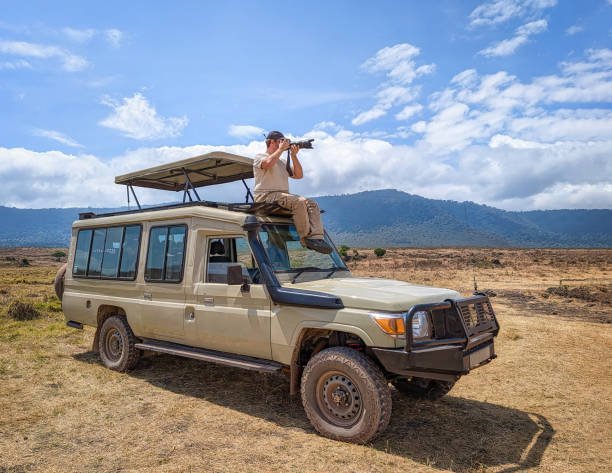
Unveiling Engaruka: A Glimpse into the Past
Engaruka Ruins, located in the arid Rift Valley of northern Tanzania, offers a profound journey back in time. This archaeological site, believed to have been a thriving agricultural community of tens of thousands of people around the 500 years ago, presents a fascinating landscape of stone-built terraces, irrigation channels, and house foundations. Unlike many ancient sites, Engaruka’s remains are spread over a vast area, requiring exploration on foot. The mystery of its abandonment adds to its allure, with theories ranging from environmental degradation to social upheaval. Understanding the best time to visit Engaruka Ruins is crucial for a truly in-depth and comfortable experience, allowing you to appreciate the ingenuity of its former inhabitants without the discomfort of extreme weather or overwhelming crowds.
For travelers planning a visit in the coming years, particularly in 2026 and 2027, timing is everything. The region’s climate dictates much of the visitor experience. While Tanzania is known for its generally warm weather, Engaruka’s location in the dry plains means that rainfall patterns and temperature fluctuations are significant considerations. This guide aims to provide a detailed breakdown of the optimal periods to explore this unique historical gem, ensuring your adventure is as enriching as possible.
Understanding Engaruka’s Climate and Seasons
The climate around Engaruka is characteristic of the semi-arid plains of northern Tanzania. It is broadly divided into two main seasons: the dry season and the rainy season. However, these are further nuanced by temperature and the intensity of precipitation, creating distinct periods that affect travel planning for Engaruka Ruins.
The Main Dry Season (June – October): Ideal Exploration
This is widely considered the prime time for most outdoor activities in Tanzania, including visiting Engaruka. During these months, the landscape is dry, the skies are typically clear, and humidity is low. Temperatures are pleasant, especially during the day, though evenings and early mornings can be cool. This period offers the most comfortable conditions for walking and exploring the extensive ruins, minimizing the risk of rain disrupting your plans. It’s also a popular time for safaris in nearby national parks like Tarangire and Serengeti, meaning the general infrastructure in the region is well-prepared for visitors. For those prioritizing clear skies and dry paths when planning their best time to visit Engaruka Ruins, this is the window to aim for.
The Short Dry Season (December – February): A Pleasant Alternative
Following the short rains (Vuli), Tanzania experiences another dry spell. This period, from December to February, is also a favorable time to visit Engaruka. The weather is warm and generally sunny, making it suitable for exploration. While it can be hotter than the June-October period, the lack of significant rainfall makes it a viable alternative, especially for travelers looking to combine their visit with festive holiday periods. The landscape might still retain some of the green hues from the preceding rains, offering a slightly different visual appeal compared to the starker dry season. This period is also a peak season for tourism, particularly around Christmas and New Year, so expect more visitors and potentially higher prices for accommodation and services.
The Long Rainy Season (March – May): Considerations for Visitors
The long rains, known as Masika, typically fall from March through May. This is the period when Engaruka and its surroundings receive the most significant rainfall. While it doesn’t always rain continuously, downpours can be heavy and prolonged, especially in April. This can make the unpaved roads leading to and around the site muddy and difficult to traverse, potentially impacting accessibility. The vegetation becomes lush, which can be beautiful but also obscures some of the archaeological features. For visitors who are less concerned about perfect weather and are looking for fewer crowds and potentially lower prices, visiting during the shoulder months of this season (late March or late May) might be an option, but careful planning regarding transportation and accommodation is essential. This is generally not considered the best time to visit Engaruka Ruins for comfort.
The Short Rainy Season (November): A Transitional Period
November marks the onset of the short rains (Vuli). This is a transitional month where the weather can be unpredictable. You might experience sunny days interspersed with intermittent showers. While not as disruptive as the long rains, these showers can still affect outdoor activities and make the ground damp. The advantage of visiting in November is that the crowds are typically much smaller, and the landscape begins to turn green. For the adventurous traveler who doesn’t mind the possibility of rain and prioritizes a more tranquil experience, November can be an option, but it requires flexibility in your itinerary.
Key Factors Influencing Your Visit to Engaruka
Beyond the general climate, several specific factors should guide your decision on the best time to visit Engaruka Ruins. Considering these elements will help tailor your trip to your preferences, whether you seek perfect weather, solitude, or specific experiences.
Weather and Comfort: Beating the Heat and Rain
The primary concern for most visitors is weather comfort. The dry seasons (June-October and December-February) offer the most pleasant temperatures and minimal rainfall, making walking and exploring enjoyable. During the hot months, especially December to February, daytime temperatures can rise significantly. Early morning or late afternoon visits are often recommended to avoid the peak heat. Conversely, the rainy seasons can bring high humidity and muddy conditions, which can make the extensive site challenging to navigate. Packing appropriate clothing and footwear is essential regardless of the season, but particularly critical if you choose to visit during the shoulder or rainy periods.
Crowds and Solitude: Seeking a Peaceful Experience
Engaruka is a relatively off-the-beaten-path destination compared to the Serengeti or Kilimanjaro. However, visitor numbers do fluctuate. The peak tourist seasons in Tanzania, which often coincide with the main dry season (June-October) and the Christmas/New Year holiday period (December-January), will see more visitors. If you prefer a more solitary exploration of the ruins, consider visiting during the shoulder months or the rainy season. This doesn’t mean you’ll have the site entirely to yourself, but you’re likely to encounter fewer tour groups and other independent travelers, allowing for a more intimate connection with the history of the place. For 2026 and 2027, planning outside these peak windows can offer a more serene experience.
Cultural Events and Local Life
While Engaruka is primarily an archaeological site, its surroundings are inhabited by local communities, including the Maasai and Datoga people. While there aren’t specific large-scale festivals tied directly to the ruins themselves, visiting during periods of normal local activity allows for more authentic interactions. Local guides are often members of these communities and can offer insights into their traditions, which may have ancient roots. Observing daily life, agricultural practices (even if different from the ancient ones), and the rhythm of the local villages can be an enriching part of your visit. The dry season often sees more activity in the surrounding pastoralist communities.
Accessibility and Terrain: Navigating the Site
Engaruka Ruins cover a wide area, and exploration involves walking over uneven terrain, including dry riverbeds and the stone foundations of ancient structures. The paths can become muddy and slippery during and immediately after rainfall. The main dry season (June-October) provides the most accessible conditions, with firm, dry ground. During the rainy season, especially March to May, access can be challenging, and certain areas might be difficult to reach without appropriate 4×4 transport and a knowledgeable guide. If mobility is a concern, planning for the dry season is highly advisable for a comfortable exploration of the best time to visit Engaruka Ruins.
Wildlife Sightings in the Environs
While Engaruka itself is not a wildlife-viewing destination, its location in the Rift Valley means that wildlife can be encountered in the surrounding areas, particularly on the drive to and from the site. Elephants, giraffes, various antelope species, and numerous bird species inhabit the drier plains. The dry season, when water sources are more concentrated, can sometimes lead to better wildlife viewing opportunities in the broader region. However, this is secondary to the primary purpose of visiting Engaruka, which is its historical significance. Keep an eye out for wildlife as you travel, but focus your exploration on the ruins themselves.
Timing Your Visit by Month (2026-2027 Outlook)
To help you pinpoint the ideal time for your visit, let’s break down the months and what each typically offers for exploring Engaruka Ruins. This forward-looking perspective is key for planning your 2026 and 2027 travels.
June, July, August: The Heart of the Dry Season
These months represent the peak of the dry season. Expect clear, sunny days with low humidity and minimal rain. Temperatures are generally moderate, making it very comfortable for extensive walking and exploration. This is an excellent period for photography due to the consistent good light. It is also a popular time for international travel, so booking in advance is recommended. For many, this is undeniably the best time to visit Engaruka Ruins.
September, October: Shoulder Season Advantages
September and October continue the dry conditions, though they can start to feel a bit warmer as the season progresses. Rainfall is still unlikely. These months are often considered shoulder season, meaning you might find slightly fewer crowds than in July and August, and potentially better availability for accommodations. The landscape remains dry and accessible. This offers a great balance of favorable weather and a slightly more relaxed atmosphere for exploring Engaruka.
November: Transition to Rains
November is a transitional month. The short rains (Vuli) typically begin during this period. You can expect a mix of sunny days and intermittent showers. The humidity might start to increase. While not ideal for guaranteed dry conditions, it offers a chance to see the landscape begin to green up and experience fewer tourists. It’s a good option if you’re flexible and don’t mind the possibility of rain impacting your outdoor activities.
December, January, February: Holiday Season and Dry Spells
This period includes the Christmas and New Year holidays, making it a peak travel time for many. The weather is generally dry and warm, sometimes hot. The landscape might still show some residual green from the Vuli rains. While it’s a popular time for a visit, especially for those combining it with other Tanzanian attractions, be prepared for higher temperatures and more fellow travelers. The dry conditions make it suitable for exploring, but the heat requires hydration and sun protection.
March, April, May: The Rainy Season Challenge
These months constitute the long rainy season (Masika). April is typically the wettest month. Expect frequent and sometimes heavy rainfall, which can lead to muddy conditions, making travel and exploration difficult. Roads may become impassable. The vegetation is lush and vibrant, which can be visually appealing but may obscure some of the archaeological features. While this period offers the fewest crowds and a chance to see the landscape in its full verdant glory, it is generally not the best time to visit Engaruka Ruins for comfort and accessibility.
Travel Tip for 2026-2027 Planning:
When planning your trip for 2026 or 2027, consider booking at least 6-12 months in advance, especially if you aim for the popular dry seasons (June-October) or the holiday period (December-January). This ensures better availability for flights, accommodations, and local guides, and allows for more flexibility in crafting your itinerary.
Planning Your Engaruka Trip: Practical Advice
A successful visit to Engaruka Ruins requires more than just picking the right season. Careful planning around logistics, accommodation, and what to bring will significantly enhance your experience. Understanding these practicalities is key to enjoying your exploration of this ancient site.
Getting to Engaruka
Engaruka is located in a relatively remote area, north of Mto wa Mbu and west of the Great North Road. Access is typically via 4×4 vehicle. The nearest major towns are Arusha and Moshi, which serve as primary entry points for travelers to northern Tanzania. From Arusha or Moshi, it’s a scenic drive, often passing through areas like Mto wa Mbu, which is known for its diverse population and agricultural displays. The final stretch to Engaruka can be on unpaved roads, which are best navigated during the dry season. Many visitors combine a trip to Engaruka with a safari in nearby parks like Tarangire National Park or Lake Manyara National Park. The journey itself can take several hours, depending on your starting point and road conditions.
Accommodation Options Near Engaruka
While Engaruka itself doesn’t have luxury resorts, there are several accommodation options in the vicinity, ranging from basic lodges to more comfortable tented camps. Many visitors choose to stay in Mto wa Mbu or Karatu, towns that offer a wider array of facilities and are convenient bases for exploring Engaruka, Lake Manyara, and the Ngorongoro Conservation Area. Some lodges are situated closer to the ruins, offering a more secluded experience. When selecting accommodation, consider its proximity to the site and the type of experience you are seeking. Booking your accommodation well in advance, particularly for the 2026-2027 travel season, is advisable.
What to Pack for Engaruka
Packing appropriately is crucial for comfort and safety. For Engaruka, consider the following:
- Lightweight, breathable clothing: Long-sleeved shirts and trousers are recommended to protect against the sun and insects.
- Comfortable walking shoes: Sturdy hiking boots or closed-toe shoes are essential for navigating the uneven terrain.
- Sun protection: A wide-brimmed hat, sunglasses, and high SPF sunscreen are vital.
- Insect repellent: Especially important for dawn and dusk.
- Water bottle: Staying hydrated is paramount in the dry climate. Consider a reusable bottle.
- Camera and extra batteries/memory cards: To capture the unique landscape and historical features.
- Binoculars: Useful for spotting distant wildlife or details within the ruins.
- Light jacket or fleece: Evenings and early mornings can be cool, particularly during the dry season.
- Rain gear: A lightweight, waterproof jacket or poncho is advisable, especially if traveling during the shoulder or rainy seasons.
Remember that Engaruka is a historical site, so modest dress is appreciated when interacting with local communities.
Guided Tours and Local Guides
Visiting Engaruka with a local guide is highly recommended. These guides, often from the local Maasai or Datoga communities, possess invaluable knowledge of the site’s history, the intricate irrigation systems, and the cultural significance of the ruins. They can point out details you might otherwise miss and provide context that brings the ancient settlement to life. Many tours also include transportation and can be customized to your interests. For a deeper understanding and a more rewarding exploration, engaging a local guide is an integral part of planning your best time to visit Engaruka Ruins.
Combining Engaruka with Other Destinations
Engaruka Ruins make an excellent addition to a northern Tanzania itinerary. Its location makes it a natural stop when traveling between destinations like:
- Tarangire National Park: Famous for its large elephant herds and baobab trees, often visited on the way to or from Engaruka.
- Lake Manyara National Park: Known for its tree-climbing lions and diverse birdlife.
- Ngorongoro Conservation Area: Home to the iconic Ngorongoro Crater, a UNESCO World Heritage Site.
- Mto wa Mbu: A vibrant cultural hub offering insights into various Tanzanian tribes.
By combining Engaruka with these popular attractions, you can create a comprehensive tour that balances wildlife, culture, and history. Planning this combination is key to maximizing your time in Tanzania during your 2026-2027 adventure.
Making the Most of Your Engaruka Visit
To truly appreciate the historical and cultural significance of Engaruka Ruins, consider these tips for maximizing your exploration. These insights are designed to deepen your understanding and respect for this ancient site.
Understanding the Ruins: What to Look For
As you explore, pay attention to the sophisticated agricultural techniques employed by the ancient Engaruka people. Look for:
- Terraced fields: Designed to prevent soil erosion and maximize water retention on the slopes.
- Complex irrigation channels: Evidence of advanced water management in a dry environment, diverting water from the nearby Engaruka River.
- Stone-built houses: Foundations and remnants of dwellings that indicate a densely populated settlement.
- Burial sites: Often marked by stone cairns or circles, offering clues to their funerary practices.
A knowledgeable guide will be invaluable in interpreting these features and explaining the theories behind the community’s success and eventual decline.
Interacting with Locals
The area around Engaruka is home to communities, primarily Maasai and Datoga. When visiting local villages or interacting with guides, always approach with respect. Ask permission before taking photographs of people. Engage in polite conversation, and if you wish to purchase crafts or local produce, do so fairly. Your interactions can provide a richer understanding of the living culture that exists alongside these ancient remnants. Remember that your visit contributes to the local economy, so thoughtful engagement is appreciated.
Photography Tips
The landscape around Engaruka offers unique photographic opportunities. The contrast between the ancient stone structures and the semi-arid environment is striking. The dry season often provides clear, bright light, ideal for capturing details. Consider visiting early in the morning or late in the afternoon for softer light and dramatic shadows that highlight the contours of the ruins. Wide-angle lenses are useful for capturing the scale of the site, while telephoto lenses can isolate interesting architectural details or distant wildlife.
Respectful Tourism Practices
Engaruka is a site of significant historical and cultural importance. Practice responsible tourism by:
- Staying on designated paths: To avoid damaging fragile archaeological remains.
- Not removing artifacts: Leave everything as you find it for future generations to study and appreciate.
- Respecting local customs: Dress modestly and behave respectfully in villages.
- Minimizing waste: Carry out everything you carry in.
By adhering to these principles, you help preserve Engaruka for the future and ensure a positive experience for both visitors and the local community.
Booking Your Trip with Climb 4 Africa
When planning your visit to Engaruka Ruins, especially with an eye on the optimal seasons in 2026 and 2027, partnering with experienced local operators like Climb 4 Africa can significantly enhance your journey. We specialize in creating tailor-made African travel experiences, including insightful visits to historical sites like Engaruka, combined with safaris and cultural immersions. Our local expertise ensures you receive the best advice on timing, logistics, and authentic experiences. We can arrange comfortable 4×4 transport, reliable local guides, and suitable accommodation that complements your exploration of the ruins. Whether you’re looking for a day trip from a nearby safari lodge or wish to integrate Engaruka into a longer itinerary, we can craft a plan that suits your interests and budget. To discuss the best time to visit Engaruka Ruins for your specific travel dates and to begin planning your unforgettable Tanzanian adventure, please reach out to us.
Contact Climb 4 Africa today:
WhatsApp: +255 747 477 898
Email: climb4africa@gmail.com
Check Availability for Best Time To Visit Engaruka Ruins: Your Complete Planning Guide 2026-2027
Ready to compare dates, prices, and the best option for your group? Send the package name and travel month so the team can reply with a clear quote, availability, and what is included.



