
A private Kilimanjaro climb in 2026 or 2027 offers a tailored expedition focused entirely on your group’s pace, preferences, and comfort, ensuring a more personalized and potentially successful summit experience compared to group treks. This means you set the schedule, enjoy dedicated support staff, and have greater flexibility, though it typically involves a higher per-person cost than joining a standard group departure.
Why Choose a Private Kilimanjaro Climb?
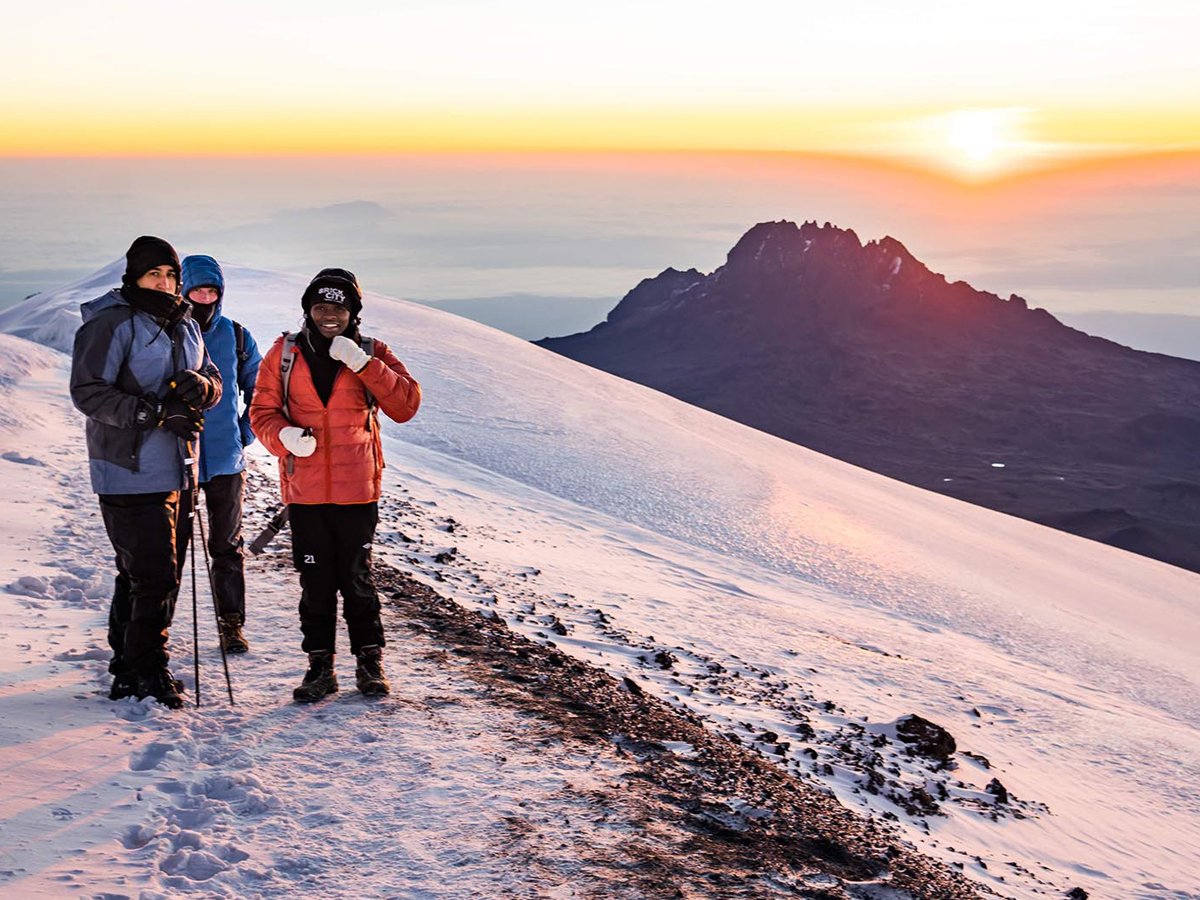
Opting for a private Kilimanjaro climb transforms the mountain experience from a group challenge into a highly personal journey. For many, the decision hinges on seeking greater control over their expedition. This means you can dictate the pace, allowing for more leisurely mornings, extended breaks at scenic spots, or faster progress if your group feels strong. There’s no pressure to keep up with strangers or wait for others, fostering a more relaxed and enjoyable atmosphere. It also means dedicated support staff – your guides and porters – are exclusively focused on your group’s well-being and success. This level of attention is invaluable, especially for those with specific needs, concerns about altitude, or simply a desire for a more intimate mountain adventure.
A private ascent is particularly beneficial for families, groups of friends, or corporate teams where everyone knows each other and can communicate openly about their comfort and progress. It eliminates the potential for interpersonal dynamics that can arise in larger, mixed groups. Furthermore, if you have specific dietary requirements, a private climb allows your support team to cater to these more precisely. In essence, a private Kilimanjaro climb prioritizes your experience, ensuring that every aspect of the trek is optimized for your group’s success and enjoyment.
While the cost of a private climb is generally higher per person than joining a shared group, the benefits in terms of flexibility, personalized service, and tailored support often outweigh the additional expense for those who can afford it. It’s an investment in a smoother, more comfortable, and ultimately more memorable journey to the Roof of Africa. For planning your 2026 or 2027 adventure, securing a private climb means you can often book preferred dates and customize elements of the itinerary well in advance.
Best Routes for a Private Kilimanjaro Climb
Choosing the right route is paramount for any Kilimanjaro climb, but it takes on added significance when planning a private expedition. The goal is to select a route that offers not only stunning scenery and a good chance of summit success but also aligns with your group’s fitness levels, desired duration, and tolerance for crowds. For private climbs, you have the flexibility to choose any route, and operators can often tailor support levels. Here’s a breakdown of the most popular routes and why they might suit a private group:
Machame Route (Whiskey Route)
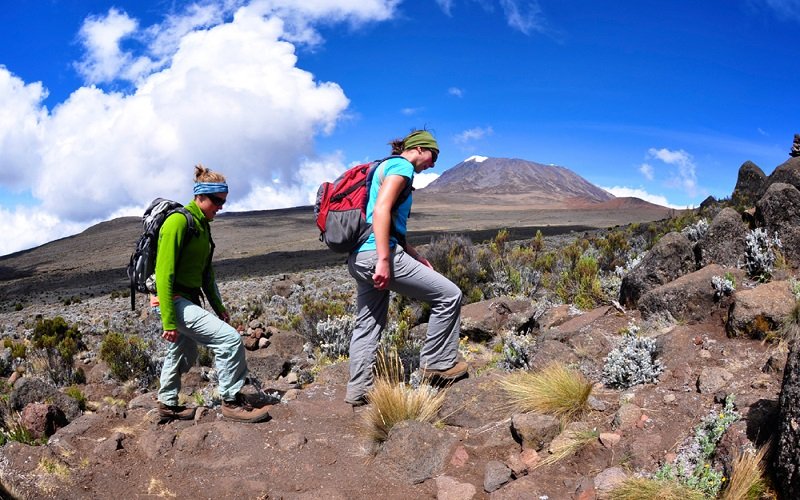
The Machame Route is a crowd favorite for both private and group treks, and for good reason. It’s known for its scenic beauty and excellent acclimatization profile, making it one of the most successful routes. For a private climb, the 6-day or 7-day options are most common. The 7-day version significantly increases acclimatization and summit success rates, a crucial factor when you’re not bound by a fixed group schedule.
Why it suits private climbs:
- Excellent Scenery: It traverses diverse ecological zones, offering varied landscapes daily.
- Good Acclimatization: The “climb high, sleep low” principle is naturally integrated, particularly on the 7-day itinerary, which is ideal for a private group that can manage its own pace.
- Popularity: While popular, its campsites are well-established. A private group has its own designated camping area, ensuring privacy and dedicated service.
- Flexibility: You can choose to extend to 8 days for even better acclimatization if desired, something easier to arrange when booking privately.
If you’re looking for a challenging yet rewarding climb with a high success rate, the Machame Route for your private Kilimanjaro climb is a top contender. Consider booking your 2026 or 2027 dates early, especially for peak seasons.
Lemosho Route
Often considered the most beautiful route, Lemosho starts in the western rainforest and gradually ascends. It offers a more remote and pristine experience for the first few days, which is a significant draw for private trekkers seeking solitude. Lemosho typically takes 7 or 8 days, with 8 days being highly recommended for optimal acclimatization and enjoyment.
Why it suits private climbs:
- Stunning Scenery & Solitude: The initial days are exceptionally scenic and less crowded, perfect for a private group wanting to soak in the environment.
- Superior Acclimatization: Its longer duration (7-8 days) and western starting point contribute to excellent acclimatization profiles.
- Higher Success Rate: Generally boasts one of the highest success rates due to its length and acclimatization benefits.
- Privacy: Even when campsites get busy, the initial remoteness offers a genuine sense of escape.
For a truly in-depth and visually spectacular private Kilimanjaro climb, Lemosho is an outstanding choice, especially if you are aiming for 2026 or 2027 and want a less-trodden path for a significant portion of your trek.
Marangu Route (Coca-Cola Route)
The Marangu Route is the oldest and most established route, often called the ‘Coca-Cola’ route. It’s unique because it’s the only route that uses dormitory-style huts instead of camping. It’s also the shortest route, typically completed in 5 or 6 days.
Why it suits private climbs:
- Comfort: The huts offer a level of comfort and protection from the elements that camping doesn’t, which might appeal to some private groups.
- Simplicity: It’s a straightforward ascent and descent.
- Shorter Duration: If time is a constraint, the 5-day option is quicker, though its success rate is lower due to poor acclimatization. The 6-day option improves this.
Considerations for private climbs: The lower success rate on the 5-day trek means it’s less ideal for a private climb where summit success is a primary goal. While huts offer comfort, they can be more communal and less private than camping. For a truly exclusive feel, camping routes are often preferred by private trekkers. However, for a private group prioritizing comfort and a shorter trip, Marangu remains an option, especially the 6-day itinerary.
Rongai Route
Rongai is the second most popular route starting from the north side of Kilimanjaro, near the Kenyan border. It’s known for its drier climate, making it a good option during the rainy seasons. It typically takes 6 or 7 days.
Why it suits private climbs:
- Less Crowded: Generally less trafficked than Machame or Lemosho, offering a more peaceful experience for a private group.
- Dry Climate: Its northern approach means it receives less rainfall, making it a viable choice for trekkers looking to climb in shoulder seasons or even during the wetter months.
- Good Scenery: Offers a different perspective of the mountain, starting in the savanna and progressing through diverse landscapes.
- Gradual Ascent: The approach is generally gentler, aiding acclimatization.
If you’re planning a private Kilimanjaro climb in 2026 or 2027 and are concerned about crowds or weather, Rongai provides an excellent alternative with a good balance of challenge and comfort.
Northern Circuit
The Northern Circuit is the longest and arguably the most scenic route, circumnavigating the mountain. It typically takes 8 or 9 days, providing the best acclimatization profile and the highest success rates.
Why it suits private climbs:
- Exceptional Acclimatization: Its sheer length and gradual ascent offer the best possible acclimatization, maximizing summit chances.
- Stunning Vistas: It offers panoramic views from all sides of the mountain, including the remote northern slopes.
- Ultimate Solitude: Being the longest route, it’s also the least crowded, making it ideal for a private group seeking an exclusive adventure.
- Flexibility: A private operator can easily customize the 9-day itinerary to a 10-day or even longer trek if desired, focusing on a truly unhurried experience.
For a private Kilimanjaro climb aiming for maximum success, unparalleled scenery, and the most exclusive experience, the Northern Circuit is hard to beat. It’s a significant commitment in terms of time and cost, but the rewards are immense. Planning for 2026 or 2027 on this route means booking well in advance.
Shira Route
The Shira Route is similar to Lemosho but starts at a higher altitude on the Shira Plateau. It’s a visually striking route but its higher starting point means acclimatization needs to be managed very carefully. It typically takes 7 or 8 days.
Why it suits private climbs:
- Scenic Beauty: Offers dramatic landscapes from the start.
- Good for Experienced Trekkers: For a private group with good altitude experience, the challenge can be rewarding.
Considerations for private climbs: The high starting altitude means it’s not recommended for beginners or those with concerns about altitude sickness. The acclimatization profile is not as ideal as Lemosho or the Northern Circuit. For most private trekkers, routes like Lemosho or Machame (7-day) offer a better balance of beauty and safety.
Other Routes & Considerations
While the above are the most common, routes like the Umbwe route exist. Umbwe is the shortest and steepest, often considered the most challenging, and generally not recommended for private climbs unless the group is extremely fit and experienced with high-altitude mountaineering. For a private Kilimanjaro climb, the focus is usually on balancing challenge with comfort, success rates, and enjoyment, which favors the longer, more scenic, and better acclimatizing routes.
When discussing your private climb with an operator for 2026 or 2027, clearly state your preferences regarding scenery, remoteness, duration, and comfort. This will help them recommend the best route tailored for your group.
Planning Your Private Kilimanjaro Climb: Key Steps
Organizing a private Kilimanjaro climb requires meticulous planning to ensure a smooth and successful expedition. Unlike joining a group, you have more control but also the responsibility to make informed decisions. Here’s a step-by-step guide to help you prepare for your 2026 or 2027 adventure.
Best Time to Climb in 2026-2027
Kilimanjaro can be climbed year-round, but certain periods offer significantly better weather conditions. The two main dry seasons are generally the most popular and recommended for private ascents:
- January to March: Typically warm and dry, with clear skies. This period is excellent, though can be colder at the summit due to the season.
- June to October: Another dry season, often cooler but with very stable weather. This is a prime time for trekking.
The shoulder seasons (April-May and November) can see more rain, making treks more challenging and potentially less scenic. However, they also offer fewer crowds and potentially lower prices for private treks if you are flexible. For 2026 and 2027, booking your preferred dates within the dry seasons is highly advisable, especially for private groups, as availability can be limited.
Choosing the Right Duration
The duration of your private Kilimanjaro climb is one of the most critical factors influencing success and enjoyment. While shorter routes exist, for a private expedition where success and comfort are prioritized, longer is almost always better. Aim for:
- Minimum 7 days: For routes like Machame or Lemosho, 7 days offers a reasonable balance.
- Recommended 8 days: For Machame, Lemosho, or Rongai, 8 days significantly improves acclimatization and success rates.
- Ideal 9-10 days: For the Northern Circuit, this duration provides the ultimate acclimatization and a truly unhurried experience.
A shorter private climb (e.g., 5 or 6 days on Marangu or Machame) can be an option if you are very experienced at altitude and time is severely limited, but it comes with a higher risk of altitude sickness and lower summit success. When discussing your private climb options for 2026-2027, discuss your fitness and altitude experience to help choose the optimal duration.
Understanding Group Size and Support
Even on a ‘private’ climb, you’ll have a support crew. The size of this crew is crucial. For a private Kilimanjaro climb, expect:
- Guides: Typically one lead guide and one assistant guide for every two climbers. This ensures personalized attention and safety.
- Porters: Sufficient porters to carry all equipment, food, and personal gear. The ratio varies by route and operator, but generally, you’ll have at least one porter per climber.
- Cook: For camping routes, a dedicated cook ensures you have hot, nutritious meals.
For a private trek, your operator should confirm the exact number of guides, porters, and cooks assigned to your group. This dedicated team is what makes a private climb so special. You can ask them to set a pace that suits your group, ensuring everyone is comfortable and safe. For 2026-2027 bookings, clarify these staffing levels with your chosen operator.
Physical Preparation & Fitness
While Kilimanjaro is not technically difficult, its altitude makes it a serious physical challenge. Proper preparation is key for any private climb.
- Cardiovascular Fitness: Focus on hiking, running, cycling, or swimming. Aim for at least 3-4 sessions per week for several months leading up to your climb.
- Leg Strength: Squats, lunges, and step-ups will help build the necessary leg muscle for long days of trekking and steep ascents.
- Endurance Hiking: The best training is hiking with a weighted backpack, ideally on varied terrain and inclines, simulating the actual trek.
- Mental Preparedness: Understand the challenges of altitude, cold, and fatigue. A positive mindset is crucial.
For a private climb, you have the luxury of setting your own pace, but being physically prepared will make the experience far more enjoyable and increase your chances of reaching the summit. Start your training early for your 2026-2027 climb.
Essential Gear for Your Private Climb
Having the right gear is non-negotiable for a Kilimanjaro climb, whether private or group. Your operator will provide a detailed packing list, but here are the essentials:
- Layering System: Base layers (thermals), mid-layers (fleece), and an outer shell (waterproof and windproof jacket and pants).
- Footwear: Broken-in, waterproof hiking boots are critical. Also, bring comfortable camp shoes and thick socks.
- Headwear: Warm hat, sun hat, and a balaclava or buff for extreme cold.
- Handwear: Warm, waterproof gloves or mittens, and liner gloves.
- Sleeping Bag: A 4-season sleeping bag rated to at least -15°C (0°F) is essential for camping.
- Backpack: A comfortable daypack (30-40L) for essentials and a large duffel bag (80-100L) for porters to carry.
- Trekking Poles: Highly recommended for stability and reducing knee strain.
- Headlamp: Essential for summit night and general use.
- Sun Protection: High SPF sunscreen, sunglasses, and lip balm.
- Water Bottles/Hydration System: Insulated bottles are best to prevent freezing. Carry at least 3 liters.
Investing in quality gear, especially for your boots, waterproofs, and sleeping bag, is crucial for a comfortable private Kilimanjaro climb. Ensure all gear is packed and ready well before your 2026-2027 departure.
Acclimatization Strategies
Altitude sickness is the biggest threat on Kilimanjaro. For a private climb, you can work closely with your guides on acclimatization:
- Go Slowly: Follow the principle of ‘Pole Pole’ (slowly, slowly). Your private guides will ensure this.
- Hydrate: Drink plenty of water (3-4 liters per day).
- Eat Well: Maintain good nutrition even when you don’t feel like it.
- Avoid Alcohol and Smoking: These exacerbate altitude effects.
- Ascend Gradually: Choose longer routes (7+ days) that allow for a slow, steady ascent.
- Consider Diamox: Consult your doctor about Acetazolamide (Diamox) as a preventative measure.
- Listen to Your Body: Communicate any symptoms to your guides immediately.
With a private guide, you can have more direct conversations about how you feel and adjust your pace accordingly, which is a significant advantage for managing acclimatization effectively on your 2026-2027 climb.
Understanding the Costs of a Private Kilimanjaro Climb
The cost of a private Kilimanjaro climb varies significantly based on the operator, route, duration, and inclusions. While generally more expensive than group treks, a private ascent offers a superior level of service and exclusivity. For 2026-2027 planning, understanding these cost factors is essential.
What’s Typically Included
A reputable operator for a private Kilimanjaro climb will usually include:
- Park entrance fees, camping fees, and rescue fees.
- All meals on the mountain (breakfast, lunch, dinner, snacks).
- Trained guides (certified by Kilimanjaro National Park), assistant guides, cook, and porters.
- Porters to carry group gear and your personal duffel bag (usually up to 15kg).
- Purpose-built tents, mess tents, tables, chairs, and sleeping mats (for camping routes).
- Boiled water for drinking and cooking.
- Specialized equipment like oxygen bottles and a first-aid kit carried by guides.
- Government taxes (VAT).
- Transfer from/to Kilimanjaro International Airport (JRO) and Moshi/Arusha.
- Pre-climb briefing and accommodation in Moshi/Arusha before and after the climb might be included or offered as an add-on.
What’s Typically Excluded
Common exclusions that you should budget for include:
- International flights to and from Kilimanjaro.
- Visa fees.
- Travel insurance (mandatory, must cover high-altitude trekking and emergency evacuation).
- Personal climbing gear (sleeping bag, boots, clothing, etc.).
- Tips for guides, porters, and cook (this is a significant part of the crew’s income).
- Lunches and dinners in town before and after the climb.
- Optional hot showers on the mountain (if available).
- Personal expenses (souvenirs, extra drinks).
- Vaccinations and medications.
Factors Influencing Your Private Climb Cost
Several factors determine the price of your private Kilimanjaro climb:
- Route and Duration: Longer routes like the Northern Circuit, or longer durations on other routes (e.g., 8 days vs. 7 days), will cost more due to increased park fees and crew days.
- Operator Quality: Reputable operators with experienced guides, better equipment, and ethical treatment of porters often charge more. Climb 4 Africa is committed to fair wages and excellent service, ensuring a quality experience for your private trek.
- Inclusions: Some operators might include accommodation in Moshi/Arusha, while others offer it as an optional extra.
- Group Size: While it’s a private climb, the cost is typically calculated per person. A larger private group might achieve a slightly lower per-person rate than a very small private group (e.g., 2 people), but the core costs remain high.
- Season: Peak season climbs might command slightly higher prices due to demand.
Budgeting for Your 2026-2027 Expedition
For a private Kilimanjaro climb in 2026 or 2027, you can generally expect costs to range from $2,000 to $5,000+ per person. This range depends heavily on the factors above. Budget operators might be at the lower end, while premium operators offering exceptional service, longer durations, and higher ethical standards will be at the higher end.
Key budget items to confirm:
- Operator Cost: Get a detailed quote for your chosen route, duration, and group size.
- Tips: Budget around $250-$400 per climber for tipping the entire crew. This is a crucial part of their income.
- Gear Rental: If you don’t own all the necessary gear, factor in rental costs.
- Pre/Post Climb Accommodation: If not included, budget for 2-3 nights in Moshi or Arusha.
- Miscellaneous: Allow for personal expenses, snacks, and potential optional purchases.
When comparing quotes for your private Kilimanjaro climb, ensure you are comparing like-for-like inclusions. Don’t choose solely based on the lowest price; prioritize safety, ethical treatment of staff, and a proven track record. For a personalized quote tailored to your 2026-2027 plans, contact Climb 4 Africa.
Choosing the Right Operator for Your Private Climb
Selecting the right tour operator is arguably the most critical decision you’ll make when planning a private Kilimanjaro climb. Your operator is responsible for your safety, logistical success, and overall experience on the mountain. For 2026-2027, look for operators with a strong local presence and a commitment to ethical practices.
Key factors to consider:
- Local Expertise: Operators based in Tanzania, like Climb 4 Africa, have invaluable local knowledge. They understand the mountain, park regulations, crew management, and local conditions better than international agents who subcontract operations.
- Safety Standards: Inquire about their safety protocols. Do they carry oxygen and first-aid kits? Are guides trained in wilderness first aid? Do they have evacuation procedures?
- Guide Experience: Experienced guides are crucial for acclimatization, spotting signs of altitude sickness, and ensuring your safety. Ask about the qualifications and experience of their guides.
- Crew Welfare: Ethical operators pay their guides and porters fair wages, provide adequate food and shelter, and treat them with respect. This not only ensures a happy and motivated team but is the right thing to do. Look for operators who are transparent about their crew welfare policies.
- Inclusions and Transparency: A clear, detailed itinerary and inclusions list is essential. Be wary of operators who seem vague about costs or what’s included.
- Reviews and Reputation: Check independent reviews on platforms like TripAdvisor or industry forums. While reviews can be subjective, a consistent pattern of positive feedback on safety, service, and success rates is a good indicator. (For example, Climb 4 Africa’s commitment to client success and ethical practices is often highlighted.)
- Responsiveness: How quickly and thoroughly do they answer your questions? This reflects their professionalism and commitment to clients.
For your private Kilimanjaro climb in 2026 or 2027, partnering with an operator like Climb 4 Africa means you benefit from extensive local knowledge, a dedicated team committed to your safety and success, and fair treatment of porters and guides. They can help you craft the perfect private itinerary.
Safety First: Ensuring a Secure Private Ascent
Safety is paramount on any Kilimanjaro climb, and for a private ascent, you have direct control over choosing an operator with robust safety measures. A private climb doesn’t inherently mean it’s safer, but it allows you to select a provider whose safety record and protocols are your top priority.
Key safety considerations for your private climb:
- Experienced Guides: Your guides are your first line of defense. They are trained to recognize and manage altitude sickness, hypothermia, and other potential issues. Ensure your operator hires certified guides with extensive experience on Kilimanjaro.
- Acclimatization Strategy: The chosen route and duration are crucial. Longer routes with gradual ascents are inherently safer. A private guide can tailor the pace to your group, ensuring no one pushes too hard too soon.
- Emergency Equipment: Your operator must carry essential safety gear, including a comprehensive first-aid kit, supplementary oxygen, and a portable stretcher for evacuations. Ensure these are standard inclusions.
- Communication: Reliable communication is vital. Guides should have radios or satellite phones for emergencies.
- Medical Support: While there are no doctors on the mountain, guides are trained in basic emergency medical care. Prompt recognition and management of altitude sickness (AMS, HACE, HAPE) are key.
- Insurance: Mandatory travel insurance that covers high-altitude trekking and emergency helicopter evacuation is non-negotiable. Confirm the coverage limits.
- Park Rangers and Rescue: Kilimanjaro National Park has rescue teams, and your operator will coordinate with them if necessary.
For your private Kilimanjaro climb in 2026 or 2027, prioritize operators who are transparent about their safety procedures. Discussing these points with your potential operator, like Climb 4 Africa, will give you confidence in their ability to manage risks and ensure your well-being on the mountain.
Booking Your Private Kilimanjaro Climb
Securing your private Kilimanjaro climb for 2026 or 2027 is the final step in turning your dream into reality. The process is straightforward but requires careful attention to detail.
Steps to Book:
- Research and Select an Operator: Based on the advice above, choose a reputable operator that aligns with your values, budget, and safety requirements.
- Request a Custom Quote: Contact your chosen operator (e.g., Climb 4 Africa) with your preferred dates (if flexible, mention that), desired route, duration, and group size. For a private climb, this is essential for accurate pricing.
- Review the Proposal: Carefully examine the detailed itinerary, inclusions, exclusions, payment schedule, and terms and conditions. Ask clarifying questions about anything that is unclear.
- Confirm Dates and Availability: Especially for peak seasons in 2026-2027, confirm that your preferred dates are available. Private climbs offer more flexibility, but popular operators and specific dates can book up.
- Make the Deposit: Typically, a deposit (often 20-30%) is required to confirm your booking and secure your dates.
- Complete Pre-Trip Documentation: You’ll need to provide passport details, emergency contacts, and potentially medical information.
- Arrange Travel Insurance: Purchase comprehensive travel insurance that covers high-altitude trekking and emergency evacuation.
- Final Payment: The remaining balance is usually due 30-60 days before your departure.
- Prepare and Pack: Begin your physical training and gather your gear well in advance.
When you’re ready to plan your private Kilimanjaro climb, consider reaching out to Climb 4 Africa. They specialize in tailoring private expeditions to meet your specific needs, offering practical advice and local support from start to finish. You can connect with them via WhatsApp at +255 747 477 898 or by emailing climb4africa@gmail.com to get a personalized quote for your 2026 or 2027 adventure.
Choosing a private Kilimanjaro climb is an investment in a truly unique and personal mountain journey. With careful planning, the right operator, and thorough preparation, your expedition to the Roof of Africa will be an unforgettable success.
“,
“faq_schema”: [
{
“question”: “What is the main advantage of a private Kilimanjaro climb?”,
“answer”: “The primary advantage of a private Kilimanjaro climb is the ability to set your own pace, enjoy a more personalized experience, and have dedicated support staff focused solely on your group’s comfort and success. This offers greater flexibility and can lead to a more enjoyable and potentially more successful summit attempt.”
},
{
“question”: “Which routes are best for a private Kilimanjaro climb?”,
“answer”: “For private climbs, routes like Lemosho (7-8 days), Machame (7 days), and the Northern Circuit (9-10 days) are highly recommended due to their excellent acclimatization profiles, scenic beauty, and higher success rates. These longer routes allow for a more gradual ascent and a more comfortable experience.”
},
{
“question”: “How much does a private Kilimanjaro climb cost for 2026-2027?”,
“answer”: “The cost for a private Kilimanjaro climb in 2026-2027 typically ranges from $2,000 to $5,000+ per person, depending on the route, duration, operator’s quality, and inclusions. Longer, more scenic routes and operators with higher service standards and ethical practices will be at the higher end of this range.”
},
{
“question”: “What is the best time of year to book a private Kilimanjaro climb for 2026 or 2027?”,
“answer”: “The best times for a private Kilimanjaro climb in 2026 or 2027 are during the dry seasons: January to March and June to October. These periods offer the most stable weather conditions, increasing comfort and summit success chances. Booking well in advance for these popular times is advisable.”
},
{
“question”: “What should I look for in an operator for a private Kilimanjaro climb?”,
“answer”: “When choosing an operator for your private Kilimanjaro climb, prioritize local expertise, strong safety protocols (including emergency equipment), experienced and well-trained guides, ethical treatment of crew (fair wages, good conditions), transparent pricing and inclusions, and positive independent reviews. Operators like Climb 4 Africa focus on these crucial aspects.”
}
]
}
“`
Check Availability for Private Kilimandscharo Besteigung 2026-2027
Ready to compare dates, prices, and the best option for your group? Send the package name and travel month so the team can reply with a clear quote, availability, and what is included.



