For most travelers aiming for a popular African safari, especially during peak seasons like the Great Migration in Tanzania or the dry months in Botswana, booking 6 to 12 months in advance is highly recommended for 2026 and 2027. This timeframe allows for securing the best accommodations, prime safari dates, preferred guides, and often better pricing, while also providing ample time for necessary preparations.
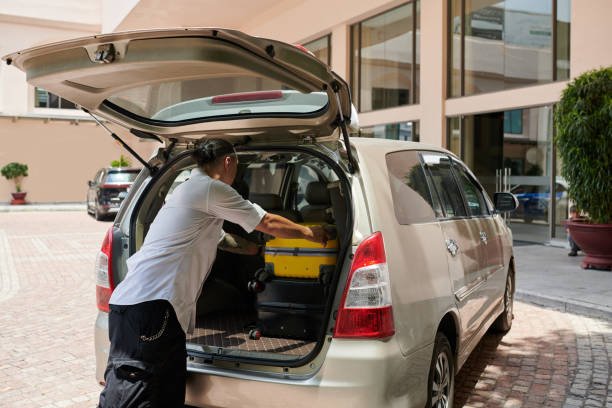

Understanding Safari Booking Timelines: Why Advance Planning Matters
Embarking on an African safari is a significant undertaking, a dream trip for many. The question of how far in advance should you book an African safari isn’t just about securing a spot; it’s about crafting the experience you envision. Unlike a spontaneous weekend getaway, a well-planned safari requires coordination of intricate logistics, from internal flights and park permits to specialized accommodations and experienced guides. For travel in 2026 or 2027, starting your planning and booking process well ahead of time is crucial for a multitude of reasons.
The allure of witnessing wildlife in its natural habitat, the vast, untamed landscapes, and the unique cultural encounters all contribute to the appeal of an African safari. However, these experiences are often in high demand, particularly during specific windows of the year. When you consider factors like the Great Migration in the Serengeti, the dry season in Kruger National Park, or the shoulder seasons that offer a balance of good wildlife viewing and fewer crowds, you begin to understand why timing is everything in safari planning. Booking early ensures you aren’t just getting a safari, but your ideal safari.
The complexity of safari operations means that popular lodges, exclusive camps, and sought-after safari vehicles with specific guides can fill up rapidly. Think of it like booking a flight for a major holiday – the sooner you book, the more options you’ll have, and likely, the better the value. For a trip planned for 2026 or 2027, this foresight is even more important as availability for highly desirable dates and locations can become scarce up to a year or more in advance.
Moreover, the process of preparing for an African safari involves more than just booking. You’ll need time to research destinations, discuss your interests with tour operators, arrange travel insurance, consider necessary vaccinations or health precautions, and perhaps even learn a few basic phrases in a local language. A longer booking window provides the mental space and practical time to manage these aspects without feeling rushed.
The Ideal Booking Window for 2026-2027 Safaris: A Detailed Look
When we talk about booking an African safari, the timeframe can vary significantly based on destination, time of year, and the level of customization desired. However, for a general guideline, aiming to book your safari for 2026 or 2027 between 9 to 18 months prior to your travel dates offers the most flexibility and choice. Let’s break down why this window is so effective and what factors influence it.
Peak Season vs. Low Season: How They Affect Booking Times
The ‘when’ of your safari profoundly impacts the ‘how far in advance’ you should book. Peak seasons, characterized by the best wildlife viewing conditions, pleasant weather, and major natural events like the Great Migration, are naturally the most sought-after periods. For destinations like Tanzania’s Serengeti and Masai Mara in Kenya during the dry season (typically June to October), or the calving season in the southern Serengeti (December to March), booking 12 to 18 months ahead is often necessary. This is especially true for luxury camps or lodges that have limited capacity and are highly prized.
Conversely, safaris booked during the low or shoulder seasons (often the ‘green’ or rainy seasons, though this varies by region) can sometimes allow for more flexibility. While wildlife viewing might be different – perhaps more elusive or concentrated around water sources – these periods can offer a more intimate experience and potentially better value. For such trips in 2026 or 2027, booking 6 to 9 months in advance might suffice, though popular lodges can still fill up.
Destination-Specific Booking Considerations for 2026-2027
Different African safari destinations have unique demand patterns. For instance:
- Tanzania (Serengeti, Ngorongoro Crater, Tarangire): The Great Migration is a massive draw. If your itinerary is built around witnessing specific migration events (river crossings, calving), you’ll need to book 12-18 months out, especially for lodges along the migration path or in the central Serengeti. For general Tanzania safaris outside of the absolute peak migration viewing periods, 9-12 months is a solid target for 2026-2027.
- Kenya (Masai Mara): Similar to Tanzania, the migration season (July-October) in the Masai Mara requires booking up to 18 months in advance for prime camps. Off-peak seasons offer a bit more leeway, with 6-9 months being sufficient.
- Botswana (Okavango Delta, Chobe): Known for its exclusive, high-end safari experiences, Botswana’s lodges have very limited capacity. Booking 12-18 months ahead is standard practice, particularly for the peak dry season (May-October).
- South Africa (Kruger National Park): Kruger offers a range of options from self-drive to luxury lodges. While some lodges can be booked closer to the date, popular private reserves bordering Kruger often book up 9-12 months in advance, especially for family groups or specific dates in 2026-2027.
- Rwanda & Uganda (Gorilla Trekking): Gorilla permits are strictly limited and can sell out months in advance, sometimes up to a year for peak dates. Therefore, if your safari includes gorilla trekking, booking 9-12 months ahead is essential, not just for permits but also for securing suitable accommodation near the parks.
The Role of Travel Style and Group Size
Your safari style and group size play a pivotal role in determining the booking window. A solo traveler or a couple looking for a standard shared safari might have more flexibility than a family of eight or a group of friends planning a special celebration. For larger groups, securing adjoining rooms, specific activities, or a private vehicle often requires more lead time. If your group has specific needs or preferences, such as accessibility requirements or a desire for a particular guide with extensive experience, it’s wise to start your inquiries 12-18 months before your intended travel dates in 2026 or 2027.
Likewise, the type of accommodation matters. Luxury tented camps and exclusive lodges with only a handful of suites are always in high demand and have limited availability. Booking these well in advance is non-negotiable. More rustic or larger safari lodges might have more availability closer to the date, but for the best experience, early booking is still advisable.
Why Early Booking is Crucial for Your 2026-2027 Safari Experience
Beyond just securing a spot, booking your African safari well in advance offers tangible benefits that contribute to a smoother, more fulfilling journey. For travelers planning for 2026 or 2027, understanding these advantages can help justify the early planning effort.
Securing Prime Accommodations and Lodges
The lodging options on an African safari range from basic tented camps to opulent lodges with private plunge pools and gourmet dining. The most sought-after properties, often lauded for their exceptional locations, service, or unique wildlife viewing opportunities, have limited capacity. For example, a lodge situated directly on a riverbank known for hippo and crocodile activity, or a camp offering unparalleled views of the Great Migration, will book up extremely fast. By booking 9-18 months in advance, you significantly increase your chances of securing these prime spots for your 2026-2027 adventure.
Access to Specific Itineraries and Activities
An African safari isn’t just about game drives; it can encompass a variety of experiences like walking safaris, hot air balloon rides, cultural village visits, and even combining safari with climbing Kilimanjaro or relaxing on Zanzibar. Some of these activities, particularly hot air balloon safaris or private guided walks, have limited availability and require advance booking. If you have a specific itinerary in mind, or if your travel dates are tied to a particular event like a migration crossing, booking early ensures these elements can be woven into your trip for 2026 or 2027.
Better Pricing and Value
While it’s not always about finding the cheapest option, booking early often leads to better value. Tour operators may offer early-bird discounts for bookings made a year or more in advance. More importantly, booking early locks in current rates for accommodations and internal flights. As 2026 and 2027 approach, prices for flights and park fees can increase. By securing your safari package early, you often protect yourself from potential price hikes, allowing for more predictable budgeting.
Flexibility for Visa and Health Preparations
Organizing an international trip involves administrative tasks. Depending on your nationality and destination, you might need visas. Health precautions, such as vaccinations or malaria prophylactics, often require appointments with a travel clinic several weeks or months before departure. A longer booking window provides the necessary time to manage these health and visa requirements without last-minute stress. This is particularly relevant for travelers planning their 2026-2027 safaris, giving them ample time to consult with healthcare professionals.
Peace of Mind
Perhaps one of the most underrated benefits of booking early is the peace of mind it brings. Knowing that your dream safari for 2026 or 2027 is confirmed, that your preferred lodge is secured, and that the logistical details are being handled by experienced professionals allows you to relax and anticipate your adventure. This early commitment also provides a solid framework around which you can plan other aspects of your life, such as taking time off work or making arrangements for pets or home security.
What Happens If You Book Late? Potential Challenges
While we strongly advocate for early booking, we understand that life circumstances can sometimes lead to last-minute travel plans. However, it’s important to be aware of the potential challenges that arise when trying to book an African safari on shorter notice, especially for popular destinations and peak times in 2026 or 2027.
Limited Availability of Lodges and Camps
This is the most immediate and significant challenge. The most desirable accommodations, particularly those offering prime locations, exclusive experiences, or superior luxury, are the first to be booked. If you’re looking to travel during the peak migration season in the Serengeti or the dry season in Botswana and try to book just a few months out, you might find that your top choices are already full. You might be offered alternatives, but they may not align with your expectations in terms of location, amenities, or price point.
Compromises on Itinerary and Activities
A bespoke safari is often crafted around specific interests and desired activities. When booking late, you might have to accept a pre-set itinerary that doesn’t perfectly match your preferences. Activities like hot air balloon rides or specific walking safaris might be unavailable on your chosen dates, forcing you to miss out on experiences you’ve dreamed of. This can be particularly disappointing if you’ve envisioned a particular sequence of events or a specific way to experience the wildlife for your 2026-2027 trip.
Higher Costs
Last-minute bookings can sometimes come with a premium. While not always the case, especially during off-peak seasons, the best value options and early-bird specials are long gone. You might find yourself paying more for available accommodations or internal flights that were booked at a higher rate closer to the travel date. This can strain your budget and reduce the overall value of your safari investment for 2026 or 2027.
Scarcity of Specific Guides or Vehicles
For travelers who have specific preferences for guides known for their expertise in certain wildlife behaviors or for private vehicles to ensure maximum flexibility and comfort, late booking can be problematic. These resources are often booked by returning clients or those who planned far in advance. You might end up with a less experienced guide or have to compromise on the vehicle type, which can subtly impact your overall safari experience.
Rush for Permits and Visas
If your itinerary includes activities requiring special permits, such as gorilla trekking in Rwanda or Uganda, or permits for specific national parks, late booking can jeopardize your ability to secure them. These permits are often limited and allocated on a first-come, first-served basis. Similarly, visa applications can take time, and a last-minute scramble can lead to unnecessary stress or even the inability to travel.
Reduced Planning Time for Health and Logistics
Last-minute planning means less time to research and arrange necessary health precautions, vaccinations, or travel insurance. This can lead to rushed medical consultations and potentially inadequate preparation, which is a serious concern for travel in Africa. It also leaves less time to coordinate complex travel arrangements, such as multiple internal flights or transfers, increasing the risk of errors.
Planning Your 2026-2027 Safari: A Step-by-Step Approach
To navigate the booking process effectively and ensure you have the best possible safari experience in 2026 or 2027, follow a structured approach. This not only helps in securing your preferred arrangements but also ensures all essential details are covered.
Step 1: Define Your Safari Dreams (18+ Months Out)
Before you even think about booking, clarify what your ideal safari looks like. Consider:
- Destinations: Which countries and specific parks are calling to you? Are you interested in the Great Migration, mountain gorillas, big cats, or marine life?
- Time of Year: When is the best time for your chosen destination and activities? Research weather patterns and wildlife events.
- Interests: Are you focused purely on wildlife photography, adventure activities, cultural immersion, or a mix?
- Travel Style: Do you prefer luxury lodges, comfortable mid-range camps, or more rustic, adventurous accommodations?
- Group Size and Composition: Are you traveling solo, as a couple, with family (consider ages of children), or with friends?
Step 2: Research Tour Operators and Get Quotes (12-18 Months Out)
Once you have a clearer vision, start researching reputable tour operators. Look for companies with local expertise, good reviews, and a proven track record. For a Tanzania-focused safari, including Kilimanjaro climbs or Zanzibar holidays alongside wildlife viewing, partnering with a local operator like Climb 4 Africa can be incredibly beneficial. They offer practical, on-the-ground support and tailor-made experiences. Request detailed quotes from a few operators, ensuring they understand your preferences.
When requesting quotes for 2026 or 2027, be specific about your desired dates, destinations, accommodation style, and any special requirements. This ensures you receive comparable proposals.
Step 3: Refine Your Itinerary and Select Your Operator (9-12 Months Out)
Review the quotes and proposals. Discuss any modifications needed to create your perfect itinerary. This is the stage to ask detailed questions about inclusions, exclusions, accommodation specifics, and transfer arrangements. Once you’ve found an operator that aligns with your vision and budget, it’s time to make your decision. For a personalized African travel experience, reaching out to Climb 4 Africa via WhatsApp at +255 747 477 898 or email at climb4africa@gmail.com is an excellent next step. They specialize in tailoring trips to individual needs.
Step 4: Confirm and Book (6-9 Months Out)
With your itinerary finalized and operator chosen, it’s time to officially book. This typically involves signing a contract and paying a deposit. Understand the payment schedule and cancellation policy thoroughly. For popular destinations and peak seasons in 2026-2027, this step should ideally be completed sooner rather than later.
Step 5: Health, Visas, and Final Preparations (3-6 Months Out)
With your safari booked, focus on the practicalities. Consult your doctor or a travel clinic regarding necessary vaccinations and malaria precautions. Apply for any required visas. Purchase travel insurance that covers trip cancellation, medical emergencies, and evacuation. Start thinking about packing lists, considering the climate and activities.
Step 6: Final Payments and Pre-Departure Briefing (1-3 Months Out)
Make your final payment as per your contract. Your tour operator will likely provide you with a detailed pre-departure pack, including your final itinerary, emergency contact information, and tips for your journey. Confirm flight details and any last-minute arrangements.
Factors Influencing Your Booking Decision for 2026-2027
Several key factors will influence precisely how far in advance you should book your African safari for 2026 or 2027. Understanding these elements will help you tailor your planning timeline to your specific needs and desires.
The Great Migration and Specific Wildlife Events
If your primary motivation for an African safari is to witness iconic events like the Great Migration in Tanzania or Kenya, or the calving season in the Serengeti, then booking significantly further in advance is essential. These events occur at predictable times but the exact location of river crossings or herd movements can vary. Lodges and camps strategically located to offer the best viewing opportunities during these periods are in extremely high demand. For 2026-2027, aiming for 12-18 months ahead is crucial if you want to be at the heart of the action.
Gorilla and Chimpanzee Trekking Permits
Trekking to see gorillas in Rwanda or Uganda, or chimpanzees in Uganda, requires permits issued by the respective park authorities. These permits are strictly limited in number per day and sell out months, sometimes even a year, in advance, especially for popular trekking months. If gorilla trekking is on your safari wishlist for 2026 or 2027, you must secure these permits as early as possible. This means booking your entire safari package, which includes securing these permits, at least 9-12 months out.
Exclusive and Luxury Accommodations
Africa boasts some of the world’s most exquisite safari lodges and tented camps. These properties, often offering unparalleled service, prime locations, and unique experiences, typically have fewer than 10-20 units. Consequently, they fill up exceptionally quickly. If your dream safari involves staying in one of these high-end establishments for 2026 or 2027, you should be looking at booking 12-18 months in advance to guarantee your preferred dates and room type.
Group Travel and Special Occasions
Planning a safari for a larger group, such as a family reunion, a special anniversary, or a corporate incentive trip, requires more coordination. Securing multiple rooms or exclusive-use villas, arranging private game drives, and catering to diverse needs takes time. For such occasions in 2026 or 2027, starting your planning and booking process 12-18 months ahead is highly advisable to ensure everyone’s preferences can be accommodated.
Combination Trips (Safari + Kilimanjaro + Zanzibar)
Many travelers choose to combine their safari experience with other adventures, such as climbing Mount Kilimanjaro or relaxing on the beaches of Zanzibar. These multi-faceted trips involve more complex logistics. For instance, Kilimanjaro climbs require booking specific routes and dates well in advance, and Zanzibar hotels can also be popular. If you’re planning a comprehensive trip like this for 2026-2027, coordinating all components means you should ideally book 9-15 months in advance, especially if your safari dates are tied to specific migration patterns or climbing seasons.
Budget Considerations and Early Bird Offers
While not always the primary driver, budget is a significant factor. Booking early can sometimes find early-bird discounts offered by tour operators or lodges. Furthermore, locking in prices well in advance can protect you from currency fluctuations or general price increases that might occur between booking and travel. For those looking to optimize their spending for a 2026 or 2027 safari, early planning often leads to better overall value.
Booking Your 2026-2027 Tanzania Safari with Climb 4 Africa
For travelers specifically interested in Tanzania, whether it’s a wildlife safari through the Serengeti and Ngorongoro Crater, a challenging climb up Mount Kilimanjaro, or a relaxing getaway to Zanzibar, working with a specialist like Climb 4 Africa is highly recommended. Their local expertise ensures you can navigate the complexities of booking, especially for peak times in 2026 and 2027. They can help you:
- Secure the best safari lodges and camps for the Great Migration viewing.
- Obtain reliable permits and arrange transportation for Kilimanjaro climbs.
- Craft bespoke itineraries that combine multiple destinations.
- Provide practical advice on packing, health, and local customs.
To start planning your unforgettable 2026 or 2027 African adventure with Climb 4 Africa, reach out today. You can connect via WhatsApp at +255 747 477 898 or send an email to climb4africa@gmail.com. Discussing your dream safari with their team is the first step towards making it a reality.
When is the Best Time to Book a Safari in 2026 and 2027?
The question of how far in advance should you book an African safari often leads to another: what is the absolute best time to book for 2026 and 2027? The answer is generally as early as possible, particularly for those with specific requirements or travel dates. However, let’s consider the ideal booking period in relation to your travel year.
Booking for 2026: Starting Now and Through 2025
If you are planning a safari for 2026, the ideal time to start seriously looking and booking is now (late 2024) and throughout 2025. For peak season travel in 2026 (e.g., July-October for migration viewing), you should aim to have your booking confirmed by mid-2025 at the latest. For shoulder or low seasons in 2026, booking by late 2025 or early 2026 might still offer good options, but popular lodges can still be fully booked.
Booking for 2027: Starting in 2025 and Through 2026
For travelers targeting 2027, the planning window opens up from mid-2025 onwards. The same principles apply: the earlier, the better for prime dates and accommodations. If you want to guarantee your spot for the peak migration in July 2027, you should ideally be booking by the end of 2025 or early 2026. For less critical periods in 2027, booking throughout 2026 would still be advisable. This allows ample time for research, comparisons, and securing preferred arrangements.
The “Sweet Spot” for Booking
The “sweet spot” for booking an African safari for 2026 or 2027, balancing availability, pricing, and planning time, is typically between 9 and 15 months prior to departure. This period allows you to:
- Access a wide range of accommodations and itineraries.
- Secure permits for activities like gorilla trekking.
- Benefit from potential early-bird offers.
- Have sufficient time for visa and health preparations.
- Avoid the stress of last-minute arrangements.
However, for truly exceptional experiences or travel during the absolute peak of peak seasons, extending this window to 18 months is often necessary.
Frequently Asked Questions About Safari Booking Times
We often receive questions regarding the timing of safari bookings. Here are some common queries addressed to help you plan your 2026 or 2027 adventure.
Q1: Is it ever possible to book a safari last minute?
Yes, it is sometimes possible to book a safari last minute, especially if you are flexible with your dates, destinations, and accommodation preferences, and if you are traveling during the off-peak season. However, for popular areas during peak times, or if you have specific lodges in mind, last-minute bookings (within 3-6 months) can be very challenging and may result in compromises on availability and price.
Q2: How far in advance should I book a shared (group) safari?
For shared or group safaris, the booking window is generally similar to private safaris, though there might be slightly more flexibility as you’re joining a pre-set departure. However, popular group departures, especially for key migration viewing periods or during holidays, can fill up 6-12 months in advance. It’s always best to book as early as possible to secure your spot on your preferred departure date for 2026 or 2027.
Q3: Does the type of animal I want to see affect how far in advance I should book?
Absolutely. If your safari is centered around witnessing specific wildlife events like the Great Migration river crossings (July-October in the Mara/Serengeti) or the calving season (December-March in the Serengeti), you must book 12-18 months ahead. For general wildlife viewing in areas like Kruger or Chobe, where animals are present year-round, booking 6-12 months in advance is usually sufficient, but peak dry seasons still require earlier booking.
Q4: What if my travel dates are fixed (e.g., school holidays)?
If your travel dates are fixed, particularly during school holidays or other peak travel periods, you should treat these dates as prime time and book accordingly. For fixed dates in 2026 or 2027 that fall within popular seasons, you should aim to book 12-18 months in advance to secure availability. Early booking is critical to avoid disappointment.
Q5: How does booking a Kilimanjaro climb differ in terms of timing?
Climbing Kilimanjaro also requires advance booking, primarily to secure park permits and essential guide and porter services. While not as far out as some luxury safari lodges, it’s recommended to book your Kilimanjaro climb at least 6-9 months in advance, and even earlier for specific dates or if you wish to climb during peak seasons (January-March and June-October). This ensures you get your preferred route and dates for 2026 or 2027.
Making the Decision for 2026-2027: When to Commit
Deciding how far in advance should you book an African safari ultimately comes down to balancing your desire for the perfect experience with practical considerations. For 2026 and 2027, the general advice remains consistent: the earlier, the better for maximizing your options and securing the best value.
Consider this a planning roadmap:
- 18+ Months Out: Ideal for very specific, high-demand experiences (migration river crossings, luxury camps, major celebrations) or if you have a complex, multi-destination itinerary. Start initial research and contact operators.
- 12-18 Months Out: The prime booking window for most peak season safaris, popular destinations (Botswana, luxury Serengeti camps), and gorilla trekking. This is when you should aim to finalize your itinerary and pay your deposit.
- 9-12 Months Out: Still a good window for many safaris, especially if traveling in shoulder seasons or to less in-demand regions. Essential for securing permits and popular lodges.
- 6-9 Months Out: Possible for off-peak travel, simpler itineraries, or less exclusive accommodations. Availability may be reduced, and prices might be higher.
- Less than 6 Months Out: High risk of limited availability, higher costs, and compromises. Only feasible for flexible travelers during low seasons, and even then, options may be scarce.
For Climb 4 Africa, we recommend starting the conversation for your 2026 or 2027 safari adventure at least 9-12 months in advance. This allows our expert team to collaboratively design a tailor-made itinerary that perfectly matches your dreams, whether it’s a wildlife-rich safari, a challenging Kilimanjaro ascent, or a blend of both. Contact us via WhatsApp at +255 747 477 898 or email us at climb4africa@gmail.com to begin crafting your unforgettable African journey.
“,
“faq_schema”: [
{
“question”: “How far in advance should I book an African safari for 2026-2027?”,
“answer”: “For popular African safaris in 2026-2027, especially during peak seasons like the Great Migration or dry months, booking 6 to 12 months in advance is highly recommended to secure the best accommodations, dates, and guides.”
},
{
“question”: “When is the best time to book a safari for peak season in Tanzania or Kenya?”,
“answer”: “For peak season safaris in Tanzania (Serengeti, Ngorongoro) and Kenya (Masai Mara), particularly to witness the Great Migration, booking 12 to 18 months in advance is essential for 2026-2027 travel.”
},
{
“question”: “How much earlier should I book if my safari includes gorilla trekking?”,
“answer”: “Gorilla permits are limited and sell out quickly. If your safari for 2026-2027 includes gorilla trekking in Rwanda or Uganda, book at least 9 to 12 months in advance to secure permits and suitable accommodation.”
},
{
“question”: “Can I book an African safari last minute for 2026-2027?”,
“answer”: “Last-minute bookings (within 3-6 months) are challenging for popular African safaris in 2026-2027. While possible during off-peak seasons with flexibility, prime lodges and dates are usually fully booked.”
},
{
“question”: “What is the recommended booking window for a luxury safari in Botswana?”,
“answer”: “Botswana’s exclusive lodges have very limited capacity. For a luxury safari in 2026-2027, booking 12 to 18 months ahead is strongly advised, especially for the peak dry season.”
}
]
}
“`
Check Availability for How Far In Advance Should You Book An African Safari? 2026-2027
Ready to compare dates, prices, and the best option for your group? Send the package name and travel month so the team can reply with a clear quote, availability, and what is included.
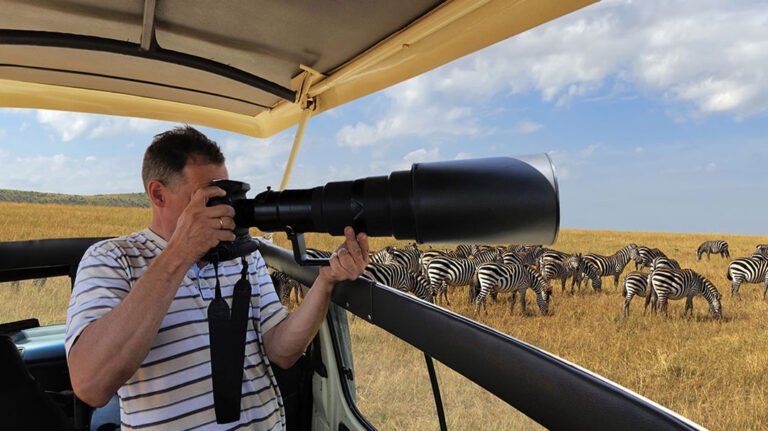
How Early Should I Book A Nov Or Dec Tanzania Group Safari?
How Early Should I Book a Nov or Dec Tanzania Group Safari?
View package details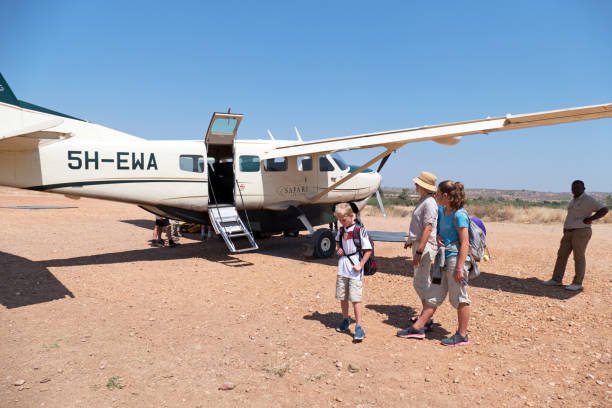
2-Day Serengeti Safari From Zanzibar By Flight: Price & Booking Guide
A practical guide to booking a 2-day Serengeti safari from Zanzibar by flight, covering itinerary logistics, cost considerations, and how to maximize your short time in the bush.
View package detailsZanzibar To Ruaha National Park Fly-In Safari: Prices & Booking Guide
A practical guide to planning a fly-in safari from Zanzibar to Ruaha National Park, covering flight logistics, itinerary choices, and how to book with Climb 4 Africa.
View package details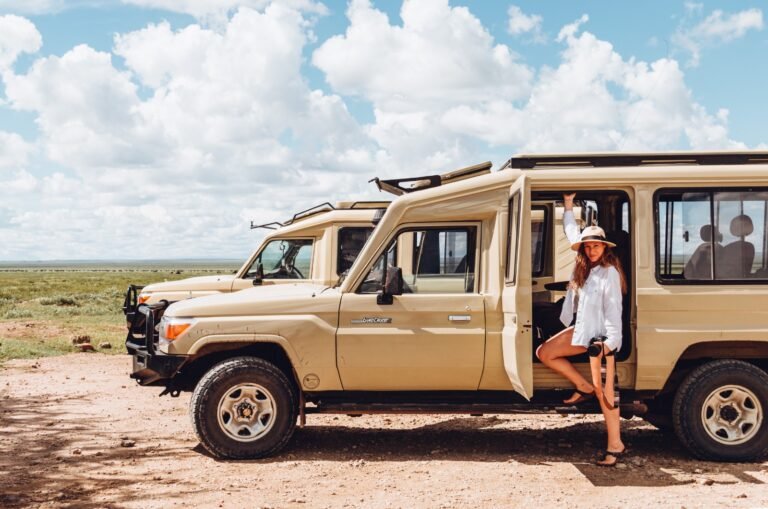
Afcon Private Serengeti Safari With Lodges
AFCON 2027 Private Serengeti Safari with Lodges.
View package details
Afcon Arusha Safari And Football Packages
AFCON 2027 Arusha Safari and Football Packages.
View package detailsAFCON 2027 Dar es Salaam Airport Transfer and Safari
Mwongozo wa kina kwa wageni wanaotaka usafiri wa kiwanja cha ndege hadi safari katika Dar es Salaam wakati AFCON 2027, pamoja na mapendekezo ya ratiba, mipango ya usafiri na marekebisho ya...
View package details
Afcon Pamoja Safari And Travel Packages
AFCON PAMOJA 2027 Safari and Travel Packages.
View package details
AFCON 2027 Safari Packages from Tanzania
Hitaji la safari ya kundoka ili kufurahia AFCON 2027? Chagua kutoka kwa mikakati ya safari nchini Tanzania inayoambatana na wildlife, mbuga maarufu, na uwekaji wa huduma ya kimataifa ya...
View package details
Affordable AFCON 2027 Safari Packages
Mwongozo wa kina kwa safari za AFCON 2027 kwa bajeti, ikiwa ni pamoja na mipango ya kiutawala, maeneo ya wanyama, na chaguzi za malazi.
View package detailsAfcon Safari Packages With Airport Transfers
AFCON 2027 Safari Packages with Airport Transfers.
View package detailsAfcon Luxury Serengeti Safari Packages
AFCON 2027 Luxury Serengeti Safari Packages.
View package detailsNo related package matches those filters. Clear one or more filters to see the other topic-matched options.