
Combining Kenya and Tanzania for a safari package in 2026 or 2027 offers an unparalleled opportunity to witness the diverse ecosystems and abundant wildlife of East Africa, typically spanning 10-21 days and focusing on iconic locations like the Maasai Mara, Serengeti, Ngorongoro Crater, and Amboseli, with costs varying significantly based on accommodation style, duration, and inclusions, but providing an extraordinary wildlife viewing experience.

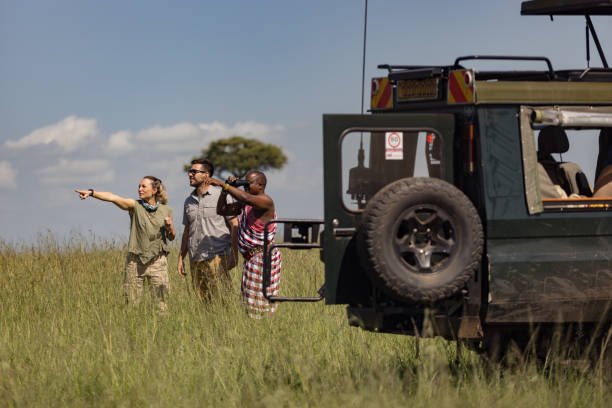
Navigating Your Kenya and Tanzania Combined Safari Adventure
The allure of East Africa’s wildlife is undeniable, and for many travelers, the ultimate safari experience involves exploring both Kenya and Tanzania. These two nations, sharing vast, wildlife-rich landscapes, offer complementary yet distinct safari experiences. A combined safari package is more than just visiting two countries; it’s about witnessing the grand spectacle of the Great Migration, encountering the ‘Big Five’ in their natural habitats, and experiencing the unique cultures of peoples like the Maasai. Planning such a trip, especially for peak seasons in 2026 and 2027, requires careful consideration of routes, timing, accommodation, and logistics. This comprehensive guide is designed to equip you with all the knowledge needed to craft your perfect Kenya and Tanzania combined safari package, ensuring a memorable and rewarding journey.
As specialists in East African adventures, we understand the nuances that make a safari truly exceptional. From the vast plains of the Maasai Mara to the volcanic caldera of Ngorongoro, each destination offers something unique. When you combine these into a single itinerary, you maximize your chances of seeing a wider array of species and experiencing different landscapes, all while streamlining the planning process through a single, expert operator. The decision to combine these two powerhouse safari destinations is a wise one for any serious wildlife enthusiast. It allows for a richer, more complete understanding of the East African ecosystem and its iconic inhabitants.
Why Combine Kenya and Tanzania for Your Safari?
The decision to book a Kenya and Tanzania combined safari package is driven by a desire for a more complete and in-depth wildlife experience. While each country boasts world-class parks, their geographical proximity and the migratory patterns of wildlife create a compelling case for a joint itinerary. Here’s why combining them is often the superior choice:
- The Great Migration: This is arguably the biggest draw. The annual movement of millions of wildebeest, zebras, and gazelles between the Serengeti (Tanzania) and the Maasai Mara (Kenya) is one of the planet’s most spectacular natural events. While you can see parts of the migration in either country, a combined safari allows you to track its progress across both ecosystems, maximizing your chances of witnessing dramatic river crossings or calving seasons. Understanding the timing of the migration is crucial for planning your 2026 or 2027 trip effectively.
- Diversity of Landscapes and Wildlife: Kenya is renowned for its vast savannas, acacia-dotted plains, and the Great Rift Valley. Tanzania offers the unique Ngorongoro Crater, the vast Serengeti, and the Kilimanjaro region. Together, they present an incredible range of habitats, from the arid north of Kenya to the lush southern highlands of Tanzania. This diversity translates into a wider variety of species and ecosystems to explore.
- Optimized Wildlife Viewing: Certain species are particularly well-represented in specific parks. For instance, Amboseli National Park in Kenya is famous for its large elephant herds with Mount Kilimanjaro as a backdrop, while the Tarangire National Park in Tanzania excels in elephant sightings during the dry season and boasts large baobab trees. Combining parks ensures you don’t miss out on these unique opportunities.
- Cultural Immersion: Both countries are home to the Maasai people, and visiting their communities offers profound cultural insights. A combined safari allows for richer cultural exchanges, potentially visiting Maasai villages in both Kenya and Tanzania, understanding their traditions and way of life in different contexts.
- Efficiency and Value: While it might seem like more travel, a well-planned combined safari can be more efficient. You can often travel overland between key parks in Kenya and Tanzania, reducing the need for multiple expensive internal flights. Furthermore, booking a package with a reputable operator like Climb 4 Africa streamlines all logistics, from border crossings to accommodation and transfers, often leading to better overall value than booking separate trips.
- Extended Safari Experience: A combined trip naturally lends itself to longer durations, typically 10 to 21 days. This allows for a more relaxed pace, deeper exploration of each park, and more time for spontaneous wildlife encounters, rather than rushing from one location to another.
For 2026 and 2027, the demand for well-crafted Kenya and Tanzania combined safari packages is expected to remain high. Early planning is essential to secure preferred lodges and optimal dates, especially if you aim to align your trip with the Great Migration.
When to Go: Optimal Timing for 2026-2027 Combined Safaris
Choosing the right time for your safari is paramount, especially when combining Kenya and Tanzania. The wildlife viewing opportunities, weather patterns, and the spectacle of the Great Migration all depend heavily on the season. Here’s a breakdown to help you plan for 2026-2027 Kenya and Tanzania combined safaris:
The Great Migration Cycle
The migration is a year-round phenomenon, but its location dictates the best viewing areas. Understanding this cycle is key:
- December – March: Calving Season in Southern Serengeti (Tanzania). The wildebeest and zebras gather in the southern plains, offering incredible views of newborns and predator-prey interactions. This is an excellent time for photography and witnessing the ‘circle of life’. Weather is generally hot and can be wet.
- April – May: Moving Northward. The herds begin their journey northwards, often coinciding with the long rains. Parks can be lush and green, but some roads might become impassable, and wildlife can disperse. This is typically the low season, offering better value but potentially more challenging game viewing.
- June – August: Maasai Mara (Kenya) & Northern Serengeti (Tanzania). This period often sees the dramatic river crossings of the Mara River as the herds move into the Maasai Mara. This is a peak wildlife spectacle and a prime time for combined safaris. Weather is cooler and drier. This is a highly sought-after period for 2026 and 2027 bookings.
- September – October: Maasai Mara (Kenya) & Northern Serengeti (Tanzania). The herds continue to graze in the Maasai Mara and surrounding areas, or begin to move south. River crossings may still occur, and game viewing remains excellent. Weather is typically dry and pleasant.
General Weather Patterns and Wildlife Viewing
Beyond the migration, consider the general climate:
- Dry Season (June – October): This is the most popular time for safaris across both countries. Wildlife congregates around permanent water sources, making game viewing more predictable and easier. The vegetation is less dense, improving visibility. However, it’s also the peak season, meaning higher prices and more crowds. Expect cooler mornings and evenings. This is a prime target for Kenya and Tanzania combined safari packages in 2026 and 2027.
- Wet Season (November – May): The landscape becomes lush and green, ideal for photography. Birdlife is abundant, and it’s calving season for many species. Game viewing can be more challenging as animals disperse and vegetation thickens. However, it’s the low season, offering significant savings and fewer tourists. The short rains (November-December) can be unpredictable, while the long rains (March-May) are more consistent.
Planning for 2026-2027
For 2026 and 2027, booking well in advance is crucial, especially for the dry season (June-October) and the migration river crossings (July-September). Peak season spots fill up 9-12 months in advance. If you’re looking for a balance of good weather and fewer crowds, consider the shoulder months like late May, early June, or late October.
The specific timing for the Great Migration can vary slightly year to year due to rainfall patterns. Experienced guides, like those at Climb 4 Africa, stay updated on the herds’ movements to ensure the best possible viewing opportunities during your Kenya and Tanzania combined safari package.
Iconic Parks and Reserves: The Must-Visit Destinations
A truly comprehensive Kenya and Tanzania combined safari package should include a selection of the region’s most renowned wildlife destinations. Each offers a unique ecosystem and a chance to see different species and behaviors. Here are the essential parks and reserves:
Kenya’s Premier Wildlife Sanctuaries
- Maasai Mara National Reserve: Often considered the jewel of Kenya’s safari circuit, the Mara is famous for its vast grasslands, acacia woodlands, and incredible density of wildlife. It’s a prime location for viewing the ‘Big Five’ (lion, leopard, elephant, buffalo, rhino), cheetahs, and a huge variety of plains game. During the migration season (roughly July to October), it becomes the stage for dramatic wildebeest and zebra crossings of the Mara River.
- Amboseli National Park: Known for its large elephant herds, Amboseli offers impressive views of Mount Kilimanjaro (Africa’s highest peak) as a backdrop. The park’s open plains and swamps attract a variety of wildlife, including cheetahs, wildebeest, zebras, and giraffes, alongside its famous elephants.
- Lake Nakuru National Park: Famous for its large flocks of flamingos (though numbers fluctuate) and as a sanctuary for both black and white rhinos. It also hosts lions, leopards, Rothschild giraffes, and hippos. It’s a good park for shorter visits or as a stopover.
- Samburu National Reserve: Located in Kenya’s arid north, Samburu offers a different landscape and unique ‘special five’ species: the reticulated giraffe, Grevy’s zebra, Somali ostrich, gerenuk, and Beisa oryx. It’s a less crowded option and offers a distinct safari experience.
Tanzania’s Legendary Wildlife Destinations
- Serengeti National Park: The Tanzanian counterpart to the Maasai Mara, the Serengeti is immense and forms the heart of the Great Migration. Its endless plains (Serengeti means ‘endless plains’ in Maasai) are home to an unparalleled concentration of wildlife. Different regions of the Serengeti offer distinct experiences throughout the year, from the calving grounds in the south to the Grumeti and Mara Rivers in the west and north.
- Ngorongoro Conservation Area (including Ngorongoro Crater): A UNESCO World Heritage Site, the Ngorongoro Crater is a collapsed volcano caldera supporting an astonishing density of wildlife within its 260 square kilometers. It’s one of the best places in Africa to see the ‘Big Five’ in a single day, including the endangered black rhino. The surrounding conservation area also offers opportunities to visit Maasai villages and explore unique landscapes.
- Tarangire National Park: Famous for its large elephant herds, particularly during the dry season (July-October) when they congregate around the Tarangire River. The park is also home to baobab trees, lions, leopards, and a variety of antelopes. It’s often included in northern circuit itineraries.
- Lake Manyara National Park: A smaller park known for its tree-climbing lions (though sightings are not guaranteed), its large population of baboons, and its scenic alkaline lake that attracts thousands of flamingos. It offers a good introduction to Tanzanian wildlife.
When designing your Kenya and Tanzania combined safari package, a typical itinerary might include the Maasai Mara and Amboseli in Kenya, and the Serengeti, Ngorongoro Crater, and Tarangire in Tanzania. The specific combination and duration will depend on your interests, budget, and the time of year you plan to travel in 2026 or 2027.
Sample Itineraries: Crafting Your Perfect Kenya and Tanzania Combined Safari
To illustrate the possibilities, here are a few sample itineraries for Kenya and Tanzania combined safari packages, catering to different durations and focuses. These are starting points, and all can be customized to your preferences for 2026-2027.
Classic Migration Explorer (12 Days)
Focus: Experiencing the Great Migration, iconic wildlife, and diverse landscapes.
- Day 1-3: Maasai Mara National Reserve, Kenya. Arrive in Nairobi, transfer to the Mara. Game drives focusing on predators and plains game. If timed correctly (July-Oct), look for river crossings.
- Day 4: Travel to Lake Victoria region / Isebania border. Scenic drive, potentially a stop at Lake Victoria.
- Day 5-7: Serengeti National Park, Tanzania (Central or Northern). Cross border, transfer to Serengeti. Game drives in central Serengeti (Seronera) or northern Serengeti depending on migration location.
- Day 8-9: Ngorongoro Crater, Tanzania. Descend into the crater for a full day of game viewing, looking for the ‘Big Five’.
- Day 10-11: Tarangire National Park, Tanzania. Game drives focused on elephants and baobab trees.
- Day 12: Departure. Transfer to Kilimanjaro International Airport (JRO) for your onward flight.
Best for: Travelers seeking the highlights of both countries within a manageable timeframe, especially during migration season.
Ultimate East African Wildlife Safari (18 Days)
Focus: In-depth exploration of key parks, maximizing wildlife encounters, and cultural experiences.
- Day 1-3: Amboseli National Park, Kenya. Arrive Nairobi, fly or drive to Amboseli. Focus on elephants with Kilimanjaro backdrop, diverse birdlife.
- Day 4-6: Maasai Mara National Reserve, Kenya. Fly to the Mara. Extensive game drives, predator tracking, and potential river crossings. Option for a Maasai village visit.
- Day 7: Travel to Lake Victoria / border crossing. Leisurely travel day.
- Day 8-10: Serengeti National Park, Tanzania (Central & North/West). Game drives in central Serengeti, then move north or west depending on migration.
- Day 11-12: Ngorongoro Crater & Conservation Area, Tanzania. Crater descent, followed by exploring the wider conservation area and a cultural visit to a Maasai community.
- Day 13-15: Tarangire National Park, Tanzania. Focus on elephants, baobabs, and birdlife. Consider walking safaris if available.
- Day 16: Lake Manyara National Park, Tanzania. Explore the park’s diverse habitats, look for tree-climbing lions.
- Day 17: Travel to Arusha. Final relaxation or souvenir shopping.
- Day 18: Departure. Transfer to Kilimanjaro International Airport (JRO).
Best for: Travelers who want a comprehensive experience, more time in each location, and a deeper understanding of the ecosystems.
Kenya & Tanzania Northern Circuit Combination (14 Days)
Focus: Concentrated safari experience in the northern regions of both countries, ideal for migration viewing.
- Day 1-3: Samburu National Reserve, Kenya. Arrive Nairobi, fly to Samburu. Experience the unique northern species and arid landscapes.
- Day 4-6: Maasai Mara National Reserve, Kenya. Fly to the Mara. Focus on predator sightings and the migration.
- Day 7: Travel to border / Lake Victoria. Overland travel.
- Day 8-10: Serengeti National Park, Tanzania (Central). Cross border, enter Serengeti. Game drives focusing on predators and general wildlife.
- Day 11-12: Ngorongoro Crater, Tanzania. Crater floor exploration for high wildlife density.
- Day 13: Lake Manyara National Park, Tanzania. Visit for tree-climbing lions and flamingos.
- Day 14: Departure. Transfer to Kilimanjaro International Airport (JRO).
Best for: Travelers who want to experience the northern parks of both countries, often efficient for overland travel.
These itineraries are flexible. For instance, you could swap Lake Manyara for Amboseli in Kenya, or extend your stay in the Serengeti to cover more ground. When planning your Kenya and Tanzania combined safari package for 2026 or 2027, discuss your priorities with an expert tour operator to tailor the perfect route.
Accommodation Styles: From Camping to Luxury Lodges
The choice of accommodation significantly impacts the experience and cost of your Kenya and Tanzania combined safari package. East Africa offers a spectrum of options, each providing a different level of comfort, immersion, and exclusivity.
- Budget Camping (Tented Camps): These are typically fixed camps with basic amenities like comfortable beds, shared ablutions, and often a communal dining area. They offer a more rustic and adventurous experience, bringing you closer to nature and the sounds of the bush. This is the most affordable option for 2026-2027 safaris.
- Mid-Range Tented Camps/Lodges: These offer more comfortable canvas tents or bandas (bungalows) with en-suite bathrooms, hot showers, and often private verandas. They strike a good balance between comfort and an authentic safari feel, providing excellent value. Many lodges in this category are well-located within or near the parks.
- Luxury Lodges and Tented Camps: These are the pinnacle of safari comfort, offering spacious rooms or suites, gourmet dining, swimming pools, spas, and impeccable service. Many feature stunning locations with panoramic views and offer exclusive experiences like private guides, sundowners, and bush dinners.
- Mobile Tented Camps: Some operators, especially those focusing on the Great Migration, use mobile camps that move with the herds. These offer a unique opportunity to be in prime wildlife areas, often in more remote locations, but are usually more expensive and require booking well in advance.
- Fly-in Safaris: Utilizing small aircraft to transfer between parks dramatically reduces travel time, allowing for more time on game drives. This is often combined with higher-end lodges and camps, significantly increasing the cost but offering unparalleled convenience and access to remote areas.
Key Considerations for Accommodation:
- Location: Proximity to prime game viewing areas or migration routes is crucial. Lodges inside national parks often offer better access and potentially longer game drive hours.
- Exclusivity vs. Size: Smaller camps and lodges generally offer a more intimate and personalized experience than larger hotel-style properties.
- Inclusions: Check what’s included – meals, drinks (alcoholic and non-alcoholic), laundry, park fees, and activities like guided walks or cultural visits.
- Sustainability: Many modern lodges prioritize eco-friendly practices, which is a growing consideration for travelers.
When planning your Kenya and Tanzania combined safari package for 2026 or 2027, discuss your desired comfort level and budget with your tour operator. They can recommend specific lodges and camps that align with your preferences and provide the best possible safari experience.
Logistics and Travel: Crossing Borders and Getting Around
Navigating the logistics of a Kenya and Tanzania combined safari package is a critical part of the planning process. Efficient travel ensures you maximize your time observing wildlife rather than spending it in transit.
Border Crossings
The most common overland border crossing for safaris is between the Maasai Mara (Kenya) and the Serengeti (Tanzania). The primary crossing points are:
- Isebania-Sirari: This is the most frequently used crossing for safaris connecting the Maasai Mara to the Serengeti. It’s a relatively straightforward process, but can be busy. Your tour operator will arrange the necessary visa support and guide you through the immigration procedures.
- Other crossings: Depending on your specific itinerary, other crossings might be used, but Isebania-Sirari is the standard for this combination.
Important: Ensure your passports are valid for at least six months beyond your travel date and have sufficient blank pages. Check visa requirements for your nationality well in advance. Many nationalities can obtain visas on arrival or online, but it’s best to confirm for 2026-2027 travel.
Modes of Transport
Your safari vehicle will be a key part of your experience. Typically, you’ll travel in:
- 4×4 Safari Vehicles: These are essential for navigating the often rough terrain of national parks. They usually feature pop-up roofs for excellent game viewing and photography. Most operators provide a dedicated vehicle and driver-guide for your group throughout the safari.
- Light Aircraft: For longer distances or to save time, especially between major hubs like Nairobi/Arusha and remote parks, light aircraft flights are common. This significantly reduces travel time and allows you to cover more ground, often connecting directly to airstrips near lodges. This is a popular option for luxury Kenya and Tanzania combined safari packages.
Internal Transfers
Within parks, game drives are the primary mode of transport. Between parks, you might:
- Drive overland: This is common between parks within the same country (e.g., Amboseli to Maasai Mara) or between key parks in Kenya and Tanzania (e.g., Maasai Mara to Serengeti via Isebania). This allows you to see the changing landscapes.
- Fly: As mentioned, flying between countries or distant parks is an option for efficiency. For example, flying from Nairobi to Kilimanjaro International Airport (JRO) or vice versa is often more time-efficient than driving.
Communication and Connectivity
Mobile phone reception can be spotty in remote park areas. Many lodges offer Wi-Fi, though it can be slow or limited. Satellite phones are sometimes carried by guides for emergencies. Informing your tour operator of your itinerary is crucial for communication purposes.
Planning the transit and border crossings for your Kenya and Tanzania combined safari package is best handled by an experienced operator who understands the timings and requirements, ensuring a smooth transition between these incredible destinations for your 2026 or 2027 adventure.
Budget Considerations for 2026-2027 Combined Safaris
The cost of a Kenya and Tanzania combined safari package can vary widely. Understanding the key factors that influence pricing is essential for budgeting your 2026-2027 trip.
Major Cost Components:
- Duration of Safari: Longer safaris naturally cost more due to increased accommodation, park fees, and guide/vehicle costs.
- Accommodation Style: This is often the biggest variable. Budget camping is the most affordable, followed by mid-range lodges, and then luxury lodges and tented camps. High-end fly-in safaris are the most expensive.
- Time of Year: Peak season (June-October, December-February) is significantly more expensive than the low season (April-May). Shoulder seasons offer a balance.
- Number of Parks/Countries: Visiting more parks and crossing borders adds complexity and associated costs (park fees, transport).
- Private vs. Shared Safari: A private safari offers flexibility and exclusivity but comes at a higher price per person. Shared safaris (group departures) significantly reduce costs but offer less flexibility.
- Inclusions: Packages can vary in what they include. Ensure you understand if park fees, meals, drinks (especially alcoholic), activities (e.g., hot air ballooning, guided walks), and internal flights are covered.
Typical Cost Ranges (per person, per day) for 2026-2027:
These are approximate ranges and can fluctuate based on specific lodge choices and current pricing. They typically exclude international flights, visas, travel insurance, tips, and personal expenses.
| Accommodation Style | Approximate Daily Cost (USD pp) |
|---|---|
| Budget Camping (Tented Camps) | $200 – $350 |
| Mid-Range Lodges/Tented Camps | $350 – $600 |
| Luxury Lodges/Tented Camps | $600 – $1,200+ |
| High-End Fly-in Luxury | $1,000 – $2,000+ |
Note: These are estimates for combined Kenya and Tanzania safaris. Prices can vary based on operator and specific inclusions.
Additional Costs to Factor In:
- Park Entrance Fees: These are significant and vary by park and duration. They are usually included in package prices but worth confirming.
- Visas: Check current visa fees for Kenya and Tanzania.
- Travel Insurance: Essential for any safari.
- Tips: For guides, lodge staff, etc.
- Personal Expenses: Souvenirs, extra drinks, laundry, etc.
- Optional Activities: Hot air ballooning over the Maasai Mara or Serengeti can add $450-$550 per person.
Booking for 2026-2027: Due to high demand, especially for peak season and the Great Migration, booking 9-12 months in advance is highly recommended to secure availability and potentially better rates. Operators often release their pricing for the following year around mid-year. For the most accurate budgeting, contact tour operators directly for quotes tailored to your specific dates and preferences for your Kenya and Tanzania combined safari package.
Booking Your Kenya and Tanzania Combined Safari Package
Selecting the right tour operator is paramount for a successful Kenya and Tanzania combined safari package. It ensures smooth logistics, knowledgeable guides, comfortable accommodation, and ultimately, an unforgettable wildlife experience for your 2026 or 2027 adventure.
Choosing the Right Operator:
Look for operators who:
- Specialize in East Africa: Local operators or those with extensive experience in Kenya and Tanzania have the best on-the-ground knowledge.
- Offer Tailor-Made Itineraries: Your safari should be unique to your interests, budget, and travel style.
- Provide Clear Inclusions and Exclusions: Understand exactly what your package covers to avoid surprises.
- Have Excellent Reviews and Reputation: Check independent review sites like TripAdvisor.
- Are Responsive and Professional: Good communication from the outset is a strong indicator of future service.
The Booking Process:
- Initial Inquiry: Reach out to your chosen operator with your desired travel dates (even if approximate for 2026-2027), number of travelers, budget range, and any specific interests (e.g., photography, birdwatching, migration focus).
- Itinerary Design: The operator will propose a draft itinerary. Discuss this thoroughly, asking questions about park choices, accommodation, driving times, and included activities.
- Quotation: Once the itinerary is finalized, you’ll receive a detailed quote. Review it carefully, paying attention to what’s included and excluded.
- Deposit: A deposit (typically 20-50%) is usually required to confirm your booking and secure lodges.
- Balance Payment: The remaining balance is typically due 60-90 days before departure.
- Pre-Departure Information: Closer to your travel date, you’ll receive detailed information about packing, visa requirements, currency, health advice, and emergency contacts.
Working with Climb 4 Africa:
At Climb 4 Africa, we pride ourselves on crafting exceptional Kenya and Tanzania combined safari packages. Our local expertise allows us to offer authentic experiences, from tracking the Great Migration to exploring hidden gems. We work closely with you to design a personalized itinerary that fits your dreams and budget for 2026 or 2027.
To get started on planning your dream safari, you can reach us via:
- WhatsApp: +255 747 477 898
- Email: climb4africa@gmail.com
When you contact us, please provide details such as your preferred travel dates for 2026-2027, the approximate number of travelers, your desired safari style (e.g., budget, mid-range, luxury), and any specific parks or activities you’re keen on. We’ll respond promptly with a tailored proposal designed to create your ultimate Kenya and Tanzania combined safari package.
Frequently Asked Questions
What is the best time of year for a Kenya and Tanzania combined safari?
The best time for a Kenya and Tanzania combined safari package depends on your priorities. For witnessing the Great Migration river crossings, July to September is ideal, with herds in the Maasai Mara and northern Serengeti. For calving season, December to March in the southern Serengeti is best. The dry season (June to October) generally offers easier game viewing across both countries, but is also peak season. The shoulder months (May, late Oct, Nov) can offer a good balance of wildlife viewing and fewer crowds.
How long should a combined safari be?
A Kenya and Tanzania combined safari package typically ranges from 10 to 21 days. A 10-12 day trip can cover the highlights of both countries. For a more in-depth experience, 14-18 days allows for more time in each park and a more relaxed pace. Longer trips (20+ days) can incorporate more diverse regions or add activities like gorilla trekking in Uganda or Rwanda.
What is the typical cost of a combined safari?
Costs vary significantly based on accommodation, duration, and season. For a 10-14 day Kenya and Tanzania combined safari package, expect prices to range from approximately $3,500 to $8,000+ per person for mid-range to luxury options. Budget camping safaris can be considerably less, perhaps starting around $2,000-$2,500 per person for a similar duration. Luxury fly-in safaris can easily exceed $10,000 per person.
Can I see the Great Migration on a combined safari in 2026 or 2027?
Yes, a Kenya and Tanzania combined safari package is the best way to track the Great Migration. By traveling across both the Maasai Mara and the Serengeti, you increase your chances of witnessing different stages of the migration, including river crossings, calving, and vast herds on the move, depending on the specific months you travel in 2026 or 2027.
What are the visa requirements for Kenya and Tanzania?
Visa requirements vary by nationality. Many travelers can obtain visas upon arrival at the airport or border crossing, or apply online in advance. It is essential to check the latest visa regulations for your specific nationality for both Kenya and Tanzania well before your 2026-2027 travel dates. East African Tourist Visas may be available for some nationalities wishing to visit multiple countries.
Do I need vaccinations for a safari in Kenya and Tanzania?
Consult your doctor or a travel clinic at least 4-6 weeks before your trip regarding recommended vaccinations and malaria precautions. Yellow fever vaccination may be required, especially if traveling from or transiting through certain countries. Malaria prophylaxis is generally recommended for most areas.
What should I pack for a combined safari?
Pack light, neutral-colored clothing (khaki, beige, green), comfortable walking shoes, a wide-brimmed hat, sunglasses, high SPF sunscreen, insect repellent, a reusable water bottle, binoculars, and a good camera. Layers are advisable as mornings and evenings can be cool. Avoid bright colors and dark colors like black and navy blue, which can attract insects.
Embarking on a Kenya and Tanzania combined safari package is a profound journey into the heart of Africa’s wild landscapes. From the iconic plains of the Maasai Mara and Serengeti to the unique ecosystem of the Ngorongoro Crater, these combined tours offer an unparalleled opportunity to witness nature’s grandeur. Planning for 2026-2027 allows you to capitalize on the best wildlife viewing seasons and secure prime accommodations. With careful planning and the right expert guidance, your East African safari adventure will be an experience etched in your memory forever.
Check Availability for Kenya And Tanzania Combined Safari Packages: Ultimate Guide 2026-2027
Ready to compare dates, prices, and the best option for your group? Send the package name and travel month so the team can reply with a clear quote, availability, and what is included.

Is Tanzania Or Kenya Better For Safari? A Detailed Comparison 2026-2027
Comparing Tanzania and Kenya for your next safari? This in-depth guide breaks down wildlife viewing, landscapes, costs, and optimal travel times to help you choose the perfect East African...
View package details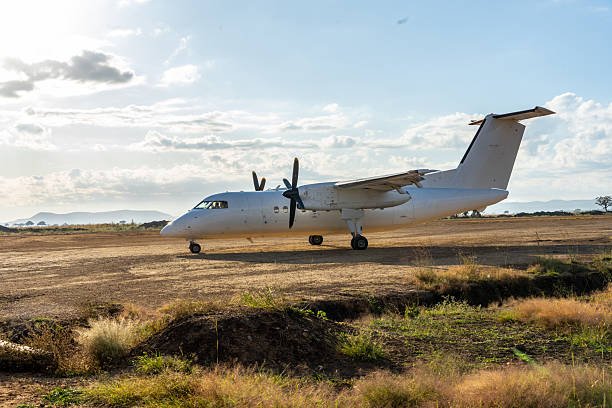
Kenya Safari Tours & Holiday Packages 2026-2027
Kenya Safari Tours & Holiday Packages is explained with current 2026-2027 planning, price, itinerary and booking information.
View package details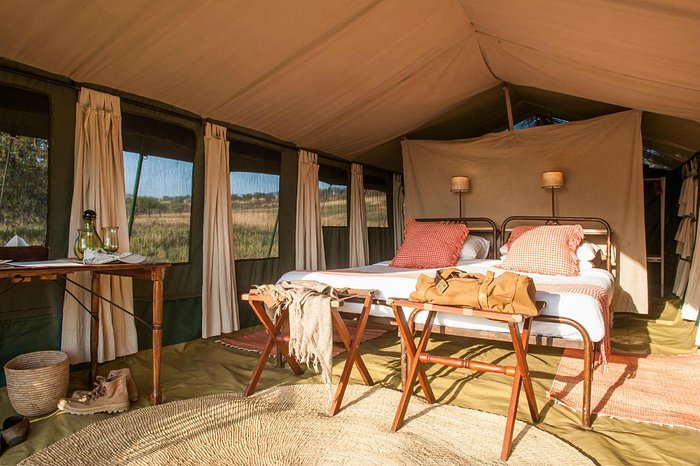
Affordable African Safari Packages: Your Guide To Budget-Friendly Tanzania
Discover how to plan and book affordable African safari packages for 2026-2027. This guide provides practical advice on choosing budget-friendly Tanzania tours, understanding costs, and...
View package details3-Day Serengeti And Ngorongoro Safari: Your Ultimate Tanzania Wildlife
start a concise yet unforgettable 3-day Serengeti and Ngorongoro safari, designed to maximize wildlife encounters in Tanzania's most celebrated parks. This compact adventure offers a taste...
View package details
Serengeti Safari And Zanzibar Beach Holiday: The Ultimate Tanzania
Combine the thrill of a Serengeti safari with the relaxation of a Zanzibar beach holiday. This guide covers everything you need to know for an unforgettable Tanzania adventure in 2026-2027...
View package details
Tanzania Safari And Zanzibar All-Inclusive Packages Guide
Combine the thrill of a Tanzanian wildlife safari with the serene beauty of Zanzibar on an all-inclusive package. This comprehensive guide covers everything you need to know for planning...
View package details
Are African Safari Prices Per Person Or Vehicle? Understanding Tanzania Costs
African safari costs can be confusing. This guide clarifies whether prices are quoted per person or per vehicle, detailing factors that influence your 2026-2027 safari budget in Tanzania.
View package details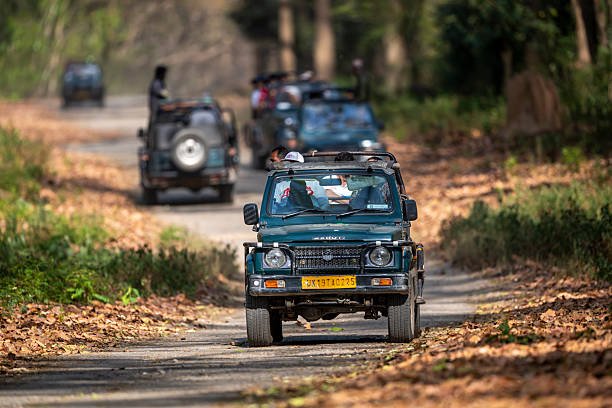
Luxury African Safari Packages: The Ultimate Tanzania Experience In 2026-2027
Explore the pinnacle of African adventure with luxury safari packages in Tanzania. This guide details exclusive lodges, tailor-made itineraries, and the best wildlife experiences for your...
View package details
Tanzania Safari Tours & Packages /: Your Ultimate Wildlife Adventure 2026-2027
Discover the magic of Tanzania with expertly crafted safari tours and packages for 2026 and 2027. From the vast plains of the Serengeti to the depths of the Ngorongoro Crater, find your...
View package detailsBest African Safari Tours & Vacation Packages /: Your Ultimate Tanzania
start an unforgettable African safari adventure in 2026/2027 with expertly curated tours and vacation packages in Tanzania's most iconic wildlife destinations. From the Serengeti to the...
View package details
Private Tanzania Safari Packages: Your Ultimate Guide For 2026-2027
Discover the unparalleled freedom and personalized experience of a private Tanzania safari package. This comprehensive guide for 2026-2027 explores custom itineraries, key destinations like...
View package detailsLuxury Tanzania Safari Tours 2026-2027
Luxury Tanzania Safari Tours is explained with current 2026-2027 planning, price, itinerary and booking information.
View package detailsNo related package matches those filters. Clear one or more filters to see the other topic-matched options.



